

In an era where commercial buildings face increasingly extreme temperatures, the stakes for proper roof coating selection have never been higher. Industry data shows that temperature-related roof damage costs facility owners over $2.5 billion annually in repairs and energy losses.
From scorching summers exceeding 120°F to winters plunging below -40°F, modern roof coatings must withstand unprecedented thermal stress. Yet widespread misconceptions about coating performance continue to plague the industry.
This comprehensive analysis examines how temperature extremes impact commercial roof coatings, dispelling common myths while providing evidence-based solutions for protecting valuable roofing investments.
SECTION 1: COMMON MISCONCEPTIONS
In commercial roofing, extreme temperatures can have serious implications for roof coating performance and durability. Misconceptions about these coatings not only undermine their effectiveness but can also lead to significant financial setbacks. Many property owners mistakenly believe that all roof coatings deliver identical results, but reality paints a more complicated picture. This section will clarify common myths surrounding the uniformity of coatings, the importance of UV resistance, and the often-overlooked effects of thermal expansion.
Myth: All Roof Coatings Are Equal
One of the most widespread misconceptions in commercial roofing is the belief that all roof coatings are created equal. Property owners often choose coatings based merely on price or appearance, not realizing the fundamental differences in formulation and application.
For instance, silicone coatings are particularly effective in moist climates, while acrylic coatings shine in areas with high UV exposure. These variations are critical when it comes to extending a roof’s lifespan, especially under the strain of extreme temperatures.
Choosing an inappropriate coating can result in various issues, including peeling, blistering, and adhesion failures, all leading to costly repairs and replacements. A thorough understanding of the unique attributes of each roofing product can dramatically impact performance and longevity.
Facility managers are encouraged to consult with roofing professionals to find the best coating solutions tailored to their specific environmental conditions. Making informed choices is essential for preserving the integrity of the roof.
Misunderstanding UV Resistance
Another common pitfall is the misperception surrounding UV resistance in roof coatings. Many believe that all coatings effectively reflect harmful UV rays, thereby minimizing heat absorption and extending the life of roofing materials. This assumption can lead to selecting coatings that do not withstand the intense sun.
In reality, some coatings may provide only minimal UV protection, accelerating degradation. This is especially true for roofs consistently exposed to harsh sunlight, leading to cracks, blistering, and reduced elasticity that significantly shortens the lifespan of roofing materials (source: Castagra).
To combat thermal fatigue and other issues, property owners should opt for coatings specifically engineered for high UV resistance. Prioritizing this feature during the selection process helps facility managers protect their roofs and enhance their return on investment.
Ignoring Thermal Expansion
Thermal expansion is a critical factor often overlooked when discussing roof coatings, yet it can have a tremendous impact on a roofing system’s long-term effectiveness. As temperatures rise and fall, materials expand and contract, which can impose significant stress on coatings that aren’t designed to handle such changes.
Many property owners mistakenly think that a coating will remain intact regardless of temperature fluctuations. In truth, neglecting thermal expansion considerations can lead to cracks, water infiltration, and even the failure of the entire roofing system.
For example, coatings lacking sufficient elasticity may not adapt to the movement caused by temperature changes, leading them to peel away from the roofing substrate. This not only results in costly leaks but also emphasizes the need for thoroughly vetted products that accommodate thermal variations.
Ensuring that roofing systems are equipped to cope with thermal fluctuations is essential. This proactive approach fosters longevity and safeguards buildings from premature failure, ultimately contributing to more effective maintenance and repair strategies.
SECTION 2: PRACTICAL IMPLICATIONS
Extreme temperatures can wreak havoc on commercial roof coatings, leading to costly repairs and significant disruptions. The challenges posed by scorching heat and sudden cold can profoundly impact sealants, strain materials, and compromise the integrity of roofing systems. For property owners and facility managers, grasping these implications is essential for the effective maintenance of their roofing solutions.
Effects of High Temperatures on Sealants
High temperatures can dramatically undermine the effectiveness of sealants used in commercial roofing. As the heat rises, many sealants may soften, resulting in diminished adhesion and flexibility. This softening can create gaps that invite water infiltration, jeopardizing the waterproofing of the roof.
Moreover, excessive heat accelerates the aging process of roof coatings, causing them to crack or peel. For example, elastomeric coatings can become brittle and lose elasticity, heightening the risk of damage over time. Property owners should anticipate the need for more frequent inspections and maintenance to address these concerns.
To counteract these challenges, selecting temperature-resistant sealants is critical. Opting for products specifically designed to endure high heat will enhance durability and longevity. Understanding product specifications can empower decision-makers to make informed choices.
Establishing regular maintenance schedules is also vital. Proactive inspection routines can help identify sealant issues before they escalate, allowing for timely repairs that protect the roof’s integrity and minimize unexpected costs.
Consequences of Freezing Temperatures on Roofing Materials
Conversely, freezing temperatures introduce their own set of challenges for commercial roofing materials. As temperatures plummet, roofing materials can become rigid and more susceptible to cracking. For instance, asphalt-based products may suffer thermal shock, leading to severe structural issues.
Additionally, moisture can freeze and expand within roofing materials, creating pressure that can result in punctures or tears. Properly understanding local climate conditions and preparing roofs for winter is crucial for optimal management.
Employing roofing materials with superior insulation properties can help mitigate the effects of freezing temperatures, ensuring roofs can withstand both extremes. Property managers should also explore winterization techniques to shield roofs during harsh weather.
Routine inspections during the colder months are essential to catch damage caused by freezing. Prompt repairs can help avert more serious problems later on, ultimately saving property owners significant repair expenses.
Impact of Temperature Fluctuations on Roof Integrity
Temperature fluctuations can place considerable stress on roofing systems, jeopardizing their structural integrity. As temperatures fluctuate, roofing materials undergo expansion and contraction, which can loosen seams and lead to failures over time.
For instance, metal roofs may experience issues like oil canning or warping due to thermal expansion. This not only detracts from aesthetics but can also create the potential for leaks. Recognizing these stresses is crucial for maintaining the overall quality of a roofing system.
Effectively managing temperature variations involves selecting appropriate roofing systems designed to handle extreme thermal cycles. This approach requires a solid understanding of the thermal properties of materials and their ability to cope with local climate conditions.
Conducting thermal imaging assessments can be particularly beneficial in identifying areas of weakness associated with temperature stress. Early detection enables targeted repairs, helping to extend the roof’s lifespan and ensure consistent performance.
SECTION 3: COST OF MISINFORMATION
The financial repercussions of misunderstanding and mismanaging commercial roof coatings in extreme temperatures can be staggering. Research indicates that neglecting essential maintenance can inflate repair costs by as much as 15% over time. This section emphasizes the necessity for accurate information regarding roofing care, highlighting the urgent need to combat misinformation for the sake of financial integrity.
Financial Consequences of Neglected Maintenance
Failing to carry out regular maintenance on commercial roof coatings can impose a hefty financial burden. Proactive upkeep is vital for spotting potential problems before they escalate. In fact, property owners can save up to 50% on long-term repair costs by implementing a consistent maintenance plan.
When facility managers ignore the early signs of wear and tear, minor issues can snowball into costly repairs. For instance, as roof coatings lose their ability to reflect UV rays over time, cooling costs may surge, costing thousands of dollars depending on the building’s size and energy demands.
Furthermore, skipping maintenance can void manufacturers’ warranties, shifting the financial responsibility of repairs or replacements entirely onto the owner. The stakes escalate quickly with misinformation leading to inaction, reinforcing the importance of staying well-informed.
Investing in knowledge about roof maintenance is not just advantageous; it’s a necessity for safeguarding financial investments. Recognizing the consequences of neglect can help foster a culture of proactive care and yield substantial savings over the long haul.
Costly Repairs Due to Material Deterioration
Extreme temperatures significantly hasten the deterioration of roofing materials, resulting in unexpected repair bills. Many property owners mistakenly believe their roof coatings can endure harsh climates without consequence. This misapprehension often leads to substantial financial loss when material failures occur.
For example, high temperatures can render elastomeric coatings brittle, increasing the likelihood of cracking. A small crack can seem trivial, but it can quickly escalate into a larger issue, such as water intrusion that compromises structural integrity or insulation. Repairing extensive damage may cost tens of thousands, whereas timely intervention could have resolved a minor issue with a simple patch.
Choosing inappropriate roofing materials for specific climatic conditions can also void warranties, making future repairs prohibitively expensive. Understanding how temperature affects material performance is crucial to preventing soaring costs and ensuring effective roof functionality.
Timely repairs not only lessen the financial burden of material deterioration but also extend the roof’s lifespan. Property owners who remain vigilant about temperature-driven challenges can make informed choices that ultimately save them money.
Losses from Unaddressed Water Damage
Water intrusion resulting from roof failures can trigger catastrophic losses that accurate maintenance knowledge could have prevented. If roof coatings are compromised, water can easily penetrate commercial buildings, causing extensive damage. Estimates show that a single incident of water damage can compound losses, averaging between $20,000 and $40,000.
Once water breaches the roofing system, it can damage interior structures, fostering mold growth and degrading insulation. These additional issues further strain financial resources, necessitating costly clean-up efforts and potentially leading to health-related expenses. Many property managers overlook the severe implications that moisture can have, particularly in connection with extreme temperature effects.
Moreover, the longer water damage remains unaddressed, the steeper the financial penalties become. Property owners may face direct repair costs and subsequent losses due to business interruptions. Understanding how to maintain roofs effectively can prevent such costly scenarios from unfolding.
Taking immediate action on roofing issues reduces the likelihood of severe water damage and the expenses that follow. A proactive approach, informed by accurate information about roofing systems and their vulnerabilities, is essential for protecting both property and occupants.
SECTION 4: REALITY CHECK
Extreme temperatures pose a serious threat to the integrity of commercial roofing systems. Fluctuating temperatures can cause materials to expand and contract, leading to potential damage. Studies indicate that inadequate temperature management can reduce a roof’s lifespan by as much as 30%. Understanding how these temperature variations impact different roofing materials is vital for property owners who want to safeguard their investments.
How Extreme Temperatures Affect Different Roofing Materials
Different roofing materials react in unique ways to extreme temperatures, which can influence their performance and longevity. For instance, asphalt-based systems may become soft in intense heat, risking deformation or creating areas where water can pool. On the flip side, frigid temperatures can render shingles and membranes brittle, making them more prone to cracking.
Thermoplastic membranes, like TPO and PVC, exhibit flexibility in cooler conditions but can become too pliable during sweltering temperatures, compromising their structural integrity. This variability necessitates careful selection of roofing materials suited to the local climate.
Additionally, while reflective coatings help minimize heat absorption in warmer climates, improper adhesion can lead to thermal shock. Property owners must grasp these nuances to make informed decisions about which materials will succeed under their specific conditions.
The appropriate choice of roofing materials hinges on a balanced understanding of both extreme heat and cold impacts, ensuring that roofs endure the test of time against nature’s forces.
The Role of Insulation and Ventilation in Temperature Regulation
Insulation and ventilation play crucial roles in managing the effects of extreme temperatures on roofing systems. Effective insulation helps maintain stable indoor temperatures, thereby reducing stress on roofing materials. Inadequate insulation can trap heat, exacerbating temperature management issues.
Ventilation, meanwhile, enables air to circulate within the roofing structure, preventing moisture buildup that can lead to deterioration. Roof systems lacking adequate ventilation face accelerated wear, especially during temperature extremes.
A well-planned approach to insulation and ventilation is the cornerstone of effective roofing performance. These elements work hand in hand to regulate temperature, enhancing the longevity of roofing materials.
Property owners should invest in comprehensive assessments of their insulation and ventilation systems. Proactive management can lead to significant long-term savings while reducing the risk of catastrophic roof failures.
Real-World Examples of Temperature-Related Roof Damage
Temperature-induced roof damage has real-world implications, with numerous case studies highlighting its effects. One notable example is a multi-story commercial building in a northern city that suffered severe leaks after a particularly harsh winter. Inadequate insulation led to mold growth when the freeze-thaw cycle cracked the roofing membrane, underscoring the necessity of robust insulation measures.
In another case, a retail center located in a hot, arid climate faced extensive damage when a polymer-based coating lost its elasticity, resulting in costly repairs. Extreme heat caused cracking and peeling of the material, necessitating a complete re-coating.
These instances illustrate the need for property owners to consider local climate factors when selecting roofing systems. A one-size-fits-all approach can result in significant financial repercussions.
Recognizing and understanding temperature-related risks is imperative. By becoming aware of these realities, property owners can implement preventive strategies that effectively protect their buildings and investments.
SECTION 5: EVIDENCE-BASED ALTERNATIVES
The decision-making process for roof coatings in commercial buildings is fraught with consequences. Selecting subpar coatings can lead to severe damage and unexpected repair bills, especially in extreme temperatures. Recent findings suggest that reflective and UV-protective coatings can reduce energy costs by up to 30% while simultaneously prolonging roof lifespan. Knowledge of these benefits allows property owners to make strategic choices that significantly affect their budgets and building durability.
Benefits of Reflective and UV-Protective Coatings
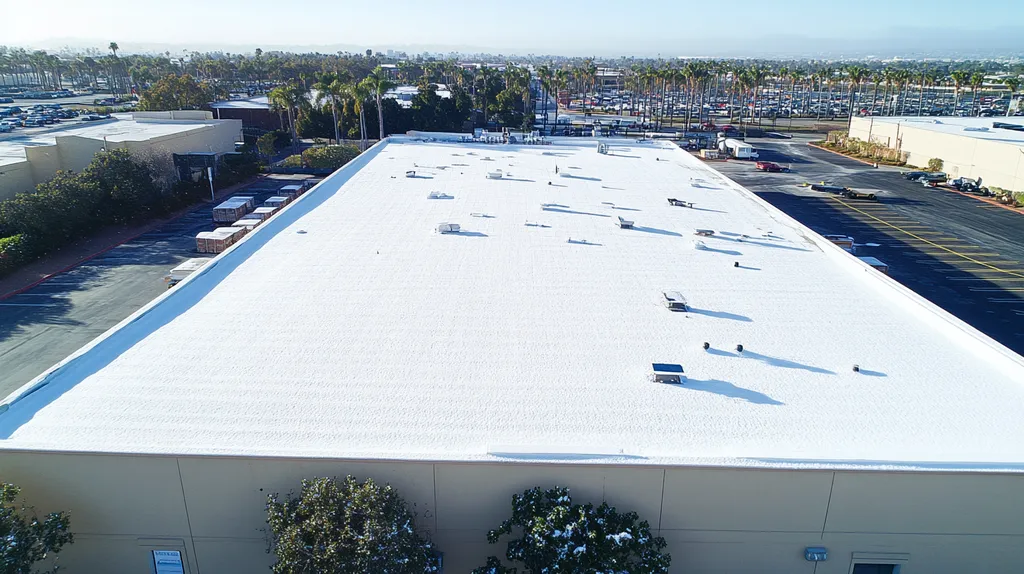
In areas that experience extreme heat, reflective coatings become indispensable for commercial roofs. These innovative coatings significantly reduce heat absorption, which helps keep buildings cooler and less reliant on air conditioning.
Reflective coatings can bounce back up to 85% of solar radiation, directly contributing to lower energy bills. This is especially advantageous for large commercial buildings with extensive flat roofs that would otherwise absorb heat.
Additionally, UV-protective coatings shield roof membranes from harmful solar rays. Over time, exposure to UV rays can lead to material degradation, resulting in leaks and premature roof failure.
By implementing reflective and UV-resistant coatings, property owners can improve energy efficiency while extending the overall lifespan of their roofs, ultimately avoiding costly early replacements.
Choosing Impact-Resistant and Thermally Stable Materials
For roofs facing extreme weather conditions, using impact-resistant materials is of utmost importance. Conventional roofing materials often suffer from hail and wind damage.
Opting for impact-resistant membranes, such as those made from modified bitumen or specific synthetic blends, can greatly reduce these risks. Rigorous testing ensures that these materials withstand harsh environmental elements.
Furthermore, thermally stable materials are critical for adapting to temperature fluctuations. Choosing products that expand and contract without sacrificing structural integrity is vital for maintaining peak roof performance over time.
Such selections not only fortify the roofing system but also enhance the building’s overall resilience against varied climatic stresses, ensuring more durable solutions in the long run.
Advanced Coating Solutions for Extreme Weather
Advanced coatings, including silicones and polyurethanes, offer robust protection in extreme weather scenarios. These materials not only provide excellent waterproofing but also maintain flexibility, accommodating minor thermal movements without cracking.
These coatings also shine in terms of UV resistance, which significantly reduces degradation from sun exposure and enhances the longevity of the roofing system. For buildings located in areas with both high heat and heavy rainfall, these coatings provide comprehensive protection.
In addition to their protective qualities, many advanced coatings have self-cleaning properties, helping minimize maintenance needs. This feature is especially valuable for facility managers striving for efficiency while ensuring long-term performance.
By investing in these advanced solutions, property owners can mitigate the risks associated with increasingly unpredictable weather patterns, effectively future-proofing their roofing investments.
SECTION 6: TEST AND VERIFY
Extreme temperatures pose a significant threat to the integrity of commercial roof coatings, with the potential for costly repairs and business interruptions. Recent studies indicate that nearly 30% of roof failures can be attributed to temperature-related issues. In order to enhance performance and extend the lifespan of roofing systems, property owners and facility managers must adopt effective testing and monitoring practices. This section outlines vital strategies for ensuring roof coatings are resilient against the challenges posed by extreme temperatures.
Conducting Regular Roof Inspections for Temperature-Related Damage
Regular inspections are essential for detecting temperature-related damage before it escalates into major issues. Experts suggest scheduling these inspections at least twice a year and after extreme weather events to assess the condition of the roof. During each inspection, noticeable signs of deterioration, such as cracking, bubbling, or peeling, should be thoroughly documented.
Advancements in thermal imaging technology can aid in uncovering hidden issues caused by temperature variations. For example, thermal imaging can pinpoint areas where heat escapes, leading to premature wear on roof coatings. Addressing these problems early can prevent significant repair costs in the future.
Integrating roof inspections into routine maintenance schedules promotes accountability among facility managers. It is crucial to ensure that inspections cover all types of roof coatings comprehensively. This proactive strategy safeguards against thermal shock, which can inflict considerable damage if left unaddressed, thereby maintaining overall building performance.
After each inspection, generating a detailed report allows for informed decision-making. Documented histories of roof conditions enable facility managers to track changes over time and make necessary adjustments to maintenance plans as temperatures evolve.
Using Intelligent Rooftop Monitoring Systems
Embracing modern technology is essential for preserving the integrity of commercial roofs. Intelligent rooftop monitoring systems offer real-time data on temperature fluctuations and overall roof health. These systems can monitor environmental conditions and alert facility managers about potential issues before they escalate into costly repairs.
For instance, certain monitoring systems are equipped with sensors that detect extreme temperature changes and generate alerts instantly. This immediate feedback helps prevent damage from thermal expansion and contraction. By responding to these alerts, facility managers can orchestrate timely interventions to minimize damage and associated costs.
These systems can also be integrated with building management systems to take a holistic approach to facility maintenance. Automated adjustments to HVAC operations based on real-time roof data further protect roofing materials from temperature extremes. This synergy enhances energy efficiency while also prolonging the life of the roof.
Investing in intelligent monitoring systems may require initial outlay; however, the long-term benefits often outweigh the costs. Facility managers can utilize the data gathered to customize maintenance programs aimed specifically at combating wear and tear resulting from temperature fluctuations.
Testing and Certifying Roof Coatings for Extreme Temperatures
Testing and certifying roof coatings for their resilience against extreme temperatures are pivotal for ensuring they can be relied upon. Certifications from reputable organizations can give property owners confidence that their roof coatings meet high-performance standards. These certifications guide the selection of coatings adept at withstanding the specific climate conditions they face.
Conducting regular tests reveals how different materials respond to extreme heat and cold. For example, assessing the thermal cycling capabilities of a coating through controlled tests guarantees that it won’t crack or peel during temperature variations. Understanding these performance metrics is essential when selecting materials for new projects or replacements.
Additionally, partnering with manufacturers that offer thoroughly tested and certified products can build trust in the quality of materials used. Facility managers should prioritize items that demonstrate durability through independent testing in extreme conditions. This verification process helps to mitigate risks, leading to better long-term investments in roofing systems.
Ultimately, robust testing and certification safeguard against unnecessary maintenance and repairs. By ensuring roof coatings pass rigorous standards, property owners can rest assured that their roofing systems are equipped to endure extreme temperatures effectively.
Looking Ahead
As commercial buildings face increasingly extreme temperatures, from record-breaking heat waves to polar vortexes, the necessity for proper roof coating selection has never been more critical.
The $2.5 billion spent annually on temperature-related roof repairs serves as a stark reminder that outdated approaches to commercial roofing are unsustainable.
Modern coating technologies, when properly selected and maintained, can extend roof life by up to 15 years while reducing energy costs by 30%.
The evidence is clear: facility managers who embrace advanced coating solutions, implement comprehensive testing protocols, and utilize intelligent monitoring systems will be best positioned to protect their roofing investments against increasingly volatile climate conditions.
The time for proactive adaptation in commercial roofing is now, as tomorrow’s temperature extremes will only intensify the challenges faced today.
FREQUENTLY ASKED QUESTIONS
Q. Are all commercial roof coatings the same in extreme temperatures?
A. No, not all roof coatings are created equal. They vary significantly based on their formulations and environmental compatibility. Some are better suited for high UV exposure, while others perform well in moist climates. Understanding these differences is crucial for making informed decisions to avoid costly repairs.
Q. What happens to industrial roofs in extreme heat?
A. In extreme heat, industrial roofs can suffer from sealant softening, leading to possible gaps and water infiltration. Additionally, excessive heat can accelerate the deterioration of roofing materials, causing cracking and peeling. Regular maintenance and inspections are essential to mitigate these risks.
Q. How does freezing impact commercial roof coatings?
A. Freezing temperatures cause roofing materials to become rigid and susceptible to cracking. Moisture within materials can freeze and expand, leading to punctures or tears. Using appropriately insulated products and regular inspections can help manage these risks effectively.
Q. What are the financial risks of neglecting roof maintenance?
A. Neglecting regular maintenance on a commercial roof can significantly increase long-term repair costs. Minor issues can escalate into major problems, costing property owners up to 50% more when repairs are delayed. Staying proactive can protect financial investments and ensure roof longevity.
Q. How can temperature fluctuations weaken roof integrity?
A. Temperature fluctuations can cause materials to expand and contract, loosening seams and leading to potential failures. This stress can significantly weaken a roofing system, making it crucial to select materials designed to handle these variations for maximum durability.
Q. What are modern alternatives for roof coatings in extreme temperatures?
A. Advanced coatings, such as silicones and polyurethanes, provide excellent UV resistance and flexibility. These materials can withstand extreme weather while ensuring the integrity of the roof. Investing in these options can significantly prolong the lifespan and performance of roofing systems.
Q. How often should I perform inspections on my commercial roof?
A. Regular inspections should be performed at least twice a year, plus after extreme weather events. These assessments are crucial for catching signs of deterioration before they develop into more serious and costly issues, ultimately preserving the integrity of the roof.






