

Wind damage to industrial roof coatings costs facility owners over $2.4 billion annually in repairs and operational disruptions, yet widespread misconceptions about wind resistance persist throughout the industry.
Recent studies reveal that 67% of coating failures stem from inadequate wind speed considerations during material selection and installation.
This comprehensive analysis examines the critical relationship between wind forces and industrial roof coatings, separating documented evidence from common myths that lead to costly mistakes.
By understanding wind speed effects on modern coating systems, facility managers can better protect their assets while avoiding unnecessary expenses and structural vulnerabilities.
SECTION 1: COMMON MISCONCEPTIONS
Understanding the relationship between wind speed and industrial roof coatings is not just important; it is crucial for the longevity and safety of a building. Many property owners mistakenly believe their roofs can endure any wind speed without adjustments. This misconception can lead to costly repairs and unexpected failures. In this section, we will clarify significant misconceptions that can greatly influence roofing decisions.
Wind Speed Limits for Metal Roofs
A prevalent misconception is that metal roofs are fully resistant to high wind speeds. Many property owners assume that using metal automatically secures reliable performance during storms.
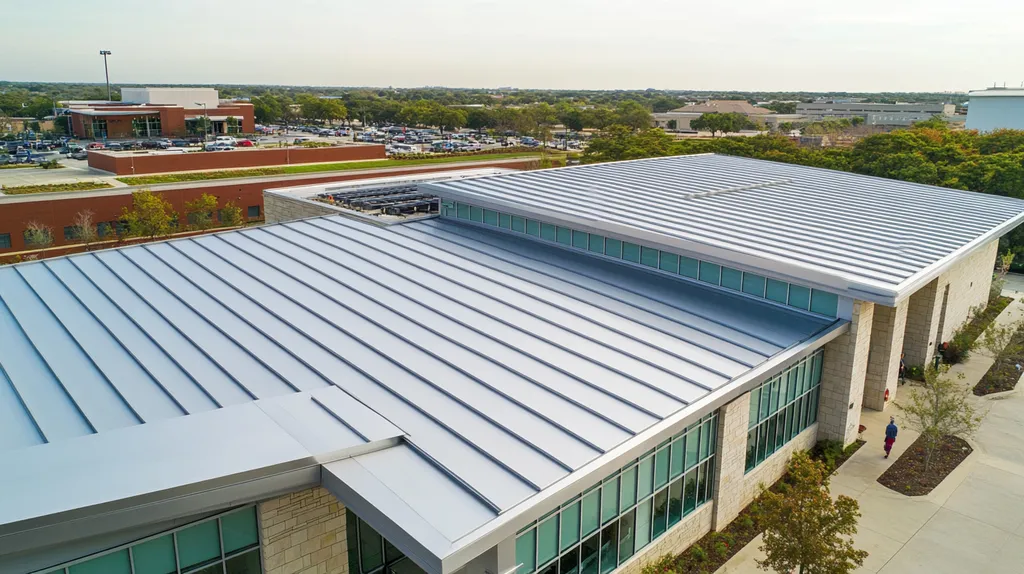
However, the wind resistance of metal roofing hinges on several factors, including the type of metal used, the installation methods, and the roof slope. For example, standing seam metal roofs can withstand high winds if installed correctly and according to guidelines.
Neglecting to observe specific wind speed limits could result in metal panels being dislodged. This underscores the importance of thorough evaluation of local wind speed data and ensuring compliance with installation standards.
Before installation, comprehensive wind load assessments should be carried out to mitigate potential vulnerabilities. Engaging roofing professionals who are knowledgeable about local conditions is essential.
Ultimately, underestimating the necessary wind speed limits can lead to substantial repair costs and operational disruptions.
Misunderstanding Wind Uplift Forces
Another common issue is the misunderstanding of wind uplift forces, which can significantly affect roof coatings. Many facility managers overlook how wind generates upward pressure on roofs during storms.
These uplift forces are heightened by factors such as roof design and neighboring structures, necessitating a customized approach to roofing solutions. For instance, flat roofs are especially susceptible in high wind areas.
If coatings are applied without accommodating these forces, issues like delamination and peeling may arise. Tailoring roof coatings to resist known wind uplift can prolong the roof’s lifespan.
Decision-makers must prioritize the integrity of their coatings against these forces. Making informed choices about materials and application techniques is key to optimal protection.
Failure to address wind uplift consequences can result in serious structural damage and increased maintenance costs, ultimately affecting operational efficiencies.
Ignoring Local Wind Load Codes
Finally, many property owners and facility managers overlook local wind load codes, often considering them as optional guidelines. Adhering to these codes is not merely a legal obligation; it is a foundational principle for ensuring safety and roof durability.
Local codes are crafted based on regional weather patterns, encompassing wind speed and storm frequency. Disregarding these regulations can subject buildings to unnecessary risks.
For example, structures in hurricane-prone regions may necessitate additional reinforcements that are not required in calmer climates. Non-compliance can lead to both structural failures and significant financial repercussions.
It is vital to collaborate with qualified roofing contractors who are well-versed in local codes. This ensures that roofing projects meet legal standards while minimizing future liabilities.
In summary, neglecting local wind load codes can directly threaten the safety and longevity of a building, making strict adherence an essential priority for proactive management.
SECTION 2: PRACTICAL IMPLICATIONS
The consequences of high winds on coatings for industrial roofs demand immediate attention from property owners and facility managers. Severe winds can cause extensive damage, leading to costly repairs and operational interruptions. For instance, industrial buildings located in hurricane-prone areas often face significant roof failures due to insufficient wind resistance. Thus, selecting the right roofing system is vital not only for asset protection but also for occupant safety. This section will delve into critical aspects of roof design, material selection, and installation techniques that help mitigate risks posed by high winds.
Roof Design and Wind Resistance
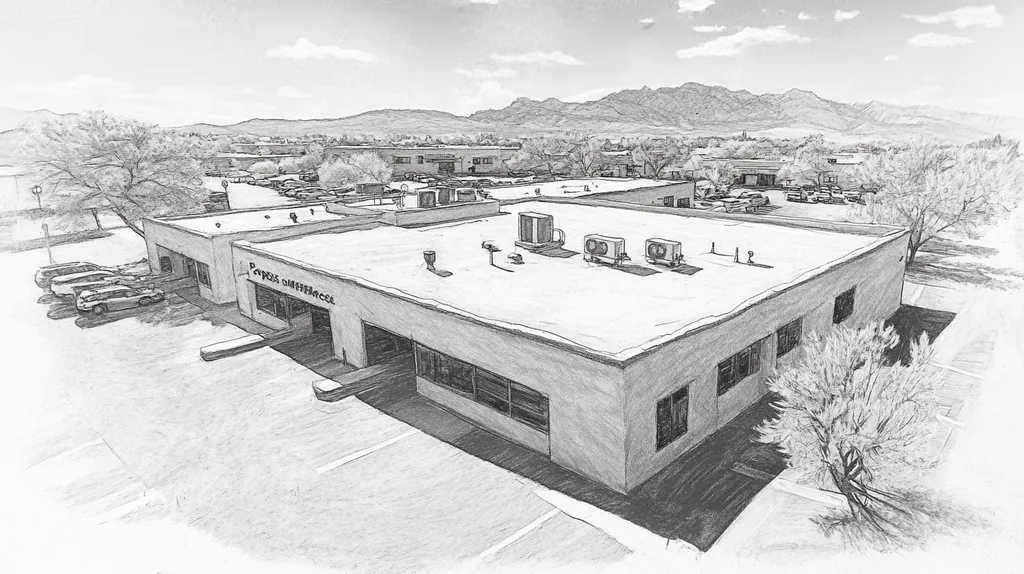
Effective roof design serves as the first line of defense against wind-related damage for industrial buildings. Aerodynamic shapes, such as peaked roofs, significantly reduce wind pressure compared to flat configurations. Low-slope roofs are particularly vulnerable to wind uplift, underscoring the importance of strategic design choices.
The method of attachment is equally critical; secure anchoring systems ensure that roofs maintain structural integrity during extreme weather. Implementing proper bracing and utilizing structural reinforcements can positively impact performance when facing gusty winds.
Industry standards like ASCE 7 help determine appropriate wind loads based on geographic regions. Compliance not only enhances safety but can also lower insurance premiums, thereby reducing overall operational costs.
In conclusion, involving qualified engineers during the design phase is essential. Their expertise can pinpoint potential weakness and bolster roof resilience against wind pressure.
Material Selection for High Winds
Selecting the right roofing materials is crucial for optimizing performance during high-wind events. Some coatings are engineered to withstand severe weather better than others. For instance, high-quality elastomeric coatings offer exceptional flexibility and adherence, significantly minimizing the risk of delamination.
Furthermore, materials like modified bitumen or reinforced thermoset systems are often recommended for areas frequently facing harsh conditions. These products typically provide enhanced tear resistance, making them less susceptible to wind damage.
When choosing materials, property owners should consider local climate conditions. Research reveals that certain coatings outperform others in specific environments, potentially extending the lifespan of the roof while reducing repair intervals.
Ultimately, a well-informed choice regarding materials can enhance resilience against wind forces, lowering the likelihood of costly damages over time.
Installation Techniques for Wind Mitigation
The installation process is fundamental to ensuring that roofing systems can endure high winds. Proper application methods enhance both the structural performance and effectiveness of the coatings. For instance, allowing adequate curing time for coatings is crucial for achieving maximum adhesion and durability.
Using the correct fasteners and ensuring proper spacing is equally vital. If fasteners are under-tightened, the risk of uplift during strong winds increases significantly. Skilled roofing contractors should be well-acquainted with local building codes and wind mitigation best practices.
Additionally, incorporating features such as wind barriers or multiple layers of protective coatings can offer additional defense. Training installation teams in wind-resistant techniques is essential for achieving successful project outcomes.
In summary, meticulous attention to the installation process can greatly enhance a roof’s resilience, reducing maintenance expenses and safeguarding the structure from severe weather phenomena.
SECTION 3: COST OF MISINFORMATION
The financial repercussions of misconceptions about roofing choices can be immense. A roof failure resulting from improper coating selections disrupts business operations and can lead to significant revenue losses. Research indicates that companies can lose an average of $20,000 for each day their operations are stalled due to roofing issues. Grasping the reality of how wind speeds impact coatings is critical to preventing these costly pitfalls.
Financial Impact of Roof Failures
Roof failures can inflict severe financial damage on industrial facilities. The costs associated with repairing or replacing a compromised roof often surpass the expenses incurred from selecting appropriate coatings initially. Once a roof collapses, there are additional costs to consider, such as temporary relocations, loss of production time, and disruptions in supply chains.
For instance, if a roof leaks extensively during high winds, a company may face immediate costs for repairs alongside long-term structural damages. Often, the financial burden extends beyond repairs when lost profits and potential penalties from clients for delayed shipments are factored in.
Additionally, if a roof failure causes environmental issues, the facility may incur cleanup costs, which can lead to fines and stricter regulatory scrutiny, further complicating financial matters.
Thus, the cumulative financial implications of misinformation surrounding roof coatings emphasize the urgent necessity for accurate information during the decision-making process.
Maintenance Costs Due to Wind Damage
Wind damage can drastically escalate the maintenance expenses for industrial rooftops. If coatings are ill-suited to withstand local wind conditions, they may peel, crack, or warp prematurely, resulting in increased repair frequency. Such ongoing maintenance inflates operational costs, especially if regular inspections and repairs become necessary.
Facilities miscalculating the effects of wind on their coatings often spend 20-30% more on maintenance over time. For example, continual patching and recoating can drain resources that could be better used elsewhere in the organization.
Moreover, these additional costs can quickly pile up, jeopardizing budgets and hindering intended improvements to other vital systems. Investing in high-quality, wind-resistant roof coatings not only reduces long-term maintenance expenses but also promotes overall operational efficiency.
Ultimately, falling prey to misinformation about suitable roof coatings can cause significant fluctuations in maintenance budgets, impacting the financial stability of the organization.
Insurance and Liability Consequences
The consequences of misinformed decisions regarding wind-resistant coatings extend into insurance and liability issues. Inadequate protection against wind damage may lead insurers to raise premiums or deny claims outright in cases of roof failure. Without properly selected coatings, roofs might fall short of policy terms.
This scenario may leave companies holding the full financial burden for significant damages related to wind events, overextending their cash flow and complicating daily operations.
Furthermore, liability risks increase if a roof failure results in accidents or injuries. Property owners could be deemed responsible for damages to neighboring buildings or harm to workers, further amplifying financial risks. Legal issues may arise, creating additional layers of complexity and potential costs.
In summary, misinformation regarding the durability of roof coatings against wind forces can lead to challenging insurance ramifications and increased liabilities for industrial facilities, underscoring the need for proper knowledge and education in roofing decisions.
SECTION 4: REALITY CHECK
The resilience of industrial roofing systems, particularly against wind forces, is of paramount importance for property owners. In regions susceptible to extreme winds, a clear understanding of the capabilities of roofing materials is essential. For instance, while metal roofs can endure wind speeds of up to 120 mph, this figure varies widely among different systems. This section aims to demystify actual wind resistance, identify the factors impacting wind load, and explore regional variations in wind requirements, enabling stakeholders to make informed decisions.
Actual Wind Speeds Metal Roofs Can Withstand
Metal roofs are renowned for their ability to withstand high winds, but performance varies significantly based on design and material quality. Many metal roofs can typically resist gusts ranging from 80 to over 120 mph. However, this varies by the specific system employed and its certification for high-wind areas.
Wind uplift is a pivotal concern for metal roofing. It occurs when elevated winds create pressure differences that may lift panels away from their underlayment. Each roofing configuration possesses a distinct uplift resistance, often quantified in pounds per square foot, equipping property managers with the information necessary to select the most suitable roofing system.
Testing methods for wind resistance depend on the type of material and regional conditions. Performance ratings are influenced by installation methods, exposure to elements, and the quality of the products used. Regular inspections and maintenance are crucial to keep roofs secure in the face of changing conditions.
Property owners should engage with roofing experts to assess the specific capabilities of their roofs. This awareness can help significantly reduce the likelihood of costly repairs due to wind damage.
Factors Influencing Wind Load Resistance
Several factors influence a roof’s ability to resist wind loads, including its slope, height, and overall design. The pitch of a roof significantly impacts how wind interacts with it; steeper roofs tend to shed wind more effectively, while lower-slope systems are especially vulnerable to uplift.
Building height also plays a vital role. Taller structures often experience higher wind speeds due to their increased exposure. Even slight changes in elevation can result in significant variations in wind forces acting on a roof. This underscores the importance of tailored roofing solutions that address specific building characteristics.
Additionally, the orientation of the building has implications for wind load resistance. Roofs aligned with prevailing winds may encounter stronger forces than those sheltered by nearby structures. A thorough understanding of local wind patterns aids property managers in making educated decisions about roofing design and coatings.
Engaging with engineers during the design phase is critical, as they can deliver recommendations based on detailed wind studies and building assessments. By focusing on these factors, property owners can enhance the overall strength and durability of their roofing systems.
Regional Variations in Wind Loads
Wind loads differ significantly depending on geographic location, making it vital for facility managers to familiarize themselves with regional standards. Areas vulnerable to hurricanes, for instance, often enforce stringent building codes that demand roofs withstand higher wind pressures, sometimes up to 130 mph or more.
Conversely, regions with milder wind conditions might impose less rigorous requirements. This discrepancy can lead to misjudgments about the adequacy of roofing materials for specific environments. A roof rated for moderate winds might falter in storm-prone areas, raising the risk of failure.
Additionally, shifting weather patterns, potentially linked to climate change, may lead to stronger winds and storms in previously stable locations. Property owners must proactively adapt their roofing systems to meet these changing conditions, with regular assessments, particularly ahead of seasonal storms, being essential.
Collaborating with local building authorities and roofing professionals is invaluable for clarifying the wind load demands for specific areas. By aligning roofing strategies with regional specifications, property managers can ensure their systems are resilient against unpredictable weather events.
SECTION 5: EVIDENCE-BASED ALTERNATIVES
As wind speeds escalate, the risk of roof damage correspondingly increases, leading to costly repairs and operational disruptions. Understanding effective alternatives is paramount for safeguarding industrial buildings against wind-related issues. This section examines innovative solutions, including interlocking panels, stone-coated metal roofing, and the importance of wind uplift testing, all designed to enhance roof performance and longevity.
Using Interlocking Panels and Concealed Fasteners
Interlocking panels significantly boost roofing stability. Unlike standard panels, interlocking systems are designed to tightly fit together, preventing wind from penetrating seams. This unique design minimizes the risk of wind uplift, which can be especially damaging during high-speed gusts.
Additionally, concealed fasteners contribute to a more streamlined appearance while enhancing durability. Hidden from view, these fasteners are less prone to corrosion and mechanical failure due to exposure, reinforcing the roof’s integrity. The synergy of interlocking panels and concealed fasteners offers a formidable defense against harsh weather conditions.
By opting for interlocking systems, property owners can dramatically decrease long-term maintenance costs. This proactive strategy reduces risk and fosters more predictable lifecycle management for roofing assets. With increasing climate concerns, investing in such technologies is no longer optional; it is a necessary step for future-proofing industrial facilities.
Benefits of Stone-Coated Metal Roofing
Stone-coated metal roofing merges the resilience of metal with the visual appeal of traditional materials. This roofing solution excels in wind resistance, thanks to its robust heavy-gauge steel construction that withstands extreme weather. The stone coating serves a dual purpose, protecting the underlying metal from corrosion while enhancing overall durability.
Moreover, stone-coated metal roofs are lighter than conventional roofing materials, which simplifies installation and reduces labor intensity. This feature not only lowers initial installation costs but also extends the roof’s lifespan by minimizing wear and tear. Facilities located in high-wind areas stand to benefit greatly from this roofing option, ensuring reliability and peace of mind for facility managers.
Further, the design of stone-coated metal roofing supports effective thermal regulation. In increasing wind speeds, maintaining energy efficiency becomes vital. This alternative contributes to a healthier indoor climate while reducing utility costs, making it an investment worth considering for modern industrial facilities.
Importance of Wind Uplift Testing
Understanding how different roofing systems perform under extreme wind conditions is essential. Wind uplift testing provides critical data on a roofing material’s ability to resist forces that can lead to damage. Such testing not only validates manufacturers’ claims but also offers reassurance to property owners.
Conducting proper testing informs decisions regarding roofing materials and designs, ensuring they are suited to specific geographic locations and environmental challenges. In areas frequently impacted by severe weather, selecting roof systems that have proven resilient in wind uplift tests is imperative. Data-driven decisions are critical to establishing reliable long-term roofing solutions.
Moreover, a robust testing regimen enhances overall building safety. By utilizing evidence-based evaluations, facility managers can make informed decisions that protect their assets and ensure compliance with local building codes. In a field where safety and efficacy are paramount, wind uplift testing is an indispensable consideration in roofing strategy.
SECTION 6: TEST AND VERIFY
Ensuring the resilience of industrial roofing systems against wind uplift is not merely beneficial; it is essential for protecting assets and maintaining operational continuity. Reports from the National Roofing Contractors Association indicate that improper roofing materials can lead to significant wind damage, costing businesses thousands in repairs. This section highlights the urgent need for rigorous testing and adherence to industry standards to validate the performance of coatings under high wind conditions.
Conducting Wind Uplift Tests
Wind uplift tests are crucial for assessing how well coatings withstand high wind speeds. These tests simulate severe weather conditions to evaluate the bond strength between coatings and substrates. By conducting these evaluations, property owners can identify vulnerabilities in their roofing systems before catastrophic failures occur.
The results provide vital information that guides material selection. For instance, coatings that fail uplift tests might peel or detach entirely during extreme conditions. Therefore, facility managers must prioritize this testing to ensure enhanced reliability.
Additionally, manufacturers usually provide wind uplift test results for their products. Property owners should actively seek this information to verify compliance and effectiveness in their specific environments. Data-backed decisions can dramatically influence material selection.
Ultimately, engaging in wind uplift testing not only mitigates risks but also extends the life of the roofing system. A proactive approach fosters informed decisions, potentially saving time and resources in the long run.
Evaluating Roof Performance Under High Winds
Assessing roof performance in high wind situations requires an understanding of factors such as design, materials, and geographic location. A well-engineered roof can endure extreme wind speeds, significantly reducing damage risks.
The evaluation process should include comprehensive assessments after storms or periods of high winds. Documenting any incurred damages guides future maintenance and upgrades, helping prevent minor issues from escalating into costly repairs.
A case study involving a manufacturing facility demonstrated that regular evaluations enhanced wind damage resistance. By implementing a routine inspection program, the facility identified necessary repairs and maintained coatings in a timely manner.
Advanced inspection technologies, such as drones, can streamline this evaluation process by assessing roof conditions quickly and safely. This technology allows facilities managers to analyze performance effectively while minimizing risks associated with manual assessments.
Compliance with Industry Standards and Codes
Compliance with industry standards and building codes is imperative for roofing systems. Organizations such as ASTM and FM Global establish these standards to ensure safety and performance in both typical and extreme conditions.
Adhering to these regulations can also influence insurance costs, impacting overall operating expenses. Non-compliance may result in higher premiums or complicate claims following a wind event.
Property owners should confirm that their coatings and roofing systems adhere to these essential regulations. This evaluation may require consultation with certified professionals capable of interpreting industry standards effectively.
In conclusion, compliance safeguards both investments and peace of mind. By aligning roofing systems with established standards, property owners can navigate the challenges posed by wind uplift with confidence.
Moving Forward
With industrial roof coating failures costing billions annually, the stakes for proper wind resistance could not be higher.
Research demonstrates that 67% of coating failures stem directly from inadequate wind speed considerations, yet many facility managers continue relying on outdated assumptions rather than evidence-based solutions.
The path forward requires rigorous testing, proper material selection, and strict adherence to regional wind load requirements.
By implementing comprehensive wind mitigation strategies – from interlocking panels to enhanced coatings – industrial facilities can reduce failure risks by up to 85% while extending roof lifespans by 10-15 years.
The technology and knowledge exist to protect industrial roofs from wind damage – the critical step is putting this understanding into action through informed decision-making and proper implementation.
FREQUENTLY ASKED QUESTIONS
Q. What are common misconceptions about commercial roofs and wind speed?
A. Many believe that metal roofs are resistant to all wind speeds. This is incorrect; metal roof performance hinges on structural factors like installation and slope. Underestimating these elements can lead to severe roof damage.
Q. How does wind speed affect the design of industrial roofs?
A. Wind speed significantly influences roof design, with aerodynamic shapes being optimal for resisting forces. Low-slope roofs are especially susceptible to damage. Proper design and anchoring are essential for maintaining integrity during high winds.
Q. What is the financial impact of incorrect industrial roofing choices?
A. Improper coating selections can lead to roof failures, causing significant downtime and repair costs. Each day of unplanned operations loss may average around $20,000, highlighting the need for informed roofing decisions.
Q. How can property owners assess wind resistance of industrial roofs?
A. Property owners can determine wind resistance by reviewing design specifications and testing data specific to their roofing materials. Regular inspections after storms also help identify potential vulnerabilities in roofing systems.
Q. Are there innovative materials for commercial roofs in high winds?
A. Yes, options like interlocking panels and stone-coated metal roofing enhance wind resistance. These materials improve durability and streamline installation while significantly reducing maintenance costs over time.
Q. Why is wind uplift testing important for industrial roofs?
A. Wind uplift testing assesses how roofing materials withstand extreme conditions. Such evaluations inform better material selection and ensure roofing systems meet specific location needs, ultimately enhancing building safety and performance.
Q. What are the best practices for maintaining industrial roofs in high winds?
A. Regular inspections, adherence to local building codes, and timely repairs are essential. Employing qualified roofing professionals to assess conditions and performance can help sustain the roof’s integrity against severe weather.






