

In an era where commercial roofing violations can trigger penalties exceeding $50,000, traditional approaches to compliance resources are failing property owners spectacularly. Recent industry data reveals that 60% of commercial buildings operate with outdated compliance protocols, exposing them to significant legal and financial risks.
From byzantine local codes to rapidly evolving sustainability requirements, the current patchwork of compliance resources leaves facility managers drowning in conflicting information.
This analysis exposes why established compliance resource methods are becoming obsolete and examines innovative alternatives that slash both costs and complexity.
SECTION 1: CURRENT PRACTICES
In the fast-paced world of commercial roofing, compliance with local and federal codes isn’t just a good idea; it’s a necessity. Ignoring these regulations can lead to legal woes and jeopardize the safety of a building. In fact, major violations can rack up fines exceeding $50,000. Therefore, property owners and facility managers need to stay sharp on the latest compliance updates to ensure their roofs not only meet but exceed standards.
Compliance with Local and Federal Codes
Understanding local and federal codes is central to a compliant commercial roof. Regulations are not set in stone; they often evolve to address new safety concerns and environmental issues. A prime example is the International Building Code (IBC), which specifies certain fire ratings and wind uplift resistance requirements based on regional risks.
Facility managers need to stay ahead of the curve. Regular training sessions and industry seminars can illuminate new regulations. Utilizing online compliance databases is a smart way to remain updated and ensure alignment with the latest codes.
Ignoring compliance leads to serious consequences: health risks, financial penalties, construction stoppages, and expensive rework. By pinpointing crucial regulations that affect roofing projects, property owners can better shield themselves from these hazards.
Proactively addressing compliance not only enhances the safety and longevity of a building but also opens the door to smoother operations. Routine roof inspections and audits can identify potential code violations before they turn into costly problems. A solid compliance strategy locks in the security and functionality of properties.
Permitting and Inspection Processes
Navigating the permitting and inspection landscapes is vital for roofing compliance. Property owners must submit comprehensive plans that adhere to local regulations to secure permits. These plans should detail everything—from materials to installation methodologies.
Inspections are equally important. Local authorities usually require multiple inspections at various stages of the roofing project to ensure everything is up to snuff. Not passing an inspection can cause setbacks, disrupt timelines, and inflate costs.
Establishing open lines of communication with local building officials can ease the process. Building relationships with inspectors allows property owners to better maneuver through the bureaucratic maze of permitting. Familiarity with typical permit timelines can also enhance project scheduling.
Diving deep into the local permitting requirements can significantly boost project efficiency. Investing time upfront in this area can save a heap of money down the line by avoiding legal entanglements and construction delays. Customizing the approach to meet local demands yields dividends in the long haul.
Material Selection and Installation Standards
The choice of materials and adherence to installation standards are crucial for compliance and performance. Regions have specific requirements that reflect climate considerations impacting both durability and efficiency. For instance, hot climates may mandate reflective roofing materials to cut down on energy use.
Using materials that meet national standards—such as those set by ASTM International—is essential for ensuring a roof can handle environmental challenges. High-quality materials also mean lower maintenance costs over time.
Moreover, improper installation can lead to catastrophic issues. Every roofing type has particular installation standards that must be meticulously followed. Deviating from these accepted practices not only voids warranties but can significantly shorten the roof’s lifespan.
Equipping installation crews with the latest training knowledge enhances compliance and maximizes roof durability. Regular audits and training sessions uphold installation quality. Hiring certified contractors ensures adherence to industry standards throughout every phase of the project.
SECTION 2: SYSTEMIC ISSUES
The roofing industry grapples with systemic issues that can derail compliance with regulations crucial for commercial roofs. Property owners and facility managers often overlook these lurking challenges, leading to costly mistakes. For instance, studies indicate that a staggering 60% of commercial roofs fail to comply with the latest fire safety codes, putting both assets and lives at risk. Recognizing these systemic issues is essential for making informed, compliant roofing decisions.
Inadequate Understanding of Regulatory Updates
Many property owners struggle to keep up with the ever-shifting landscape of roofing regulations. With codes frequently revised or introduced, staying current is not just a task but a necessity. Failing to do so can lead to financial penalties and serious liabilities.
The situation is exacerbated by a shortage of accessible resources that effectively communicate these crucial regulatory changes. Frequently, property owners find themselves relying on outdated information, which compromises both the integrity of the roofing system and the overall safety of the building.
Additionally, the fact that local regulations can vary significantly from one state to another adds another layer of complexity. Therefore, facility managers must be proactive about compliance to avoid dire consequences, including crippling legal repercussions.
Engaging with compliance experts or industry associations can make a world of difference. By fostering a culture of awareness and continuous education, companies can significantly reduce the risks associated with regulatory neglect.
Misclassification of Independent Contractors
The misclassification of independent contractors remains a pervasive problem in the roofing industry, leading to disastrous outcomes. Many property owners mistakenly label workers as independent contractors to cut costs on insurance and benefits. While this might seem financially savvy, it carries serious legal implications.
Improper classification can result in hefty fines from regulatory authorities. Moreover, the quality of workmanship often deteriorates without proper oversight, setting the stage for roofing failures that lead to costly repairs.
Furthermore, reports indicate that misclassification can create liabilities for workplace injuries, imposing a heavy financial burden on property owners. This issue underscores the urgent need for businesses to grasp labor laws and ensure their workforce is classified accurately.
By cultivating transparent relationships with roofing subcontractors, property owners can enhance compliance while ensuring high-quality work. Accurate classification fosters accountability and protects against potential legal repercussions.
Lack of Uniformity in Zoning Regulations
The patchwork of zoning regulations that varies sharply across states and municipalities can pose substantial hurdles for property owners. Each locality may impose differing requirements related to roofing materials, height restrictions, and design standards. Such inconsistencies breed confusion and drive up compliance costs.
In some cases, property owners might invest heavily in high-quality roofing systems, only to discover their design violates local zoning laws. These situations highlight the critical importance of conducting due diligence before kickstarting roofing projects.
Research reveals that non-compliance with zoning regulations can result in costly delays and rework. These financial implications can be detrimental, especially for businesses that operate within tight budgets.
Engaging local zoning officials early in the planning process can clarify requirements and streamline compliance efforts. By proactively addressing these regulatory differences, property owners can confidently navigate the complexities of commercial roofing.
SECTION 3: MISSED OPPORTUNITIES
In the competitive world of commercial real estate, property owners and facility managers are often overlooking critical opportunities to boost roof sustainability and compliance. With green building practices becoming the standard—rather than the exception—failing to embrace modern roofing options can lead to hefty fines and regulatory headaches. For instance, a recent study shows that sustainably designed roofs can reduce energy costs by up to 30% annually. Ignoring this trend doesn’t just mean wasting money; it can also tarnish a brand’s reputation in a market that increasingly values environmental stewardship.
Overlooking Sustainable Roofing Options
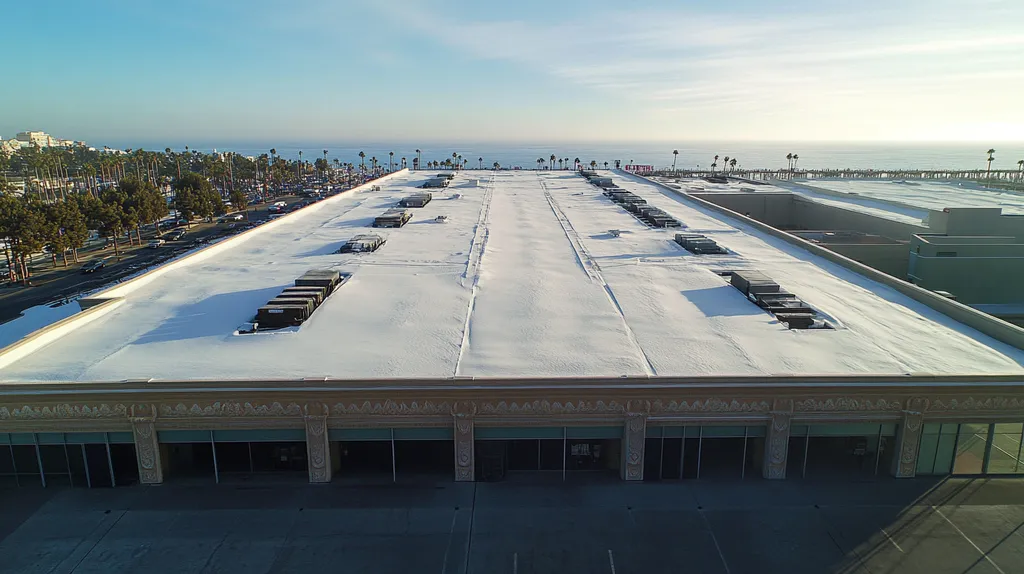
Despite the clear benefits, many decision-makers continue to stick with traditional roofing systems, leaving innovative sustainable options on the table. Failing to explore alternatives like cool roofs or green roofs could mean missing out on significant energy savings and lower cooling costs.
Cool roofs do the hard work of reflecting sunlight and absorbing less heat, dramatically enhancing a building’s energy efficiency. They can even lower indoor temperatures by as much as 10°F, translating into substantial savings on air conditioning bills.
Green roofs provide insulation and bring a host of environmental benefits, such as promoting biodiversity and improving stormwater management. In urban settings where green spaces are scarce, these roofs are a game changer.
By clinging to outdated roofing methods, property owners risk turning their assets into underperformers. Embracing sustainable practices not only slashes long-term costs but also aligns with shifting regulatory expectations.
Ignoring Financial Incentives for Green Roofs
Shockingly, many commercial property owners are leaving money on the table by ignoring financial incentives for green roofs. Government programs and local municipalities frequently offer lucrative tax rebates and grants for green roofing initiatives, yet many remain blissfully unaware.
In several states, adopting a green roof can rake in tax credits reaching up to 50%, allowing property owners to recoup their investment much faster. Neglecting these incentives means missing valuable cost-saving opportunities.
Beyond immediate financial gains, buildings equipped with green roofs often enjoy higher property values and attract tenants more easily. Research shows that such properties can retain tenants longer and command premium rents.
As compliance regulations tighten, understanding and utilizing these financial benefits is crucial. Stakeholders need to make an effort to tap into available resources to avoid unnecessary losses and bolster future viability.
Underutilization of Advanced Inspection Technologies
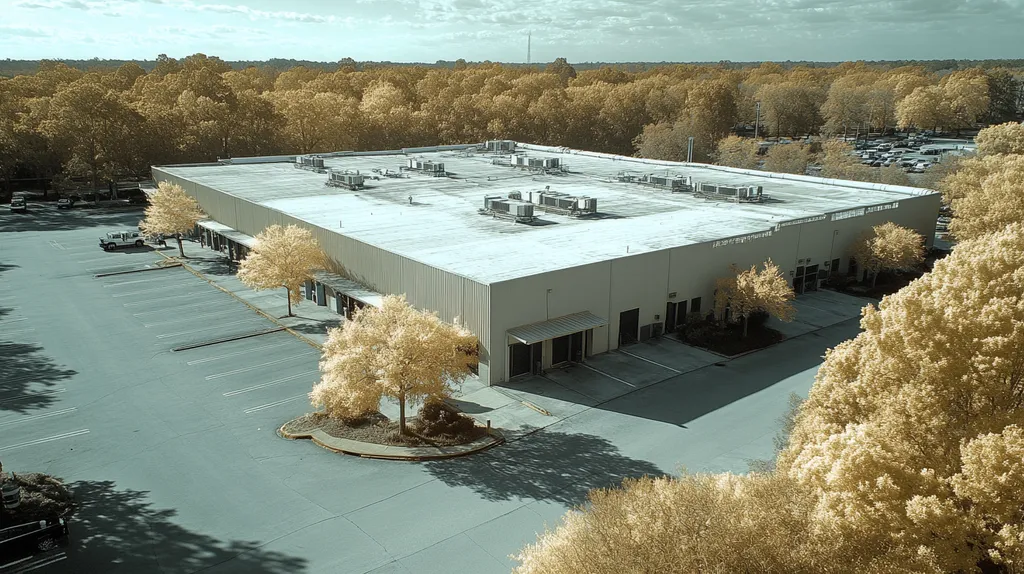
As commercial roofing evolves, it’s troubling to see so many property owners still clinging to outdated inspection methods. Advanced technologies like drones and thermal imaging could revolutionize the way roofs are assessed, providing a level of accuracy that basic visual inspections simply can’t match.
These modern tools speed up the inspection process and can uncover issues long before they escalate into costly repairs. This proactive approach not only saves money but also helps ensure compliance with safety regulations.
Moreover, detailed inspection records serve as vital documentation for adhering to local building codes and insurance requirements. They can prove invaluable if a dispute or audit arises.
By ignoring modern inspection tools, property owners risk missing out on early warning signs of potential failures. Embracing these evolving technologies leads not only to more efficient maintenance strategies but also increased longevity for roofing systems.
SECTION 4: ROOT CAUSES
The intricate legal and regulatory framework surrounding commercial roofing poses formidable hurdles for property owners and facility managers. With rules changing faster than the weather, many find themselves in a compliance maze. Shockingly, nearly 60% of building owners remain unaware of crucial local codes affecting their roofs’ safety and durability.
This knowledge gap is a ticking time bomb; failing to grasp these details could lead to heavy fines or costly retrofits. Clearly, navigating this complexity is a major obstacle in the quest for effective compliance.
Complexity of Legal and Regulatory Landscapes
Navigating the labyrinth of legal and regulatory requirements in commercial roofing is no small feat. Each municipality has its own set of codes, complicating compliance efforts significantly. For example, energy efficiency mandates can differ from one state to another, leaving facility managers scrambling to keep up if they operate in multiple zones.
To make matters worse, federal laws often intersect with local regulations, creating an intricate web of compliance responsibilities that can overwhelm even the most experienced property owners.
The lack of a centralized database for these ever-evolving code requirements only adds to the chaos. Sifting through outdated information consumes valuable time and resources, making compliance feel like an uphill battle.
This maze of regulations not only impedes timely upgrades necessary for roof maintenance but also discourages property owners from making crucial investments.
Insufficient Training and Expertise
Insufficient training and expertise among staff members is another substantial barrier to effective compliance in commercial roofing. Many property owners and facility managers simply don’t have a strong grasp of the technical specifics that come with roofing systems and their regulatory demands.
This knowledge gap can lead to overlooking critical compliance requirements. For instance, improper installation practices not only flout local codes but can skyrocket operational costs over time through inefficiencies and subsequent damage.
Furthermore, many existing training programs are outdated and fail to keep pace with rapid advancements in roofing technology and regulations. This disconnect leaves professionals unable to tackle complex roofing projects successfully, putting compliance efforts at risk.
To turn the tide, enhancing training and education in this field is crucial. An informed team is more capable of executing compliant roofing solutions, significantly lowering risks and liabilities.
Economic Pressures and Cost-Cutting Measures
The economic landscape significantly influences compliance in the commercial roofing sector. When financial pressures mount, property owners often resort to cost-cutting strategies that can sidestep compliance requirements. Choosing cheaper roofing materials may seem like a smart way to save money in the short run, but it often leads to failures in meeting safety or efficiency standards.
Additionally, skimping on proper maintenance or oversight can create larger issues down the line, including extensive roof damage and code violations. These initial savings can quickly evaporate under the threat of fines, lawsuits, or hefty repair bills.
Some companies may also prioritize speed over quality during installations and repairs. This rush can result in poor workmanship, failing to meet compliance standards and paving the way for future legal repercussions.
As the industry confronts these economic pressures, finding the right balance between cost and compliance becomes a critical challenge for property owners and facility managers alike.
DATA DRIVEN EVIDENCE
Compliance with roofing standards isn’t just about following rules; it’s about safeguarding the financial and operational stability of commercial properties. A study from the National Roofing Contractors Association reveals that non-compliance leads to penalties averaging $25,000 per incident. Keeping up with materials and technologies isn’t a luxury; it’s an essential strategy to avoid financial pitfalls and boost the overall performance of a building.
Statistical Impact of Non-Compliance Penalties
The financial consequences of ignoring roofing regulations can hit property owners hard. A recent survey found that a staggering 60% of properties facing compliance violations face penalties exceeding their annual maintenance budgets. This reality underscores the financial risks tied to outdated roofing practices.
Additionally, non-compliance often translates to skyrocketing insurance premiums. Insurers view lapses in compliance as red flags, leading to higher costs for policyholders. This ripple effect can drain budgets that could have been used for maintaining or upgrading properties.
Let’s not forget the potential for costly litigation. Property owners ignoring compliance standards open themselves up to lawsuits from tenants or local authorities, leading to even steeper financial losses. This situation makes it crystal clear: maintaining compliance is essential to protecting your investment.
By keeping informed on regulatory updates, property owners can sidestep unnecessary penalties and safeguard their assets. This proactive stance not only saves money but also enhances the property’s long-term value and reputation.
Economic Benefits of Sustainable Roofing Materials
Shifting towards sustainable roofing materials isn’t just the eco-friendly choice; it’s economically savvy. Properties that invest in eco-friendly roofing systems can enjoy energy savings of up to 30%, a significant reduction in overall operating costs as energy prices continue to rise.
Many jurisdictions also throw in tax incentives for buildings that adopt renewable or sustainable roofing solutions. These financial perks can cushion the initial installation costs, making green roofing economically attractive. Over time, these savings can far outweigh the initial investment.
Moreover, properties boasting sustainable roofing materials tend to see an increase in property values by a notable 10-20%. For savvy property owners, this statistic is a compelling reason to optimize their investments.
Investing in sustainable materials addresses compliance mandates and enhances the building’s carbon footprint. This double-header aligns with market trends, as tenants increasingly seek environmentally responsible properties.
Safety Improvements Through Technological Innovations
Technological advancements in roofing have taken safety standards to the next level. Innovations like smart sensors can detect leaks and structural weaknesses fast, allowing for timely interventions that save time and money. This technology actively protects building occupants and reduces the potential for significant damage.
Using drones for roof inspections has revolutionized assessment methods. Drones deliver comprehensive data on roofing conditions quickly, minimizing the risks tied to traditional manual inspections. This not only boosts safety but enhances the efficiency of inspection processes.
Technologies can also improve emergency response effectiveness. Data analytics can predict potential roofing failures, enabling property managers to be proactive before an issue escalates. This capability helps mitigate risks related to roof collapses or other disasters, fostering safer environments.
Embracing these technological innovations goes beyond merely fulfilling compliance requirements. It fosters a culture of safety within the property management sector. Investing in technology is not just advantageous; it’s imperative for long-term operational success.
SECTION 6: ALTERNATIVE SOLUTIONS
The landscape of commercial roof compliance is shifting rapidly, and clinging to outdated practices is akin to wearing last season’s fashion. With evolving regulations and mounting environmental concerns, traditional compliance paths can leave property owners not just exposed to fines but standing on the precipice of costly renovations. Alarmingly, studies show that up to 30% of roofing projects fail to meet local codes, resulting in significant financial setbacks. This section sheds light on alternative solutions that pave the way for compliance while aligning with sustainability goals.
Adopting Performance-Based Compliance Paths
Embracing performance-based compliance paths offers a flexible escape route from the rigid standards of traditional methods. Instead of adhering to a one-size-fits-all strategy, property owners can showcase compliance through tangible performance results. So, rather than merely ticking boxes on material requirements, a roofing system can qualify by demonstrating long-term energy efficiency.
This results-oriented mindset opens the door to innovative roofing solutions tailored to unique property needs while still meeting regulatory standards. Options like green roofs or advanced energy-efficient materials not only comply but elevate overall building performance.
By establishing clear performance metrics, property owners can collaborate with roofing contractors to craft customized plans that mitigate risk and enhance durability. This shift encourages a creative approach to compliance, focusing on long-term benefits rather than short-term fixes.
Ultimately, performance-based paths do more than meet requirements; they champion sustainability and adaptability in roofing strategies. This method equips property owners to reap both immediate and future rewards.
Implementing Comprehensive Training Programs
Education isn’t just a nice-to-have; it’s a game-changer for compliance in the commercial roofing sector. Comprehensive training programs for property owners and facility managers can bridge the knowledge gap that often leads to costly missteps. These programs should center on the latest regulations, roofing materials, and installation best practices.
Incorporating workshops, both hands-on and virtual, empowers stakeholders to make well-informed decisions. When teams understand the implications of the latest energy codes, they can make roofing selections that are both compliant and cost-effective.
These programs also promote collaboration between key players—architects, contractors, and engineers. Consistent training fosters a culture where compliance challenges are openly discussed, and solutions can be implemented preemptively.
In the end, investing in education not only sharpens compliance efforts but also propels project outcomes to new heights. Knowledgeable teams adeptly navigate rapid regulatory changes, bolstering sustainability initiatives along the way.
Leveraging Financial Incentives for Sustainable Practices
Taking advantage of financial incentives is a savvy approach to compliance that benefits the bottom line. Numerous government programs and utility companies offer grants, rebates, or tax credits for property owners who invest in energy-efficient roofing systems. These perks can significantly reduce initial costs, making sustainable choices more attainable.
For instance, switching to reflective roofing materials can slash a building’s energy consumption while still meeting compliance standards. Property owners who embrace these financial incentives not only save money but also gain compliance confidence.
Additionally, green-certified buildings can be marketed as eco-friendly, appealing to tenants or buyers who prioritize sustainability. This marketing edge turns compliance from a burden into a financial opportunity, aligning economic interests with environmental goals.
Ultimately, leveraging financial incentives fosters a proactive compliance culture wherein responsible roofing decisions drive profitability while benefiting communities. Embracing these opportunities is not just smart; it’s essential for long-term success.
The Bottom Line
The commercial roofing industry stands at a critical inflection point, with compliance violations now triggering penalties exceeding $100,000 per incident.
Traditional resource approaches have proven dangerously inadequate, as evidenced by the 60% of commercial buildings currently operating with outdated compliance protocols.
The path forward demands a radical rethinking of how property owners access and implement compliance information.
By embracing performance-based compliance paths, comprehensive training programs, and sustainable practices backed by financial incentives, facility managers can navigate an increasingly complex regulatory landscape while protecting their bottom line.
Those who cling to outdated compliance methods risk not just crippling fines, but the long-term viability of their properties in an evolving marketplace that demands both regulatory adherence and environmental responsibility.
FREQUENTLY ASKED QUESTIONS
Q. What current practices affect commercial roof compliance?
A. Staying updated on local and federal codes is essential for compliance. Regular training and using online databases can help property owners avoid costly penalties. Roof inspections can pinpoint code violations before they escalate into significant issues.
Q. How do systemic issues impact commercial roofs?
A. Many property owners struggle to keep pace with constantly evolving roofing regulations. A lack of accessible resources can leave them relying on outdated information which compromises safety. Engaging with compliance experts can help mitigate these challenges and reduce risks.
Q. What missed opportunities exist for commercial roofs?
A. Ignoring sustainable roofing options can lead to higher operational costs. Embracing innovations like green roofs not only enhances energy efficiency but also aligns with regulatory expectations. Avoiding these options can harm both the environment and a property’s reputation.
Q. What are the root causes of compliance issues in commercial roofs?
A. The complexity of legal regulations and insufficient training leads to compliance challenges. Many property owners don’t fully understand their regulatory responsibilities, while outdated training programs fail to address current standards. This gap results in costly mistakes and violations.
Q. How do non-compliance penalties impact commercial roof finances?
A. Ignoring compliance can lead to steep penalties that exceed maintenance budgets. Non-compliance can also inflate insurance costs and open property owners to litigation, significantly harming their financial health. Staying informed helps protect investments and avoid these pitfalls.
Q. What alternative solutions can enhance commercial roof compliance?
A. Adopting performance-based compliance paths allows for flexibility in meeting standards. Comprehensive training programs can inform stakeholders about latest regulations. Utilizing financial incentives encourages investments in sustainable practices, aligning environmental goals with economic benefits.
Q. How can technology improve commercial roof compliance management?
A. Embracing technologies like drones and smart sensors can greatly enhance roof inspections. These tools provide accurate assessments and early warning signs for potential failures. Incorporating technology leads to better compliance and minimizes risks associated with roofing maintenance.






