

Industrial roof compliance has become a make-or-break factor for property owners, with non-compliance fines reaching up to $250,000 in severe cases. Yet a shocking 68% of facility managers report feeling overwhelmed by increasingly complex regulations.
While tech startups promise “revolutionary compliance solutions,” the real key lies in understanding and simplifying core requirements – not downloading another flashy app that turns your roof into Times Square.
This guide cuts through the noise to deliver practical, actionable insights on navigating industrial roof compliance, from essential terminology to common pitfalls and proven solutions.
SECTION 1: THE BASICS EXPLAINED
When it comes to industrial roofs, understanding the compliance process isn’t just a good idea—it’s essential. As regulations tighten and the penalties for non-compliance grow fiercer, ignoring these rules can have serious consequences. For example, the National Roofing Contractors Association estimates that failing to comply could result in fines surpassing $100,000 every year. This section breaks down the key components of roofing compliance, why they’re vital to your industrial building, and how the compliance process actually works.
What It Is (In Plain Language)
The compliance process for industrial roofs is all about following the rules set by local, state, and federal authorities. These regulations outline what materials should be used, how roofs must be installed, and ongoing maintenance practices. Compliance ensures that roofs not only meet safety and environmental standards but also perform well over time.
Essentially, compliance means making sure your roof adheres to specific criteria designed to protect your building and those inside it. This includes ensuring roofing materials can withstand local weather patterns and fire hazards. Understanding these requirements is your first step toward effective management.
The goals are straightforward: these regulations aim to construct roofs that last longer while reducing the risks associated with subpar workmanship and unsuitable materials. Ignoring compliance can lead to premature roof failure, resulting in hefty repair bills and major operational disruptions.
Overall, compliance ensures roofs are up to snuff, meeting environmental and safety standards that underpin responsible building management.
Why It Matters (To Your Building)
Compliance is crucial for various reasons, particularly concerning safety, costs, and property value. First and foremost, safety is non-negotiable. Non-compliant roofs can result in severe hazards—think leaks or structural failures—that endanger lives and can ultimately lead to catastrophic events.
In addition, ignoring compliance can lead to eye-watering financial consequences. Fines for violations can stack up quickly, not to mention the costs associated with repairing damage from a compromised roof. If a roof doesn’t meet compliance requirements, it risks failing inspections, which can complicate insurance coverage.
Moreover, having a compliant roof boosts your property’s value. Well-maintained, code-compliant roofs attract prospective buyers or tenants alike. This not only gives you a better sale price but also minimizes downtime caused by the need for inspections or remedial repairs.
In short, compliance isn’t just about meeting regulations; it’s about making a savvy investment in your building’s longevity and marketability. Recognizing its significance empowers property owners to make informed decisions.
How It Works
The compliance process usually kicks off with a thorough assessment of the existing roofing conditions. This evaluation pinpoints any areas of non-compliance and the regulations that may apply. Compliance isn’t something you check off once; it requires continuous monitoring and adjustments.
Following the assessment, property owners need to select materials and contractors that align with regulatory standards. This often means opting for roofing materials that are certified or approved by relevant governing bodies.
After installation or repairs, inspections become key in the compliance journey. Regular assessments help ensure that the roof remains compliant over time, nipping any potential issues in the bud before they snowball into serious concerns.
Documentation is another critical component. Property owners should maintain detailed records of inspections, repairs, and maintenance to prove compliance. These records not only assist with ongoing roof management but are indispensable during regulatory inspections or audits.
Ultimately, the compliance process is a continuous commitment that safeguards both the property and its occupants. Adopting a proactive approach can mitigate risks and support the roof’s long-term performance. Regular inspections, for instance, help identify vulnerabilities and prevent potential failures (source: Aderhold Roofing).
SECTION 2: PRACTICAL APPLICATIONS
Compliance in industrial roofing is not just a checkmark on a to-do list; it’s a lifeline for asset protection and smooth operations. With fines reaching up to $10,000 or more, property owners and facility managers can’t afford to overlook its practical significance. By honing in on common uses, recognizing critical timing, and understanding how roofing interacts with other building systems, compliance can transform from an intimidating hurdle to a manageable process. Grasping these components is vital for effective and informed decision-making.
Common Uses & Examples
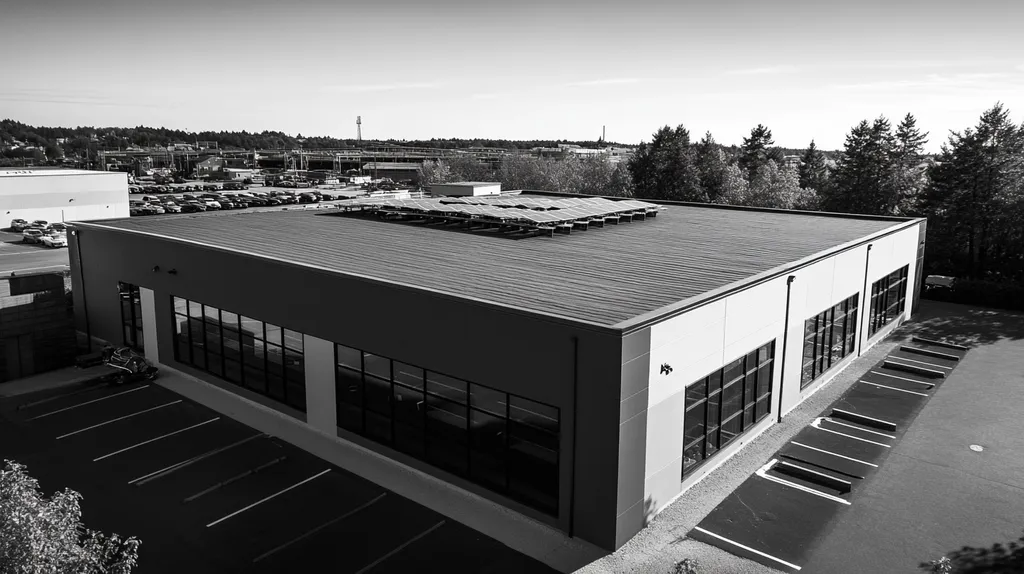
Industrial roofs do more than keep the rain out; they play multifunctional roles in safety, energy efficiency, and environmental protection. For example, roofs outfitted with reflective coatings aren’t just trendy additions; they help meet energy codes while slashing cooling expenses. A thoughtfully designed roof can even host cutting-edge green tech, like solar panels or rooftop gardens, turning a simple overhang into an eco-friendly powerhouse.
Additionally, materials such as TPO or PVC are top choices for their compliance with stringent fire safety regulations. Property owners must navigate these guidelines to choose materials that align with local codes. This proactive planning is crucial, helping avoid those last-minute scrambles that can derail timelines and budget forecasts.
Understanding these practical applications is key to maintaining compliance across your roof’s lifespan. Regular inspections and compliant material selection not only uphold regulations but also bolster operational efficiency and performance over the long haul.
When You Need It Most
Compliance becomes non-negotiable during major renovations or new constructions when property owners must ensure roofing systems adhere to all codes. The stakes are particularly high in these scenarios, as neglecting compliance can lead to expensive delays and frustrating rework.
For existing facilities undergoing energy audits or environmental assessments, compliance should be top of mind to dodge penalties. A proactive stance during inspections and maintenance helps avert pitfalls that could jeopardize smooth operations. Staying informed about compliance updates can empower facility managers to tackle emerging regulations with confidence.
Ultimately, the timing of compliance checks can profoundly influence operational continuity. Owners prepared to remain vigilant during renovations and routine upkeep will mitigate risks and place themselves ahead of the curve in their industry.
Interactions With Other Systems
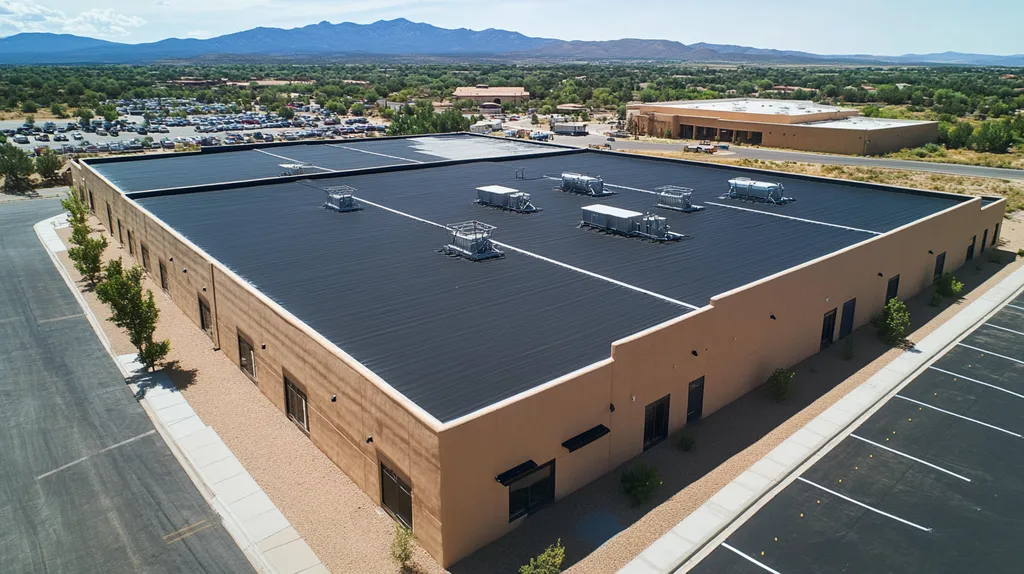
A roof doesn’t live in a vacuum; it plays a vital role alongside HVAC systems, drainage solutions, and other structural elements. This interconnectedness means that compliance is not only a standalone concern but also essential for optimal building performance. A non-compliant roof can interfere with HVAC efficiency, leading to inflated energy costs and unnecessary strains on resources.
Furthermore, roofs lacking proper drainage outlets can accumulate water, creating conditions for long-term damage and regulatory issues. Property owners must recognize these interdependencies to enhance their compliance strategies effectively. Integrating roofing considerations with other building systems during planning can yield solutions that are both comprehensive and efficient.
By grasping these interactions, facility managers can implement smarter design and maintenance strategies. A holistic approach to compliance not only fosters a healthier work environment but also ensures all systems function in harmony, avoiding those irritating hiccups that could send operations spinning downwards.
SECTION 3: KEY TERMINOLOGY DECODED
Navigating the labyrinth of roofing compliance can feel like solving a puzzle with missing pieces, especially when laden with confusing jargon. A staggering 70% of facility managers admit to struggling with compliance regulations, often leading to expensive missteps. Simplifying this terminology isn’t just helpful—it’s essential for making the right decisions. Familiarizing oneself with key terms can dramatically improve communication and compliance efforts within the industry.
Essential Terms Explained
Compliance is rife with specific terms that are critical for industrial roofing. For instance, “building codes” are the rules established by local authorities to ensure structures meet safety and quality benchmarks. Grasping these codes is essential, as non-compliance can land you in hot water with penalties that could derail projects entirely.
Additionally, “thermal resistance” is a vital piece of the energy efficiency puzzle. It gauges how well a roofing system resists heat flow, directly influencing energy expenses. Being acquainted with these terms arms property owners with the knowledge to make smarter choices regarding roofing materials and designs.
In sum, a solid understanding of these key words not only facilitates compliance but also prevents costly misinterpretations that can derail industrial roofing projects.
Industry Jargon Translated
The roofing industry loves to toss around jargon that can leave property owners scratching their heads. Take the term “R-value,” for example. This measures how well insulation works—higher R-values indicate greater efficiency, which is a must-have for cutting energy bills. Ignoring this can lead to ill-informed material choices and skyrocketing energy costs down the line.
An equally important term is “EPDM,” short for Ethylene Propylene Diene Monomer. This type of synthetic rubber is widely used in flat roofing systems. Recognizing EPDM’s importance helps ensure that materials meet industry standards, keeping roofs intact and performing well over time.
By stripping away the confusion around these terms, property owners can tackle compliance woes head-on and steer clear of pitfalls that come from misunderstanding the language of the industry.
Measurement & Units Simplified
When it comes to roofing compliance, accurate measurements are vital, yet they often come with convoluted units. Understanding basic units like “square feet” is crucial—this determines how much roofing material you need, impacting both your budget and timeframes. A simple error here can escalate costs dramatically.
Finally, understanding “warranty periods” is crucial when it comes to compliance. These terms indicate how long manufacturers guarantee their materials against defects. Knowing this can prevent nasty surprises in repair costs later on.
The bottom line? Mastering measurements ensures property owners can maintain compliance while making savvy, cost-effective roofing decisions.
SECTION 4: DECISION FACTORS
Deciding on an industrial roofing system is no small feat; it’s a high-stakes game where the wrong pick can plunge property owners and facility managers into financial chaos and regulatory headaches. With studies revealing that subpar roofing decisions can swell maintenance costs by as much as 30%, unraveling the threads of cost, performance, and durability is key for simplifying compliance. Let’s get to the nitty-gritty of these decision factors, so stakeholders can navigate the seismic shifts in regulations and roofing materials with confidence.
Cost Considerations
Cost remains a heavy-hitting factor in any roofing project. Sure, initial savings might beckon with the siren call of cheaper materials, but let’s be real: the long-term implications can hit hard. An inferior roofing system might lead to an avalanche of leaks and repairs, resulting in far steeper total ownership costs.
Budgeting also shouldn’t be a game of hide and seek with maintenance expenses. Roofs need regular inspections, cleaning, and repairs, and overlooking these future cash drains can leave property owners gasping for resources when they’re really needed.
Some roofing options carry higher upfront costs but can deliver serious savings through energy efficiency and reduced maintenance. The real trick? Evaluating the true cost of ownership instead of fixating on sticker prices. This approach nudges property owners toward making savvy, sustainable choices.
Engaging knowledgeable roofing professionals can illuminate the financial landscape. They can offer tailored insights and recommendations, ensuring that decisions align with specific budget constraints and operational imperatives.
Performance Trade-offs
Roofing material performance can make or break safety and efficiency in any facility. While the lure of a bargain might pull in hesitant buyers, sacrificing performance is a perilous game. For example, while single-ply membranes tempt with affordability, they may flounder during extreme weather events.
Moreover, the thermal performance of roofing materials is a linchpin in energy efficiency. Subpar insulation can inflate heating and cooling bills, wiping out any initial savings from choosing cheaper products. A thermal performance analysis is indispensable for making informed decisions regarding energy demands.
Environmental performance is another critical aspect. Roofs that possess reflective capabilities can mitigate heat absorption and lower energy consumption—an approach that not only benefits the earth but aligns beautifully with emerging regulations.
In short, stakeholders must weigh performance against costs, leveraging careful analysis to ensure their specific facility requirements are met. This effort ensures both compliance and operational efficiency.
Lifespan & Durability Factors
The expected lifespan and durability of roofing systems rank among crucial decision factors that shouldn’t be dismissed. Industrial roofs often endure brutal conditions—extreme temperatures, relentless UV rays, and potential chemical spills. Selecting robust materials is key for maintaining compliance and ensuring peak performance.
The longevity of a roof can vary wildly based on material selection. Metal roofing options, for instance, can strut their stuff for upwards of 50 years, while others might bow out after just 15-20. Grasping these longevity differences is essential for forming a sensible replacement and maintenance strategy.
Durable roofing systems typically demand fewer repairs and less upkeep, translating into lower long-term costs. Investing in high-quality materials can yield savings over time, even if initial prices are higher.
Additionally, weather resistance can’t be an afterthought. Roofs designed to withstand local weather patterns bolster safety and compliance, keeping operations humming along and minimizing costly downtime due to roof failures.
SECTION 5: COMMON CHALLENGES
Navigating the rough seas of roofing compliance can feel like an uphill battle for property owners and facility managers. With the risk of drowning in costly repairs, fines, and even legal entanglements, recognizing potential challenges is crucial. The financial fallout from non-compliance can extend into thousands of dollars, all while a single roof failure could grind operations to a halt. To steer clear of these pitfalls, stakeholders must proactively identify common issues, stay alert for warning signs, and implement smart preventative measures that ensure compliance.
Frequent Problems & Solutions
A leading culprit in compliance failures is often insufficient maintenance, which can quickly spiral into regulatory violations. Regular inspections serve as the first line of defense, enabling property owners to spot minor leaks before they morph into major headaches, saving both cash and compliance credits.
Then there’s the risk of improper installation. When non-compliant materials find their way onto a roof, it’s like putting a square peg in a round hole. Choosing certified contractors who adhere to the latest standards not only bolsters the roof’s longevity but also shields owners from potential liabilities.
Another common stumbling block is the lack of documentation for inspections and repairs. This oversight can lead to compliance chaos during audits. Keeping meticulous records is imperative; property managers should create a systematic tracking routine to ensure all compliance efforts are documented and readily available.
By recognizing and addressing these frequent pitfalls with proactive strategies, property owners fortify their compliance standing and effectively navigate the challenges that may arise.
Warning Signs To Watch For
Property owners must remain vigilant against visible indicators of potential compliance issues. Water stains encroaching on ceilings and walls are often the first signs of roof leaks, which can easily breach safety codes. Addressing these problems immediately is crucial to preventing further, more costly damage.
Signs like cracked sealants or missing flashing can also hint at structural weaknesses lurking beneath the surface. These vulnerabilities can introduce water intrusion and elevate insurance liabilities, which is why regular inspections should zero in on these areas for prompt repairs.
Additionally, any modifications to the building structure or intended usage can create compliance gaps. Alterations may shift load requirements, making it imperative to conduct regular assessments that align the roofing system with current building demands.
Catching these warning signs early allows for timely interventions, helping to maintain both the structural integrity of the roof and the all-important compliance status.
Preventative Approaches
Establishing a comprehensive maintenance plan is the cornerstone of effective compliance for industrial roofs. Scheduled inspections enable early detection of potential issues, greatly reducing the risk of escalating costs and regulatory entanglements.
Training staff on compliance requirements is another crucial approach. Well-informed facility managers and property teams are better equipped to spot non-compliance risks. Regularly updated training ensures that everyone stays in tune with the latest regulations and best practices.
Using high-quality materials that meet industry standards during any repair or replacement work is key. Select suppliers who prioritize regulatory compliance, which ensures the durability of the roof and adherence to necessary codes.
Investing time and resources in these preventative strategies pays off significantly, leading to substantial savings and peace of mind in navigating the complexities of compliance challenges.
SECTION 6: NEXT STEPS & RESOURCES
As the landscape of industrial roofing regulations shifts, the pressure to stay compliant is mounting. Ignoring compliance can lead to crippling fines, safety hazards, and nasty interruptions to daily operations. Property owners and facility managers need to be proactive, anticipating challenges before they snowball. This section highlights essential questions to ask roofing providers, outlines key industry standards, and provides simple paths for furthering your knowledge about compliance.
Questions To Ask Providers
Start any engagement with roofing providers by equipping yourself with the right questions. Inquire about their familiarity with local regulations—experience matters! Knowing how they tackle compliance processes is pivotal for ensuring your project stays on course.
Next, dig into the specifics surrounding the materials and practices they propose. Not all roofing materials are created equal when it comes to compliance, and knowing the ins and outs can save you from headaches later on. Request examples of previous work to evaluate their track record when it comes to adhering to regulations and delivering quality outcomes.
Warranty details and maintenance plans are also key topics. Compliance is an ongoing commitment, not a one-and-done deal; regular maintenance will keep your roof in line with regulatory standards. Lastly, make sure the provider can offer thorough documentation of compliance efforts—this will be essential when inspections roll around.
Industry Standards & Guidelines
Navigating compliance can be made smoother by understanding current industry standards. Organizations like the American National Standards Institute (ANSI) and the National Roofing Contractors Association (NRCA) provide vital guidelines that define what is considered best practice for roofing systems.
Don’t forget local building codes, which should align with national standards. Familiarizing yourself with these regulations is crucial to steering clear of compliance slip-ups that might derail your project.
The Environmental Protection Agency (EPA) also lays down important guidelines you need to consider. Following these environmental standards not only helps your project but benefits sustainability initiatives too. Ignoring compliance in these areas could lead to complications down the line.
Further Learning Simplified
Knowledge is your best asset when dealing with compliance, and a range of online resources can simplify the learning curve. Websites such as the NRCA and the International Code Council (ICC) break down regulations and best practices into manageable chunks.
Consider participating in webinars and online courses from recognized industry organizations. These can clear up confusing regulatory requirements and shed light on emerging compliance trends.
Furthermore, joining professional associations or local roofing councils can elevate your game. Building a network of experts allows for information exchange and collaboration, making compliance feel less daunting and more achievable.
The Bottom Line
With industrial roofing compliance violations now carrying penalties up to $250,000, simplifying the process isn’t just smart business—it’s essential for survival.
While 68% of facility managers report feeling overwhelmed by regulations, the solution lies not in chasing trendy tech fixes but in mastering fundamental compliance principles.
Property owners who implement systematic documentation, regular inspections, and preventative maintenance consistently avoid the most common compliance pitfalls.
The future of industrial roofing will only bring more stringent regulations and higher stakes for non-compliance.
Those who invest in understanding and streamlining their compliance processes today will be far better positioned to protect their assets and operations tomorrow.
FREQUENTLY ASKED QUESTIONS
Q. What is the compliance process for industrial roofs?
A. The compliance process involves adhering to local, state, and federal regulations regarding roofing materials, installation, and maintenance. Compliance ensures safety and environmental standards are met, helping to protect both the building and its occupants from potential hazards.
Q. How does compliance impact commercial roof maintenance?
A. Compliance is vital during maintenance, as it dictates when to conduct inspections and select compliant materials. Neglecting compliance can lead to costly fines and operational disruptions, making regular maintenance a necessity to maintain safety and regulatory alignment.
Q. What are some key terms related to industrial roofs?
A. Key terms include “building codes,” which ensure safety and quality, “substrate,” the layer supporting roofing materials, and “thermal resistance,” indicating a roof’s energy efficiency. Knowing these terms helps property owners make informed decisions about their roofs.
Q. How can I evaluate cost considerations for my commercial roof?
A. Evaluate costs by considering both the initial investment and long-term expenses. Cheaper materials might save money upfront but could lead to significant repair costs and energy inefficiencies over time, making informed analysis essential for sound financial planning.
Q. What common challenges do property owners face with compliance?
A. Common challenges include insufficient maintenance leading to regulatory violations, improper installation of non-compliant materials, and lack of documentation for inspections and repairs. Proactively addressing these issues helps maintain compliance and prevents costly fines.
Q. What questions should I ask roofing providers about compliance?
A. Ask providers about their experience with local regulations, compliance processes, material details, warranty information, and maintenance plans. Understanding their adherence to compliance ensures your project remains aligned with safety standards and avoids future headaches.
Q. How do environmental regulations affect commercial roof compliance?
A. Environmental regulations dictate materials and practices to reduce impact on sustainability. Compliance with these regulations not only avoids penalties but can enhance a building’s energy efficiency and appeal, aligning with broader ecological standards and benefits.






