
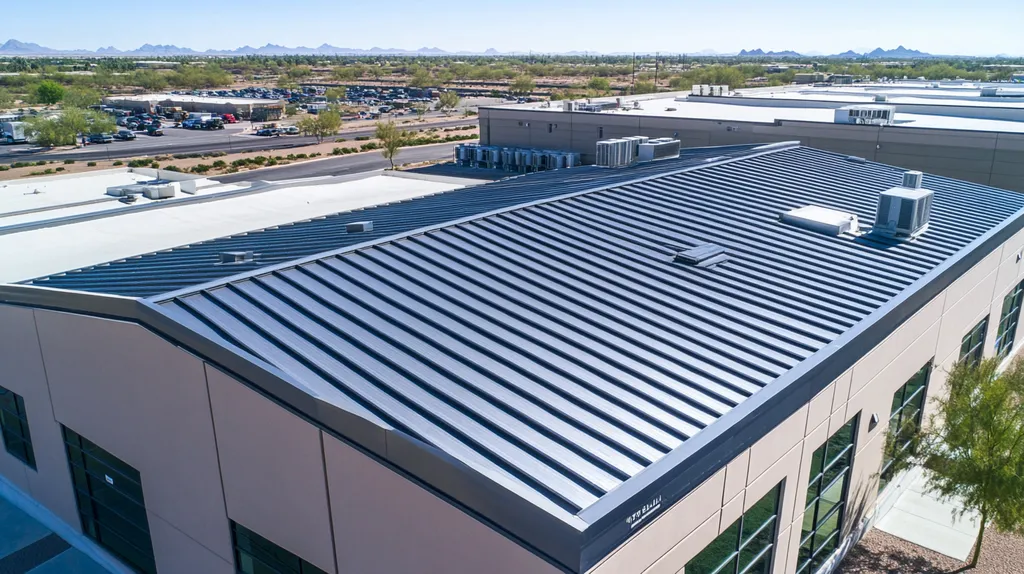
Every year, millions of dollars in commercial roof coating projects fail catastrophically—not from inferior materials or extreme weather, but from one preventable cause: unqualified contractors lacking proper certifications.
These failures void warranties, trigger emergency repairs, and create liability nightmares that haunt facility managers for years.
The difference between coating success and disaster comes down to contractor certification—specialized credentials that prove mastery of complex application chemistry and installation protocols.
Understanding certification requirements, verification processes, and industry standards transforms facility managers from vulnerable buyers into informed decision-makers who can protect their buildings and budgets from preventable coating disasters.
SECTION 1: THE BASICS EXPLAINED
Every year, thousands of commercial buildings suffer devastating coating failures that could have been prevented. The culprit isn’t always inferior materials or extreme weather—it’s unqualified contractors who lack proper certifications.
These failures cost property owners millions in emergency repairs, business interruptions, and premature roof replacements. The difference between success and disaster often comes down to one critical factor: choosing contractors with legitimate certifications for commercial roof coating work.
What It Is (In Plain Language)
Contractor certification is your guarantee that a roofing company has mastered the specialized skills needed for commercial roof coatings. This isn’t just a piece of paper—it’s proof they’ve completed rigorous manufacturer training on product chemistry, surface preparation, and application techniques.
Certified contractors understand the science behind coating adhesion, cure times, and compatibility issues. They know how temperature and humidity affect application, and they can troubleshoot problems before they become disasters.
The certification process typically involves intensive coursework, hands-on demonstrations, and comprehensive testing. Contractors must prove they can handle everything from substrate analysis to final quality control.
This specialized credential goes far beyond basic contractor licensing. It demonstrates expertise in the unique challenges of commercial roof coating systems.
Manufacturers only award certifications to contractors who meet their strictest performance standards. This creates an elite network of qualified professionals capable of delivering exceptional results.
Why It Matters (To Your Building)
Commercial roof coatings are incredibly unforgiving of installation mistakes. A single error in surface prep or application can compromise the entire system, leading to catastrophic failures within months instead of decades.
Uncertified contractors often lack critical knowledge about substrate compatibility and environmental factors. They might apply coatings over moisture-contaminated surfaces or ignore crucial primer requirements, creating conditions for inevitable failure.
When coatings fail, the consequences extend far beyond the roof itself. Water infiltration damages expensive equipment, disrupts operations, and can trigger mold problems that affect employee health and productivity.
Certifications from roofing material manufacturers are also important because they prove the contractor has received specific training to apply products correctly. Proper licenses show they meet state laws and follow safety and quality standards.
Most manufacturers void warranties immediately if uncertified contractors perform the installation work. This means property owners lose their financial protection right when they need it most. (source: Unforgettable Coatings)
How It Works
The certification journey begins with manufacturer-sponsored training programs that dive deep into coating technology and application science. These programs aren’t casual workshops—they’re intensive educational experiences that transform ordinary contractors into coating specialists.
Contractors must demonstrate mastery through written examinations covering product chemistry, safety protocols, and installation procedures. Many programs also require hands-on performance evaluations where contractors prove their skills under expert supervision.
Once certified, contractors gain access to exclusive technical support, advanced training opportunities, and preferred status with manufacturers. This ongoing relationship ensures they stay current with evolving technologies and best practices.
The certification system includes regular renewal requirements that keep contractors sharp and informed. This continuous education model prevents skills from becoming outdated in a rapidly advancing industry.
For property owners, verification is straightforward—simply request certification documentation during the bidding process. Legitimate certified contractors proudly display their credentials and provide easy verification through manufacturer databases.
SECTION 2: PRACTICAL APPLICATIONS
The difference between a coating system that lasts 20 years versus one that fails in 18 months often comes down to application expertise during critical project phases. Certified contractors don’t just apply coatings—they engineer complete protection systems that integrate seamlessly with existing building components.
Understanding where and when certification matters most can save facility managers from catastrophic failures that shut down operations and drain maintenance budgets.
Common Uses & Examples
Retail chains and manufacturing facilities represent the frontlines where coating certification proves its worth every day. These buildings demand massive roof surfaces that must withstand constant thermal cycling while maintaining watertight integrity.
Certified contractors excel at matching advanced coating chemistries to specific substrates—applying elastomeric systems over aged EPDM membranes or silicone coatings on corroded metal roofs. They understand that a warehouse storing electronics requires different moisture vapor transmission rates than a food processing plant.
The coating thickness alone can make or break these applications. Certified professionals use precise mil gauges and application techniques that ensure uniform coverage, preventing the thin spots that cause premature failures.
Energy-efficient white coatings on big-box stores demonstrate certification’s impact most dramatically. Properly applied reflective systems can reduce cooling costs by 30%, but only when certified contractors achieve the uniform coverage needed for maximum solar reflectance.
Hospital and school projects showcase another critical application where certification prevents disasters. These facilities cannot tolerate coating failures that compromise indoor air quality or disrupt critical operations during emergency repairs.
When You Need It Most
Emergency roof restoration projects create the highest-stakes scenarios where certification becomes absolutely critical. When facility managers face imminent roof replacement costs exceeding $500,000, coating systems offer a lifeline—but only with certified application expertise.
Post-storm recovery situations demand contractors who can rapidly assess substrate conditions and apply protective coatings under tight deadlines. Uncertified contractors often rush these critical steps, trapping moisture or applying coatings over contaminated surfaces.
Warranty compliance requirements make certification non-negotiable during major coating projects. Licensing ensures contractor compliance with safety and regulatory requirements, while manufacturer certifications prove specific training on applying roof coatings properly.
Budget-conscious facility managers discover that certification actually reduces long-term costs by preventing the failures that trigger expensive emergency repairs. The upfront investment in certified contractors pays dividends through extended roof life and maintained warranty protection.
Complex architectural features like domes, barrel roofs, or extensive penetration fields require the advanced troubleshooting skills that only certified contractors possess. These challenging geometries expose application weaknesses that destroy standard coating systems.
Interactions With Other Systems
Modern commercial roofs function as integrated ecosystems where coatings must work harmoniously with insulation, vapor barriers, and drainage components. Certified contractors understand these complex relationships and prevent the compatibility issues that destroy entire roof assemblies.
HVAC equipment interactions present particularly challenging scenarios where coatings must accommodate thermal expansion, vibration, and chemical exposure from condensate drainage. Improper coating selection around these systems creates failure points that compromise both roofing and mechanical equipment.
Photovoltaic installations demonstrate how coatings affect building performance beyond basic weather protection. Certified contractors ensure coating systems maintain proper reflectance values while accommodating mounting hardware without creating thermal bridging or moisture infiltration paths.
Fire protection systems require coating applications that preserve sprinkler functionality and emergency access routes. Verifying credentials upfront protects facility managers from hiring unqualified contractors who might compromise these critical safety systems.
Building envelope interactions become especially critical in high-performance facilities where coatings must maintain specific vapor permeability rates to prevent condensation problems within wall assemblies. Only certified contractors possess the technical knowledge to navigate these sophisticated building science requirements. (source: Unforgettable Coatings)
SECTION 3: KEY TERMINOLOGY DECODED
Technical terminology in commercial roof coatings creates a minefield of miscommunication that destroys projects before they begin. When facility managers misunderstand terms like “pot life” or “substrate compatibility,” they end up with coating failures that void warranties and trigger emergency repairs.
The coating industry’s specialized language isn’t just professional jargon—it’s a precision tool that defines project success or failure. Every term carries specific performance implications that directly impact your building’s protection.
Mastering these essential concepts transforms facility managers from vulnerable buyers into informed decision-makers who can hold contractors accountable for proper specifications and execution.
Essential Terms Explained
Dry Film Thickness (DFT) represents the most critical measurement in coating success—the actual thickness after all solvents evaporate and cure is complete. Certified contractors understand that achieving specified DFT requires precise wet film application rates that account for solids content and environmental conditions.
Substrate preparation determines whether coatings achieve maximum adhesion or fail catastrophically within months. This process involves mechanical cleaning, chemical etching, or primer application depending on the existing roof material and contamination levels.
Pot life defines the working time available after mixing two-component systems before chemical reactions make the material unusable. Exceeding pot life creates weak films prone to premature failure, while rushing application compromises quality control.
Elongation and tensile strength measurements reveal how coatings respond to thermal movement and structural stress. Buildings experience constant expansion and contraction cycles that destroy rigid coatings lacking adequate flexibility.
These fundamental terms form the technical foundation that separates successful coating projects from expensive disasters that compromise building integrity.
Industry Jargon Translated
Volatile Organic Compounds (VOCs) measure harmful emissions that affect both environmental compliance and application safety. Low-VOC formulations meet increasingly strict regulations while reducing health risks for building occupants during and after installation.
Solar Reflectance Index (SRI) quantifies a coating’s ability to reject solar heat, directly impacting energy costs and roof membrane longevity. Higher SRI values translate to cooler roof surfaces and reduced cooling loads that can save thousands annually.
Adhesion ratings determine whether coatings form permanent bonds with existing surfaces or eventually peel away like expensive paint. ASTM testing standards provide objective measurements that predict long-term performance under real-world conditions.
Certified roofing products help building owners and design professionals identify the proper base metals and exterior paint coatings for their projects. This certification process involves rigorous quality control requirements and comprehensive material testing protocols. (source: Metal Construction Association)
Understanding these technical specifications enables facility managers to evaluate contractor proposals with confidence and verify that specified materials match project requirements.
Measurement & Units Simplified
Mil thickness measurements control coating performance more than any other single factor—one mil equals 0.001 inches, making precision application absolutely critical. Under-application by just a few mils can cut coating life in half, while over-application wastes money and may cause application defects.
Coverage rates expressed in square feet per gallon determine project costs and material quantities with mathematical precision. Certified contractors provide detailed calculations that account for surface texture, porosity, and application losses to prevent costly material shortages.
Cure time specifications define when coatings achieve full weather resistance and mechanical properties. Premature exposure to rain or foot traffic before complete cure compromises the entire system and voids manufacturer warranties.
Temperature and humidity windows establish the environmental conditions required for proper coating application and cure. Working outside these parameters creates adhesion failures, solvent entrapment, and other defects that destroy long-term performance.
These measurement standards provide the objective criteria facility managers need to evaluate contractor performance and ensure project specifications are met with professional precision.
SECTION 4: DECISION FACTORS
Commercial roof coating decisions create cascading consequences that echo through facilities budgets for decades. The wrong contractor choice doesn’t just waste money—it triggers warranty voids, emergency repairs, and operational disruptions that can cost ten times the original project budget.
Facility managers face relentless pressure to minimize upfront costs, but the coating industry’s performance landscape rewards strategic thinking over bargain hunting. Understanding the true economics of certified contractors versus budget alternatives reveals why smart property owners invest in quality from day one.
Cost Considerations
Certified contractors command premium pricing that reflects their specialized training, quality materials, and manufacturer-backed installation standards. These higher upfront costs often shock facility managers accustomed to commodity bidding processes, but the economics tell a compelling story over time.
Budget contractors frequently submit bids that seem attractive until the hidden costs emerge. They might use inferior materials, skip critical preparation steps, or apply coatings outside manufacturer specifications to maintain profit margins on artificially low bids.
The real financial impact becomes clear when premature failures trigger emergency repairs. A $50,000 coating project can generate $200,000 in damage costs when water infiltration destroys equipment, inventory, or interior finishes during unexpected failures.
Energy savings from properly applied reflective coatings often justify certification premiums within the first year. Certified contractors achieve the uniform coverage and proper thickness needed to deliver promised thermal performance that reduces cooling costs substantially.
Total cost of ownership calculations consistently favor certified contractors over budget alternatives. The combination of extended coating life, maintained warranties, and avoided emergency repairs creates compelling long-term value that overwhelms initial price differences.
Performance Trade-offs
Commercial coating systems must balance competing performance demands while maintaining long-term durability under harsh environmental conditions. Certified contractors understand these complex relationships and optimize applications for specific building requirements and climate challenges.
Surface preparation represents the most critical performance factor that separates certified professionals from casual applicators. Proper cleaning, priming, and substrate conditioning create the foundation for maximum coating adhesion and weather resistance.
Application timing and environmental controls dramatically affect coating performance, but uncertified contractors often ignore these critical factors. They might apply coatings during inappropriate weather conditions or rush cure times to meet arbitrary deadlines.
Coating thickness uniformity determines whether systems achieve their rated performance specifications. Certified contractors use precision application techniques and quality control measures that ensure consistent mil thickness across entire roof surfaces.
Roofing manufacturers often have different certification levels that help customers determine contractor quality and hire reputable professionals who have been vetted to meet requirements for quality control. (source: GAF)
Lifespan & Durability Factors
Coating longevity depends entirely on installation quality and adherence to manufacturer protocols that certified contractors master through intensive training programs. These systems can deliver 15-20 years of protection when properly applied, but fail within months under poor workmanship.
Substrate compatibility issues destroy coating systems faster than any other factor, yet uncertified contractors often lack the technical knowledge to identify potential problems. They might apply incompatible chemistries or ignore moisture contamination that guarantees adhesion failures.
Environmental stress testing reveals how coatings respond to thermal cycling, UV exposure, and mechanical damage over extended timeframes. Certified contractors understand these performance limits and select appropriate systems for specific exposure conditions.
Maintenance requirements vary dramatically between properly installed and defective coating systems. Quality installations require minimal intervention for decades, while poor applications demand constant repairs that drain facility budgets and disrupt operations.
Manufacturer warranties provide the ultimate durability insurance, but only when certified contractors perform the installation work. These comprehensive guarantees protect against material defects and installation failures, creating financial security that justifies certification premiums completely.
SECTION 5: COMMON CHALLENGES
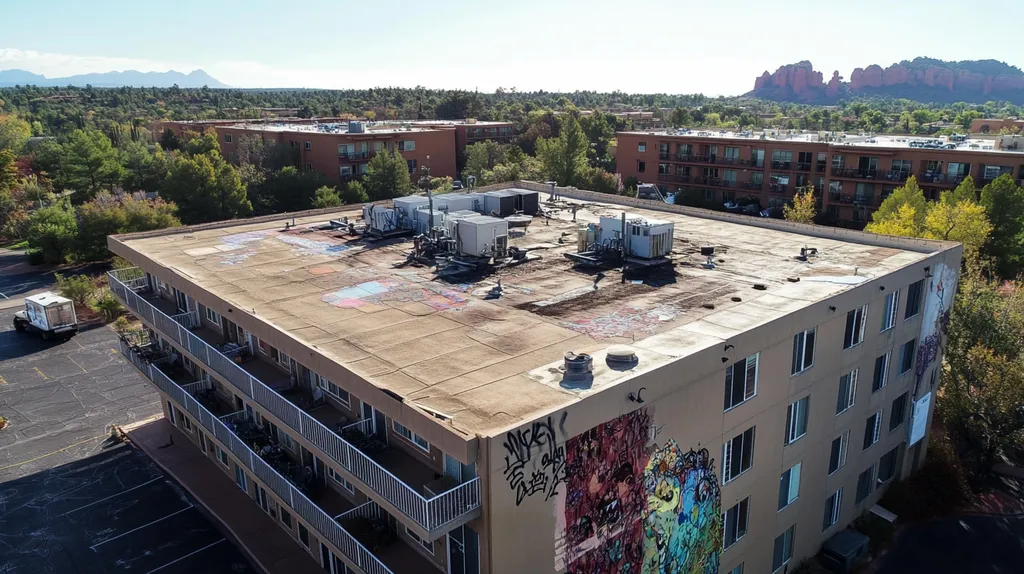
Commercial roof coating disasters strike with devastating frequency, destroying warranties and triggering emergency repairs that can cost ten times the original project budget. Industry data reveals that over 40% of coating failures stem directly from contractor qualification issues—inadequate certifications, rushed applications, and corner-cutting that transforms routine maintenance into catastrophic building emergencies.
These failures don’t just damage roofs—they shut down operations, destroy equipment, and create liability nightmares that haunt facility managers for years. Understanding these critical challenges and their solutions can save property owners from joining the ranks of coating disaster victims.
Frequent Problems & Solutions
Surface contamination represents the most devastating problem in commercial coating applications, yet uncertified contractors consistently ignore this critical factor. Oil residue, ponding water, or even microscopic debris can prevent proper adhesion, causing entire coating systems to peel away like expensive wallpaper within months of installation.
Application thickness variations create another catastrophic failure mode that destroys coating performance. Uncertified contractors often apply coatings too thin to save material costs, or too thick in patches to hide surface imperfections, creating stress points that crack and fail prematurely.
Environmental violations during application represent a third major problem area where untrained contractors create disasters. Applying coatings during high humidity, extreme temperatures, or impending weather events traps moisture and prevents proper cure, guaranteeing adhesion failures.
The solution centers on contractor certification verification that proves specialized training in coating chemistry and application science. Certified contractors understand substrate compatibility, proper mil thickness requirements, and environmental controls that prevent these costly mistakes.
Certified professionals also provide detailed application protocols and quality control checkpoints that catch problems before they become expensive disasters. Their manufacturer-backed training ensures they follow proven procedures rather than improvising techniques that destroy coating performance.
Warning Signs To Watch For
Contractor behavior during the bidding process reveals critical warning signs that predict project disasters. Contractors who refuse to provide certification documentation, avoid discussing surface preparation requirements, or submit suspiciously low bids often lack the qualifications needed for successful coating applications.
Technical knowledge gaps become apparent when contractors cannot explain coating chemistry, cure requirements, or substrate compatibility issues. Legitimate certified professionals eagerly discuss these technical aspects because they understand how critical factors affect long-term performance.
Early installation warning signs include inadequate surface preparation, rushed application schedules, or working during inappropriate weather conditions. Certified contractors spend significant time on cleaning and preparation because they understand these steps determine coating success or failure.
Post-installation problems manifest quickly when uncertified contractors perform the work. Bubbling, blistering, or color variations within the first few months indicate fundamental application failures that will only worsen over time.
Commercial applicants must meet certain criteria to be certified, including roofing licenses and educational programs that guarantee contractors have been vetted to meet quality control requirements. (source: GAF)
Preventative Approaches
Comprehensive contractor vetting represents the most powerful tool for preventing coating disasters before they begin. Facility managers must demand current certification documentation, verify credentials through manufacturer databases, and confirm that certifications match the specific coating systems being specified.
Pre-project planning sessions with certified contractors reveal their technical depth and commitment to proper procedures. These meetings should cover substrate analysis, environmental controls, application schedules, and quality control measures that prevent common failure modes.
Contractual protection through detailed specifications and performance requirements creates accountability that prevents corner-cutting. Include specific certification requirements, material specifications, and inspection protocols that give facility managers objective standards for evaluating contractor performance.
Regular inspection schedules during and after installation provide early detection of problems when corrections are still possible. Certified contractors welcome these inspections because they demonstrate the quality workmanship that justifies their premium pricing.
Long-term maintenance partnerships with certified professionals ensure coating systems receive proper care throughout their service life. These ongoing relationships provide continuity and expertise that maximizes coating performance while preventing minor issues from becoming major disasters.
SECTION 6: NEXT STEPS & RESOURCES
The coating industry’s complex certification landscape creates a minefield of decisions that can make or break your next roofing project. Facility managers who navigate this terrain without proper guidance often select contractors based on price alone, only to discover too late that certification gaps void warranties and trigger catastrophic failures.
Armed with the right questions and resources, property owners transform from vulnerable buyers into informed decision-makers. The difference between coating success and disaster often comes down to asking the right questions, understanding industry standards, and knowing where to find reliable information when you need it most.
Questions To Ask Providers
Certification verification represents your first line of defense against contractor fraud and incompetence. Demand to see current manufacturer certification documents, not just business licenses or general contractor credentials that prove nothing about coating expertise.
Ask contractors to explain the specific training requirements they completed for their certifications. Legitimate certified professionals eagerly discuss their technical education because it represents significant investment and competitive advantage in the marketplace.
Request detailed references from recent coating projects similar to your building type and size. Quality contractors maintain extensive project portfolios and client testimonials that demonstrate their track record of successful installations.
Probe their technical knowledge by asking about substrate preparation requirements, environmental application limits, and warranty compliance procedures. Certified contractors welcome these discussions while unqualified applicators often deflect or provide vague responses.
Verify their insurance coverage includes specific protection for coating application work, not just general liability policies. Specialized coverage demonstrates their understanding of coating-specific risks and professional commitment to quality workmanship.
Industry Standards & Guidelines
The Roof Coatings Manufacturers Association (RCMA) establishes the technical foundation that separates professional coating applications from amateur disasters. Their comprehensive guidelines cover everything from surface preparation protocols to quality control procedures that certified contractors must master.
ASTM International testing standards provide objective performance criteria that eliminate guesswork from coating selection and application decisions. These specifications define adhesion requirements, thickness tolerances, and environmental resistance that determine long-term system success.
Local building codes increasingly reference these national standards and require documentation of contractor compliance during inspection processes. Understanding these requirements protects facility managers from costly rework and ensures projects meet regulatory standards.
Quality control conditions including third-party or self-audited reference tables and material test reports ensure product quality and industry compliance throughout the certification process. These rigorous standards create accountability that separates certified professionals from unqualified competitors. (source: Metal Construction Association)
The National Roofing Contractors Association (NRCA) publishes installation manuals that certified contractors use as technical references for complex application scenarios. These resources provide the detailed guidance needed for successful coating projects on challenging roof geometries.
Further Learning Simplified
Manufacturer training programs offer facility managers unprecedented access to technical education that transforms coating decisions from guesswork into science-based investments. These comprehensive courses decode complex chemistry and application techniques in accessible formats designed for non-technical audiences.
Industry trade publications deliver cutting-edge insights about evolving coating technologies, certification requirements, and performance case studies that inform better contractor selection decisions. Staying current with these resources prevents costly mistakes and identifies emerging opportunities.
Professional conferences and webinars provide direct access to coating experts who share real-world experience and answer specific questions about challenging applications. These educational opportunities create networking connections with certified contractors and technical specialists.
Online certification databases enable instant verification of contractor credentials and training status, eliminating the guesswork from qualification assessments. These tools provide transparency that protects facility managers from fraudulent claims and unqualified applicators.
Building science continuing education courses help facility managers understand how coatings interact with other building systems and affect overall performance. This broader perspective enables more informed decisions that optimize entire building envelopes rather than just roof surfaces.
The Bottom Line
Commercial roof coating failures destroy more than just buildings—they obliterate budgets, void warranties, and create liability disasters that can shut down operations for weeks.
The industry data is crystal clear: over 40% of coating disasters stem directly from contractor certification gaps that transform routine maintenance into catastrophic emergencies costing ten times the original project budget.
Certified contractors represent the only reliable defense against these preventable disasters. Their manufacturer-backed training, proven technical expertise, and warranty compliance create the foundation for coating systems that deliver decades of protection instead of months of false security.
Facility managers who demand proper certification documentation, verify credentials through manufacturer databases, and invest in quality workmanship protect their buildings from the coating catastrophes that devastate unprepared properties.
The choice is stark: pay certification premiums now, or pay disaster costs later.
FREQUENTLY ASKED QUESTIONS
Q. Why is certification critical for successful commercial roof coating projects?
A. Certification ensures contractors have deep, specialized training in coating technology and proper application techniques. This expertise prevents costly mistakes that cause premature failures, protect warranties, and safeguard your roof system’s long-term integrity. Without certified professionals, coating projects risk rapid deterioration and expensive emergency repairs.
Q. When is contractor certification most important for commercial roof coatings?
A. Certification is crucial during complex or large-scale projects, emergency restorations, and when warranties apply. Certified contractors expertly assess substrates, apply coatings under tight deadlines, and navigate challenging roof geometries. Their knowledge ensures long-lasting protection and prevents warranty voids, delivering peace of mind in critical scenarios.
Q. What key terms should I understand about commercial roof coatings?
A. Essential concepts like dry film thickness, substrate preparation, pot life, and solar reflectance influence coating performance. Mastery of these terms helps you evaluate proposals properly and hold contractors accountable. Understanding this language transforms you into an informed decision-maker, reducing costly miscommunications.
Q. How do certification costs compare to uncertified commercial roof contractors?
A. Certified contractors may charge more upfront, reflecting their specialized skills and quality standards. However, they save property owners money long-term by preventing failures, maintaining warranties, and delivering energy savings. Choosing certification is an investment that reduces emergency repairs and extends your roof system’s lifespan.
Q. What common challenges cause commercial roof coating failures?
A. Frequent problems include poor surface preparation, inconsistent coating thickness, and improper environmental conditions during application. These mistakes originate from unqualified contractors lacking certification, leading to delamination, blistering, and rapid deterioration. Certified pros prevent these issues with rigorous protocols and proven expertise.
Q. What questions should I ask to verify a commercial roof contractor’s certification?
A. Request current manufacturer certification documents and details on their training program requirements. Ask about specific substrate preparation techniques, environmental application limits, and warranty compliance procedures. Verified insurance coverage for coating work also demonstrates professionalism and commitment to quality.
Q. How does contractor certification impact industrial roof energy efficiency?
A. Certified contractors ensure uniform application of reflective coatings that maximize solar reflectance, significantly reducing cooling costs for industrial roofs. Their expertise guarantees precise mil thickness and surface preparation needed to achieve energy performance targets. This efficiency boost protects your facility budget while extending roof life.






