
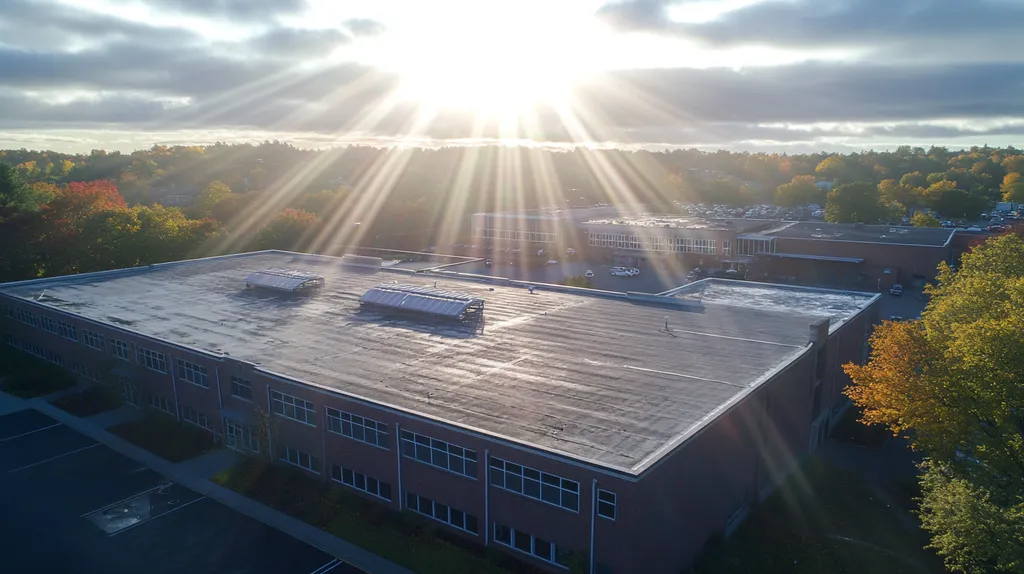
Industrial roofing practices significantly impact both environmental sustainability and operational costs, with over 11 million tons of roofing waste entering landfills annually and up to 40% of building energy loss occurring through poorly designed roof systems.
Traditional approaches to industrial roofing continue to prioritize short-term savings over long-term sustainability, creating substantial environmental and financial consequences.
This analysis examines systemic issues in current roofing practices, identifies critical missed opportunities, and presents data-driven solutions that challenge conventional wisdom about sustainable industrial roofing.
SECTION 1: CURRENT PRACTICES
Industrial roofing practices today often depend on conventional materials and outdated methods that clash with modern sustainability goals. Given that industrial facilities account for a substantial segment of energy consumption—nearly 30% of commercial energy use stems from building operations—the urgency for change is clear. This section will explore current practices in roofing materials, installation, and maintenance that may hinder sustainability efforts.
Traditional Roofing Materials
Many industrial roofs utilize traditional materials like asphalt, metal, and single-ply systems. While these options are widely used, they come with notable environmental drawbacks. For instance, asphalt shingles can contribute to urban heat islands, raising nearby temperatures and energy demands.
Additionally, the manufacturing of these materials is often linked to high carbon emissions. The process of extracting and refining raw materials significantly adds to their carbon footprint. As businesses strive to lessen their environmental consequences, traditional materials present an ongoing challenge.
A growing number of facilities are investigating alternatives such as green roofs and reflective roofing systems. These innovative options not only offer better thermal performance but also enhance water retention and promote biodiversity. However, the adoption of these alternatives remains limited, primarily due to the comfort and reliability associated with conventional materials.
For property owners aiming to elevate sustainability, it’s crucial to comprehend the impact of traditional roofing materials. This raises an important question: Do the benefits of maintaining the status quo surpass the potential advantages of embracing innovative solutions?
Standard Installation Methods
The installation methods employed in industrial roofing have seen minimal innovation over the years, often prioritizing speed and cost at the expense of sustainability. Standard installation practices can lead to less than optimal energy efficiency and increased maintenance requirements over time. Many facilities settle for quick fixes without sufficient regard for long-term efficiency.
For example, improper installation of insulation layers can severely compromise thermal performance. Gaps or compressions in insulation often result in higher energy expenses, negating the benefits of investing in energy-efficient roofing. These conventional practices can translate to long-lasting financial burdens for facility managers.
Unfortunately, innovative installation techniques that focus on sustainable materials or methodologies are not commonly implemented. This reflects a considerable knowledge gap regarding the advantages that sustainable roofing installations can offer.
As the industry matures, transitioning to eco-friendly installation techniques will be essential. By prioritizing quality during the installation phase, property owners can boost energy efficiency and improve the longevity of their roofs, leading to reduced operational costs.
Common Maintenance Practices
The maintenance practices for industrial roofs typically follow a reactive model, addressing problems only after they occur. Regular inspections tend to focus on immediate aesthetic or functional issues while overlooking broader sustainability considerations.
For instance, many facility managers neglect the upkeep of drainage systems, resulting in water pooling that can cause significant structural damage. This oversight not only raises costs but may also necessitate the premature replacement of an otherwise functional roof.
Furthermore, existing maintenance routines frequently ignore energy efficiency assessments. Routine checks should not only evaluate the roof’s physical condition but also its capacity to retain heat and minimize energy loss. Adopting a forward-thinking approach could yield substantial energy savings over time.
Modern maintenance strategies that emphasize sustainability can assist property owners in lowering expenses and diminishing their environmental footprint. Transitioning from a reactive to a proactive maintenance model is a vital step for facilities striving for long-term sustainability.
SECTION 2: SYSTEMIC ISSUES
The need to confront systemic issues within industrial roofing is more pressing than ever. The roofing industry significantly contributes to environmental waste, energy inefficiencies, and health risks from hazardous materials. Alarmingly, the EPA reports that approximately 11 million tons of roofing waste enter landfills annually. For property owners and facility managers focused on sustainability, recognizing and addressing these challenges is vital.
Environmental Impact of Waste
Industrial roofs create substantial waste during both installation and end-of-life disposal. Many traditional roofing materials, including asphalt, have a limited lifespan and are generally non-recyclable. As a result, millions of tons of roofing materials accumulate in landfills each year.
The consequences are serious. These materials can take decades to decompose and may release harmful chemicals into the soil, threatening local water supplies and disrupting ecosystem health.
Adopting sustainable roofing options, such as green roofs or recyclable materials, can greatly reduce these environmental impacts. These innovative solutions not only minimize waste but also support a circular economy in the roofing sector.
Additionally, establishing effective recycling programs enables businesses to transform waste into valuable resources, benefiting both the environment and their financial bottom line.
Energy Inefficiencies in Roofs
Energy inefficiencies represent a significant concern in conventional roofing systems. Many traditional roofs absorb excessive heat, which drives up energy consumption for cooling. Studies indicate that nearly 30% of a building’s overall energy usage is linked to its roofing system.
This inefficiency not only strains energy resources but also drives up operational costs for facility managers. As energy prices continue to escalate, these financial burdens compound, making it essential to pursue solutions that improve energy efficiency.
Incorporating reflective or “cool” roofing materials can markedly reduce heat absorption. These advanced roofs can decrease cooling expenses by up to 20%, demonstrating clear financial benefits for property owners.
Moreover, energy-efficient roofing solutions play a crucial role in lowering greenhouse gas emissions, directly supporting broader sustainability objectives. Investing in upgraded roofing options promotes both environmental stewardship and economic savings.
Health Risks from Hazardous Materials
Many traditional roofing materials contain harmful substances that pose serious health risks to workers and building occupants. Components with asbestos, lead, or volatile organic compounds (VOCs) can cause severe health issues, including respiratory ailments and long-term chronic conditions.
The risks extend beyond initial exposure. As roofs age and degrade, these hazardous materials can be released into the air, raising the likelihood of contamination in surrounding areas. This underscores the urgent need for safer alternatives in roofing materials.
Transitioning to non-toxic, eco-friendly roofing materials can significantly protect the health of everyone involved. Many modern roofing products are engineered to minimize adverse effects while still meeting necessary performance criteria.
Additionally, implementing stringent safety protocols during installation and maintenance further mitigates health risks, showcasing a commitment to responsible management practices. Prioritizing safety is an essential aspect of sustainable roofing.
SECTION 3: MISSED OPPORTUNITIES
In the rapidly changing field of industrial roofing, valuable opportunities for enhancing sustainability are often overlooked. A staggering 70% of industrial roofs still employ traditional materials, which significantly contribute to waste and can burden long-term operational costs. Recognizing these missed opportunities is essential for property owners and facility managers looking to boost both their environmental impact and operational efficiency.
Overlooking Sustainable Materials
The selection of roofing materials is a critical factor in achieving sustainability. Currently, many industrial roofs consist of non-recyclable components that worsen waste challenges. For example, asphalt-based roofing systems, while historically common, lead to substantial landfill overflow.
By opting for sustainable materials, such as metal or membranes made from recyclable resources, property owners can significantly lessen their environmental footprint. These alternative materials typically boast longer lifespans, resulting in lower replacement rates and ultimately, reduced waste generation.
Furthermore, materials with high insulation values not only enhance energy efficiency but can also lead to lower heating and cooling costs over time. This illustrates how material selection directly influences both ecological and financial sustainability.
Incorporating sustainable materials into roofing decisions is more than just an environmentally sound choice; it also yields economic benefits that can enhance overall profitability.
Neglecting Energy-Efficient Designs
Energy-efficient roofing designs represent another area rich with untapped potential. Many current designs fail to utilize technologies, such as reflective coatings or green roofs, which can drastically lower energy consumption. For instance, roofs equipped with solar-reflective technology can reflect up to 80% of sunlight, leading to significantly reduced air conditioning costs.
Also, incorporating features like integrated solar panel systems or superior insulation techniques can boost overall building performance. This not only reduces energy bills but may also qualify properties for financial incentives, such as tax breaks and grants.
Disregarding energy efficiency in roofing designs leads to wasted resources, increased operational costs, and enlarges a building’s carbon footprint. Investing in energy-efficient roofing solutions enables property owners to enhance their environmental stewardship while achieving significant financial gains—a beneficial situation for all stakeholders.
Ignoring Long-Term Durability
Long-term durability should be a primary consideration in the roofing decision-making process. Often, industrial roofs are chosen based purely on initial costs, resulting in frequent repairs and rapid replacements. Although lower-cost materials may seem economically advantageous upfront, they frequently lead to higher maintenance needs and shorter life spans.
Selecting durable materials can alleviate these challenges. Roofs designed to endure extreme weather conditions—such as hail or heavy rainfall—can reduce repair frequency and enhance the building’s resilience. Utilizing sturdy materials also minimizes business disruptions caused by roofing issues.
The financial implications of neglecting durability can be considerable. A thorough lifecycle analysis clearly shows that investing in durable roofing systems can markedly reduce total costs over time. Long-lasting roofs not only perform better but also add value to the entire building.
Ultimately, factoring in long-term durability when selecting roofing solutions is aligned with the strategic objectives of sustainable industrial management, benefiting both the environment and the economy.
SECTION 4: ROOT CAUSES
The transition to sustainable industrial roofing is critical as the construction and roofing sectors substantially contribute to global carbon emissions. The industry accounts for about 40% of global energy consumption, highlighting the need for urgent reform. Understanding the reasons behind the reluctance to embrace sustainable practices is vital for property owners and facility managers. This section will analyze three main barriers: lack of education, economic pressures, and regulatory gaps.
Lack of Education on Sustainability
A significant barrier to sustainability in industrial roofing is the lack of education among property owners and facility managers. Many decision-makers are unaware of the available eco-friendly roofing options and their benefits. This knowledge gap often results in a continued reliance on outdated, less efficient roofing systems.
Continuing education is essential for enabling informed decisions about roofing technologies. For instance, understanding the advantages of green roofs or reflective roofing systems can unlock opportunities for substantial energy savings. Without proper education, decision-makers overlook these benefits and stick with traditional materials.
Moreover, training programs and seminars frequently go underutilized, which keeps commercial roofs anchored in outdated practices. As roofing technology evolves, staying updated through ongoing education is crucial. Closing this knowledge gap is necessary to shift industry standards toward sustainability.
Industry associations and manufacturers must prioritize educational initiatives to tackle this issue. By establishing accessible information channels, they can empower decision-makers to make choices that align with sustainability goals.
Economic Pressures and Short-Term Thinking
Economic pressures often compel businesses to prioritize short-term financial gains over long-term sustainability benefits. Many decision-makers hesitate to invest in sustainable roofing, viewing it as a costly venture. The upfront expenses associated with high-performance roofing systems can appear daunting when compared to traditional options.
This short-sightedness disregards the significant long-term savings sustainable roofs can provide. Energy-efficient roofs can dramatically lower energy bills and extend service life, leading to overall cost savings. This tension between immediate and future savings complicates decision-making for facility managers.
Additionally, companies grappling with tight budgets are seldom inclined to invest in higher-cost, sustainable materials. A cultural shift in the industry is needed—one that values long-term returns over short-term expenditures. Until this mindset changes, sustainable practices will likely remain overlooked.
Financial incentives and rebates could play a vital role in encouraging broader adoption of sustainable roofing options. These incentives can alter perceptions, helping stakeholders view sustainability as an investment rather than a financial burden.
Regulatory Gaps and Inadequate Standards
The regulatory landscape for industrial roofing is often insufficient in promoting sustainable practices. Many existing building codes fail to address crucial aspects of energy efficiency and eco-friendly materials. This lack of regulatory oversight allows traditional roofing methods to persist without accountability.
To foster a more sustainable roofing industry, standards should evolve to prioritize sustainability. Policies could mandate the use of energy-efficient materials and the consideration of life-cycle costs in roofing projects. Such measures would compel the industry to adopt more sustainable practices.
The absence of uniform standards creates confusion among stakeholders, hindering their ability to make informed decisions. To support sustainable roofing options, greater clarity and trust in regulations must be established.
Advocacy for stronger regulations can drive industry leaders to adopt sustainable methods. Addressing these regulatory shortcomings can elevate the roofing industry’s contribution to environmental sustainability while enhancing the future of commercial buildings.
DATA DRIVEN EVIDENCE
The urgency for adopting sustainable roofing solutions in industrial facilities is underscored by rising energy costs and growing environmental concerns. Research indicates that over 50% of commercial buildings significantly contribute to urban waste and high energy consumption. By embracing sustainable roofing practices, facilities not only address these issues but also unlock considerable financial advantages. This section delves into compelling data that highlights the necessity of transitioning from conventional roofing methods to more sustainable alternatives.
Statistical Analysis of Waste Reduction
Every year, the construction and demolition of traditional roofs produce millions of tons of waste. Current data shows that about 35% of landfill waste originates from building materials, including roofing systems. Shifting to sustainable roofing materials, like recycled membranes, can significantly lower waste disposal expenses.
Research demonstrates that adopting green roofing options can reduce landfill contributions by more than 80%. These innovative systems utilize renewable materials that ensure longevity and support waste diversion initiatives. The shift toward waste reduction not only benefits the environment but also translates into considerable cost savings for property owners.
A life-cycle assessment further indicates that sustainable roofing requires fewer resources for maintenance over time. This efficiency leads to diminished waste associated with repairs and replacements, reinforcing the argument for incorporating these advanced solutions. Addressing waste at its source is essential for promoting the long-term sustainability of the roofing industry.
In conclusion, the statistical analysis of waste reduction clearly shows that sustainable roofing solutions are vital for overcoming waste management challenges within the industrial sector.
Energy Consumption Studies
Energy consumption is a pressing issue for industrial facilities, comprising nearly 30% of total operating costs. Research illustrates that conventional roofing systems lead to heightened energy use due to inadequate insulation and heat absorption. This inefficiency can inflate cooling costs by up to 40% during peak summer months.
In contrast, sustainable roofing options like cool roofs or green roofs effectively reflect solar radiation and decrease energy demand. Facilities that have adopted cool roofing technologies report energy savings ranging from 15-25%. This reduction not only lowers operational costs but also enhances the overall performance of the building.
Furthermore, energy efficiency contributes significantly to a facility’s sustainability score, which is increasingly vital for securing regulatory approvals and attracting environmentally-conscious tenants. Thus, implementing energy-efficient roofing systems serves as a key strategy in improving a facility’s marketability.
The findings from energy consumption studies emphasize that sustainable roofing not only delivers cost savings but also aligns with environmental responsibilities, positioning industrial properties for future success.
Cost-Benefit Analysis of Sustainable Roofs
A comprehensive cost-benefit analysis highlights the financial advantages of adopting sustainable roofs. While initial investment costs may be higher, the long-term return on investment can be substantial. Research indicates that sustainable roofing solutions can yield a payback period of 5 to 10 years, based on energy savings and decreased maintenance.
Property owners can anticipate annual savings exceeding $2 per square foot with sustainable roofing systems due to reduced energy expenses. Given the durability of these materials, which can last up to 30 years compared to 15-20 years for traditional options, the financial benefits amplify over time.
Moreover, sustainable roofs often qualify for tax incentives and rebates, enhancing their economic attractiveness. Facilities adopting green roofing initiatives can improve their brand image while meeting the growing demand for corporate sustainability efforts.
In summary, the cost-benefit analysis strongly endorses the move toward sustainable roofing solutions in the industrial sector, demonstrating a dual advantage of financial prudence coupled with environmental stewardship.
SECTION 6: ALTERNATIVE SOLUTIONS
As environmental concerns grow, finding alternative solutions for industrial roofing has never been more critical. Conventional roofing materials lead to significant waste and elevated energy consumption, creating a pressing need for change. By transitioning to sustainable options, businesses can cut operational costs and lessen their environmental impact. This section highlights eco-friendly materials, cool roofing technologies, and recovery practices that can enhance roof sustainability.
Adopting Eco-Friendly Roofing Materials
Choosing eco-friendly roofing materials is essential for advancing sustainability initiatives. Increasingly popular options, such as recycled metal, rubber, and bio-based materials, help minimize waste while offering improved durability and lifespan.
For instance, metal roofs crafted from recycled materials can last over 50 years with the right maintenance. This durability reduces the frequency of replacements, consequently cutting down on landfill contributions. Additionally, materials like thermoplastic olefin (TPO) roofing reflect sunlight, which significantly enhances energy efficiency.
Investing in eco-friendly materials also boosts a property’s marketability. Buildings focused on sustainability are more attractive to environmentally conscious tenants and clients. The long-term advantages of sustainable materials often outweigh the initial costs, resulting in healthier buildings and communities.
Transitioning to eco-friendly materials is not just advantageous; it’s becoming necessary in today’s eco-aware market.
Implementing Cool Roofing Technologies
Cool roofing technologies provide substantial benefits for energy efficiency. These roofs are specifically designed to reflect a greater percentage of sunlight and absorb less heat compared to their conventional counterparts. This results in lowered cooling costs and improved indoor comfort for occupants.
By implementing cool roofing, rooftop temperatures can drop by 30 to 50 degrees Fahrenheit. In urban environments with pronounced heat island effects, cool roofs help alleviate high temperatures and enhance local air quality. This decreased energy demand correlates with reduced greenhouse gas emissions.
Moreover, cool roofs can prolong a roof’s lifespan by mitigating heat-related stress on materials. Consequently, property owners can benefit from fewer maintenance needs and less frequent replacements, translating to lower overall costs.
In summary, cool roofing technologies represent a pragmatic solution for property owners focused on enhancing sustainability while managing operational expenses.
Promoting Roof Recovery and Recycling Practices
Roof recovery and recycling practices are integral to sustainable roofing strategies. Choosing to recover existing roofs, rather than opting for complete replacements, can significantly diminish waste and associated costs. This approach conserves materials and reduces the energy required for new installations.
For example, recovering an existing roof can improve insulation properties while preserving the structural integrity of the building. This method minimizes the environmental impact of roof tear-offs and disposals.
Additionally, recycling roofing materials, such as asphalt shingles and metal, contributes to a circular economy. Asphalt shingles can be repurposed for road paving or other construction applications, which effectively decreases landfill waste while creating new production opportunities.
Emphasizing these practices not only benefits the environment but also illustrates a commercial property’s dedication to sustainability. As regulatory demands rise, adopting roof recovery and recycling practices can position property owners as pioneers in sustainable building management.
Moving Forward
The industrial roofing sector stands at a critical crossroads, with over 11 million tons of roofing waste entering landfills annually and building energy losses reaching 40% through inefficient roof systems.
Traditional approaches to industrial roofing continue to prioritize short-term cost savings over sustainable solutions, resulting in significant environmental damage and increased operational expenses.
The data clearly demonstrates that sustainable roofing alternatives, from cool roofs to recyclable materials, can reduce energy consumption by up to 25% while extending roof lifespans by 50%.
Without immediate action to address these systemic issues through education, updated regulations, and adoption of sustainable practices, the industrial roofing sector will continue to burden both the environment and facility operating budgets.
The transition to sustainable roofing is not merely an environmental imperative—it represents a crucial business decision that will define the future of industrial facility management.
FREQUENTLY ASKED QUESTIONS
Q. Why do commercial roofs often use traditional materials?
A. Many commercial roofs rely on traditional materials due to historical usage patterns and familiarity. These materials, like asphalt and metal, have been widely adopted over decades. However, they often fall short in terms of sustainability and energy efficiency, highlighting a need for alternatives.
Q. What systemic issues impact industrial roofing sustainability?
A. Systemic issues include excessive waste generation, energy inefficiencies, and health risks associated with traditional roofing materials. Each of these factors significantly detracts from sustainability efforts and necessitates a strategic approach to adopting eco-friendly practices.
Q. How can missed opportunities affect commercial roof sustainability?
A. Missed opportunities in selecting sustainable materials or energy-efficient designs lead to increased waste and higher lifecycle costs. By overlooking these options, property owners may incur greater long-term financial burdens and continue contributing to environmental degradation.
Q. What root causes hinder the shift to sustainable roofing?
A. Key root causes include a lack of education regarding sustainable materials, economic pressures favoring short-term gains, and regulatory gaps that fail to enforce sustainable practices. Addressing these areas is essential for advancing roofing sustainability.
Q. What data supports the need for sustainable roofing solutions?
A. Data indicates that conventional roofing systems contribute significantly to waste and energy consumption. Statistics show that leveraging sustainable roofing options can reduce energy costs by up to 25% and landfill contributions by over 80%, highlighting their efficiency and environmental benefits.
Q. What alternative solutions exist for sustainable industrial roofing?
A. Alternative solutions include adopting eco-friendly materials, implementing cool roofing technologies, and promoting roof recovery and recycling practices. These approaches not only enhance sustainability but also reduce operational costs associated with energy consumption and material waste.
Q. How do sustainable commercial roofs impact property value?
A. Sustainable commercial roofs can enhance property value by appealing to environmentally-conscious tenants and clients. These roofs typically offer lower operating costs, longevity, and may qualify for financial incentives, making them attractive investments for property owners.






