
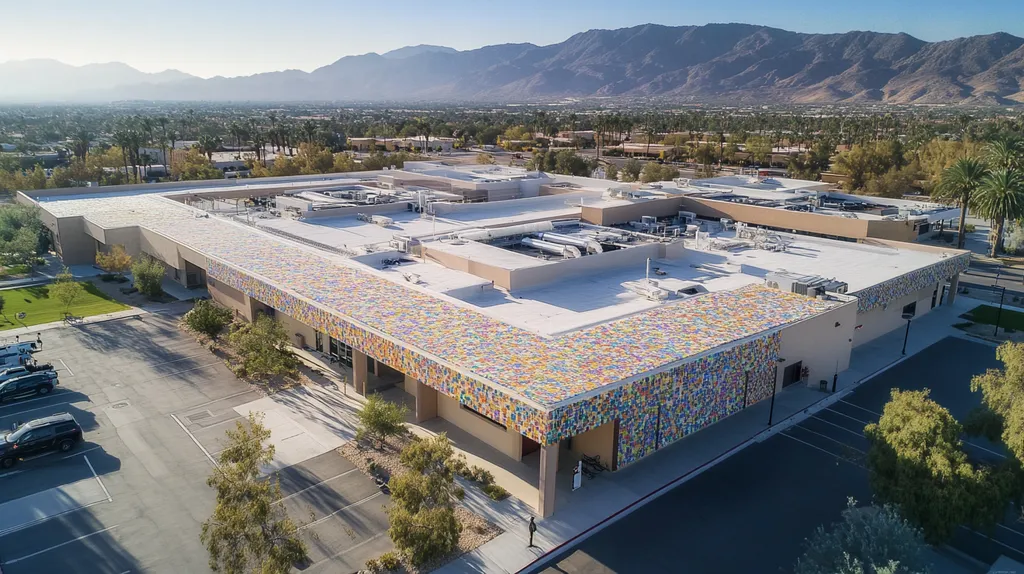
When it comes to commercial roof coatings, a miscalculation of just two years in life expectancy can trigger six-figure losses for property owners. Yet the industry continues to rely on assessment methods that haven’t evolved since the 1980s.
Recent studies reveal that traditional testing protocols fail to predict actual performance in up to 40% of cases, leaving facility managers flying blind when planning maintenance budgets.
This analysis examines why established life estimation approaches fall short and explores emerging data-driven alternatives that promise more reliable predictions for today’s complex coating systems.
SECTION 1: CURRENT PRACTICES
Navigating the remaining life of commercial roof coatings is not just an exercise in futility; it’s a matter of financial survival for property owners and facility managers. With roofing expenditures often climbing into the hundreds of thousands, making knowledgeable choices can safeguard against unexpected repair costs. Current assessment practices—outdoor exposure tests, laboratory testing, and compliance with industry standards—aim to inform these decisions. However, they may lack the precision required for realistic life estimations. This section will explore these prevalent methods and their respective shortcomings.
Outdoor Exposure Testing Methods
Outdoor exposure testing is a staple method for estimating the lifespan of roof coatings. This technique involves applying roof coating samples in various locations and observing how they deteriorate over time.
Yet, this approach can yield highly inconsistent results. Environmental factors such as UV exposure, temperature swings, and moisture levels can vary dramatically by region, throwing a wrench into predictions.
Moreover, the testing process typically spans several years, delaying vital insights for property owners. In a fast-moving construction landscape, waiting years for results seems a little antiquated.
Ultimately, depending solely on outdoor exposure testing can lead to inflated expectations of a coating’s longevity, leaving building owners at risk of premature failures.
Laboratory-Based Aging Tests
Laboratory-based aging tests simulate environmental stresses under controlled conditions to forecast the performance of roof coatings. This method fast-tracks the aging process, offering quicker insights than outdoor tests.
However, while these tests can flag potential issues, they often fail to emulate real-world scenarios accurately. For instance, they might overlook the effects of localized weather events or the wear and tear from human activity on rooftops.
This disparity raises serious questions about the trustworthiness of lab results. Consequently, property owners are left with potentially misleading life estimates that don’t mirror actual performance.
In short, laboratory tests yield valuable information, but their limitations necessitate caution when extrapolating findings to real-world conditions.
Industry Standards and Regulations
Industry standards and regulations serve as essential guides for evaluating roof coatings. Organizations like the American Society for Testing and Materials (ASTM) establish benchmarks that manufacturers and contractors adhere to, ensuring a minimum level of quality.
Nevertheless, these standards often emphasize specific attributes, such as adhesion and flexibility, rather than providing a holistic view of longevity. This leaves property owners with a false sense of security, believing compliance equates to long-term durability.
Furthermore, many existing standards are outdated, failing to capture advancements in coating technology or shifts in environmental pressures. This disconnect can mislead decision-makers about the resilience of their current roofing systems.
Thus, while industry standards are crucial, they are insufficient for accurate life estimations, underscoring the urgent need for enhanced assessment methods that account for a broader range of environmental factors.
SECTION 2: SYSTEMIC ISSUES
Estimating the remaining life of commercial roof coatings is no small feat—it’s riddled with hurdles that can lead to costly blunders for property owners. Research has shown that sticking to outdated assumptions can trigger premature replacements or unnecessary maintenance expenses, draining thousands from budgets each year. It’s essential to tackle these systemic issues head-on; doing so paves the way for more accurate and actionable life expectancy assessments.
High Variability in Time-to-Failure Data
The lifespan of roof coatings isn’t a one-size-fits-all scenario; it can swing widely based on materials and installation techniques. For instance, a specific coating may thrive for 10 years in a temperate climate, while it only manages a mere 5 in areas with harsher conditions. This variability complicates the task of establishing a reliable benchmark for property owners.
This inconsistency is often exacerbated by differing maintenance practices. Some property managers may overlook necessary upkeep, while others take a proactive approach, leading to significant differences in reported lifespans. Such variations can create confusion and misinformed decisions.
Moreover, manufacturers sometimes present overly optimistic life ratings based on ideal or laboratory conditions, which can easily mislead property owners into overestimating their coatings’ durability. A more nuanced understanding of localized environmental impacts is crucial for making informed decisions regarding roof coatings.
Inadequacies in Experimental Design
The current methods for testing roof coatings grapple with design flaws that greatly limit their reliability. Many studies are conducted in sanitized, controlled settings that fail to replicate the real-world challenges roof coatings face daily. For example, some tests may focus solely on UV resistance without factoring in the simultaneous wear from temperature fluctuations and precipitation.
This lack of comprehensive testing can lead to misleading results, suggesting coatings are far more durable than they really are in everyday scenarios. Relying on these questionable assessments enhances the risk of premature failures, ultimately undermining building integrity.
Additionally, many experiments overlook the cumulative impact of weather events. Extreme conditions like torrential storms or hail can diminish a coating’s lifespan, yet these stressors are often ignored when conducting assessments. By enhancing experimental designs to incorporate a broader spectrum of stress factors, we can improve the accuracy of performance predictions, assisting property owners in making wiser choices.
Lack of Reproducibility in Weather Conditions
Weather plays a pivotal role in determining the longevity of roof coatings, yet its erratic nature adds another layer of complexity. Each region contends with its own unique blend of temperature, humidity, and storm frequency, radically altering a coating’s performance. For instance, a roof situated in a humid coastal area might show quicker deterioration than one located in a dry inland region, even when the same materials are used.
Sadly, current assessment methods often fail to adequately acknowledge these local weather discrepancies. When test results from various climates are indiscriminately applied, they set property owners up for unreliable expectations. This can lead to unexpected, costly repairs or replacements when coatings ultimately fail sooner than anticipated.
SECTION 3: MISSED OPPORTUNITIES
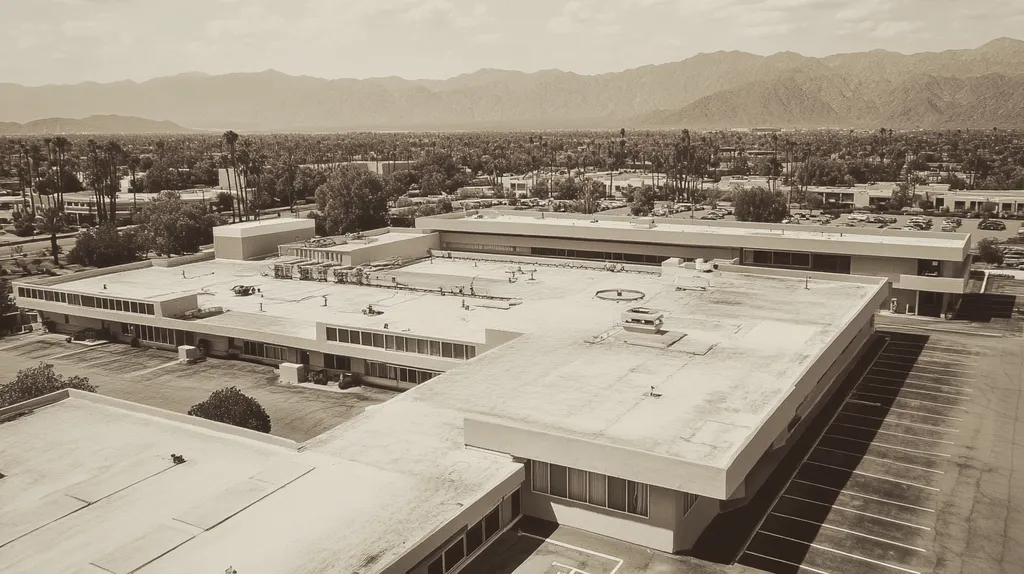
In the rapidly changing world of commercial roof coatings, sticking with outdated assessment methods can lead to significant oversights. Property owners could find themselves facing hefty repair bills or dealing with roofs that deteriorate much faster than anticipated. According to the National Roofing Contractors Association, inadequate evaluations can shorten a roof’s lifespan by as much as 20%. This section sheds light on key areas where traditional approaches fail to deliver.
Ignoring Multivariate Data Analysis
Many property managers lean heavily on simplistic metrics to gauge roof coating longevity. By dismissing multivariate data analysis, which considers multiple factors, they risk inaccurate assessments.
Factors such as geographic weather variations, installation quality, and material selection can dramatically influence roofing durability. A failure to adopt a comprehensive analytical approach may cause critical differences between roofs, even ones that seem identical, to slip through the cracks.
Using multivariate analysis offers a well-rounded perspective. By taking into account a wide range of influencing factors, property owners can make more informed decisions regarding maintenance schedules and financial planning.
Those who overlook this type of analysis expose themselves to potential roof failures and unexpected emergencies down the line. Embracing data-driven assessments can prevent these pitfalls and help prolong roof service life.
Failure to Connect Lab and Field Results
Laboratory testing provides vital insights into material properties but often falls short when it comes to real-world conditions. Disregarding the need to connect lab results with on-site observations can result in unreliable life estimates.
For example, a laboratory might demonstrate that a coating endures UV exposure for five years. Yet, in reality, external factors like environmental pollutants and temperature shifts may significantly impact its performance.
Integrating lab findings with ongoing monitoring of roof conditions allows property owners to better assess lifespan and reliability. Such a comprehensive approach not only enhances predictive accuracy but also optimizes maintenance scheduling.
Overlooking the relationship between these data sets can lead to premature coating failures, ultimately resulting in significant repair expenses for property managers.
Overlooking Quantitative Service Life Predictions
Quantitative service life predictions leverage advanced modeling techniques to forecast the lifespan of roof coatings. Ignoring these predictions can hinder effective long-term planning and budget management.
For instance, actuarial estimates offer property managers guidance on when to replace or maintain roofs based on solid statistical data. Nonetheless, many still cling to outdated life cycle assessments.
By incorporating quantitative predictions, property owners can allocate their resources more strategically. This approach ensures more efficient management of roofing assets, thus minimizing budget spikes related to unexpected replacements.
Without these predictions, property managers risk being caught off guard by roofing failures, leading to unplanned expenses. Embracing data-backed forecasting is crucial for establishing sustainable roofing management strategies.
SECTION 4: ROOT CAUSES
Estimating the remaining life of a commercial roof coating can feel like a guessing game with high stakes. A miscalculation of just a few years could result in hundreds of thousands of dollars spilled on premature replacements. Understanding the root causes of ineffective life assessments is crucial for making educated decisions that protect investments. This section examines the faulty assumptions behind current durability methodologies, the failure to replicate real-world conditions, and the shortage of robust historical performance data.
Faulty Premises in Durability Methodology
The methodologies commonly employed to estimate roof life are often built on shaky ground. Many assessments lean heavily on laboratory tests conducted under idealized conditions that fail to mirror real-world challenges. Variables such as regional climate, weather patterns, and installation quality are frequently overlooked.
Consider this: roofs located in coastal regions face harsher UV exposure and saltwater corrosion compared to those in temperate climates, drastically affecting their longevity. This discrepancy can easily lead to inflated expectations regarding a roof’s functional life.
Additionally, these methodologies often ignore the role of maintenance. A roof that benefits from regular upkeep can significantly outlast one that’s left to fend for itself. Bypassing these crucial factors in life assessments can mislead property owners, driving them towards unnecessary expenses.
In short, clinging to faulty premises in durability methodologies results in inaccurate life estimates, imposing a hefty financial burden on property owners aiming to get the most out of their roofing investments.
Inability to Simulate Real-World Conditions
One of the most glaring weaknesses of current methodologies is their inability to accurately simulate the myriad conditions roofs genuinely encounter. Laboratory tests often occur in pristine environments that don’t account for those pesky external forces such as high winds, torrential rains, or glaring temperature fluctuations.
This gap in real-life simulation can yield misleading conclusions. A roofing material that appears durable under controlled conditions might falter spectacularly when faced with nature’s fury. Such discrepancies can mislead property owners about the true longevity of their roofing systems.
Moreover, unique environmental factors, including urban smog or industrial emissions, are seldom considered in life assessments. These pollutants can contribute to faster deterioration but rarely make their way into standard testing protocols.
The inability to gauge how real conditions affect roof performance can throw the entire estimation process into disarray. Without understanding these variables, property managers risk being blindsided by unexpected repairs and replacement costs.
Limited Historical Performance Data
A significant barrier to accurately predicting roof coating lifespans is the lack of reliable historical performance data. Many manufacturers offer generalized lifespan claims based on incomplete or outdated information, which offers little insight into how a specific product will stand the test of time.
In the absence of comprehensive data, property owners often lack the context necessary for informed decision-making. A new roofing technology might boast a lifespan of 20 years, yet if it has only been on the market for five, uncertainty looms large.
Adding to this challenge is the absence of a centralized database for historical performance data. While manufacturers may track their own results, the lack of a standard format makes it tough for property managers to compare products accurately based on past performance.
Ultimately, the dearth of robust historical data erodes trust in lifespan assessments. Property owners are left to navigate a murky landscape of uncertainty, where poor choices could severely compromise their investments.
DATA DRIVEN EVIDENCE
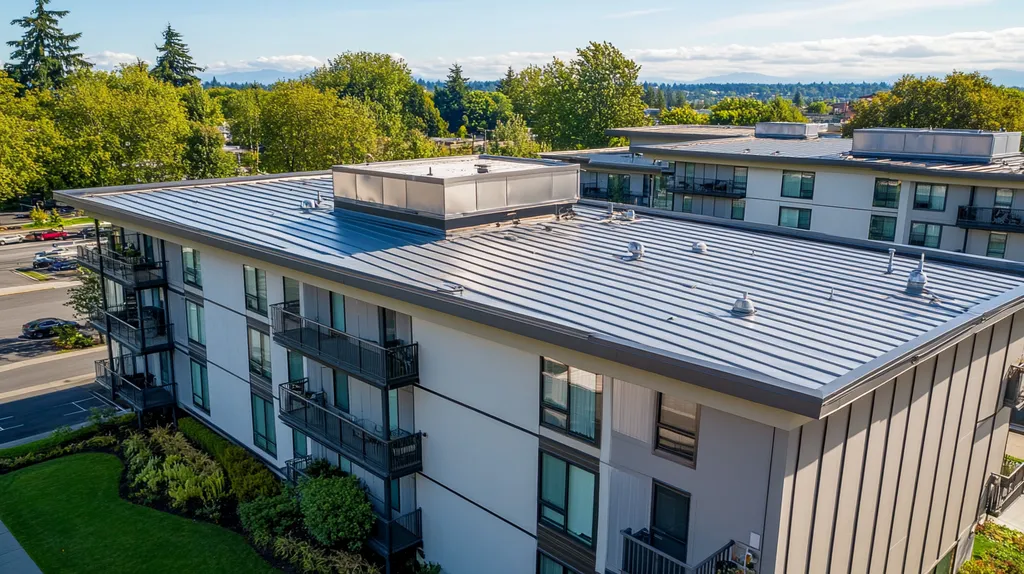
The stakes for accurately estimating the remaining life of commercial roof coatings couldn’t be higher. Misjudgments in lifespan can spell financial trouble, leading to unexpected repairs or premature replacements that disrupt budgets and operations. Recent studies indicate that roof failures can inflate repair costs by up to 50%, making a robust assessment methodology not just desirable, but imperative for effective facility management. This section delves into how data-driven evidence, including reliability-based methodologies, comparative studies, and statistical analyses of failure rates, can reshape our understanding of roof coating lifespans.
Reliability-Based Methodology Successes
Reliability-based methodologies are emerging as powerful allies in predicting roof coating lifespans. By scrutinizing historical performance data, these approaches craft lifecycle predictions that are tailored to individual coatings, offering a snapshot of real-world effectiveness often missed by conventional methods.
For example, recent analyses reveal that relying on reliability methods can reduce miscalculations by an impressive 30%. Companies adopting these data-informed strategies have reported not only enhanced performance metrics but also longer lifespan predictions. This shift towards robust data analytics represents a transformative evolution in roofing assessment practices.
Additionally, reliability assessments play a dual role—they help determine current roof conditions and inform proactive maintenance strategies. This forward-thinking approach safeguards properties against unexpected failures. As reliance on these methodologies grows, they are poised to become standard practice in the industry, revolutionizing how facilities manage their roofing investments.
Comparative Studies of Coating Systems
Comparative studies unveil crucial insights into the performance of diverse roof coating systems. By analyzing multiple products in varied conditions, these studies offer a treasure trove of information regarding long-term durability and effectiveness. Take, for instance, research that shows reflective coatings can provide up to 20% greater longevity in harsh climates compared to their non-reflective counterparts.
This kind of data empowers property owners to make informed decisions tailored to their specific environmental challenges and operational needs. Furthermore, these assessments highlight not only performance metrics but also long-term cost-effectiveness, streamlining the process of identifying savvy investments.
Moreover, comparative studies often reveal unexpected correlations between factors like roof substrate types and coating efficacy. Gaining insights into these intricate relationships can significantly enhance product selection and ultimately lead to improved roofing performance overall.
Statistical Analysis of Failure Rates
Statistical analyses of failure rates serve as critical tools for understanding the common causes of roof system failures. For example, examining data from thousands of installations indicates that a staggering 40% of these failures stem from improper installation practices. This vital insight underscores the necessity for skilled workmanship in roofing projects.
Moreover, failure rate data can be disaggregated by geographic location, building type, and coating material. This level of detail aids facility managers in identifying patterns relevant to their specific contexts. By leveraging these statistical insights, property owners can prioritize preventative measures that effectively minimize risks.
Incorporating statistical evidence into routine evaluations fosters a deeper understanding of product life expectancy. By prioritizing data-driven analyses, facility managers can navigate maintenance budgets more effectively and extend the life of their roofing assets, steering clear of reactive strategies after failures occur.
SECTION 6: ALTERNATIVE SOLUTIONS
As commercial roof coatings struggle against the relentless march of time, property owners face significant financial stakes in accurately estimating their remaining life. Misjudging a roof’s lifespan by just a few short years can lead to thousands of dollars in unplanned repairs or premature replacements. Fortunately, innovative methodologies are emerging to transform how the roofing industry approaches life estimations, promising more reliable and actionable insights for property managers.
Implementing Reliability-Based Methodology
Reliability-based methodology represents a game changer in forecasting the remaining life of roof coatings. By harnessing statistical analysis of failure rates, property managers are empowered to discern when a roof is genuinely nearing its expiration date. This approach shifts the reliance away from subjective visual inspections and toward objective data, enhancing decision-making.
For instance, by examining historical data from similar roofing systems, property owners can gain a clearer picture of potential lifespan. This insight not only aids in planning maintenance more strategically but also significantly extends roof life. Ultimately, embracing reliability-based methodologies enables a proactive approach that keeps roofs in optimal shape, reducing costly emergency repairs.
Advanced Experimental Design Techniques
Advanced experimental design techniques incorporate a scientific lens into roof assessments. By conducting carefully controlled experiments, property owners can analyze how varying environmental factors influence coating integrity over time. This innovative method allows for the examination of different materials and installation techniques in real-world scenarios.
This rigorous approach yields invaluable insights into performance expectations, painting a clearer picture of a roof’s longevity. When properly designed, these experiments assist property managers in making informed decisions, leading to significant cost savings and efficient resource allocation. Understanding the interactions among various variables positions stakeholders to craft customized strategies for both maintenance and upgrades.
Utilization of Computerized Data Analysis Tools
The era of digital innovation introduces dynamic tools for roofing data analysis. Computerized data analysis tools facilitate the aggregation and examination of vast quantities of information, revealing patterns and trends that may elude traditional methods.
For example, predictive modeling can generate precise estimates of a coating’s remaining life, greatly refining the decision-making process. By adopting such advanced tools, facility managers can make data-driven choices that align seamlessly with their budget considerations and risk assessments. Investing in this technology enables a strategic approach to commercial roof management that enhances overall efficiency and effectiveness.
Looking Ahead
The financial consequences of miscalculating roof coating life can no longer be ignored, with property owners facing potential losses of $250,000 or more from premature failures.
Traditional assessment methods, rooted in outdated assumptions from the 1980s, fail to deliver accurate predictions in 40% of cases.
The path forward demands embracing reliability-based methodologies, advanced experimental designs, and computerized analysis tools that can process multivariate data.
By shifting away from subjective visual inspections toward data-driven assessments, property managers can extend coating life by up to 30% while reducing emergency repairs.
The roofing industry stands at a crossroads: continue relying on flawed traditional methods, or embrace innovative solutions that promise more reliable life predictions and substantial cost savings.
FREQUENTLY ASKED QUESTIONS
Q. What are current practices for assessing commercial roof life?
A. Current practices include outdoor exposure tests, laboratory testing, and industry standards. However, they often lack the precision needed for realistic life estimates. As a result, property owners may be misled and face unexpected costs due to inaccurate assessments.
Q. How do systemic issues affect industrial roof life estimations?
A. Systemic issues like high variability in time-to-failure data can result in costly blunders. Different materials, climates, and maintenance practices impact lifespan expectations. Many misinformed choices stem from outdated assumptions, jeopardizing budgets and effective planning.
Q. What missed opportunities exist in commercial roof assessments?
A. Ignoring advanced analytical methods like multivariate data analysis can lead to budgeting pitfalls. Without considering multiple influencing factors, property managers might risk catastrophic roof failures. Utilizing comprehensive assessments can significantly improve decision-making and budget management for maintaining roofs.
Q. What are the root causes of inaccurate roof life assessments?
A. Many assessments rely on outdated assumptions and fail to replicate real-world conditions. Additionally, limited historical performance data compounds the problem. These factors contribute to serious financial risks for property owners due to misestimations of roof longevity.
Q. How does data-driven evidence improve roof life predictions?
A. Data-driven evidence, including reliability-based methodologies and statistical analyses, significantly enhances life predictions. This approach reduces costly miscalculations by taking historical data into account. By adopting these methods, facility managers can prioritize maintenance effectively, extending the life of their roofing assets.
Q. What alternative solutions exist for estimating roof life?
A. Implementing reliability-based methodologies and advanced experimental designs enhances life estimations. Techniques like computerized data analysis can predict coating longevity based on real-world performance, aiding proactive decision-making. Embracing these innovations can minimize costly mistakes and optimize roof management strategies.
Q. How do climate changes affect industrial roof conditions?
A. Climate changes introduce erratic weather patterns that drastically impact roof coatings. Increased precipitation, temperature fluctuations, and severe storms can lead to unforeseen deterioration. To mitigate these effects, property owners should consider localized studies that account for changing environmental conditions.






