
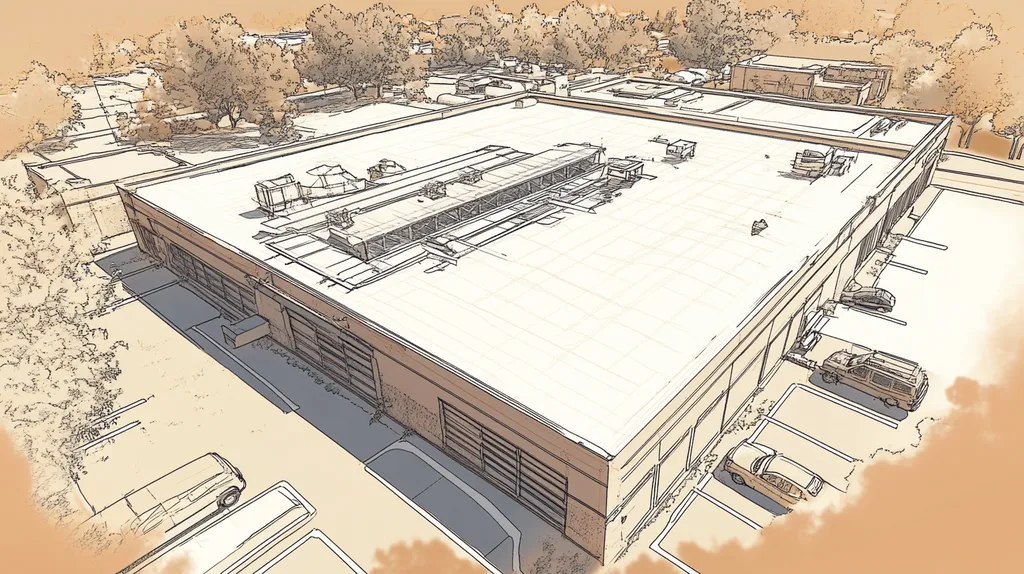
Every year, commercial property owners lose millions to preventable roof failures that started as minor issues nobody caught in time.
While most facility managers rely on basic visual checks or wait for obvious leaks, advanced evaluation methods can detect hidden moisture, structural problems, and energy inefficiencies before they become expensive emergencies.
Understanding how to properly assess your roof’s condition—and knowing what those findings really mean—transforms reactive crisis management into strategic building protection that extends roof life and protects your bottom line.
SECTION 1: THE BASICS EXPLAINED
Every day, commercial roofs endure a relentless assault from UV rays, temperature swings, wind, rain, and snow. What starts as a tiny crack or loose membrane can quickly spiral into thousands of dollars in water damage, ruined inventory, and emergency repairs.
Most facility managers rely on quick visual checks or wait for obvious leaks before taking action. This reactive approach often means discovering problems after they’ve already caused significant damage to the building below.
Understanding the fundamentals of roof evaluation helps property owners shift from crisis management to strategic maintenance, protecting their investment while keeping operations running smoothly.
What It Is (In Plain Language)
Think of a commercial roof evaluation like a comprehensive physical exam for your building’s protective shell. Just as a doctor uses multiple tests to assess your health, roof professionals use various tools and techniques to diagnose your roof’s condition.
The process starts with a thorough visual inspection of the entire roof surface, including membranes, flashings, drains, and penetrations. Inspectors look for obvious signs like cracks, blisters, or standing water that signal trouble.
But the real power lies in advanced diagnostic tools that reveal hidden problems. These methods include infrared cameras that detect moisture trapped beneath the surface and specialized meters that measure insulation performance.
These advanced methods reveal subsurface moisture, insulation degradation, and breaches in the waterproofing layer—critical insights that traditional inspections often miss (source: IR Analyzers). Core samples may also be taken to test material thickness and structural integrity.
The evaluation concludes with a detailed report that maps out current conditions, identifies risk areas, and prioritizes repair needs. This document becomes your roadmap for making smart decisions about roof maintenance and budgeting.
Why It Matters (To Your Building)
Your roof is like a helmet protecting everything valuable inside your building. When that protection fails, the consequences ripple through your entire operation, from damaged equipment to unhappy tenants.
Water intrusion doesn’t just create puddles—it spawns mold growth, destroys insulation, and compromises structural elements. A single leak can shut down production lines, force tenant relocations, and trigger costly insurance claims.
Regular evaluations catch small problems before they become big disasters. Property owners who invest in systematic roof assessments typically see 30% lower lifecycle costs compared to those who wait for emergencies.
Beyond cost savings, thorough evaluations help maintain insurance coverage and code compliance. Many insurance policies require documented maintenance programs, and evaluations provide the paper trail insurers expect to see.
For multi-tenant buildings, a well-maintained roof protects tenant relationships and property values. Nothing drives away good tenants faster than recurring leaks and the disruption they cause.
How It Works
The evaluation process begins with planning and preparation. Inspectors review building plans, maintenance records, and any previous roof work to understand the system they’re examining.
During the field inspection, professionals systematically examine every aspect of the roof assembly. They document conditions with photos, measurements, and detailed notes about problem areas.
Weather conditions play a crucial role in timing these inspections. Recent rain helps reveal active leaks, while dry conditions allow better access to all roof areas.
Advanced testing follows the visual survey, using non-destructive methods to peer beneath the surface. Infrared thermography reveals moisture patterns invisible to the naked eye, while electrical impedance testing maps wet insulation areas.
The final report translates technical findings into actionable recommendations. It prioritizes repairs by urgency and cost, helping facility managers plan budgets and schedule work strategically.
Quality evaluations also include warranty compliance checks and recommendations for extending roof life through targeted maintenance programs.
SECTION 2: PRACTICAL APPLICATIONS
Smart facility managers know that roof problems never announce themselves with a polite knock. One day everything looks fine from the ground, and the next day you’re dealing with emergency buckets, panicked tenants, and repair crews charging premium rates.
The difference between minor maintenance and major disasters often comes down to timing—knowing when to look deeper than surface appearances and understanding how your roof connects to everything else in your building. Let’s explore the real-world situations where roof evaluations prove their worth.
Common Uses & Examples
Think of roof evaluations like regular check-ups for your building’s protective shell. The most common trigger is post-storm damage assessment—after hail, high winds, or heavy snow, smart property managers schedule evaluations within 48 hours to catch problems before they become leaks.
Insurance claims represent another frequent use case. When adjusters arrive to assess storm damage, having recent evaluation data strengthens your position and speeds up settlements.
Pre-purchase due diligence is equally critical. Commercial buyers routinely discover that a “good-looking” roof actually needs $50,000 in immediate repairs—information that dramatically changes negotiation dynamics.
Energy efficiency upgrades also drive evaluation needs. Before installing new HVAC units or solar panels, you need to know if your roof structure can handle the additional load safely.
A commercial roof condition assessment goes beyond basic inspection to provide comprehensive analysis of materials, structural integrity, drainage, and insulation performance. This strategic approach helps property managers make informed decisions about resource allocation and long-term roof management planning (source: Applied Building Sciences International).
Budget planning rounds out the common applications. Evaluations help facility managers shift from reactive emergency spending to proactive maintenance scheduling, typically reducing overall roof costs by 25-40%.
When You Need It Most
Certain situations demand immediate roof evaluation, starting with severe weather events. Hailstorms create punctures that look minor from below but compromise waterproofing integrity—problems that worsen rapidly if left unaddressed.
Age-related timing matters too. Most commercial roofs need their first comprehensive evaluation around the 7-10 year mark, regardless of visible problems.
Warranty expiration dates create another critical window. Many manufacturers require documented maintenance to honor warranty claims, making pre-expiration evaluations essential for protecting your coverage.
Tenant complaints about temperature control or unusual odors often signal roof-related issues. Water infiltration doesn’t always create obvious drips—sometimes it shows up as HVAC inefficiency or indoor air quality problems.
Equipment installation projects also trigger evaluation needs. Before contractors start mounting new units or running new penetrations, you want to know exactly what condition your roof membrane is in.
Finally, consider evaluations before major facility upgrades or expansions. Roof problems discovered mid-project can derail timelines and budgets in expensive ways.
Interactions With Other Systems
Your roof doesn’t work in isolation—it’s part of an interconnected building system where problems in one area quickly spread to others. HVAC units represent the most obvious connection point, creating stress concentrations and potential puncture risks every time maintenance crews access equipment.
Drainage systems create another critical interface. Clogged drains don’t just cause ponding water—they can overload structural elements and accelerate membrane deterioration across large roof areas.
Insulation performance directly impacts both energy costs and roof longevity. Wet insulation loses thermal value and creates temperature differentials that stress roofing materials through freeze-thaw cycles.
Building automation systems increasingly monitor roof-related data points like moisture sensors and temperature readings. Integrating evaluation findings with these systems creates powerful predictive maintenance capabilities.
Fire safety systems also intersect with roofing through penetrations for sprinkler lines and access requirements for emergency personnel. Roof evaluations must consider these safety-critical connections.
Even interior renovations can impact roof performance through changed ventilation patterns or added equipment loads. The smartest facility managers coordinate roof evaluations with other major building system assessments to catch these interactions early.
SECTION 3: KEY TERMINOLOGY DECODED
When roofing contractors start throwing around terms like “thermal bridging” and “membrane degradation,” many facility managers nod politely while secretly wondering what just happened to their maintenance budget. This communication gap costs buildings millions in unnecessary repairs and premature roof replacements every year.
The roofing industry loves its technical vocabulary, but misunderstanding key terms can lead to approving the wrong repairs, missing critical problems, or paying for work you don’t actually need. Learning the essential language puts you back in control of the conversation.
Essential Terms Explained
Think of your roof “membrane” as your building’s raincoat—it’s the waterproof layer that keeps everything dry underneath. Common types include TPO (a white, plastic-like material), EPDM (black rubber), and built-up roofing (multiple layers of tar and gravel).
“Flashing” refers to the metal strips that seal the gaps where your roof meets walls, pipes, or equipment. If your membrane is the raincoat, flashing is like the waterproof zippers and seams—small but absolutely critical for keeping water out.
“Thermal bridging” happens when heat sneaks past your insulation through metal components, like a cold spot where a steel beam touches both inside and outside air. This energy thief can add hundreds to your monthly utility bills.
“R-value” measures how well your insulation resists heat flow—higher numbers mean better insulation performance. A roof with R-20 insulation keeps heat in (or out) twice as effectively as one with R-10.
Industry Jargon Translated
“Ponding water” sounds technical, but it simply means puddles that stick around more than 48 hours after rain stops. These persistent puddles act like magnifying glasses, concentrating UV damage and accelerating membrane breakdown.
When contractors mention “tear-off” versus “overlay,” they’re describing two completely different approaches. Tear-off means ripping everything down to the deck and starting fresh, while overlay means installing new roofing over the old system—like putting a new shirt over a dirty one.
Non-destructive testing reveals subsurface moisture, insulation degradation, and waterproofing breaches, providing data-driven documentation for maintenance planning and warranty compliance (source: IR Analyzers). This high-tech approach finds hidden problems without cutting holes in your roof.
“Slope” or “pitch” describes how much your roof tilts to shed water. Even “low-slope” roofs need some tilt—perfectly flat roofs are actually a recipe for ponding water and premature failure.
Measurement & Units Simplified
Roof thickness gets measured in “mils”—and here’s the confusing part: 1,000 mils equal just one inch. So when someone says your TPO membrane is 60 mils thick, that’s only 0.06 inches—about as thick as a credit card.
Area measurements use “squares,” where one square equals 100 square feet. A 10,000 square foot roof equals 100 squares, which helps contractors quickly estimate material and labor costs.
“PSF” stands for pounds per square foot, indicating how much weight your roof can safely carry. This becomes critical when adding HVAC units, solar panels, or even planning where maintenance crews can safely walk.
Understanding these units prevents costly miscalculations. The difference between ordering materials for 50 squares versus 5,000 square feet (the same area) could mean the difference between completing your project on time or waiting weeks for correct deliveries.
SECTION 4: DECISION FACTORS
Every day, facility managers face roofing decisions that can make or break their building’s future. Choose the wrong evaluation approach, and you might spend $200,000 replacing a roof that needed only $15,000 in targeted repairs.
The challenge isn’t just finding problems—it’s knowing which problems matter most and when to act on them. A small blister might look alarming but pose little immediate risk, while invisible moisture infiltration could be silently destroying your building’s structural integrity.
Smart decision-making starts with understanding how cost, performance, and durability factors work together to determine your roof’s true value over time.
Cost Considerations
Think of roof evaluation costs like buying insurance—the upfront investment protects you from much larger financial disasters down the road. A comprehensive evaluation typically costs $0.15 to $0.35 per square foot, while emergency roof replacement can run $8 to $15 per square foot.
Basic visual inspections might seem cost-effective, but they miss critical subsurface problems that turn into expensive surprises. Advanced diagnostic methods cost more initially but often save thousands by catching issues early.
Non-destructive roof testing uses specialized tools and techniques to evaluate roofing system health without cutting, coring, or otherwise damaging the membrane, helping extend roof life through targeted maintenance planning (source: IR Analyzers). This approach prevents unnecessary damage while providing detailed condition data.
Budget timing matters too. Spreading evaluation costs across multiple years through routine assessments costs less than emergency diagnostics during crisis situations.
Consider the total cost of inaction—water damage to equipment, lost productivity, and emergency repair premiums often exceed the building’s annual maintenance budget. Smart facility managers view evaluation costs as investment protection rather than optional expenses.
Performance Trade-offs
Every evaluation method offers different strengths, and understanding these trade-offs helps you choose the right approach for your situation. Visual inspections provide broad coverage quickly but miss hidden moisture problems that cause the most expensive damage.
Infrared thermography excels at finding wet insulation and thermal bridges but requires specific weather conditions to work effectively. Electrical impedance testing maps moisture precisely but takes longer and costs more than thermal methods.
Weather timing creates another performance consideration. Post-storm evaluations reveal active leaks clearly, while dry-weather inspections allow better access to all roof areas without safety concerns.
Roof accessibility impacts evaluation thoroughness too. Low-slope roofs with safe access points allow detailed inspection of every component, while steep or high roofs may require specialized equipment that increases costs but improves safety.
The best evaluations combine multiple methods strategically—using thermal imaging to identify problem zones, then focusing detailed testing on those specific areas to maximize both coverage and cost-effectiveness.
Lifespan & Durability Factors
Understanding your roof’s expected lifespan helps determine evaluation frequency and investment levels. A five-year-old TPO roof needs different assessment priorities than a fifteen-year-old built-up system approaching replacement time.
Environmental factors accelerate aging in predictable ways. Buildings near industrial facilities face chemical exposure that degrades membranes faster, while high-altitude locations deal with intense UV radiation that breaks down materials prematurely.
Evaluation findings directly influence durability expectations. A roof with good drainage and proper insulation might exceed its rated lifespan, while one with persistent moisture problems could fail years early without intervention.
Maintenance history affects both current condition and future performance. Roofs with documented regular care typically last 20-30% longer than those maintained reactively, making evaluation investments pay dividends over time.
Timing evaluations with warranty periods maximizes protection value. Many manufacturers require documented assessments to honor warranty claims, making strategic evaluation scheduling essential for preserving coverage throughout the roof’s service life.
SECTION 5: COMMON CHALLENGES
Even the best commercial roofs face a gauntlet of challenges that can turn minor maintenance issues into budget-busting emergencies. Weather extremes, material degradation, and human error create a perfect storm of potential problems that catch facility managers off guard every day.
The frustrating truth is that most roof failures follow predictable patterns, yet they still surprise property owners who thought their building was protected. Understanding these common challenges—and knowing how to spot them early—makes the difference between minor repairs and major replacements.
Frequent Problems & Solutions
Think of membrane punctures as tiny wounds that refuse to heal—they start small but invite water infiltration that spreads damage throughout your roof system. HVAC technicians, delivery crews, and maintenance workers create most punctures simply by walking on roofs with tools, equipment, or improper footwear.
Seam failures represent another silent threat where adhesives break down or mechanical fasteners work loose over time. These separations often occur along roof edges or around penetrations where wind uplift creates the most stress.
Drainage blockages turn your roof into an accidental swimming pool, with leaves, debris, and even tennis balls creating dams that trap water for weeks. This standing water acts like a magnifying glass, concentrating UV damage and accelerating membrane breakdown in specific areas.
The most effective solutions focus on prevention rather than reaction. Establishing clear roof access protocols, using walk pads around equipment, and scheduling quarterly drain cleanings eliminate most common failure modes before they start.
When problems do occur, speed matters more than perfection. Temporary patches applied within hours prevent water infiltration that could cause thousands in collateral damage while you plan permanent repairs.
Warning Signs To Watch For
Your roof often telegraphs problems weeks or months before they become obvious leaks. Membrane blistering looks like bubble wrap under the surface, indicating trapped moisture or gases that will eventually rupture and create entry points for more water.
Inside your building, ceiling stains don’t always appear directly below roof problems—water travels along structural members and can show up rooms away from the actual leak location. Musty odors or unexplained humidity spikes often signal hidden moisture problems before any visible damage appears.
Commercial roof condition assessments complete a thorough evaluation of various crucial aspects of the roofing system, going beyond basic inspection to encompass comprehensive analysis that helps property managers make informed, strategic decisions (source: Applied Building Sciences International). This systematic approach identifies problems in their early stages when solutions cost less and work better.
Energy bill increases can also indicate roof problems, particularly when heating or cooling costs jump without obvious explanations. Wet insulation loses its thermal value, forcing HVAC systems to work harder to maintain comfortable temperatures.
After severe weather events, document any changes you notice—even small ones like loose flashing or shifted equipment. These seemingly minor issues often predict bigger problems that develop over the following months.
Preventative Approaches
The smartest facility managers treat their roofs like high-performance vehicles that need regular maintenance to avoid breakdowns. Scheduled quarterly inspections catch small problems before they multiply, typically reducing overall roof costs by 30-40% compared to reactive maintenance approaches.
Training your maintenance staff to recognize early warning signs creates an early detection network that works 365 days a year. Simple checklists help non-roofing personnel spot obvious problems like clogged drains, loose equipment, or unusual wear patterns around high-traffic areas.
Protective coatings act like sunscreen for your roof membrane, blocking UV radiation that breaks down materials over time. These treatments cost a fraction of membrane replacement and can extend roof life by 5-10 years when applied strategically.
Documentation proves just as important as physical maintenance—insurance companies and warranty providers expect detailed records showing consistent care. Digital photos, repair logs, and inspection reports create the paper trail that protects your coverage when you need it most.
Budget planning transforms roof maintenance from crisis management to strategic investment. Setting aside 2-3% of your roof’s replacement value annually funds routine care and prevents the feast-or-famine cycle that destroys maintenance budgets when emergencies strike.
SECTION 6: NEXT STEPS & RESOURCES
Armed with evaluation knowledge, many facility managers still stumble at the finish line—choosing the wrong contractor, missing critical standards, or stopping their education just when it matters most. This final step separates successful roof management from expensive disappointments.
The roofing industry is filled with contractors who promise comprehensive evaluations but deliver glorified visual inspections. Meanwhile, evolving technologies and updated standards create new opportunities for smarter building protection every year.
Taking the right next steps transforms your evaluation investment into long-term building success, while missteps can waste money and leave problems undetected until they become disasters.
Questions To Ask Providers
Think of contractor selection like hiring a detective—you want someone who uses all available tools to uncover the truth, not just someone who looks around and makes educated guesses. Start by asking what diagnostic equipment they bring to every evaluation: infrared cameras, electrical impedance meters, or moisture detection devices.
Demand specifics about their reporting process. Quality contractors provide detailed written reports with photos, measurements, and prioritized repair recommendations. Avoid anyone who offers only verbal summaries or generic condition ratings without supporting data.
Ask about their experience with your specific roof type and building age. TPO membrane evaluation requires different expertise than built-up roofing assessment, and newer synthetic materials present unique challenges that experienced contractors recognize immediately.
Request recent references from similar buildings in your area. Climate conditions affect roof performance, so local experience matters more than impressive portfolios from different regions.
Finally, clarify what happens after the evaluation. The best contractors offer ongoing consultation and can connect you with qualified repair crews, while mediocre ones disappear once they submit their reports.
Industry Standards & Guidelines
Professional roof evaluations should follow established industry protocols, not whatever methods each contractor happens to prefer. ASTM International publishes key standards like ASTM D6622 for roof moisture surveys that ensure consistent, reliable results across different providers.
The National Roofing Contractors Association (NRCA) offers comprehensive inspection manuals that outline proper evaluation procedures for every major roof type. Contractors familiar with these guidelines deliver more thorough assessments than those making up their own procedures.
A comprehensive assessment involves full roof system inventory, detailed condition examination, and strategic planning for extending roof life while supporting long-term budgeting decisions (source: Association of Building Sustainability Inspectors). This systematic approach ensures nothing gets overlooked during the evaluation process.
Insurance companies increasingly require documented compliance with these standards to honor claims and maintain coverage. Understanding these requirements protects your building and preserves your insurance relationships.
Local building codes may mandate specific inspection frequencies or reporting formats, particularly for large commercial buildings. Staying current with these regulations prevents compliance issues that could affect occupancy permits or property sales.
Further Learning Simplified
Roofing technology evolves rapidly, with new materials, diagnostic tools, and maintenance techniques emerging every year. Facility managers who stop learning after their first evaluation miss opportunities to improve building performance and reduce costs.
Many roofing manufacturers offer free educational webinars and training sessions that translate complex technical information into practical management strategies. These resources help you understand new products and identify when upgrades might benefit your building.
Industry associations like the Building Owners and Managers Association (BOMA) provide continuing education specifically designed for facility professionals. Their courses cover emerging technologies, regulatory changes, and best practices without requiring technical roofing expertise.
Subscribe to reputable industry publications that explain new developments in plain language. Understanding trends helps you ask better questions during evaluations and recognize when contractors recommend outdated approaches.
Consider joining local facility management networks where peers share real-world experiences with different contractors, evaluation methods, and maintenance strategies. This grassroots knowledge often proves more valuable than marketing materials or sales presentations.
The Bottom Line
Commercial roof failures cost property owners over $3 billion annually in preventable damage that started as minor issues nobody caught in time.
The difference between strategic roof management and crisis-driven spending comes down to understanding what comprehensive evaluations reveal and acting on findings before small problems become expensive disasters.
Smart facility managers who invest in proper evaluation methods—combining visual inspections with advanced diagnostic tools—typically reduce their roof lifecycle costs by 30-40% while avoiding the operational disruptions that destroy tenant relationships and insurance coverage.
Your roof protects everything valuable inside your building. The question isn’t whether problems will develop, but whether you’ll discover them while solutions are still affordable.
Don’t wait for obvious leaks to force your hand—start evaluating systematically today.
FREQUENTLY ASKED QUESTIONS
Q. What does a commercial roof evaluation involve?
A. Think of this evaluation like a full physical checkup for your building’s protective shell. It starts with a visual inspection to spot cracks or water buildup, then uses special tools like infrared cameras to uncover hidden moisture or insulation damage. The process ends with a detailed report guiding you on repairs and maintenance priorities.
Q. When should I schedule a commercial roof evaluation?
A. Key moments include right after severe weather like hail or storms, around 7-10 years after installation, before your warranty expires, and prior to new equipment installations. Also, if tenants report strange odors or temperature changes, it’s smart to look deeper before issues grow costly.
Q. What key terms should I know about my industrial roof?
A. Some basics: The “membrane” is your roof’s waterproof raincoat, while “flashing” seals edges like waterproof zippers. “Thermal bridging” lets heat sneak out through metal spots, wasting energy. Understanding these terms helps you avoid unnecessary repairs and spot real trouble early.
Q. How do cost and performance affect commercial roof decisions?
A. Spending on thorough testing upfront is like buying insurance—it’s cheaper than emergency replacements later. Visual checks are quick but miss hidden damage, while advanced tools find costly problems early. Smart timing and combining methods help balance cost with quality insights.
Q. What common challenges affect commercial roof health?
A. Small punctures from foot traffic, seam failures, and clogged drains are frequent trouble spots. These start tiny but quickly escalate if ignored. Prevent them with regular cleanings, walk pads, and staff training to spot early warning signs before damage snowballs.
Q. What should I ask contractors before a commercial roof evaluation?
A. Treat hiring like choosing a detective—ask about diagnostic tools like infrared cameras and moisture meters. Make sure they provide detailed written reports with photos and repair plans. Also, check their experience with your roof type and local projects, plus ongoing support after the evaluation.
Q. How can roof evaluations improve building energy efficiency?
A. Evaluations identify wet or degraded insulation that forces HVAC systems to work harder, raising energy bills. Fixing these issues restores your roof’s thermal barrier, keeping indoor temperatures stable and lowering costs. It’s like patching leaks in a thermos to keep your coffee hot longer.






