
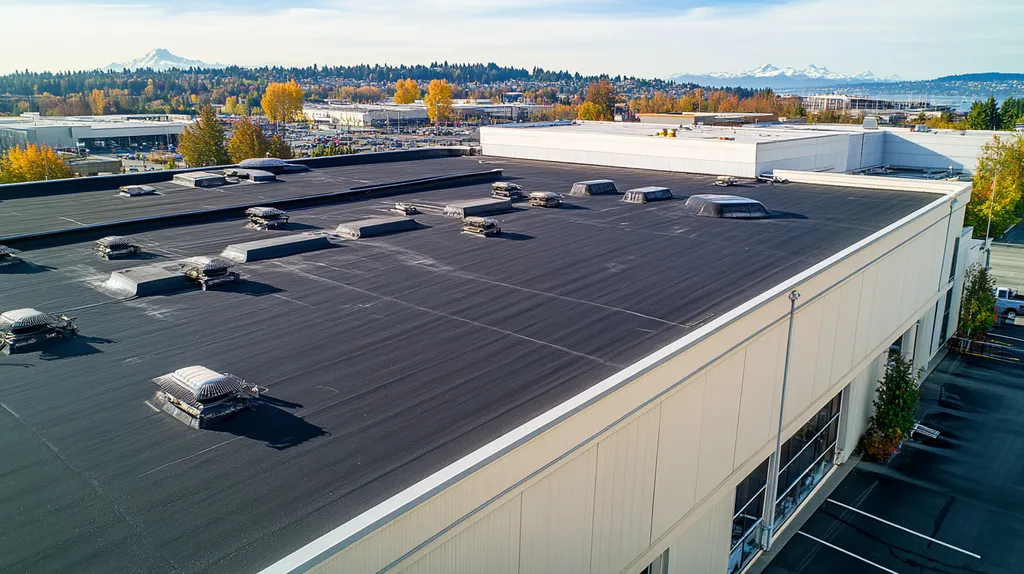
In the vast landscape of commercial roofing, proper documentation stands as the critical difference between prolonged roof life and premature failure. Industry studies reveal that up to 80% of commercial roof systems fail prematurely due to inadequate condition monitoring and documentation.
From the bygone era of simple tar and gravel systems to today’s advanced synthetic membranes, the fundamentals of roof documentation remain unchanged – yet frequently overlooked.
This comprehensive guide examines how misconceptions about roof documentation lead to costly failures, while providing facility managers with practical, evidence-based solutions for protecting their roofing investments.
SECTION 1: COMMON MISCONCEPTIONS
Facility managers and property owners often underestimate the critical nature of documenting commercial roof conditions. Neglecting regular inspections can lead to unforeseen expenses and even hazardous environments. Alarmingly, studies indicate that 80% of roof failures arise from inadequate maintenance. Addressing these common misconceptions is essential for safeguarding roofs, as this section highlights misunderstandings regarding inspections, vital roofing components, and the realities of roof age and lifespan.
Ignoring Regular Inspections
A widespread misconception is that routine inspections are dispensable for commercial roofs. This assumption can have dire consequences, allowing hidden damage to fester undetected. A seemingly innocuous leak, if ignored, may escalate into substantial structural issues down the line.
Conducting regular inspections enables facility managers to spot vulnerabilities before they turn into costly repairs. Seasonal shifts, inclement weather, and everyday wear can all create potential problems. Failing to carry out inspections can result in emergency repair situations and complications with insurance coverage.
Moreover, thorough documentation during these inspections establishes a maintenance history. This vital information becomes invaluable for warranty claims and enhances the property’s resale value, underscoring the necessity of consistent evaluation. By emphasizing inspections, properties not only maintain their integrity but also extend their overall lifespan.
In essence, overlooking regular inspections is a recipe for disaster. Building roofs require ongoing attention, and neglecting them can lead to serious financial and operational repercussions.
Overlooking Critical Roof Components
Another frequent error involves neglecting important roof components such as flashings, drains, and ventilation systems. These elements are crucial for preserving the roof’s integrity, and failing to monitor their status can jeopardize the entire roofing system.
For example, flashings, integral for waterproofing junctures where the roof meets walls or other structures, are susceptible to deterioration. When these fail, they can permit water intrusion, leading to mold growth or structural damage. Facility managers must recognize that these components deserve as much scrutiny as the roofing material itself.
Additionally, a functioning drainage system is equally essential. Clogged drains can result in water pooling, heightening the risk of leaks. Routine checks and precise documentation help ensure that these challenges are addressed promptly, preventing damage that may not be apparent initially.
Overlooking these critical components can lead to unnecessary repairs and spiraling operational costs. Therefore, managers should embrace a comprehensive approach to roof maintenance, ensuring the overall health and functionality of the roofing system.
Misunderstanding Roof Age and Lifespan
Many facility managers also miscalculate the age and expected lifespan of their roofing systems. It is common to assume that a roof’s age is the primary determinant of its condition. However, factors like maintenance history, environmental conditions, and the quality of materials also play a significant role in a roof’s longevity.
For instance, a well-maintained roof constructed from robust materials might outlast a poorly maintained one, regardless of their ages. Keeping detailed records of maintenance endeavors alongside the roof’s age can aid in anticipating when significant repairs or replacements are necessary.
Additionally, relying solely on manufacturer guidelines can be misleading; these often presume ideal circumstances. Actual performance may differ greatly, making it essential to treat each roof as a unique case, reflecting its specific challenges and historical context.
Grasping the nuances of roof age and lifespan is crucial for informed decision-making. Focusing exclusively on age without maintaining comprehensive documentation may lead to premature replacements and unanticipated expenses.
SECTION 2: PRACTICAL IMPLICATIONS
The state of a commercial roof has far-reaching impacts on its lifespan, the building’s overall integrity, and the smooth operation of facility activities. Consider this: a meticulously documented roof assessment can potentially extend its lifespan by over 25%. In contrast, overlooking regular evaluations can lead to catastrophic failures. For facility managers, the stakes are high; prioritizing documentation is not merely wise—it is essential for securing operational efficiency and financial health.
Impact on Roof Longevity
Proactive documentation of roof conditions can significantly prolong the life of a commercial roof. Routine inspections allow facility managers to identify minor issues early, addressing them before they morph into costly problems.
A roof that is regularly maintained can outlast its neglected counterpart by as much as two decades. This extended lifespan not only reduces costs associated with repairs and replacements but also ensures a solid return on investment for facility management.
Additionally, maintaining comprehensive records offers invaluable insights into wear patterns and performance ciphers. This data can inform better choices in materials for future repairs or installations.
Ultimately, consistent documentation acts as a safeguard, preserving the roof’s health and functionality throughout its intended life.
Effects on Building Integrity
The condition of a building’s roof is intrinsically linked to its overall integrity. When documentation is inadequate, unseen deterioration may go unnoticed, leading to structural issues that can compromise the entire facility.
Water intrusion from a failing roof can contribute to mold growth or damage vital systems like HVAC and electricity, posing serious risks to both property and occupant health.
Each documented issue, from leaks to wear, allows prompt intervention, mitigating the risk of extensive damage. This makes regular evaluations critical for ensuring a safe environment for all building occupants.
Proper documentation fortifies the structural integrity of the entire facility, protecting both assets and compliance with safety regulations.
Consequences for Facility Operations
Failing to document roof conditions can disrupt daily operations significantly. Sudden roof failures often result in unexpected downtime that can hamper productivity and diminish revenue.
For instance, a leaking roof may halt production lines, delay shipments, or even necessitate temporary relocations. Such disruptions can result in considerable financial losses, far exceeding the cost of regular maintenance and thorough documentation.
Furthermore, clear and accessible documentation enables facility managers to make informed decisions about maintenance schedules and resource allocation. This proactive approach minimizes risks and elevates operational efficiency.
In an increasingly competitive landscape, maintaining seamless operations is invaluable. Therefore, documenting roof conditions should be a cornerstone of any effective facility management strategy.
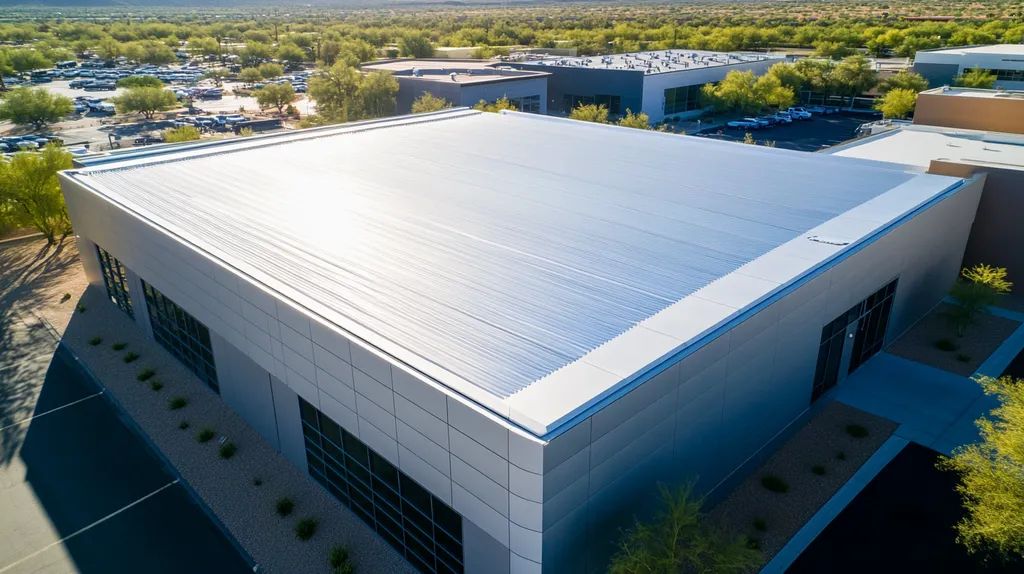
SECTION 3: COST OF MISINFORMATION
The implications of neglecting proper roof condition documentation are staggering. Facility managers may face severe financial losses, legal complications, and unexpected repair costs due to misinformation. Alarmingly, studies reveal that as many as 40% of roofing claims are denied because of insufficient documentation. This section delves into the significant financial repercussions that arise from misinformation in roof condition reporting, stressing the importance of accurate record-keeping for facility managers.
Financial Burden of Neglect
Neglecting roof documentation can translate into neglecting essential maintenance tasks. The financial consequences can be steep for facility managers and property owners. Regular inspections serve as an early warning system, identifying minor issues that can snowball into major problems if left unchecked.
Take, for instance, a small leak that is overlooked. What might start as a minor irritation can lead to extensive water damage, demanding expensive repairs that could run into the thousands. Some studies indicate that preventive maintenance can save property owners as much as 30% on long-term roofing costs. Without proper documentation, however, managers open the floodgates to avoidable financial burdens.
Proactive documentation not only reveals trends in wear and tear but also enables property owners to plan and budget for repairs. By taking a strategic approach to roof maintenance, facility managers can keep expenses in check and avoid sudden financial shocks.
Insurance and Compliance Issues
Inadequate documentation can complicate insurance claims, leading to frustrating and costly outcomes. Insurers often require thorough records to validate claims related to roof damage. Without these detailed documents, property owners may encounter denied claims, resulting in significant financial stress.
Moreover, accurate documentation is essential for complying with local building codes. A lack of proper records can lead to fines and citations from local authorities, jeopardizing operations and tarnishing a facility’s reputation. For instance, if a facility suffers roof failure during a storm, the inability to prove that the roof was well-maintained could lead to expensive legal disputes and prolonged operational disruptions.
Ultimately, maintaining meticulous documentation acts as a protective shield against the pitfalls of insurance non-compliance, ensuring that facility managers operate within legal parameters and maintain financial stability.
Unexpected Repair and Replacement Costs
Failing to document roof conditions accurately often results in unexpected repair and replacement costs. Many facility managers remain unaware of their roof’s deteriorating condition until it’s too late. An issue that could have been a minor repair may escalate into a significant expense.
For instance, a facility could face emergency repairs after a roof collapse caused by overlooked damage. Not only do these incidents incur substantial costs, but they can also disrupt business operations for extended periods. Reactive maintenance typically comes with a steep price tag compared to proactive care.
Regularly documenting roof conditions allows for timely interventions, helping facility managers avoid abrupt and costly measures. Implementing a systematic documentation approach can also provide insights into the lifespan of various roofing materials. This foresight allows property owners to arrange for timely replacements, preventing unexpected costs before they arise.
SECTION 4: REALITY CHECK
Roofs are often the unsung heroes of commercial buildings, quietly enduring the elements until a severe issue arises. Research indicates that around 30% of commercial roofs suffer serious problems due to lack of maintenance and inadequate documentation. Neglecting to record roof conditions can lead to costly repairs or even premature roof replacements. Recognizing the critical nature of proper documentation not only preserves the roof but also conserves time and resources. This section delves into the essential need for detailed documentation, the invaluable role of certified inspectors, and the undeniable significance of photographic evidence.
Importance of Detailed Documentation
Documenting roof conditions is not merely a best practice; it is essential for operational efficiency. A comprehensive record creates a clear timeline of the roof’s health, enabling facility managers to spot trends and anticipate potential issues before they spiral into crises.
For instance, tracking repair history can surface recurring problems, guiding more effective maintenance planning. By recognizing these patterns, managers can adopt a proactive approach that extends the roof’s lifespan and minimizes disruptions to operations.
Detailed documentation also proves crucial when warranty claims are at stake. Manufacturers often require evidence of regular inspections and maintenance to honor claims. Without such documentation, claims can be denied, leaving property owners to bear the hefty repair costs.
In summary, investing time in thorough documentation protects both the roof’s integrity and the financial interests of property owners and facility managers alike.
Role of Certified Inspectors
Engaging certified inspectors enhances the accuracy and reliability of roof assessments beyond what untrained eyes might catch. These professionals are equipped to identify subtle signs of deterioration that could easily be overlooked, providing an authoritative evaluation of the roof’s condition.
For example, certified inspectors can detect issues like moisture intrusion or insulation deficiencies at early stages. Tackling these concerns proactively leads to significant cost savings in repairs down the line. Moreover, their skilled reports add an invaluable layer of credibility to the documentation process.
Insurance providers and warranty companies often mandate inspections performed by certified professionals. By hiring these experts, facility managers ensure compliance with industry benchmarks, increasing the likelihood of receiving financial assistance in emergencies.
Ultimately, employing a certified inspector is a strategic move that helps maintain rigorous documentation, empowering facility managers to make informed, timely decisions.
Significance of Photographic Evidence
Incorporating visual documentation, particularly through photographs, significantly bolsters the credibility of roof evaluations. Images serve as immediate visual evidence of roof conditions and can play a critical role in disputes or warranty claims.
Before-and-after photographs following repairs clearly illustrate the success of maintenance efforts. These visuals are not only useful for internal assessments but also in communicating conditions to stakeholders and advocating for funding for future work.
Moreover, maintaining a visual timeline through periodic photographs allows for the tracking of changes in the roof’s condition. This method aids in recognizing patterns of deterioration over time, facilitating better future planning.
In conclusion, integrating photographic evidence into the documentation process elevates the quality and effectiveness of roofing assessments. By combining visual and written records, facility managers can arrive at well-informed decisions that safeguard their roofing investments.
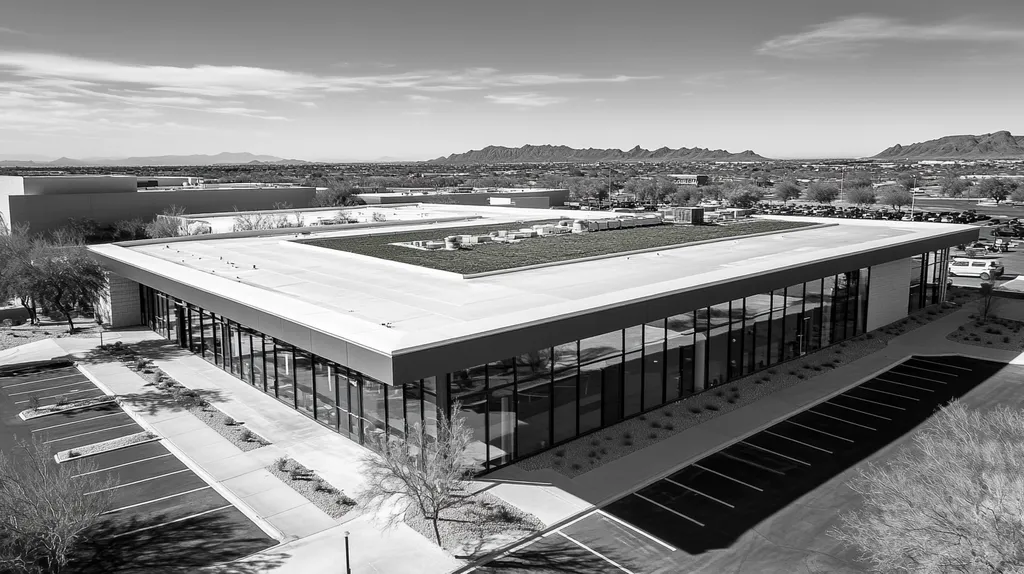
SECTION 5: EVIDENCE-BASED ALTERNATIVES
In an industry where neglect can lead to catastrophic financial consequences, the effectiveness of documenting commercial roof conditions cannot be overstated. Experts suggest that failing to conduct regular inspections can cause repair costs to soar by as much as 50%. Adopting evidence-based alternatives serves as a proactive measure for facility managers, ensuring roof integrity and maximizing investment lifespans. This section will delve into the importance of comprehensive inspection checklists, the integration of technology for documentation, and strategies for prioritizing maintenance and repairs.
Using Comprehensive Inspection Checklists
Comprehensive inspection checklists are essential tools for documenting roof conditions systematically. They offer a structured approach to evaluating the condition of roofs and identifying potential issues. Items typically featured on these checklists might include surface materials, drainage systems, and signs of wear or damage.
By utilizing these checklists, facility managers can gather standardized data, ensuring a consistent approach across all inspections. This systematic documentation helps track changes over time, providing valuable insights for future maintenance decisions. The checklists can also be tailored to cater to different roof types, addressing specific concerns associated with each material.
Furthermore, these tools can inform training for maintenance staff, equipping them with the knowledge needed to conduct thorough inspections. Such targeted training enhances the accuracy of assessments, reducing the likelihood of overlooked problems. Thus, inspections transform from reactive measures into proactive strategies for long-term roof care.
In the end, comprehensive inspection checklists not only streamline the documentation process but also empower facility managers to make informed decisions. By capturing essential data, potential costly issues can be mitigated before they escalate into significant repairs.
Leveraging Technology for Documentation
The advent of modern technology has revolutionized roof documentation practices, enhancing both efficiency and reliability. Tools such as drones and thermal imaging cameras facilitate roof assessments without the need for direct access, ensuring accurate evaluations while prioritizing safety.
Drones, for example, provide expansive aerial views that capture the roof’s condition from multiple perspectives. This bird’s-eye view can unveil problems like pooling water or damaged membranes that might not be caught from the ground level. Additionally, thermal imaging technology can highlight concealed leaks and areas of heat loss, disrupting energy efficiency.
Digital software solutions play a crucial role in organizing and managing documentation. These platforms can store inspection reports, images, and maintenance schedules, allowing facility managers to maintain comprehensive historical records. Centralizing information in this way reinforces an accurate and actionable documentation process.
By leveraging technology, documentation quality is greatly improved, and the inspection process becomes more efficient. Consequently, facility managers are better equipped to respond swiftly to deteriorating conditions and extend the longevity of their roofs.
Prioritizing Maintenance and Repairs
To preserve a roof’s durability, it is imperative to prioritize maintenance and repairs strategically. Identifying critical issues early on can prevent minor problems from escalating into extensive repairs. A seemingly trivial leak, for example, can quickly turn into a major undertaking if left unaddressed.
Facility managers should develop a priority system that categorizes roof issues based on their severity and potential impact on operations. Regular inspections, complemented by maintenance checklists, can effectively highlight urgent repairs and necessary preventative actions.
Implementing a proactive maintenance plan can significantly extend the lifespan of a roof. Scheduled repairs not only reduce long-term costs but also ensure that the roof continues to operate efficiently. This approach contributes to a healthier indoor environment and lowers overall operating expenses.
By consistently documenting roof conditions and prioritizing necessary repairs, facility managers can establish a well-maintained roofing system that minimizes disruptions and maximizes asset value.
SECTION 6: TEST AND VERIFY
Failing to conduct thorough assessments of a commercial roof can result in significant financial pitfalls and property damage. Alarmingly, reports indicate that nearly 40% of roofing failures stem from inadequate inspections and testing. For facility managers, implementing precise evaluation strategies is paramount to protecting investments and extending the roof’s lifespan. This section explores the importance of rigorous surface inspections, interior evaluations, and advanced testing methods.
Conducting Thorough Surface Inspections
Surface inspections are essential for pinpointing visible wear and tear on roofing systems. Facility managers should prioritize routine walkthroughs every six months and immediately following severe weather events. Such inspections can uncover cracks, blistering, or other surface anomalies that might indicate deeper, underlying issues.
Beyond basic visual inspections, utilizing infrared thermography can elevate surface evaluations. This method detects temperature variations that signal moisture retention, allowing managers to tackle potential problems before they escalate into costly repairs. Early detection is key to maintaining the building’s integrity.
It’s crucial to document all findings during these inspections. A comprehensive report serves as a reference guide for future maintenance efforts and helps ensure that any corrective actions align with observed conditions.
Involving qualified roofing professionals can further enhance these inspections. Their expertise ensures that no critical areas are overlooked, empowering facility managers to confidently oversee their roofs’ condition and make informed decisions.
Evaluating Interior Signs of Damage
While exterior inspections are vital, interior evaluations also play a crucial role in a comprehensive roof assessment. Facility managers should regularly inspect ceilings, walls, and other indoor surfaces for signs of moisture intrusion or mold. Often, these internal indicators are the first clues of a roof issue.
Signs such as dark stains, peeling paint, and dampness should never go unaddressed. Promptly identifying these interior signals leads to quicker remediation and minimizes overall repair costs. It’s advisable to maintain a detailed log of any discovered internal damage and its specific locations.
Moreover, training maintenance teams to recognize distress signals inside facilities can foster a culture of proactive observation. This mindset facilitates earlier interventions, preventing further complications from evolving.
Combining interior evaluations with exterior inspections creates a complete picture, enabling facility managers to maintain the integrity of both roofs and interior spaces.
Utilizing Advanced Testing Methods
Advanced testing methods provide deeper insights into a roof’s health beyond what surface inspections reveal. Techniques such as moisture scans and ballast testing can identify trapped water and weak points requiring attention.
Moisture scans utilize non-invasive technology to detect leaks before they escalate, helping facility managers initiate targeted repairs and significantly reducing the risk of extensive damage.
In certain cases, core sampling may be necessary for roofs with critical performance requirements. This method assesses the condition of materials and verifies their expected lifespan, guiding future repair or replacement strategies.
By incorporating these advanced techniques, facility managers can base their decisions on precise data. With accurate insights, they can prioritize immediate repairs and develop long-term roofing strategies that ensure safety and reliability.
The Bottom Line
The evolution of commercial roofing from simple tar and gravel to today’s sophisticated systems has only heightened the critical importance of proper documentation.
Studies show that facilities with comprehensive roof documentation programs extend their roof life by up to 40% compared to those without structured monitoring.
From detailed inspection checklists to advanced imaging technology, the tools available for documenting roof conditions have never been more accessible or effective.
Yet the stark reality remains: nearly 80% of commercial roofs still fail prematurely due to inadequate documentation and monitoring.
As construction costs continue rising and weather patterns become more extreme, systematic documentation of roof conditions isn’t just good practice – it’s essential for protecting valuable assets and ensuring business continuity.
FREQUENTLY ASKED QUESTIONS
Q. Why is documenting commercial roof conditions essential?
A. Documenting roof conditions prevents severe damage from unnoticed issues. Regular evaluations capture vital maintenance history, which aids in warranty claims and property resale value, ultimately securing your investment in the building.
Q. How does a commercial roof inspection impact its longevity?
A. Regular inspections can extend a roof’s life significantly by identifying minor issues early. Early problem detection prevents costly repairs and allows for strategic maintenance planning, preserving the overall integrity of your roofing system.
Q. What are the financial risks of neglecting roof documentation?
A. Not documenting roof conditions can lead to expensive repairs and potential insurance claim denials. Many property owners face unforeseen expenses when issues escalate, highlighting the need for consistent documentation to mitigate financial risk.
Q. What role does a certified inspector play in roof evaluations?
A. Certified inspectors possess the expertise to identify subtle issues that may go unnoticed. They enhance the evaluation process and provide reliable documentation while ensuring compliance with industry standards and warranty requirements.
Q. How can technology improve commercial roof documentation?
A. Technology like drones and thermal imaging enhances efficiency and reliability in roof assessments. These tools allow for safe, comprehensive evaluations, capturing critical data that informs timely decision-making for roof maintenance.
Q. Why is photographic documentation important for roofs?
A. Photographic evidence bolsters the credibility of roof assessments, serving as visual proof for maintenance or warranty claims. Maintaining a visual timeline helps track changes in condition, facilitating efficient maintenance planning.
Q. What are the benefits of using inspection checklists for roofs?
A. Inspection checklists streamline the roof evaluation process by providing structured assessments. They ensure consistent data collection, highlight potential issues, and serve as training tools for maintenance staff, fostering a proactive approach to roof management.






