
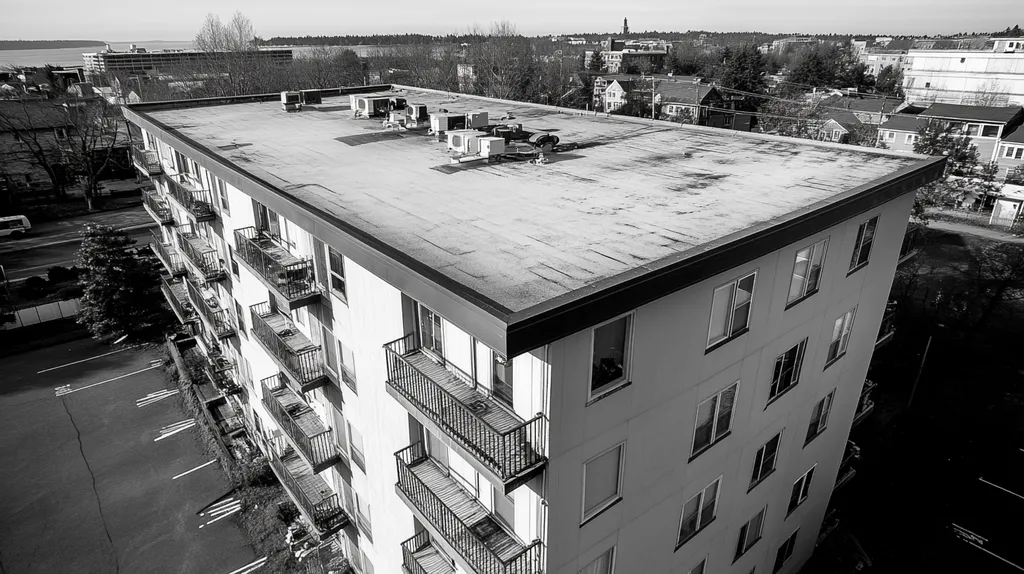
As commercial roofing systems become increasingly complex, choosing the wrong assessment method can lead to catastrophic failures costing facility owners millions in repairs and downtime. Industry data shows that 40% of commercial roof replacements occur prematurely due to inadequate evaluation techniques.
From traditional visual inspections to advanced thermographic scanning, today’s facility managers must navigate a maze of assessment options. The stakes are particularly high given that the average commercial roof replacement costs $250,000 to $350,000.
This comprehensive guide examines key factors in selecting appropriate roof assessment methods, including performance metrics, financial implications, compliance requirements, and risk management strategies.
SECTION 1: PERFORMANCE FACTORS
Selecting the right method for assessing a commercial roof can mean the difference between maintaining operational efficiency and incurring premature replacement costs. Alarmingly, nearly 30% of commercial roofs are replaced early, often due to insufficient maintenance and assessment. Grasping key performance factors—such as roof material condition, structural integrity, and drainage—enables property owners to make knowledgeable, proactive decisions. This section delves into each factor and its critical impact on roof assessments.
Roof Material Condition
The condition of roofing materials significantly influences overall roof performance. Critical factors like age, weathering, and wear must be systematically evaluated. While materials such as TPO and EPDM can endure beyond 20 years, this longevity is contingent upon proper upkeep.
Neglecting visible signs of deterioration—like blistering or cracking—can precipitate issues such as leaks and structural damage. Timely inspections can determine if a roof is nearing the end of its service life or if it has several years left with proper maintenance.
Facility managers should also pay attention to localized damage, as it may highlight more extensive systemic weaknesses. Spotting and addressing these issues early on can prevent prohibitively expensive repairs in the future.
Key Action Items
Structural Integrity Assessment
Evaluating the structural integrity of a roof is crucial for ensuring both safety and longevity. This involves assessing the underlying framework that supports the entire roofing system. Warning signs like sagging or visible cracks can indicate serious concerns that should not be overlooked.
It’s critical to check whether the structure adheres to current building codes, especially for facilities that have undergone significant modifications. Failing to evaluate these structural components can leave a facility exposed to catastrophic failures.
Advanced inspection methods, such as infrared thermography, can detect hidden water intrusion issues that may jeopardize both the roof and internal building structures. Thorough structural assessments ensure the entire roof system operates reliably and safely, conserving time and resources in the long run.
Key Action Items
Drainage and Water Runoff
Effective drainage is an often-overlooked yet essential component of roof performance. Poorly designed or maintained drainage systems can lead to standing water, which significantly risks material deterioration and increases leakage potential. Roofs lacking efficient runoff mechanisms can face issues that drastically shorten their lifespan.
Facility managers should closely inspect gutters, downspouts, and drainage pathways to ensure they are clear and operational. Blockages can lead to water pooling, causing excessive weight and stress on the roof.
Furthermore, taking into account local weather patterns can help in formulating better maintenance strategies for effective water flow management. Proactively improving drainage systems can help avert water-related damage and extend the lifespan of the roofing system.
Key Action Items
SECTION 2: FINANCIAL CONSIDERATIONS
The financial implications of roofing assessments can be substantial. A neglected roof can trigger leaks, structural damage, and hefty repair bills. According to an industry report, failing to conduct regular assessments can escalate repair costs by up to 20% over time. Facility managers must carefully evaluate assessment costs against the potential financial risks of inaction, crafting a proactive financial strategy for their roofing systems.
Cost-Benefit Analysis of Assessments
Conducting a detailed cost-benefit analysis is essential when selecting roofing assessments. The initial costs of assessments often pay for themselves by preventing severe damages. For example, while a thorough inspection may be priced at $1,000, overlooking a small leak could result in up to $10,000 in water damage repairs in the future.
Understanding various assessment methods is key. Non-invasive techniques like infrared thermography might carry a higher upfront cost but can reveal hidden problems before they escalate. Investing in advanced tools and methods can empower facility managers to make better-informed decisions.
Additionally, proactive assessments can significantly prolong a roof’s lifespan. A well-maintained roof may last 20% longer, postponing the need for costly replacements. Assessing these long-term benefits can solidify the case for regular evaluations.
Key Action Items
Budgeting for Maintenance and Repairs
Effective budgeting is a cornerstone of sound roof asset management. Facility managers should prioritize the allocation of funds for both routine maintenance and unforeseen repairs. Experts recommend setting aside 1-3% of a property’s total value annually for maintenance, specifically for roofing upkeep.
Creating a maintenance schedule is an effective financial strategy. Regular maintenance allows for the identification of minor issues that can be addressed before they become major headaches, saving thousands on emergency repairs.
A transparent maintenance budget showcases responsible management to stakeholders, enhancing trust among clients and tenants alike. This approach contributes to positive relationships built on reliability and foresight.
Key Action Items
Long-Term Cost Savings Strategies
Implementing robust long-term cost-saving strategies is vital for facility managers. Selecting high-quality roofing materials often reduces repair and replacement frequency. While these materials may demand a higher initial investment, their durability results in significant savings over time.
Establishing strong relationships with roofing contractors is equally important. Consistent communication leads to better pricing on maintenance contracts and emergency services. Facilities that articulate their needs clearly often enjoy more advantageous terms.
Pursuing energy-efficient roofing options can also result in decreased utility costs. For example, cool roofing systems can reduce cooling expenses, yielding returns that extend beyond just roof maintenance.
Finally, meticulous documentation and analysis of all assessment reports and maintenance activities are essential. This data supports informed decision-making and illustrates the value of proactive roofing management to stakeholders, reinforcing a commitment to financial accountability.
Key Action Items
SECTION 3: COMPLIANCE REQUIREMENTS
Navigating the web of compliance requirements is crucial for any successful commercial roofing project. Ignoring these mandates can lead to costly fines and delayed project timelines, with many facilities facing financial repercussions due to non-compliance with local building codes. For property owners and facility managers, understanding these requirements is paramount to ensuring their roofing solutions are effective and legally sound. In this section, we will examine key compliance areas including building code adherence, regulatory standards and inspections, and warranty and insurance compliance.
Building Code Adherence
Building codes are essential standards that promote safety and ensure functionality in commercial roofing. These codes can differ widely based on geographic regions, making compliance indispensable to mitigate legal liabilities and to ensure safe occupancy.
Each type of roofing material and installation method typically has its own set of code requirements. For instance, the International Building Code dictates wind resistance standards in hurricane-prone regions. Ignoring these can lead to roofs succumbing during severe weather, resulting in significant damage and potential liability.
Moreover, many areas require permits before beginning roofing work. This includes not just submitting forms but also passing inspections at various stages; failure to comply can halt progress and incur additional costs. Clearly, understanding and adhering to building codes is integral to safeguarding the building’s integrity and the safety of occupants.
Key Action Items
Regulatory Standards and Inspections
In addition to local codes, regulatory agencies impose compliance standards that roofing systems must fulfill. These regulations often emphasize energy efficiency, fire safety, and environmental impact, influencing both operating costs and a facility’s ecological footprint.
For example, the Energy Efficiency Building Code requires buildings to meet certain thermal performance metrics. Non-compliance can lead to fines and inflated energy bills, undermining overall facility management budgets.
Regular inspections are necessary to confirm ongoing adherence to these standards. Such evaluations help ensure roofs consistently meet safety and performance requirements. Proactive audits can uncover issues before they escalate into costly repairs, saving money in the long run.
Key Action Items
Warranty and Insurance Compliance
Understanding warranty and insurance requirements is crucial for protecting roofing investments. Manufacturers often include specific compliance actions to uphold warranty validity, meaning improper maintenance or inspections can forfeit coverage.
Additionally, insurance policies typically require adherence to local codes and industry standards; failing to comply may result in denied claims for weather-related damages or roof failures. This can result in major financial burden during repair emergencies.
Facility managers should also confirm that selected contractors maintain the right insurance and licensing as per local laws. This not only safeguards the facility but ensures compliance with industry standards, reducing overall risk.
By prioritizing warranty and insurance compliance, facility managers can enhance the longevity of roofs while protecting their organizations from unnecessary liabilities, fostering a more stable operational environment.
Key Action Items
SECTION 4: RISK MANAGEMENT
Risk management is an essential aspect of evaluating a commercial roof. Neglecting this focus area can result in serious safety hazards, costly moisture intrusion, and even catastrophic structural failures. Alarmingly, the National Roofing Contractors Association highlights that around 30% of commercial roofs face moisture-related issues within just five years. Identifying these risks empowers facility managers to choose better assessment methods.
Identifying Potential Safety Hazards
Identifying safety hazards during a roof assessment is crucial for protecting workers. Loose debris, damaged surfaces, and unguarded edges create serious risks that can lead to accidents. For instance, slip-and-fall incidents can cause significant financial strain in terms of insurance claims and lost productivity.
Implementing a safety-first approach necessitates thorough roof inspections. This means identifying high-risk areas like steep slopes and unprotected perimeters. By addressing these upfront, facility managers can prevent accidents before they occur.
Furthermore, training personnel on safety protocols and the specific hazards they’ll encounter during assessments is essential. A strong safety focus protects lives and strengthens the overall roof assessment process. Creating a detailed safety plan can also avoid disruptions, enabling smoother operations throughout the assessment.
Key Action Items
Mitigating Moisture Intrusion Risks
Moisture intrusion presents a significant risk to the integrity of commercial roofs. Undetected leaks can weaken roofing systems and underlying building structures. For instance, moisture buildup can cause mold growth, leading to health hazards and costly remediation efforts.
Employing a proactive approach with regular inspections is essential for identifying potential leak sources. Facility managers should use specialized tools such as moisture meters and infrared thermography to detect hidden water issues early on. These techniques provide critical insights into moisture levels below the surface.
Efficient management of moisture risks not only protects investments but also enhances long-term value. Investing in advanced assessment methods can save thousands in repairs over time. Additionally, instituting a routine monitoring schedule allows facility managers to catch potential moisture problems before they escalate into major issues.
Key Action Items
Preventing Structural Failures
Structural failures can have grave consequences, including compromised safety and operational disruptions. Inadequate roof assessments may miss critical signs that threaten a roof’s load-bearing capacity. For example, excessive snow loads and heavy rooftop equipment can stress the structure, increasing the risk of collapse.
To address these risks, conducting a comprehensive load analysis is essential for understanding a roof’s limitations. Regular inspections should evaluate not only roofing materials but also the strength of supporting components. This thorough approach can help avert serious failures and ensure ongoing safety.
Facility managers must also remain up-to-date with local building codes and regulations. Non-compliance can amplify risk factors and lead to significant liabilities. By adhering to established standards, property owners can protect both their investments and the safety of occupants.
Key Action Items
SECTION 5: OPERATIONAL PROCEDURES
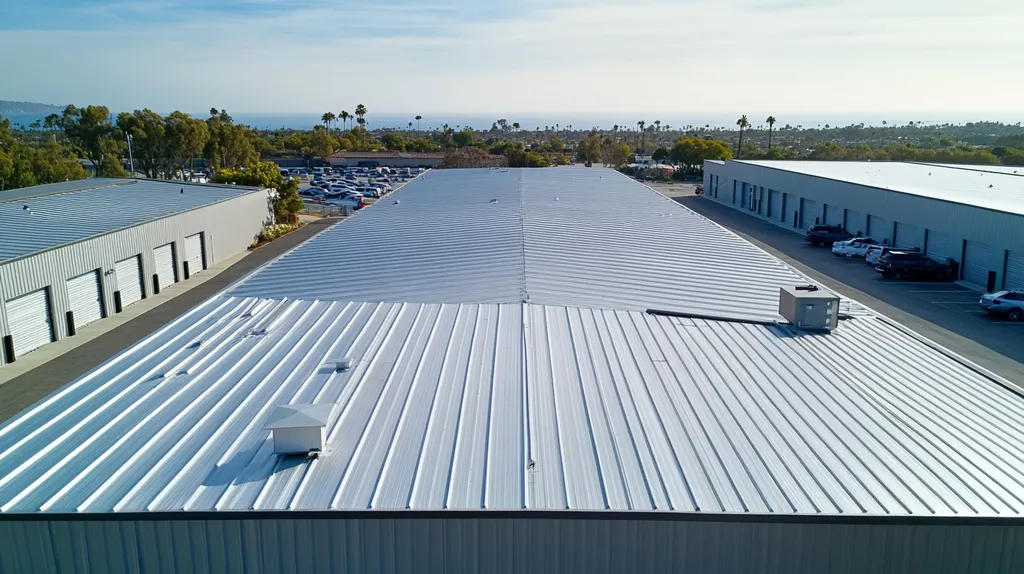
Regular roof inspections are not just beneficial; they are essential for preventing costly damage and prolonging the lifespan of roofing materials. Alarmingly, around 80% of roof failures can be traced back to insufficient maintenance and oversight. Facility managers must establish a robust inspection schedule and leverage advanced technologies to gain clear insights into roof conditions. This section will outline crucial operational procedures, including the scheduling and frequency of inspections, the application of innovative inspection technologies, and best practices for documenting and reporting findings.
Scheduling and Frequency of Inspections
Developing a routine inspection schedule is vital for safeguarding roof integrity. Industry guidelines advocate for conducting at least two inspections per year—typically one in the spring and another in the fall. This seasonal strategy addresses weather-induced wear and tear before it escalates into major issues.
Inspections following severe weather events, such as storms or hail, are equally crucial. Catching potential damage early can save substantial money and resources over time. Maintaining a consistent inspection calendar ensures proactive maintenance year-round.
Tracking inspection dates and findings also supports informed future decisions. Facility managers should record any observable changes in the roof’s condition, as this historical data assists in identifying trends and forecasting potential problems.
Involving a qualified roofing professional in these inspections ensures a thorough evaluation, as their expertise can uncover issues that may elude untrained staff.
Key Action Items
Using Advanced Inspection Technologies
Embracing advanced technologies revolutionizes roof inspection processes. Drones offer a comprehensive aerial perspective, allowing for damage assessment without risking worker safety. Such inspections can expose vulnerabilities like punctures or discoloration that might not be detected from the ground.
Thermal imaging is another key technology that uncovers moisture trapped underneath the roof’s surface. Early identification of moisture issues can avert extensive damage and expensive repairs in the future.
Infrared scanning enhances inspections of flat roofs by identifying areas that require further scrutiny, thus helping prioritize repairs based on urgency and potential impact.
Finally, employing specialized software to manage inspection data creates a centralized repository of roofing information. This facilitates effective tracking, analysis, and sharing of insights to enhance decision-making.
Key Action Items
Documenting and Reporting Findings
Thorough documentation is fundamental to effective roof management. Each inspection report should include detailed descriptions of issues found, photographic evidence, and subsequent action recommendations. This creates a valuable reference that supports future inspections and maintenance efforts.
Establishing standardized reporting formats ensures consistency in inspections. Uniform reports facilitate communication with roofing contractors and other stakeholders, making it easier to track changes and progress.
Sharing findings with relevant personnel enhances accountability and promotes a culture of proactive maintenance. Involving all stakeholders in the roof management process raises awareness of the potential consequences of neglect.
Regular reviews of documentation can yield insights into recurring issues, equipping facility managers with necessary information to refine future roofing strategies and improve budgeting for repairs and replacements.
Key Action Items
SECTION 5: OPERATIONAL PROCEDURES
Regular roof inspections are not merely advantageous; they are vital to avert costly damage and extend the life of roofing materials. An alarming 80% of roof failures can be attributed to insufficient maintenance and oversight. Facility managers must prioritize a structured inspection schedule and harness advanced technologies to accurately assess roof conditions. This section will elucidate essential operational procedures, covering scheduling and frequency of inspections, innovative inspection technologies, and best practices for documenting and reporting findings.
Scheduling and Frequency of Inspections
Establishing an effective inspection timetable is crucial for maintaining the integrity of roofs. Experts typically recommend at least two inspections annually—one in the spring and another in the fall. This seasonal strategy helps address weather-related wear and tear before it can escalate into significant issues.
Post-storm inspections are equally important; they allow facility managers to catch potential damage early and can save substantial time and resources in the long run. Keeping a reliable inspection calendar promotes ongoing proactive maintenance.
Documenting inspection dates and findings is indispensable for future maintenance planning. Tracking changes in the roof’s condition over time not only identifies trends but also aids in forecasting potential problems.
Employing qualified roofing professionals for inspections ensures a thorough evaluation, as their expertise often reveals issues that might go unnoticed by less experienced staff.
Key Action Items
Using Advanced Inspection Technologies
Incorporating advanced technologies transforms roof inspection methods. Drones, for example, offer a bird’s-eye view of the roof, allowing for damage identification without compromising worker safety. These aerial inspections can uncover vulnerabilities, such as punctures or discoloration, that are easily overlooked from the ground.
Thermal imaging technology adeptly detects moisture trapped within the roof structure. Early identification of moisture concerns is crucial to preventing extensive damage and minimizing repair costs.
Infrared scanning is particularly beneficial for flat roofs, highlighting areas in need of further inspection and helping prioritize repairs based on urgency and potential impact.
Finally, employing specialized software to manage inspection data centralizes roofing information, enhancing the tracking, analysis, and sharing of insights for better decision-making.
Key Action Items
Documenting and Reporting Findings
Thorough documentation is a cornerstone of effective roof management. Each inspection report should encapsulate detailed descriptions of identified issues, relevant photographs, and actionable recommendations. This documentation serves as a crucial reference for future inspections and maintenance activities.
Standardizing reporting formats across all inspections fosters consistency, facilitating clearer communication with roofing contractors and stakeholders alike. Uniform reports enable better tracking of changes and performance over time.
Sharing inspection results with all relevant personnel promotes accountability and nurtures a culture of proactive maintenance. Engaging all stakeholders in the roof management process heightens awareness of the consequences of neglect.
Regular reviews of documented findings can unveil recurring issues, equipping facility managers with insights to enhance future roofing strategies and refine budgeting for repairs and replacements.
Key Action Items
The Bottom Line
As commercial roofing systems become increasingly complex, the stakes for choosing the right assessment method have never been higher. Industry data shows that improper evaluations lead to 40% of commercial roofs being replaced prematurely, costing businesses millions in unnecessary expenses.
The key to success lies in implementing a comprehensive assessment strategy that balances performance monitoring, financial planning, and risk management. This means leveraging both traditional inspection methods and emerging technologies like infrared scanning and drone surveillance.
Facility managers who adopt systematic assessment protocols, maintain detailed documentation, and stay current with compliance requirements position themselves to extend roof lifespans by up to 25% while reducing long-term maintenance costs.
The future of commercial roofing depends on making informed, data-driven decisions about assessment methods today.
FREQUENTLY ASKED QUESTIONS
Q. What performance factors should I consider for my commercial roof?
A. Key performance factors include material condition, structural integrity, and drainage efficiency. Understanding these elements helps facilitate proactive maintenance and avoid premature replacements.
Q. How can I assess financial impacts on my commercial roof?
A. Conducting a cost-benefit analysis helps you weigh assessment costs against the potential financial risks of inaction. Regular evaluations can save significant money in the long run by preventing major repairs.
Q. What compliance requirements must I follow for my industrial roof?
A. Familiarizing yourself with local building codes and regulations is essential for compliance. Neglecting these can lead to fines, project delays, and associated legal liabilities.
Q. How do I identify risks associated with my commercial roof?
A. Regular inspections help detect safety hazards, moisture intrusion risks, and structural vulnerabilities. Addressing these proactively can save significant costs and increase safety.
Q. What operational procedures should I implement for roof inspections?
A. Establish a bi-annual inspection schedule, utilize advanced inspection technologies, and document findings. Regular maintenance and accurate tracking promote roof longevity and performance.
Q. How can I use technology to enhance my roof inspections?
A. Leveraging drones for aerial inspections and thermal imaging for moisture detection enhances evaluation accuracy. These technologies streamline the inspection process, ensuring thorough assessments.
Q. What are the best practices for documenting roof inspection findings?
A. Create detailed inspection reports, standardize formats for consistency, and share findings with all stakeholders. Documentation is crucial for planning future maintenance strategies and tracking roof performance.






