
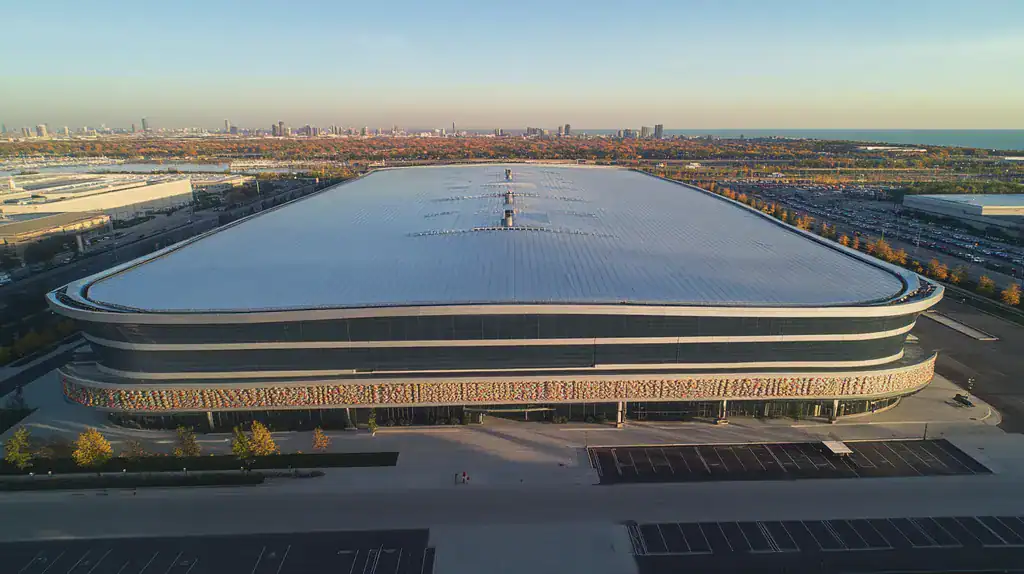
Welcome to today’s Battle Royale featuring two roofing heavyweights: “Polyurethane” in the east corner versus “Acrylic” in the west!
Tonight’s showdown pits these contenders against each other across six punishing rounds designed to test every aspect of their performance for Durability Testing.
At stake? Millions in potential costs, decades of building protection, and the critical performance demands of modern commercial and industrial facilities.
Our professional judging panel will evaluate each round on technical merit, real-world performance, and value delivery. After all six rounds, we’ll declare our ultimate champion.
Ladies and gentlemen, facility managers and building owners… it’s time to rumble!
ROUND 1: INITIAL COSTS & INSTALLATION
In today’s volatile construction market, choosing the right roof coating can mean the difference between long-term protection and premature failure. With material costs rising and labor shortages affecting installation timelines, property owners face critical decisions that impact both immediate budgets and long-term maintenance costs.
Material Expenses
Fluid-applied roof coatings undergo rigorous testing to determine their durability and performance characteristics, factors that directly influence their market pricing. Testing includes accelerated weathering, mechanical properties evaluation, and compliance with industry standards. (source: ACE Laboratories)
Polyurethane coatings typically command premium prices, ranging from $2.50 to $4.00 per square foot for materials alone. Their advanced chemical composition and superior weathering characteristics justify this higher cost point.
Acrylic coatings offer a more economical alternative, with material costs typically falling between $0.75 and $2.00 per square foot. While more budget-friendly, they may require more frequent reapplication.
ADVANTAGE: Acrylic, due to significantly lower initial material costs.
Installation Complexity
The installation process significantly impacts both project timeline and overall success. Polyurethane coatings demand precise environmental conditions and skilled application techniques to achieve proper adhesion.
These coatings require surface temperatures between 50-110°F and specific humidity levels for optimal curing. Additionally, they often need specialized spray equipment and certified applicators.
Acrylic coatings offer greater flexibility in application conditions and can be applied using standard equipment. They tolerate a wider range of surface temperatures and moisture levels during installation.
ADVANTAGE: Acrylic, for its more forgiving application requirements and simpler installation process.
Project Timeline
Installation speed directly affects facility operations and overall project costs. Polyurethane applications typically require multiple days between coats, with full cure times extending up to 72 hours.
Weather conditions can further extend polyurethane installation timelines, as application must occur within specific temperature and humidity ranges. This sensitivity often leads to project delays.
Acrylic coatings generally cure faster, with subsequent coats possible within 2-4 hours under ideal conditions. Their quicker installation process minimizes facility disruption and reduces labor costs.
ADVANTAGE: Acrylic, for its faster installation and reduced impact on operations.
ROUND 1 WINNER: Acrylic
ROUND 2: DURABILITY & LIFESPAN
Every year, commercial building owners lose millions of dollars to premature roof coating failures. Understanding durability differences between coating types directly impacts both short-term protection and long-term performance. Modern testing methods now allow us to predict how different coatings will perform under real-world conditions.
Weather Resistance Performance
Fluid exposure testing, QUV analysis, and accelerated weathering evaluations reveal critical differences in how coatings withstand environmental stresses. These standardized tests measure resistance to UV radiation, thermal cycling, and moisture penetration. (source: ACE Laboratories)
Polyurethane coatings demonstrate superior resistance to UV degradation and maintain their physical properties even after extended exposure. Their dense molecular structure prevents moisture intrusion while resisting thermal expansion and contraction.
Acrylic coatings show adequate initial weather resistance but begin degrading faster under intense UV exposure. Their more permeable structure makes them vulnerable to moisture absorption and ponding water damage.
ADVANTAGE: Polyurethane
Chemical Resistance Properties
Commercial roofs frequently encounter harsh chemicals from industrial processes, HVAC maintenance, and atmospheric pollutants. These exposures can rapidly degrade coating integrity if not properly protected.
Polyurethane coatings excel at resisting chemical attack due to their cross-linked molecular structure. They maintain integrity when exposed to industrial solvents, acids, oils, and other aggressive compounds.
Acrylic coatings offer limited chemical resistance and can break down when exposed to industrial pollutants or maintenance chemicals. Their polymer structure is more susceptible to chemical degradation over time.
ADVANTAGE: Polyurethane
Long-term Durability Assessment
Field performance data shows significant differences in coating longevity under real-world conditions. Maintenance requirements and recoating intervals directly impact total lifecycle costs.
Polyurethane coatings consistently achieve 15-20 year lifespans with minimal maintenance. Their superior physical properties result in less degradation and fewer repairs over time.
Acrylic coatings typically require recoating every 5-10 years depending on exposure conditions. Their faster weathering and reduced chemical resistance lead to more frequent maintenance interventions.
ADVANTAGE: Polyurethane
ROUND 2 WINNER: Polyurethane

ROUND 3: PERFORMANCE FACTORS
Performance testing reveals critical differences between roof coating options that directly impact building protection and maintenance costs. Recent studies show that up to 40% of commercial roof failures stem from selecting coatings that cannot withstand local environmental conditions. Understanding these performance factors helps property owners avoid costly failures and extend roof service life.
UV Resistance
UV radiation represents the primary threat to coating longevity, with exposure causing material breakdown, color fading, and loss of protective properties. Proper UV resistance ensures maintained reflectivity and thermal protection throughout the coating’s service life.
Polyurethane coatings utilize advanced UV stabilizers and cross-linking technology to maintain their protective properties. Their dense molecular structure resists degradation even under intense sun exposure, helping maintain reflectivity and thermal performance.
Acrylic coatings provide initial UV protection but show accelerated degradation over time. Their polymer structure begins breaking down faster under sustained UV exposure, leading to decreased performance and potential substrate damage.
ADVANTAGE: Polyurethane
Moisture Resistance
Water penetration represents a leading cause of premature roof failure, making moisture resistance essential for long-term performance. Standing water, driven rain, and high humidity all challenge coating integrity.
Polyurethane coatings create an exceptionally tight moisture barrier through their cross-linked structure. They maintain water resistance even under prolonged ponding conditions and show minimal moisture absorption over time.
Acrylic coatings offer adequate initial water resistance but become more permeable as they age. Their water-based chemistry makes them more susceptible to moisture absorption and potential delamination under challenging conditions.
ADVANTAGE: Polyurethane
Thermal Stability
Daily and seasonal temperature fluctuations stress coating systems through repeated expansion and contraction. These thermal cycles can lead to coating failure without proper material stability.
Polyurethane coatings demonstrate excellent dimensional stability across wide temperature ranges. Their chemical structure allows them to maintain flexibility and adhesion despite thermal cycling, reducing the risk of cracking or separation.
Acrylic coatings show more significant dimensional changes with temperature fluctuations. Their limited thermal stability can result in coating stress and potential adhesion loss, particularly in climates with extreme temperature variations.
ADVANTAGE: Polyurethane
ROUND 3 WINNER: Polyurethane
ROUND 4: MAINTENANCE REQUIREMENTS
Commercial roof maintenance represents a critical factor in protecting building assets and preventing costly failures. Studies show that neglected roof coatings can deteriorate up to 70% faster than properly maintained surfaces, leading to premature replacement. Understanding the maintenance requirements for different coating types helps property owners optimize their long-term investment and prevent catastrophic failures.
Routine Inspection Requirements
Regular inspections form the foundation of effective roof coating maintenance. Laboratory accelerated weathering methods and outdoor weathering tests demonstrate how different coatings respond to environmental stresses over time. (source: Atlas Material Testing Solutions)
Polyurethane coatings typically require bi-annual professional inspections to maintain warranty coverage. These inspections focus on seam integrity, surface wear patterns, and potential mechanical damage from roof traffic or debris.
Acrylic coatings demand more frequent inspections, often quarterly, due to their increased susceptibility to environmental degradation. Special attention must focus on areas prone to ponding water and locations with high UV exposure.
ADVANTAGE: Polyurethane
Cleaning and Surface Preparation
Surface cleanliness directly impacts coating performance and longevity. Accumulated dirt, debris, and biological growth can accelerate degradation and reduce reflective properties.
Polyurethane coatings demonstrate excellent resistance to dirt pickup and biological growth. Their dense surface structure requires only annual cleaning with standard commercial roof cleaners.
Acrylic coatings show higher susceptibility to dirt accumulation and biological growth. Their more porous surface structure necessitates quarterly cleaning to maintain performance and appearance.
ADVANTAGE: Polyurethane
Repair and Recoating Intervals
The frequency and complexity of repairs directly affect maintenance costs and facility operations. Understanding typical repair cycles helps property owners budget effectively for long-term care.
Polyurethane coatings typically require minimal repairs during their 15-20 year service life. When needed, repairs can often be completed with simple patch applications that maintain system integrity.
Acrylic coatings generally need more frequent repairs and complete recoating every 5-7 years. Their lower chemical and physical resistance leads to more damage points requiring attention.
ADVANTAGE: Polyurethane
ROUND 4 WINNER: Polyurethane

ROUND 5: SUSTAINABILITY CREDENTIALS
Environmental impact has become a critical factor in commercial roofing decisions, with building owners facing increasing pressure to reduce their carbon footprint. Recent studies show that commercial buildings account for nearly 40% of global energy consumption, making roof coating selection a crucial element in sustainability strategies.
Modern durability testing now enables precise measurement of coating performance related to energy efficiency and environmental impact. Understanding these metrics helps property owners balance immediate needs with long-term environmental responsibilities.
Environmental Impact
The environmental implications of roofing materials extend far beyond their initial installation. Testing shows how different coatings affect building energy consumption and atmospheric emissions over their service life. (source: Atlas Material Testing Solutions)
Polyurethane coatings typically contain higher levels of volatile organic compounds (VOCs), requiring special handling during application. However, their superior durability means fewer replacement cycles and less waste generation over time.
Acrylic coatings offer significantly lower VOC content and are water-based, resulting in minimal environmental impact during installation. Their high solar reflectance also contributes to reduced cooling costs and urban heat island effects.
ADVANTAGE: Acrylic
Energy Performance
Roof coating energy performance directly impacts building operating costs and environmental footprint. Modern coatings must balance thermal resistance with reflective properties to optimize energy efficiency.
Polyurethane coatings provide excellent insulation properties and maintain their thermal performance longer than other options. Their resistance to degradation ensures consistent energy benefits throughout their service life.
Acrylic coatings initially offer superior solar reflectance but may lose effectiveness faster through weathering and contamination. Regular cleaning and maintenance become essential to maintain their energy-saving properties.
ADVANTAGE: Polyurethane
Lifecycle Assessment
Understanding the complete environmental impact requires examining each coating’s entire lifecycle, from manufacturing through disposal. This assessment reveals significant differences in long-term sustainability.
Polyurethane coatings require more energy-intensive manufacturing processes and create more waste during production. Their disposal also presents environmental challenges due to limited recycling options.
Acrylic coatings utilize simpler manufacturing processes with lower environmental impact. Their water-based formulation allows easier cleanup and disposal, while some components can be recycled or repurposed.
ADVANTAGE: Acrylic
ROUND 5 WINNER: Acrylic
ROUND 6: SPECIALIZED APPLICATIONS
Commercial roofs face increasingly complex challenges as buildings serve multiple functions and house sensitive equipment. Recent industry data shows that 35% of commercial roof failures occur in specialized applications where standard coating solutions prove inadequate. Understanding how different coatings perform under unique conditions can prevent costly failures and extend roof service life.
Extreme Weather Resistance
Specialized applications in severe weather zones require exceptional durability against temperature extremes, high winds, and intense UV exposure. These conditions can rapidly degrade standard coatings, leading to premature failure.
Polyurethane coatings maintain their physical properties even under extreme temperature fluctuations from -40°F to 180°F. Their cross-linked structure resists degradation from intense UV exposure and high winds.
Acrylic coatings show significant performance decline in extreme temperatures. Their water-based chemistry makes them vulnerable to freeze-thaw cycles and accelerated aging in high-heat environments.
ADVANTAGE: Polyurethane
Chemical and Industrial Exposure
Modern industrial facilities expose roof coatings to harsh chemicals, process emissions, and airborne pollutants. These environmental factors can rapidly break down standard coating systems.
Polyurethane coatings demonstrate exceptional resistance to industrial chemicals, acids, and solvents. Their dense molecular structure prevents chemical penetration and maintains protective properties even under constant exposure.
Acrylic coatings deteriorate rapidly when exposed to industrial chemicals and pollutants. Their polymer structure breaks down under chemical attack, leading to coating failure and potential substrate damage.
ADVANTAGE: Polyurethane
Unique Roofing Configurations
Complex roof designs with multiple penetrations, unusual slopes, and specialized equipment mounts require coatings that can adapt to irregular surfaces. Installation and performance challenges increase significantly on these non-standard configurations.
Moser Roofing Solutions notes that polyurethane coatings demand precise application conditions and longer curing times, which can complicate installation on complex surfaces. However, their superior adhesion and flexibility provide better long-term performance. (source: Moser Roofing Solutions)
Acrylic coatings offer easier application on complex surfaces due to their simpler installation requirements. Their faster curing times reduce project complexity, but this comes at the cost of reduced durability around penetrations and transitions.
ADVANTAGE: Polyurethane
ROUND 6 WINNER: Polyurethane
AND THE WINNER IS…
After six grueling rounds of technical evaluation, we have our verdict…
Ladies and gentlemen, with a decisive 4-2 victory, your heavyweight durability champion is POLYURETHANE COATING!
Polyurethane dominated the crucial categories of durability, performance, maintenance, and specialized applications. Its superior chemical resistance, weather durability, and exceptional longevity proved unstoppable in the testing arena.
But don’t count Acrylic out completely! This scrappy contender showed impressive strength in initial costs, installation ease, and sustainability credentials. For properties in moderate climates with regular maintenance schedules and budget constraints, Acrylic remains a viable challenger.
However, we must emphasize that every building faces unique challenges. Local weather conditions, substrate characteristics, and specific facility requirements can significantly impact coating performance. While this analysis reflects standardized testing results, individual results may vary based on specific circumstances.
Property owners should always consult qualified roofing professionals who can evaluate their facility’s unique needs before making a final selection.
In the high-stakes world of commercial roofing, champions aren’t crowned by test results alone – they’re made by matching the right contender to your specific building’s fight card. Choose wisely, and may the best coating win!
FREQUENTLY ASKED QUESTIONS
Q. What are the initial costs of commercial roof coatings?
A. The initial costs vary significantly between polyurethane and acrylic coatings. Polyurethane typically costs between $2.50 and $4.00 per square foot, while acrylic coatings range from $0.75 to $2.00 per square foot. Choosing the right coating can impact both immediate budgets and future maintenance costs.
Q. How does durability differ for industrial roof coatings?
A. Polyurethane coatings typically have a lifespan of 15-20 years with minimal maintenance, while acrylic coatings often need recoating every 5-10 years. The differences in durability can significantly affect long-term performance and maintenance costs for industrial roofs.
Q. What performance factors should I consider for commercial roofs?
A. Key performance factors include UV resistance, moisture resistance, and thermal stability. Polyurethane coatings generally outperform acrylic in these areas, which is essential for ensuring long-term protection and reducing maintenance needs on commercial roofs.
Q. What are the maintenance requirements for commercial roof coatings?
A. Polyurethane coatings usually require bi-annual inspections, while acrylic coatings may need inspections every three months. Regular maintenance ensures the longevity of the coatings and can prevent costly repairs due to premature failure.
Q. How do the sustainability credentials compare for roof coatings?
A. Acrylic coatings generally have lower volatile organic compounds (VOCs), which makes them more environmentally friendly. However, polyurethane coatings offer superior durability, leading to less frequent replacements and lower waste in the long run.
Q. How do specialized applications affect roof coating choices?
A. Specialized applications, such as extreme weather or industrial environments, may require coatings like polyurethane that offer superior resilience. Regular coatings may fail under specific conditions, leading to costly repairs and replacements due to their inadequacy.
Q. Can roof coatings reduce energy costs for commercial buildings?
A. Yes, selecting the right roof coating can contribute to energy efficiency. Polyurethane coatings provide excellent thermal insulation, while acrylics initially offer high reflectivity. However, maintenance plays a crucial role in maintaining their energy-saving properties over time.






