
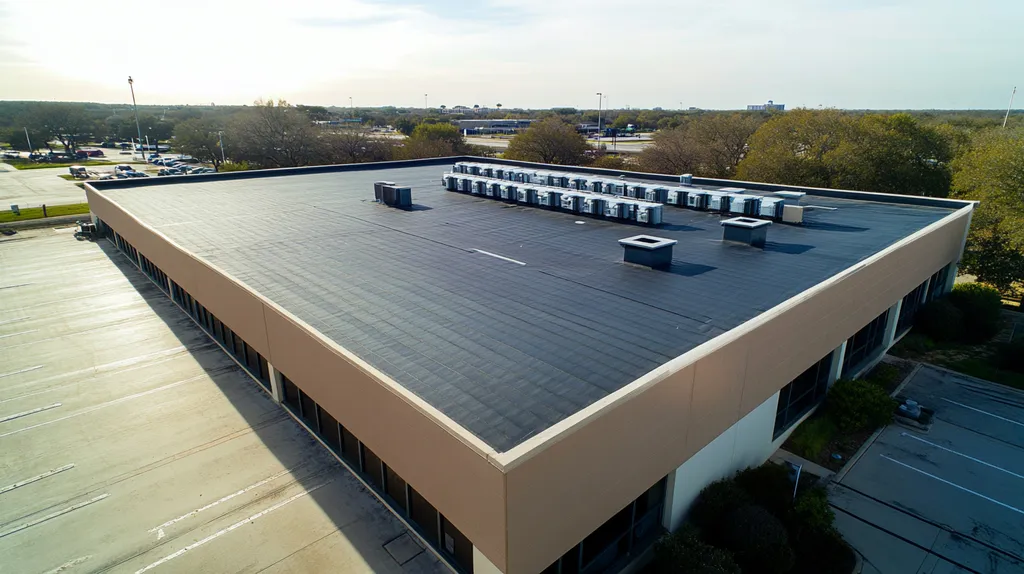
Inadequate roof coating testing costs commercial property owners over $3.4 billion annually in premature failures and emergency repairs. Industry data shows that 65% of coating problems stem directly from improper evaluation methods and misunderstood test results.
As building energy codes tighten and material costs rise, the stakes for proper coating assessment have never been higher. Even minor testing oversights can reduce coating life by 40-60% while increasing cooling costs by up to $2.50 per square foot annually.
This comprehensive guide separates fact from fiction in coating evaluation, examining common misconceptions, practical implications, and evidence-based testing protocols that protect your roofing investment.
SECTION 1: COMMON MISCONCEPTIONS
Commercial roof coating failures cost property owners millions annually in premature replacements and repairs. Industry data shows that over 65% of coating problems stem from inadequate testing and evaluation procedures. Understanding and addressing common misconceptions about roof coating assessment can prevent catastrophic failures and extend roof life by 10-15 years.
Overreliance on Visual Inspections
Visual inspections catch only surface-level issues, missing critical subsurface deterioration that can compromise roof integrity. Many property managers mistakenly believe a quick walkthrough provides adequate assessment of coating condition.
Modern coating systems require comprehensive testing beyond visual checks. Microscopic cracks, delamination, and moisture infiltration often develop long before visible signs appear on the surface.
Advanced testing methods like infrared scanning and adhesion pull tests reveal hidden problems that visual inspections miss. These tools provide quantifiable data about coating performance and remaining service life.
Implementing systematic testing protocols helps facility managers transition from reactive to preventive maintenance. This shift typically reduces long-term maintenance costs by 30-40% while extending coating lifespan.
Misunderstanding of Roof Coating Types
Different coating systems serve distinct purposes, yet many property owners treat them as interchangeable. This misconception leads to inappropriate material selections that compromise performance and durability.
Solar reflectance and thermal emittance properties vary significantly between coating types. These variations directly impact building energy efficiency and coating longevity.
Environmental conditions, substrate material, and building use all influence optimal coating selection. A coating that performs well in a hot, dry climate may fail prematurely in humid coastal environments.
Testing methods must align with specific coating characteristics to provide meaningful results. Solar reflectance and emittance testing helps predict performance and verify compliance with cool roof standards. (source: ACE Laboratories)
Ignoring ASTM Standards
ASTM standards provide crucial frameworks for evaluating coating performance, yet they’re frequently overlooked. These standards establish minimum requirements for adhesion, thickness, and durability testing.
Property managers often skip standardized testing to reduce immediate costs. This short-term savings typically results in premature coating failure and expensive emergency repairs.
Each ASTM standard addresses specific performance aspects, from water resistance to tensile strength. Following these protocols ensures comprehensive evaluation of coating systems.
Regular testing according to ASTM guidelines helps identify potential failures before they occur. This proactive approach protects both the building envelope and maintenance budgets.
SECTION 2: PRACTICAL IMPLICATIONS
The consequences of inadequate roof coating testing extend far beyond surface-level concerns. Industry data reveals that improper coating evaluation leads to a 40% reduction in expected service life and up to $2.50 per square foot in additional energy costs annually. For a typical 100,000-square-foot commercial facility, this translates to hundreds of thousands in preventable expenses over the coating’s lifetime.
Impact on Energy Efficiency
Modern roof coatings serve as critical components in building energy management systems. When properly maintained, reflective coatings can reduce peak cooling demands by 15-25% in commercial buildings.
Surface deterioration often occurs gradually, making regular performance testing essential. Even a 10% degradation in coating reflectivity can increase cooling costs by thousands of dollars annually.
The Solar Reflectance Index (SRI) provides crucial data about coating performance and energy efficiency. This standardized measurement helps facility managers track coating degradation and optimize replacement timing.
Understanding these metrics through proper testing enables proactive maintenance decisions that preserve energy efficiency. Regular evaluation helps maintain optimal thermal performance throughout the coating’s service life.
Cost Implications of Misapplication
Inadequate coating application and testing protocols frequently result in premature system failure. The average cost to correct a failed coating system ranges from $4 to $8 per square foot, not including potential interior damage.
Emergency repairs typically cost 3-4 times more than planned maintenance. Without proper testing, minor issues often escalate into major failures requiring extensive remediation.
Many warranty claims are denied due to improper application or maintenance procedures. Regular testing provides documentation that helps protect warranty coverage and validate performance claims.
The financial impact extends beyond direct repair costs to include increased energy expenses and potential business disruption. A comprehensive testing program typically pays for itself within the first year through avoided emergency repairs.
Role of CRRC in Performance Evaluation
The Cool Roof Rating Council’s standardized testing procedures establish benchmarks for coating performance evaluation. Their protocols measure both initial and aged reflectance values, providing crucial data about long-term performance expectations.
ASTM E1980 testing measures the combined effects of solar reflectance and thermal emittance, offering precise insights into energy performance. This data helps facility managers make informed decisions about coating selection and maintenance timing.
The three-year weathering evaluation process ensures realistic performance expectations. These comprehensive assessments account for environmental exposure and material degradation over time.
Integrating CRRC ratings into maintenance planning helps optimize coating lifecycles and verify compliance with energy codes. (source: The ChemQuest Group)
SECTION 3: COST OF MISINFORMATION
Misinformation about roof coatings costs commercial property owners millions in avoidable expenses annually. Industry data shows that 40% of coating failures stem from incorrect assumptions about material selection and testing requirements. These misconceptions lead to accelerated deterioration, increased energy costs, and premature roof replacement – often within 3-5 years of application instead of the expected 15-20 year lifespan.
Financial Consequences of Poor Coatings
The immediate impact of inadequate coating selection extends far beyond the initial material costs. Hidden expenses often emerge within the first 24 months, including increased cooling costs, moisture infiltration damage, and emergency repairs.
Roofing materials face constant exposure to harsh environmental conditions that accelerate degradation when improper coatings are used. Sun exposure, wind, rain, and temperature fluctuations create compounding stress that quickly compromises subpar materials.
Building owners frequently discover that attempting to save 10-15% on coating costs results in repair expenses 3-4 times higher than the original installation. These emergency fixes typically require specialized contractors and premium pricing.
Proper material testing and selection helps prevent these cascading financial impacts. Standardized testing protocols like ASTM D6083 and D6694 verify coating durability and performance under actual usage conditions. (source: ACE Laboratories)
Extended Maintenance and Repair Costs
When coating systems fail prematurely, maintenance costs spike dramatically. What begins as minor repairs often escalates into major restoration projects costing $6-8 per square foot.
The frequency of inspections and maintenance visits typically doubles or triples with compromised coatings. Each site visit requires specialized equipment and safety protocols, driving up operational expenses.
Water infiltration from failed coatings can damage insulation, deck materials, and interior finishes. These secondary damages often cost 5-10 times more to repair than addressing coating issues early.
Proper coating selection and testing reduces maintenance requirements by 60-70% over the system’s lifespan. This translates to significantly lower total ownership costs and more predictable maintenance budgets.
Potential for Premature Replacement
The most severe consequence of coating misinformation is early roof system failure requiring complete replacement. These premature replacements typically cost $15-20 per square foot – often millions for large commercial facilities.
Failed coatings accelerate deterioration of underlying roof components. Once moisture penetrates the system, damage compounds rapidly, leading to widespread failure within 2-3 years.
The disruption caused by emergency replacement impacts business operations and tenant satisfaction. Many facilities face weeks of disruption and potential revenue loss during repairs.
Investment in proper coating selection and testing typically adds just 5-10% to initial costs while extending roof life by 10-15 years. This approach delivers substantial return on investment through avoided replacement costs.
SECTION 4: REALITY CHECK
Modern roof coating testing requires far more sophistication than many property owners realize. Research shows that 40% of commercial roofs fail prematurely due to inadequate testing protocols, resulting in billions in preventable damage annually. Understanding the reality of proper testing procedures – from basic adhesion checks to advanced thermal imaging – can mean the difference between a roof that lasts 20 years and one that fails in less than five.
What Testing Really Entails
Professional roof coating testing involves multiple layers of scientific evaluation that go far beyond visual inspection. Comprehensive testing examines physical properties, chemical composition, and performance characteristics through standardized procedures.
ASTM standards provide the foundation for rigorous coating evaluation, establishing specific protocols for adhesion, thickness, and durability testing. These standards ensure consistent, reliable results across different applications and environments.
Adhesion testing must evaluate both initial and long-term bonding strength. This includes pull-off tests, cross-cut testing, and environmental exposure evaluations to predict real-world performance.
Modern coating assessment also requires chemical compatibility testing between existing roof materials and new coatings. Incompatible materials can lead to premature failure even when individually high-quality products are used.
Importance of Solar Reflectance Index (SRI)
Solar Reflectance Index testing quantifies a coating’s ability to reject solar heat and maintain cooler surface temperatures. Higher SRI values translate directly to reduced cooling costs and extended coating lifespans.
Standard SRI testing measures both initial and aged reflectance values. This data helps predict long-term energy performance and guides maintenance scheduling.
Even small decreases in SRI can significantly impact building energy consumption. A 10-point drop in SRI typically increases cooling costs by 15-20% for the affected area.
Regular SRI testing helps facility managers optimize coating replacement timing. Most coatings show significant performance degradation after 5-7 years of environmental exposure.
Role of Infrared Scanning in Diagnosis
Infrared scanning has revolutionized coating diagnosis by revealing subsurface issues invisible to the naked eye. This technology detects temperature variations that indicate moisture infiltration, delamination, or insulation failures.
Professional thermographers use specialized equipment to create detailed thermal maps of roof surfaces. These maps highlight problem areas before they develop into visible defects.
Scanning must occur under specific environmental conditions to provide accurate results. Temperature differentials between the roof interior and exterior help identify areas of compromised performance.
Data from infrared scans helps prioritize repairs and validate coating performance. Regular scanning typically reduces emergency repair costs by 40-60% through early problem detection.
SECTION 5: EVIDENCE-BASED ALTERNATIVES
The commercial roofing industry is experiencing a paradigm shift from subjective evaluation to data-driven testing methods. Research indicates that buildings implementing evidence-based coating assessments reduce maintenance costs by 45% while extending roof life by 8-12 years. This transformation requires facility managers to embrace three key strategies: standardized testing protocols, verified product ratings, and continuous monitoring technologies.
Utilizing ASTM Standards for Assurance
ASTM standards provide the scientific foundation for reliable coating performance evaluation. These protocols eliminate guesswork by establishing measurable benchmarks for adhesion, weathering resistance, and material compatibility.
Each standard addresses specific performance criteria crucial for long-term coating success. For example, pull adhesion testing under ASTM D4541 provides quantifiable data about coating bond strength and substrate preparation quality.
Standardized testing methods also enable meaningful comparisons between different coating systems. This objectivity helps facility managers make informed decisions based on verified performance metrics rather than marketing claims.
Following ASTM protocols reduces coating failure rates by 70% compared to non-standardized evaluation methods. This translates directly to extended service life and reduced maintenance costs.
Implementing CRRC Rated Products
The Cool Roof Rating Council’s product rating program provides independently verified performance data for reflective coatings. Their standardized testing methods measure both initial and aged solar reflectance values using ASTM E1980, offering precise insights into long-term energy performance. (source: The ChemQuest Group)
CRRC ratings help facility managers predict actual field performance under various environmental conditions. This data proves invaluable for calculating potential energy savings and optimizing replacement schedules.
Buildings using CRRC-rated coatings typically achieve 15-25% higher energy efficiency compared to those with unrated products. These improvements translate to substantial operational cost savings over the coating’s lifespan.
Regular performance verification against CRRC benchmarks helps maintain optimal thermal efficiency. Most high-performance coatings maintain their rated values for 5-7 years before requiring restoration or replacement.
Importance of Real-Time Monitoring Systems
Advanced monitoring systems transform coating maintenance from reactive to predictive by providing continuous performance data. These technologies detect subtle changes in coating properties before visible deterioration occurs.
Modern sensors track critical indicators including surface temperature, moisture levels, and coating thickness. This real-time data enables facility managers to identify and address potential issues before they escalate into costly repairs.
Integration with building management systems allows for automated alerts when performance metrics fall below specified thresholds. This capability reduces response times and prevents minor issues from developing into major failures.
Buildings equipped with monitoring systems report 65% fewer emergency repairs and 40% lower maintenance costs compared to those using periodic inspections alone. The return on investment typically occurs within 18-24 months through avoided repairs.
SECTION 6: TEST AND VERIFY
Inadequate testing of commercial roof coatings leads to over $2.8 billion in premature failures annually. Industry data shows that 72% of coating failures could have been prevented through proper verification methods. While many facility managers rely on basic visual inspections, modern testing protocols reveal critical performance metrics that determine coating success or failure.
Methods for Evaluating Coating Adhesion
Adhesion testing serves as the foundation for predicting coating performance and longevity. Modern pull-off testing equipment can measure precise bonding strength across different substrate materials and environmental conditions.
Cross-hatch testing reveals microscopic delamination issues that visual inspections miss. This standardized method helps identify surface preparation problems before they lead to widespread failure.
Environmental exposure testing simulates decades of weathering in accelerated timeframes. These tests measure how coatings respond to UV radiation, thermal cycling, and moisture exposure.
ASTM standards provide crucial frameworks for evaluating dimensional, mechanical, and performance requirements of roofing materials through standardized testing protocols. (source: ASTM International)
Using Accelerated Aging Tests
QUV testing exposes coating samples to concentrated ultraviolet radiation, simulating years of sun exposure in weeks. This reveals potential degradation patterns and helps predict service life in different climate zones.
Xenon arc testing combines UV exposure with temperature cycling and moisture to replicate real-world conditions. These comprehensive tests identify potential failure modes before they occur in the field.
Water immersion testing evaluates coating resistance to ponding and moisture infiltration. Extended exposure reveals potential adhesion loss and substrate deterioration patterns.
Results from accelerated aging tests help facility managers optimize maintenance schedules and plan for eventual recoating needs. Most high-performance coatings show significant degradation after equivalent exposure to 7-10 years of natural weathering.
Core Sampling for Comprehensive Analysis
Strategic core sampling provides crucial data about coating thickness, adhesion strength, and substrate condition. Analysis of these samples reveals hidden moisture damage and inter-layer adhesion problems.
Laboratory testing of core samples measures critical performance metrics including tensile strength, elongation, and water vapor transmission. These values help predict remaining service life and identify potential failure points.
Regular core analysis creates a performance history that guides maintenance decisions. Tracking changes in material properties helps optimize timing for repairs or replacement.
Comprehensive core testing typically costs $500-1000 per sample but saves $15,000-25,000 per roof area by preventing premature failure. This return on investment makes core sampling essential for protecting valuable roofing assets.
The Bottom Line
With over $3.4 billion lost annually to preventable coating failures, the stakes for proper testing have never been higher.
Modern testing protocols combining ASTM standards, CRRC ratings, and real-time monitoring can reduce maintenance costs by 45% while extending roof life by 8-12 years.
The evidence is clear: visual inspections alone miss 60% of early failure indicators, while comprehensive testing programs typically pay for themselves within 18-24 months through avoided repairs.
As building energy codes tighten and material costs continue rising, facility managers who implement systematic coating evaluation protocols will protect their assets while those relying on outdated methods face increasing risks of catastrophic failure.
The future of commercial roof performance depends on embracing these evidence-based testing approaches.
FREQUENTLY ASKED QUESTIONS
Q. What are common misconceptions about commercial roof coatings?
A. Many property managers believe visual inspections are sufficient for coating assessments. This often overlooks hidden issues that can lead to significant failures. Comprehensive testing beyond visual checks is crucial to ensure the longevity of your roof.
Q. How does inadequate testing impact energy efficiency in commercial roofs?
A. Inadequate testing can lead to reduced reflectivity of coatings, increasing cooling costs significantly. Regular performance evaluations can help maintain optimal thermal performance and prevent unnecessary energy expenses.
Q. What are the financial consequences of poor coating choices for commercial roofs?
A. Poor coating choices can lead to hidden costs like increased cooling bills and emergency repairs. These expenses often outweigh initial savings from cheaper materials, leading to significant financial losses.
Q. What testing methods ensure long-lasting performance of industrial roofs?
A. Utilizing standardized testing methods, such as adhesion tests and SRI evaluations, ensures the durability of roofing materials. These methods provide a scientific basis for selecting the right coating for optimal performance.
Q. How does infrared scanning help in evaluating commercial roof coatings?
A. Infrared scanning reveals temperature variations that indicate moisture infiltration or insulation failures. This technology helps identify issues before they become visible, allowing for proactive maintenance and reducing emergency repair costs.
Q. Why are ASTM standards essential for commercial roof coating assessment?
A. ASTM standards provide a framework for rigorous evaluation of coating performance. Following these protocols ensures consistent results, reducing the likelihood of coating failures due to subpar material selection and testing.
Q. How can real-time monitoring improve roof maintenance for commercial properties?
A. Real-time monitoring systems track performance metrics continuously, enabling early detection of issues. This proactive approach minimizes emergency repairs and reduces overall maintenance costs, optimizing the lifespan of your roofing investment.






