
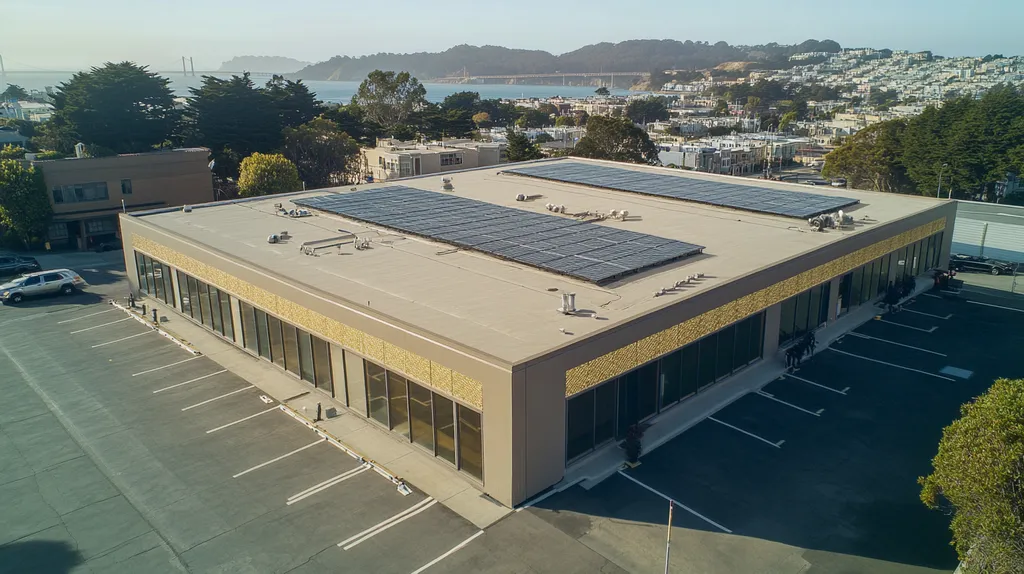
In today’s commercial roofing sector, undetected moisture intrusion costs facility owners over $3.3 billion annually in repairs and structural damage. Modern infrared imaging technology can identify these hidden threats before they escalate into catastrophic failures.
Understanding how to interpret infrared scan results enables property managers to make data-driven decisions about roof maintenance and repairs. This comprehensive guide examines the essential components of infrared scanning, from fundamental principles to practical implementation strategies.
By mastering these interpretation techniques, facility managers can extend roof lifespans by up to 30% while significantly reducing emergency repair costs.
SECTION 1: FUNDAMENTAL CONCEPTS
In the competitive landscape of commercial roofing, safeguarding the structural integrity of a building’s roof is essential. Hidden moisture can cause catastrophic damage, leading to skyrocketing repair costs and interruptions in daily operations. Infrared imaging scans serve as a crucial tool for early identification of these concealed roof problems. This section delves into the essence of infrared scanning, the fundamental principles of thermography, and its various applications within the roofing industry.
What is Infrared Scanning?
Infrared scanning employs thermal imaging cameras to identify variations in heat on a roof’s surface. This technology detects infrared radiation and transforms it into visual images that highlight temperature discrepancies. These variations often signal potential issues such as moisture intrusion, air leaks, or insulation failures.
Utilizing infrared scanning enables the detection of problems invisible to the naked eye. For example, warm areas during a scan may indicate wet insulation, while cooler spots could point towards missing insulation. As a result, infrared scanning is becoming an essential best practice for roof assessments.
This technique not only conserves resources by prioritizing repairs based on urgency but also extends the lifespan of roofing materials. By addressing issues promptly, property managers can prevent costly repairs that often accompany delayed maintenance.
Ultimately, infrared scanning is an indispensable tool in the roofing industry, empowering property owners to make informed decisions based on precise data.
Principles of Thermography
Thermography is grounded in the principle that all objects emit infrared radiation, with the amount of radiation corresponding to the object’s temperature. When scanning a roof, different thermal signatures enable technicians to pinpoint areas that require attention.
This process hinges on the science of heat transfer, as moisture can significantly impact a roof’s thermal properties. Wet materials generally hold more heat than dry materials, making them easier to detect through infrared technology.
Grasping these principles is vital for accurately interpreting scan results. For instance, a thermal image that shows unexpected warmth in a particular area may warrant further investigation, as it could imply moisture accumulation.
By effectively leveraging thermography, roofing professionals can devise targeted solutions that enhance building performance. This proactive approach not only mitigates potential disruptions but also promotes the longevity of the roof.
Common Applications in Roofing
Infrared imaging is valuable across various roofing applications, such as pre-purchase inspections, routine maintenance, and post-repair evaluations. Property owners increasingly depend on this technology for thorough assessments.
During inspections, infrared scans can reveal hidden leaks before they develop into major issues. This proactive methodology is especially critical for flat roofs, where water pooling is a frequent concern.
Moreover, thermography is advantageous for preventive maintenance programs. Scheduled scans help monitor the condition of roofing materials over time, providing valuable insights to guide future repairs or replacements.
Post-repair evaluations utilize infrared scans to ensure that repairs were successfully executed. This technology confirms whether solutions effectively addressed the underlying problems, reassuring property owners of the roof’s condition.
Given its versatile applications and capability to uncover hidden challenges, infrared imaging stands as an essential tool for sustaining the integrity of commercial roofs.
SECTION 2: SYSTEM COMPONENTS
The success of an infrared imaging scan hinges on the technology and tools used during the inspection. For property owners and facility managers, it’s not just about possessing a quality camera; it involves utilizing a complete system that provides precise and actionable insights. With roof-related issues costing the industry millions each year, understanding these crucial components can empower better maintenance decisions and protect valuable assets.
Infrared Camera Technology
Infrared cameras are fundamental to any effective roof inspection. These advanced devices sense thermal energy radiating from surfaces, identifying even slight temperature variations. Such changes can indicate critical issues like moisture intrusion or inadequate insulation, both of which are vital to maintaining roofing integrity.
Different infrared camera models come with varying degrees of sensitivity and image resolution. High-end cameras deliver detailed images, allowing technicians to detect issues with heightened accuracy. This capability reduces false positives, simplifying the repair process and helping to target the most pressing concerns.
Regular calibration of infrared cameras is essential for maintaining their effectiveness. A miscalibrated camera can produce misleading results, leading to flawed assessments of roofing conditions. Accurate calibration is crucial for ensuring trusted inspection outcomes.
Ultimately, selecting the right camera can significantly shape the overall evaluation process. Investing in high-quality infrared technology is essential, as it directly correlates with the data’s quality, enabling property owners to make informed decisions.
Data Collection and Analysis Tools
Data collection tools play a vital role in obtaining and interpreting thermal imaging results. In addition to infrared cameras, instruments such as dataloggers and temperature probes enhance inspections by measuring ambient conditions that affect thermal readings.
These tools work best when they are integrated seamlessly with infrared cameras, creating a comprehensive overview of the roof’s condition. This integration increases the likelihood of obtaining accurate insights, allowing property managers to obtain a clearer picture of any potential issues.
After data collection, it is imperative to conduct a thorough analysis to interpret thermal patterns accurately. Skilled technicians differentiate between normal variances and significant problems, as ineffective analysis could lead to critical issues being overlooked.
By maintaining a consistent approach to data collection and analysis, property managers can ensure that each scan yields actionable insights, enhancing decision-making around roof maintenance.
Software for Image Processing
Image processing software plays a key role in interpreting the data harvested from infrared scans. This software transforms thermal images into user-friendly formats, allowing for a detailed analysis of the roofing system. Sophisticated algorithms highlight temperature variations, pinpointing possible trouble areas.
Many programs also feature overlay tools, letting users compare scanned images with original design blueprints. This functionality is particularly helpful in quickly identifying issues related to insulation defects and moisture intrusion.
Moreover, user-friendly interfaces empower property managers to visualize the data without needing extensive knowledge of roofing technology. Swift interpretation leads to quicker decision-making, essential for preventing further roofing damage.
Regular updates and training on software use significantly enhance the overall effectiveness of the assessment process. By keeping up with technological advances, property managers can ensure that imaging software remains a valuable asset for regular roof evaluations.
SECTION 3: IMPLEMENTATION METHODS
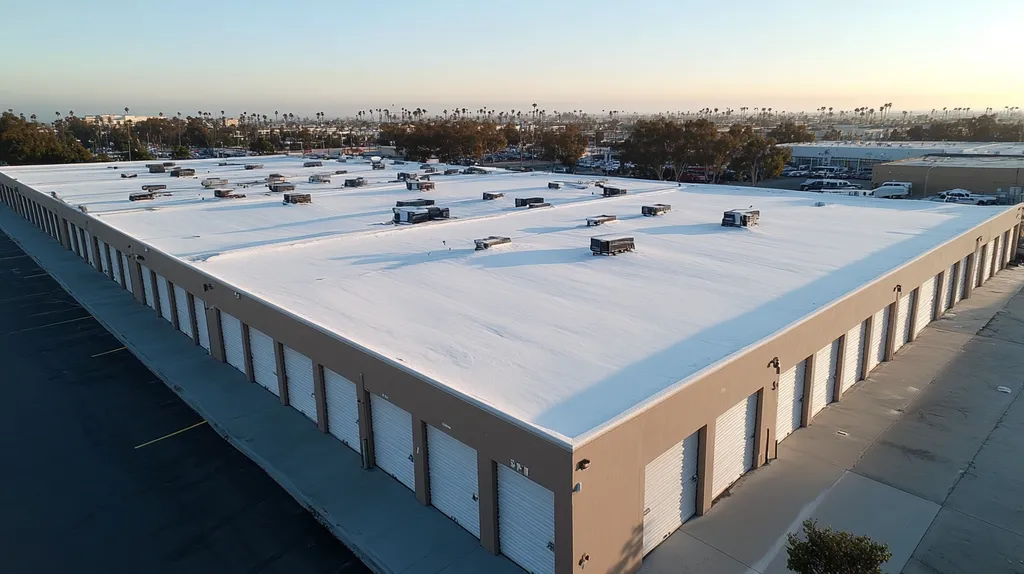
Infrared imaging scans are crucial for uncovering roofing issues that could lead to hefty repair costs and prolonged downtime. Without adequate preparation, the risk of inaccurate readings increases, potentially resulting in serious financial consequences. Studies show that around 30% of commercial roofs harbor hidden moisture problems that may go unnoticed without the proper scanning techniques. This section outlines essential steps: preparing for the scan, conducting the infrared scan itself, and performing an initial analysis of the collected data. Each step is instrumental in achieving effective results and informed decision-making.
Preparation for Infrared Scanning
Effective preparation is vital for ensuring a successful infrared scan. To achieve accurate readings, the roof surface needs to be dry; any moisture can distort results. Roof managers should ideally schedule scans on sunny days and after rain events, allowing sufficient time for the roof to dry and enhancing temperature differentiation.
Additionally, it’s essential to clear the area of any obstructions, such as debris or equipment that may impede the scanning process. Informing all relevant personnel about the scanning schedule minimizes disruptions and fosters a smoother operation. A meticulously prepared site enhances the clarity of scanning results and helps create a more precise assessment of the roof’s condition.
Before the scan begins, a thorough visual inspection can reveal potential problem areas. This pre-scan review allows the technicians to concentrate on specific sections that may need extra scrutiny during the infrared scan. Inadequate preparation can compromise the results, leading to insufficient data and persistent roofing issues.
By taking these preparatory steps seriously, facility managers can significantly improve the scan’s effectiveness, ensuring reliable assessments and actionable recommendations moving forward.
Conducting the Infrared Scan
The process of conducting the infrared scan involves specific techniques that are crucial for capturing precise data. Technicians must be well-trained in operating infrared cameras, as understanding how to interpret the resulting thermal images is paramount. Properly calibrating the camera beforehand is equally vital; incorrect settings can yield misleading readings.
During the scan, technicians should strategically move across the roof at a consistent speed and height. This systematic approach ensures thorough coverage and prevents any areas from being neglected. Being mindful of environmental factors, such as wind and ambient temperature, is also essential, as fluctuations can introduce anomalies into the thermal images.
Real-time monitoring of the images allows technicians to identify any irregularities on the spot, setting the stage for a more detailed analysis later. A meticulous approach combined with adherence to best practices enhances the scan’s overall reliability and clarity.
By maintaining focus and prioritizing attention to detail, technicians will gather valuable insights to aid property owners in making informed maintenance decisions.
Data Collection and Initial Analysis
The phase of data collection following an infrared scan is critical, directly affecting the quality of decision-making. The thermal images gathered must be carefully analyzed to pinpoint any moisture or insulation issues. Sharp temperature differentials typically highlight areas requiring immediate attention.
After collecting the images, a qualified technician should systematically review them. Areas exhibiting consistent thermal patterns that differ markedly from adjacent surfaces should be flagged for further exploration. Comparing initial findings with existing roofing data helps track changes and assess the roof’s condition over time.
Creating a comprehensive report that includes thermal images, a summary of identified concerns, and recommendations for remediation is essential. Without this documentation, the insights gained may be lost, hindering effective follow-up actions.
Ultimately, a thorough initial analysis lays the groundwork for the next steps in addressing any issues. Prompt and effective data analysis leads to timely actions, significantly lowering the risk of costly damage from undetected roofing problems.
SECTION 4: MAINTENANCE REQUIREMENTS
Overlooking maintenance can lead to significant roofing problems that ultimately affect a facility’s financial health. According to the National Roofing Contractors Association, moisture intrusion accounts for over 70% of roof failures. By harnessing infrared imaging for early detection, property managers can avert expensive repairs and minimize operational disruptions. This section highlights the essential aspects of maintenance, focusing on moisture intrusion, insulation issues, and the importance of routine inspections.
Identifying Moisture Intrusion
Moisture intrusion poses a serious threat to roof stability and safety, making early detection paramount. Infrared imaging scans are key in spotting temperature variations that suggest trapped moisture within roofing materials. For example, a cold spot on the thermal image may indicate a potential water accumulation point, warranting immediate investigation.
Incorporating regular scans into maintenance schedules serves as a proactive approach. By consistently identifying moisture intrusion, property managers can undertake necessary repairs before problems escalate into costly damage. This vigilance not only saves money but also helps prolong the roof’s lifespan.
If moisture issues detected during infrared scans are ignored, they can lead to mold growth and structural weaknesses. Such adversities heighten safety risks for occupants and increase liability for property owners. Therefore, accurately interpreting scan results facilitates timely interventions.
Moreover, maintaining a record of infrared scan findings creates a valuable history of roof conditions. This archive aids future assessments and informs maintenance strategies, ensuring continued performance and reliability of the roofing system.
Detecting Insulation Issues
Poor insulation leads to energy inefficiency, which can significantly elevate operating expenses. Infrared imaging is a powerful tool for uncovering insulation deficiencies that might otherwise go unnoticed. The thermal images may display cold and hot spots, illustrating where insulation is insufficient.
By pinpointing insulation issues, property managers can implement targeted repairs instead of blanket fixes. For example, addressing a specific problem area may enhance climate control efficiency across the entire facility. This focused approach is especially beneficial in larger commercial properties.
In industrial environments, insulation problems can result in temperature fluctuations that negatively impact product quality or operational processes. Prioritizing effective insulation is crucial for maintaining both efficiency and product standards.
Regular evaluations of insulation using infrared scans also help meet energy codes and certifications. Adhering to these standards not only ensures compliance but can also boost a property’s appeal to prospective tenants or buyers.
Scheduling Routine Inspections
Scheduling routine inspections is vital for maintaining roof integrity and performance. Each inspection should integrate infrared imaging scans for a comprehensive assessment of roof conditions. It is advisable to schedule these inspections at least biannually, especially before and after severe weather seasons.
A consistent inspection routine enables rapid issue identification. For instance, quickly addressing minor leaks uncovered during inspections can prevent larger failures and more expensive repairs in the future.
Integrating infrared imaging into these inspections enhances traditional visual assessments. This technology reveals hidden issues, fostering a proactive maintenance culture within facilities management.
By committing to regular inspections, facilities can cultivate a longer-lasting and more resilient roofing system. This approach not only protects against unforeseen expenses but also provides peace of mind for both property owners and tenants alike.
SECTION 5: PERFORMANCE METRICS
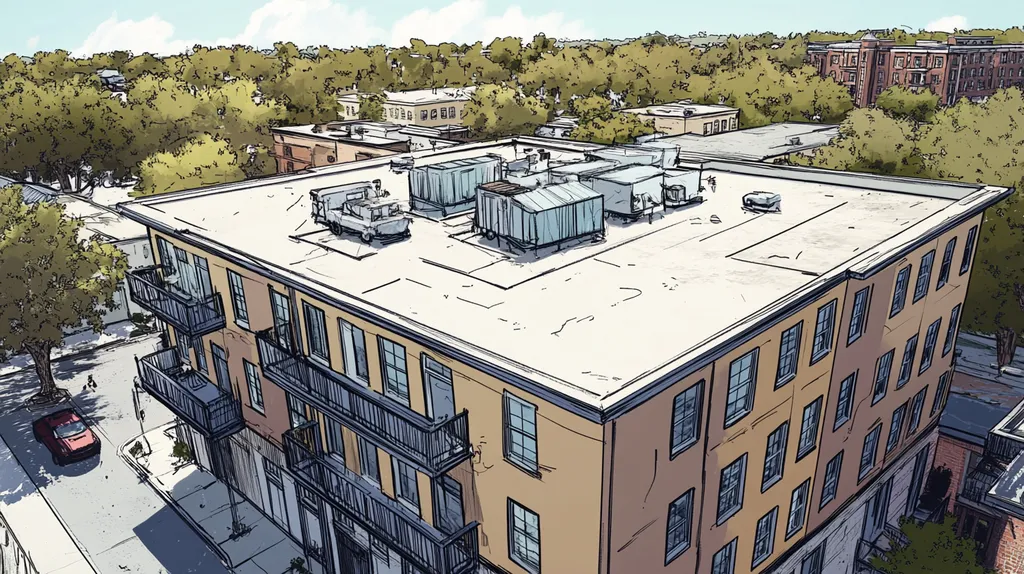
Grasping performance metrics from infrared imaging scans is essential for efficient roof management. The National Roofing Contractors Association estimates that up to 25% of commercial roofs suffer from water intrusion issues that could be detected early through temperature variances. By identifying these temperature anomalies, property owners can avoid significant repair costs and increase their roof’s operational lifespan. This section will guide you on how to interpret these temperature differences, evaluate roof condition reports, and track the outcomes of your maintenance efforts.
Interpreting Temperature Anomalies
Temperature anomalies serve as indicators of hidden problems within the roofing system. For instance, cooler areas on infrared scans may signify trapped moisture, while unexpectedly warm zones often indicate heat loss or insufficient insulation. By identifying these patterns, facility managers can prioritize necessary repairs effectively.
It’s important to compare thermal images taken over time. Observing changes can reveal trends, whether an issue is worsening or stabilizing. For example, a gradual rise in temperature in certain areas could signal the need for immediate intervention.
Additionally, environmental factors like weather conditions during the scan play a role in data interpretation. Strong sunlight may produce misleading hot spots, so understanding these variables is crucial for accuracy. Recognizing the context surrounding the scans enhances the reliability of the analysis.
Finally, combining infrared imaging results with detailed physical inspections can further enrich understanding. Cross-referencing these two methods ensures that facility managers have a comprehensive view of the roof’s condition, enabling them to take prompt action when necessary.
Evaluating Roof Condition Reports
Roof condition reports generated alongside infrared scans offer an in-depth overview of a roof’s health. These reports should summarize findings, highlight areas of concern, and provide clear, actionable recommendations. Crafting these reports with clarity is vital as it equips property owners with the information needed for informed decision-making.
Focus on essential metrics such as moisture content levels, historical repair data, and potential leak risks. An effective report should rank these issues by urgency and their potential impact on the facility to aid prioritization.
Moreover, utilizing data visualization tools can improve comprehension of these reports. Graphs and charts facilitate faster interpretation of trends over time, enabling quicker decision-making. This clarity also fosters better communication among stakeholders involved in roof management.
Establishing a standard format for these reports is also crucial. Consistency in presentation ensures all involved parties interpret the information uniformly, ultimately leading to more effective management strategies.
Tracking Maintenance Outcomes
Monitoring the outcomes of maintenance efforts based on infrared imaging data is critical for decision-making. Documenting the progress of repairs and their effectiveness informs future roofing choices, leading to smarter spending that aligns with long-term strategies.
Key metrics to track include variations in temperature anomalies after repairs and the frequency of issues reported over time. Maintaining a comprehensive database can help facility managers identify patterns that indicate broader systemic problems.
Involving key personnel in the tracking process enhances accountability and communication. Regular meetings to discuss findings can nurture a proactive culture around roof maintenance, encouraging everyone to stay informed about the roof’s condition.
By setting clear goals for maintenance outcomes and routinely reviewing them, organizations can optimize their roofing strategies. This systematic approach not only extends the roof’s lifespan but also contributes to the facility’s overall sustainability.
SECTION 5: PERFORMANCE METRICS
Understanding performance metrics from infrared imaging scans is crucial for effective roof management. According to the National Roofing Contractors Association, an estimated 25% of commercial roofs suffer from water intrusion issues, which can often be detected through temperature anomalies early on. Identifying these issues can ultimately save property owners significant repair costs and extend the lifespan of the roof. This section will delve into interpreting these temperature differences, evaluating roof condition reports, and tracking the outcomes of maintenance efforts.
Interpreting Temperature Anomalies
Temperature anomalies act as beacons for hidden problems within the roofing system. For instance, a cooler area on an infrared scan may indicate the presence of trapped moisture, while unusually warm zones can signal heat loss or inadequate insulation. Recognizing these patterns gives facility managers the insight needed to prioritize repairs effectively.
It is crucial to compare thermal images captured over time. Such comparisons can reveal trends, indicating whether an issue is worsening or stabilizing. For example, a consistent increase in temperature in certain areas could signal that immediate attention is necessary.
Environmental factors, such as the weather conditions at the time of scanning, also influence data interpretation. Strong sunlight can create misleading hot spots, so charting these nuances is essential for producing accurate assessments. A deeper understanding of these environmental variables enhances the reliability of the analysis.
Lastly, integrating infrared imaging results with physical inspections enhances overall understanding. Cross-referencing these data sources enables facility managers to develop a more complete picture of the roof’s condition, empowering informed decision-making.
Evaluating Roof Condition Reports
Roof condition reports generated alongside infrared scans provide an essential overview of a roof’s health. These reports should encapsulate findings, highlight critical areas of concern, and offer actionable recommendations. Crafting these reports clearly is vital since they equip property owners with the necessary insights to make informed decisions.
Focus on key metrics, including moisture content levels, historical repair data, and potential risks that could lead to leaks. An effective report should rank these issues by urgency and potential impact on the facility, allowing for appropriate prioritization.
Utilizing data visualization tools can dramatically enhance comprehension of these reports. Graphs and charts can simplify the interpretation of trends over time, enabling quicker, decisive actions. This visual clarity fosters better communication among all stakeholders involved in roof management.
Finally, establishing a standard format for these reports is crucial. Consistency ensures that all parties can interpret the information accurately, leading to improved management strategies all around.
Tracking Maintenance Outcomes
Monitoring the outcomes of maintenance efforts informed by infrared imaging data is essential for effective decision-making. Documenting the progress of repairs and their outcomes can guide future roofing choices, promoting more strategic spending and alignment with long-term roofing strategies.
Specific metrics to track include variations in temperature anomalies following repairs and the frequency of issues reported over time. Maintaining a comprehensive database can assist facility managers in identifying patterns that point to broader systemic problems.
Engaging key personnel in the tracking process can significantly enhance accountability and communication. Regular meetings to review findings can cultivate a proactive culture around roof maintenance, ensuring everyone remains informed about the roof’s condition.
By setting clear objectives for maintenance outcomes and regularly reviewing them, organizations can optimize their roofing strategies. This systematic approach not only extends the roof’s lifespan but also contributes to the overall sustainability of the facility.
Moving Forward
With commercial roofing failures costing businesses over $3.3 billion annually, the stakes for proper infrared scan interpretation have never been higher.
Modern infrared imaging technology, when properly implemented and interpreted, can extend roof life by up to 30% while reducing emergency repair costs by identifying issues before they escalate into catastrophic failures.
The key to maximizing this technology lies in systematic implementation: utilizing high-quality equipment, following standardized scanning procedures, and maintaining detailed performance tracking.
Property managers who master these interpretation techniques can transform their roofing programs from reactive to proactive, potentially saving millions in premature replacement costs while ensuring optimal facility protection.
The future of commercial roofing maintenance depends on embracing these advanced diagnostic tools and implementing data-driven decision-making processes.
FREQUENTLY ASKED QUESTIONS
Q. What is infrared scanning in commercial roofing?
A. Infrared scanning uses thermal imaging to find hidden problems on roofs. It helps detect issues like moisture intrusion or insulation failure, which can’t be seen by the naked eye. This early identification can prevent costly repairs and prolong the lifespan of the roof.
Q. What technology is essential for infrared scans of industrial roofs?
A. High-quality infrared cameras are crucial for capturing precise thermal images. These cameras identify temperature variations that indicate issues like moisture intrusion and insulation problems. Proper calibration and maintenance of the camera enhance the reliability of scanning results.
Q. How should property owners prepare for an infrared imaging scan?
A. Preparation involves ensuring the roof surface is dry and free of obstructions. Scheduling scans after sunny days or heavy rains allows for better temperature differentiation. A thorough visual inspection beforehand helps identify areas needing closer attention during the scan.
Q. How can infrared imaging help identify moisture intrusion?
A. Infrared scans highlight temperature variations that suggest moisture presence. Cold spots may indicate trapped moisture, allowing property managers to address issues before they escalate into significant problems. Regular inspections support proactive maintenance and enhance roof lifespan.
Q. What key metrics should be evaluated from roof condition reports?
A. Metrics include moisture content levels, historical repair data, and potential leak risk areas. The report should rank these issues by urgency, helping property owners prioritize necessary actions to maintain roof integrity and performance.
Q. How often should infrared imaging inspections be scheduled for commercial roofs?
A. It’s advisable to schedule inspections at least twice a year. Inspections should ideally take place before and after severe weather seasons to ensure all potential issues are addressed promptly. Regular scans foster proactive maintenance and help prolong the roof’s lifespan.
Q. What benefits does routine infrared scanning provide for industrial roofs?
A. Routine scanning aids in early detection of hidden weaknesses, such as insulation and moisture issues. This proactive approach reduces repair costs and operational downtime, ensuring that the roofing system remains reliable and functional over time.






