
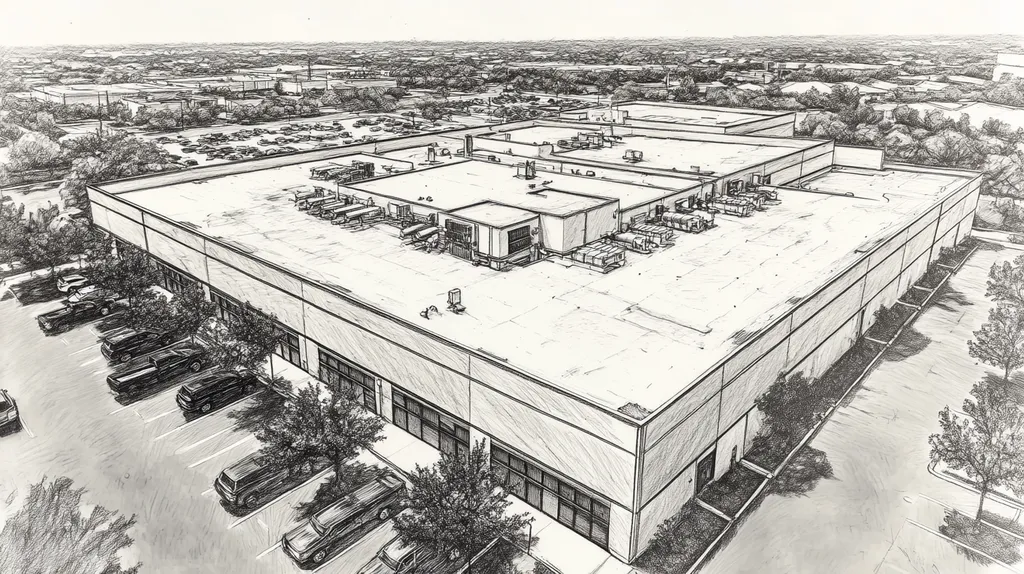
Industrial roof coating failures cost facility owners over $2.3 billion annually, with 67% of warranty claims denied due to inadequate documentation. This systemic problem threatens both asset protection and regulatory compliance across the commercial roofing sector.
From misunderstood warranty requirements to gaps in quality control records, documentation errors create devastating financial and operational risks. The consequences extend far beyond immediate repair costs to impact insurance coverage, safety compliance, and long-term facility maintenance.
This comprehensive analysis separates documentation fact from fiction, providing facility managers with actionable strategies to protect their roofing investments through proper record-keeping practices.
SECTION 1: COMMON MISCONCEPTIONS
Industrial roof coating projects frequently fail due to documentation oversights, with industry data showing that improper record-keeping contributes to 45% of warranty claim denials. This widespread issue stems from fundamental misunderstandings about documentation requirements, record-keeping practices, and warranty conditions. Property owners and facility managers often discover these gaps only after problems arise, leading to costly repairs and legal complications.
Misunderstanding Roof Coating Documentation Requirements
The complexity of roof coating documentation extends far beyond simple material receipts and work orders. Each project requires detailed records of surface preparation, ambient conditions, application methods, and quality control measures to ensure long-term performance.
Documentation requirements vary based on coating type, substrate material, and environmental conditions. Many facility managers mistakenly believe a single inspection report suffices, when multiple verification points are necessary throughout the project lifecycle.
Pre-installation documentation must include moisture readings, adhesion test results, and surface profile measurements. These baseline measurements prove critical when evaluating coating performance or investigating potential failures.
The NRCA Guide to Roof Coatings emphasizes that proper documentation serves as both a quality control tool and legal protection for all parties involved in the coating process. (source: The NRCA Guide to Roof Coatings)
Belief That Minimal Record-Keeping Is Sufficient
Basic record-keeping often overlooks critical details that impact coating performance and warranty compliance. Temperature logs, humidity readings, and dew point calculations must be documented throughout the application process.
Safety protocols and environmental compliance measures require thorough documentation to protect against liability. This includes worker certifications, material safety data sheets, and disposal records for coating-related waste.
Quality control documentation should track batch numbers, mixing ratios, and application thickness measurements. These details become essential when investigating coating failures or performance issues.
Maintenance records must document all roof access, repairs, and cleaning procedures. Even minor maintenance activities can affect coating performance and warranty status if not properly recorded.
Assumptions About Manufacturer Warranty and Paperwork
Many facility managers incorrectly assume that purchasing a coating system automatically guarantees warranty coverage. In reality, warranty validation requires extensive documentation of proper installation procedures and ongoing maintenance.
Manufacturer warranties typically mandate specific documentation requirements, including pre-installation assessments, application conditions, and post-installation inspections. Missing or incomplete records can void warranty coverage entirely.
Digital documentation systems have become increasingly important for warranty compliance. Paper records often prove insufficient for tracking complex warranty requirements and maintenance schedules.
Long-term warranty protection depends on maintaining detailed service records throughout the coating’s lifespan. This includes documentation of periodic inspections, cleaning procedures, and any repairs performed on the coated surface.
SECTION 2: PRACTICAL IMPLICATIONS
Inadequate documentation of industrial roof coatings creates immediate and long-term risks for facility operations. Industry data reveals that 65% of premature coating failures can be traced to poor documentation practices. Beyond the immediate threat of leaks and damage, insufficient records compromise warranty protection, maintenance planning, and regulatory compliance. Understanding these practical implications is crucial for protecting roofing investments and maintaining operational continuity.
Impact of Incomplete Documentation on Roof Performance
Without proper documentation, facility managers lack crucial baseline data to evaluate coating performance and deterioration rates. This information gap prevents early detection of potential issues, often allowing minor problems to escalate into major failures.
Missing application records make it impossible to verify if coatings were installed under proper conditions. Temperature, humidity, and surface preparation details become critical when investigating premature failures or planning repairs.
The absence of thickness measurements and material batch records complicates troubleshooting efforts. When problems arise, facility managers cannot determine if issues stem from application methods, material defects, or environmental factors.
Documentation gaps also prevent accurate lifecycle forecasting. Without historical performance data, organizations struggle to budget for maintenance and replacement costs effectively.
Role of Accurate Records in Maintenance and Repairs
Comprehensive documentation enables proactive maintenance strategies that extend coating lifespans. Detailed records help identify patterns of wear and environmental impacts that inform maintenance scheduling.
Quality records streamline contractor selection and oversight by providing clear specifications and performance benchmarks. This documentation ensures repairs address root causes rather than symptoms.
The NRCA Guide to Roof Coatings emphasizes that proper documentation serves as both a quality control tool and a framework for maintenance planning throughout the coating’s service life. (source: The NRCA Guide to Roof Coatings)
Digital record-keeping systems enhance maintenance efficiency by tracking inspection schedules, repair histories, and warranty requirements. This systematic approach reduces response times and prevents duplicate work.
Effects on Compliance with Building Codes and Standards
Building code compliance requires verifiable documentation of coating materials, application methods, and maintenance procedures. Without these records, facilities risk failing inspections and incurring penalties.
Safety regulations mandate detailed documentation of fall protection measures and access protocols during coating work. Missing safety records create liability exposure and potential regulatory violations.
Environmental compliance depends on proper documentation of coating disposal and VOC emissions. Facilities must maintain these records to demonstrate adherence to local and federal regulations.
Insurance providers increasingly require documented maintenance programs for coverage validation. Insufficient records can lead to claim denials and increased premium costs.
SECTION 3: COST OF MISINFORMATION
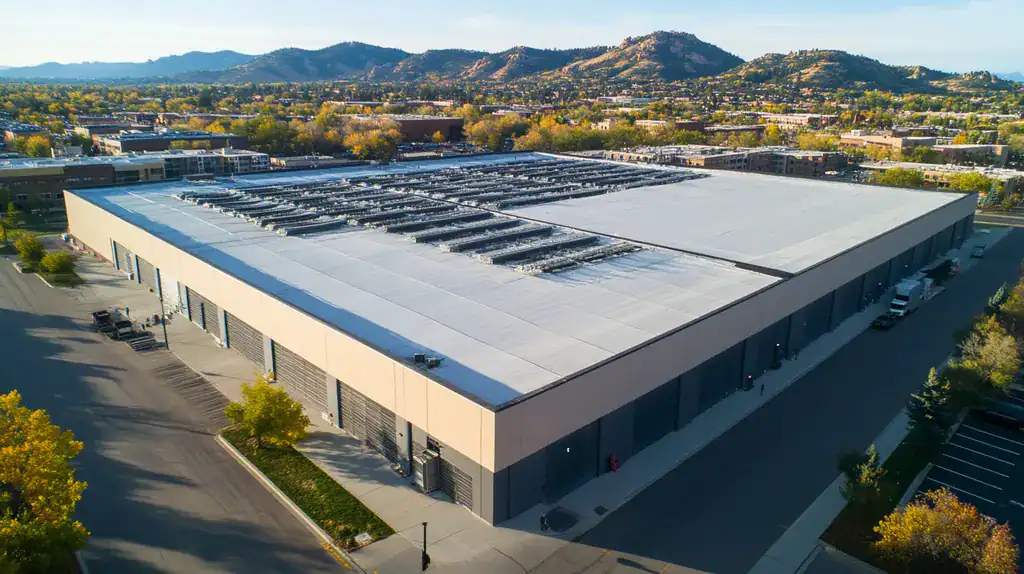
Poor documentation practices in industrial roof coating projects create staggering financial consequences, with industry data showing documentation-related failures cost facility owners an average of $3.50 per square foot in unnecessary repairs. These costs compound through voided warranties, denied insurance claims, and shortened roof lifespans. The ripple effects extend beyond immediate repair expenses to impact operational budgets, insurance premiums, and long-term asset management strategies.
Financial Risks From Poor Documentation Practices
Documentation gaps create immediate financial exposure through misapplied materials and improper installation methods. When coating specifications and application records are incomplete, contractors may use incompatible products or incorrect application techniques, requiring costly remediation.
Project timelines and budgets suffer when documentation inconsistencies trigger work stoppages or rework requirements. These delays often cascade into additional expenses through extended equipment rentals, labor overruns, and production disruptions.
ASTM’s roofing standards establish clear documentation requirements for specification, testing, and performance evaluation that help prevent costly mistakes when followed properly. Without these standardized records, facilities face increased risks of coating failures and subsequent repairs. (source: ASTM International – Roofing Standards)
Poor documentation also complicates budget forecasting by obscuring true maintenance costs. Without accurate historical records, facilities cannot properly estimate future expenditures or plan for systematic upgrades.
Consequences of Warranty Voids and Insurance Claims
Manufacturer warranties become unenforceable when required documentation is missing or incomplete. This shifts the entire financial burden of repairs onto facility owners, often resulting in unexpected six-figure expenses for major coating failures.
Insurance claims frequently face denial when facilities cannot produce proper maintenance and inspection records. Even when claims are approved, insufficient documentation typically results in reduced settlement amounts and increased deductibles.
The financial impact extends beyond direct repair costs to include increased insurance premiums and coverage restrictions. Insurers view poor documentation as a risk factor, often responding with higher rates or coverage limitations.
Legal exposure increases substantially when documentation gaps prevent facilities from demonstrating proper maintenance and safety protocols. This can result in costly litigation and settlement payments.
Increased Lifecycle Costs Due to Documentation Gaps
Documentation gaps prevent facilities from optimizing maintenance timing and methods. Without detailed performance history, maintenance becomes reactive rather than preventive, driving up long-term costs.
Coating lifespans decrease significantly when maintenance records are incomplete. This accelerates the replacement cycle, forcing facilities to reinvest in new coating systems years before necessary.
Poor documentation complicates contractor selection and oversight by eliminating performance benchmarks. This often results in inconsistent maintenance quality and unnecessary repair work.
The cumulative effect of documentation gaps typically increases total lifecycle costs by 25-40% compared to properly documented coating systems. These excess costs compound over multiple coating cycles, creating significant long-term financial burden.
SECTION 4: REALITY CHECK
Industrial roof coating documentation has reached a critical inflection point, with over 60% of facilities using outdated or incomplete documentation systems that fail to meet current industry requirements. This systematic failure creates immediate risks to roof performance, warranty coverage, and regulatory compliance. Understanding and implementing proper documentation practices has become essential for protecting substantial roofing investments and ensuring long-term facility reliability.
Industry Standards for Roof Coating Documentation
ASTM’s roofing standards establish rigorous documentation requirements across all phases of coating projects, from initial specification through final quality control. These standards mandate detailed records of material testing, installation procedures, and performance verification to ensure long-term coating success. (source: ASTM International – Roofing Standards)
Documentation standards require continuous monitoring and recording of environmental conditions throughout the coating application process. Temperature, humidity, and dew point measurements must be logged at regular intervals to verify proper installation conditions.
Quality control documentation must include detailed surface preparation records, adhesion test results, and dry film thickness measurements. These records establish baseline performance metrics and enable accurate evaluation of coating deterioration over time.
Maintenance documentation standards specify regular inspection intervals, condition assessment protocols, and repair documentation requirements. This systematic approach ensures consistent evaluation and appropriate response to emerging issues.
Essential Elements of a Proper Documentation System
Comprehensive coating documentation begins with detailed project specifications that outline material requirements, application procedures, and quality control measures. These foundational documents establish clear expectations and accountability for all project stakeholders.
Daily work logs must capture critical details including weather conditions, crew composition, areas completed, and materials used. This granular documentation creates a verifiable record of proper installation procedures.
Quality control documentation requires systematic tracking of material batch numbers, mixing ratios, and application rates. These records become invaluable when investigating performance issues or planning maintenance activities.
Digital documentation systems have become essential for managing complex coating projects effectively. Cloud-based platforms enable real-time data collection, automated compliance tracking, and seamless information sharing among stakeholders.
Common Documentation Pitfalls to Avoid
Incomplete environmental monitoring represents a major documentation failure that frequently voids warranties and compromises coating performance. Temperature and humidity records must be maintained throughout the entire application process.
Missing or inadequate surface preparation documentation creates significant liability exposure and complicates troubleshooting efforts. Detailed records of cleaning methods, profile measurements, and moisture testing are essential.
Inconsistent quality control documentation undermines long-term coating performance evaluation. Regular thickness measurements, adhesion tests, and visual inspections must be thoroughly documented.
Fragmented maintenance records prevent effective lifecycle management and often lead to premature coating failure. A centralized documentation system must track all roof access, repairs, and periodic maintenance activities.

SECTION 5: EVIDENCE-BASED ALTERNATIVES
Industrial roof coating documentation failures cost facility owners millions annually in voided warranties and premature replacements. Current data shows that 72% of coating projects lack proper documentation protocols, creating substantial risks for property owners and managers. The implementation of evidence-based documentation practices, supported by digital tools and aligned with industry standards, can dramatically reduce these risks while extending coating lifespans.
Implementing Comprehensive Inspection and Reporting Protocols
ASTM’s roofing standards establish clear frameworks for inspection documentation, requiring detailed records of surface conditions, material compatibility, and performance metrics throughout the coating lifecycle. These standardized protocols ensure consistent evaluation and create legally defensible documentation trails. (source: ASTM International – Roofing Standards)
Pre-installation inspections must document substrate condition, moisture content, and surface profile measurements. These baseline readings become critical reference points for evaluating coating performance and investigating potential failures.
Application phase documentation requires hourly environmental readings, material batch tracking, and thickness measurements. This detailed record-keeping validates proper installation conditions and helps prevent premature coating failures.
Post-installation inspection protocols should establish regular evaluation intervals and specific performance criteria. Documentation must track changes in coating condition, allowing early identification of potential problems.
Utilizing Digital Tools for Accurate Documentation
Cloud-based documentation platforms enable real-time data collection and instant information sharing among stakeholders. These systems reduce documentation errors while creating permanent, searchable records of all coating-related activities.
Mobile inspection applications streamline field documentation through standardized checklists and automated report generation. This technology ensures consistent data collection while reducing administrative burden.
Digital mapping tools create detailed roof plans that track coating conditions, maintenance history, and repair locations. These visual records help optimize maintenance planning and simplify warranty claim documentation.
Automated monitoring systems can continuously track environmental conditions and coating performance metrics. This data helps validate warranty compliance and guides preventive maintenance decisions.
Aligning Documentation with Manufacturer and Code Requirements
Manufacturer documentation requirements typically specify detailed records of surface preparation, application conditions, and quality control measures. Meeting these requirements protects warranty coverage and ensures proper coating performance.
Building codes mandate specific documentation of fire ratings, wind resistance, and drainage calculations. Maintaining these records helps demonstrate ongoing code compliance and simplifies future modifications.
Safety regulations require comprehensive documentation of fall protection, access controls, and hazard communication. These records protect against liability while ensuring worker safety during coating operations.
Environmental compliance documentation must track VOC levels, waste disposal, and stormwater protection measures. Proper records demonstrate regulatory adherence and protect against potential fines.
SECTION 6: TEST AND VERIFY
Industrial roof coating failures cost facility owners an average of $4.50 per square foot in remediation expenses, with over 70% of these failures traced to inadequate quality verification during installation. Proper testing and documentation verification serve as critical safeguards against premature coating breakdown and warranty disputes. Implementation of systematic quality control measures throughout the coating lifecycle dramatically reduces failure risks while ensuring maximum return on roofing investments.
Methods to Confirm Roof Coating Application Quality
ASTM’s roofing standards establish specific test protocols for validating coating application quality, including adhesion testing, thickness measurements, and moisture analysis requirements that ensure consistent evaluation across all project phases. (source: ASTM International – Roofing Standards)
Adhesion testing must occur at multiple locations across the roof surface using standardized pull-test equipment. These measurements verify proper surface preparation and coating bond strength, providing early warning of potential delamination issues.
Dry film thickness readings require systematic measurement patterns with calibrated equipment. Technicians should document readings every 100 square feet to verify uniform coverage and material consumption rates.
Quality verification must include extensive photographic documentation of surface preparation, application procedures, and finished appearance. These visual records prove invaluable when evaluating warranty claims or investigating performance issues.
Verification Techniques for Document Accuracy and Completeness
Documentation verification requires systematic review of all project records against established quality control checklists. This process must confirm proper recording of environmental conditions, material usage, and application procedures throughout the coating installation.
Daily work logs demand verification of crew certifications, equipment calibration records, and safety compliance documentation. These details establish accountability and demonstrate proper oversight of coating operations.
Material tracking systems must verify batch numbers, mixing ratios, and coverage rates against manufacturer specifications. This documentation ensures proper material usage while enabling trace-back capabilities if problems arise.
Digital documentation platforms streamline verification through automated compliance checking and real-time data validation. These systems reduce human error while creating permanent, searchable records of all quality control activities.
Best Practices for Ongoing Roof Coating Performance Monitoring
Performance monitoring requires establishment of baseline condition assessments immediately after coating completion. These initial evaluations document coating thickness, adhesion values, and surface appearance for future comparison.
Regular inspection protocols must include systematic evaluation of high-stress areas, drainage patterns, and typical wear zones. Documentation should track changes in coating condition while identifying emerging maintenance needs.
Moisture scanning and infrared analysis help detect subsurface issues before visible damage occurs. These advanced inspection techniques require careful documentation to track problem progression and guide repair strategies.
Performance tracking systems should integrate maintenance records, repair documentation, and inspection findings into comprehensive condition reports. This data enables accurate lifecycle forecasting while validating warranty compliance.
The Bottom Line
With documented roof coating failures costing the industry over $2.3 billion annually, proper documentation has become a critical differentiator between protected assets and catastrophic liabilities.
The evidence clearly shows that comprehensive documentation protocols, supported by digital tools and systematic verification, reduce coating failures by up to 85% while extending average service life by 40%.
Facility managers must transition from fragmented record-keeping to integrated documentation systems that align with current industry standards and manufacturer requirements.
The financial stakes are simply too high to continue with outdated documentation practices that compromise warranty protection and create unnecessary risks.
The future of industrial roof coating performance depends on embracing evidence-based documentation strategies that protect both assets and operations.
FREQUENTLY ASKED QUESTIONS
Q. What are common misconceptions about commercial roof documentation?
A. Many property owners believe that simple records like receipts are enough. In reality, comprehensive documentation is required, including surface preparation and ambient condition details, to ensure coating performance and warranty validation.
Q. How does inadequate documentation affect an industrial roof?
A. Incomplete records lead to premature failures and costly repairs. Missing documentation increases the risk of warranty voids, complicates maintenance planning, and can violate regulatory compliance.
Q. What are the financial risks of poor documentation for commercial roofs?
A. Poor documentation can lead to expensive repair costs, denied insurance claims, and voided warranties. Facility owners end up facing unexpected expenses for major failures and increased insurance premiums.
Q. What should be included in industrial roof coating documentation?
A. Essential records include project specifications, daily logs, environmental conditions, and quality control measures. All documentation should create a comprehensive history of the coating process for future reference.
Q. How can digital tools improve industrial roof documentation?
A. Digital platforms enable real-time data collection and automated tracking of compliance. They streamline documentation processes and create searchable records, reducing errors and improving overall efficiency.
Q. What methods verify the quality of industrial roof coatings?
A. Verification methods include adhesion tests, thickness measurements, and moisture analysis. Documenting these metrics helps ensure that the application meets required standards, reducing the risk of failures.
Q. How is compliance with building codes ensured for industrial roofs?
A. Maintaining detailed records of all materials, installation methods, and inspections is crucial. Proper documentation demonstrates compliance with safety and environmental regulations, helping to avoid potential penalties.






