
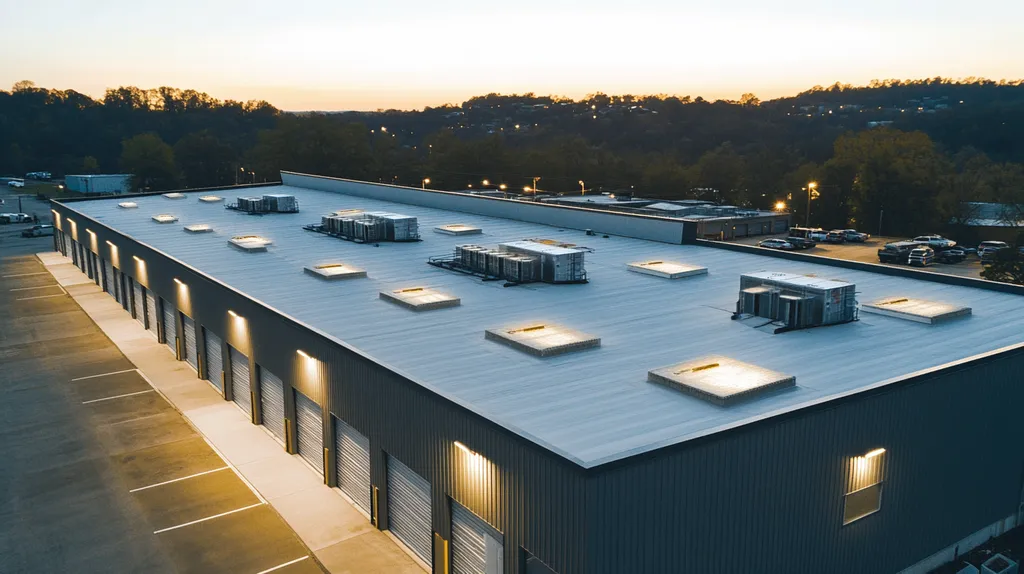
Over the past decade, commercial roof failures have cost U.S. businesses more than $2.5 billion annually, with 40% of these incidents directly linked to poor durability planning.
For today’s property owners and facility managers, understanding the core elements of commercial roof durability isn’t just about maintenance—it’s about protecting valuable assets and ensuring business continuity.
From the time-tested reliability of built-up roofing systems to modern synthetic membranes, the evolution of commercial roofing technology offers unprecedented opportunities for enhancing structural longevity and performance.
This comprehensive guide examines the critical factors affecting roof durability, from material selection and system components to implementation methods and maintenance strategies that safeguard your investment.
SECTION 1: FUNDAMENTAL CONCEPTS
Grasping the durability of a commercial roof is essential for both property owners and facility managers. Roofs endure various challenges, from severe weather and damaging UV rays to everyday wear and tear. Alarmingly, about 30% of commercial roofing failures stem from poor material choices or installation oversights. This section highlights the key factors affecting roof durability, such as material types, climate influences, and the condition of the roof, empowering stakeholders to make well-informed decisions.
Roofing Material Types and Characteristics
The choice of roofing material profoundly impacts the roof’s lifespan and resilience. Popular options such as TPO, EPDM, and built-up roofing each possess distinct advantages. TPO, for example, is recognized for its UV resistance and reflective properties, which enhance energy efficiency.
EPDM excels in weather resistance and flexibility, particularly on low-slope roofs. Built-up roofing, with its multiple layers, has a history of durability and reliable protection. By understanding these unique characteristics, property owners can select materials that best suit their specific climate conditions and long-term requirements.
Moreover, it’s crucial to consider the lifecycle cost associated with each material. While some roofing systems may appear cheaper initially, their durability often dictates long-term expenses. Investing in higher-quality materials can lead to fewer repairs and ultimately lower costs over time.
Engaging with experienced roofing contractors is vital for informed material selection based on individual property needs. The right choices in roofing materials correlate directly with enhanced overall durability and performance.
Climate and Environmental Impact
The climate significantly influences the lifespan of commercial roofs. In areas with extreme weather, roofing systems must be designed to endure heavy rain, snow, or intense heat. For instance, flat roofs in regions with substantial rainfall require efficient drainage systems to prevent water pooling, which can hasten deterioration.
Similarly, prolonged UV exposure in sunny climates can lead to material degradation over time. Research indicates that roofs exposed to intense sunlight may need more robust coatings to protect against UV damage. A proactive approach tailored to local climate conditions is essential for extending roof durability.
Environmental factors, such as pollution and chemical exposure, also exert pressure on roofing materials. Facilities located in industrial zones or near coastal areas should select materials engineered for such harsh environments. This foresight minimizes the risk of unexpected failures.
By understanding local climatic and environmental challenges, property owners can better anticipate potential roofing issues. This foresight informs strategic long-term planning and investment in dependable roofing solutions.
Roof Type and Condition Considerations
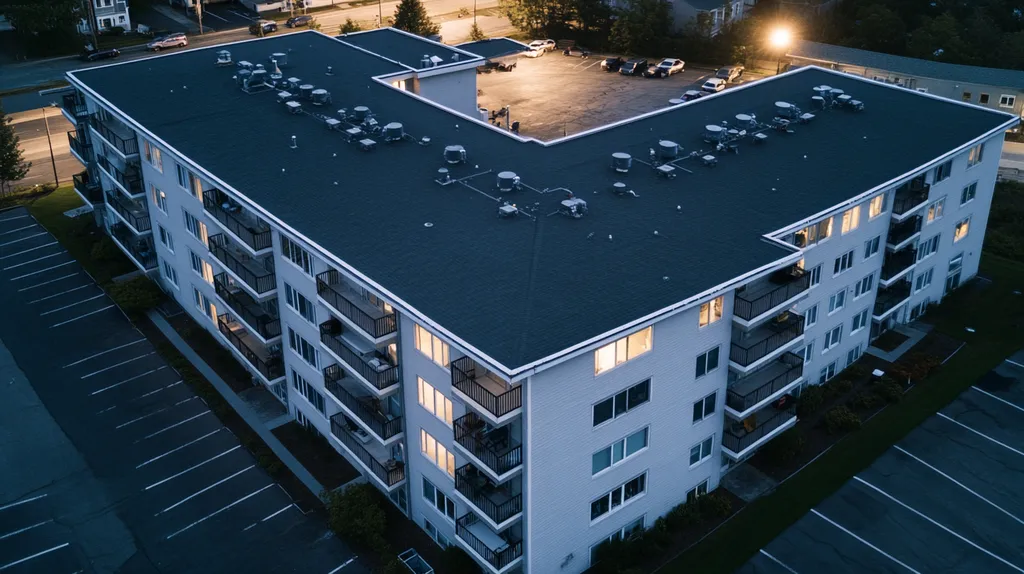
The type of roof—be it flat, sloped, or a combination—plays a significant role in determining both durability and maintenance needs. Flat roofs are particularly prone to standing water, making proper installation and drainage absolutely critical. Regular inspections are key to spotting early wear and tear.
In contrast, sloped roofs are generally adept at shedding water but introduce challenges like wind uplift and material fatigue. It’s vital that the choice of materials aligns with the roof’s slope to ensure long-lasting performance. Evaluating the current condition of the roof is equally crucial for maintaining durability.
Routine maintenance checks help catch minor issues before they escalate into costly repairs. An effective maintenance schedule can significantly prolong the life of a commercial roof by proactively addressing concerns like leaks or surface damage.
Ultimately, understanding the type of roof and its current condition enables strategic maintenance and repair decisions. This knowledge ensures more effective management of roofing assets, which contributes positively to the overall performance of the building.
SECTION 2: SYSTEM COMPONENTS
The durability of a commercial roof critically depends on the quality of its system components. As property owners navigate the relentless challenges posed by weather, wear, and the inevitable aging of materials, selecting the right roofing elements becomes increasingly vital. Research indicates that more than 30% of commercial roofs fail due to inadequate waterproofing or insulation. By understanding the essential components that bolster roof longevity, property managers can make informed decisions to safeguard their investments and ensure a secure environment for occupants.
Roof Coating Materials and Properties
Roof coatings serve as a critical safeguard for enhancing the longevity of a commercial roof. These protective materials shield the structure from harmful UV rays, extreme temperatures, and moisture. For example, elastomeric coatings provide remarkable flexibility and adhesion, allowing the roof to adapt to movement without cracking.
Additionally, reflective coatings can significantly cut energy costs by keeping roofs cooler, thereby reducing the workload on HVAC systems. This not only translates into substantial savings over time but also makes high-quality coatings a prudent investment. Property owners should choose coatings specifically designed for their roofing materials to ensure optimal performance.
Incorporating sustainable or eco-friendly coatings can further enhance durability while supporting green building certifications. This approach not only boosts operational efficiencies but also improves a company’s standing in today’s eco-conscious marketplace.
In summary, selecting robust coating materials is integral to the durability and functionality of a commercial roof. Careful attention to this aspect is essential, as it has a direct impact on the overall resilience of the roofing system.
Structural Integrity and Roof Design
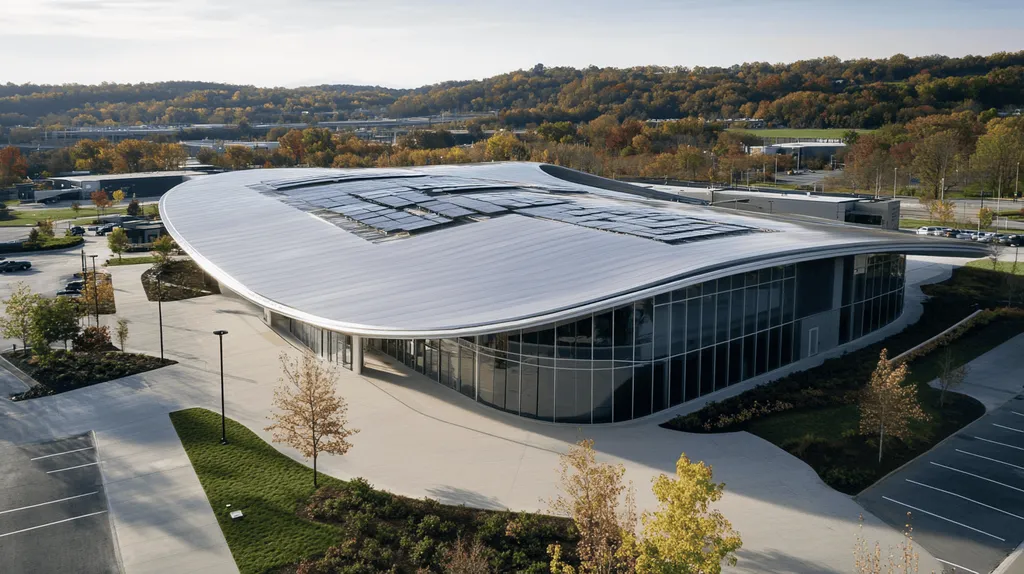
Structural integrity is rooted in the thoughtful design of the roof itself. An effective roof must consider factors like load-bearing capacity, weather challenges, and drainage solutions. For instance, flat roofs demand specific design features to channel water effectively, preventing ponding that can lead to leaks.
Furthermore, the materials used in roof construction play a significant role in overall durability. Reinforced TPO membranes, for example, can better withstand harsh conditions compared to lower-grade alternatives. Proper assessment and accommodation of local climate factors—such as snow loads and wind resistance—are essential for long-lasting results.
Design features like sloped sections can also facilitate better drainage and water runoff, thus improving structural integrity. It’s prudent for property owners to collaborate with roofing professionals to ensure their roofing design adheres to engineering standards, thereby protecting their investment from potential failures.
In conclusion, dedicating resources to thoughtful roof design and structural integrity can yield significant payoffs in durability and cost savings.
Waterproofing and Insulation Layers
Waterproofing is a cornerstone of roof durability and should never be underestimated. A roof’s ability to resist water intrusion directly influences its lifespan, making the choice of waterproofing materials essential. High-quality membrane systems, such as PVC or EPDM, offer exceptional waterproofing capabilities while remaining durable under various environmental conditions.
Alongside waterproofing, insulation layers are crucial for maintaining energy efficiency and thermal performance. A well-insulated roof minimizes heat loss in winter and keeps buildings cooler in summer, thus enhancing occupant comfort while lowering energy costs—a win-win scenario for property owners.
Moreover, integrating vapor barriers helps prevent moisture accumulation within roof assemblies, which can lead to mold growth and structural damage. Ensuring that both waterproofing and insulation are correctly installed is vital for achieving long-term effectiveness.
Ultimately, comprehensive waterproofing and insulation strategies fortify a commercial roof’s performance, playing a significant role in its overall durability and operational efficiency.
SECTION 3: IMPLEMENTATION METHODS
Properly implementing durable roofing solutions is critical for extending the lifespan of commercial roofs. Alarmingly, nearly 50% of roof failures can be traced back to improper installation practices. Given these stakes, it is essential for property owners to invest in professional installations, effective surface preparations, and careful curing processes. This section discusses best practices that can significantly enhance roof durability and performance.
Professional Installation Best Practices
Selecting experienced roofing professionals is paramount to ensuring durability in commercial roofs. These trained experts are well-versed in industry standards and best practices, understanding the nuances of different roofing systems and materials. Their expertise is crucial for choosing the appropriate approach tailored to each unique project.
Additionally, successful installation begins with a meticulous pre-inspection of the existing structure. This critical step allows for the identification of any underlying issues that could jeopardize the new roof’s integrity. Evaluating drainage systems during installation is also vital; improper drainage can lead to water pooling, accelerating wear and increase the risk of leaks.
Open lines of communication between the roofing contractor and property owner are essential. Regular updates and detailed project plans facilitate adjustments based on the specific needs of the building, ensuring that both parties are aligned. This transparency ultimately supports the roof’s long-term durability.
Lastly, implementing proven installation techniques—including optimal layer configurations and proper fastener placements—greatly enhances the roof’s resilience to environmental factors. Every detail matters in securing a robust and lasting roofing solution.
Surface Preparation and Application Techniques
Surface preparation is a critical phase before any installation begins. Ensuring a clean and sound surface is non-negotiable, as it guarantees the proper adhesion of roofing materials. Dust, debris, and moisture can drastically undermine the integrity of the roof. Therefore, thorough washing and drying of work surfaces is essential, laying a solid foundation for success.
Moreover, using the correct primers can significantly enhance bonding between layers. Since not all materials require the same priming method, understanding manufacturer specifications is crucial. When applied correctly, it contributes to seamless transitions and minimizes potential vulnerabilities.
Uniform application of roofing membranes or coatings is another key factor that cannot be overlooked. Ensuring consistent thickness across the surface prevents weak points, reducing the likelihood of early failures. Employing the right tools and techniques helps achieve this evenness.
Finally, timing is everything during the application phase. Applying roofing materials under optimal weather conditions ensures proper curing. Avoiding extreme temperature fluctuations is essential as it can severely impact the durability of the final product.
Curing and Drying Processes
Curing and drying are crucial components that directly influence a roof’s longevity. Many roofing materials, from adhesives to coatings, necessitate specific conditions for optimal curing. Inadequate curing can lead to premature failures, risking significant financial setbacks.
Property owners must consider that temperature and humidity levels can affect cure times. For instance, colder weather often prolongs the curing process, which may require adjustments in scheduling and expectations. Monitoring these environmental factors helps achieve the best results.
Furthermore, proper air circulation during the curing phase is essential for consistent drying, critical to achieving the desired strength of the roofing system. Partnering with professionals who recognize the importance of these variables is vital for successful outcomes.
Lastly, conducting follow-up inspections after curing allows property managers to identify any imperfections or weaknesses that may have developed. Proactive management of these issues ensures that the roof remains durable and effective over the long term.
SECTION 4: MAINTENANCE REQUIREMENTS
Proactive maintenance is not just important; it’s essential for preserving the durability of commercial roofs. Studies show that neglecting roof upkeep can lead to significant financial losses, potentially cutting building lifespans by up to 30%. By prioritizing regular maintenance, property owners not only extend the life of their roofs but also enhance energy efficiency and safeguard valuable interior assets. This section delves into crucial maintenance strategies: regular inspections, thorough cleaning practices, and prompt repairs.
Regular Inspection and Monitoring
Regular inspections are the cornerstone of successful roof maintenance. Property managers should aim to schedule these assessments at least twice a year, ideally in the spring and fall, to evaluate the roof’s performance against seasonal wear and environmental challenges. During these inspections, critical areas like flashing, seams, and drainage systems must receive particular attention to identify any emerging vulnerabilities.
These inspections can uncover small issues before they spiral into major concerns. For instance, a missing shingle or a cracked membrane left unchecked can lead to water infiltration and subsequent interior damage. By addressing these minor problems immediately, property owners can avoid extensive and costly repairs down the line.
Employing qualified professionals to conduct inspections is also advisable. Experts can identify problems that may escape the notice of untrained eyes and provide tailored recommendations for effective maintenance. Systematic monitoring helps ensure that the roof remains in robust condition, ultimately prolonging its lifespan.
Cleaning and Debris Removal Procedures
Cleaning is a vital yet often underestimated aspect of roof maintenance. Accumulated leaves, branches, and other debris can obstruct drainage channels, leading to standing water. This retention of moisture can significantly shorten the life of a roof, making regular cleaning not just important, but essential.
Property owners should establish a debris removal schedule, particularly in areas prone to heavy foliage. A clean roof helps prevent water damage while maximizing energy efficiency, ensuring that insulation functions correctly. Installing well-designed gutter systems can also help manage water runoff and mitigate stagnant water accumulation.
Utilizing professional cleaning services ensures that the work is done safely and meets best practices. These experts can also perform a visual inspection during the cleaning process, adding an extra layer of scrutiny to identify minor issues before they escalate.
Prompt Repair of Damages and Leaks
Swift repairs are crucial for maintaining a roof’s structural integrity. Even small leaks can escalate into significant internal damage if left unaddressed, substantially increasing repair costs over time. By identifying and rectifying damages quickly, property owners not only protect their buildings but also uphold overall property value.
Establishing a straightforward mechanism for reporting and addressing roof damages immediately helps minimize long-term repercussions. A seemingly harmless drip can swiftly evolve into a cascading series of issues if not remedied promptly. Maintaining open lines of communication between facility managers and roofing contractors ensures that identified problems are prioritized and resolved without delay.
Implementing rapid response protocols emphasizes a commitment to effective building maintenance. Being proactive about repairs enhances credibility with tenants and stakeholders, ultimately supporting uninterrupted business operations.
SECTION 5: PERFORMANCE METRICS
Understanding roof performance metrics is crucial for property owners eager to protect their investments. The durability of a commercial roof hinges on lifespan expectations and its capacity to withstand extreme weather. A grasp of these metrics leads to informed decisions that not only maximize longevity but also result in notable energy savings and cost efficiency.
Lifespan Expectations by Roof Type
Each roofing material comes with its own lifespan expectations, which play a significant role in long-term investment planning. For instance, TPO roofing systems typically last between 20 and 30 years, while EPDM can exceed 30 years when maintained properly. By understanding these lifespans, property owners can effectively align their roofing choices with financial planning cycles and future replacement needs.
Additionally, metal roofs stand out for their remarkable durability, boasting lifespans that can exceed 50 years. Although they often involve higher initial installation costs, their longevity provides a compelling return on investment. Recognizing these variations helps property managers navigate the complexities of building maintenance and asset management.
Local climate conditions also influence how long a roof will last. Roofs subjected to extreme temperatures or high winds can wear down faster, necessitating careful material selection tailored to regional weather challenges. By precisely matching roofing materials to local climate, property owners can enhance durability and longevity.
A proactive approach to roofing types based on lifespan expectations facilitates efficient procurement strategies. Investing in durable materials reduces the frequency of replacements, thus ensuring structural integrity and lowering long-term expenditure.
Weather Resistance and Durability Tests
Weather resistance is paramount in determining a roof’s durability. Commercial roofs are required to endure a variety of harsh weather conditions, from torrential rain to blazing sunlight. Testing standards like UL 1256 for fire resistance and ASTM D7158 for wind uplift serve as benchmarks, offering property owners insights into how well a roof can withstand environmental stressors.
For example, wind uplift tests provide valuable data regarding a roof’s performance during strong gusts, a vital consideration for buildings in storm-prone regions. Furthermore, moisture resistance tests evaluate how materials perform in wet conditions, helping to avert leaks and subsequent structural damage.
Awareness of these testing methods can significantly influence material selections. Buildings in harsher climates should prioritize roofs that demonstrate superior weather resistance ratings. Ultimately, investing in roofs that have undergone rigorous durability testing safeguards not only physical assets but also long-term operational budgets.
Energy Efficiency and Cost Savings
Energy efficiency is a key performance metric for assessing commercial roof durability. Roofs engineered to reflect sunlight and minimize heat absorption can lead to substantial reductions in energy costs. For instance, implementing cool roofing techniques can reduce cooling expenses by as much as 20-30%, making this an appealing choice for budget-conscious property owners.
In addition, many modern roofing materials incorporate reflective coatings that further enhance energy efficiency. Evaluating potential energy savings should be a primary consideration in any roofing decision-making process. The initial investment in energy-efficient options often translates to lower utility bills over time.
Beyond direct cost savings, energy-efficient roofs may qualify for tax incentives or rebates designed to promote sustainable practices. Incorporating these considerations not only diminishes costs but also aligns the property with broader environmental stewardship efforts.
Prioritizing energy efficiency in roofing materials ultimately leads to lasting financial benefits and enhances a property’s reputation for responsible management. This strategic approach positions a building for future sustainability while addressing immediate economic needs.
SECTION 5: PERFORMANCE METRICS
For property owners seeking to safeguard their investments, understanding roof performance metrics is imperative. The longevity of a commercial roof is often evaluated through lifespan expectations and its resilience against extreme weather conditions. Familiarity with these metrics enables better decision-making that can result in substantial energy savings and cost efficiencies.
Lifespan Expectations by Roof Type
Diverse roofing materials come with distinct lifespan expectations, a crucial factor for effective long-term investment planning. For instance, TPO roofing systems typically provide service for 20 to 30 years, while EPDM can surpass 30 years with diligent maintenance. Understanding these timelines equips property owners to align roofing choices with budgetary cycles and future replacement strategies.
Metal roofs present an outstanding example of longevity, often exceeding 50 years. Although they may demand a higher initial investment, their durability delivers long-term value that offsets initial costs. Being aware of these various lifespans is essential for effective property management and stewardship.
Local climate conditions also play a pivotal role in determining a roof’s lifespan. For example, roofs in regions subject to extreme temperatures or high winds may deteriorate more quickly. Property owners must assess roofing materials in the context of local weather patterns to optimize durability and performance.
By proactively addressing lifespan expectations, property owners can make informed procurement decisions that minimize the frequency and expense of roof replacements, thereby supporting the building’s structural integrity over time.
Weather Resistance and Durability Tests
Weather resistance is a critical component in ascertaining a roofing system’s durability. Commercial roofs must withstand a spectrum of harsh conditions, from torrential rains to scorching sunlight. Rigorous testing standards—such as UL 1256 for fire resistance and ASTM D7158 for wind uplift—serve as benchmarks, allowing property owners to evaluate how well a roof can face environmental challenges.
For instance, wind uplift tests indicate a roof’s performance during strong gusts, a vital consideration in storm-prone regions. Moisture resistance tests further assess how roofing materials behave under excessive moisture, helping to prevent leaks and subsequent structural damage.
Awareness of these tests can significantly steer the decision-making process regarding material selection. Properties in more extreme climates should prioritize roofs that achieve high weather resistance ratings to prevent costly repairs and ensure longevity.
Investing in roofs that have successfully passed demanding durability tests not only alleviates future concerns but also enhances the overall reliability of the investment. As unpredictable weather becomes more common, this proactive choice serves to protect facility operations and maintenance budgets.
Energy Efficiency and Cost Savings
Energy efficiency has become an essential metric for evaluating the durability of commercial roofs. Roofs designed to reflect sunlight and reduce heat absorption can lead to substantial savings on energy costs. Implementing cool roofing techniques, for instance, can cut cooling expenses by up to 20-30%, making this a smart choice for cost-conscious property owners.
In addition, many contemporary roofing materials now come equipped with reflective coatings that enhance energy efficiency. Evaluating the potential energy savings should be a fundamental part of any roofing decision. While the initial investment may be higher, it often results in lower utility costs over time.
Beyond immediate savings, energy-efficient roofs can also qualify for various tax incentives or rebates aimed at encouraging sustainable practices. Factoring in these considerations not only alleviates costs but further aligns property management with environmental stewardship initiatives.
Ultimately, prioritizing energy efficiency in roofing materials fosters lasting financial benefits and enhances a property’s reputation for responsible management. This strategic focus secures immediate expense control while laying the groundwork for future sustainability and compliance with emerging green standards.
Looking Ahead
With commercial roof failures costing businesses billions annually, the importance of durability cannot be overstated in today’s construction landscape.
The evolution from traditional built-up roofing to advanced synthetic membranes demonstrates how far commercial roofing technology has progressed in protecting valuable assets.
As climate challenges intensify and energy efficiency demands grow, implementing comprehensive durability strategies—from material selection to maintenance protocols—becomes increasingly critical for property owners.
Modern performance metrics and testing standards now enable more informed decision-making, while innovations in coating technologies and installation methods continue to extend roof lifespans beyond previous limitations.
The future of commercial roofing lies in this intersection of durability, sustainability, and strategic asset management.
FREQUENTLY ASKED QUESTIONS
Q. What factors affect the durability of a commercial roof?
A. Key factors include material types, climate influences, and the current condition of the roof. Choosing high-quality materials suited for local weather can significantly extend lifespan and performance. Regular maintenance is also crucial for preventing premature failures.
Q. How do system components influence industrial roof durability?
A. The quality of components such as insulation, waterproofing, and coatings greatly impacts a roof’s longevity. Robust materials can enhance energy efficiency and protect against environmental stressors. Therefore, selecting superior components is crucial for durability.
Q. Why is professional installation essential for a commercial roof?
A. Experienced professionals ensure proper installation practices, which directly correlate with longevity. Poor installation accounts for a shocking number of roof failures. High-quality workmanship helps avoid future issues and optimizes overall roof performance.
Q. How often should I inspect a commercial roof?
A. Inspections should ideally occur biannually, particularly in spring and fall. These assessments help identify and address problems such as leaks or damages before they escalate. Regular inspections are key to a long-lasting roof.
Q. What are the key lifespan expectations for different roof types?
A. TPO roofs typically last 20-30 years, while EPDM can exceed 30 years. Metal roofs may last over 50 years. Understanding these lifespans helps property owners plan for replacements and manage budgets effectively.
Q. How can energy efficiency metrics influence roofing decisions?
A. Energy-efficient roofing can reduce cooling costs by up to 30%. Investing in reflective materials leads to long-term savings and may qualify for incentives. Prioritizing energy efficiency is increasingly vital in modern roofing strategies.
Q. What steps can I take to extend my industrial roof’s lifespan?
A. Implement regular inspections, cleaning, and prompt repairs. Address minor issues as they arise to prevent bigger problems. Collaborate with experienced contractors for material choices and maintenance plans tailored to your building’s needs.






