
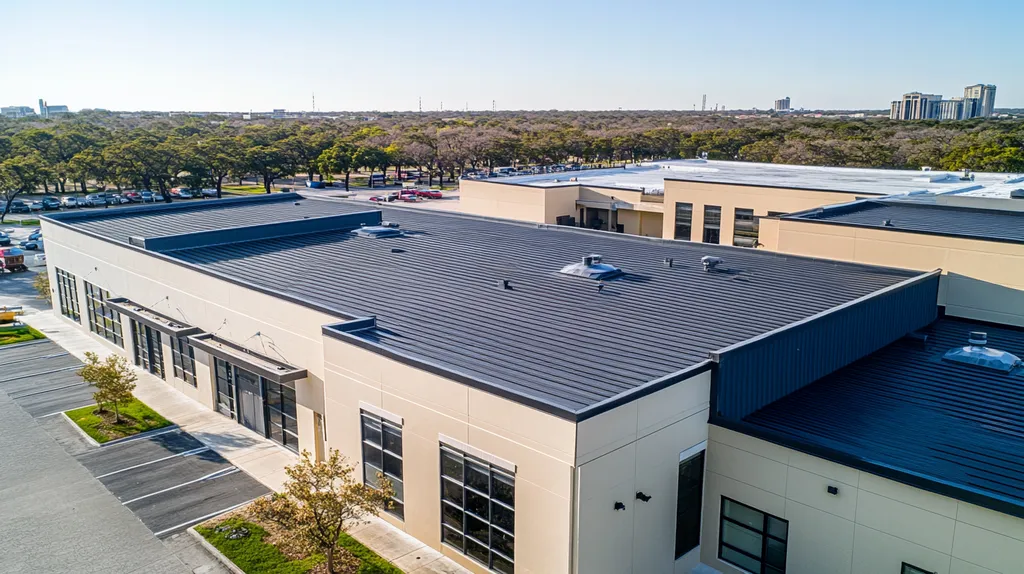
As industrial facilities grapple with rising energy costs and stricter environmental regulations, roof coatings have emerged as a critical battleground in the fight for sustainability. Studies show that inefficient roofing systems can increase cooling costs by up to 30% while contributing significantly to urban heat islands and carbon emissions.
The environmental impact of industrial roof coatings extends far beyond immediate energy savings, affecting everything from local air quality to watershed health. With new regulations targeting building emissions, facility managers must understand how their roofing choices influence their environmental footprint.
This comprehensive guide explores the full spectrum of environmental considerations in industrial roof coatings, from material selection through long-term maintenance, equipping property owners with the knowledge to make sustainable roofing decisions.
SECTION 1: FUNDAMENTAL CONCEPTS
As climate change accelerates, the choices made in industrial roofing become increasingly vital. Traditional roofing materials, such as asphalt and metal, often elevate energy demands and greenhouse gas emissions. Enter roof coatings—an innovative solution that can dramatically diminish these negative effects. Grasping the fundamentals of roof coatings equips property owners with the knowledge to make smarter, eco-conscious roofing decisions.
Definition of Roof Coatings
Roof coatings are liquid-applied materials designed to boost the performance and lifespan of roofing systems. Often made with polymers and substances that enhance reflectivity, these coatings can either restore or elevate the roof’s protective features. When property owners apply a roof coating, they can expand the roof’s life, cut down maintenance costs, and enhance energy efficiency.
These coatings don’t just serve one purpose; they also provide waterproofing, UV protection, and significant energy savings through their reflective capabilities. Such benefits not only maintain the integrity of the roofing material beneath but can help meet sustainability goals. Being informed about the varieties of coatings available and their unique advantages is crucial for making educated roofing choices.
Common types of roof coatings include acrylic, silicone, and polyurethane, each with its own set of performance strengths. Selecting the right coating involves considering factors like climate, the current condition of the roof, and intended performance objectives. Overall, coatings offer an effective way to enhance existing roofing infrastructure while making a positive contribution to the environment.
Environmental Impact of Traditional Roofing
Standard roofing systems like asphalt and metal can create notable environmental challenges. For instance, asphalt roofs are notorious for trapping heat, significantly contributing to the urban heat island effect. This raises local temperatures, pushing up energy demands for cooling systems, which in turn inflates utility costs and boosts greenhouse gas emissions.
Moreover, traditional roofing materials often lack recyclability and can generate substantial waste when they reach the end of their life cycle. Many of these conventional materials wind up in landfills, worsening the already pressing issues related to waste management. The sourcing of traditional materials can also be resource-intensive, adding to their carbon footprints.
Additionally, the toxic chemicals used in producing and maintaining traditional roofing systems can pose risks to human health and local ecosystems. Understanding these impacts highlights the urgent need to transition towards more sustainable roofing choices that minimize ecological harm while promoting durability.
Life Cycle Assessment (LCA) Basics
A Life Cycle Assessment (LCA) is a systematic way to evaluate the environmental impacts of a product from raw material extraction right through to disposal. In the context of roofing materials, LCA typically examines factors such as resource consumption, emissions, and waste generation. For property owners, grasping LCA principles is key to evaluating the sustainability of their roofing options.
LCA can spotlight more environmentally friendly roofing choices, revealing benefits that conventional evaluations might miss. For example, roof coatings can significantly decrease energy consumption and maintenance needs, resulting in a lower overall life cycle impact. This holistic perspective helps in effectively comparing various roofing systems.
Carrying out an LCA requires detailed attention to the inputs and outputs associated with each stage of the product’s life. Property owners are often best served by collaborating with experts who can conduct thorough assessments. Ultimately, focusing on LCA helps steer decisions that align financial considerations with environmental stewardship.
SECTION 2: SYSTEM COMPONENTS
The selection of roof coatings in industrial settings is more crucial than ever. With sustainability and environmental compliance now at the forefront of building management, property owners need to grasp the significance of their coating choices. Opting for the wrong type can lead to not only expensive repairs but also negative consequences for local ecosystems. This section explores the various types of roof coatings, their material compositions, and how well they work with existing roofing systems.
Types of Roof Coatings
Numerous types of roof coatings exist, each offering distinct benefits tailored to specific industrial needs. Liquid-applied coatings like acrylic, silicone, and polyurethane are popular choices. Acrylic coatings shine for their UV resistance and their ability to maintain a bright surface throughout the year.
Silicone coatings stand out due to their exceptional waterproofing properties and flexibility under harsh weather conditions. Meanwhile, polyurethane coatings bring remarkable durability and abrasion resistance to the table, doing well in high-traffic areas.
By understanding these types, property owners can select the most appropriate option based on climate, roof type, and sustainability objectives. Key considerations should include thermal performance and energy efficiency, as a well-informed choice can significantly impact the roofing system’s longevity.
In the end, the right roof coating choice elevates not just the overall performance of the building but also mitigates environmental impact. It’s essential to evaluate not just the short-term costs but also the long-term benefits of each coating type.
Materials and Formulations
The materials that comprise roof coatings are integral to their performance and environmental effects. Most coatings combine polymer resins, fillers, and additives, determining aspects such as elasticity, adhesion, and weather resistance.
In recent years, many manufacturers have begun prioritizing eco-friendly materials, particularly reducing volatile organic compounds (VOCs) in their products. This move enhances compliance with environmental regulations and improves indoor air quality. Coatings enriched with reflective materials are especially beneficial as they help lower roof temperatures, which can significantly cut down on energy use.
Different formulations can also address specific challenges, such as exposure to harsh chemicals or extreme temperatures. For example, some coatings are specifically engineered to resist corrosive substances, making them ideal for industrial setups.
Understanding the material makeup allows property owners to opt for coatings that extend the life of their roofs while reducing their environmental footprint. With ongoing innovations in materials, property owners have access to new solutions that align with their sustainability goals.
Compatibility with Roofing Systems
Ensuring compatibility between roof coatings and existing roofing systems is key for optimal performance. Choosing the wrong coating can lead to failures, leaks, and premature deterioration. It’s crucial to assess the current roofing material before applying a new coating.
For instance, certain coatings may struggle to adhere to modified bitumen or metal roofs. Thus, consulting roofing professionals is essential to guarantee proper adhesion and compatibility. Additionally, evaluating existing roof conditions for moisture or debris is vital for a successful coating application.
A strong bond with the substrate enhances the coating’s durability and prolongs the roofing system’s lifespan. Conducting a thorough assessment can avoid unnecessary costs related to maintenance and replacements.
Ultimately, understanding compatibility leads to better decision-making that maximizes resource use while reinforcing sustainability initiatives in the industry. The right combination ensures that both the roofing system and the coating work together in harmony.
SECTION 3: IMPLEMENTATION METHODS
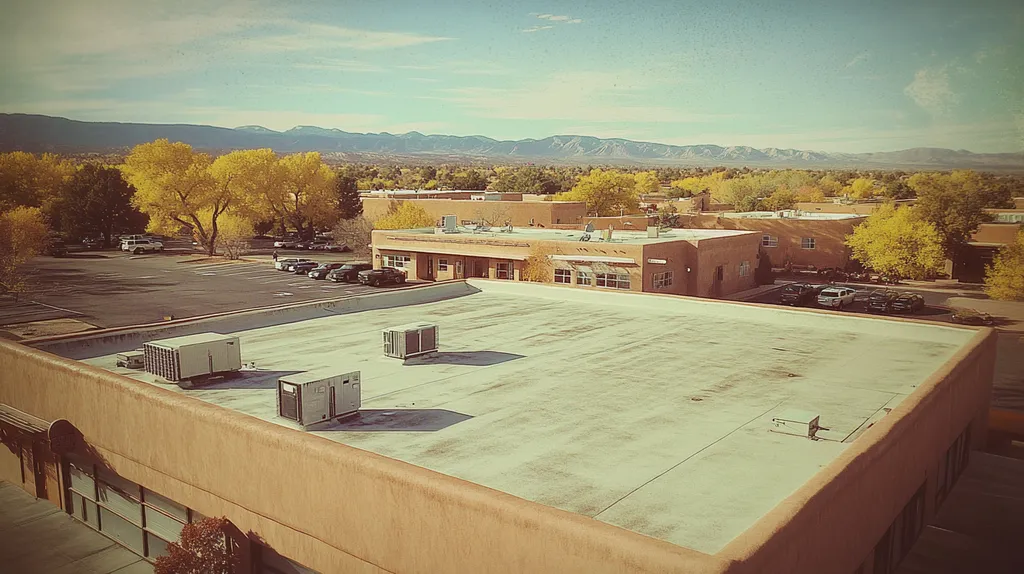
When it comes to applying industrial roof coatings, the stakes are high. Effective implementation can mean the difference between a long-lasting roof and costly repairs that disrupt business operations. Property owners must prioritize the right application techniques to ensure efficiency, prevent waste, and maximize environmental benefits. A well-executed coating process not only protects the roof but also minimizes its ecological footprint, making a strong case for careful planning and execution.
Application Techniques and Tools
Choosing the ideal application technique and tools is crucial for a successful roof coating endeavor. Spray application is often the go-to method because it delivers an efficient and even layer, ensuring optimal thickness across the surface. Rollers can also do the trick, especially for smaller patches or detailed areas.
For precise work around edges and seams, brushes are indispensable. Selecting the right tool not only guarantees a uniform finish but also reduces the chances of application errors that can jeopardize the roof’s integrity down the line.
Advanced equipment, like airless sprayers, can elevate coating performance by cutting down on overspray and improving material efficiency. Leveraging these modern tools can align the application method with the specific needs of the roofing product, contributing to better environmental outcomes and resource management.
Pre-Application Preparation
A well-planned pre-application process is vital for any successful roof coating project. It kicks off with a comprehensive inspection of the existing roof surface. Detecting issues like leaks, cracks, or mold beforehand allows for prompt repairs, setting the stage for effective adhesion once the coating is applied.
Cleaning the roof surface is equally crucial. Removing dirt, debris, and other loose materials is essential for ensuring the coating sticks properly, which ultimately extends its lifespan. By reducing the need for frequent reapplications, this step also supports sustainable practices.
Weather conditions should be reviewed before application as well. Coatings typically require specific temperature and humidity levels to cure properly. Application under inappropriate conditions can compromise adhesion and lead to potentially harmful runoff during rain events.
Taking the time to prepare the roof adequately sets up a smooth application process, which can lengthen the life of the coating and minimize waste, benefiting both the property and the environment.
Post-Application Inspection
A thorough post-application inspection is essential for assessing the quality of the roof coating job. This step ensures that the coating has been applied evenly and effectively. Inspectors should be on the lookout for signs of bubbling, peeling, or irregular textures—indications of underlying problems that could shorten the roof’s lifespan.
Evaluating the drainage systems after coating is equally important. Proper drainage prevents water pooling, which can damage both the coating and the structure below.
During this inspection, compliance with manufacturer specifications is vital. Monitoring for adherence to VOC limits and preventing harmful runoff ensures that environmental regulations are upheld, safeguarding both human health and local ecosystems.
Moreover, maintaining detailed records of inspections and repairs can streamline ongoing maintenance and inform future decisions. This proactive approach not only extends the life of the roof coating but also reinforces sustainability initiatives.
SECTION 4: MAINTENANCE REQUIREMENTS
Proper maintenance of industrial roof coatings is not just a good idea; it’s essential! Ignoring maintenance can lead to serious problems like water leaks and costly repairs. By adopting a proactive maintenance approach, property owners can extend the life of their roofing systems while also minimizing harmful environmental impacts. This section delves into the necessity of regular inspections, the timing for reapplications, and how to troubleshoot common issues effectively.
Regular Inspection and Repair
Routine inspections are the backbone of effective roof maintenance. Property owners should aim for at least two inspections a year—spring and fall are ideal. These inspections help catch early signs of damage, like cracks or blisters, that can lead to substantial water infiltration if not addressed promptly.
Timely repairs are equally crucial. Tackling minor issues early on can prevent them from escalating into bigger headaches, such as leaks that damage the underlying structure. For instance, sealing cracks with a high-quality elastomeric sealant not only repairs the damage but also maintains the roof’s protective features.
Documentation is key! Keeping detailed records of each inspection and any repairs made can be beneficial for warranty claims or insurance purposes. A well-maintained roof isn’t just good for the building’s health; it also reflects responsible property management and can lead to improved operational efficiency.
By incorporating regular inspections and repairs into a comprehensive maintenance strategy, property owners can protect their investment and significantly reduce the risk of costly future repairs.
Reapplication Schedules
To ensure lasting protection for underlying materials, roof coatings must be reapplied periodically. The timing can vary based on factors like the type of coating and local environmental conditions, but generally, expect to reapply every 5 to 10 years for optimal performance.
Selecting the right coating for reapplication is essential. Consider aspects like UV resistance and flexibility—these features can enhance energy efficiency by reducing cooling costs. Planning your reapplication around seasonal weather can ensure the application process goes smoothly and effectively.
Advance planning not only aligns with budget considerations but also minimizes disruption to business activities. Scheduling these projects during off-peak hours can keep operations running without a hitch. And don’t forget; proper surface prep before reapplication is vital for achieving excellent adhesion and longevity.
Sticking to a well-defined reapplication schedule not only enhances the lifespan of the roof coating but also contributes positively to sustainability efforts by reducing premature disposal and conserving valuable resources.
Troubleshooting Common Issues
Even with the best maintenance practices, issues may still crop up. Identifying and addressing these problems promptly can save significant time, money, and frustration. Common culprits include poor adhesion, discoloration, and water pooling, each requiring targeted corrective measures.
Poor adhesion often stems from inadequate surface preparation before application. Property managers should consult technical guidelines to ensure optimal surface conditions. If issues persist, it may be wise to seek a professional evaluation to determine whether a new application is necessary.
Discoloration might seem trivial, but it can signal UV degradation. Using a high-quality UV-resistant coating for reapplications can help mitigate this problem. Additionally, property owners should inspect drainage systems regularly to prevent water pooling, which can lead to more severe roofing issues over time.
Regular staff training on maintenance best practices empowers facility managers to tackle minor issues as they arise, fostering a proactive culture of roof care. By understanding common problems and their solutions, property owners can keep their roofing systems efficient, environmentally friendly, and economically viable.
SECTION 5: PERFORMANCE METRICS
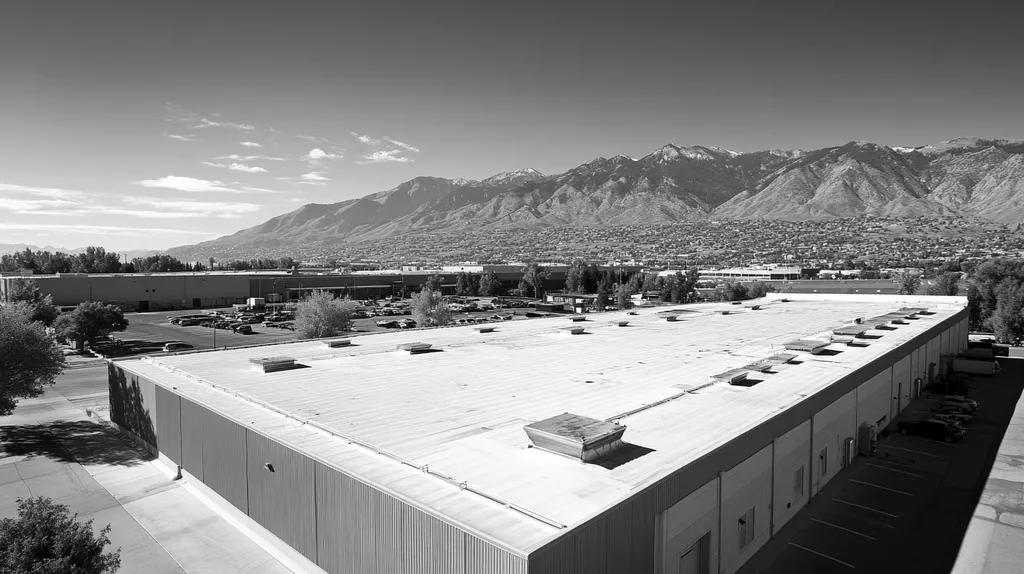
With the increasing push for sustainable construction, understanding the performance metrics of industrial roof coatings has never been more important. Coatings that enhance energy efficiency not only reduce operational costs but also support environmental goals. For example, studies show that reflective roof coatings can cut cooling costs by up to 30%. This section dives into the key performance metrics—energy efficiency, durability, and their impacts on air and water quality.
Energy Efficiency and Cooling Costs
Energy efficiency stands at the forefront of performance metrics for roof coatings, directly impacting cooling costs. Reflective coatings can significantly lower rooftop temperatures, reducing the energy needed for air conditioning. In large industrial facilities, this can translate to thousands of dollars saved each year.
Additionally, research by the Cool Roof Rating Council highlights that reflective surfaces help lessen urban heat island effects, benefiting city-wide cooling initiatives. Not only do these energy-efficient coatings enhance cooling, but they also improve insulation, helping maintain comfortable temperatures year-round.
Moreover, high-quality reflective coatings can lighten the load on HVAC systems, ultimately extending their lifespan. This reduction in workload not only minimizes maintenance costs but also decreases the frequency of premature replacements, which could otherwise contribute to landfill waste.
In summary, these energy-efficient solutions offer a dual advantage: they lower costs for facility managers while also reducing environmental impact—key aspects of any corporate sustainability strategy.
Durability and Lifespan Extension
Durability is another essential performance metric that directly affects both the longevity of roofing systems and overall lifecycle costs. High-quality industrial roof coatings are designed to withstand harsh weather conditions, such as intense UV rays and heavy rainfall, ensuring that roofs remain functional for longer.
For instance, elastomeric coatings are specifically engineered to expand and contract without cracking in response to temperature changes. This crucial flexibility substantially lessens maintenance needs and the likelihood of costly repairs that might disrupt business operations.
Coatings that resist mold, mildew, and corrosion significantly boost durability, which is particularly important in industrial environments where exposure to harsh conditions is common. A longer-lasting coating reduces the frequency of costly replacements, benefiting both budgets and the planet.
Additionally, by prolonging a roof’s lifespan, the overall environmental footprint shrinks as less waste is generated and fewer manufacturing processes are involved in replacing roofing materials. Durability, therefore, is a win for both the economy and the environment.
Air and Water Quality Impact
The effects of roof coatings on air and water quality are critical for today’s industrial operations. Coatings with low or no volatile organic compounds (VOCs) can significantly enhance indoor air quality, creating healthier work environments for employees.
Moreover, reflective coatings actively reduce pollutant emissions. By cooling rooftop temperatures, they help minimize smog formation in urban areas, unlike traditional dark roofing materials that exacerbate heat buildup and pollution.
In terms of water quality, some innovative coatings are designed to repel water, preventing moisture accumulation that could harm roofing materials. This protective feature not only safeguards the roof itself but also reduces runoff that may carry pollutants into local drainage systems.
By selecting coatings that improve air and water quality, facility managers contribute to their environmental stewardship goals while ensuring compliance with local regulations. It’s a proactive step towards a healthier environment for everyone.
SECTION 5: PERFORMANCE METRICS
In today’s world, where sustainability is more than just a buzzword, understanding the performance metrics of industrial roof coatings is imperative. The right coatings can significantly reduce both operational costs and environmental impact. For example, reflective roof coatings have been shown to cut cooling expenses by as much as 30%. This section dives into three critical performance metrics: energy efficiency, durability, and their implications for air and water quality.
Energy Efficiency and Cooling Costs
Energy efficiency serves as a pivotal metric for assessing roof coatings, with a direct influence on cooling expenses. Reflective coatings can drastically lower rooftop temperatures, subsequently reducing the energy required for air conditioning systems. For large industrial operations, these savings can total thousands of dollars each year.
Moreover, a study by the Cool Roof Rating Council shows that reflective surfaces play a significant role in minimizing the urban heat island effect, contributing to broader city cooling initiatives. Energy-efficient coatings not only cool roofs but also enhance overall insulation, helping maintain a comfortable temperature throughout the year.
Using high-quality reflective coatings can also lighten the load on HVAC systems. This reduction in workload not only extends the life of the equipment but can also lower maintenance costs and reduce the frequency of premature replacements, which are otherwise headed for landfills.
Ultimately, these energy-efficient options provide a win-win scenario: facility managers save on costs while simultaneously minimizing their environmental footprint—a crucial aspect of any forward-thinking sustainability strategy.
Durability and Lifespan Extension
The durability of roofing coatings is a vital performance metric that affects both the lifespan of the system and lifecycle costs. Top-tier industrial roof coatings are engineered to endure extreme weather elements, including harsh UV exposure and heavy rain. This resilience ensures roofs remain functional for extended periods.
Take elastomeric coatings, for example; they are designed to expand and contract without cracking, responding well to temperature fluctuations. This adaptability significantly diminishes the need for maintenance and costly repairs, interrupting business operations much less frequently.
Coatings that resist mold, mildew, and corrosion are particularly beneficial in industrial settings, where exposure to harsh conditions is common. The longer a roof remains functional, the less frequently replacements will be needed, which is not just economical—it’s also better for the planet.
By extending the lifespan of roofing systems, the overall environmental impact is reduced through decreased waste and fewer manufacturing processes required to replace worn-out materials. Therefore, durability is not just an economic concern; it’s an ecological one as well.
Air and Water Quality Impact
The effects of roof coatings on air and water quality are crucial considerations for modern industrial operations. Utilizing coatings with low or no volatile organic compounds (VOCs) can significantly enhance indoor air quality, fostering healthier work environments for employees.
In addition to improving air quality, reflective coatings actively reduce pollutant emissions. By cooling rooftop surfaces, they help mitigate smog formation in urban areas, contrasting sharply with traditional dark roofing materials that contribute to heat retention and pollution.
On the water quality front, certain innovative coatings are designed to repel water, preventing moisture buildup that can damage roofing materials. This protective feature not only ensures the longevity of the roof but also curtails runoff that may carry harmful pollutants into drainage systems.
By prioritizing coatings that bolster air and water quality, facility managers can make strides toward achieving their environmental stewardship goals while ensuring compliance with local regulations. This proactive approach supports a healthier environment for all.
Looking Ahead
With global temperatures rising and energy costs surging 12% annually, industrial roof coatings have emerged as a critical sustainability solution that can no longer be ignored.
Studies show that proper coating selection and implementation can slash cooling costs by up to 30% while extending roof life by 10-15 years, dramatically reducing landfill waste and carbon emissions.
The environmental stakes have never been higher, as inefficient industrial roofing contributes significantly to urban heat islands and watershed pollution.
By adopting modern coating technologies and maintenance practices, facility managers can transform their roofs from environmental liabilities into powerful assets for sustainability.
The future of industrial roofing lies in these innovative coating solutions that protect both bottom lines and ecosystems for generations to come.
FREQUENTLY ASKED QUESTIONS
Q. What are the benefits of using a commercial roof coating?
A. Roof coatings enhance energy efficiency by improving insulation and reducing heat absorption. They also extend the roof’s lifespan, decrease maintenance costs, and contribute to environmental sustainability by minimizing waste and emissions.
Q. How do industrial roof coatings help the environment?
A. Industrial roof coatings reduce energy consumption by reflecting solar heat, lowering cooling costs. They help combat the urban heat island effect and reduce greenhouse gas emissions, promoting healthier local ecosystems and improving air quality.
Q. What types of coatings are suitable for a commercial roof?
A. Common choices for commercial roofs include acrylic, silicone, and polyurethane coatings. Each offers unique benefits such as UV resistance, flexibility, and durability, allowing property owners to select based on specific needs and environmental conditions.
Q. How often should I inspect my industrial roof?
A. It’s recommended to inspect your industrial roof at least twice a year, ideally in spring and fall. Regular inspections allow for early detection of damage and proper maintenance, preventing costly repairs and ensuring longevity.
Q. What factors affect the lifespan of a roof coating?
A. Factors that influence the lifespan of roof coatings include the type of material, environmental conditions, and the quality of application. Proper maintenance, inspections, and timely reapplications can significantly extend their durability and performance.
Q. How do I prepare my roof for coating application?
A. Preparing your roof involves cleaning the surface to remove debris, checking for damage, and repairing any leaks or cracks. Proper surface preparation is crucial to ensure adhesion and maximize the effectiveness of the coating.
Q. What should I look for in a roof coating’s performance metrics?
A. Key performance metrics to consider include energy efficiency, durability in varying weather conditions, and their impact on indoor air and water quality. These factors directly influence cost savings and sustainability outcomes.






