

Commercial roofing issues cost property owners over $2.5 billion annually in repairs and energy losses, with preventable maintenance oversights accounting for 70% of these expenses.
From membrane deterioration to drainage failures, understanding common roofing problems is crucial for protecting valuable commercial investments and avoiding catastrophic damage.
This comprehensive guide examines the fundamental concepts, system components, and maintenance requirements that every property owner and facility manager must know to effectively manage commercial roofing assets.
SECTION 1: FUNDAMENTAL CONCEPTS
Understanding the intricacies of commercial roofing is vital for property owners and facility managers who want to safeguard their investments. Issues like leaks, wear and tear on materials, and the financial impacts of neglect can lead to significant losses. Research indicates that without prompt intervention for roofing problems, repair costs can spike by over 40%. This section will clarify different roofing materials, the key components of roofing systems, and the environmental factors that can influence roof lifespan and effectiveness. Mastering these fundamentals will empower property managers to recognize and tackle common roofing issues head-on.
Understanding Roofing Materials and Types
Knowledge about roofing materials is crucial for making informed maintenance and selection decisions. Common options include TPO, PVC, EPDM, and modified bitumen, each offering unique benefits and drawbacks. These materials vary in strength, durability, and average lifespan, influencing their overall performance.
For example, TPO is often selected for its energy-saving properties, yet it may be susceptible to punctures if not installed correctly. On the other hand, PVC is highly resistant to chemical damage but comes with a higher initial cost. Choosing the right material tailored to specific building needs can significantly decrease future issues.
The selected roofing material also dictates the level of maintenance required. While some materials may need more frequent inspections and repairs, others boast greater durability, leading to long-term savings. A well-installed roof, paired with suitable materials, not only enhances the roof’s lifespan but also boosts the building’s energy efficiency.
Decision-making regarding roofing materials should consider factors such as climate, architectural design, and budget limitations, allowing for customized solutions that effectively address both immediate and long-term roofing challenges.
Roofing System Anatomy and Function
Comprehending the anatomy of a roofing system is key to spotting potential problems before they escalate. A commercial roof typically includes multiple layers, such as insulation, vapor barriers, and waterproofing membranes. Each layer plays an essential role in the roof’s overall function and integrity.
The insulation layer enhances energy efficiency by regulating temperature within the building. Meanwhile, the vapor barrier helps to prevent moisture accumulation, which can lead to structural damage. Lastly, the waterproofing membrane acts as the primary defense against leaks, underscoring the importance of intact components.
The effectiveness of any single layer affects the performance of the entire system. For example, damp insulation reduces its thermal efficiency, resulting in higher energy costs. Similarly, if the waterproofing layer fails, it can cause severe water damage. Recognizing these connections is crucial for timely repairs.
Conducting regular inspections of the roofing system components enables property owners to make informed decisions regarding repairs and replacements, ultimately extending the roof’s lifespan.
Environmental Factors Affecting Roofs
Commercial roofs are subject to a variety of environmental stressors that can adversely impact their durability and effectiveness. Elements like extreme weather, ultraviolet radiation, and pollution are significant contributors to roof deterioration. Understanding these stressors is essential for effective maintenance planning.
Temperature swings can cause roofing materials to expand and contract, leading to cracking or loose seams. Additionally, prolonged exposure to UV rays can degrade roofing materials, making it imperative to conduct regular inspections.
In urban environments, heightened pollution levels can accelerate material breakdown compared to rural areas. Rainfall, too, poses risks—if drainage systems aren’t adequately maintained, it can lead to standing water and leaks.
Recognizing the environmental challenges unique to a roof’s location enables the implementation of proactive maintenance strategies. By selecting appropriate materials and design features, a roof’s resilience against environmental pressures can be significantly improved.
SECTION 2: SYSTEM COMPONENTS
Understanding the components of a commercial roofing system is vital for maximizing its longevity and performance. Ignoring issues in crucial elements like roofing membranes, flashing, and drainage systems can lead to extensive water damage and surging maintenance costs. In fact, nearly 50% of commercial roof failures stem from improper drainage. This section will delve into the essential components of roofing systems and the prevalent issues they face.
Roofing Membranes and Coatings
Roofing membranes form the first line of defense against harsh weather conditions. Common options such as TPO, PVC, and EPDM each bring unique advantages to the table. However, these membranes can experience wear and tear due to factors like UV exposure, temperature changes, and physical damage.
Issues like punctures or tears can create openings for water infiltration. Property owners should be vigilant about signs of degradation, such as blistering or bubbling, as these conditions require immediate attention to preserve waterproof performance.
Moreover, applying protective coatings can enhance the lifespan of a membrane, providing an extra barrier against environmental challenges. That said, poor application or age can diminish their effectiveness. Conducting regular inspections of both membranes and coatings is essential for early problem detection.
Ultimately, proactive maintenance can prevent costly repairs and prolong the roof’s life. Property owners should consider investing in professional evaluations to clearly understand the condition of their roofing membranes.
Flashing and Seam Integrity
Flashing is critical for guiding water away from vulnerable areas such as roof penetrations and seams. Any failure in flashing can result in water pooling and subsequent leaks, making it essential for property owners to understand the risks of poor installation and deterioration.
Seam integrity is equally crucial, as many roofs depend on welded or glued seams to maintain waterproof barriers. Over time, these seams can weaken from thermal cycling or incorrect installation practices. Routine checks of seam conditions are vital aspects of a comprehensive roof maintenance plan.
Visual inspections can assist in spotting separation at seams or compromised flashing. Timely maintenance and repairs not only prevent leaks but can also avert significant structural issues down the line.
In summary, ensuring flashing and seam integrity is necessary for optimal roof performance. Property owners must prioritize regular checks and repairs to maintain a strong defense against moisture intrusion.
Gutters and Drainage Systems
An efficiently functioning drainage system is essential for directing water away from the roof. Clogged gutters and downspouts can lead to dangerous water pooling, significantly increasing the risk of damage to the roofing structure. The likelihood of a roof failure skyrockets when drainage systems are inadequate.
Debris accumulation is a frequent issue affecting drainage systems. Regular cleaning and inspections can help mitigate these risks. Property owners should ensure their gutters are clear of leaves, dirt, and any other blockages to facilitate proper water flow.
Poorly designed drainage systems can also result in overflow problems, endangering both the roof and the building’s foundation. Upgrading to modern, efficient systems may be necessary for older buildings.
In conclusion, maintaining effective gutters and drainage systems should be a top priority. Routine checks and proactive maintenance are vital to preventing water-related damages and enhancing the roof’s overall integrity.
SECTION 3: IMPLEMENTATION METHODS
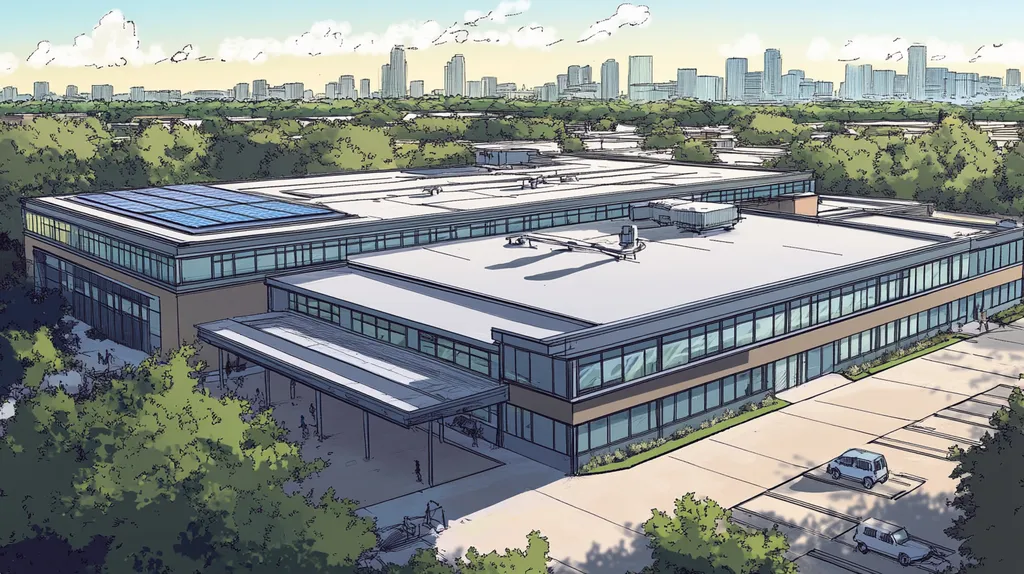
When it comes to commercial roofs, neglect can lead to serious consequences like costly repairs, business interruptions, and safety risks. Studies reveal that a staggering 30% of roof failures stem from inadequate maintenance. Implementing effective inspection and repair strategies is essential for saving property owners substantial costs and protecting their investments. This section highlights the importance of professional roof inspection procedures, prioritizing urgent repairs, and selecting the right roofing contractor.
Professional Roof Inspection Procedures
Regular inspections are the cornerstone of maintaining a commercial roof’s integrity. A thorough roof inspection involves checking for cracks, leaks, and the overall condition of the membrane. It is advisable to conduct these inspections at least twice a year and immediately following severe weather events.
Engaging certified roofing professionals ensures that potential issues are identified early and accurately. These experts utilize advanced tools such as drones, which can reveal hard-to-access problem areas and provide a comprehensive view of the roof’s condition.
Documentation from these inspections is crucial. Property owners should receive detailed reports that highlight the current state of the roof, augmented with photographs and recommendations for necessary repairs. This information is invaluable for informed decision-making regarding budgeting and future maintenance.
By integrating a proactive inspection schedule, property owners can dramatically extend their roof’s lifespan, ensuring minor issues do not escalate into major expenses.
Prioritizing and Addressing Urgent Repairs
Swift identification and resolution of urgent repairs can prevent catastrophic damage to commercial roofs. Not all roofing issues are equally urgent, so effective prioritization is essential. For example, roof leaks can result in immediate interior damage and promote mold growth, requiring prompt attention.
Once an issue is identified, property owners must take decisive action to evaluate and address it. Delays can lead to escalating repair costs and potential safety hazards for building occupants. Clear communication with contractors about the urgency of repairs is crucial during this process.
Establishing a tiered response plan can prove beneficial. By categorizing repairs based on their urgency, property owners ensure that resources are allocated effectively. This strategy guarantees that the most critical repairs are addressed first, ultimately safeguarding the roof’s overall integrity.
Addressing urgent repairs effectively not only enhances the longevity of the roof but also supports overall safety and functionality within the building.
Choosing the Right Roofing Contractor
Selecting a competent roofing contractor is paramount for successful roof management in commercial properties. The ideal contractor brings expertise, reliability, and a solid reputation to the table. Property owners should prioritize professionals with appropriate certifications and a proven record in commercial roofing solutions.
Obtaining multiple estimates is also essential. This practice gives property owners insights into market rates and helps them identify any unusual pricing discrepancies. Checking references and customer reviews is another critical step to evaluate a contractor’s reliability and workmanship quality.
Inquiring about a potential contractor’s safety practices and warranty options should not be overlooked. Such factors significantly influence the quality of repairs and the long-term protection of the roof investment.
Ultimately, a trusted contractor acts as a valuable partner, ensuring proper maintenance and prompt resolution of issues before they escalate into larger challenges.
SECTION 4: MAINTENANCE REQUIREMENTS
Maintaining commercial roofs is not just a good idea; it is essential for preventing costly repairs and ensuring the longevity of roofing systems. Research shows that neglected roofs can lead to leaks, structural damage, and decreased energy efficiency, translating into unexpected financial strains for property owners. By emphasizing regular maintenance, facility managers can protect their investments and avoid escalating repair costs. This section will explore the significance of routine inspections, prompt leak repairs, and effective strategies to prevent water-related issues.
Regular Inspection and Monitoring
Regular inspections are crucial for identifying potential problems before they become major headaches. Taking a proactive stance enables property owners to discover early signs of wear and tear, such as loose flashings or cracked seams. Ideally, inspections should be performed seasonally and after severe weather events to maintain the roof’s optimal condition.
During these inspections, special attention should be paid to high-risk areas like roof edges, penetrations, and drainage systems. Catching minor issues early can lead to straightforward repairs, saving time and resources over time. Additionally, consistent monitoring contributes to better energy efficiency by ensuring that thermal insulation functions effectively.
Employing technology, such as drones or thermal imaging, can significantly enhance inspection efforts. These tools facilitate comprehensive examinations of hard-to-reach areas, allowing for more accurate assessments. Regular monitoring is thus a key aspect of a sustainable roofing strategy.
Establishing a scheduled maintenance plan helps ensure that inspections are not overlooked. Property owners should keep detailed records of findings and promptly address any necessary repairs. This diligence lays a strong foundation for the long-term health of the roofing system.
Addressing Leaks and Water Damage
Leaks pose one of the most severe threats to commercial roofs, with the potential to cause extensive damage if not swiftly addressed. Water intrusion can undermine insulation, damage interior spaces, and promote mold growth, posing health risks to occupants. Therefore, acting quickly upon identifying any signs of leakage is essential.
Localized repairs are typically necessary in the event of a leak. Fixing damaged seams, replacing worn flashing, or applying sealants are effective strategies for targeting the source of the problem. Conducting moisture assessments can also help evaluate the extent of any hidden damage.
Investing in roof coatings or membranes designed specifically for waterproofing can enhance protection and prevent future leaks. These solutions add an extra layer of security, extending the roof’s lifespan and improving overall system performance.
Maintaining thorough documentation of all leak-related repairs and maintenance activities is critical. This record-keeping not only allows a clearer understanding of the roof’s condition over time but also supports compliance and insurance requirements.
Preventing Ponding Water and Blistering
Ponding water and blistering are prevalent issues that can significantly impact commercial roofing systems. Ponding occurs when water collects in low-lying areas of the roof, adding excessive weight and creating structural concerns. Blistering results from moisture trapped within roofing layers, compromising material integrity.
To mitigate these issues, effective drainage must be incorporated into the roof design. Regular maintenance of gutters and downspouts is essential to ensure efficient water runoff. Inadequate drainage not only leads to ponding but can drastically shorten the roof’s lifespan.
Frequent monitoring of rooftop conditions is vital for minimizing the risk of ponding water. Property owners should inspect the roof for sagging areas or debris that may impede drainage. Taking prompt action to clear blockages is crucial.
Moreover, maintaining proper roof slopes can facilitate water movement away from low points. Enlisting the help of professional roofers during installation or repairs can ensure that the roof’s design meets these drainage needs, reducing the likelihood of future complications.
SECTION 5: PERFORMANCE METRICS
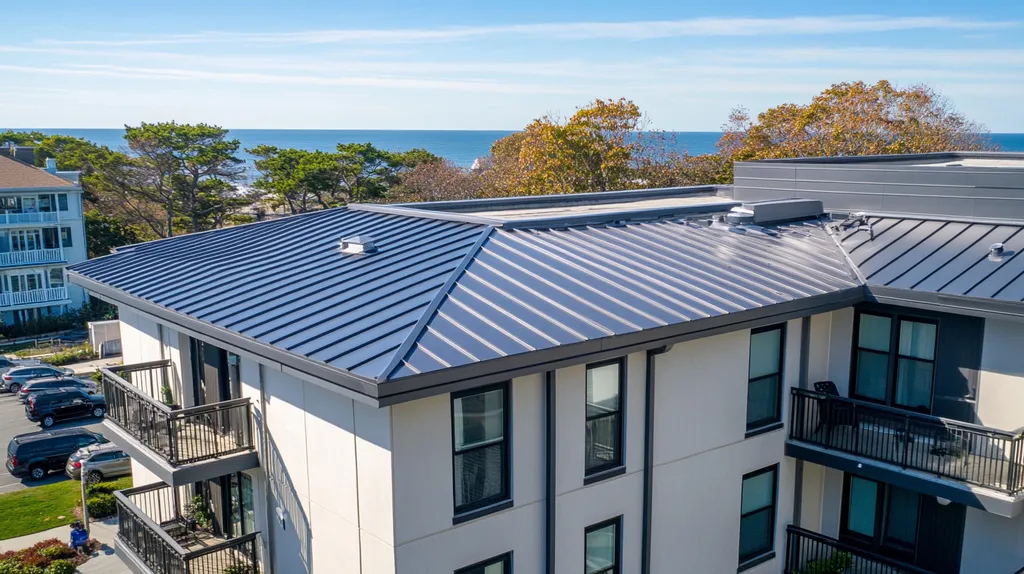
For commercial property owners, assessing roof performance isn’t merely an aesthetic choice; it affects financial performance directly. Industry studies reveal that roofs account for nearly 20% of a building’s energy consumption. By grasping essential performance metrics, property managers can evaluate roof condition, energy efficiency, and maintenance success. This understanding leads to actionable strategies to protect investments and promote sustainability.
Evaluating Roof Condition and Integrity
Regular evaluations of a commercial roof’s condition and integrity are crucial for ensuring its longevity. Inspections must focus on key components, including membrane wear, seam strength, and the functionality of flashing. A small tear in the membrane, for example, has the potential to escalate into a significant leak if not addressed promptly.
Utilizing technologies such as thermal imaging can aid in discovering hidden issues not visible to the naked eye. This proactive approach enables the identification of potential problems before they progress into costly repairs. By leveraging performance metrics, facilities can also compare the condition of their roofs against industry benchmarks.
Documenting inspection results over time establishes a performance history, aiding in the prediction of future maintenance needs. Property managers who actively track these metrics can make informed decisions about repairs or replacements.
Ultimately, a consistent evaluation process fosters confidence in the roof’s integrity and extends its lifespan, benefiting both financial health and operational efficiency.
Assessing Energy Efficiency and Costs
Energy efficiency plays a vital role in assessing commercial roofing performance metrics. Roofs that reflect sunlight can dramatically reduce cooling costs, especially in warmer climates. Studies show that reflective roofing materials can cut energy bills by up to 30% during peak summer months.
Conducting regular energy audits is essential for evaluating a roof’s efficiency. These audits measure thermal performance and air leakage, which directly influence the effectiveness of HVAC systems. Facilities that embrace energy audits often reap significant cost savings over time.
Moreover, energy-efficient roofs support sustainable building practices. Compliance with local and national energy codes not only curtails operational costs but may also lead to eligibility for tax incentives. A strategic focus on energy metrics raises a property’s value while promoting environmental responsibility.
With increased energy awareness, property owners can make informed decisions when selecting roofing materials and systems. By prioritizing energy assessments, they position themselves to make smarter, cost-effective roofing choices.
Measuring Maintenance and Repair Effectiveness
Evaluating the effectiveness of maintenance and repair activities is critical for any commercial roofing system. Maintaining a detailed log of all maintenance actions enables facility managers to determine which strategies yield the best results. For example, consistently addressing minor leaks can prevent extensive damage and associated costs.
Establishing key performance indicators (KPIs) is essential for assessing these efforts. Metrics such as response time to maintenance requests and repair frequency provide insights into overall performance. Analyzing these KPIs allows teams to pinpoint areas needing improvement and allocate resources more effectively.
In addition, instituting a routine maintenance schedule can significantly prolong a roof’s lifespan. This anticipatory approach minimizes the likelihood of emergency repairs, which tend to cost more. By continuously measuring performance and making necessary adjustments, property managers can keep roofs in excellent condition.
In summary, a relentless focus on maintenance and repair metrics ensures roofs remain functional and resilient, ultimately protecting valuable investments.
SECTION 5: PERFORMANCE METRICS
Evaluating roof performance is crucial for commercial property owners; it goes beyond looks and significantly affects financial outcomes. With research indicating that roofs account for nearly 20% of a building’s energy consumption, it’s vital to grasp essential performance metrics. This understanding equips property managers to evaluate roof condition, energy efficiency, and the success of maintenance efforts. By leveraging this knowledge, owners can formulate actionable strategies that not only safeguard their investments but also promote sustainability.
Evaluating Roof Condition and Integrity
Regular assessments of a commercial roof’s condition and integrity are essential for ensuring longevity. Property managers should focus on key aspects, including membrane wear, seam strength, and flashing conditions. Prompt attention to small tears in the membrane can prevent major leaks and costly water damage.
Employing heat detection technologies like thermal imaging can reveal hidden problems that might escape notice during a standard inspection. This proactive method allows for early problem identification, helping avert expensive repairs. Utilizing performance metrics also enables facilities to compare their roof condition against industry benchmarks, enhancing their understanding of their roof’s health.
Keeping meticulous records of inspection results creates a performance history that helps anticipate future maintenance needs. This documentation equips property managers to make informed decisions on necessary repairs and replacements.
A regular evaluation process builds confidence in the roof’s integrity, extending its lifespan and benefiting both financial and operational aspects of property management.
Assessing Energy Efficiency and Costs
Energy efficiency is a major factor in evaluating commercial roofing performance. Effective roofs that reflect sunlight can lead to marked reductions in cooling costs, especially in warmer climates. Reports indicate that using reflective roofing materials can decrease energy bills by up to 30% during peak summer months.
Conducting routine energy audits is vital for appraising a roof’s efficiency. These audits assess thermal performance and air leakage, which significantly impact HVAC operations. Properties that regularly embrace these evaluations typically enjoy significant cost savings over time.
Moreover, energy-efficient roofs support sustainable practices. Meeting local and national energy codes not only lowers operating costs but may also allow eligibility for tax incentives. A strong focus on energy metrics can enhance a property’s overall value while promoting environmentally responsible practices.
Increased energy awareness enables property managers to make better choices when selecting roofing materials and systems. By prioritizing energy assessments, they can ensure their roofing decisions are both strategic and cost-effective.
Measuring Maintenance and Repair Effectiveness
Evaluating maintenance and repair activities is critical for any commercial roofing system. Maintaining detailed logs of all performed maintenance enables facility managers to discern which strategies yield the best results. For instance, regularly addressing minor leaks can prevent them from escalating into extensive damage and higher costs.
Establishing key performance indicators, or KPIs, is essential for these evaluations. Metrics such as the response time to maintenance requests and the frequency of repairs yield valuable insights into overall performance. By analyzing these KPIs, teams can identify areas requiring improvement and allocate resources more effectively.
Additionally, implementing a routine maintenance schedule can significantly extend a roof’s lifespan. This anticipatory approach diminishes the likelihood of emergency repairs, which are typically more costly. By continuously measuring performance and making necessary adjustments, property managers can keep roofs in excellent condition.
In summary, prioritizing maintenance and repair metrics ensures that roofs remain functional and resilient, ultimately safeguarding valuable investments.
The Bottom Line
With commercial roofing failures costing businesses billions annually in repairs and lost revenue, understanding and addressing common roofing issues has never been more critical.
The data is clear: 70% of roof failures stem from preventable maintenance oversights, while proper inspections and timely repairs can extend a roof’s lifespan by up to 50%.
From membrane deterioration to drainage system failures, these issues demand proactive attention through regular professional inspections, strategic maintenance planning, and performance monitoring.
By implementing comprehensive maintenance programs and leveraging advanced diagnostic technologies, property owners can significantly reduce repair costs while maximizing their roofing investment’s longevity and performance.
The future of commercial roofing lies in preventive strategies, innovative materials, and data-driven maintenance approaches that protect these vital assets.
FREQUENTLY ASKED QUESTIONS
Q. What are the main issues with a commercial roof?
A. Commercial roofs often face issues such as leaks, deterioration of materials, and poor drainage. These problems can escalate quickly if not addressed, leading to costly repairs. Understanding these common issues aids property owners in taking proactive maintenance steps.
Q. How does flashing affect my industrial roof?
A. Flashing is crucial for directing water away from seams and penetrations. If it’s compromised, leaks can occur, resulting in damage to both the roof and interior spaces. Regular checks on its condition help prevent significant moisture problems.
Q. What role do regular inspections play for commercial roofs?
A. Regular inspections are essential for identifying early signs of damage, such as cracks or leaks. By conducting these assessments, property owners can tackle small issues before they escalate into costly repairs, ensuring the roof remains functional and reliable.
Q. How can I address leaks on a commercial roof?
A. Addressing leaks involves identifying the source and performing localized repairs, such as sealing seams or replacing flashing. Quick action is crucial to prevent further damage and protect the building’s interior from moisture-related issues.
Q. What are key performance metrics for commercial roofs?
A. Key performance metrics include roof condition, energy efficiency, and maintenance effectiveness. Monitoring these metrics helps property managers assess the roof’s longevity and financial impacts, allowing for informed budgeting and maintenance decisions.
Q. Why is drainage important for an industrial roof?
A. Efficient drainage prevents water accumulation, which could lead to structural damage due to excess weight or leaks. Maintaining clean gutters and spouts ensures proper water flow, reducing the risk of complications and prolonging the roof’s life.
Q. How does temperature affect my commercial roof?
A. Temperature fluctuations can cause roofing materials to expand and contract, leading to cracks or loose seams. Being aware of these effects helps property owners implement strategies to stabilize roof conditions and enhance durability against thermal stress.






