

Commercial roof insulation practices are failing to deliver optimal energy efficiency, resulting in an estimated $30 billion in wasted energy costs annually across U.S. businesses. Despite technological advances, many buildings continue to rely on outdated insulation methods that compromise performance.
From inadequate thermal resistance to missed opportunities in green technology integration, the commercial roofing sector faces critical challenges that demand immediate attention.
This analysis examines current practices, systemic issues, and data-driven solutions that can revolutionize commercial roof insulation efficiency while delivering substantial cost savings to property owners.
SECTION 1: CURRENT PRACTICES
The insulation of a commercial roof plays a critical role in determining a building’s overall energy usage. In fact, the U.S. Department of Energy reports that up to 30% of a building’s energy can escape through the roof. This stark reality underscores the need for improved insulation techniques. Unfortunately, many existing practices continue to rely on conventional materials and methods that do not fully leverage energy efficiency. This section will delve into the common insulation materials currently used, standard installation techniques followed, and maintenance protocols that are in place.
Common Insulation Materials Used
Several materials dominate the landscape of commercial roof insulation, including fiberglass, foam board, and spray polyurethane foam. Each material comes with its unique advantages and disadvantages. For example, fiberglass is known for its thermally efficient properties but can be prone to moisture absorption if not installed correctly. On the other hand, foam board offers excellent insulation values but may become less effective over time if damaged.
Another common choice is rock wool, celebrated for its fire-resistant capabilities. However, meticulous installation is critical to avoid gaps that can hinder insulation effectiveness. The chosen material greatly impacts both the roof’s performance and the energy costs incurred by property owners.
Despite technological advancements in insulation options, many building owners opt for familiar, traditional materials. This reluctance can limit the adoption of more efficient solutions that promise better performance. Furthermore, industry standards often maintain a status quo, preventing innovative materials from gaining traction, which could lead to increased energy expenses.
Standard Installation Techniques
The installation of commercial roof insulation typically adheres to established protocols aimed at efficiency and cost considerations. Generally, insulation is layered beneath the roofing membrane to form a thermal barrier. However, these standard practices frequently overlook critical aspects such as air sealing and moisture control, which, if neglected, can result in substantial energy losses.
Many installers do not employ advanced air sealing strategies, allowing air to flow freely through tiny gaps. This phenomenon can create thermal bridging, diminishing the insulation’s effectiveness and subsequently raising energy costs. Focusing on air sealing methods can significantly enhance insulation performance.
Additionally, training programs for installation often prioritize speed and cost savings rather than maximizing thermal efficiency. Consequently, many installations fail to meet the energy performance requirements of contemporary buildings, signaling a need to reassess training methodologies to ensure energy efficiency becomes a key focus.
The failure to implement modern installation techniques can lead to escalating utility bills and discomfort for occupants. With energy costs on the rise, relying on outdated methods may turn out to be a costly mistake.
Maintenance Protocols in Place
Current maintenance procedures for commercial roof insulation mainly consist of routine inspections focused on identifying visible wear and tear. However, these inspections frequently lack sufficient emphasis on insulation integrity, a critical component impacting energy performance. For example, moisture damage is often overlooked, causing a decline in insulation’s effectiveness over time.
While regular maintenance should encompass assessments of insulation quality, many property owners tend to concentrate solely on external elements of the roofing system. This limited focus risks masking underlying issues that could deteriorate insulation performance without detection.
It’s a common misconception that once insulation is installed, it requires little to no further attention. This perspective can lead to significant pitfalls, as building materials inevitably degrade. Regular evaluations are essential for maintaining optimal energy efficiency.
To optimize energy efficiency, establishing a proactive maintenance strategy that includes insulation assessments is vital. Failing to pay attention to this aspect can significantly detract from overall building performance and increase operating costs.
SECTION 2: SYSTEMIC ISSUES
With energy costs on an upward trend, ineffective roofing practices can drastically undermine a building’s efficiency. As uninsulated or poorly insulated roofs can account for energy losses of up to 30%, it’s critical for property owners and facility managers to confront systemic issues like inadequate thermal resistance, insufficient inspection routines, and neglected repairs. Each of these areas contributes not only to rising expenses but also hinders overall energy performance.
Inadequate Thermal Resistance
Many commercial roofs fall short of current insulation standards, resulting in inadequate thermal resistance. This shortfall allows heat to escape in winter and enter in summer, increasing strain on heating and cooling systems. Studies indicate that buildings with poor insulation waste substantial energy, adversely affecting both environmental sustainability and operating costs.
The Building Owners and Managers Association (BOMA) sets minimum R-value recommendations for roof insulation aimed at enhancing energy efficiency. However, many properties either fail to meet these standards during initial installation or retrofitting, leading to suboptimal performance and inflated energy bills.
Additionally, some roofing professionals may not grasp the critical role that insulation R-value plays. This misunderstanding can lead to improper installation techniques that further amplify energy loss. Property owners should verify insulation values before finalizing roofing projects to ensure they are aligned with performance expectations.
With the importance of energy efficiency growing, ensuring adequate thermal resistance should be a priority. Property managers must focus on quality insulation to protect both financial interests and environmental commitments.
Neglect of Regular Inspections
Routine inspections of commercial roofs are frequently neglected or scheduled infrequently, causing minor issues to escalate unchecked. This lack of consistent maintenance often transforms small problems into larger, costlier repairs. A tiny leak can wreak havoc, resulting in moisture damage to insulation and the overall roofing system.
When inspections are not conducted regularly, building owners can lose sight of their roof’s condition. This oversight can lead to compromised energy efficiency, as unnoticed flaws often allow heat transfer to go unchecked, contributing to increased utility costs. Research suggests that many leaks remain undetected for extended periods, amplifying energy waste.
Implementing actionable inspection schedules, such as quarterly or semi-annual checks, can catch issues early and bolster insulation integrity. Since each season imposes unique stresses on roofing systems, inspections should be timed to respond to seasonal changes.
In summary, regular inspections are not merely a best practice but a necessity for maintaining a high-performing, energy-efficient roofing system. Ignoring this essential task can significantly elevate a building’s energy consumption and impact operational efficiency.
Lack of Proactive Repairs
A significant lack of proactive repairs is a crucial factor contributing to systemic inefficiencies in roofing energy performance. Prompt responses to damage are essential to prevent minor issues from mushrooming into major repairs. Ignoring a small crack or tear can jeopardize insulation effectiveness, leading to greater energy loss.
Proactive maintenance should focus on resolving small issues before they escalate. For instance, a small puncture in the roofing membrane may lead to moisture intrusion, gradually deteriorating insulation. Consistent maintenance ensures roofing systems remain intact and functional, closely correlating to enhanced energy efficiency.
Moreover, adopting a proactive repair strategy can extend the lifespan of commercial roofs. By addressing problems in a timely manner, properties can reduce the frequency of costly replacements and ultimately minimize long-term expenses.
By placing a strong emphasis on the necessity of proactive repairs, property owners can markedly improve their building’s energy performance. This focus not only curtails costs but also helps maintain insulation effectiveness, aligning with overall energy efficiency objectives.
SECTION 3: MISSED OPPORTUNITIES
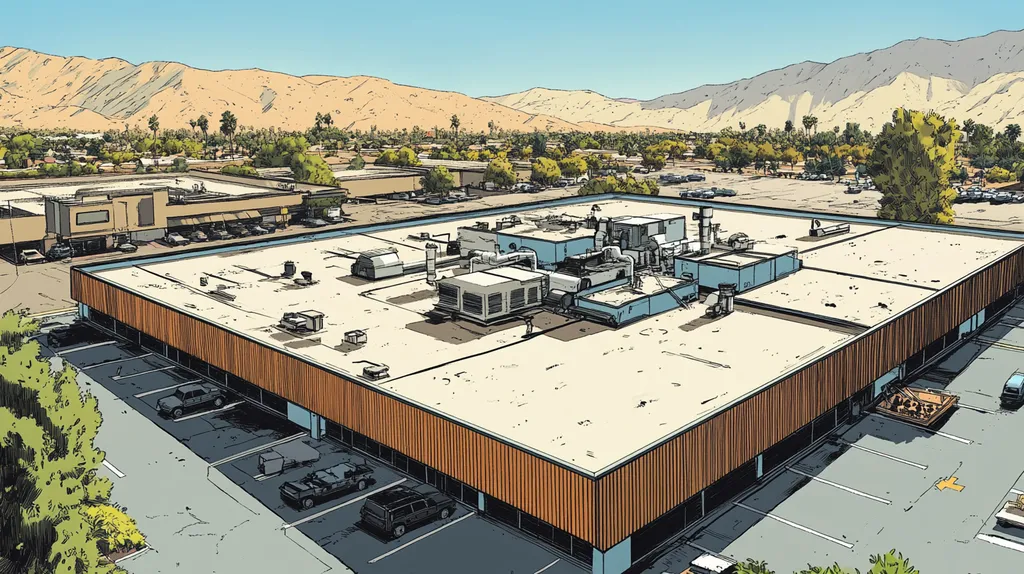
The commercial roofing sector is facing a critical juncture. Traditional insulation methods are stalling progress in energy efficiency. According to the U.S. Department of Energy, buildings represent a staggering 40% of the nation’s energy use. By relying on outdated practices, property owners miss out on significant savings and sustainability advantages. This section highlights three key areas where existing standards are lacking, emphasizing the need for innovative practices that can drive down operational costs and environmental impact.
Overlooking Green Roof Systems
Green roof systems are often neglected in discussions about commercial roofing, yet they represent a powerful opportunity for energy efficiency. These systems utilize layers of soil and vegetation to provide natural insulation, significantly reducing heat absorption while improving stormwater management.
Properties with green roofs can achieve as much as a 30% reduction in energy consumption, especially in warmer climates. Additionally, these roofs serve as protective layers for traditional roofing materials, extending their lifespan by shielding them from damaging UV rays.
Despite their benefits, some property owners hesitate due to the perceived higher upfront costs. However, green roofs offer long-term savings and may qualify for tax incentives, making them a smart investment.
By overlooking green roofs, property owners miss out on important energy savings and enhancements in aesthetics. This is especially pertinent as urban areas expand and face increasing sustainability pressures.
Ignoring Renewable Energy Integration
Renewable energy integration remains underutilized in commercial roofing, despite available technologies like solar panels. Neglecting these energy sources limits potential gains in energy independence and cost savings.
Buildings that incorporate solar panel systems can experience energy costs cut by up to 50% based on their size and location. This not only improves energy efficiency but also adds value to the property.
Concerns over installation complexity and initial costs often discourage adoption. Nevertheless, financial incentives and tax credits can significantly alleviate these expenditures. Many contractors also provide financing options, easing the transition.
By ignoring renewable energy integration, property owners forfeit a crucial opportunity to safeguard their investments and contribute to a sustainable future. This oversight has long-term repercussions for energy management practices.
Disregarding Reflective Coatings
Reflective coatings on commercial roofs are frequently overlooked in energy efficiency evaluations, yet they are essential in managing indoor temperatures. These coatings reflect sunlight, leading to lower cooling costs and enhanced thermal performance.
Research shows that roofs with reflective coatings can reduce surface temperatures by as much as 30 degrees Fahrenheit. This can translate into energy savings of 10-20% during hot months.
Despite their effectiveness, facilities managers often avoid reflective coatings due to misconceptions about aesthetics or durability. Advances in coating technology have improved both performance and visual appeal.
Failing to implement reflective coatings can result in excessive energy consumption and strain on cooling systems. This not only impacts operational costs but also increases the carbon footprint of commercial properties.
SECTION 4: ROOT CAUSES
Identifying the root causes of ineffective insulation practices in commercial roofing is essential for addressing energy inefficiency. Inefficient roofs can drive up energy costs, lead to potential structural damage, and contribute to a greater carbon footprint. A U.S. Department of Energy report indicates that leaks and inadequate insulation can boost energy consumption by 30% or more. Tackling these fundamental issues enables the development of more effective insulation strategies and improved energy outcomes.
Misunderstanding Climate Zone Needs
A significant challenge facing the commercial roofing sector is the failure to account for specific climate zone needs when designing insulation systems. Insulation requirements can differ dramatically between regions with extreme weather compared to those with milder climates. For example, a roof insulated for a temperate area may struggle to perform adequately in regions prone to heavy snowfall or extreme heat.
Each climate has its unique characteristics that directly influence insulation effectiveness. Selecting the right materials and thickness is crucial for aligning with local temperature and precipitation patterns, maximizing energy savings. Ignorance of these aspects can lead to costly mistakes in insulation choices.
Furthermore, climate-specific regulations often dictate proper insulation methods. Many property owners may overlook these legal requirements, risking penalties and increased expenses. A lack of awareness regarding local codes can prevent building owners from benefiting from the latest advancements in insulation technology.
Ultimately, a customized approach that considers local climate conditions is vital for effective roofing insulation. Ignoring these practices restricts the potential for significant energy efficiency improvements.
Inadequate Training for Installers
Another pressing issue is the lack of sufficient training for roofing installers. The effectiveness of insulation is largely contingent on proper installation techniques. Unfortunately, many contractors receive limited training, resulting in substandard installation practices.
Improper installation can create gaps and compressions in insulation, drastically reducing its efficiency. Even the highest-quality materials can fall short if not installed correctly. It’s essential for training programs to emphasize energy efficiency standards and installation best practices to rectify this issue.
Additionally, ongoing education in the roofing industry is often overlooked. With the rapid advancement of materials and technologies, installers must remain updated to uphold industry standards. This gap leaves numerous buildings disadvantaged in their efforts to enhance energy efficiency.
Investing in installer education not only improves installation quality but also leads to long-term energy savings for property owners. Enhanced practices correlate directly with improved insulation performance and increased building sustainability.
Insufficient Budget Allocation
Insufficient budget allocation for roofing projects can significantly undermine insulation quality. Property owners often prioritize initial costs over long-term benefits. This short-sighted approach frequently leads to the use of cheaper, inferior materials that fail to provide adequate insulation.
When budgets are constrained, critical components of quality insulation are often sacrificed. Omitting ventilation systems or neglecting to use appropriate moisture barriers can result in severe structural issues over time. Such decisions will invariably lead to increased operational costs and reduced building longevity.
Conversely, allocating adequate funds for high-quality insulation and professional installation can yield substantial returns on investment. Research indicates that premium insulation can cut energy costs by as much as 20% annually, demonstrating the long-term value of upfront investment.
Ultimately, property owners must recognize that their budget decisions have direct consequences on energy efficiency and overall building performance. A commitment to properly funding insulation can open the door to considerable energy savings.
DATA DRIVEN EVIDENCE
The urgency for commercial property owners to address energy consumption is increasingly critical as energy costs rise and sustainability mandates tighten. Insufficient insulation in roofing systems contributes to unnecessary energy waste, translating into inflated operational expenses. This section highlights the alarming energy consumption statistics related to commercial buildings, outlines the substantial cost savings achievable through proper insulation, and reviews environmental impact studies that support the case for enhanced insulation strategies.
Energy Consumption Statistics
Recent studies reveal that commercial buildings account for about 30% of total energy consumption in the United States. A significant portion of this energy is squandered due to inadequate roof insulation, which allows heat to escape and enter buildings inefficiently.
Data indicates that insufficient roof insulation can lead to as much as 20% of a building’s heating costs. This excessive consumption does not just impact operational budgets; it also puts added pressure on the electrical grid, especially during peak usage times. The need for attention in this area is pressing.
Moreover, failing to capitalize on improved insulation materials can heighten greenhouse gas emissions. Enhanced insulation has the potential to substantially decrease energy usage, aligning with broader sustainability initiatives.
In today’s competitive landscape, understanding energy consumption trends is crucial. Property owners are encouraged to consider investing in better insulation as a means of achieving long-term savings and improving property values.
Cost Savings from Proper Insulation
While the initial investment in high-quality roof insulation may seem significant, the long-term cost savings are compelling. Businesses can achieve savings of up to 30% on energy bills by upgrading outdated insulation systems—a strong incentive for property owners to reconsider their current practices.
Additionally, energy-efficient upgrades often come with tax incentives and rebates, further easing the financial burden of installation. Many states offer programs that reward businesses for enhancing energy efficiency, making it easier to invest in superior insulation.
Improved insulation also reduces maintenance costs associated with HVAC systems. Enhanced thermal performance allows heating and cooling systems to operate more efficiently, leading to lower maintenance needs and extending the life of the equipment.
Ultimately, property owners should view insulation not only as a cost but as an opportunity for investment. The long-term savings generated not only improve the bottom line but also bolster building performance in a competitive marketplace.
Environmental Impact Studies
The environmental ramifications of effective roofing insulation must be considered. Studies show that energy-efficient insulation can greatly reduce a building’s carbon footprint over its lifespan. Enhancements in insulation lead to decreased energy demand, which lessens dependence on fossil fuels.
For example, improved roof insulation can reduce annual emissions from commercial buildings by as much as 1,500 tons of CO2. By focusing on energy-efficient practices, businesses contribute positively to wider sustainability goals, aligning with global strategies to mitigate climate change.
As consumer awareness of corporate sustainability grows, businesses may risk reputational damage if they neglect responsible energy practices. Embracing environmental stewardship can enhance brand credibility and attractiveness in the marketplace.
Investing in effective insulation also conserves natural resources by lowering energy demand. This commitment to sustainability benefits not just property owners but society at large.
SECTION 6: ALTERNATIVE SOLUTIONS
As energy costs continue to rise and sustainability becomes a pressing concern, property owners must rethink traditional insulation practices. Current methods often fail to maximize investment returns or energy efficiency. Innovative alternatives like spray foam insulation, TPO roofing, and green roof systems can greatly enhance energy performance. Each option presents unique advantages and challenges, making informed decisions vital for achieving long-term sustainability and cost savings.
Implementing Spray Foam Insulation
Spray foam insulation has emerged as a powerful alternative to traditional materials. This method provides outstanding air sealing, which can significantly reduce energy loss. Properties utilizing spray foam often report energy savings of up to 30% compared to standard insulation systems.
Moreover, spray foam forms a protective barrier that helps prevent moisture infiltration, reducing the risk of mold and structural deterioration. This dual benefit not only enhances energy efficiency but also extends the lifespan of the roofing system. For property owners focused on maintenance, choosing spray foam can be a proactive strategy.
Another key advantage is the rapid installation. Spray foam can typically be applied in just one day, minimizing disruption to daily operations. Quick application allows property owners to complete updates swiftly, avoiding prolonged downtimes and potential revenue loss.
However, it’s crucial for property owners to engage skilled contractors for proper application. Ensuring compliance with building codes and performance standards is essential. When applied correctly, spray foam insulation can effectively contribute to meeting energy efficiency goals.
Adopting TPO Roof Insulation Best Practices
Thermoplastic Olefin (TPO) roofing has become a favored option for commercial insulation. Its reflective surface minimizes heat absorption, promoting better energy efficiency during warmer months. Buildings that install TPO roofs can see cooling costs reduced by as much as 10-15%.
To fully realize TPO’s benefits, adopting best practices is essential. Regular inspections and diligent maintenance help ensure the membrane remains intact and performs at a high level. Simple actions like cleaning debris and scrutinizing seams can extend the roof’s lifespan, maintaining energy efficiency over time.
Additionally, combining TPO roofing with high-quality insulation materials beneath can create a formidable barrier against energy loss. Pairing TPO with rigid insulation enhances thermal performance and lowers heating and cooling costs. Such synergies are crucial for property owners seeking maximum returns on roofing investments.
Staying informed about advancements in TPO technology is also important for facility managers. Newly developed materials and practices can enhance TPO’s overall performance, ensuring properties remain competitive regarding energy efficiency. Ongoing education helps satisfy contemporary energy standards.
Integrating Green Roof Systems and Solar Panels
Green roofs are revolutionizing urban spaces, offering both insulation and environmental benefits. These systems improve a building’s energy performance by providing natural insulation. Vegetation cools the roof, and reduces the heat island effect, which helps lower surrounding temperatures.
By integrating solar panels on green roofs, property owners can leverage renewable energy while enjoying the insulation benefits. This combination can lead to significant long-term savings and energy independence. Buildings with solar installations frequently report dramatic drops in energy bills, representing a solid investment.
Additionally, green roofs aid in stormwater management, mitigating runoff and promoting biodiversity. This multifunctional approach supports environmental stewardship while enhancing property value. Various cities offer incentives for green installations, making this a financially sound decision.
For effective implementation, it’s essential to work with knowledgeable landscape architects and renewable energy experts. Collaboration ensures that the selected plants and solar systems work harmoniously. With expert guidance, property owners can create systems that maximize both energy efficiency and sustainability benefits.
The Bottom Line
The commercial roofing industry’s adherence to outdated insulation practices costs U.S. businesses an estimated $30 billion annually in wasted energy expenses.
Current installation methods, insufficient maintenance protocols, and inadequate thermal resistance continue to undermine building performance across the country.
The data clearly shows that implementing proven solutions – including spray foam applications, TPO systems, and green roof technologies – can reduce energy consumption by 20-30% while delivering substantial returns on investment.
Without immediate adoption of these evidence-based practices, commercial properties will continue experiencing unnecessary energy losses, increased operational costs, and reduced building value.
The technology and expertise exist today to revolutionize commercial roof insulation – the industry must now embrace these changes to meet growing energy efficiency demands.
FREQUENTLY ASKED QUESTIONS
Q. What are the current insulation practices for commercial roofs?
A. Current practices commonly utilize materials like fiberglass, foam board, and rock wool. Many installations fail to adequately address air sealing and moisture control, resulting in decreased effectiveness. Outdated installation methods can lead to higher energy costs for building owners, necessitating a review of techniques and materials used.
Q. How does inadequate thermal resistance affect commercial roofs?
A. Inadequate thermal resistance allows heat to escape during winter and enter in summer. This inefficiency places an increased burden on heating and cooling systems, leading to higher energy costs. Ensuring that roofs meet or exceed insulation standards is vital for improved energy performance and reduced expenses.
Q. What missed opportunities exist in commercial roofing insulation?
A. Property owners often overlook green roof systems, renewable energy integration, and reflective coatings. Each of these solutions offers significant potential for enhanced energy efficiency and cost savings. Neglecting modern roofing opportunities can limit operational benefits and reduce overall sustainability efforts.
Q. What are the root causes of ineffective insulation practices?
A. Root causes include misunderstanding climate zone needs, inadequate training for installers, and insufficient budget allocation. These factors hinder effective installation and maintenance, leading to increased energy expenses and compromised building integrity. Addressing these causes is crucial for improving insulation quality in commercial roofs.
Q. What energy consumption statistics highlight insulation issues?
A. Commercial buildings account for about 30% of total energy consumption, with inadequate insulation contributing significantly to waste. Estimates suggest that poor roof insulation can lead to 20% of heating costs. Addressing these issues through improved insulation is critical for reducing energy expenses and promoting sustainability.
Q. What alternative solutions can improve commercial roof insulation?
A. Alternatives like spray foam insulation, TPO roofing, and green roof systems enhance energy performance. Each method has unique advantages, such as air sealing and reflective surfaces, which can lead to significant cost savings. Implementing these innovative solutions is essential for improving energy efficiency in roofing systems.
Q. How does regular maintenance affect commercial roof insulation?
A. Regular maintenance is crucial for assessing insulation integrity and ensuring optimal energy efficiency. Overlooking insulation assessments can lead to significant performance issues and rising energy costs. Establishing proactive maintenance schedules helps prevent deterioration and preserves overall building performance.






