
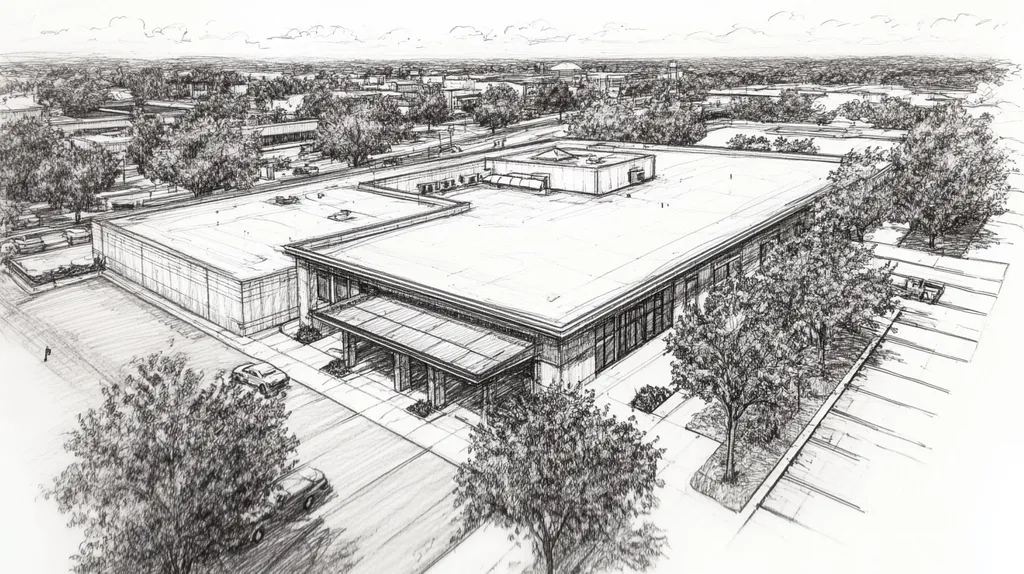
In an era where commercial buildings devour 40% of America’s total energy consumption, the roof over your business is either an asset or a liability. Traditional roofing practices waste millions in energy costs annually, yet innovative solutions can slash energy bills by up to 30%.
From cool roofing technologies to advanced insulation systems, modern commercial roofing has evolved far beyond simple weather protection. These innovations are transforming how buildings interact with their environment.
This guide breaks down the essential elements of energy-efficient commercial roofing, from basic concepts to practical implementation strategies, helping property owners and facility managers make informed decisions that impact both their bottom line and environmental footprint.
SECTION 1: THE BASICS EXPLAINED
With energy costs on an upward trajectory, the need for energy-efficient roofing in commercial buildings has never been more pressing. Commercial structures account for nearly 20% of total energy consumption in the U.S., according to the U.S. Energy Information Administration. By embracing innovative roofing solutions, property owners can lower their energy bills while making a positive impact on the environment. This section unpacks the essentials of energy-efficient roofing, covering what it is, why it matters, and how it works.
What It Is (In Plain Language)
Energy-efficient roofing is all about creating roofs that help buildings stay cooler and use less energy. These roofs feature advanced materials and technologies that boost insulation and reflect sunlight. For instance, cool roofing materials can dramatically reduce indoor heat by bouncing back more sunlight than traditional dark roofs.
There are various energy-efficient roofing options, including reflective coatings, green roofs, and insulated panels. Each solution has distinct advantages that cater to different building types and climates. By selecting the right materials, property owners can sharply decrease their energy consumption.
Moreover, many energy-efficient roofing systems come with long-term warranties, assuring reliability and peace of mind. Choosing sustainable roofing options not only helps to conserve resources but aligns with modern sustainability goals.
In essence, energy-efficient roofing is more than a passing trend; it’s an essential strategy for eco-friendly property management aimed at reducing operational costs and environmental impact.
Why It Matters (To Your Building)
Investing in energy-efficient roofing is crucial for any commercial property that wants to maximize operational efficiency. These roofs help to regulate indoor temperatures, resulting in noticeable savings on heating and cooling costs. Just a single degree of temperature reduction can lead to substantial financial benefits.
Additionally, energy-efficient roofs create a more comfortable working environment for occupants, which boosts productivity. A well-maintained indoor climate not only attracts tenants but also increases retention rates. In sectors where employee well-being is vital, ensuring a comfortable atmosphere is non-negotiable.
Beyond the financial perks, adopting sustainable roofing practices showcases your company’s commitment to the environment. Firms that invest in energy-efficient solutions often appeal to eco-conscious consumers and potential business partners.
With local governments increasingly promoting sustainability, buildings equipped with energy-efficient roofs may qualify for attractive tax incentives and rebates, adding even more financial clout.
How It Works
Energy-efficient roofing employs various tactics to slash energy consumption. One of the primary strategies is reflectivity; roofing materials are treated with reflective substances that turn away sunlight, minimizing heat gain during the hotter months. This, in turn, reduces the need for air conditioning.
Quality insulation also plays a significant role. Superior insulation materials limit heat transfer between the inside and outside of a building, which minimizes temperature swings. This means you can depend less on HVAC systems while maintaining a comfortable environment all year round.
Innovative technologies like green roofs take energy efficiency to the next level by using plants to filter heat and air. These green spaces provide natural insulation and manage stormwater, serving dual purposes that not only cut energy costs but enhance the building’s visual appeal.
Grasping how these components work together empowers property owners to make informed, impactful decisions that boost sustainability and help meet contemporary energy efficiency standards.
SECTION 2: PRACTICAL APPLICATIONS
As energy costs soar, the demand for energy-efficient roofing solutions becomes increasingly critical. A fascinating study reveals that a cool roofing system can slash energy usage by as much as 25%, translating directly into significant savings for businesses. This section delves into the common applications of energy-efficient roofing, the circumstances under which they are most beneficial, and how they interact with other critical building systems.
Common Uses & Examples
Energy-efficient roofing finds its home in a variety of commercial structures, including warehouses, retail spaces, and office buildings. These roofs often utilize reflective materials that maintain cooler indoor temperatures, effectively curbing heating and cooling expenses. A prime example is white TPO (Thermoplastic Olefin) roofing, renowned for its impressive solar-reflective abilities that can significantly lessen cooling costs during the hottest months.
Green roofing is another favorite choice, integrating vegetation to provide natural insulation. This type of living roof not only helps to regulate temperature but also manages stormwater runoff, promoting ecological benefits in urban settings. Schools and hospitals often embrace green roofs for their dual advantage of energy savings and a healthier environment.
Lastly, insulated metal panels deliver exceptional thermal performance, especially in industrial warehouses. Their design minimizes energy consumption while keeping indoor temperatures stable. These various roofing options illustrate the tangible benefits of energy-efficient technology in diverse real-world situations.
When You Need It Most
Timing is everything when considering energy-efficient roofing solutions. Significant renovations or new construction projects are prime opportunities to incorporate these advancements. A strategically placed cool roof can dramatically enhance energy efficiency in sunny locales, leading to substantial reductions in air conditioning costs.
Energy-efficient roofs also play a vital role during peak energy demand periods, particularly in the scorching summer months. By lowering interior temperatures, these roofs alleviate the burden on HVAC systems, extending their lifespan and enhancing overall building performance. For facilities in regions with extreme weather, investing in these solutions can maximize energy savings.
Furthermore, companies pursuing sustainability certifications, such as LEED, should prioritize energy-efficient roofing within their overall design strategy. Neglecting to adopt these modern technologies could hinder a facility’s ability to achieve sustainability targets, ultimately affecting its reputation and financial success.
Interactions With Other Systems
The effectiveness of energy-efficient roofing reaches beyond its surface, as it collaborates with other building systems to elevate overall efficiency. A well-designed roof complements energy-efficient HVAC systems, minimizing energy loss and improving climate control throughout the facility.
Add to this the potential synergy with solar panel installations; a reflective roof surface can boost solar panel performance, as cooler panels are often more efficient. This blend of technologies empowers property owners to maximize energy savings while harnessing renewable energy sources effectively.
Moreover, when rainwater harvesting systems are integrated with green roofs, water usage can be significantly reduced, creating a comprehensive approach to sustainability. This interplay between roofing and supporting systems exemplifies how embracing energy-efficient solutions leads to holistic and eco-friendly building designs.
SECTION 3: KEY TERMINOLOGY DECODED
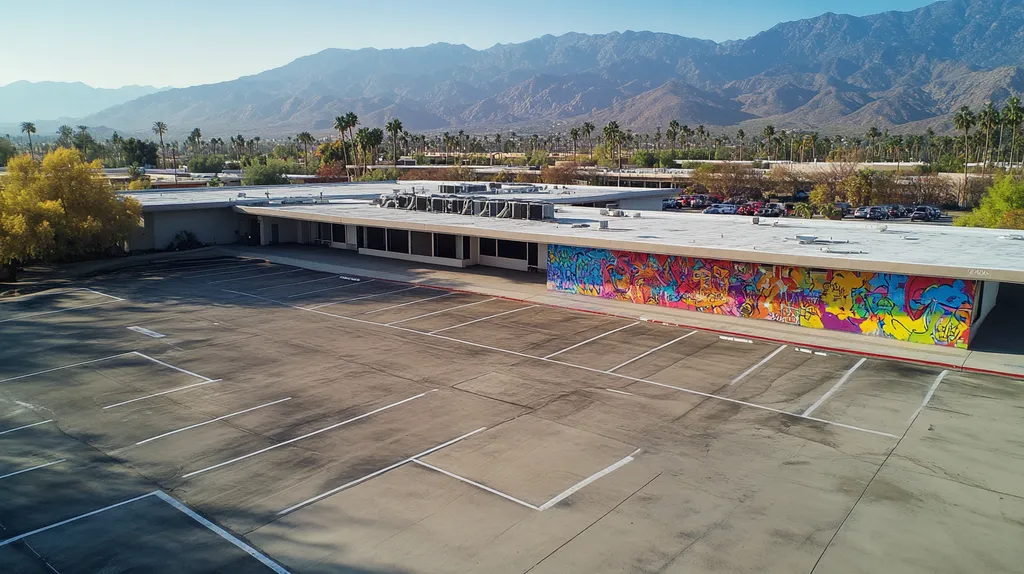
Navigating the landscape of energy-efficient roofing can feel like trying to decode a secret language. With growing pressures to adopt sustainable solutions, commercial property owners and facility managers need to get familiar with essential terminology. A solid grasp of these concepts can lead to smarter roofing choices, improving not just energy bills but also overall operational efficiency.
Essential Terms Explained
Energy efficiency is the buzzword at the forefront of modern roofing innovations. It means using less energy to achieve the same outcomes, resulting in lower bills. For instance, a cooler roof deflects sunlight, cutting down on heat absorption and decreasing cooling expenses. Property owners who understand energy efficiency can select roofing systems that enhance performance while being environmentally conscious.
Next up is the R-value, a crucial figure measuring a roof’s thermal resistance. A higher R-value indicates better insulation, leading to fewer energy losses. To put it simply, a roof with an R-value of 30 is like having a heavy winter coat compared to a thin jacket marked with an R-value of 10, equating to significant long-term energy savings.
Then there’s “cool roofing,” a term that describes roofing materials specifically designed to stay cooler in the sun. These materials reflect more sunlight and absorb less heat, which translates to lower indoor temperatures. Choosing a cool roofing option can make a dramatic difference in cooling costs.
Lastly, let’s talk about “green roofing,” which includes eco-friendly systems like living roofs that support plant life. These options not only save energy but also improve air quality and assist in rainwater management. Being aware of green roofing applications enhances a property owner’s sustainability efforts and showcases their commitment to the environment.
Industry Jargon Translated
The roofing industry has its own set of jargon that can be puzzling. Take TPO, for example; it stands for thermoplastic olefin, which is a lightweight, single-ply roofing membrane. Known for its energy efficiency and cost-effectiveness, TPO is a favorite among property owners looking for reliable roofing solutions.
Another term worth noting is EPDM, or ethylene propylene diene monomer. This synthetic rubber membrane has become quite popular for flat roofing initiatives. Its impressive durability and UV resistance make it highly suited for many commercial applications.
Don’t overlook “roof asset management,” either. This concept involves processes to evaluate and maintain the condition and effectiveness of a roofing system over time. Keeping tabs on roofing performance is vital for any long-term energy efficiency strategy. Understanding this jargon empowers property owners to actively manage and protect their roofing investments.
Measurement & Units Simplified
Measurements may seem mundane, but they are vital for making informed decisions about energy-efficient roofing. One key unit is the square foot, which is used to measure roofing material amounts and associated costs. Knowing the total square footage of a roof helps property owners accurately assess their needs and budget.
Reflectivity is another important measurement, indicating a roofing material’s effectiveness in bouncing back solar energy. It’s a percentage, with higher values showcasing better performance at keeping buildings cool. Selecting high reflectivity materials is crucial for achieving energy-efficient designs.
Insulation thickness and weight are also significant metrics that can affect both structural integrity and energy performance. Thicker insulation generally translates to better efficiency, making it an essential factor in assessing roofing options.
To ensure successful roofing undertakings, property owners must familiarize themselves with these measurements and units. Understanding these figures leads to more fruitful discussions with roofing professionals and facilitates better decision-making that enhances energy efficiency.
SECTION 4: DECISION FACTORS
When it comes to choosing energy-efficient roofing systems, the stakes are higher than ever. With commercial buildings consuming a staggering 40% of the total energy in the U.S., property owners and facility managers must navigate a landscape where upfront costs can clash with long-term savings and performance. Understanding key decision factors is vital for paving the way toward optimum energy efficiency and sustainable building management.
Cost Considerations
The initial price tag of a roofing system often takes the spotlight in decision-making. While traditional options may seem budget-friendly at first glance, they may lack the energy efficiency needed to reduce long-term operating costs. By investing in cutting-edge materials like cool roofing or green roofs, property owners can unlock meaningful savings on energy bills over the years.
Moreover, various tax incentives and rebates are usually up for grabs for energy-efficient roofing projects. Property owners should take the time to explore available programs at local, state, and federal levels to help offset their initial installation costs. Fortunately, the reduction in energy consumption can also lead to increased property value, making informed choices even more essential.
Financing options, such as Energy Service Agreements (ESAs), can offer additional relief. These agreements allow property owners to fund roofing improvements through the savings generated by reduced energy consumption, making it easier to align cash flow with energy efficiency upgrades.
In essence, understanding the total cost of ownership—including maintenance and energy use—can empower stakeholders to make savvy choices when it comes to energy-efficient roofs.
Performance Trade-offs
Navigating the landscape of energy-efficient roofing requires weighing performance trade-offs linked to different systems. For instance, while reflective roofing materials can significantly lower cooling costs, they might not perform as efficiently in colder climates. It’s essential to consider both local climate conditions and the specific usage of the building when selecting the most suitable roofing system.
Insulation properties are another crucial element affecting energy efficiency. Poor insulation can undermine the benefits of energy-efficient materials, leading to disappointing performance and inflated energy costs. Property managers need to carefully review insulation ratings for various roofing options to ensure they achieve the best results.
Additionally, a roof must be resilient enough to handle local weather extremes. While pursuing energy efficiency, durability should never be overlooked to avoid the risk of premature failure. Property owners should keep in mind the specific weather patterns in their area to choose systems that balance energy efficiency and long-term durability.
Lifespan & Durability Factors
The lifespan and durability of roofing materials are pivotal elements in this decision-making journey. Energy-efficient roofs often come with extended warranties, highlighting their longevity, which translates to lower replacement costs down the road. For example, TPO and PVC roofing membranes boast exceptional durability, lasting 20 years or more and providing significant long-term advantages.
Utilizing advanced materials designed with energy efficiency in mind can also enhance durability. Cool roofing materials are a prime example; they minimize heat absorption and UV damage, thereby extending the roof’s lifespan. This added durability lessens maintenance needs and delays expensive replacement projects.
Weather resistance further underscores lifespan considerations. Roof systems capable of enduring wind, hail, and heavy rain while still maintaining energy efficiency are vital for sustainable long-term performance. Evaluating building location and typical weather conditions will guide property owners in making wise roofing selections.
When approached thoughtfully, energy-efficient roofing can deliver exceptional protection and longevity, making it a strategic investment for commercial and industrial properties focused on sustainability and cost savings.
SECTION 5: COMMON CHALLENGES
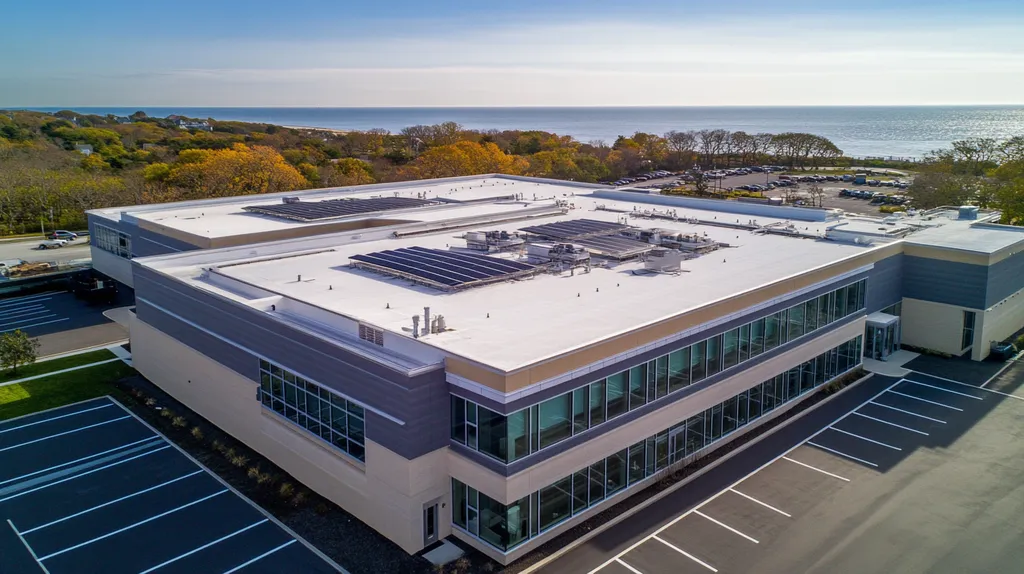
As energy-efficient roofing continues to gain popularity in the commercial sector, various challenges may hinder its successful implementation and longevity. Property owners and facility managers need to be alert to common issues that can chip away at those coveted energy savings. From material wear and insulation degradation to subpar installation practices, these challenges can lead to increased operational costs and safety concerns. Addressing them proactively is essential to maintain both the efficiency and integrity of your roofing system.
Frequent Problems & Solutions
One of the most significant hurdles with energy-efficient roofing is the wear and tear of materials over time. Exposure to the elements can cause cracks, leaks, and diminished insulation effectiveness. To counteract this, property owners should prioritize high-quality materials renowned for their durability, like thermoplastic polyolefin (TPO) or ethylene propylene diene monomer (EPDM) roofing.
Another pressing issue is improper installation. A roof that isn’t set up correctly can lose its energy-efficient capabilities and create bigger headaches in the future. To avoid this, engaging certified contractors who specialize in energy-efficient roofing solutions is key. They’ll ensure that proper installation techniques are followed, keeping your roof functional and effective.
Regular maintenance routines, including thorough inspections and timely repairs, are crucial for long-term success. Small issues can snowball into major problems if left unattended, so implementing a scheduled maintenance plan can keep roofs operating at peak efficiency.
Additionally, making sure the roofing system integrates well with existing building components is vital. Isolated solutions can lead to energy inefficiencies, highlighting the necessity for a comprehensive approach to roofing design that prioritizes holistic energy efficiency.
Warning Signs To Watch For
Catching warning signs early can save property owners from costly repairs and energy losses. One clue is an unexpected spike in energy bills, which may indicate insulation failure or air leaks. Regularly monitoring energy expenses helps identify such problems before they escalate.
Visible damage on the roof’s surface—think cracks or discoloration—can also signal trouble brewing beneath the surface. These signs might not seem alarming at first but can affect a roof’s energy efficiency. Addressing surface imperfections swiftly can prevent future deterioration.
Pooling water on a flat roof is yet another red flag. If unchecked, this can lead to leaks, so it’s imperative to investigate and resolve these situations quickly. Installing adequate drainage systems and routinely clearing roof debris can help minimize standing water and prolong the roof’s life.
Lastly, changes in the indoor environment—like increased humidity or inconsistent temperatures—should not be ignored. These shifts can be telltale signs of roofing issues that need investigation, as they often point to ventilation or insulation problems that could undermine energy efficiency.
Preventative Approaches
Being proactive is crucial for overcoming the common challenges faced by energy-efficient roofing. Conducting a thorough evaluation of the existing roofing system can help pinpoint weaknesses and provide a roadmap for necessary improvements. This foundational step empowers facility managers to make informed decisions regarding upgrades and repairs.
Investing in advanced roofing technologies, such as reflective coatings or solar panels, can enhance energy efficiency while moving towards sustainability goals. These systems promise long-term savings and can enhance property values significantly.
Ongoing staff training is also essential. Equipping maintenance personnel with knowledge about roofing upkeep and energy-efficient practices leads to better problem detection and resolutions. A well-informed staff plays a crucial role in the overall success of energy-efficient initiatives.
Finally, establishing partnerships with experienced roofing contractors can offer invaluable insights and resources. These professionals can guide property owners on best practices and emerging technologies, ensuring they remain proactive and informed in the ever-evolving landscape of energy efficiency.
SECTION 6: NEXT STEPS & RESOURCES
As energy efficiency climbs to the forefront of commercial roofing discussions, it’s vital for property owners and facility managers to make informed choices. By adopting energy-efficient roofing systems, businesses can trim energy costs, improve building performance, and play a part in protecting the environment. This section highlights essential questions to pose to roofing providers, outlines crucial industry standards, and shares valuable resources for diving deeper into energy-efficient solutions.
Questions To Ask Providers
Engaging roofing providers with the right questions is key to a successful decision-making process. Start by asking about their experience with energy-efficient materials. Understanding the specific types of insulation they recommend and how these options align with current energy codes can help ensure you’re getting the best fit for your building.
Next, investigate whether they provide reflective roofing materials designed to decrease energy consumption. Inquire about their methods for assessing a building’s unique needs, as this can influence the design and effectiveness of your roofing system.
Don’t overlook warranty and maintenance program details. Knowing what’s covered helps property owners evaluate the long-term value of their investment.
Finally, seek out case studies or examples of past projects. Real-world successes provide insights into a provider’s capability and effectiveness in enhancing energy efficiency.
Industry Standards & Guidelines
Familiarity with industry standards is vital in evaluating energy-efficient roofing options. The Cool Roof Rating Council (CRRC) offers benchmarks for the performance of reflective roofing materials, guiding you toward suitable products.
The U.S. Green Building Council (USGBC) is another valuable resource. Their Leadership in Energy and Environmental Design (LEED) certification provides a framework to promote sustainability through efficient roof designs.
Moreover, the American Society for Testing and Materials (ASTM) sets the standards ensuring that roofing materials meet defined quality criteria. These guidelines are crucial in helping property owners make informed decisions when selecting materials.
Lastly, staying updated on local energy codes is important too. These regulations often reflect the latest advancements in energy efficiency, playing a significant role in both design and compliance.
Further Learning Simplified
Expanding knowledge on energy-efficient roofing can equip property owners and facility managers for better decision-making. Online webinars conducted by industry experts cover innovations, technologies, and best practices and are easily accessible.
Industry publications and newsletters are also excellent for ongoing education. Subscribing to respected sources keeps decision-makers informed about the latest trends in commercial roofing.
Professional associations, such as the National Roofing Contractors Association (NRCA), offer valuable resources including conferences and training sessions. Engaging in these events enhances knowledge and fosters networking opportunities.
Lastly, local workshops or seminars focusing on sustainability can connect owners with like-minded professionals and encourage collective knowledge-sharing around energy-efficient practices.
The Bottom Line
With commercial buildings consuming nearly half of America’s energy resources, the choice between traditional and energy-efficient roofing has never carried higher stakes.
Modern innovations in commercial roofing technology can slash energy costs by up to 30% while extending roof lifespans by decades.
From cool roofing materials that reflect 80% of solar heat to integrated systems that transform rooftops into power-generating assets, the solutions exist today to revolutionize building efficiency.
As energy costs continue climbing and environmental regulations tighten, properties without energy-efficient roofing risk becoming increasingly expensive to operate and potentially obsolete in tomorrow’s market.
The future of commercial roofing is clear: embrace innovation now or pay the price later, both financially and environmentally.
FREQUENTLY ASKED QUESTIONS
Q. What is energy-efficient roofing for commercial roofs?
A. Energy-efficient roofing involves using advanced materials designed to keep buildings cool while minimizing energy usage. These roofs reflect sunlight and offer superior insulation, helping to reduce both heating and cooling costs for commercial properties. By employing energy-efficient technologies, property owners not only save money but also support environmental sustainability.
Q. What are common applications for energy-efficient industrial roofs?
A. Energy-efficient roofs are widely used in warehouses, offices, and retail spaces. A popular option is white TPO roofing, which effectively reflects solar energy, reducing cooling expenses. Additionally, green roofs combine vegetation for natural insulation—ideal for schools and hospitals—and insulated metal panels enhance thermal performance in industrial settings.
Q. How does understanding roofing terminology benefit commercial roof owners?
A. Familiarizing yourself with roofing terminology empowers owners to make informed choices about energy-efficient systems. Key concepts like energy efficiency, R-value, and cool roofing materials help in understanding how to improve insulation and reduce energy costs. Being knowledgeable enables better communication with contractors and enhances overall decision-making processes.
Q. What factors should I consider when choosing an industrial roof?
A. When selecting an industrial roof, consider upfront costs versus long-term savings, performance trade-offs, and the roof’s lifespan. Evaluating insulation properties and ensuring the material can withstand local weather conditions is essential. Balancing energy efficiency, durability, and initial investment will help you achieve a well-rounded roofing solution.
Q. What are common challenges faced with energy-efficient roofing?
A. Common challenges include material wear from harsh weather, improper installation, and insufficient insulation. These issues can lead to increased energy consumption and higher costs. Regular maintenance and using high-quality materials, along with hiring certified contractors, can help mitigate these challenges, ensuring the roof remains functional and energy-efficient.
Q. What questions should I ask roofing providers for industrial roofs?
A. It’s crucial to ask about their experience with energy-efficient materials, the types of insulation they recommend, and their methods for assessing a building’s needs. Also, inquire about warranty details and case studies showcasing their past projects. This information will help ensure you select the right provider for your roofing project.
Q. Are there any innovative technologies in energy-efficient roofing?
A. Yes, innovative technologies include cool roofing materials that reflect sunlight, solar roofing panels, and green roofs that use vegetation for insulation. Additionally, improved insulation materials enhance energy performance, while smart roofing systems can adjust to environmental conditions, providing even better energy efficiency and responsiveness to changes in weather.






