

Commercial property owners face mounting pressure to enhance their roofing systems as energy costs continue to climb by 3-5% annually. Studies show that optimized roof coatings can reduce cooling expenses by up to 30% while extending roof lifespan by 10-15 years.
Yet many building owners struggle to navigate the complex landscape of coating materials, application methods, and performance requirements. The wrong choices can lead to premature failure and extensive damage.
This comprehensive guide examines the critical materials and methods that enhance commercial roof coating performance, providing property professionals with actionable solutions for protecting their investments.
SECTION 1: PERFORMANCE FACTORS
In the competitive landscape of commercial real estate, the quality and durability of roofing systems are crucial for a property’s long-term success. With buildings consuming approximately 40% of total energy in the U.S., as reported by the U.S. Energy Information Administration, energy-efficient roofing is more important than ever. Property owners must grasp essential performance factors—energy efficiency, durability, and thermal comfort—to make impactful decisions that benefit their operations and finances.
Energy Efficiency and Heat Reflection
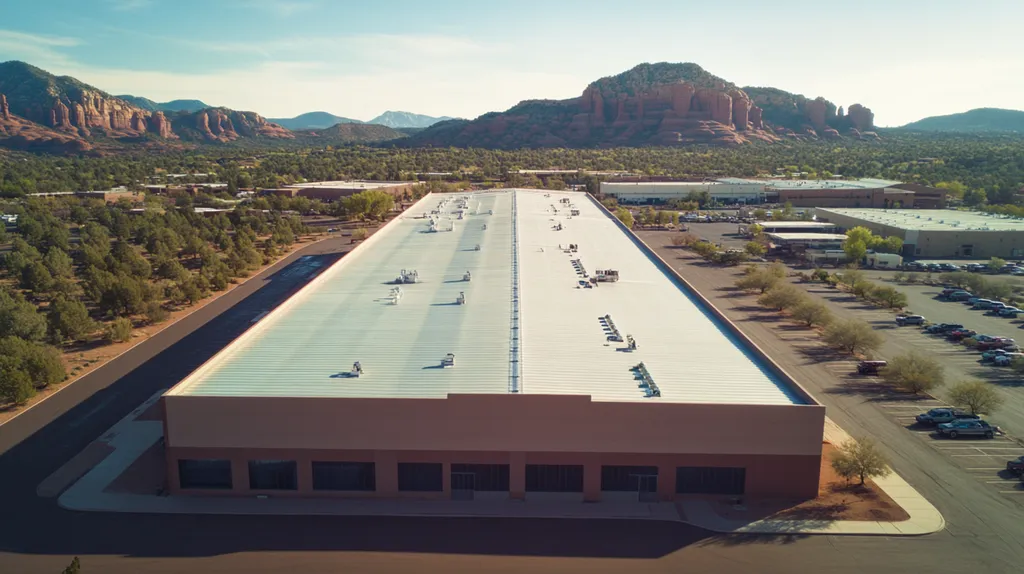
The energy efficiency of a commercial roof has a profound effect on utility costs and tenant comfort. Reflective roof coatings are specifically designed to bounce sunlight away, which reduces heat absorption and can drastically lower air conditioning costs, particularly in hot climates.
For instance, a roof with a reflective coating can experience surface temperatures up to 40 degrees Fahrenheit cooler than traditional materials. This temperature drop not only stimulates cost savings but also helps mitigate the urban heat island effect, benefiting entire communities.
Furthermore, energy-efficient roofs can often qualify for rebates and other incentives, offering a financial edge to property owners. Investing in reflective coatings is not only an environmentally conscious choice but also a smart economic decision.
Key Action Items
Durability and Weather Resistance
Durability is a fundamental aspect of any roofing system, especially in regions prone to severe weather events. Using high-quality materials, like polymer-modified bitumen or elastomeric coatings, can enhance weather resistance significantly. These robust materials can endure harsh UV rays, heavy downpours, and temperature extremes.
For example, roofs equipped with advanced coatings can see an increased lifespan of up to 25%, reducing the frequency of costly repairs. This extended durability contributes to lower lifecycle costs, making it a wise investment for property owners.
Additionally, weather-resistant roofing systems effectively prevent leaks and water damage, helping avoid expensive repairs and potential disruptions for businesses. Hence, choosing durable roofing materials is critical for protecting both the building and its occupants.
Key Action Items
Thermal Comfort and HVAC Load
Thermal comfort is essential for ensuring tenant satisfaction and reducing HVAC loads. Selecting roofing materials that bolster insulation can stabilize indoor temperatures, which in turn lessens energy requirements for heating and cooling.
A popular choice for achieving this is through insulated roof panels or advanced coatings that improve thermal resistance. Such solutions can lead to a reduction in HVAC loads by as much as 20%, ultimately lowering energy expenses and extending the lifespan of HVAC equipment.
Additionally, optimal indoor temperatures not only enhance tenant experience but also encourage longer leases and client retention. Facilities managers should prioritize thermal comfort as a vital component of roofing performance.
Key Action Items
SECTION 2: FINANCIAL CONSIDERATIONS
Understanding the financial implications of commercial roof coatings is essential for property owners and facility managers. With the average cost of commercial roofing repairs varying widely, making informed decisions can help avoid costly mistakes. While energy-efficient coatings may require an upfront investment, they can lead to significant reductions in overall expenditures. This section will delve into initial costs, potential long-term savings, and ongoing maintenance expenses.
Initial Investment and Cost Analysis
The initial investment required for roof coatings can widely differ based on the material type and application method. For example, high-performance membranes might come with a higher upfront cost compared to traditional options, but it’s vital to consider their durability and lifespan in the overall cost evaluation.
Property managers should assess not only material costs but also installation expenses. Engaging a reputable contractor can ensure better application, which enhances both performance and longevity. Conducting thorough market research can help identify cost-effective options without compromising on quality.
Moreover, potential benefits like warranty coverage and energy efficiency perks can significantly influence initial costs. Property owners should evaluate these aspects carefully to create an accurate financial overview before choosing a roofing solution.
Key Action Items
Long-Term Savings and ROI
Investing in roof coatings can lead to substantial long-term savings, particularly through improved energy efficiency. Coatings designed to reflect UV rays can drastically lower cooling costs in warm climates, with potential savings of up to 30% on monthly energy bills.
Additionally, high-quality coatings extend the roof’s lifespan, which diminishes the frequency of replacements. This reduction in capital expenditure over the roof’s lifetime makes a compelling case for considering the return on investment (ROI) by comparing energy savings to initial costs.
Tax incentives and rebates for energy-efficient upgrades can enhance the financial attractiveness of these investments. Many states offer programs that reward businesses for pursuing environmentally friendly roofing, thus improving ROI even further.
Ultimately, a properly maintained commercial roof can increase the asset value of the property. Buildings with advanced roofing systems frequently command higher rental and resale prices, solidifying a wise financial strategy.
Key Action Items
Maintenance and Repair Costs
Ongoing maintenance and repair expenses are crucial when evaluating the total financial commitment of a roofing system. Although a high-quality coating usually necessitates less frequent repairs, property owners should plan for regular inspections and minor upkeep activities, as this can significantly extend the roof’s longevity.
Investing in proactive maintenance leads to greater cost efficiency. Addressing minor issues early can save property owners thousands in potential future repair costs. For example, a simple flash seal can prevent the need for a complete roof replacement later.
Many roofing manufacturers and contractors offer maintenance programs, securing a fixed rate for scheduled services. This helps with budgeting and often includes prompt repairs that preserve warranty coverage.
Documenting all maintenance activities is also beneficial for maintaining asset value. A well-kept roof can enhance property appraisal values, while inadequate documentation of care may adversely impact marketability.
Key Action Items
SECTION 3: COMPLIANCE REQUIREMENTS
Adhering to compliance requirements is essential in making prudent commercial roofing decisions. Ignoring these regulations can lead not only to hefty penalties but also to increased energy costs and a significant drop in property value. Property professionals must familiarize themselves with a range of certification programs and local regulations to ensure their roofing choices meet necessary standards. Understanding and following these compliance requirements enhances overall roof performance and promotes sustainability.
Energy Star and LEED Certifications
Obtaining Energy Star and LEED certifications has become increasingly important for commercial roofing decisions. These programs are designed to identify roofing materials that enhance energy efficiency while minimizing environmental impact. For instance, roofs coated with Energy Star-rated materials can significantly reduce cooling costs by effectively reflecting sunlight.
LEED, or Leadership in Energy and Environmental Design, establishes essential standards for recognizing sustainable building practices. Properties that achieve LEED certification often attract eco-conscious tenants, which can improve occupancy rates. Not only do these certifications enhance roof performance, but they can also yield tax incentives and rebates, providing a financial boost.
Investing in compliant roofing materials can increase a project’s marketability, making these systems more appealing to both investors and prospective tenants. Furthermore, the long-term energy savings can help balance the initial costs associated with high-quality materials. Staying updated on certification requirements is vital for ensuring compliance and maximizing sustainability benefits.
Key Action Items
Local Building Codes and Regulations
Understanding local building codes and regulations is crucial for ensuring roofing safety and efficiency. These codes provide guidelines for acceptable practices related to roofing installation, maintenance, and material selection. Failing to comply can result in fines, remedial expenses, and even legal issues.
Each municipality has a unique set of regulations, influenced by factors such as climate and types of buildings. For instance, regions with heavy snowfall may impose specific design requirements to prevent structural failures. Being aware of local codes enables property managers to make well-informed decisions regarding roofing materials and installations.
Additionally, non-compliance can complicate insurance matters. Insurers might deny claims related to roof damage if local codes were ignored during installation. Therefore, prioritizing compliance is imperative for protecting investments and ensuring the longevity of commercial roofs.
Key Action Items
Environmental Sustainability Standards
Complying with environmental sustainability standards is becoming increasingly important in commercial roofing. These standards advocate for the use of materials and practices that minimize ecological impact. For example, opting for low-VOC coatings can significantly reduce air pollutants, benefiting both occupants and the environment.
Investing in sustainable roofing can enhance a company’s image. Firms that embrace sustainability practices often attract conscientious clients and tenants, contributing positively to their bottom line. Additionally, sustainable roofs can lead to reduced maintenance costs and longer service lives.
Meeting sustainability standards can also open opportunities for state and federal grants. Many property owners discover that long-term savings and potential revenue streams from enhanced energy efficiency far outweigh initial investments in sustainable materials.
Collaborating with certified green building professionals can streamline the compliance process. These experts provide guidance on selecting materials and systems that adhere to sustainability standards, elevating roof performance while contributing to broader community environmental goals.
Key Action Items
SECTION 4: RISK MANAGEMENT
Safeguarding a commercial roof against weather-related damage is paramount for protecting property investments. As reported by the National Roofing Contractors Association, over 30% of roofing failures are attributed to weather issues. It is essential for roofs to withstand heavy rainfall and extreme temperatures. The following subsections will explore key strategies for effective risk management, focusing on protection from weather, prevention of leaks, and maintaining structural integrity.
Protecting Against Weather Damage
The unpredictability of weather patterns makes roofs susceptible to significant damage. To enhance resilience, commercial roof coatings that resist UV rays can protect against sun exposure, while elastomeric coatings add flexibility to accommodate temperature fluctuations, preventing cracking and premature deterioration.
Reflective coatings are an effective choice as they can lower indoor temperatures, which can significantly reduce energy costs. Some property owners have reported as much as a 20% decrease in cooling expenses after applying these coatings, further extending roof longevity.
Conducting regular inspections, especially before storm seasons, allows for the identification of vulnerabilities such as loose seams and deteriorating edges. Promptly addressing these issues can significantly mitigate the risk of extensive damage from severe weather. Incorporating reinforced membranes can also bolster the roof’s defenses against hail and high winds.
Key Action Items
Preventing Water Infiltration and Leaks
Water infiltration stands as one of the most detrimental threats to commercial roofs. A single leak can trigger mold growth, structural damage, and compromise indoor air quality. To combat this issue, it is vital to utilize high-quality sealants and coatings that create a seamless waterproof barrier.
Regularly monitoring roof drains and gutters plays a crucial role in preventing water accumulation, which often leads to leaks. Establishing a routine maintenance schedule for these areas can significantly lower the risk of water-related damage.
Investing in moisture detection systems can also be invaluable. These systems can alert facility managers to leaks before they escalate, minimizing repair efforts and associated costs. Additionally, applying high-performance coatings can enhance long-term durability against water ingress.
Key Action Items
Mitigating Structural Integrity Issues
Ensuring structural integrity is crucial for the safety and effectiveness of any commercial roofing system. Poor roofing choices can lead to serious structural concerns, endangering both occupants and assets. To strengthen the roof’s durability, it is essential to engage roofing professionals to assess load-bearing capacities.
Choosing the right materials that can support additional insulation or roofing systems without compromising structural safety is imperative. Lightweight yet durable materials can provide the necessary strength without adding excess weight.
Compliance with local building codes is also critical to maintaining structural integrity. These regulations ensure that roofing systems can withstand local environmental challenges. Establishing a proactive maintenance plan that includes regular inspections for sagging or structural damage can prevent serious complications in the long run.
Key Action Items
SECTION 5: OPERATIONAL PROCEDURES
Establishing effective operational procedures is essential for preserving the integrity of commercial roofing systems. Without routine inspections and maintenance, minor issues can escalate into significant problems, leading to leaks and increased repair costs. For instance, a lack of maintenance by just 10% can result in a staggering 50% rise in total roofing expenses over time. Thus, property owners must prioritize proactive operational measures. This section highlights key procedures, including roof inspections, surface preparation, and quality assurance, to boost roof coating performance.
Roof Inspection and Assessment
Regular roof inspections are crucial for spotting potential issues before they develop into costly problems. Property professionals should conduct these inspections at least twice a year, in addition to after significant weather events. This proactive approach ensures vulnerabilities like membrane cracks or punctures are identified early, preserving the roof’s integrity.
Utilizing advanced techniques, such as infrared thermography, allows for moisture detection beneath the surface, which is vital for a thorough roof assessment. A comprehensive inspection enables informed decisions regarding necessary repairs or enhancements, ultimately extending the roof’s life and performance.
Meticulous documentation of all findings is essential. Keeping a clear record of repairs and maintenance helps track the roof’s condition over time and informs future assessments. Engaging certified roofing professionals for inspections enhances accuracy and thoroughness, instilling confidence in property management decisions.
Key Action Items
Surface Preparation and Coating Application
Effective surface preparation is critical for a successful coating application. Before any roof coating is applied, it’s essential that the surface is clean, dry, and free of debris. Inadequate preparation can lead to poor adhesion, ultimately reducing the coating’s effectiveness and lifespan.
Power washing is often the best method for removing dirt and contaminants, but property professionals must carefully assess moisture levels after cleaning. Using a surface moisture meter can indicate the right conditions for proper application, ensuring the coating adheres effectively.
Application methodologies should consistently reflect the manufacturer’s guidelines. For example, different coating types may require specific application techniques, such as spray, roller, or brush methods. Understanding these details is essential to maximize the performance of the chosen coating.
Environmental conditions also play a critical role during application. Extreme temperatures, whether too hot or too cold, can adversely affect drying and curing processes, potentially compromising the coating’s performance. By adhering to best practices in both surface preparation and application, property professionals can significantly enhance the durability and effectiveness of roofing coatings.
Key Action Items
Final Inspection and Quality Assurance
Conducting a final inspection is crucial to confirming the overall success of the roof coating application. This inspection should focus on ensuring uniform coverage and identifying any missed spots that could lead to future problems. Having a team of experienced professionals conduct this assessment is vital to capturing every detail.
Quality assurance measures are essential to verify that the coating has been applied according to industry standards. For instance, performing adhesion tests can confirm that the coating has properly bonded with the roof substrate, critical for ensuring longevity and reliability.
Documenting the findings from the final inspection is crucial. Compiling this information alongside maintenance records creates a valuable repository that can enhance future roof maintenance strategies and decision-making. Ultimately, this thorough final inspection serves as a safeguard against premature roof failures, empowering property managers to trust in their roof’s performance after coating.
Key Action Items
SECTION 5: OPERATIONAL PROCEDURES
The integrity of a commercial roofing system relies heavily on thorough operational procedures. Without regular inspections and maintenance, minor issues can snowball into significant problems, such as leaks that jeopardize the building’s structure and result in climbing repair costs. Notably, neglecting maintenance by a mere 10% can lead to a stunning 50% increase in total roofing expenses over time. To protect their investments, property owners must prioritize proactive measures. This section highlights critical operational procedures—roof inspections, surface preparations, and quality assurance—that enhance roof coating performance.
Roof Inspection and Assessment
Regular roof inspections are essential for identifying potential issues before they escalate into expensive repairs. Property professionals should schedule these evaluations at least twice a year, as well as after significant weather events. This continuous oversight helps catch vulnerabilities like cracks or punctures that threaten the roof’s integrity.
Utilizing advanced methods like infrared thermography enables the detection of moisture trapped beneath the surface, which is crucial for assessing the roof’s health. A thorough inspection promotes informed decisions about necessary repairs or enhancements, ensuring longevity and optimal performance.
Documentation of inspection findings is equally important. Keeping meticulous records aids in tracking repairs and maintenance over time, providing a historical context that can inform future assessments. Collaborating with certified roofing professionals enhances both the accuracy and thoroughness of inspections, ultimately maximizing the lifespan of the roofing system and safeguarding the building and its occupants.
Key Action Items
Surface Preparation and Coating Application
Proper surface preparation is crucial for successful coating application. Before applying any roof coating, the surface must be clean, dry, and free of debris. Inadequate preparation can result in poor adhesion, reducing the coating’s effectiveness and lifespan.
Power washing is often effective for removing dirt and contaminants; however, attention must be paid to moisture levels afterward. Employing a surface moisture meter can help determine the appropriate conditions for application, ensuring the coating bonds correctly.
Application methodologies should closely follow the manufacturer’s guidelines. Different coating types may require specific techniques, such as spray, roller, or brush methods. Understanding these nuances is essential for achieving optimal performance from the selected coating. Additionally, environmental conditions during application play a vital role; extreme temperatures can impact drying and curing processes, potentially affecting the coating’s performance.
Key Action Items
Final Inspection and Quality Assurance
The final inspection is crucial for confirming the success of the roof coating application. This evaluation should focus on ensuring uniform coverage and identifying any missed spots that could lead to future issues. A team of experienced professionals should conduct this assessment to capture every detail.
Implementing quality assurance measures is vital for verifying that the coating has been applied according to industry standards. For example, conducting adhesion tests can confirm that the coating has bonded appropriately to the roof substrate, which is essential for long-term reliability.
Documenting final inspection findings is necessary for ongoing reference. Compiling this information along with maintenance records creates a valuable repository that can inform future roof maintenance strategies. Ultimately, this thorough final inspection serves as a safeguard against premature roof failures, empowering property managers to trust in their roof’s performance post-coating.
Key Action Items
Looking Ahead
With commercial roofing costs projected to increase 15-20% by 2025, property owners must act now to protect their investments through enhanced coating systems.
The data is clear: buildings with optimized roof coatings see up to 30% reduction in cooling costs and extend roof lifespans by 10-15 years while meeting increasingly strict environmental regulations.
Success requires a systematic approach incorporating proper materials selection, professional application, and ongoing maintenance protocols.
By implementing the strategies outlined in this guide, property professionals can significantly improve their roofing performance while reducing long-term costs and environmental impact.
The future of commercial roofing lies in these innovative coating solutions that balance durability, sustainability, and return on investment.
FREQUENTLY ASKED QUESTIONS
Q. What performance factors affect a commercial roof’s quality?
A. Essential performance factors for a commercial roof include energy efficiency, durability, and thermal comfort. Energy-efficient roofs help reduce utility costs, while durable materials can withstand severe weather. Ensuring proper insulation also enhances tenant comfort and minimizes heating and cooling demands.
Q. How do financial considerations impact commercial roof decisions?
A. Financial considerations, such as initial investment and long-term savings, play a significant role in making informed roofing decisions. While high-quality materials may have higher upfront costs, they often lead to significant reductions in ongoing maintenance and energy expenses, enhancing overall value over time.
Q. What compliance requirements should commercial property owners follow?
A. Property owners should be aware of compliance requirements related to local building codes, Energy Star, and LEED certifications. Adhering to these guidelines can prevent costly penalties, enhance energy efficiency, and ensure the roofing selections meet necessary standards, contributing positively to sustainability efforts.
Q. How can property managers manage risks associated with weather?
A. To manage weather-related risks, property managers should invest in UV-resistant and elastomeric coatings that enhance roof resilience. Regular inspections before storm seasons can help identify vulnerabilities, while prompt maintenance of seams and edges can mitigate potential damage caused by severe weather conditions.
Q. Why are operational procedures crucial for commercial roofs?
A. Implementing robust operational procedures, such as regular inspections and maintenance, helps prevent minor issues from escalating into significant problems. For example, a lack of upkeep can lead to a dramatic rise in roofing expenses, jeopardizing the safety and integrity of the building over time.
Q. What are effective materials for enhancing commercial roof performance?
A. High-quality materials like polymer-modified bitumen, elastomeric coatings, and insulated roof panels can significantly enhance a commercial roof’s performance. These materials offer better durability, thermal resistance, and energy efficiency, which can translate into long-lasting benefits for both property owners and tenants.
Q. How often should inspections be scheduled for commercial roofs?
A. Property professionals should schedule inspections at least twice a year, with additional evaluations after major weather events. Regular inspections help identify vulnerabilities early, enabling timely maintenance that preserves the roof’s integrity and prolongs its lifespan.






