

In commercial roofing, humidity stands as a silent destroyer that can slash coating lifespans by up to 30% when improperly managed. Each year, businesses spend millions on premature roof coating failures directly linked to moisture-related degradation.
From compromised adhesion to accelerated material breakdown, understanding humidity’s impact on roof coatings is crucial for protecting valuable commercial assets.
This comprehensive guide examines the critical relationship between humidity and coating performance, offering property owners and facility managers practical strategies to maximize their roofing investments through proper moisture management.
SECTION 1: THE BASICS EXPLAINED
The lifespan of commercial roof coatings can suffer dramatically from humidity, a factor that often goes unnoticed until it’s too late. Elevated humidity levels can speed up the wear and tear of roofing materials, leading to expensive repairs and even entire roof replacements. Research shows that roofs exposed to high humidity without proper management can see up to a 30% reduction in lifespan. For property owners and facility managers, understanding humidity’s impact on roof coatings is essential to safeguarding their investments.
What It Is (In Plain Language)
Humidity is simply the amount of moisture in the air, and it can have a profound effect on commercial roofs. This moisture can seep into various components like roof membranes and coatings. When humidity is high, roof surfaces may struggle to dry out after rain or cleaning. This trapped moisture creates a perfect breeding ground for mold and mildew, which can damage roofing materials.
Awareness of humidity is crucial for ensuring that roof coatings stick properly. When coatings are applied in humid conditions, they might not cure as intended, resulting in weak spots that could allow water to penetrate. This premature failure can lead to leaks and potential structural damage.
Moreover, increased humidity can induce thermal stresses in roofing materials. These stresses can lead to expansion and contraction, resulting in cracks and blisters. Managing humidity levels effectively is essential to maintaining the longevity and integrity of roof coatings.
In simple terms, property owners must pay attention to humidity levels and their effects on roof performance. Regular monitoring and maintenance can significantly reduce the risks associated with high humidity.
Why It Matters (To Your Building)
Humidity impacts commercial roofs in ways that extend beyond just lifespan; it influences the overall health and function of the building. A roof compromised by moisture can lead to leaks that damage interior spaces, equipment, and inventory. For example, a single leak could disrupt electrical systems or spoil valuable stored goods, resulting in hefty financial losses.
Additionally, roofs plagued by high humidity can contribute to poor indoor air quality. Mold and mildew not only harm the roofing materials but also pose health risks to occupants, leading to increased absenteeism and decreased productivity—all of which can negatively affect the bottom line.
Taking proactive steps to manage humidity can lead to significant cost savings over time. Investing in high-quality roof coatings, conducting regular inspections, and addressing moisture issues promptly are strategies that can prevent expensive emergency repairs and prolong the roof’s life.
Understanding humidity’s implications on roofing is crucial for effective facility management. Awareness and prompt action can help ensure that roofs perform optimally, keeping buildings safe and secure.
How It Works
The performance of roofs in high humidity conditions is governed by material science and environmental factors. As humidity rises, moisture can infiltrate roofing materials, especially if they lack proper sealing. This infiltration weakens adhesion and may lead to separation of coatings.
Coatings, particularly elastomeric ones, need specific conditions to cure effectively. High humidity can obstruct this process, preventing coatings from forming a strong, protective barrier against the elements. For instance, coatings that don’t cure well may fail to deliver sufficient UV resistance or waterproofing.
Furthermore, thermal dynamics add another layer of complexity. Moist, warm air can retain heat in roofing systems, intensifying stress on the materials. This may accelerate physical deterioration and undermine the roof’s performance over time.
By understanding these mechanics, property owners can make better decisions regarding their roofing systems. Implementing strategies like timing applications for dryer periods and investing in advanced materials can significantly improve outcomes in high-humidity environments.
SECTION 2: PRACTICAL APPLICATIONS
Managing humidity effectively is essential for extending the lifespan of commercial roof coatings. Ignoring humidity can lead to rapid degradation, expensive repairs, and reduced energy efficiency. For example, buildings located in humid climates often face increased wear and tear, resulting in leaks and structural problems. Recognizing the practical applications of roof coatings is crucial for property owners and facility managers who want to protect their investments and ensure long-term durability.
Common Uses & Examples
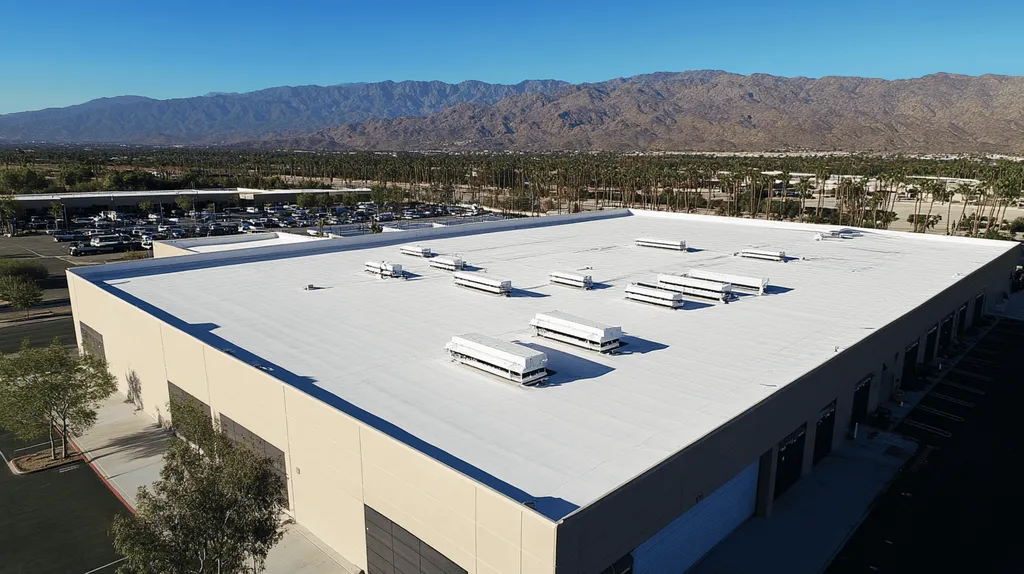
Roof coatings have a range of crucial applications that help enhance the performance of commercial roofs. One of their primary purposes is to reflect sunlight, which can lower cooling costs significantly in warmer climates. For instance, a reflective white coating can cut roof temperatures by as much as 30 degrees Fahrenheit, translating into substantial energy savings.
In addition to cooling benefits, roof coatings shield against UV damage and provide waterproofing. High-quality elastomeric coatings are frequently employed on flat roofs, offering a robust barrier against moisture intrusion. This is particularly vital in high-humidity areas, where mold and mildew thrive.
Coatings are also an excellent solution for roof restoration. Instead of opting for a costly complete roof replacement, applying a suitable coating can revitalize aging roofs and effectively extend their service life. This cost-effective strategy allows property owners to maintain their assets in an environmentally sustainable manner.
Ultimately, selecting the right type of coating and application method should align with the specific environmental conditions of the facility. By grasping these common uses, property owners can make well-informed decisions regarding their roofing investments.
When You Need It Most
The need for applying roof coatings often peaks both before and during humid seasons. As moisture levels rise, roofs become increasingly susceptible to damage caused by standing water or trapped humidity. Facilities in regions prone to heavy rainfall must prioritize the application of coatings at the start of the rainy season to reduce these risks.
Furthermore, conducting thorough roof inspections during peak humidity can uncover vulnerabilities that may not be visible during drier conditions. Identifying these issues in a timely manner is crucial for maintaining the integrity of the roof system and preventing catastrophic failures that could lead to costly repairs.
Coating applications should also be considered when transitioning from cooler months to the humid summer season. A refreshed roof coating can bolster defenses against impending moisture-related challenges, ultimately extending the roof’s functionality and durability.
In summary, understanding when to apply coatings based on humidity levels can lead to significant cost savings and enhanced operational efficiency, ensuring roofs perform at their best over time.
Interactions With Other Systems
Roof coatings are interconnected with other building systems, making their interactions critical to overall building performance. When humidity levels rise, these relationships can notably impact how well a building functions. For example, a roof coating’s reflective qualities can significantly enhance HVAC efficiency, particularly in air-conditioned facilities.
However, if the roof coating is incompatible with insulation materials, it may inadvertently trap moisture, which can lead to insulation degradation. Therefore, understanding how roof coatings interact with existing systems is vital for preventing complications related to humidity.
In addition, moisture barriers installed alongside roof coatings are essential in humid environments. These barriers are designed to prevent humidity infiltration and protect underlying structures from damage. Without proper coordination between these systems, property owners risk incurring costly repairs and compromising energy efficiency.
Collaboration between roofing professionals and facility managers is essential for creating a cohesive strategy that considers the interactions between roof coatings and other building components. This comprehensive approach not only extends the life of the roofing system but also helps reduce operational costs.
SECTION 3: KEY TERMINOLOGY DECODED
Understanding the terminology surrounding roof coatings is essential for property owners and facility managers. Miscommunication about these terms can lead to costly mistakes and misinformed decision-making. Take, for instance, how humidity impacts coating longevity—being familiar with the relevant terms can greatly inform and enhance operational choices. This section aims to break down essential terms, translate industry jargon, and simplify measurements to help maximize roof coating performance and longevity.
Essential Terms Explained
Humidity is the amount of moisture present in the air, and it directly affects how roof coatings cure and adhere. High humidity levels can increase drying times, which may lead to improper bonding with the roof substrate.
Permeability describes how easily moisture can pass through a material. Roof coatings with low permeability effectively resist water infiltration, a critical feature for extending the lifespan of coatings in humid environments.
The Solar Reflectance Index (SRI) gauges a roof’s ability to reflect solar radiation. A higher SRI rating implies better heat reflection, which can significantly impact how heat and moisture influence coating durability over time.
Wet mil thickness indicates the coating’s thickness while still wet. It’s crucial to ensure this thickness is correct to achieve the expected performance, particularly in environments where humidity levels fluctuate.
Industry Jargon Translated
The roofing industry uses specialized terminology that can be confusing for property owners. For instance, the term “substrate” refers to the surface on which roof coating is applied. Understanding this aspect is vital, as different substrates can react differently to humidity and coatings.
“Curing” is the chemical process that occurs as the coating dries. In humid conditions, this process may be hindered, potentially leading to coating failures. Recognizing the importance of curing helps schedule application times more effectively.
“Vapor barrier” is another critical term. This barrier prevents moisture from penetrating the roofing system, which is essential in maintaining the roof’s integrity in high-humidity areas.
Measurement & Units Simplified
Numerous measurements are involved when discussing roof coatings, and knowing these is key. A mil is a unit measuring one-thousandth of an inch, commonly used to specify coating thickness. Understanding the required mil thickness for specific environments can assist in guiding product selection.
Relative humidity (RH) is expressed as a percentage, showing the current moisture level in the air compared to the maximum possible at a given temperature. A higher RH indicates a greater risk for coating issues.
Taking temperature readings is also critical during the application process. Proper timing of these readings ensures the roof coating adheres correctly, particularly in humid conditions where temperature variations are commonplace.
Last but not least, the coverage rate is another measurement that reflects how much area one gallon of coating can cover. Knowing this helps optimize material use and avoid overapplication, particularly in humid conditions, where applying too thick a coat can lead to performance issues.
SECTION 4: DECISION FACTORS
For commercial roof coatings, decision-making is crucial and carries significant consequences. Humidity can dramatically influence performance, leading to failures that result in costly repairs and operational downtime. Property owners and facility managers must carefully consider cost, performance trade-offs, and durability to ensure they maximize the lifespan of their roofs.
Cost Considerations
Cost is a primary concern when choosing roof coatings. While high-quality options typically require a larger initial investment, cheaper alternatives may falter in humid conditions, leading to unexpected expenses down the line. For instance, a facility that chooses a low-cost coating may find itself facing significant repair bills within a few years due to moisture damage.
Investing in reputable, humidity-resistant coatings can ultimately lower long-term costs and enhance the roof’s performance. Owners should think about the total cost of ownership, including potential savings from fewer repairs and reduced energy expenses.
Warranty terms are also an important consideration. Longer and more comprehensive warranties not only protect your investment but often indicate a manufacturer’s confidence in the coating’s ability to withstand humidity and other environmental stresses.
Performance Trade-offs
Finding the right balance between cost and performance is essential when selecting roof coatings. Certain formulations might offer better humidity resistance yet fall short in other areas, such as adhesion or UV protection. Such trade-offs require thoughtful consideration.
A highly moisture-resistant coating may cure more slowly, which can extend installation time and increase labor costs. Conversely, faster-drying options may not provide adequate protection under high humidity.
Consulting with coating manufacturers for detailed performance specifications is crucial. Understanding how different coatings perform under various humidity conditions is key to making an informed choice.
Additionally, testing data and case studies from similar environments can help illustrate which performance trade-offs are acceptable based on a facility’s specific needs.
Lifespan & Durability Factors
The durability and lifespan of roof coatings are heavily influenced by their ability to manage humidity effectively. Coatings that fail to repel moisture may degrade more quickly, reducing operational life and increasing replacement costs. Thus, understanding key durability factors is essential.
Advanced hydrophobic coatings typically offer superior longevity, making them a worthwhile investment, especially in areas prone to high rainfall or humidity. While they might be pricier upfront, their extended lifespan can yield significant savings over time.
Furthermore, it’s essential to consider substrate compatibility when selecting coatings. The materials used underneath can significantly impact how well the coating adheres and performs, enhancing the overall durability of the system.
In summary, a quality roof coating should effectively resist humidity while ensuring that the financial investment pays off over the years. Regular maintenance and monitoring also play a crucial role in protecting this investment, extending durability against the elements.
SECTION 5: COMMON CHALLENGES
Humidity presents significant challenges to the longevity of commercial roof coatings. When moisture is not properly managed, it can lead to serious problems such as blistering, mold growth, and accelerated deterioration. Data from the National Roofing Contractors Association indicates that roofs exposed to high humidity can experience up to a 30% reduction in service life. Addressing these challenges is crucial for safeguarding investments and ensuring the long-term performance of roofing systems.
Frequent Problems & Solutions
High humidity creates ideal conditions for the growth of mold and algae on roof coatings. This not only damages the coatings but also weakens the underlying roofing materials. To combat these issues, property owners should consider investing in high-quality coatings designed with antimicrobial properties, which actively inhibit the growth of harmful microorganisms.
Blistering can be another frequent headache caused by moisture trapped beneath the coating. Left unchecked, it can lead to significant structural damage. To prevent this, property managers should adhere to proper application techniques, allowing sufficient drying time before installing the coating.
Additionally, thermal expansion and contraction due to fluctuating humidity can put stress on roof membranes. Choosing materials specifically engineered to handle temperature changes can help mitigate the risk of cracking and other types of damage.
Regular maintenance checks are essential for identifying moisture-related problems before they escalate into costly repairs. Partnering with professional roofing contractors for periodic inspections can lead to timely interventions, greatly extending the lifespan of the roof coating.
Warning Signs To Watch For
Detecting early signs of humidity-related damage is critical in preventing extensive repairs. One major warning sign is visible discoloration or streaks on the roof surface, often indicating mold or algae presence. Property owners should monitor their roofs closely for any signs of discoloration and take immediate action when they occur.
Another red flag is blistering or bubbling on the roof’s coating. These visible signs indicate trapped moisture that can drastically shorten the roof’s lifespan. Addressing these issues promptly can avert costly future repairs.
Roof leaks are of significant concern and often worsen with increased humidity. If water stains appear on ceilings or walls indoors, it’s crucial to promptly investigate potential roofing issues.
Additionally, cracked or peeling coatings may suggest that moisture is affecting the roof system. Any visible deterioration should prompt an assessment to determine if re-coating is necessary to protect the underlying structure.
Preventative Approaches
To lessen the impact of humidity on roof longevity, property owners should adopt proactive measures. First, investing in high-quality roof coatings specifically formulated for humid environments can be highly beneficial. These advanced coatings are designed to resist moisture infiltration more effectively.
Routine maintenance also plays a vital role. Scheduling biannual roof inspections can help catch moisture-related problems early. During these assessments, professionals can evaluate the roof’s condition and suggest necessary maintenance actions.
Furthermore, ensuring effective drainage systems are in place is essential to minimize standing water, which can worsen humidity issues. Regularly clearing gutters and downspouts ensures water efficiently flows away from the roof.
Finally, educating property management teams about the effects of humidity can empower better decision-making. Understanding how to select appropriate roofing materials and coating systems is critical for maximizing roof longevity in challenging environmental conditions.
SECTION 6: NEXT STEPS & RESOURCES
Addressing humidity’s effect on commercial roof coatings isn’t just important—it’s essential for protecting your investment. With roof replacement costs averaging over $10,000, neglecting humidity can lead to costly premature failures. Industry research shows that failing to manage humidity effectively can shorten a coating’s lifespan by as much as 30%. This section will guide you through vital next steps and valuable resources to make informed decisions.
Questions To Ask Providers
When engaging with roofing providers, property owners should prioritize inquiries about humidity management strategies. Ask how they evaluate local humidity conditions and what specific materials they recommend for your building’s climate. It’s also critical to know their approach to ensuring application techniques that minimize the effects of humidity.
Don’t overlook warranty details. Knowing what is covered regarding humidity damage can save you significant costs in the future. Providers should explain their methods for monitoring coating performance over time.
Inquire about references from past clients who have dealt with similar humidity challenges. This feedback can be valuable in assessing the provider’s capacity to tackle local environmental issues.
Finally, check for certifications related to roofing and moisture management. These credentials reflect a commitment to industry standards and best practices.
Industry Standards & Guidelines
Understanding industry standards can significantly enhance your decision-making process. The National Roofing Contractors Association (NRCA) offers guidelines that consider local climate conditions, including humidity, for installation practices.
Standards set by ASTM International outline testing procedures for roofing materials. Familiarity with these can help property owners identify products that will perform well under a variety of conditions. Compliance with these guidelines is essential for selecting resilient coatings.
The U.S. Environmental Protection Agency (EPA) also provides materials focusing on effective moisture control. Their resources highlight best practices for maintaining proper humidity levels in commercial roofing systems.
Comparing contractor offerings against established industry standards can highlight potential gaps in service quality. Keeping informed about these standards will support better investment decisions.
Further Learning Simplified
For those looking to deepen their understanding of humidity’s effects on roofing, numerous resources are available. Online platforms frequently host webinars with roofing experts addressing real-world humidity challenges and solutions.
Stay up to date with industry publications that highlight the latest trends in roofing technologies. Subscribing to relevant journals ensures your knowledge remains current regarding best practices.
Local trade associations often conduct workshops focused on roofing and building management, providing opportunities to ask specific questions related to your situation.
Lastly, consider joining online forums and networks with industry professionals. Engaging with peers can foster knowledge-sharing and provide insights into successful humidity control strategies in roofing applications.
The Bottom Line
With humidity-related roof coating failures costing businesses millions annually in repairs and replacements, proper moisture management cannot be overlooked.
Research demonstrates that buildings with effective humidity control strategies extend their roof coating lifespans by up to 30% compared to those without proper measures in place.
Success requires a three-pronged approach: selecting appropriate coating materials engineered for local humidity conditions, ensuring proper installation timing and techniques, and implementing regular maintenance protocols.
By understanding humidity’s critical role in coating performance, leveraging industry expertise, and following established best practices, property owners and facility managers can maximize their roofing investments while avoiding costly premature failures.
The future of commercial roof longevity depends on taking decisive action today to address these crucial moisture-related challenges.
FREQUENTLY ASKED QUESTIONS
Q. How does humidity affect the lifespan of a commercial roof?
A. Humidity can significantly shorten the lifespan of a commercial roof coating by causing moisture to become trapped. This moisture leads to mold growth and weakens roofing materials. Affected roofs may face up to a 30% reduction in useful life, leading to costly repairs.
Q. When should I apply coatings on an industrial roof?
A. The best time to apply coatings on an industrial roof is just before and during humid seasons. This timing helps reduce the risks posed by standing water and high moisture levels, which can damage the roof over time.
Q. What does permeability mean for commercial roofs?
A. Permeability measures how easily moisture passes through a material. For roof coatings, low permeability is essential as it helps prevent water infiltration, extending the life of the coating and the underlying roof structure.
Q. How do I choose the right coating for my commercial roof?
A. Choose a coating by considering factors like cost, performance, and humidity resistance. It’s crucial to understand how different coatings perform against environmental stresses. Consulting with experts can help in selecting the coating that best suits your specific roofing needs.
Q. What are common humidity-related challenges for commercial roofs?
A. Common challenges include mold growth, blistering, and accelerated wear and tear. These issues arise from moisture being trapped under coatings, which can lead to significant structural damage if not addressed promptly through regular maintenance and proper installation techniques.
Q. What questions should I ask roofing providers?
A. Ask about their humidity management strategies, material recommendations, and application techniques. It’s important to cover warranty details and inquire about past client references to ensure that they have experience handling similar humidity-related challenges.
Q. How can I tell if my industrial roof needs maintenance?
A. Look for visible signs such as discoloration, blistering, or water stains inside. Regular inspections are critical for early detection of issues. Taking prompt action can prevent costly repairs and prolong the lifespan of your roof.






