

Industrial roof repairs are causing unexpected damage to protective coatings, with recent studies showing that 40% of coating failures stem from improper repair techniques.
As facility maintenance costs continue to rise, the intersection between repairs and coating performance has become a critical concern for property owners nationwide.
Traditional repair approaches often compromise coating integrity, leading to premature failures that cost U.S. industries over $3.3 billion annually in unnecessary replacements and energy losses.
This analysis examines how current repair practices impact coating effectiveness, exploring systemic issues and data-driven solutions that can protect industrial roofing investments.
SECTION 1: CURRENT PRACTICES
In the world of industrial roofing, roof repairs can have significant consequences, often impacting more than just the immediate problem. Research from the National Roofing Contractors Association reveals that approximately 30% of industrial roofs face complications that can worsen due to ineffective repair methods. To ensure a robust roofing system, it’s essential to grasp the current practices surrounding industrial roof coatings, as they deeply influence overall roof health, lifespan, and maintenance expenses. This section will delve into standard application procedures, commonly used coating types, and typical maintenance schedules—critical areas frequently overlooked but vital for sound decision-making.
Standard Application Procedures
The effectiveness of roof coatings hinges significantly on the application methods employed by contractors. While spray and roller applications are common, variations in quality can dramatically affect results. Insufficient surface preparation or improper environmental conditions can create serious challenges, jeopardizing adhesion and the coating’s longevity.
For example, neglecting to clean the surface or overlooking existing moisture can lead to adhesion issues, ultimately diminishing the coating’s lifespan. Industry standards emphasize starting with a clean, dry substrate before any application, yet many processes bypass this crucial step, increasing the risk of future failures.
Weather conditions further complicate matters. Applying coatings in inappropriate climates can hinder proper curing, resulting in issues like peeling or blistering. It’s vital for facility managers to ensure that contractors follow established best practices to avoid these complications.
In summary, poor application techniques can cause lasting problems. Familiarity with these practices is crucial for property owners intent on preserving the value of their investments.
Commonly Used Coating Types
The type of coating selected plays a pivotal role in the performance and durability of industrial roofs. Popular options include acrylics, elastomerics, and polyurethanes, each with distinct advantages and disadvantages. Acrylic coatings are frequently chosen for their UV resistance and simple application but may lack durability over time.
In contrast, elastomeric coatings offer remarkable flexibility and weather resistance, though they often come with a higher price tag and necessitate skilled application for optimal results. Property owners sometimes prioritize upfront costs without considering the long-term repercussions associated with reduced durability and ensuing maintenance.
Additionally, some facilities may still utilize outdated coatings that fail to meet modern standards, resulting in escalated repair needs and decreased efficiency. Such formulations can lead to frequent failures and damage, which negatively impact operational outcomes.
Ultimately, comprehending the consequences of various coating types is essential for all stakeholders involved in industrial roofing. Making the appropriate choice can lengthen a roof’s lifespan and reduce the likelihood of future disruptions.
Typical Maintenance Schedules
A comprehensive maintenance schedule is crucial for safeguarding the integrity of industrial roof coatings. Routine inspections and maintenance can uncover potential problems before they escalate into costly repairs. Unfortunately, many facility managers find their maintenance practices are more reactionary than proactive.
While semi-annual inspections are commonly recommended, many facilities only respond to visible problems, leading to premature coating deterioration. For instance, ignoring small cracks can allow moisture to infiltrate, worsening damage and shortening the roof’s lifespan.
Detailed inspections should prioritize areas like delamination, pooling water, and seam integrity. Yet, numerous current practices fall short in thorough documentation, complicating the process of tracking and managing roof health over time.
A proactive maintenance approach can profoundly affect the longevity of industrial roofs. Facility managers must emphasize consistent evaluations and timely repairs to shield their assets effectively.
SECTION 2: SYSTEMIC ISSUES
While industrial roof coatings possess immense potential for prolonging roof life, systemic challenges frequently diminish their effectiveness. Inadequate surface preparation can lead to swift coating failures, translating to unnecessary costs for businesses. Moreover, choosing the wrong coating can leave roofs vulnerable to significant damage, jeopardizing overall structural integrity. Regular inspections are critical but often overlooked, which only exacerbates existing problems. Tackling these three systemic issues is essential for a sustainable and effective roofing strategy.
Inadequate Surface Preparation
Surface preparation is the foundational step in ensuring that coatings adhere effectively to the roof. However, many facilities underestimate this critical phase and settle for quick fixes. Without a properly cleaned and prepared surface, coatings face a high risk of failure, leading to vulnerabilities in the roofing system.
Contaminants like dirt, oils, and rust can interfere with a coating’s ability to bond securely to the roof. When this occurs, issues such as bubbling, peeling, and leaks are likely to follow. If left unaddressed, these problems can escalate into severe roofing crises, significantly impacting a facility’s operations.
Moreover, failing to prepare surfaces adequately can void manufacturer warranties. Certified roofing professionals highlight the importance of thorough cleaning, and often priming, before applying coatings. Skipping crucial preparatory steps not only jeopardizes the coating’s long-term performance but also diminishes the overall value of the investment.
Investing the necessary time and resources into proper surface preparation can lead to substantial savings. Facilities that prioritize this step tend to enjoy roofs that last longer, effectively lowering overall lifecycle costs.
Improper Coating Selection
Choosing the right coating is a significant decision—it requires an understanding of both the specific needs of the roof and its environmental conditions. Unfortunately, many facility managers make the mistake of prioritizing upfront costs over performance, leading to complications down the road.
For instance, applying a coating designed for low-slope roofs on a steep-sloped roof can result in water accumulation and leaks. Additionally, coatings with insufficient UV resistance might deteriorate rapidly in sunny climates, leading to increased repair efforts.
Before making a decision, it’s crucial to consult with roofing experts and assess the roof’s unique conditions and requirements. The wrong coating choice can result in a cycle of frequent maintenance, causing delays in business operations and heightened costs.
A thoughtful selection of coatings can not only extend the lifespan of a roof but also enhance energy efficiency. Facilities that adopt a meticulous approach to this process typically achieve better returns on their investments.
Lack of Regular Inspections
Regular inspections are indispensable for effective roofing management, yet they are often neglected in many facilities. Routine assessments serve to identify minor issues before they escalate into costly failures. Industry recommendations suggest at least two inspections per year to maintain roof integrity.
When facilities forgo routine evaluations, hidden problems like small leaks or cracks may worsen undetected. This neglect can lead to significant structural issues requiring extensive repairs or even complete roof replacements.
A proactive inspection strategy can save facilities considerable costs over time. Establishing a schedule for inspections not only addresses issues early but also minimizes disruptions to operations, ensuring safety and productivity.
Incorporating regular inspections into the roofing maintenance routine is essential for the longevity and durability of roof coatings, helping to protect businesses from unexpected expenses.
SECTION 3: MISSED OPPORTUNITIES
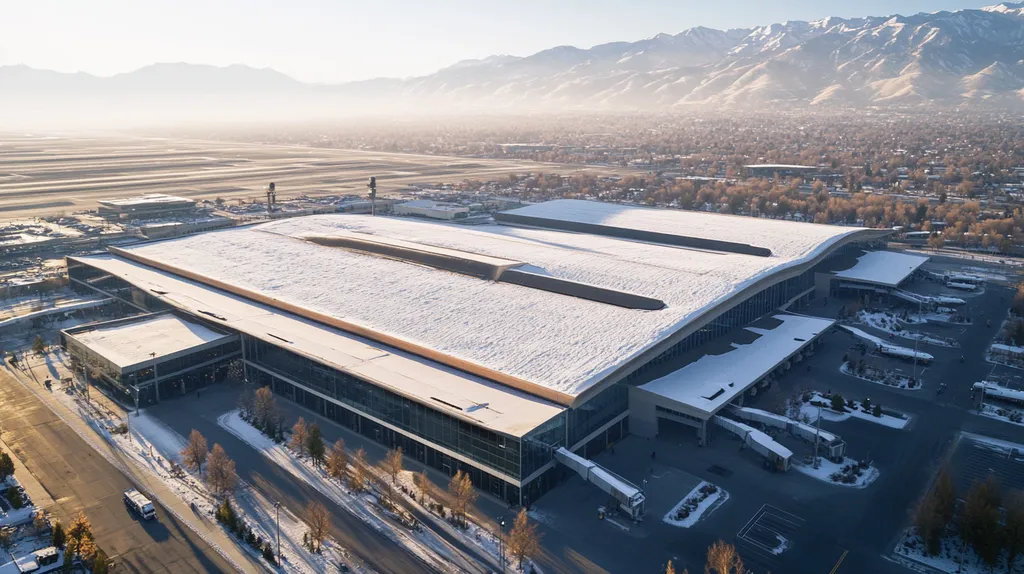
Many industrial facilities overlook the hidden opportunities that arise when roof repairs are combined with high-quality coatings. Ignoring these factors can lead to significant inefficiencies, wasted resources, and soaring costs. As energy prices climb steadily, neglecting to enhance energy efficiency in roofing solutions can result in crippling operational expenses. This section will explore the often-unrecognized environmental benefits, long-term cost savings, and energy efficiencies that can be gained through modern coating integration amidst traditional repair methods.
Overlooking Energy Efficiency
Neglecting energy efficiency during roof repairs can lead to unexpectedly high utility bills. Industrial roofs that lack reflective coatings absorb excessive heat, making HVAC systems work overtime and consuming more energy. Research suggests that reflective coatings can reduce cooling costs by as much as 30 percent.
By failing to integrate energy-efficient coatings into their repair strategies, facilities miss a crucial opportunity to improve their roofs’ overall performance. These coatings not only offer insulation benefits, but they also minimize thermal bridging, enabling substantial year-round energy savings. This oversight impacts not just immediate operational costs but also the long-term sustainability of the building.
Furthermore, energy-efficient roofing options often qualify for tax credits and rebates, effectively reducing initial expenditures. Property owners who disregard these financial incentives are leaving significant savings unclaimed, underscoring the importance of a comprehensive approach that aligns repairs with modern coating technologies.
In the end, overlooking energy efficiency can have lasting repercussions on a facility’s budget and operational efficacy. Embracing energy-conscious solutions during roof repairs is a vital strategy that shouldn’t be neglected.
Neglecting Environmental Benefits
The environmental impact of roofing materials is a growing concern in today’s world. Traditional repair methods frequently disregard the potential environmental advantages that modern coatings can offer. Many of today’s coatings incorporate sustainable materials designed to minimize harmful emissions while also reflecting sunlight.
Eco-friendly roof coatings can mitigate the urban heat island effect by keeping buildings cooler, ultimately leading to reduced energy consumption. Facilities that overlook these green technologies not only risk their own sustainability but also miss the chance to contribute positively to the environment.
By utilizing environmentally friendly coatings during repairs, organizations can improve roof performance while aligning with corporate sustainability objectives. As stakeholders increasingly pressure businesses to adopt greener practices, failing to consider these options can jeopardize an organization’s reputation in a market that values eco-consciousness.
In addition, deploying these coatings supports compliance with evolving regulations aimed at curbing carbon footprints. Neglecting this can leave facilities vulnerable to future penalties and escalating costs associated with non-compliance.
Ignoring Long-Term Cost Savings
Long-term cost savings often remain overshadowed by the initial expenses associated with roof repairs. Many facilities tend to fixate on immediate costs, inadvertently overlooking the savings linked to investing in high-quality roof coatings. Well-applied coatings can extend roof life while simultaneously reducing the frequency and costs associated with future repairs.
For example, a properly applied coating acts as a barrier against leaks and weather damage, significantly cutting down on emergency repair needs. This proactive strategy aids in budget forecasting, allowing for more effective financial planning.
Furthermore, high-performance coatings enhance thermal efficiency, contributing to reduced energy costs over time. When evaluating the total lifespan of the roof, these savings can accumulate to substantial amounts, making the upfront investment into coatings advantageous.
Lastly, facilities that prioritize effective coatings typically benefit from robust manufacturer warranties that shield against premature failures. By ignoring long-term logistics and opting for quick fixes, facilities can become trapped in a cycle of short-term repairs that drive costs higher without resolving deeper issues.
SECTION 4: ROOT CAUSES
The effectiveness of industrial roof coatings is at risk due to several underlying issues that demand immediate attention. Incompatible roof materials can severely impede adhesion, diminishing the performance of coatings and leaving roofs exposed to costly damage. Furthermore, the lack of sufficient training for contractors contributes to improper application techniques, which jeopardizes the durability of repairs. Lastly, budget constraints often compel property owners to take shortcuts that lead to increased maintenance costs in the long run. Identifying these critical root causes is essential for informed decision-making regarding roof repairs and coatings.
Incompatible Roof Materials
Incompatible roof materials are a prominent challenge in industrial roofing. Many roofs are constructed with materials that do not bond effectively with certain coatings, leading to premature wear and eventual failure. For instance, a thermoplastic roofing system may not properly adhere to an asphalt-based coating, resulting in unsightly blisters and peeling.
This incompatibility creates critical vulnerabilities, allowing moisture to seep in and cause leaks, which can lead to structural damage. When property owners select roof coatings without consulting experts about material compatibility, they run the risk of undermining their investments. Assessing the compatibility of roof materials is essential for ensuring optimal coating performance.
By addressing the impacts of incompatible materials proactively, property owners can significantly extend the lifespan of their roofs. A well-matched roofing system not only enhances the durability of coatings but also provides improved insulation and protection against environmental elements.
Furthermore, the considerations made during the initial roof installation can lead to significant savings in future repairs and maintenance. A thoughtful approach in selecting materials and coatings can ensure long-lasting protection.
Insufficient Training for Contractors
Insufficient training for contractors poses another serious barrier in the roofing industry. Many contractors lack the necessary knowledge and skills to apply industrial roof coatings correctly, which can lead to disastrous outcomes. A poorly applied coating can trap moisture underneath, causing significant deterioration of the underlying structure.
The absence of standardized training programs leads to a wide disparity in contractors’ expertise, resulting in inconsistent work quality. Property owners might find themselves dealing with contractors who are unaware of best practices due to inadequate training.
Moreover, contractors may lack familiarity with specific product application techniques, which prevents them from tapping into the full potential of the coatings. Investing in well-trained and qualified contractors ensures that they are aware of common pitfalls and equipped to deliver superior results.
Ensuring that contractors receive proper training can lead to improved repair outcomes and a longer lifespan for coatings. By choosing experienced professionals, property owners can ultimately save on future repairs and achieve a lower total cost of ownership.
Budget Constraints and Shortcuts
Budget constraints often push property owners to opt for lower-cost roofing solutions, which can lead to unfortunate shortcuts. In a highly competitive environment, many facility managers prioritize the cheapest options, typically resulting in the use of inferior products or services. Such decisions can severely compromise the integrity and longevity of industrial roofs.
For instance, applying a low-quality coating may provide short-term savings but can result in high repair expenses in the future due to its poor performance. This cycle of cutting corners often leads to escalating maintenance costs that far exceed any initial savings.
Additionally, deferring necessary repairs due to budget limitations can exacerbate existing issues, ultimately leading to far greater challenges and more expensive solutions. Skimping on quality roofing can transform manageable problems into costly crises.
Ultimately, prioritizing budget constraints over quality is not a sustainable strategy. Recognizing the value of investing in high-quality materials and professional expertise can prevent further expenses and safeguard the long-term value of the facility.
DATA DRIVEN EVIDENCE
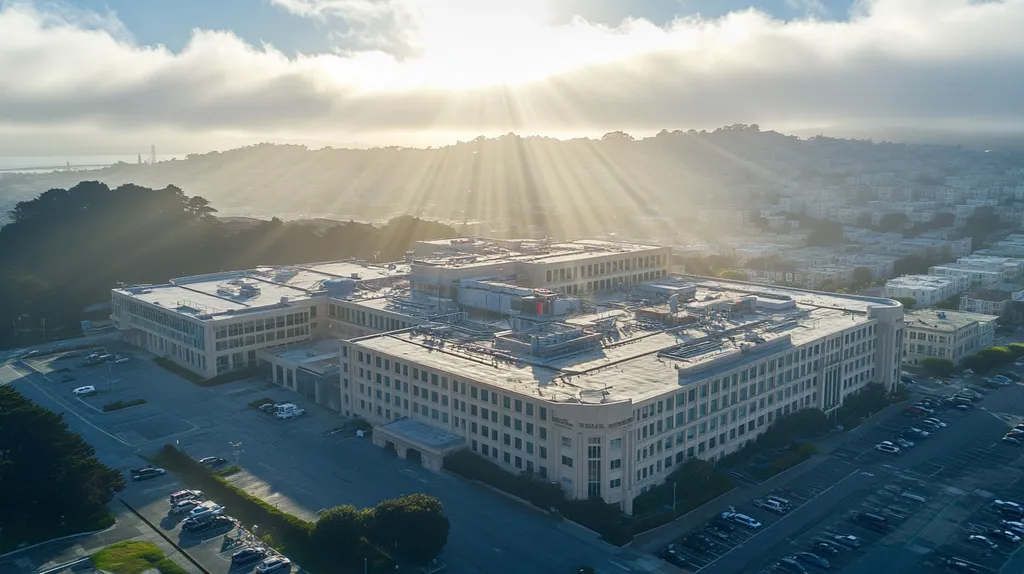
The condition of an industrial roof has a direct impact on the effectiveness of its coatings. With a staggering 40% of roof failures attributed to improper repairs, the stakes for property owners are undeniably high. While quality coatings can significantly extend a roof’s lifespan, failed repairs often undermine their benefits. By examining performance metrics, revealing case studies of failed repairs, and understanding industry standards, it becomes evident that outdated repair approaches can significantly obstruct the advantages provided by high-quality coatings.
Performance Metrics of Coatings
Industrial roof coatings are engineered to block UV rays, lessen thermal expansion, and ensure waterproofing. Independent studies indicate that high-performance coatings can lower roof temperatures by as much as 30%. This not only boosts energy efficiency but also contributes to a longer lifespan for roofing systems.
However, the benefits of these coatings are diminished if the underlying repairs aren’t executed correctly. A recent analysis revealed that roofs with compromised repairs had failure rates 25% higher compared to those with proper installation. When these coatings peel or crack prematurely, it leads to expensive replacements.
Quantifying performance metrics reveals the critical link between repairs and coatings. Data shows that well-executed repairs can enhance coating adhesion and effectiveness by nearly 40%. To harness the full potential of their coatings, property owners must prioritize quality repairs.
This commitment ensures that coatings perform optimally, offering extended protection and long-term savings for owners.
Case Studies of Failed Repairs
Real-life examples can provide crucial insights into the fallout from inadequate repair methods. For instance, a facility in Ohio chose a quick fix to patch a leaky TPO roof. Six months later, the site reported extensive failures, including blisters and significant peeling of the coating.
In another case, a manufacturing plant in Texas suffered water damage because of poorly sealed seams during repairs. This negligence resulted in coating deterioration, leading to a staggering $50,000 in recovery and replacement costs.
These highlighted cases illustrate the urgent need for correct repair techniques. Repairs not executed to industry standards can lead to coatings failing prematurely, which negatively affects both operational costs and workplace safety.
Consistent data from these scenarios shows that neglecting essential preparation or using substandard materials can result in significant financial losses. Establishing reliable repair methods is essential for optimizing the performance of roof coatings.
Industry Standards and Compliance
Adhering to industry standards is vital for ensuring the long-term integrity of roofing systems. Organizations like ASTM and NRCA provide guidelines that dictate the best practices for roof repairs and coatings. Failure to comply can lead not only to diminished warranty coverage but also increased liabilities.
Using unapproved materials, for example, can void manufacturer warranties, making property owners responsible for expensive repairs. Compliance with established standards helps enhance safety and reduces exposure to liability.
Data indicates that facilities adhering to compliant products and methods experience a 30% lower incidence of roof-related issues. Regular inspections and adhering to building codes not only ensure roof longevity but also assist in maintaining compliance with regulations.
For facility managers, grasping the importance of compliance is essential. Prioritizing best practices during repairs safeguards against coating failures and enhances overall roof performance.
SECTION 6: ALTERNATIVE SOLUTIONS
The need for effective industrial roofing solutions is more pressing than ever. Aging roofs often lead to costly repairs and unexpected downtime, with recent industry reports indicating that nearly 30% of commercial roof failures arise from inadequate maintenance and outdated repair strategies. This section will examine alternative solutions that not only extend the life of industrial roofs but also embrace modern coating technologies.
Advanced Coating Technologies
Advanced roofing coatings are revolutionizing traditional repair strategies, offering superior adhesion, flexibility, and UV resistance that substantially extend the lifespan of roofs. For example, chemically engineered coatings such as polyurea and silicone deliver seamless barrier protection that outperforms traditional materials.
These advanced coatings effectively eliminate leaks and guard against moisture infiltration, significantly decreasing the frequency of needed repairs. Many of these products are also energy-efficient, reflecting UV rays and thereby lowering cooling costs in warmer climates. Property owners can see energy savings of up to 30% with high-performance industrial roof coatings.
Additionally, many of these coatings can be applied directly over existing surfaces, reducing the disruption typically associated with traditional repair methods. This innovative application process allows for roof refurbishments without significant downtime.
Adopting advanced coating technologies is not merely a trend; it’s a vital shift for facilities striving for long-term sustainability and financial viability.
Customized Restoration Plans
Generic repair solutions rarely meet the unique challenges posed by industrial roofs. Customized restoration plans consider specific roof conditions, environmental factors, and usage patterns, ensuring roofing solutions are tailored to individual needs.
Through comprehensive assessments, professionals can pinpoint weaknesses and prioritize repairs. For example, if a roof exhibits signs of moss growth or thermal damage, a customized restoration plan can address these specific challenges using appropriate materials and techniques.
Such tailored approaches significantly enhance a roof’s performance and longevity. Organizations that implement customized plans often experience fewer service disruptions and reduced lifecycle costs. A thoughtfully executed restoration strategy can also enhance building aesthetics, contributing to increased property value.
In today’s diverse industrial environments, custom plans are essential, ensuring property owners receive the most effective and efficient solutions for their unique roofing challenges.
Proactive Maintenance Strategies
Proactive maintenance is the key to sidestepping the costly repercussions of delaying roof repairs. Conducting regular inspections can reveal minor issues before they develop into significant threats. Industry experts advocate for quarterly evaluations of industrial roofs to catch potential concerns early.
Routine maintenance includes cleaning debris, checking for leaks, and monitoring the condition of roof coatings. These simple yet effective practices can significantly extend the roof’s lifespan while avoiding the unexpected costs tied to emergency repairs. Research indicates that proactive maintenance can reduce overall roofing expenses by as much as 50% over the roof’s entire lifespan.
Moreover, having a routine maintenance schedule establishes clear accountability among facilities managers. Planned repairs can be arranged for off-peak hours, minimizing disruptions to operations. This proactive approach improves operational efficiency and significantly enhances budget forecasting.
Ultimately, placing a premium on proactive maintenance leads to a resilient roof, reducing unplanned downtime and ensuring smooth, uninterrupted operations for industrial facilities.
Moving Forward
With industrial roof repairs costing U.S. businesses over $3.3 billion annually in preventable damage, the need for reform in coating practices has never been more urgent.
The data clearly shows that 40% of coating failures stem directly from outdated repair approaches that compromise rather than protect industrial roofs.
By implementing advanced coating technologies, establishing customized restoration plans, and adopting proactive maintenance strategies, facility managers can extend roof lifespans by 15-20 years while reducing energy costs by up to 30%.
The intersection of proper repairs and coating performance represents a critical turning point for industrial roofing, where embracing modern solutions and abandoning traditional repair methods will determine the future sustainability of commercial buildings nationwide.
The time for transforming industrial roof maintenance is now – the cost of inaction continues to grow with each passing day.
FREQUENTLY ASKED QUESTIONS
Q. What are typical repair practices for a commercial roof?
A. Common repair practices often include patching leaks and applying coatings. However, these methods can overlook essential steps like thorough surface preparation, leading to premature failures and increased costs down the line. Understanding these practices helps facility managers ensure their investments in roof maintenance provide long-lasting benefits.
Q. How does inadequate surface preparation affect industrial roofing?
A. Poor surface preparation increases the risk of coating failures, resulting in costly repairs. Contaminants like dirt and moisture can prevent adhesives from bonding properly, causing bubbles or leaks. Proper preparation is vital for the longevity of industrial roof coatings and overall roof health.
Q. What are the long-term benefits of energy-efficient coatings on an industrial roof?
A. Energy-efficient coatings can significantly reduce cooling costs, sometimes by 30%. They help prevent overheating and excessive strain on HVAC systems, leading to lower utility bills over time. By improving energy efficiency, these coatings contribute to a more sustainable and cost-effective building operation.
Q. Why is regular inspection essential for a commercial roof?
A. Regular inspections help identify minor issues before they escalate into significant repairs. Many roofing failures go unnoticed until they cause major damage, leading to costly emergency fixes. A proactive inspection strategy safeguards the roof’s integrity, prolongs its lifespan, and enhances overall operational efficiency.
Q. How can improper coating selection impact an industrial roof?
A. Selecting the wrong coating can lead to severe vulnerabilities, such as leaks and structural damage. For example, using a coating meant for one roof type on another can cause mismatches leading to rapid deterioration. Consult roofing experts to make informed choices that best suit your facility’s specific needs.
Q. What innovative solutions are recommended for industrial roof repairs?
A. Utilizing advanced coating technologies, customized restoration plans, and proactive maintenance strategies can enhance roof performance. These approaches allow for tailored solutions that address specific challenges encountered by industrial roofs, ultimately resulting in lower lifetime costs and fewer disruptions during repairs.
Q. What impact do outdated repair techniques have on industrial roofing?
A. Outdated repair techniques can severely hinder the performance of modern coatings. They often lead to issues such as premature peeling and leaks, resulting in more frequent and costly repairs. Staying updated with best practices ensures that protective coatings provide their intended benefits, extending roof life.






