

Welcome to today’s Battle Royale featuring two roofing heavyweights: “Qualified Contractor” in the east corner versus “In-House Team” in the west!
Tonight’s showdown pits these contenders against each other across six punishing rounds designed to test every aspect of their performance for Commercial Roofing Projects.
At stake? Millions in potential costs, decades of building protection, and the critical performance demands of modern commercial and industrial facilities.
Our professional judging panel will evaluate each round on technical merit, real-world performance, and value delivery. After all six rounds, we’ll declare our ultimate champion.
Ladies and gentlemen, facility managers and building owners… it’s time to rumble!
ROUND 1: INITIAL COSTS & INSTALLATION
Every commercial roofing project represents a significant investment that directly impacts a building’s long-term integrity and operational costs. The success of these projects hinges heavily on thorough planning, precise execution, and expert oversight. According to Cotney Consulting, meticulous planning including accurate cost estimates and realistic timelines is essential for project success. (source: Cotney Consulting)
Material Expenses
Material selection represents one of the most critical decisions in commercial roofing, directly impacting both initial costs and long-term performance. Quality materials properly matched to the building’s specific needs can significantly extend roof life and reduce maintenance requirements.
Qualified contractors leverage established supplier relationships and bulk purchasing power to secure competitive pricing on premium materials. Their expertise helps identify the most cost-effective solutions that balance durability with budget constraints.
In-house teams often lack these supplier relationships and may pay retail prices for materials. Additionally, limited exposure to different roofing systems can lead to suboptimal material choices based primarily on initial cost rather than lifetime value.
When evaluating material expenses holistically, qualified contractors earn an ADVANTAGE through superior purchasing power and material expertise.
Installation Complexity
Modern commercial roofing systems demand precise installation techniques and specialized knowledge of various components, from vapor barriers to insulation layers. Proper installation directly affects energy efficiency, warranty validity, and long-term performance.
Qualified contractors maintain crews with extensive training in multiple roofing systems and stay current with evolving installation techniques. They understand critical details like proper overlap measurements, seam welding temperatures, and drainage calculations.
In-house maintenance teams typically lack specialized roofing certifications and may struggle with complex installation requirements. This knowledge gap can lead to improper installations that compromise roof performance and longevity.
The specialized expertise and continuous training of qualified contractors gives them a clear ADVANTAGE in handling installation complexity.
Project Timeline
Commercial roofing projects require careful coordination of materials, labor, and weather conditions to maintain efficient progress. Delays can expose buildings to weather damage and disrupt business operations.
Qualified contractors maintain dedicated crews and equipment specifically for roofing work. They can accurately estimate project durations and adjust resources to meet deadlines, even when unexpected challenges arise.
In-house teams must balance roofing work with other facility maintenance duties, often leading to extended project timelines. Limited manpower and equipment access can further impact completion schedules.
The focused resources and scheduling expertise of qualified contractors provides an ADVANTAGE in maintaining efficient project timelines.
ROUND 1 WINNER: QUALIFIED CONTRACTOR
ROUND 2: DURABILITY & LIFESPAN
Commercial roofing durability directly impacts both building protection and long-term financial outcomes. Industry data shows that professionally installed roofs routinely achieve 30+ year lifespans, while improper installations often fail within 10-15 years. This dramatic lifespan difference can mean hundreds of thousands in unexpected costs for property owners.
Material Quality and Selection
Material selection requires deep understanding of how different roofing systems perform under specific building conditions, load requirements, and local weather patterns. The right materials in the right application can significantly extend roof life while reducing maintenance needs.
Qualified contractors maintain relationships with multiple manufacturers and understand the performance characteristics of different material options. Their expertise helps identify optimal solutions that balance initial costs with long-term durability.
In-house teams typically have limited exposure to different roofing systems and may default to familiar but potentially suboptimal choices. Without broad material knowledge, selections often prioritize immediate cost savings over lifecycle performance.
The qualified contractor earns an ADVANTAGE through superior material knowledge and selection capabilities.
Installation Practices
The success of any roofing project starts with meticulous planning and proper installation techniques. This includes accurate assessment of existing conditions, detailed workflow planning, and rigorous quality control throughout installation. (source: Cotney Consulting)
Qualified contractors employ certified installers trained in multiple roofing systems and current best practices. Their crews understand critical details like proper membrane overlaps, flashing techniques, and drainage requirements.
In-house teams often lack specialized certifications and up-to-date training on modern installation methods. This knowledge gap can result in installation errors that compromise roof integrity and reduce system longevity.
The specialized expertise of qualified contractors provides a clear ADVANTAGE in installation quality.
Preventive Maintenance
Regular inspections and preventive maintenance significantly impact roof longevity. Early detection and correction of minor issues prevent them from developing into major problems that accelerate deterioration.
Qualified contractors offer structured maintenance programs with scheduled inspections and documented procedures. Their systematic approach helps identify and address potential problems before they cause significant damage.
In-house teams commonly focus on reactive repairs rather than preventive maintenance. Limited resources and competing priorities can delay routine inspections, allowing small issues to worsen over time.
The proactive maintenance capabilities of qualified contractors earn them an ADVANTAGE in extending roof lifespan.
ROUND 2 WINNER: QUALIFIED CONTRACTOR
ROUND 3: PERFORMANCE FACTORS
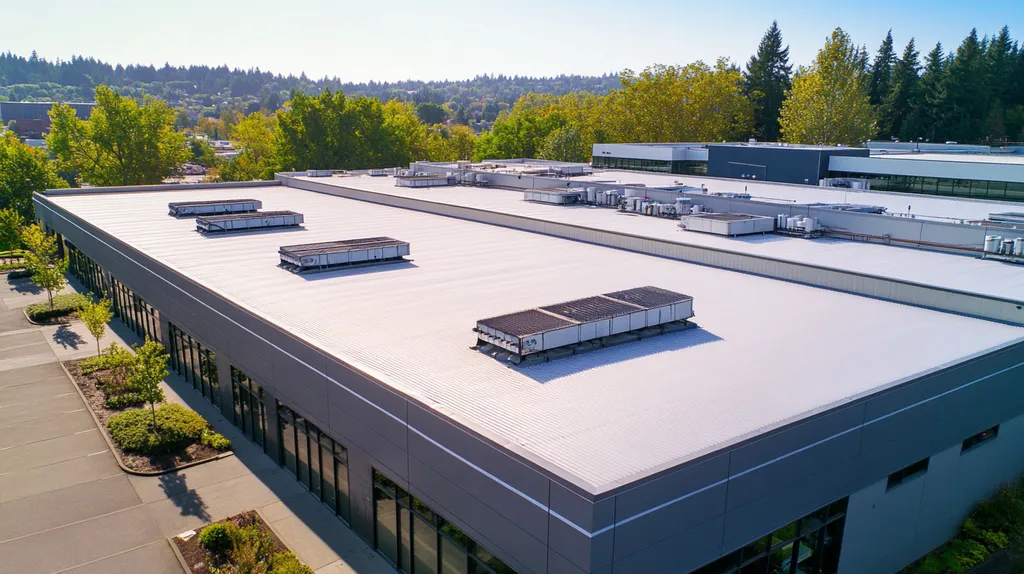
Commercial roofing performance directly impacts building protection, operational costs, and occupant safety. Modern roofing systems require precise installation techniques, proactive maintenance, and swift responses to emerging issues. Before undertaking any commercial roofing project, thorough preliminary planning and assessment are essential to ensure optimal performance outcomes. (source: Allweather Roof)
Installation Quality
Installation quality serves as the foundation for long-term roofing performance. Proper techniques during initial installation directly affect warranty coverage, weather resistance, and system longevity.
Qualified contractors maintain dedicated crews with manufacturer certifications and ongoing training in current installation methods. Their expertise ensures precise application of materials and proper integration of all roofing components.
In-house teams typically lack specialized certifications and may be unfamiliar with manufacturer-specific installation requirements. This knowledge gap often leads to compromised installations that reduce system effectiveness.
The specialized training and proven expertise of qualified contractors provides a clear ADVANTAGE in installation quality.
Maintenance Expertise
Regular, skilled maintenance plays a crucial role in maximizing roofing system performance. Early detection and correction of minor issues prevent them from escalating into major problems that compromise the entire system.
Qualified contractors implement structured maintenance programs based on manufacturer guidelines and industry best practices. Their systematic approach includes detailed inspections, preventive repairs, and thorough documentation.
In-house teams often struggle to maintain consistent maintenance schedules due to competing priorities. Limited diagnostic capabilities can result in overlooked issues that worsen over time.
The systematic maintenance capabilities of qualified contractors earn them an ADVANTAGE in sustaining optimal performance.
Response Time and Flexibility
Swift response to roofing issues can mean the difference between minor repairs and major system failures. Weather events and unexpected damage require immediate attention to prevent widespread problems.
Qualified contractors maintain emergency response teams and established protocols for urgent situations. Their dedicated resources allow rapid deployment to address critical issues before they escalate.
In-house teams must balance emergency roofing needs against other facility responsibilities. Limited staffing and equipment constraints often delay response times, allowing problems to worsen.
The specialized emergency response capabilities of qualified contractors delivers an ADVANTAGE in maintaining system performance during critical situations.
ROUND 3 WINNER: QUALIFIED CONTRACTOR
ROUND 4: MAINTENANCE REQUIREMENTS
Effective maintenance can extend a commercial roof’s lifespan by up to 50%, yet studies show that over 80% of roof failures stem from inadequate maintenance practices. For property owners and facility managers, understanding the maintenance capabilities gap between qualified contractors and in-house teams is crucial for protecting their roofing investment and avoiding costly emergency repairs.
Systematic Maintenance Planning
Effective project management in commercial roofing requires thorough planning, clear communication, and rigorous quality control throughout the maintenance cycle. Regular inspections and preventive care can identify potential issues before they escalate into major problems. (source: Cotney Consulting)
Qualified contractors implement structured maintenance programs with detailed inspection schedules, documentation protocols, and clear accountability measures. Their specialized teams use advanced diagnostic tools to detect early warning signs of potential failures.
In-house maintenance teams often lack formal inspection protocols and may miss critical early indicators of roofing problems. Limited access to specialized diagnostic equipment can further compromise their ability to identify developing issues.
The systematic approach and specialized tools of qualified contractors earn them a clear ADVANTAGE in maintenance planning.
Technical Expertise
Modern commercial roofing systems incorporate multiple components that require specific maintenance procedures and specialized knowledge. Understanding these requirements is essential for preserving warranty coverage and maximizing system performance.
Qualified contractors maintain crews with manufacturer certifications and ongoing training in current maintenance techniques. Their expertise covers diverse roofing systems and includes proper repair procedures for various materials and components.
In-house teams typically possess general maintenance knowledge but lack specialized training in specific roofing systems. This knowledge gap often leads to improvised repairs that may compromise long-term roof integrity.
The specialized training and broad system knowledge of qualified contractors provides an ADVANTAGE in technical expertise.
Resource Allocation
Effective maintenance requires dedicated resources, including specialized equipment, repair materials, and skilled personnel. The ability to allocate these resources efficiently impacts both maintenance quality and response times.
Qualified contractors maintain dedicated maintenance crews and equipment specifically for roofing work. Their established supplier relationships ensure quick access to proper repair materials when needed.
In-house teams must balance roofing maintenance with other facility responsibilities, often leading to delayed repairs. Limited equipment access and material inventories can further impact their maintenance capabilities.
The focused resources and superior material access of qualified contractors delivers an ADVANTAGE in maintenance execution.
ROUND 4 WINNER: QUALIFIED CONTRACTOR
ROUND 5: SUSTAINABILITY CREDENTIALS
Commercial roofing sustainability has evolved from a buzzword into a critical business imperative. With energy costs soaring and environmental regulations tightening, sustainable roofing practices can reduce operating costs by up to 30% while ensuring regulatory compliance. Property owners face mounting pressure to demonstrate environmental responsibility while maintaining building performance and protecting their bottom line.
Understanding Sustainable Materials
Modern sustainable roofing materials offer unprecedented opportunities for environmental and economic benefits. Advanced materials like cool roofing membranes, recycled components, and bio-based products can dramatically reduce building energy consumption while meeting rigorous performance standards.
Qualified contractors maintain comprehensive knowledge of sustainable material options and their specific applications. Their established relationships with manufacturers provide access to the latest eco-friendly innovations and documentation of environmental compliance.
In-house teams typically lack direct access to premium sustainable materials and may struggle to verify environmental certifications. Their limited exposure to new products often results in defaulting to familiar but less sustainable options.
The qualified contractor earns an ADVANTAGE through superior sustainable material expertise and access.
Energy Efficiency Integration
Effective project management in sustainable roofing requires precise integration of energy-efficient components and careful coordination of installation details. Success depends on thorough planning, clear specifications, and rigorous quality control throughout implementation. (source: Cotney Consulting)
Qualified contractors employ systematic approaches to energy efficiency, from detailed thermal analysis to precise installation of insulation systems. Their expertise ensures optimal integration of components like reflective coatings, thermal barriers, and ventilation systems.
In-house teams often lack the specialized tools and training needed for comprehensive energy efficiency implementation. This capability gap frequently results in missed opportunities for performance optimization.
The systematic approach and specialized expertise of qualified contractors provides an ADVANTAGE in energy efficiency integration.
Certification Management
Sustainable roofing certifications like LEED and Energy Star increasingly impact building value and operational costs. Proper documentation and verification processes are essential for maintaining these valuable credentials.
Qualified contractors maintain staff trained in current certification requirements and documentation procedures. Their systematic approach ensures proper recording of materials, installation methods, and performance metrics needed for certification compliance.
In-house teams rarely possess specialized certification knowledge and may struggle with documentation requirements. This expertise gap can jeopardize certification status and compromise sustainability goals.
The certification expertise of qualified contractors delivers an ADVANTAGE in maintaining sustainability credentials.
ROUND 5 WINNER: QUALIFIED CONTRACTOR
ROUND 6: SPECIALIZED APPLICATIONS
Modern commercial roofing has evolved far beyond basic weatherproofing. Today’s specialized applications include green roofs, solar integration, and advanced membrane systems that can reduce energy costs by up to 40%. However, these complex systems demand precise installation and maintenance protocols. The wrong approach can lead to catastrophic failures, with repair costs often exceeding the initial installation expense.
Technical Expertise Requirements
Project success in specialized roofing applications depends on thorough planning, precise execution, and rigorous quality control throughout the installation process. Professional project management ensures work meets exacting standards while maintaining crucial safety protocols. (source: Cotney Consulting)
Qualified contractors maintain teams certified in multiple specialized systems, from vegetative roofs to photovoltaic installations. Their expertise covers critical aspects like load calculations, waterproofing integration, and complex drainage design.
In-house teams rarely possess the specialized certifications or experience needed for advanced roofing applications. This expertise gap often leads to installation errors that compromise system performance and warranty coverage.
The deep technical knowledge of qualified contractors provides a clear ADVANTAGE in specialized installations.
Equipment and Resource Access
Specialized roofing applications require advanced equipment and precise installation tools that represent significant capital investments. These resources directly impact installation quality and project efficiency.
Qualified contractors maintain dedicated equipment fleets specifically designed for specialized installations. Their investment in cutting-edge tools ensures precise application of advanced systems and materials.
In-house teams typically lack access to specialized roofing equipment, forcing them to rely on general-purpose tools. This limitation can compromise installation precision and extend project timelines.
The superior equipment access of qualified contractors delivers an ADVANTAGE in specialized applications.
Quality Control Systems
Specialized roofing applications demand rigorous quality control throughout installation and commissioning. Proper oversight ensures systems perform as designed while maintaining warranty compliance.
Qualified contractors implement structured quality control programs with detailed inspection protocols and documentation requirements. Their systematic approach includes continuous monitoring and verification of critical installation parameters.
In-house teams often lack formal quality control procedures for specialized applications. This oversight gap can result in undetected installation issues that compromise long-term performance.
The comprehensive quality control capabilities of qualified contractors earn them an ADVANTAGE in ensuring installation success.
ROUND 6 WINNER: QUALIFIED CONTRACTOR
AND THE WINNER IS…
After six grueling rounds of technical evaluation, we have our verdict…
In a stunning display of technical dominance, QUALIFIED CONTRACTOR has emerged victorious with a clean sweep across all rounds! This heavyweight champion showcased superior strength in material purchasing power, installation expertise, and maintenance capabilities that simply couldn’t be matched.
The champion’s victory was particularly decisive in Rounds 3 and 6, where specialized knowledge and advanced equipment access proved devastating against the challenger. From sustainable roofing innovations to complex specialized applications, the qualified contractor’s certified expertise carried the day.
Yet don’t count the In-House Team out entirely. For routine inspections and minor repairs on simple roofing systems, these dedicated facility warriors can still deliver solid performance while controlling costs.
Of course, every building represents its own unique match-up. Local conditions, specific property requirements, and individual facility characteristics all influence the final decision. Property owners should always consult qualified professionals who can evaluate their specific situation before choosing their roofing champion.
Ladies and gentlemen, in the high-stakes arena of commercial roofing, there’s no substitute for proven expertise. The real victory comes from matching your facility’s specific challenges with the right contender’s capabilities. Choose wisely – your building’s future depends on it!
FREQUENTLY ASKED QUESTIONS
Q. What are the initial costs for a commercial roof installation?
A. Initial costs for a commercial roof installation vary based on material and complexity. Qualified contractors often provide competitive pricing through relationships with suppliers, which can lead to better overall value. In-house teams may struggle with high material costs due to fewer supplier connections.
Q. How long does a commercial roof typically last?
A. The lifespan of a commercial roof largely depends on materials and installation quality. Professionally installed roofs can last 30 years or more when properly maintained. Poor installation practices can lead to premature failure, costing property owners significantly more in the long run.
Q. How does installation affect a commercial roof’s performance?
A. Installation quality is crucial for the performance of a commercial roof. Proper techniques ensure effective weather resistance, optimal energy efficiency, and adherence to warranty standards. Inadequate installations can lead to significant performance issues and costly repairs later.
Q. What maintenance practices extend a commercial roof’s lifespan?
A. Regular inspections and proactive maintenance are key to extending a commercial roof’s lifespan. Qualified contractors typically offer structured maintenance programs that detect minor issues before they escalate. In-house teams may lack similar resources, leading to reactive repair strategies that can shorten roof life.
Q. What sustainable options are available for commercial roofing?
A. Sustainable options for commercial roofing include cool roofing membranes and recycled materials. These options not only reduce energy costs but also ensure compliance with environmental regulations. Qualified contractors have detailed knowledge of available sustainable materials and the latest innovations in this area.
Q. How important is quality control in specialized roofing applications?
A. Quality control is essential in specialized roofing applications to ensure systems perform effectively. Rigorous oversight during installation helps maintain warranty compliance and operational reliability. This level of control is often lacking in in-house teams, which can lead to undetected errors and future performance issues.
Q. What is the advantage of hiring qualified contractors for commercial roofing?
A. Hiring qualified contractors ensures access to expertise, better resource allocation, and established supplier relationships. They provide comprehensive project planning and oversight, leading to improved performance, durability, and lifespan of the commercial roof. This often results in significant long-term savings for property owners.






