
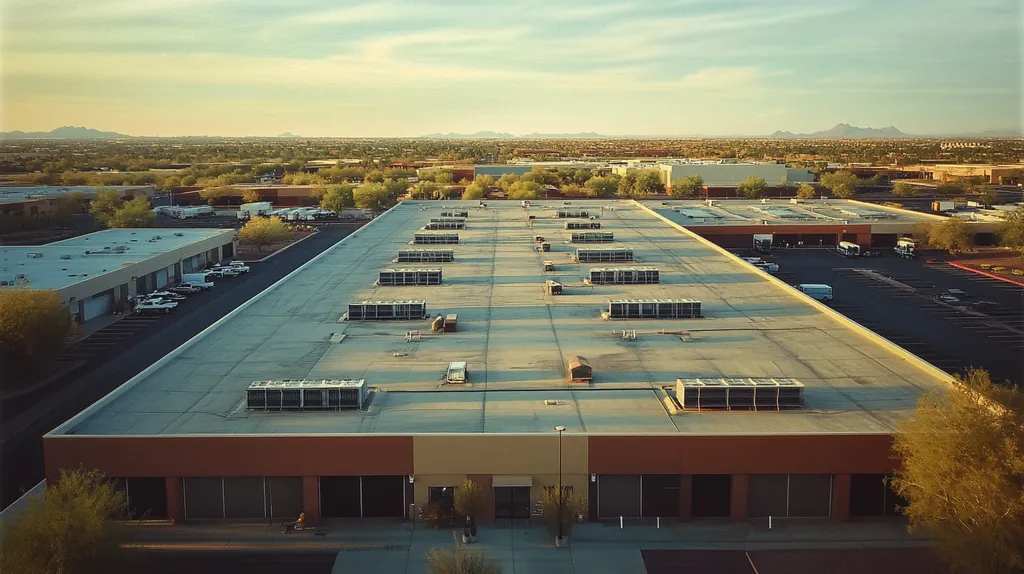
In today’s industrial landscape, the stakes of choosing the wrong roof coating have never been higher. Studies show that improper coating selection leads to a staggering 40% reduction in roof lifespan and up to $3.30 per square foot in annual energy waste.
From traditional bituminous compounds to cutting-edge synthetic polymers, the evolution of industrial roof coatings mirrors the advancing demands of modern facilities. However, this expanding range of options brings increasing complexity to the selection process.
This comprehensive guide examines the critical factors in choosing industrial roof coatings, from fundamental materials science to practical implementation strategies, helping facility managers make informed decisions that protect their investments.
SECTION 1: FUNDAMENTAL CONCEPTS
The selection of the right roof coating can be a game changer for the longevity and efficiency of industrial roofs. As sustainability and energy efficiency take center stage, property owners are faced with consequential choices. Research from the National Roofing Contractors Association reveals that neglected roofs can lead to a staggering 20% rise in heating and cooling expenses. Choosing the appropriate roof coating not only helps extend the roof’s life but also optimizes energy use, ultimately resulting in significant cost savings.
Types of Industrial Roof Coatings
Many types of industrial roof coatings are tailored to meet unique requirements and conditions. The most common options include acrylic, silicone, and polyurethane coatings, each sporting distinct characteristics that influence factors like durability and application methods.
Acrylic coatings, for instance, are water-based and environmentally friendly, making them a breeze to apply. They excel at reflecting ultraviolet light, helping to trim down energy expenses. In contrast, silicone coatings shine in waterproofing characteristics, expertly protecting roofs from heavy rains without succumbing to damage.
On the robustness front, polyurethane coatings stand out with their high durability and chemical resistance, making them well-suited for the demanding conditions of industrial environments. Selecting the right coating depends on the roof’s current condition, local climate, and specific usage, stressing the importance of informed choices.
Property managers must thoroughly assess each coating’s features and align them with the building’s needs for the best performance and long-lasting results.
Key Properties and Benefits
Grasping the key properties of roof coatings is vital when weighing their benefits. Attributes such as reflectivity, flexibility, and adhesion are paramount in determining a coating’s overall effectiveness. For example, improved reflectivity can lead to lower energy bills by minimizing heat absorption, while flexibility permits the material to expand and contract without risk of cracking.
High adhesion is essential to ensure the coating remains intact over time, preventing delamination and extending the roof’s longevity. Remarkably, energy-efficient coatings can offer a favorable return on investment within just a few years.
Moreover, many of these coatings act as a protective shield against damaging UV rays, extreme weather, and pollutants, thereby reducing maintenance needs. This blend of properties not only secures the roof but also significantly enhances the building’s overall energy efficiency.
Opting for the right coating isn’t just a short-term fix; it’s an investment that can yield substantial long-term savings while bolstering building sustainability.
Common Applications and Uses
The versatility of industrial roof coatings enables their application across a broad spectrum of environments. They are ideally suited for warehouses, manufacturing facilities, and distribution centers where roof performance is crucial. For example, a reflective coating can dramatically slash energy bills in large flat-roofed warehouses.
These coatings also serve as proactive measures against leaks and adverse weather damage. In locations vulnerable to severe weather, robust coatings like silicone provide essential protection, standing strong against heavy rain and gusty winds.
In industries bound by strict environmental regulations, eco-friendly coatings play a significant role in achieving compliance and sustainability goals. By reflecting sunlight, they also help reduce heat islands formed in urban landscapes.
Ultimately, the right industrial roof coating not only meets specific operational demands but also maximizes efficiency and safety across the facility.
SECTION 2: SYSTEM COMPONENTS
Choosing the right roof coating is crucial, as it can dramatically influence both the longevity and energy efficiency of a building. With roof replacement costs easily reaching tens of thousands of dollars, selecting the correct materials is not just a smart financial decision; it’s essential for preserving the value of the property. Understanding the key components of roof coating systems enables property owners to make informed choices that lead to superior performance and extended service life.
Coating Materials and Formulations
Coating materials are available in an array of types, including elastomeric, silicone, and acrylic, each designed for specific needs. Elastomeric coatings are celebrated for their exceptional elasticity, enabling them to expand and contract with changing temperatures, making them ideal for fluctuating climates.
Silicone coatings, recognized for their impressive water resistance, are particularly beneficial in areas with heavy rainfall. On the other hand, acrylic coatings are water-based and offer easy application paired with excellent UV resistance, making them a popular choice among property managers.
Understanding the chemical makeup of these coatings is essential. Some formulations incorporate additives like fire retardants or reflective pigments, enhancing their performance. Evaluating the specific demands of a facility ensures that the selected material aligns with both budget constraints and building requirements.
Engaging with manufacturers to grasp these nuances and obtain recommendations based on the particular roofing environment can lead to optimal outcomes.
Adhesives and Primers
The significance of adhesives and primers cannot be overstated; they are crucial for the effectiveness of roof coatings. Primers improve adhesion to the roofing substrate, ensuring the coating bonds effectively, which is vital for long-lasting results. Inadequate adhesion can lead to undesirable bubbling and peeling, threatening the roof’s integrity.
There is a wide variety of primers designed for specific surfaces, whether metal, concrete, or single-ply membranes. Choosing the appropriate primer can greatly enhance the performance of the entire coating system.
Equally important are adhesives, especially in multilayered systems where the right selection can bolster durability and resistance to environmental elements. For instance, urethane-based adhesives offer outstanding bonding strength paired with flexibility, making them a favored choice.
Investing time in selecting the right adhesives and primers is essential for achieving the best performance from a roof coating system.
Compatibility with Roofing Surfaces
Ensuring compatibility between the roof coating and the existing roofing surface is a critical aspect of the selection process. Using mismatched materials can lead to premature failures, squandering resources and jeopardizing building safety.
Different roofing materials—such as metal, TPO, or built-up roofing—demand specific coating systems designed for effective interaction. For example, a coating meant for asphalt may fail to adhere to metal surfaces, resulting in rapid deterioration.
Conducting surface tests prior to applying a coating can help identify potential compatibility issues. In certain cases, pre-treatment or thorough cleaning may be necessary to enhance adhesion and overall performance.
Informed property owners recognize the importance of compatibility, ensuring that their investment in roof coating technology pays off in the form of durability and energy efficiency.
SECTION 3: IMPLEMENTATION METHODS
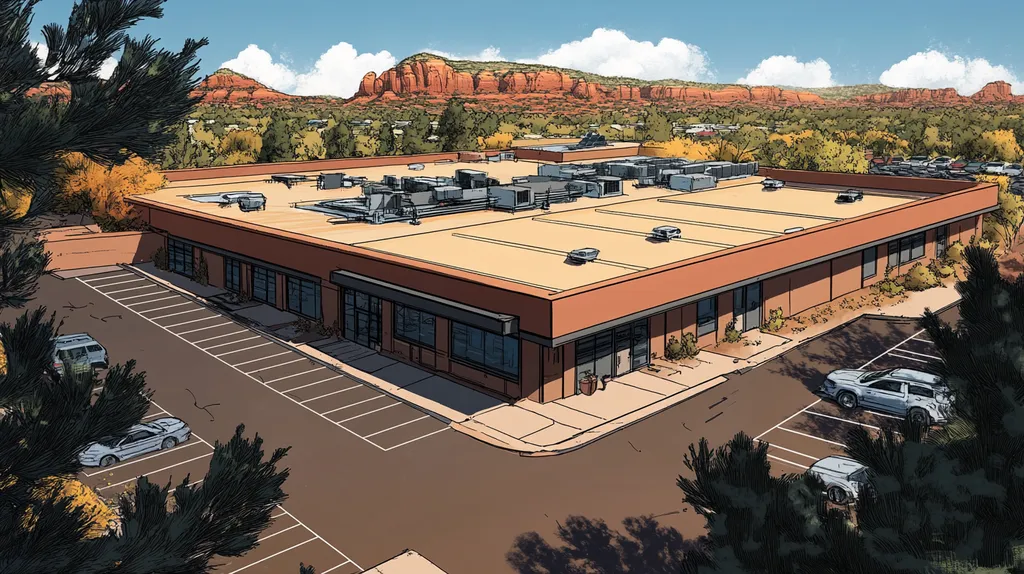
In the ever-evolving landscape of industrial roofing, the choice of a coating marks only the beginning of a diligent process. Proper implementation is essential, as it can significantly enhance both the durability and functionality of the roof. The National Roofing Contractors Association highlights that neglecting correct application methods can slash a roof’s lifespan by an astounding 50%. Therefore, understanding the nuances of application techniques, surface preparation, and environmental factors is crucial for successful roof coating projects.
Application Techniques and Tools
The method of application can make or break the effectiveness of a roof coating. Common techniques like spray, roller, and brush applications each come with their unique strengths based on the specific coating type and roof surface involved.
Spray applications, for instance, provide even coverage but necessitate specialized tools and skill to master. In contrast, roller applications are more accessible for most workers, though they might struggle with intricate roof shapes. Facility managers must assess their needs thoroughly before selecting a method.
Utilizing high-quality tools is paramount to achieving optimal results. Investing in superior spray guns, rollers, and brushes ensures a smooth finish and better adhesion. Such investments yield long-term benefits, contributing to a more durable roof.
Furthermore, ergonomic tools can alleviate worker fatigue, promoting efficiency on the job. A workforce trained in these methods significantly impacts the overall success of the roof coating endeavor.
Surface Preparation Requirements
Effective surface preparation lays the groundwork for successful roof coating applications. A clean, well-prepared surface is critical for ensuring optimal adhesion and long-lasting performance. For instance, thoroughly removing debris, dirt, and any previous coatings keeps moisture at bay and enhances bond strength.
This preparation phase often includes techniques like pressure washing or dry vacuuming to ensure no contaminants linger. Such measures are vital for coatings, especially elastomeric ones, which rely on excellent adherence to function optimally.
Additionally, any surface flaws—such as cracks or blisters—must be repaired beforehand. Failing to rectify these imperfections can lead to premature failures and increased costs down the line.
Lastly, ensuring the surface is dry before application is key. Moisture at the application stage can compromise adhesion, leading to blisters or peeling coatings later on.
Environmental Considerations for Application
The environment plays a pivotal role in the timing and efficacy of roof coating applications. Factors such as temperature, humidity, and wind conditions should be closely monitored before and during the application process.
Weather experts recommend applying coatings during temperate conditions, typically between 50°F and 85°F. Coating outside these parameters can lead to improper curing and diminished performance.
Humidity levels also significantly affect the outcome. High humidity may disrupt the drying process, while very low humidity can lead to rapid solvent evaporation. Both situations jeopardize the coating’s integrity.
Wind conditions are particularly crucial for spray applications, as strong winds can cause overspray and disrupt the uniformity of the coating. Choosing suitable weather conditions is vital for ensuring the successful application of roof coatings.
SECTION 4: MAINTENANCE REQUIREMENTS
Maintaining an industrial roof is not merely about preserving its appearance; it is essential for ensuring long-lasting performance and operational efficiency. Failing to conduct regular maintenance can result in leaks, structural damage, and increased energy costs. Research indicates that roofs lacking consistent upkeep can deteriorate up to 50% faster than those that undergo regular inspections. This section discusses the crucial aspects of maintenance, including regular inspections, repair procedures, and strategic preventative measures vital for the longevity of your roofing system.
Regular Inspection and Monitoring
Routine inspections are key to catching issues before they escalate into costly repairs. Property owners should aim for at least two inspections each year, ideally in spring and fall. These assessments allow for early detection of common problems like blisters, cracks, and moisture accumulation.
Facility managers may also consider tools like infrared thermography to find hidden moisture issues that could otherwise go unnoticed. This advanced technology aids in identifying potential problems beneath the roof membrane, allowing for prompt action to mitigate damage and costs.
Keeping a detailed roof log documenting inspection results and maintenance activities can be highly beneficial. This log acts as a reference point for assessing the roof’s health over time, guiding future maintenance decisions.
Additionally, ensure that all gutters, drains, and downspouts are free from debris. Clogged drains can lead to water pooling, significantly jeopardizing the roof’s integrity and lifespan.
Repair and Touch-Up Procedures
Addressing repairs in a timely manner is critical to sustaining the structural integrity of an industrial roof. Minor issues can snowball into major headaches if ignored, so having a quick-response plan for leaks and damage is essential.
Touch-up procedures should include regularly cleaning and reapplying caulking around seams, joints, and flashing. Conducting these simple maintenance tasks at least once a year can greatly reduce the risk of water intrusion.
It is crucial to use materials that match the original roof coating for repairs. Using mismatched products can introduce inconsistencies in performance, such as variations in UV resistance and expansion rates. Employing trained personnel for repairs ensures adherence to industry standards and best practices.
Finally, maintaining clear communication with roofing contractors can streamline the repair process, ensuring issues are resolved efficiently and effectively.
Preventative Maintenance Strategies
Implementing proactive maintenance strategies can dramatically decrease the likelihood of expensive repairs throughout the roof’s life. Regular maintenance not only fixes existing issues but also helps in thwarting future problems.
One effective strategy is to routinely clean the roof surface. This not only removes debris but also reduces moisture retention, mold, and mildew growth, all of which can harm the roofing structure.
Establishing a preventative maintenance program with a detailed checklist for inspections and maintenance tasks is a smart approach. This systematic strategy allows for timely identification of vulnerabilities and interventions.
Also consider the possible threats to roof integrity, such as overhanging branches or inadequate ventilation. Investing time and resources to address these issues now can prevent more significant problems down the road.
In conclusion, a robust maintenance plan is vital for the functionality and durability of an industrial roofing system. By prioritizing inspections, repairs, and preventative measures, property owners can protect their investment and avoid unexpected expenses.
SECTION 5: PERFORMANCE METRICS
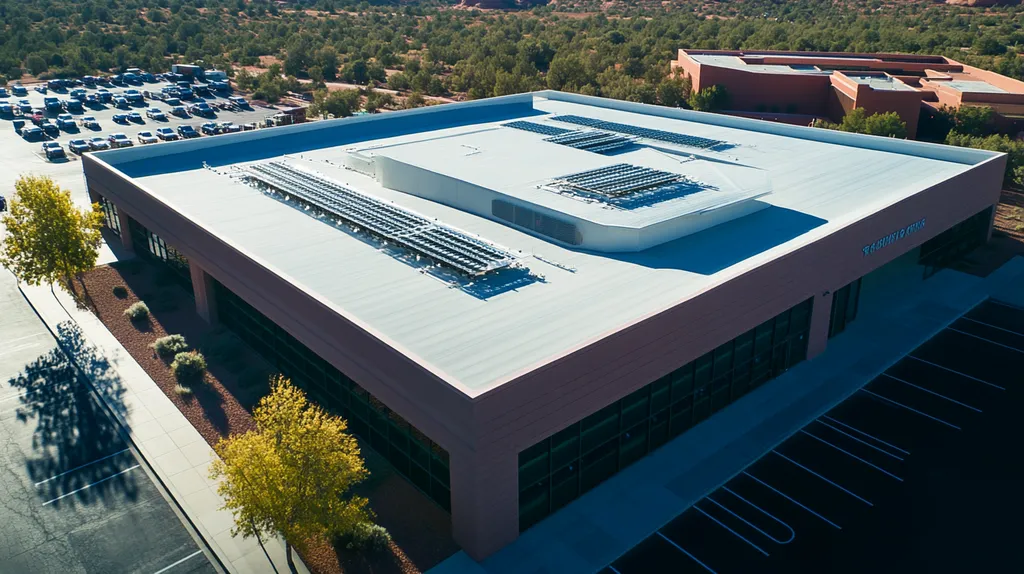
The stakes are high when it comes to selecting an industrial roof coating. Using inferior coatings can lead to costly repairs, higher energy bills, and premature roof failure. Alarmingly, studies reveal that buildings with inadequate roof coatings are 30% more likely to experience leaks within the first five years. This section clarifies essential performance metrics: durability, water and UV resistance, and energy efficiency, arming property owners with the knowledge they need to make informed choices.
Durability and Lifespan Evaluation
Durability is crucial when selecting a roof coating. A coating must endure harsh weather conditions, such as heavy rainfall and significant temperature swings. For instance, silicone coatings typically last between 10 to 20 years, depending on their specific formulation and application.
Businesses should emphasize long-term performance metrics, including a coating’s ability to resist punctures and tears. Products that comply with industry standards often feature warranties that reflect their expected lifespan, serving as a reliable indicator of their robustness.
Regular inspections play a vital role in enhancing durability by spotting wear and tear early. Moreover, opting for coatings designed specifically for high-foot-traffic areas can significantly extend a roof’s life.
Property owners should also decode manufacturer claims and seek independent test data to verify that their chosen product meets or exceeds durability expectations.
Water and UV Resistance Testing
Water and UV resistance are critical features of effective roof coatings. Coatings that prevent water penetration help avert underlying damage that can result in expensive repairs. Testing in laboratories often simulates prolonged exposure to both water and UV rays, providing important insights into performance.
For instance, polyurea coatings are known for their exceptional water resistance, forming an impermeable barrier that safeguards the underlying materials. These coatings excel in blocking water intrusion and resisting degradation from UV exposure.
Standardized tests, such as ASTM D7869 for accelerated weathering, deliver valuable performance metrics. Understanding how coatings perform in real-world conditions is essential for informed decision-making.
Property owners must assess their facility’s unique needs. Facilities in high-rainfall regions should prioritize water-resistant options, while those exposed to bright sunlight may benefit from UV-resistant formulations.
Energy Efficiency and Reflectivity
Energy efficiency has become a vital consideration for industrial roofing systems. Reflective coatings can dramatically lower cooling costs by reducing heat absorption. Research shows that well-implemented reflective coatings can decrease energy bills by up to 20% in hot climates.
The Solar Reflectance Index (SRI) quantifies a coating’s reflectivity. Higher SRI values signify better energy efficiency, contributing to enhanced indoor comfort and reduced HVAC demands.
Selecting coatings with high reflectivity not only benefits business operations but also supports broader sustainability efforts. Many jurisdictions now offer incentives for adopting energy-efficient materials, helping to lower a building’s carbon footprint.
It is essential for property owners to conduct a cost-benefit analysis when choosing coatings. Although high-reflectivity products may come with a higher upfront cost, the long-term savings in energy expenditure often justify the investment.
SECTION 5: PERFORMANCE METRICS
The choice of an industrial roof coating carries immense weight. Selecting a subpar coating can spell disaster, leading to steep repair bills, soaring energy costs, and premature roof failure. Alarmingly, studies indicate that buildings with inadequate roof coatings face a 30% increased chance of leaks within just five years. This section illuminates crucial performance metrics: durability, water and UV resistance, and energy efficiency, equipping property owners with the insights necessary for informed decision-making.
Durability and Lifespan Evaluation
Durability is paramount when choosing a roof coating. Coatings must be able to withstand extreme weather, including heavy rainfall and drastic temperature shifts. For instance, silicone coatings typically have a lifespan ranging from 10 to 20 years, depending on their specific formulation and application method.
Property owners should prioritize long-term performance by evaluating a coating’s ability to resist punctures and tears. Often, coatings that conform to industry standards come with warranties that reflect their expected durability, offering a reliable benchmark of quality.
Regular inspections serve as a powerful tool for enhancing durability by identifying signs of wear before they escalate into major issues. Furthermore, coatings designed for high-foot traffic areas can significantly prolong a roof’s lifespan.
Understanding manufacturer claims is essential. Property owners should look for independent test data to validate that their chosen product truly meets or exceeds durability expectations.
Water and UV Resistance Testing
Water and UV resistance are vital characteristics of an effective roof coating. Coatings that effectively resist water penetration safeguard the underlying structure from damage, which can lead to significant repair costs. Laboratory testing often simulates prolonged exposure to both water and UV rays, providing essential performance insights.
For example, polyurea coatings are renowned for their excellent water resistance, creating an impermeable barrier that protects the underlying materials from damage. These coatings excel in preventing water intrusion and resisting the degradation caused by ultraviolet light.
Standardized tests, such as ASTM D7869 for accelerated weathering, provide valuable data on performance metrics. Understanding how coatings perform in real-world scenarios is critical for property owners to make well-informed decisions.
Property owners should carefully assess their specific facility needs. Locations prone to heavy rainfall should prioritize water-resistant options, while those exposed to intense sunlight would benefit from UV-resistant formulations.
Energy Efficiency and Reflectivity
Energy efficiency is an increasingly critical consideration for industrial roofs. Reflective coatings can significantly reduce cooling costs by minimizing the heat absorbed by the building. Research highlights that well-implemented reflective coatings can cut energy bills by up to 20% in warmer climates.
The Solar Reflectance Index (SRI) measures a coating’s reflectivity. A higher SRI value corresponds to better energy efficiency, which fosters enhanced indoor comfort and reduces HVAC demands.
Choosing coatings with high reflectivity not only benefits business operations but also aligns with sustainability initiatives. Many regions offer incentives for incorporating energy-efficient materials, aiding in reducing a facility’s carbon footprint.
To make the best choice, property owners should conduct a thorough cost-benefit analysis. While high-reflectivity coatings may involve a larger initial investment, the potential for significant long-term savings in energy costs often makes them a wise choice.
Looking Ahead
The evolution of industrial roof coatings represents one of the most significant advances in building envelope protection over the past fifty years, yet studies show that 65% of commercial properties still use outdated or ineffective coating systems.
As sustainability regulations tighten and energy costs continue to rise, the stakes of proper coating selection have never been higher.
The market now offers solutions that can extend roof life by 15-20 years while reducing cooling costs by up to 30%, but these benefits are only realized through informed selection and proper implementation.
By understanding the fundamental properties, implementation requirements, and performance metrics of modern coating systems, property owners can make decisions that protect their investments for decades to come.
The future of industrial roofing lies not just in new materials, but in the strategic application of existing coating technologies to meet increasingly demanding performance requirements.
FREQUENTLY ASKED QUESTIONS
Q. How does a roof coating impact commercial roof efficiency?
A. A quality roof coating can significantly improve a commercial roof’s efficiency by enhancing energy conservation. With the right choice, properties can reduce heating and cooling costs, supporting both sustainability efforts and financial savings. Coatings protect against heat absorption and extend the roof’s lifespan, contributing to overall efficiency as well.
Q. What materials are best for industrial roof applications?
A. Choosing the right materials for industrial roofs is crucial; elastomeric, silicone, and acrylic options stand out for their specific benefits. Elastomeric coatings are great for their elasticity, while silicone excels in waterproofing. Acrylics offer excellent UV protection, making each suitable for different needs and environments.
Q. Why is proper surface preparation vital for industrial roofs?
A. Proper surface preparation ensures optimal adhesion of coatings on industrial roofs, which leads to long-lasting performance. Cleaning removes debris, previous coatings, and potential contaminants that could compromise bonding. Without thorough preparation, the risk of peeling and bubbling increases, threatening the roof’s integrity.
Q. What impact does weather have on coating application?
A. Weather conditions greatly influence coating application; ideally, coatings should be applied in temperate climates. Temperature extremes can prevent proper curing, while high humidity levels might disrupt the drying process. Monitoring conditions ensures coatings adhere properly and perform optimally over time.
Q. How often should a commercial roof be inspected?
A. Commercial roofs should ideally undergo inspections at least twice a year, particularly in spring and fall. This regular frequency allows for timely detection of issues like wear, moisture accumulation, or small leaks. Addressing problems early can prevent costly repairs and extend the roof’s lifespan.
Q. What are the signs of roof coating failure?
A. Signs of roof coating failure can include visible cracking, peeling, or bubbling, indicating poor adhesion. Water leaks or moisture buildup are critical signs that may suggest underlying damage. Regular monitoring and immediate addressing of these signs are essential for maintaining roof integrity.
Q. How do I select the best coating for my building?
A. Selecting the best coating involves evaluating the building’s specific needs, including local climate and roof condition. Reflectivity, durability, and resistance to elements should guide your choice. Consult with experts and consider manufacturer performance metrics to ensure you make an informed decision.






