

Think your industrial roof is just there to keep the rain out? Think again! A staggering 85% of commercial roof failures could have been prevented through proper professional inspection programs.
From detecting hidden moisture damage to identifying energy-draining inefficiencies, professional roof inspections serve as your facility’s first line of defense against costly disasters and operational disruptions.
This comprehensive guide explores the critical advantages of professional industrial roof inspections, breaking down everything from fundamental concepts to optimization strategies that can extend your roof’s lifespan by up to 25%.
SECTION 1: FUNDAMENTAL CONCEPTS
Imagine your industrial roof as an unsung hero, tirelessly guarding your business against the elements and the wear and tear of time. Regular inspections are its best friend! These periodic check-ups are essential for ensuring that roofs remain safe, efficient, and durable. According to the National Roofing Contractors Association, a proactive inspection approach can actually extend a roof’s life by as much as 25%. Given the potential costs of roof replacements and the disruption to business operations, neglecting inspections is not an option for property owners and facility managers. This section will dive into the significance of routine inspections, the diverse types of industrial roofing systems, and an overview of common roofing materials along with their lifespans.
Importance of Regular Inspections
Regular inspections are like the early warning system for a roof, spotting minor issues before they turn into major headaches. A small leak, if ignored, can lead to extensive structural damage and costly operational downtime. In the world of industrial facilities, unexpected repair days can mean serious revenue losses as work grinds to a halt.
Beyond just preventing damage, inspections are also key to staying compliant with safety regulations. Regulatory bodies often require that roofs meet specific standards to ensure the safety of personnel and infrastructure. Dropping the ball on these standards can result in heavy fines and legal entanglements.
Establishing an inspection routine encourages a proactive mindset, allowing property owners to take charge of their roof maintenance instead of waiting for issues to arise. This approach not only protects the financial investment in the property but can also enhance the building’s long-term value.
Moreover, routine inspections contribute to energy efficiency. By identifying and repairing defects, roofs can maintain optimal insulation, which helps lower heating and cooling expenses.
Types of Industrial Roofing Systems
To effectively maintain a roof, it’s essential to understand the different industrial roofing systems available. Common types include built-up roofing (BUR), single-ply membranes, and metal roofs, each with distinct attributes and maintenance needs.
Built-up roofing features layers of asphalt and felt, providing robust durability and weather resistance. However, BUR systems need regular inspections to check for cracks or blisters that could threaten their structural integrity.
Single-ply membranes, such as TPO and EPDM, have gained popularity for their easy installation and flexibility. Yet, these lightweight materials can be vulnerable to punctures and UV radiation damage, making frequent evaluations a must.
Metal roofs are celebrated for their longevity, but over time, issues like rust and corrosion can arise. Regular inspections of seams and joints are important in preventing costly repairs and extending the lifespan of these robust roofing systems.
Common Roofing Materials and Lifespans
The materials used in industrial roofs come with varying lifespans and maintenance requirements. Modified bitumen roofs can last up to 20 years with proper care, but they often need frequent inspections to catch any signs of wear early.
Thermoplastic Olefin (TPO) roofs generally have a lifespan of about 20-30 years, but they can be negatively affected by UV exposure. Routine inspections are vital to ensure seams remain intact and that the membrane withstands wear over time.
Metal roofs can outlast many other materials, often reaching 40 years or more, depending on the type of metal and protection used. However, without regular assessments, problems like rust and loose fasteners can drastically reduce their lifespan.
Familiarity with these material characteristics allows property owners and managers to tailor their inspection schedules and maintenance strategies, maximizing the performance of their roofs.
SECTION 2: SYSTEM COMPONENTS
Understanding the key components of an industrial roofing system is crucial for property owners and facility managers. Failing to recognize critical elements like roof membranes, flashing, and drainage can lead to significant and costly damages. Alarmingly, studies show that a mere 1% increase in roof leaks can bump maintenance costs by up to 30% annually. Grasping these components is a vital step toward effective inspections and responsible roof management.
Roof Membranes and Coatings
Roof membranes are the first line of defense for industrial buildings, proving vital for water resistance. These materials, including TPO, PVC, and EPDM, serve as shields against environmental threats. Routine inspections help spot any wear and tear, providing the opportunity to fix problems before they escalate.
Coatings are equally important; they not only prolong the life of the membranes but also enhance energy efficiency. A well-applied reflective coating can cut cooling costs by up to 30% by reducing heat absorption—a vital benefit for large industrial warehouses.
Inspections focus on identifying cracks, blisters, or punctures in both membranes and coatings. Catching these issues early allows for timely repairs, which protects the roof system’s integrity. Regular evaluations also shed light on how well the current materials are performing.
Selecting the right membrane and coating is crucial for maximizing a roof’s durability. Different materials offer distinct advantages based on climate, building use, and budget considerations, making professional advice invaluable during inspections.
Flashing and Sealants
Flashing acts as a critical barrier at junctions where different roof sections meet, such as around vents and skylights. It plays an essential role in preventing water intrusion and maintaining the building’s structural integrity. When flashing is damaged or installed incorrectly, it can lead to severe leaks and water damage that jeopardize valuable equipment and inventory.
Sealants complement flashing by filling in gaps and seams, providing an additional layer of protection against moisture. Their lifespan can vary based on environmental exposure, making their condition a focal point during inspections. Cracked or peeling sealants require prompt replacement to avoid progressive damage.
Conducting professional inspections can effectively assess both flashing and sealant conditions, helping to identify potential vulnerabilities. Regular evaluations keep minor issues from evolving into costly repairs, ultimately saving property owners significant amounts over time.
Investing in high-quality flashing and sealants can reduce maintenance needs and bolster overall roof performance. Consulting with roofing professionals to select appropriate materials ensures longevity and reliability in these essential components.
Drainage and Ventilation Systems
Proper drainage and ventilation are vital for the health of an industrial roof system. Ineffective drainage can result in water pooling, which increases wear on roofing materials and heightens the risk of leaks. Essentially, a well-functioning drainage system can be the difference between minor maintenance and major structural repairs.
The drainage system design is equally important; downspouts, gutters, and scuppers need regular inspections to ensure they are free of debris and operational. Any blockages can cause overflow, damaging the building’s façade and interior.
Ventilation, on the flip side, helps maintain temperature and moisture levels within the roofing system. Insufficient ventilation can encourage condensation, compromising insulation and fostering mold growth—particularly worrisome in facilities that store sensitive materials.
With professional inspections, property owners can identify drainage challenges and ventilation shortcomings early on. Taking corrective action not only strengthens the entire roof system but also extends its useful life.

SECTION 3: IMPLEMENTATION METHODS
Neglecting a thorough inspection of an industrial roof can lead to devastating financial consequences, including expensive repairs and safety risks. Alarmingly, research indicates that 30% of commercial roofing failures are tied to insufficient maintenance and inspection. Taking a structured approach to inspections can significantly curb these dangers. This section delves into the pre-inspection preparation, the tools and techniques employed during the inspection process, and the critical importance of transparent reporting post-inspection.
Pre-Inspection Preparation
Preparing for an inspection is essential and begins long before the roofers arrive on site. Property owners should gather important documents, including past inspection records, maintenance logs, and warranty information. This background material provides invaluable context into the roof’s previous condition.
Next, facility managers should perform a visual check from the ground or a nearby vantage point. Spotting visible signs such as sagging areas or missing shingles not only helps keep the inspection team informed but also prioritizes the most pressing issues. Inadequate preparation can lead to crucial matters being overlooked.
Lastly, coordinating with the inspection team to schedule the inspection at a time that minimizes disruption is important. By avoiding peak business hours, property owners can help ensure that the inspection runs smoothly. This attention to communication lays the groundwork for a thorough evaluation.
Inspection Tools and Techniques
When it comes to conducting effective inspections, professionals utilize a variety of tools and techniques to uncover hidden issues within roofing systems. Certified inspectors often use infrared thermography to identify moisture intrusion that isn’t visible to the naked eye. This non-invasive technique allows for precise moisture detection.
In conjunction with thermography, advanced tools like drones and specialized cameras can capture aerial views of the roof. These technologies provide a macro perspective of the roofing surface, aiding in the identification of structural problems such as misplaced membranes or accumulated water.
Using checklists during inspections ensures that all critical areas are addressed methodically. Inspectors should pay particular attention to seams, penetrations, and flashings—components that are notably vulnerable. A systematic approach ensures that no potential issues slip through the cracks.
Post-Inspection Reporting and Documentation
Following an inspection, generating a comprehensive report is vital for informed decision-making. This document should encompass a summary of findings, relevant photographs, and actionable recommendations for repairs or maintenance. Clear documentation provides property owners with a better understanding of the inspection outcome and helps prioritize actions moving forward.
A well-organized report also serves as a crucial reference for future inspections and maintenance planning. By maintaining a historical record, facilities managers can monitor improvements or recurrence of issues over time, fostering a proactive approach to roofing management.
Finally, sharing the report with all relevant stakeholders promotes transparency and encourages collaborative decision-making. Engaging with contractors at this stage allows property owners to discuss potential enhancements and gain a deeper understanding of the roof’s overall condition.
SECTION 4: MAINTENANCE REQUIREMENTS
Ignoring essential maintenance can spell disaster for an industrial roof, leading to not just hefty repair bills but also safety hazards that could affect operations. A staggering 80% of roofing problems arise from inadequate inspections and upkeep. It’s crucial to stay on top of weather-related damage, manage pesky vegetation and wildlife, and ensure that drainage systems are functioning seamlessly. Each of these maintenance requirements plays a vital role in safeguarding the facility while optimizing efficiency.
Identifying Weather-Related Damage
Extreme weather—think torrential downpours, high winds, and heavy snow—can wreak havoc on an industrial roof’s integrity. These conditions can create vulnerabilities, such as tears, punctures, and structural weaknesses. Without regular professional inspections, these issues may remain hidden and lead to heavier, more expensive damage later.
Scheduling inspections after significant weather events is essential. Experts are trained to spot subtle signs that property owners might miss, such as lifting membrane seams or changes in surface texture that could indicate deeper problems.
By proactively planning inspections after storms, property owners can catch damage early, reducing the risk of leaks and structural degradation. This approach ultimately saves money in repairs and extends the life of the roof.
Addressing Vegetation and Wildlife Issues
Overgrown vegetation and wildlife intrusions can become serious threats to an industrial roof. Plants trap moisture, leading to mold and structural damage, while critters can create openings that allow water to seep in. Ignoring these potential issues can lead to significant and costly repairs.
Regular inspections serve as the first line of defense against these environmental challenges. Roofing professionals can accurately assess the extent of vegetation growth and determine the safest removal methods to protect roofing materials.
Additionally, experts can implement preventive measures, such as installing barriers that deter wildlife, thereby enhancing the longevity of the roof. Addressing these factors promptly is critical in preventing greater repair costs and ensuring efficient performance.
Checking for Drainage and Leaks
Drainage issues can escalate into major headaches if not addressed timely. Stagnant water accumulation can lead to surface deterioration and inevitable leaks that jeopardize the roof’s entire integrity. That’s why prioritizing drainage checks should be high on the inspection list.
Roofing professionals systematically evaluate drainage systems, which include gutters, downspouts, and internal drainage setups. By identifying blockages or malfunctions early on, costly leaks can be successfully avoided.
Regular checks enable property owners to handle minor drainage concerns before they evolve into serious structural problems. By focusing on drainage and leak assessments, industrial property managers can preserve their investments, ensuring their roofs remain strong and secure for years to come.
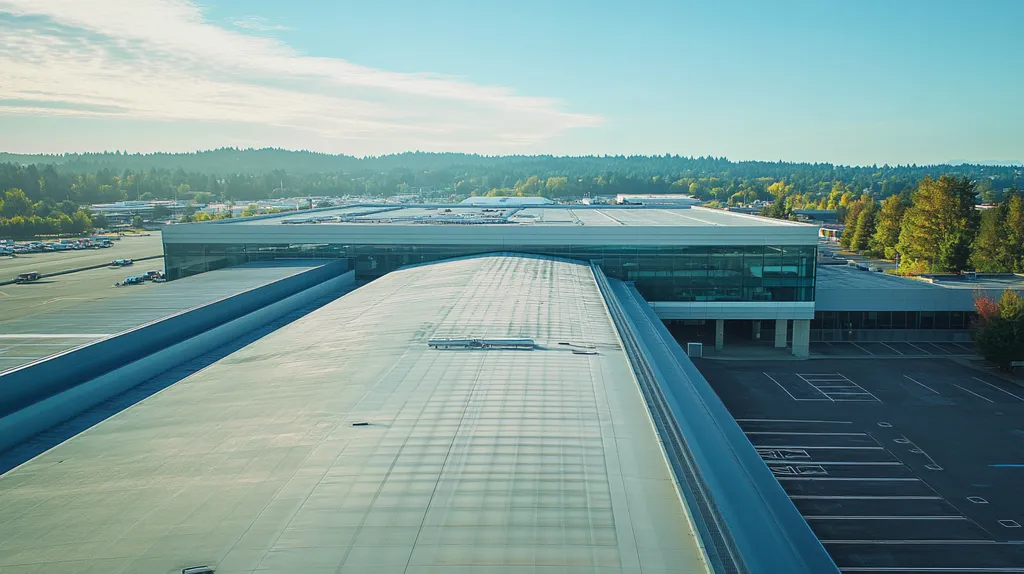
SECTION 5: PERFORMANCE METRICS
In the world of industrial roofing, the stakes are high. A roof that suffers from neglect can trigger a chain reaction of costly repairs, safety hazards, and operational setbacks. Alarmingly, nearly 30% of commercial properties experience critical roof failures sooner than expected. That’s why regular, professional inspections are vital—they assess performance metrics that safeguard roof integrity, boost energy efficiency, and ensure compliance with safety regulations.
Evaluating Roof Integrity
Evaluating the integrity of an industrial roof is crucial for long-term durability. Skilled inspectors can pinpoint early signs of wear and tear that an untrained eye might overlook. For example, even a minor crack in a membrane can quickly escalate into a significant leak if not promptly addressed.
During professional inspections, experts employ advanced tools such as thermal imaging and moisture meters. These cutting-edge technologies can reveal hidden issues beneath the surface, ensuring a comprehensive evaluation. Without this expertise, property owners risk missing crucial damage that could lead to expensive repairs later.
Furthermore, routine assessments empower property managers to formulate a proactive maintenance plan. Doing so allows for better resource allocation and budgeting, ultimately extending the roof’s lifespan. By investing in regular evaluations, businesses can realize significant savings in the long run.
A thorough evaluation of roof integrity is not just an expense; it’s an investment in peace of mind, enhancing the overall performance and longevity of the facility.
Assessing Energy Efficiency
Energy efficiency is a critical factor for industrial properties, impacting both operational expenses and environmental responsibility. A well-maintained roof is instrumental in regulating indoor temperatures and energy consumption. Professional inspections often uncover areas where insulation is inadequate or where thermally inefficient materials are used.
For instance, a reflective roof coating can significantly reduce heat absorption. Inspections help determine the effectiveness of these coatings, identifying if reapplication is necessary. Overlooking this can result in inflated energy costs, as HVAC systems struggle to maintain comfortable indoor temperatures.
Moreover, adhering to updated energy codes that require specific efficiency metrics is essential. Professional inspections can confirm compliance, helping to avoid fines or operational setbacks. This focus on energy performance not only makes a facility more marketable but may also enable it to qualify for rebates or other incentives.
Therefore, maximizing energy efficiency through professional inspections is invaluable, reducing utility costs while ensuring compliance with sustainability standards.
Monitoring Safety and Compliance
Ensuring safety and compliance in industrial roofing is non-negotiable. A professional inspection assesses adherence to health and safety regulations, which may vary but generally require routine maintenance and condition reporting. Falling short can lead to fines and, more alarmingly, unsafe conditions for personnel.
Common issues discovered during inspections include loose materials, inadequate drainage, and unsafe access points. Addressing these problems not only fulfills legal obligations but also cultivates a safer work environment. A single incident due to roof negligence can result in injuries, liability claims, and tarnished company reputation.
Additionally, maintaining compliance through documented inspections can streamline interactions with insurance providers. Insurers may need proof of regular inspections to process claims effectively or offer favorable rates. Thus, routine checks not only safeguard employees but may also yield financial advantages for the organization.
Ultimately, monitoring safety and compliance through professional inspections is vital for protecting personnel while minimizing risks, fostering a culture of safety within the workplace.
SECTION 5: PERFORMANCE METRICS
When it comes to industrial roofing, the stakes couldn’t be higher. A neglected roof can set off a chain reaction of expensive repairs, safety risks, and disruptions that can affect your bottom line. Alarmingly, nearly 30% of commercial properties face critical roof failures earlier than anticipated. That’s why regular professional inspections are crucial—they evaluate key performance metrics to protect your roof’s integrity, enhance energy efficiency, and ensure compliance with safety regulations.
Evaluating Roof Integrity
Evaluating the integrity of an industrial roof is essential for its long-term durability. Expert inspectors can identify early signs of wear and tear that may go unnoticed by an untrained eye. For example, a tiny crack in a roofing membrane can morph into a major leak if not quickly addressed.
During inspections, professionals employ cutting-edge tools like thermal imaging and moisture meters. These technologies detect underlying issues, ensuring a thorough evaluation. Without such expertise, property owners risk overlooking significant damage that could lead to costly repairs down the line.
Additionally, regular inspections empower property managers to create a proactive maintenance plan. This strategic approach enhances resource allocation and budgeting, ultimately extending the roof’s lifespan. By investing in these routine assessments, companies can realize substantial savings over time.
In essence, a comprehensive evaluation of roof integrity is not merely an expense; it’s an investment in ensuring peace of mind and enhancing the overall performance of the facility.
Assessing Energy Efficiency
Energy efficiency is a critical consideration for industrial properties, influencing both operational expenses and environmental impact. A well-maintained roof is vital in regulating indoor temperatures and energy consumption. Professional inspections often uncover areas where insulation is insufficient or where inefficient materials are used.
For instance, a reflective roof coating can significantly minimize heat absorption. Inspections determine whether these coatings are effective or need reapplication. Failing to monitor this can lead to rising energy bills, as HVAC systems must work harder to keep spaces comfortable.
Moreover, updated energy codes require facilities to adhere to specific efficiency metrics. Professional inspections verify compliance, helping to avoid fines or operational setbacks. Awareness of energy performance not only boosts a facility’s marketability but may also make it eligible for rebates or other incentives.
Therefore, maximizing energy efficiency through routine professional inspections is essential, reducing utility costs while ensuring adherence to sustainability standards.
Monitoring Safety and Compliance
Ensuring safety and compliance in industrial roofing isn’t just a good practice; it’s essential. A professional inspection scrutinizes adherence to health and safety regulations, which vary but generally mandate regular maintenance and status reporting. Falling short can result in hefty fines or, more importantly, unsafe conditions for employees.
Common issues flagged during inspections include loose materials, incorrect drainage, and unsafe access points. Addressing these concerns fulfills legal obligations and promotes a safer work environment. Just one incident due to roof neglect can cause injuries, trigger liability claims, and damage a company’s reputation.
Maintaining compliance with documented inspections also facilitates smoother relations with insurance providers. Insurers may need to see proof of regular inspections to process claims effectively and offer favorable premiums. Therefore, routine checks not only safeguard workers but can also lead to financial benefits for the organization.
In the end, monitoring safety and compliance through professional inspections is paramount for protecting employees, mitigating risks, and cultivating a workplace safety culture.
The Bottom Line
With 85% of commercial roof failures being preventable through proper inspection programs, the stakes couldn’t be higher for industrial property owners.
Professional inspections serve as the cornerstone of effective roof management, potentially extending service life by up to 25% while preventing catastrophic failures that can cost millions in repairs and lost productivity.
From detecting hidden moisture damage to ensuring regulatory compliance, these expert evaluations provide an invaluable shield against the leading causes of roof deterioration.
The evidence is clear: investing in professional roof inspections isn’t just about maintaining a building component – it’s about protecting valuable assets, ensuring operational continuity, and maximizing return on investment for years to come.
FREQUENTLY ASKED QUESTIONS
Q. What are the advantages of routine inspections for an industrial roof?
A. Routine inspections identify minor issues before they escalate into costly repairs. They also help ensure compliance with safety regulations, which can prevent heavy fines. Plus, inspections support energy efficiency by revealing areas needing attention, ultimately saving you money!
Q. How do different types of commercial roofs affect inspection schedules?
A. Each roofing system, like built-up or single-ply membranes, has unique maintenance needs. For example, metal roofs may require checks for rust, while single-ply roofs need inspections for UV damage. Understanding these characteristics ensures a tailored and effective inspection schedule.
Q. What should I do in preparation for a commercial roof inspection?
A. Gather past inspection records, maintenance logs, and warranty info for your roof. Conduct a visual check for obvious issues like sagging or missing materials. Finally, communicate with the inspection team to schedule at a less busy time, ensuring a smooth process!
Q. How can I ensure proper drainage and ventilation for my industrial roof?
A. Adequate drainage and ventilation are crucial to prevent water pooling or mold growth. Check gutters, downspouts, and drains for blockages or damage. Regular inspections will help identify ventilation issues, so make those a priority to maintain roof health!
Q. Why are performance metrics important for my commercial roof?
A. Performance metrics help assess your roof’s health and energy efficiency, keeping operational costs in check. Regular evaluations prevent expensive damage by highlighting issues like insulation problems or drainage blockages, which could lead to costly repairs down the line.
Q. What types of tools are used during a professional roof inspection?
A. Inspectors use tools like infrared thermography to detect moisture and drones for aerial views. These advanced technologies help reveal underlying issues that aren’t visible to the naked eye, ensuring a thorough inspection of your roofing system!
Q. How can I extend the lifespan of my industrial roof?
A. Regular inspections are key! Addressing problems early, maintaining effective drainage, and keeping up with essential repairs will all help prolong your roof’s life. Additionally, investing in quality materials during repairs can make a huge difference over time!






