

Welcome to today’s Battle Royale featuring two roofing heavyweights: “TPO” in the east corner versus “PVC” in the west!
Tonight’s showdown pits these contenders against each other across six punishing rounds designed to test every aspect of their performance for Commercial Roof Performance.
At stake? Millions in potential costs, decades of building protection, and the critical performance demands of modern commercial and industrial facilities.
Our professional judging panel will evaluate each round on technical merit, real-world performance, and value delivery. After all six rounds, we’ll declare our ultimate champion.
Ladies and gentlemen, facility managers and building owners… it’s time to rumble!
ROUND 1: INITIAL COSTS & INSTALLATION
Commercial roofing investments demand careful consideration of both initial outlays and long-term performance. When temperatures on roof surfaces can spike to 180°F, material choice becomes crucial for preventing membrane damage and premature failure. The right selection between TPO and PVC can mean the difference between a roof that lasts decades and one that requires early replacement. (source: National Gypsum)
Material Expenses
Material costs represent a significant portion of any commercial roofing project, with substantial variations between TPO and PVC systems. TPO membranes typically range from $3.50 to $5.00 per square foot, making them an attractive option for budget-conscious property owners.
PVC membranes command higher prices, usually between $5.50 and $7.50 per square foot. This premium reflects PVC’s enhanced chemical resistance and proven long-term durability in extreme conditions.
The price differential becomes particularly important on large commercial projects where material costs can impact overall project viability. However, focusing solely on upfront costs can obscure the total ownership picture.
While TPO offers immediate cost advantages, PVC’s superior durability often justifies its higher initial investment through extended service life and reduced maintenance needs.
Installation Complexity
TPO’s flexibility and lighter weight make it easier to handle during installation, reducing labor requirements and minimizing the potential for installation errors. These characteristics allow for faster deployment and fewer specialized tools.
PVC installations demand more technical expertise, particularly around seam welding and detail work. The material’s rigidity requires careful handling and specific temperature controls during installation.
Installation complexity directly affects labor costs and project timelines. TPO’s simpler installation process typically results in 15-25% lower labor costs compared to PVC.
TPO’s installation advantages make it particularly suitable for projects where minimizing disruption to business operations is crucial. This translates to faster completion times and reduced overall project costs.
Project Timeline
Project duration significantly impacts business operations and overall costs. TPO installations typically complete 30-40% faster than comparable PVC projects, reducing facility disruption.
The thermal expansion characteristics of both materials require careful consideration during installation scheduling. Morning installations often prove most effective, when temperatures are moderate and membranes are less likely to expand.
Weather delays affect PVC installations more severely due to stricter temperature requirements for proper seam welding. This can extend project timelines unpredictably.
TPO’s faster installation and greater weather tolerance make it the clear winner for projects where time is critical. This advantage becomes particularly valuable in regions with unpredictable weather patterns.
ROUND 1 WINNER: TPO
ROUND 2: DURABILITY & LIFESPAN
When roof temperatures can soar to 180°F, material durability becomes the decisive factor between long-term protection and premature failure. The molecular stress from rapid temperature changes can dramatically impact membrane performance, leading to accelerated deterioration if the wrong material is selected. Property owners must carefully evaluate how different roofing materials respond to these extreme conditions to avoid costly replacements. (source: National Gypsum)
Understanding Temperature Resistance
Temperature fluctuations represent one of the most significant challenges for commercial roofing systems. Daily thermal cycles cause membranes to expand and contract, placing continuous stress on seams and attachment points.
TPO membranes excel in extreme temperature conditions, maintaining flexibility and structural integrity across a wide temperature range. Their advanced formulation includes stabilizers that prevent material degradation even under intense UV exposure.
PVC membranes demonstrate good heat resistance but can become brittle in extremely cold conditions. This characteristic makes them more susceptible to cracking and thermal shock in regions with significant temperature swings.
For temperature resistance, TPO holds a clear ADVANTAGE due to its superior flexibility and stability across temperature extremes.
Environmental Stress Factors
Beyond temperature variations, commercial roofs face numerous environmental challenges including UV radiation, chemical exposure, and persistent moisture. These stressors can accelerate aging and compromise roof integrity if not properly addressed.
TPO membranes incorporate advanced UV stabilizers and reflect up to 85% of solar radiation. This reflection capability significantly reduces heat absorption and helps maintain consistent membrane temperatures.
PVC roofs offer excellent chemical resistance but may show signs of plasticizer loss over time when exposed to intense UV radiation. This can result in shrinkage and reduced flexibility as the material ages.
TPO demonstrates an ADVANTAGE in environmental stress resistance due to its superior UV protection and thermal management properties.
Maintenance Requirements
Regular maintenance plays a crucial role in maximizing roofing system longevity. The frequency and complexity of required maintenance directly impact both operational costs and overall lifespan.
TPO systems typically require minimal maintenance beyond regular inspections. Their smooth surface resists dirt accumulation and biological growth, while their strong seams maintain integrity with basic preventive care.
PVC systems need more frequent attention, particularly around seams and penetrations. Their higher maintenance requirements stem from greater susceptibility to environmental damage and potential plasticizer loss over time.
When considering maintenance demands, TPO claims another ADVANTAGE for its lower maintenance requirements and superior long-term performance.
ROUND 2 WINNER: TPO
ROUND 3: PERFORMANCE FACTORS
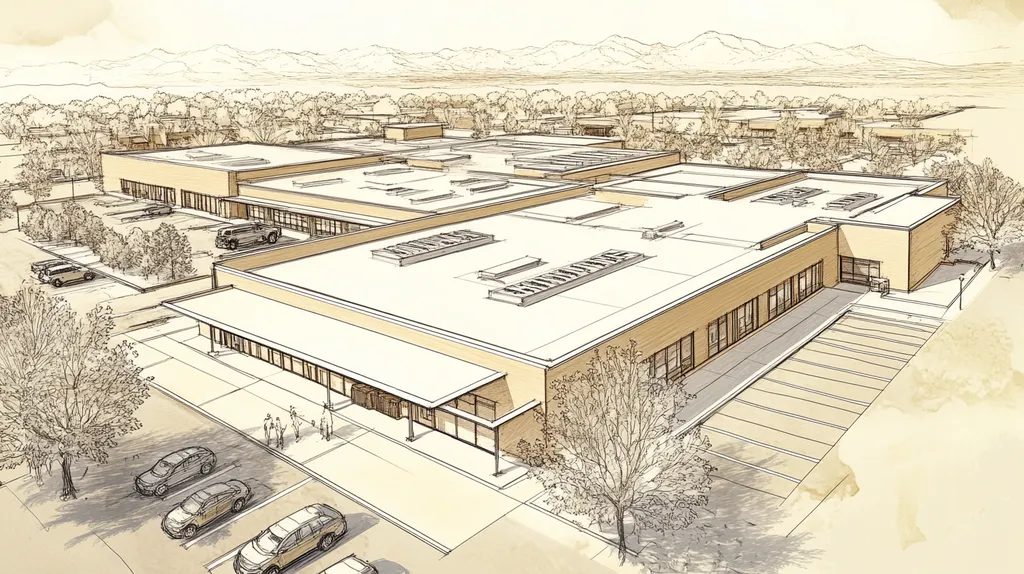
Seasonal temperature changes present one of the greatest challenges to commercial roof performance and longevity. These fluctuations cause roofing materials to expand and contract repeatedly, leading to potential cracks, splits, and separation at critical points. Understanding how different membrane materials respond to these stresses is essential for making informed roofing decisions that protect valuable assets. (source: CP Rankin)
Thermal Stability
Thermal stability directly impacts a roof’s ability to maintain structural integrity through temperature extremes. Daily and seasonal temperature swings create constant stress on roofing materials, particularly at seams and attachment points.
TPO membranes demonstrate exceptional thermal stability across a wide temperature range. Their advanced polymer formulation allows them to expand and contract without compromising structural integrity or seam strength.
PVC systems show good performance in moderate conditions but can become brittle in extreme cold. This characteristic makes them more vulnerable to cracking and thermal shock damage during rapid temperature changes.
For thermal stability performance, TPO claims an ADVANTAGE due to its superior flexibility and resilience across temperature extremes.
Heat Reflectivity
Heat reflectivity plays a crucial role in maintaining stable roof temperatures and reducing cooling costs. Effective heat reflection can significantly lower interior temperatures and extend membrane lifespan.
TPO membranes feature highly reflective surfaces that bounce back up to 85% of solar radiation. This superior reflectivity helps maintain consistent membrane temperatures and reduces thermal stress on the roofing system.
PVC roofing provides good reflectivity but typically achieves lower reflection rates than TPO. While still effective at heat management, PVC systems generally absorb more solar radiation, leading to higher surface temperatures.
In terms of heat reflectivity, TPO demonstrates an ADVANTAGE with its superior reflection capabilities and thermal management properties.
Resistance to UV Damage
UV radiation poses a significant threat to roofing membrane longevity. Continuous exposure can lead to material degradation, color fading, and reduced flexibility over time.
TPO membranes incorporate advanced UV stabilizers throughout their entire thickness. This comprehensive protection helps maintain material integrity and performance characteristics even after years of sun exposure.
PVC systems offer good initial UV resistance but may show signs of degradation more quickly than TPO. Their UV protection relies heavily on surface treatments that can wear down over time.
When evaluating UV resistance, TPO takes another ADVANTAGE through its more durable and comprehensive protection against solar degradation.
ROUND 3 WINNER: TPO
ROUND 4: MAINTENANCE REQUIREMENTS
Temperature fluctuations create an ongoing maintenance challenge for commercial roofing systems. As materials expand and contract through seasonal changes, they can develop cracks, splits, or separations that compromise roof integrity. Understanding how different roofing materials respond to these thermal stresses is crucial for developing effective maintenance strategies that protect valuable assets. (source: CP Rankin)
Routine Inspection Needs
TPO roofing systems require quarterly inspections focused on seam integrity and surface condition. Their robust material composition and heat-welded seams typically show early warning signs before significant issues develop.
These inspections primarily focus on checking for mechanical damage, ensuring drainage paths remain clear, and verifying seam integrity. The material’s natural resistance to biological growth and surface contamination simplifies the inspection process.
PVC systems demand more frequent inspections, particularly around seams and penetrations where thermal movement is most likely to cause stress. Their greater susceptibility to temperature-related damage requires closer monitoring of potential failure points.
TPO demonstrates an ADVANTAGE in inspection requirements due to its more resilient nature and longer intervals between necessary checks.
Repair Complexity
When repairs become necessary, TPO membranes offer significant advantages in terms of repair simplicity. The material readily accepts patches and can be effectively heat-welded even years after initial installation.
Repairs to TPO roofs typically require minimal surface preparation and can often be completed without specialized equipment. This reduces both repair costs and facility downtime.
PVC repairs present greater challenges, particularly in aging systems where material compatibility becomes an issue. The more complex chemical composition of PVC can make matching existing material properties difficult.
For repair complexity, TPO claims another clear ADVANTAGE due to its simpler repair protocols and better long-term material compatibility.
Long-Term Cost Impact
TPO systems generally incur lower maintenance costs over their lifespan due to their durability and simpler repair requirements. The material’s resistance to environmental degradation reduces the frequency of necessary interventions.
Regular maintenance expenses for TPO roofs typically remain predictable and manageable. Their superior resistance to thermal stress translates to fewer emergency repairs and more consistent budget planning.
PVC systems often face escalating maintenance costs as they age, particularly in environments with significant temperature variations. Their higher susceptibility to thermal damage can lead to more frequent repair needs.
In evaluating long-term maintenance costs, TPO establishes another ADVANTAGE through reduced frequency of repairs and more predictable maintenance expenses.
ROUND 4 WINNER: TPO
ROUND 5: SUSTAINABILITY CREDENTIALS
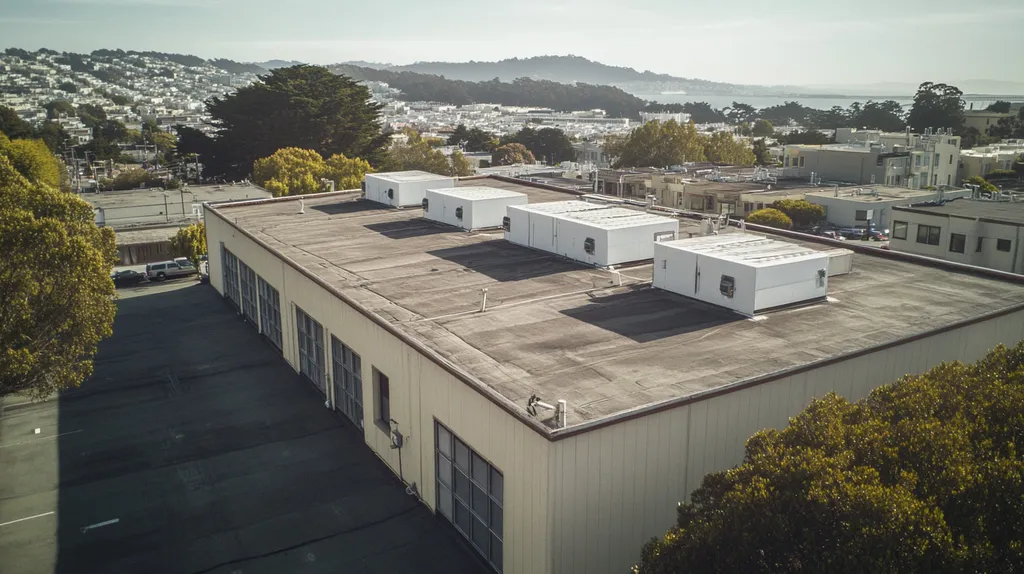
When roof surface temperatures can spike to 180°F, the environmental impact of roofing material choices becomes critical. These extreme temperatures not only affect membrane performance but also influence building energy consumption and urban heat island effects. The right roofing selection can dramatically reduce both environmental impact and operational costs, while the wrong choice can accelerate climate challenges. (source: National Gypsum)
Environmental Impact
Modern roofing systems must address both immediate performance needs and broader environmental concerns. The molecular composition and manufacturing processes of roofing materials directly affect their ecological footprint.
TPO membranes offer significant environmental advantages through their recyclable composition and chemical-free manufacturing process. Their production requires less energy and generates fewer harmful byproducts compared to alternative materials.
PVC manufacturing involves chlorine-based processes that can produce harmful emissions. While modern facilities have reduced these impacts, PVC production still carries a higher environmental burden than TPO.
For environmental impact, TPO claims an ADVANTAGE due to its cleaner manufacturing process and recyclability.
Energy Efficiency
Roofing systems play a crucial role in building energy performance through their heat reflection and insulation properties. Proper material selection can significantly reduce cooling loads and energy consumption.
TPO membranes maintain their reflective properties throughout their lifespan, consistently reducing heat absorption. Their surface stability helps preserve energy-saving characteristics even after years of exposure.
PVC systems offer good initial reflectivity but may experience degradation over time. This reduction in reflective properties can lead to increased energy consumption as the membrane ages.
In energy efficiency considerations, TPO demonstrates an ADVANTAGE through its superior long-term reflective performance.
Lifecycle Sustainability
The total environmental impact of roofing materials extends from manufacturing through disposal. Long-term durability and end-of-life recycling options significantly influence overall sustainability.
TPO’s simpler chemical composition makes it highly recyclable at the end of its service life. The material can be effectively reprocessed into new products, reducing landfill impact.
PVC recycling presents greater challenges due to its complex chemical makeup. While technically recyclable, fewer facilities can process used PVC roofing materials effectively.
For lifecycle sustainability, TPO claims another ADVANTAGE through its superior recyclability and simpler material composition.
ROUND 5 WINNER: TPO
ROUND 6: SPECIALIZED APPLICATIONS
When roof surface temperatures can spike to 180°F, specialized commercial roofing applications demand materials that can withstand extreme molecular stress. The wrong choice between TPO and PVC in these challenging environments can lead to premature membrane failure, compromising both building protection and operational budgets. Understanding how these materials perform under specific conditions becomes crucial for long-term success. (source: National Gypsum)
High-Temperature Durability
In environments where extreme heat exposure is constant, such as around HVAC equipment or in sun-exposed locations, material stability becomes paramount. The molecular stress from rapid temperature changes can dramatically impact membrane performance.
TPO membranes excel in high-temperature conditions, maintaining structural integrity even during extreme thermal cycling. Their advanced polymer formulation includes stabilizers that prevent degradation under intense heat exposure.
PVC systems demonstrate good initial heat resistance but can become increasingly brittle over time when exposed to constant high temperatures. This characteristic makes them more susceptible to cracking and thermal damage in hot environments.
For high-temperature applications, TPO claims an ADVANTAGE through its superior heat stability and resistance to thermal degradation.
Chemical Resistance
Industrial environments often expose roofing materials to harsh chemicals, making chemical resistance a critical factor. The ability to withstand these exposures directly impacts system longevity.
TPO membranes offer moderate chemical resistance but can show vulnerability to certain industrial solvents and oils. This limitation requires careful consideration in facilities where chemical exposure is likely.
PVC systems demonstrate exceptional resistance to a broad spectrum of chemicals, including acids, bases, and industrial pollutants. Their superior chemical resistance makes them ideal for manufacturing facilities and chemical processing plants.
In terms of chemical resistance, PVC establishes a clear ADVANTAGE through its superior defense against chemical degradation.
Cold-Weather Performance
Regions experiencing extreme cold present unique challenges for roofing materials. The ability to maintain flexibility and resist cracking during freeze-thaw cycles becomes essential.
TPO membranes can become increasingly rigid in extremely cold conditions, potentially leading to stress cracks during thermal cycling. This characteristic requires special attention during winter maintenance.
PVC roofing maintains better flexibility in cold conditions, allowing for natural expansion and contraction without compromising membrane integrity. This property makes it particularly suitable for cold climate installations.
For cold-weather applications, PVC demonstrates an ADVANTAGE through its superior low-temperature flexibility.
ROUND 6 WINNER: PVC
AND THE WINNER IS…
After six grueling rounds of technical evaluation, we have our verdict in this high-stakes roofing showdown!
With a dominant performance of 5 rounds to 1, TPO emerges as our undisputed champion! This roofing powerhouse dominated through superior cost-effectiveness, exceptional durability, outstanding thermal performance, lower maintenance demands, and impressive environmental credentials.
TPO’s combination of affordability, installation simplicity, and long-term performance proved an unstoppable combination in today’s commercial roofing arena. Its ability to maintain structural integrity even when temperatures soar to 180°F while delivering superior UV protection makes it a formidable contender for most commercial applications.
However, don’t count PVC out entirely! This veteran performer showed its specialized strength in Round 6, demonstrating superior chemical resistance that makes it the go-to choice for industrial facilities where chemical exposure is a constant threat.
IMPORTANT NOTICE: While this analysis reflects general performance characteristics, every building presents unique challenges. Local climate conditions, specific building requirements, and regional regulations can all impact material selection. Property owners should always consult with qualified roofing professionals who can evaluate their specific situation before making a final decision.
Ladies and gentlemen, in the high-stakes world of commercial roofing, remember: The true champion is the system that best matches your specific building’s needs with the right material’s strengths. Choose wisely, and may your roof reign supreme!
FREQUENTLY ASKED QUESTIONS
Q. What are the initial costs for a commercial roof?
A. Initial costs for a commercial roof can vary significantly based on material choice. TPO is generally more budget-friendly, costing between $3.50 to $5.00 per square foot, while PVC ranges from $5.50 to $7.50. Selecting the right material is crucial not just for upfront costs but also for long-term performance and durability.
Q. How does durability affect industrial roof performance?
A. Durability is a key factor impacting an industrial roof’s performance and lifespan. TPO membranes excel under extreme temperatures, maintaining flexibility and resilience. In contrast, PVC can become brittle, leading to potential cracks, especially in cold climates. Choosing durable materials can significantly extend roof life and reduce re-roofing costs.
Q. What performance factors should I consider for a commercial roof?
A. Performance factors include thermal stability, heat reflectivity, and UV resistance. TPO roofs offer excellent thermal stability and reflect up to 85% of solar radiation, helping to manage internal temperatures effectively. PVC roofs provide moderate performance but may degrade quicker under UV exposure, affecting longevity and costs.
Q. How often should I inspect my commercial roof?
A. It is advisable to inspect commercial roofs quarterly, focusing on seam integrity and potential damage. For TPO roofs, the robust material allows for fewer inspections, while PVC may require more frequent checks, especially around vulnerable areas. Regular inspections help catch issues early, preventing costly repairs.
Q. What are the environmental benefits of TPO versus PVC?
A. TPO offers significant environmental benefits through its recyclable composition and cleaner manufacturing process. Production of TPO generates fewer harmful byproducts and uses less energy compared to PVC, which involves chlorine-based processes. Selecting TPO can contribute positively to operational costs and sustainability goals.
Q. How do temperature changes affect roof maintenance?
A. Temperature changes necessitate careful roof maintenance, as materials expand and contract, potentially causing cracks. TPO roofs typically require less frequent maintenance than PVC, which can suffer more from temperature-related damage. Regular inspections and timely repairs help manage the impact of thermal fluctuations on the roofing system.
Q. What roofing material is best for high-temperature applications?
A. For high-temperature applications, TPO is the superior choice. It maintains structural integrity even during extreme thermal cycling, thanks to its advanced polymer formulation. PVC, while initially resistant to heat, can become brittle and more susceptible to cracking under continuous exposure to high temperatures.






