

Welcome to today’s Battle Royale featuring two roofing heavyweights: “Silicone Roof Coatings” in the east corner versus “Polyurethane Roof Coatings” in the west!
Tonight’s showdown pits these contenders against each other across six punishing rounds designed to test every aspect of their performance for Long-Term Studies on Commercial Roof Coating Effectiveness.
At stake? Millions in potential costs, decades of building protection, and the critical performance demands of modern commercial and industrial facilities.
Our professional judging panel will evaluate each round on technical merit, real-world performance, and value delivery. After all six rounds, we’ll declare our ultimate champion.
Ladies and gentlemen, facility managers and building owners… it’s time to rumble!
ROUND 1: INITIAL COSTS & INSTALLATION
Commercial roof coatings represent a significant capital investment, with material and installation costs often reaching hundreds of thousands of dollars for large facilities. Making the wrong choice can lead to premature failure, requiring expensive recoating within just a few years.
The initial investment decision between silicone and polyurethane coatings impacts not just immediate budgets, but also long-term maintenance costs and facility operations. Understanding these factors helps property owners make informed decisions that align with their financial and operational goals.
Material Expenses
High-quality silicone roof coatings typically cost 25-35% more per gallon than comparable polyurethane products. However, silicone coatings generally require fewer gallons per square foot due to their higher solids content and single-coat application capability.
Silicone coatings maintain their physical properties longer, often lasting 20+ years with minimal degradation. Their superior UV resistance eliminates the need for additional UV-protective top coats, reducing total material requirements.
Polyurethane systems require multiple components, primers, and protective top coats. While the base material cost is lower, the need for additional materials often equalizes the total material expense.
In material costs, silicone and polyurethane coatings reach a TIE when considering total system requirements.
Installation Complexity
Silicone coatings offer single-component application with no mixing required. They can be applied directly to most properly prepared substrates without primers, simplifying the installation process.
Temperature and humidity variations have minimal impact on silicone application, providing wider installation windows. The forgiving nature of silicone allows for easier touch-ups and repairs during installation.
Polyurethane systems demand precise mixing ratios and temperature control during application. Multiple coats must be applied within specific recoat windows, requiring careful timing and coordination.
These factors make silicone coatings significantly easier to install correctly, giving them a clear ADVANTAGE in installation complexity.
Project Timeline
Silicone coating projects typically complete in half the time of comparable polyurethane installations. The single-coat application eliminates waiting periods between coats and reduces overall labor requirements.
Weather delays impact silicone installations less severely, as the material can be applied in higher humidity conditions. Most silicone coatings cure to touch within 2-4 hours, allowing for same-day inspection and project completion.
Polyurethane systems require multiple application days to allow proper cure time between coats. Environmental conditions must remain within strict parameters throughout the installation, often extending project timelines unpredictably.
The efficiency and reliability of silicone installation schedules give them a clear ADVANTAGE in project timeline considerations.
ROUND 1 WINNER: Silicone Roof Coatings
ROUND 2: DURABILITY & LIFESPAN
Every year, commercial property owners spend millions replacing prematurely failed roof coatings. Studies show that selecting the wrong coating system can reduce expected service life by 50-75%, forcing expensive recoating within 5-7 years. Understanding the durability differences between silicone and polyurethane coatings is crucial for protecting long-term facility investments.
Understanding Durability
Environmental stresses pose constant challenges to roof coating performance. UV radiation, ponding water, temperature cycling, and mechanical impacts all work to degrade protective properties over time.
Silicone coatings maintain their flexibility and waterproofing capabilities even after decades of UV exposure. Their inorganic chemistry resists breakdown from solar radiation and can withstand permanent ponding water without degrading.
Polyurethane coatings offer excellent initial mechanical properties but can become brittle over time when exposed to UV radiation. Their organic chemistry makes them more susceptible to degradation from environmental factors, particularly in high-UV regions.
The superior environmental resistance of silicone gives it a clear ADVANTAGE in long-term durability.
Lifespan Analysis
Expected service life directly impacts the total cost of ownership for roofing systems. Premature failure forces facility managers to allocate emergency funds for repairs or replacement ahead of schedule.
Silicone coatings consistently achieve 20+ year lifespans when properly installed and maintained. Their resistance to weathering and UV exposure allows them to maintain protective properties throughout their service life.
Quality polyurethane systems typically last 10-15 years before requiring recoating. While proper maintenance can extend their lifespan, they generally require more frequent renewal than silicone alternatives.
The longer service life of silicone coatings gives them a clear ADVANTAGE in lifespan considerations.
Maintenance Requirements
Regular maintenance impacts both operational costs and coating longevity. The frequency and complexity of required maintenance directly affects facility budgets and staff resources.
Silicone coatings need minimal maintenance beyond periodic inspections and basic cleaning. Their resistance to biological growth and environmental contamination reduces cleaning requirements and repair frequency.
Polyurethane systems require more frequent inspections and maintenance to prevent premature failure. UV damage and surface deterioration often necessitate localized repairs or recoating to maintain protection.
The reduced maintenance needs of silicone coatings provide another clear ADVANTAGE in this category.
ROUND 2 WINNER: SILICONE ROOF COATINGS

ROUND 3: PERFORMANCE FACTORS
Performance factors in commercial roof coatings directly impact building operation costs and asset protection. Studies show that improper coating selection can increase energy costs by up to 35% and lead to premature system failure. Understanding these critical performance metrics helps facility managers protect their investment while optimizing building efficiency.
Weather Resistance
Weather resistance determines how well a coating maintains its protective properties when exposed to harsh environmental conditions. The ability to withstand UV radiation, temperature cycling, and precipitation directly impacts coating longevity and effectiveness.
Silicone coatings demonstrate exceptional resistance to UV degradation and maintain their physical properties even after decades of sun exposure. Their molecular structure remains stable through extreme temperature changes and shows minimal degradation from acid rain or pollution.
Polyurethane coatings initially provide good weather protection but can become brittle and crack over time when exposed to UV radiation. Their organic chemistry makes them more susceptible to environmental degradation, particularly in regions with intense sun exposure.
Based on long-term weather resistance, silicone coatings earn a clear ADVANTAGE.
Energy Efficiency
Energy efficiency has become a crucial factor in commercial roofing as building operators seek to reduce cooling costs. High-performance coatings can significantly impact HVAC energy consumption through their reflective properties.
Silicone roof coatings provide exceptional reflectivity with values up to 87%, maintaining their reflective properties even after years of exposure. Their high reflectivity and resistance to dirt pickup help maintain consistent energy performance over time. (source: Rust-Oleum)
Polyurethane coatings typically offer lower initial reflectivity values and tend to lose reflective properties more quickly as they age. Their surface can become chalky and deteriorate, reducing energy efficiency benefits over time.
For energy efficiency performance, silicone coatings demonstrate a clear ADVANTAGE.
Water Resistance
Water resistance represents a critical performance factor in protecting building assets. Coating systems must prevent water infiltration while maintaining their protective properties even under standing water conditions.
Silicone coatings excel at water resistance, maintaining their protective properties even under permanent ponding conditions. Their hydrophobic nature prevents water absorption and maintains membrane flexibility even after prolonged exposure.
Polyurethane coatings can be vulnerable to water absorption and may degrade under ponding conditions. Extended water exposure can lead to coating failure and compromise the roofing system’s integrity.
In water resistance testing, silicone coatings show a clear ADVANTAGE.
ROUND 3 WINNER: SILICONE ROOF COATINGS
ROUND 4: MAINTENANCE REQUIREMENTS
Maintenance decisions impact both immediate operational costs and long-term roof performance. Poor maintenance strategies can reduce coating lifespans by up to 50% and lead to premature system failure. Studies have shown that recoating a properly maintained roof costs 33-50% less than complete replacement, making maintenance approach a critical factor in total ownership costs. (source: West Roofing Systems)
Inspection Requirements
Regular inspections form the foundation of effective roof maintenance programs. The frequency and complexity of required inspections directly impact facility maintenance budgets and staff resources.
Silicone coatings typically require only bi-annual inspections due to their superior weathering characteristics. Their stable chemical structure and resistance to UV degradation minimize the need for frequent examination.
Polyurethane systems demand quarterly inspections to monitor for UV damage, surface deterioration, and potential adhesion issues. Early detection of these problems is crucial to prevent system failure.
The reduced inspection burden of silicone coatings provides a clear ADVANTAGE in this category.
Repair Procedures
The complexity and frequency of repairs significantly influence maintenance costs and roof system reliability. Simple repair procedures reduce downtime and minimize the risk of improper repairs.
Silicone coating repairs require minimal surface preparation and can be completed with single-component materials. The excellent adhesion properties of silicone allow for successful repairs even in less-than-ideal conditions.
Polyurethane repairs demand extensive surface preparation and precise mixing of multiple components. Environmental conditions must be carefully controlled to ensure proper cure and adhesion.
The straightforward repair process for silicone coatings establishes another clear ADVANTAGE.
Lifecycle Costs
Maintenance expenses over the coating’s service life often exceed initial installation costs. Understanding these long-term financial implications is crucial for accurate budget planning.
Silicone systems generally maintain their protective properties throughout their service life with minimal intervention. Their resistance to environmental degradation reduces the frequency and scope of required maintenance.
Polyurethane coatings typically require more frequent maintenance interventions and often need complete recoating after 10-15 years. The cumulative cost of these interventions significantly impacts total ownership costs.
The lower lifecycle maintenance costs of silicone coatings secure another clear ADVANTAGE.
ROUND 4 WINNER: SILICONE COATINGS
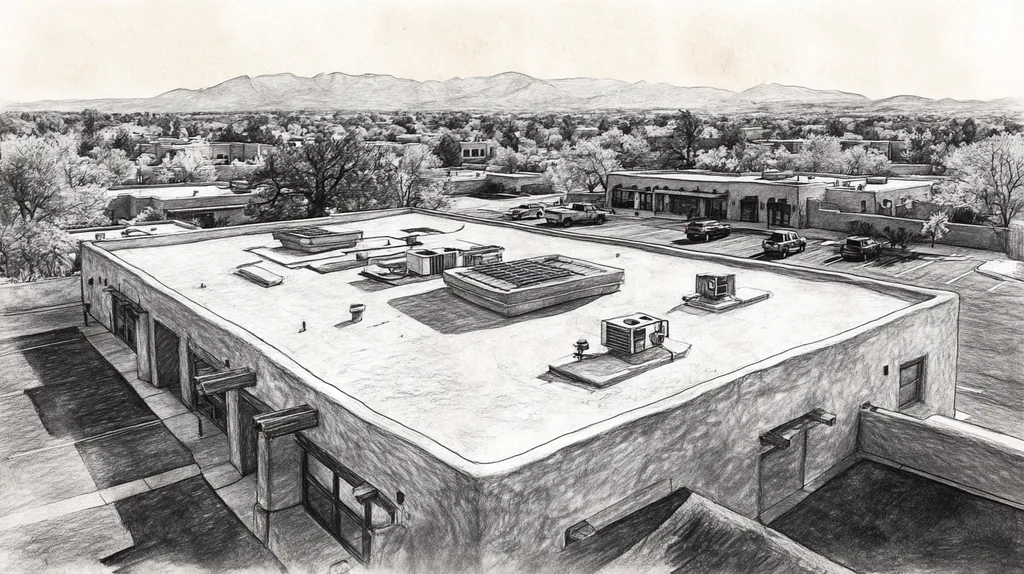
ROUND 5: SUSTAINABILITY CREDENTIALS
Environmental impact has become a critical factor in commercial roofing decisions, with studies showing that roofing choices can influence up to 40% of a building’s total energy consumption. Poor coating selections not only increase operational costs but can also harm corporate sustainability goals and environmental compliance requirements.
The increasing focus on green building certifications and environmental regulations makes sustainability credentials a key differentiator in roofing systems. Understanding these impacts helps facility managers make choices that align with both environmental responsibilities and operational efficiency.
Environmental Footprint
Modern roof coatings must address both immediate environmental impacts and long-term ecological consequences. The manufacturing process, chemical composition, and operational performance all contribute to a coating’s environmental footprint.
Silicone roof coatings feature inert compounds with minimal environmental impact during production. Their high solids content means fewer volatile organic compounds (VOCs) are released during application, and their exceptional reflectivity reduces building cooling loads.
Polyurethane coatings require energy-intensive manufacturing processes and contain higher levels of VOCs. While advances in formulation have reduced their environmental impact, they still lag behind silicone in overall ecological performance.
The superior environmental profile of silicone coatings earns them a clear ADVANTAGE in this category.
Lifecycle Assessment
A coating’s total environmental impact extends from manufacturing through disposal. Understanding these lifecycle impacts helps facility managers make truly sustainable choices.
Silicone coatings maintain their physical properties longer, requiring fewer replacements over a building’s lifetime. Their durability reduces waste generation and minimizes the resources needed for maintenance and replacement.
Polyurethane systems typically require more frequent replacement and maintenance interventions. This shorter service life increases material consumption and waste production throughout the building lifecycle.
The extended service life and reduced resource consumption of silicone coatings provides another clear ADVANTAGE.
Resource Conservation
Resource efficiency in roofing systems impacts both environmental sustainability and operational costs. Energy consumption, water usage, and material conservation all factor into a coating’s resource efficiency.
Silicone coatings require minimal water for maintenance and cleaning. Their stable chemical structure eliminates the need for harsh cleaning agents, and their excellent adhesion allows for successful repairs with minimal material waste.
Polyurethane systems demand more intensive cleaning regimens and often require complete removal before recoating. This process consumes more resources and generates additional waste compared to silicone alternatives.
The resource-efficient nature of silicone coatings establishes another clear ADVANTAGE.
ROUND 5 WINNER: SILICONE ROOF COATINGS
ROUND 6: SPECIALIZED APPLICATIONS
Specialized roofing applications demand precise material selection, as incorrect choices can lead to catastrophic failures in challenging environments. Industry data shows that mismatched coatings in specialized scenarios result in premature failures costing facility owners millions in emergency repairs and business interruption.
Modern commercial facilities face unique challenges from industrial emissions, chemical exposure, and extreme weather variations. Understanding how different coating systems perform under these specialized conditions helps prevent costly system failures while maximizing protection.
Chemical Resistance
Industrial environments expose roof coatings to harsh chemicals, acids, and pollutants. These exposures can rapidly degrade coating systems, compromising their protective properties and leading to premature failure.
Silicone coatings demonstrate exceptional resistance to chemical exposure due to their inert molecular structure. Their stability allows them to maintain protective properties even when exposed to industrial emissions, acid rain, and chemical spillage.
Polyurethane coatings show initial chemical resistance but can break down over time when exposed to harsh industrial environments. Their organic chemistry makes them more susceptible to chemical degradation and oxidation.
Based on long-term chemical resistance, silicone coatings earn a clear ADVANTAGE.
Temperature Extremes
Modern facilities must contend with increasing temperature variations and thermal cycling. Coating systems that cannot handle these extremes risk cracking, delamination, and system failure.
Silicone coatings maintain flexibility and adhesion across extreme temperature ranges, from -60°F to 350°F. Their molecular structure resists brittleness in cold conditions while remaining stable at high temperatures.
Polyurethane systems perform well in moderate conditions but can become brittle in extreme cold or soften excessively in high heat. This temperature sensitivity can lead to coating failure in regions with wide temperature swings.
For performance under temperature extremes, silicone coatings demonstrate a clear ADVANTAGE.
High-Traffic Areas
Rooftop equipment maintenance and regular inspections create high-traffic zones requiring enhanced durability. Coating failure in these areas can compromise the entire roofing system’s integrity.
Silicone coatings offer good impact resistance but can be prone to surface damage in high-traffic areas. Their softer nature makes them more susceptible to mechanical wear from foot traffic and maintenance activities.
Polyurethane coatings excel in high-traffic applications, providing superior mechanical strength and wear resistance. Their harder surface better withstands regular foot traffic and maintenance activities.
In high-traffic applications, polyurethane coatings gain a clear ADVANTAGE.
ROUND 6 WINNER: SILICONE COATINGS
AND THE WINNER IS…
After six grueling rounds of technical combat, we have our undisputed champion! With a dominant performance winning five out of six rounds, SILICONE ROOF COATINGS claims the heavyweight title of commercial roof coating supremacy!
Silicone’s championship victory comes from its devastating combination of durability, weather resistance, and simplified maintenance requirements. It dominated the sustainability scorecard and delivered a knockout punch in lifecycle cost analysis.
But don’t count polyurethane completely out of the fight! This experienced contender still packs a powerful punch in high-traffic areas and remains a strong choice for facilities requiring superior mechanical strength and wear resistance.
Remember, folks – every building brings its own unique challenges into the ring. Local climate conditions, substrate materials, and specific facility requirements can all impact coating performance. While tonight’s match provides valuable insights, property owners should always consult with qualified roofing professionals who can evaluate their specific situation before making their final coating selection.
Ladies and gentlemen, in the high-stakes world of commercial roofing, there’s no substitute for making an informed decision based on your facility’s specific needs. Because when mother nature throws her worst combinations, you want the right coating in your corner!
FREQUENTLY ASKED QUESTIONS
Q. What are commercial roof coating initial costs?
A. The initial costs for commercial roof coatings can be significant, often amounting to hundreds of thousands of dollars for larger facilities. Choosing between silicone and polyurethane can affect both upfront costs and long-term maintenance, making it essential to evaluate these investments carefully for cost-effectiveness.
Q. How do silicone and polyurethane coatings vary in durability?
A. Silicone coatings generally remain flexible and durable even after decades of UV exposure. In contrast, polyurethane coatings can become brittle over time due to UV radiation, often resulting in a shorter functional lifespan compared to their silicone counterparts.
Q. What are the performance factors of commercial roof coatings?
A. Key performance factors include weather resistance, energy efficiency, and water resistance. Silicone coatings typically outperform polyurethane coatings in all these areas, ensuring that they provide better long-term protection and energy savings for commercial properties.
Q. How do maintenance requirements differ for industrial roofs?
A. Silicone coatings require less frequent maintenance compared to polyurethane coatings. With bi-annual inspections being sufficient, silicone systems minimize operational disruptions while polyurethane systems often necessitate quarterly inspections to avoid issues with UV damage and structural integrity.
Q. Why are sustainability credentials important for commercial roofs?
A. Sustainability credentials are crucial as they can significantly affect a building’s energy consumption and operational costs. Choosing eco-friendly coatings like silicone can help reduce environmental impacts, align with corporate sustainability goals, and support compliance with regulations.
Q. How do silicone and polyurethane coatings perform in specialized applications?
A. Silicone coatings excel in specialized applications due to their chemical resistance and flexibility across extreme temperatures. Conversely, polyurethane coatings can fail in harsh conditions, leading to costly repairs. Thus, local environmental factors must be considered during selection.
Q. How do temperature extremes affect commercial roofs?
A. Temperature extremes can cause significant stress on roofing materials. Silicone coatings maintain their flexibility and adhesion despite extreme temperatures, whereas polyurethane systems may become brittle or overly soft, increasing the risk of failure in such environments.






