

Every year, over $5 billion in commercial property damage can be traced to aging, poorly maintained roofs. For facility managers, the stakes couldn’t be higher – a single oversight in roof assessment can cascade into structural failures, business disruptions, and sky-high repair costs.
Today’s commercial roofing systems face unprecedented challenges, from extreme weather events to evolving building codes and sustainability requirements. Understanding these complexities is crucial for protecting valuable assets.
This comprehensive guide examines the critical factors in assessing aged commercial roofs, providing facility managers with actionable strategies across performance, financial, compliance, and operational considerations.
SECTION 1: PERFORMANCE FACTORS
Understanding performance factors is essential for the longevity of aged commercial roofs. With studies indicating that up to 80% of roof failures are due to manageable issues like debris and water damage, facility managers must grasp these critical aspects to protect property value and minimize repair costs.
Surface Debris and Obstructions
Surface debris presents a major hurdle for aged commercial roofs. Items like leaves and trash can obstruct drainage systems, causing water to pool, which stresses roofing materials and accelerates deterioration.
This accumulation can foster mold and mildew growth, putting the roof’s integrity at risk. Conducting regular inspections to identify and clear obstructions is vital to prevent these challenges.
Facility managers should develop routine cleaning schedules, especially following storms or heavy winds. Effective debris management extends not only the life of the roof but also ensures compliance with warranty requirements.
Key Action Items
Evidence of Ponding and Water Damage
Ponding water poses a significant risk to aged roofs. When water collects, it adds weight and can jeopardize roofing structure, ultimately leading to cracks and leaks over time.
In commercial environments, ignoring ponding issues can affect business operations and create safety risks. Therefore, routine assessments for standing water should be integral to any roof maintenance strategy.
Facility managers can utilize tools like infrared thermography to detect moisture issues early. Addressing ponding effectively involves enhancing drainage systems and repairing vulnerabilities in the roofing membrane.
Key Action Items
Condition of Roofing Materials
The state of roofing materials is a crucial performance factor for aged commercial roofs. Worn-out materials can lead to diminished energy efficiency and heighten vulnerability to weather damage.
Signs of deterioration—like blistering, cracking, or discoloration—often signal that a roof has surpassed its peak performance lifespan. Regular visual inspections help catch these problems early.
Facility managers should plan thorough roof assessments at least twice a year, enabling them to identify necessary repairs or potential complete replacements before significant issues arise.
Key Action Items
SECTION 2: FINANCIAL CONSIDERATIONS
Facility managers face pressing financial challenges in overseeing aged commercial roofs. While regular maintenance might feel like an added burden, it is essential to prevent costlier repairs and early roof replacements. Considering that replacing a roof can range from $5,000 to $20,000 based on dimensions and materials, understanding financial implications is crucial. This section delves into the costs associated with maintenance, the importance of budgeting for repairs, and the critical roles that insurance and warranties play in financial planning.
Cost of Regular Maintenance
Investing in regular maintenance is vital for prolonging the lifespan of aged roofs. Though it may appear to be an expense, consistent inspections and minor repairs can stave off significant damages. Typically, allocating about 1% to 3% of a roof’s total value for annual maintenance can save property owners thousands in unexpected costs.
Ignoring maintenance can lead to leaks, mold, and damage to underlying structures, which can inflate repair bills. A proactive maintenance approach, including scheduled inspections and prompt minor repairs, optimizes overall roof ownership costs.
Additionally, regular maintenance enhances energy efficiency, potentially lowering utility expenses. Aging roofs often lead to increased bills due to insulation and ventilation challenges, underscoring the necessity for consistent care.
Key Action Items
Budgeting for Repairs and Replacements
Properly budgeting for repairs and replacements is critical when managing an aged roof. While maintenance costs are predictable, unanticipated damages can strain financial resources. An efficient budget should incorporate a contingency fund for emergencies, enabling swift responses to urgent issues.
Facility managers should regularly assess the roof’s condition and categorize needs into short-term, medium-term, and long-term. For example, addressing minor wear might be feasible now, while planning for a full replacement years down the line helps avert larger financial burdens.
Utilizing predictive modeling tools can aid managers in estimating future costs based on age and condition, enabling more strategic financial resource allocation and extending roof lifespan while balancing facility costs.
Key Action Items
Insurance and Warranty Implications
Grasping the interplay between roofing insurance and warranties is essential for sound financial management. Insurance protects against substantial damages, but often, its effectiveness hinges on the roof’s maintenance record. Failing to keep up with maintenance may result in denied claims when problems occur.
Many warranties stipulate routine inspections and necessary repair actions to remain valid. Neglecting maintenance schedules can void these warranties, leaving facility owners vulnerable. Therefore, facility managers must thoroughly review warranty terms and adhere to outlined maintenance protocols.
Investing in routine maintenance not only safeguards the roof but also strengthens the validity of warranties, facilitating smoother claims when needed. Ultimately, understanding insurance and warranty details, coupled with proactive maintenance, fosters better financial security for facility managers in charge of aged roofs.
Key Action Items
SECTION 3: COMPLIANCE REQUIREMENTS
Adhering to compliance requirements is not merely a legal obligation; it’s essential for protecting facilities that manage aged commercial roofs. Ignoring these regulations can lead to costly fines and increased liability risks, particularly if accidents occur. Facility managers must navigate local building codes, OSHA safety standards, and environmental regulations to ensure that roofs remain safe and functional. This section outlines critical compliance issues that demand attention.
Local Building Codes and Regulations
Local building codes are the backbone of secure roofing practices. Each municipality has specific rules regarding acceptable materials, installation procedures, and maintenance requirements for commercial roofs. Facility managers must secure the necessary permits before any roofing work starts to stay compliant with these local codes.
Failure to adhere can lead to work stoppages, costly revisions, and extended timelines. For example, if a new roofing system is installed without following local regulations, it may require expensive adjustments down the line. Staying up-to-date with these codes is essential for avoiding unnecessary expenses.
Moreover, local regulations often include provisions that promote energy efficiency and enhance wind load resistance. These guidelines not only ensure safety but may also contribute to long-term operational savings. Regular reviews of local building codes are vital; maintaining a relationship with local officials can help managers incorporate updates into roofing plans effectively.
Key Action Items
OSHA Safety Standards for Roof Inspections
The Occupational Safety and Health Administration (OSHA) sets stringent safety standards that must guide roof inspections and maintenance practices. These regulations are vital for ensuring worker safety and preventing accidents that may lead to injuries or fatalities.
For instance, OSHA requires that effective fall protection systems be in place during roofing tasks. Facilities must implement safety protocols, such as guardrails or personal fall arrest systems, necessitating trained personnel for proper operation. Non-compliance can result in severe fines and potential legal liabilities.
Additionally, training employees and subcontractors on safety procedures is essential. Inspections should verify that safety devices meet OSHA requirements, and maintaining clear documentation of training and compliance can provide further protection against penalties. By prioritizing safety, facility managers ensure worker protection while fulfilling compliance demands.
Key Action Items
Environmental and Health Compliance
Environmental and health compliance is becoming increasingly vital for managers overseeing aged roofs. Regulations frequently focus on the correct disposal of roofing materials, especially those containing hazardous substances, such as asbestos or lead.
Facility managers must be aware of their roofing systems’ environmental impacts. Compliance with standards from the Environmental Protection Agency (EPA) is necessary to prevent hazardous waste from contaminating landfills. Neglecting these regulations can result in hefty fines and lasting damage to a company’s reputation.
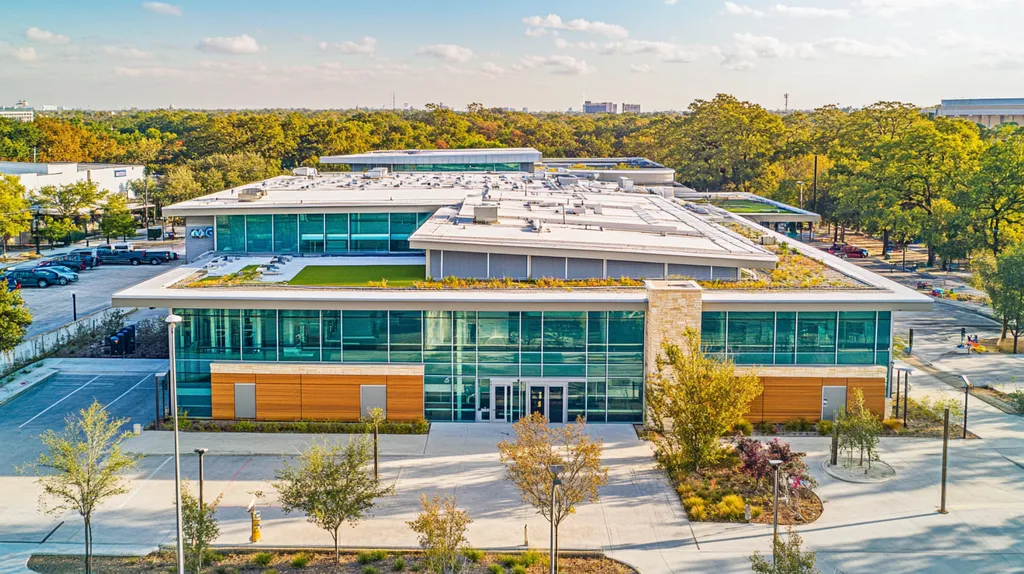
Additionally, the choice of roofing materials can affect indoor air quality. It’s crucial to ensure that roofs do not harbor mold or allergens that could impact the health of building occupants. Regular inspections can help identify such risks before they intensify. Embracing eco-friendly materials and systems can improve compliance with sustainability initiatives. Managers should consider options like green roofing or reflective materials that meet environmental standards while enhancing indoor air quality.
Key Action Items
SECTION 4: RISK MANAGEMENT
Effective risk management for an aged commercial roof is paramount for facility managers. Undetected leaks and structural issues can lead to devastating property damage, with data revealing that approximately 20% of commercial roofs are replaced prematurely due to inadequate maintenance practices. By focusing on identifying potential leak sources, assessing structural integrity, and mitigating storm damage, facility managers can significantly reduce the likelihood of costly repairs and operational disruptions.
Identifying Potential Leak Sources
Identifying potential leak sources in aging roofs is essential for minimizing water damage risks. Common leak points include flashing seams, HVAC unit penetrations, and deteriorating seams. Regular inspections allow facility managers to detect these vulnerabilities before they escalate into costly issues.
Utilizing moisture detection equipment can uncover hidden leaks, revealing trapped moisture beneath the roof surface for more precise repairs. Catching these problems early prevents extensive damage and protects valuable assets inside the building.
Maintaining a detailed log of past leak incidents and repairs can provide valuable insights into recurring problems and systemic failures. Training maintenance staff to recognize signs of potential leaks ensures quicker action, preserving roof integrity and minimizing liabilities.
Key Action Items
Assessing Structural Integrity and Stability
The structural integrity of an aged commercial roof is crucial for the safety and functionality of the entire building. Wear and degradation over time can compromise the roof’s capability to support additional weight or endure harsh weather. Comprehensive assessments should include evaluating the deck, insulation, and existing roofing materials.
While visual inspections offer initial insights, hiring structural engineers for in-depth evaluations can reveal weaknesses that are not visible to untrained eyes. This step becomes especially critical for roofs with accumulated debris or standing water.
Maintaining clear drainage systems is vital; clogged drains can lead to water accumulation, causing significant structural stress. Knowledge of building codes and compliance regulations is also essential to mitigate liability and enhance occupant safety.
Key Action Items
Mitigating Storm and Weather Damage
Storm and weather risks pose significant threats to aged commercial roofs, particularly in areas prone to severe weather conditions. Intense storms can lead to both immediate damage and long-term issues, resulting in costly repairs. Facility managers should proactively prepare their roofs for severe weather events.
Implementing a robust maintenance program that includes clearing gutters, checking flashings, and securing loose materials reduces the risk of damage during storms. Proactively maintaining the roof can significantly enhance its resilience.
Storing emergency repair materials on-site enables quick responses during adverse weather conditions. Many facility managers underestimate this preparedness; having tarps, sealants, and necessary tools readily available can minimize repair times and costs. Regularly reviewing contingency plans ensures everyone understands their roles during weather-related emergencies.
Key Action Items
SECTION 5: OPERATIONAL PROCEDURES
Thorough preparation for inspecting aged commercial roofs is crucial for facility managers. Overlooking key steps can result in unresolved issues, leading to expensive repairs later. Alarmingly, more than 70% of roof failures can be traced back to inadequate maintenance practices. By implementing effective operational procedures, facility managers can enhance the quality and accuracy of assessments, allowing for informed decision-making.
Pre-Inspection Preparation and Safety
Before initiating a roof inspection, safety and preparedness must take precedence. Conduct a risk assessment to identify hazards, such as electrical lines, unstable surfaces, or inclement weather conditions.
Equip the inspection team with appropriate safety gear—hard hats, harnesses, and slip-resistant footwear are essential to prevent injuries during the inspection. Ensure everyone is briefed on emergency protocols to enhance safety.
Effective communication about the inspection agenda is pivotal. Clearly defined roles foster collaboration and efficiency during the inspection process. Additionally, preparing necessary tools such as moisture meters and infrared cameras ahead of time minimizes delays and boosts inspection effectiveness.
Key Action Items
Exterior and Interior Inspection Protocols
The inspection process commences with a comprehensive external evaluation of the roof. Look for visible signs of deterioration, such as cracks, blisters, or ponding water, as these can worsen quickly if left unaddressed.
Inspect flashings, seams, and penetrations closely for wear, recognizing that these areas are often sources of leaks that can threaten the roof’s integrity. A systematic approach guarantees that no section is overlooked.
Moving to interior inspections, examine ceilings and walls for signs of water stains or mold, as these may indicate ongoing leaks. Detecting problems early can avert serious damage and health concerns.
Key Action Items
Documentation and Reporting Best Practices
Thorough documentation is vital throughout the inspection process. Detailed records enable facility managers to track roof conditions and repair histories, allowing for the identification of trends over time.
Incorporating photographs into reports provides substantial value. Images serve as visual proof of problems and can justify necessary budget allocations. A well-documented report is essential for communicating with stakeholders.
Establishing a standardized reporting format can enhance clarity and efficiency. Prioritizing issues by severity and suggesting actionable solutions helps facility managers allocate resources effectively while addressing urgent repairs.
Key Action Items
SECTION 5: OPERATIONAL PROCEDURES
Thorough preparation for inspecting aged commercial roofs is essential for facility managers. Overlooking vital steps can lead to unresolved issues, resulting in costly repairs and potential safety hazards. Alarmingly, statistics reveal that over 70% of roof failures can be attributed to inadequate maintenance practices. By implementing effective operational procedures, facility managers can ensure thorough assessments and informed decision-making.
Pre-Inspection Preparation and Safety
Before initiating a roof inspection, facility managers must prioritize both safety and thoroughness. Conducting a risk assessment is essential to identify potential hazards such as electrical lines, uneven surfaces, or adverse weather conditions that could compromise safety.
Equipping the inspection team with the appropriate safety gear, including hard hats, harnesses, and slip-resistant footwear, is vital for preventing injuries. Additionally, briefing team members on emergency protocols prepares everyone for any unexpected scenarios that may arise during the inspection.
Clear communication regarding the inspection agenda is crucial, fostering teamwork and ensuring that all team members understand their specific roles. This creates a more organized and efficient inspection process.
Lastly, preparing necessary tools and equipment ahead of time—such as moisture meters and infrared cameras—minimizes delays and enhances the effectiveness of the inspection effort.
Key Action Items
Exterior and Interior Inspection Protocols
The inspection process begins with a comprehensive evaluation of the roof’s exterior. This step involves looking for visible signs of deterioration such as cracks, blisters, or pooling water. Facility managers must recognize that these issues can escalate quickly if not addressed promptly.
Inspectors should pay close attention to flashings, seams, and penetrations, as these are common sources of leaks that can compromise the roof’s overall integrity. A systematic approach to inspections guarantees that no area is overlooked.
In transitioning to interior inspections, managers should examine ceilings and walls for water stains or mold, as these often indicate ongoing leaks. Detecting these signs early can prevent extensive damage and health risks.
Utilizing a comprehensive checklist can streamline this process, ensuring thorough tracking of findings over time. This approach enables facility managers to highlight priority areas for maintenance or repairs.
Key Action Items
Documentation and Reporting Best Practices
Thorough documentation is a crucial aspect of the inspection process. Detailed records enable facility managers to maintain a historical perspective of roof conditions and repairs, aiding in the identification of trends or recurring issues.
Incorporating photographs into inspection reports adds considerable value; visual evidence can illustrate problems and substantiate necessary budget allocations. A well-documented report is vital for effectively communicating with stakeholders.
Establishing a standardized reporting format enhances clarity and efficiency. This includes prioritizing issues based on severity and recommending actionable solutions, helping facility managers to allocate resources effectively.
Additionally, regularly updating roof management plans based on inspection findings is essential. Keeping this documentation current allows for proactive maintenance strategies that extend the life of the roof while optimizing budgets for future repairs.
Key Action Items
Looking Ahead
With over $5 billion in annual property damage tied to aging commercial roofs, facility managers cannot afford to overlook comprehensive assessment practices.
Today’s roofing challenges demand a strategic blend of performance monitoring, financial planning, and regulatory compliance – backed by thorough documentation and clear operational procedures.
The evolution from traditional built-up roofing to modern synthetic systems has introduced new complexities in maintenance and assessment protocols.
By implementing structured inspection programs, maintaining detailed records, and staying ahead of compliance requirements, facility managers can extend roof lifespans while protecting their properties from costly failures.
The future of commercial roofing will increasingly focus on sustainability and technology integration, making proactive management more critical than ever.
FREQUENTLY ASKED QUESTIONS
Q. What factors impact the longevity of commercial roofs?
A. Performance factors such as surface debris, ponding water, and material condition are critical. Regular inspections and maintenance can help identify these issues early, ultimately prolonging the roof’s lifespan while protecting your investment.
Q. How should facility managers budget for industrial roof repairs?
A. Budgeting for repairs should include a contingency fund for emergencies. Regular assessments will help categorize needs into short, medium, and long-term expenses, enabling more strategic financial planning while minimizing unexpected costs.
Q. What local building codes must be followed for commercial roofs?
A. Local building codes dictate acceptable materials, installation procedures, and maintenance requirements. Adhering to these regulations is essential for ensuring safety and compliance, preventing costly fines and further complications during roofing projects.
Q. How can facility managers identify potential leak sources?
A. Facility managers should conduct regular inspections focusing on common leak points like seams and HVAC penetrations. Using moisture detection equipment can uncover hidden issues, allowing for timely repairs and minimizing water damage risks.
Q. What pre-inspection steps are critical for an aged commercial roof?
A. Conducting a risk assessment, equipping staff with safety gear, and preparing necessary tools are essential pre-inspection steps. Clear communication and defined roles ensure an organized inspection process while fostering safety and efficiency among team members.
Q. How can documentation improve the roof inspection process?
A. Thorough documentation tracks conditions and repairs over time. Incorporating photographs and maintaining standardized reporting enhances clarity, bolsters budget justification, and ensures effective communication with stakeholders, ultimately leading to informed decision-making and timely action.
Q. What types of roofing materials are most sustainable?
A. Sustainable roofing materials include green roofs, cool roofing, and recycled materials. These options not only enhance energy efficiency but also contribute to improved indoor air quality. Selecting eco-friendly materials reflects a commitment to environmental responsibility and long-term sustainability.






