

Commercial roof cleaning mistakes cost property owners over $2.5 billion annually in preventable damage, with improper techniques accounting for 40% of premature roof failures within the first five years of installation.
The proliferation of misinformation about roof cleaning methods, particularly regarding pressure washing and chemical treatments, continues to accelerate material degradation across commercial properties nationwide.
This comprehensive analysis examines evidence-based cleaning protocols, debunks common misconceptions, and provides facility managers with actionable strategies to protect their roofing investments while ensuring regulatory compliance and warranty preservation.
SECTION 1: COMMON MISCONCEPTIONS
Commercial roof maintenance represents a significant investment, yet misconceptions about proper cleaning methods continue to cost property owners millions in preventable damage annually. Studies indicate that improper roof cleaning techniques account for up to 25% of premature commercial roof failures. Understanding and avoiding these common errors not only preserves roof integrity but also protects the substantial capital investment these systems represent.
Misunderstanding Pressure Washing vs. Soft Washing
Low-pressure and soft washing techniques have emerged as the most effective methods for maintaining commercial roofs without compromising structural integrity. These approaches combine gentle cleaning pressure with specialized solutions to remove contaminants while preserving roofing materials.
Traditional pressure washing can strip protective coatings and damage underlying materials, particularly on membrane and built-up roofing systems. The force of high-pressure water often exceeds manufacturer specifications, potentially voiding warranties and accelerating wear.
Soft washing utilizes specialized cleaning solutions combined with minimal pressure to safely eliminate buildup and biological growth. This method proves particularly effective for delicate roofing materials such as modified bitumen and single-ply membranes.
Professional cleaning services employ calibrated equipment and appropriate pressure levels based on specific roofing materials and conditions. (source: Start Your Business Magazine)
Ignoring Algae and Moss as Harmless Aesthetic Issues
Biological growth on commercial roofs creates persistent moisture retention that accelerates material degradation. These organisms penetrate roofing layers, compromising waterproofing capabilities and structural integrity.
The presence of algae and moss typically indicates underlying moisture issues that require immediate attention. Left unchecked, these growths create ideal conditions for premature roof aging and failure.
Material deterioration from biological growth often remains hidden until significant damage occurs. Regular inspection and removal of these organisms prevents costly structural repairs and extends roof longevity.
Proper maintenance protocols must include specific measures to prevent and address biological growth. This requires systematic cleaning combined with preventive treatments to maintain roof performance.
DIY Roof Cleaning Risks and Limitations
Commercial roof cleaning requires specialized knowledge of material characteristics and appropriate cleaning methods. Improper techniques or chemical solutions can cause immediate damage or accelerate long-term deterioration.
Safety considerations extend beyond personal protection to include building occupants and property protection. Professional cleaning services maintain proper insurance coverage and follow OSHA-mandated safety protocols.
Equipment calibration and chemical concentrations must align with manufacturer specifications to maintain warranty coverage. DIY approaches often lack the precision required to meet these strict requirements.
The complexity of commercial roofing systems demands professional expertise to prevent inadvertent damage. Attempting DIY solutions typically results in higher long-term costs through reduced roof performance and accelerated aging.
SECTION 2: PRACTICAL IMPLICATIONS
Commercial roof cleaning methods directly impact building performance, operational costs, and asset longevity. Industry data reveals that improper cleaning techniques contribute to 40% of premature roof failures within the first five years of installation. Understanding the practical implications of different cleaning approaches enables property owners to protect their roofing investments while ensuring regulatory compliance and occupant safety.
Impact of Cleaning Methods on Roof Material Integrity
Different roofing materials exhibit unique vulnerabilities to cleaning processes. Single-ply membranes like TPO and PVC can experience premature aging when exposed to harsh chemical cleaners or excessive pressure, potentially reducing their expected lifespan by up to 15 years.
Built-up roofing systems require particular attention during cleaning operations. Aggressive cleaning methods can dislodge protective granules and compromise the waterproof integrity of multiple layers, leading to moisture infiltration and structural deterioration.
Metal roofing systems face distinct challenges related to surface oxidation and coating adhesion. Improper cleaning techniques can accelerate corrosion processes and compromise factory-applied finishes, particularly at seams and fastener points.
Regular inspection and material-specific cleaning protocols help prevent these issues. Documentation of cleaning methods and frequency provides crucial data for warranty maintenance and asset management planning.
Environmental and Safety Considerations in Cleaning
Stormwater regulations increasingly impact roof cleaning practices. Runoff containing cleaning chemicals must be properly managed to prevent contamination of local water systems and avoid substantial regulatory penalties.
Worker safety protocols require specific attention during cleaning operations. Fall protection systems, proper equipment staging, and chemical handling procedures must align with current OSHA guidelines to prevent workplace incidents.
Air quality considerations affect both cleaning timing and method selection. Volatile organic compounds (VOCs) from certain cleaning products can enter building ventilation systems, necessitating careful scheduling and product selection.
Environmental impact assessments should guide cleaning product selection. Biodegradable solutions and closed-loop water recovery systems minimize ecological impact while maintaining cleaning effectiveness.
Effectiveness of Cleaning Techniques by Roof Type
Modified bitumen and built-up roofing systems require gentle cleaning approaches to preserve their complex layered structure. Low-pressure washing techniques combined with specialized cleaning solutions effectively remove contaminants while protecting material integrity.
Single-ply membrane systems benefit from soft washing methods that prevent mechanical damage. These approaches utilize biodegradable cleaning agents and controlled pressure to safely eliminate biological growth and accumulated debris.
Metal roofing systems typically tolerate more robust cleaning methods. However, proper technique remains critical to prevent damage to protective coatings and maintain long-term corrosion resistance.
Regular evaluation of cleaning effectiveness helps optimize maintenance schedules. Documented results inform future cleaning protocols and support data-driven maintenance planning. (source: Start Your Business Magazine)
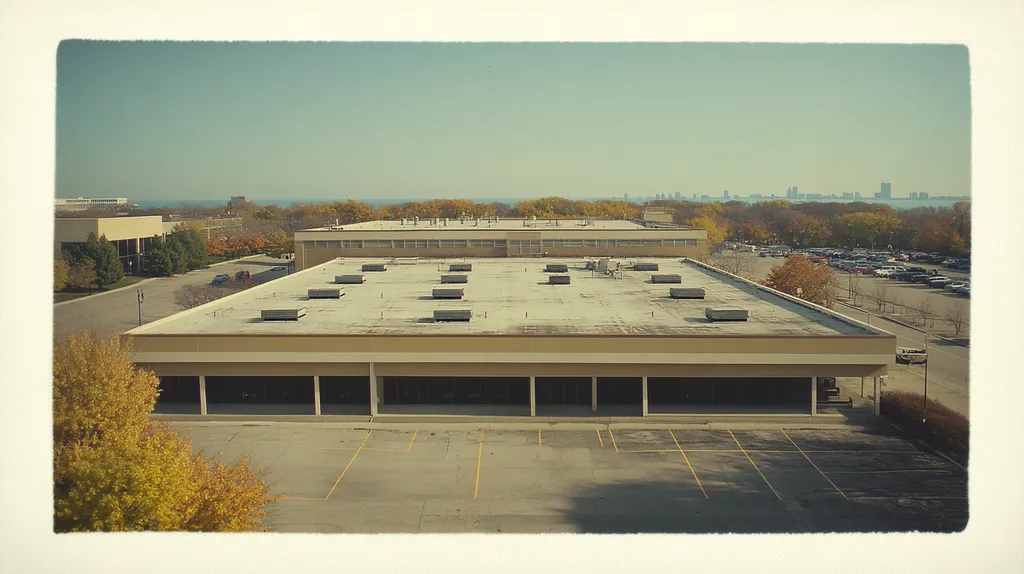
SECTION 3: COST OF MISINFORMATION
Misunderstandings about commercial roof cleaning methods result in staggering financial losses across the industry. Current data indicates that improper cleaning techniques lead to an estimated $2.5 billion in preventable damage annually. Beyond immediate repair costs, these mistakes often trigger a cascade of expenses including structural damage, increased energy consumption, and premature roof replacement – expenses that can be avoided through proper education and maintenance protocols.
Financial Consequences of Roof Damage from Improper Cleaning
The direct cost of roof damage from improper cleaning methods frequently exceeds six figures for commercial properties. High-pressure washing alone accounts for approximately 40% of membrane roof failures, leading to premature replacement costs ranging from $10-15 per square foot.
Water infiltration from compromised roofing systems creates cascading damage throughout building structures. A single roof leak can result in tens of thousands in repairs to insulation,decking, and interior finishes, while also disrupting business operations.
Warranty violations stemming from unauthorized cleaning methods leave property owners fully exposed to replacement costs. Many manufacturers explicitly void coverage when non-approved cleaning techniques cause material degradation or system failure.
Insurance carriers increasingly scrutinize maintenance practices when processing claims related to roof damage. Properties with documented improper cleaning histories often face claim denials or increased premium costs.
Hidden Costs of Deferred or Inadequate Roof Maintenance
Energy efficiency losses from poorly maintained roofs significantly impact operational expenses. Degraded roofing materials can reduce thermal resistance by up to 25%, resulting in thousands of dollars in additional heating and cooling costs annually.
Structural deterioration accelerates when regular cleaning and maintenance are neglected. What begins as minor surface contamination often progresses to complete system failure, multiplying replacement costs by three to five times normal levels.
Business interruption expenses from emergency repairs frequently exceed the cost of proper preventive maintenance. Unplanned closures and operations disruptions can cost companies $5,000-25,000 per day depending on facility type and size.
Depreciation of property value occurs more rapidly when roof maintenance is deferred. Commercial properties with documented maintenance deficiencies typically sell for 15-20% below market value.
Budgeting for Professional vs. DIY Cleaning Approaches
Professional roof cleaning services typically cost between $0.10 and $0.50 per square foot, representing a fraction of potential repair or replacement expenses. This investment includes proper equipment, trained personnel, and appropriate cleaning solutions for specific roofing materials.
DIY approaches often result in higher long-term costs through improper technique and inadequate results. The average DIY cleaning attempt saves only $0.15 per square foot initially but increases maintenance costs by $1.25 per square foot annually through accelerated wear.
Professional services utilize specialized equipment calibrated for specific roofing materials, ensuring optimal cleaning pressure and chemical concentrations. This precision helps maintain warranty compliance while maximizing cleaning effectiveness and roof longevity.
Systematic documentation provided by professional services supports warranty claims and helps optimize maintenance scheduling. This data-driven approach reduces lifetime maintenance costs while extending roof service life.
SECTION 4: REALITY CHECK
Commercial roof maintenance requires systematic evaluation and precise execution to prevent catastrophic failures. Industry data shows that 65% of premature roof failures stem from inadequate pre-cleaning assessment and improper maintenance techniques. Understanding roof conditions, recognizing warning signs, and leveraging professional expertise represent critical factors in preserving these valuable assets and avoiding costly repairs.
Evaluating Roof Condition Before Cleaning
Comprehensive roof evaluation establishes the foundation for effective cleaning strategies. This process must include detailed membrane inspection, seam assessment, and drainage system verification to identify potential vulnerabilities.
Surface degradation patterns, particularly around mechanical equipment and high-traffic areas, require careful documentation. These zones often experience accelerated wear and demand specialized cleaning approaches to prevent further deterioration.
Moisture mapping through non-destructive testing helps identify subsurface issues that could compromise cleaning effectiveness. Understanding the full scope of existing damage prevents inadvertent aggravation of hidden problems during the cleaning process.
Material compatibility testing ensures selected cleaning methods align with roofing system specifications. This critical step maintains warranty compliance while optimizing cleaning effectiveness.
Recognizing Signs That Require Immediate Cleaning
Visible organic growth patterns, particularly along shaded sections and near HVAC units, indicate urgent cleaning needs. These biological contaminants trap moisture against roofing materials, accelerating deterioration and potentially voiding manufacturer warranties.
Drainage pathway obstruction from accumulated debris creates dangerous ponding conditions. Standing water adds significant weight stress while providing ideal conditions for membrane degradation and biological growth.
Surface discoloration and staining often signal chemical contamination requiring specialized cleaning protocols. Proper contaminant identification ensures appropriate cleaning solution selection and application methods.
High-pressure jet-washing, steam cleaning, and manual cleaning techniques each serve specific remediation purposes based on contamination type and severity. Selection of appropriate methods prevents material damage while ensuring optimal cleaning results. (source: Five Points Roofing)
Role of Professional Expertise in Roof Preservation
Professional roof maintenance specialists employ systematic evaluation protocols that identify both obvious and subtle deterioration indicators. Their expertise ensures comprehensive problem identification before cleaning operations begin.
Certified technicians maintain calibrated equipment and utilize material-specific cleaning solutions that protect roof integrity. This precision approach prevents common damage patterns associated with improper cleaning techniques.
Documentation of cleaning procedures and results provides crucial data for warranty maintenance and future service planning. This systematic record-keeping supports strategic maintenance decisions while protecting warranty coverage.
Regular professional assessments help optimize cleaning frequency and method selection. This proactive approach extends roof lifespan while reducing long-term maintenance costs.
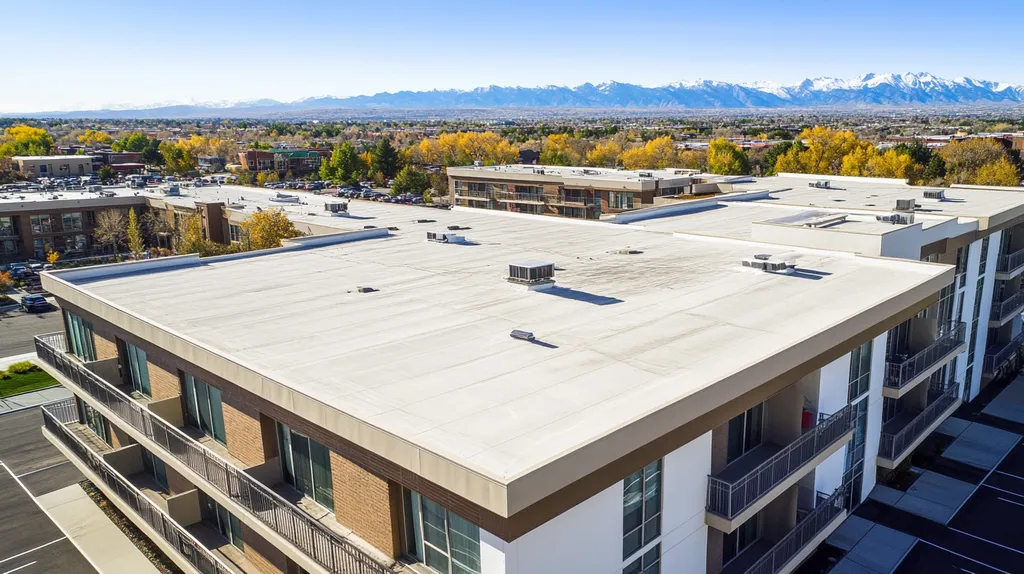
SECTION 5: EVIDENCE-BASED ALTERNATIVES
Commercial roof preparation decisions impact billions in property assets annually. Studies show that improper cleaning methods contribute to 35% of premature roof failures, resulting in replacement costs averaging $12-15 per square foot. Understanding and implementing evidence-based cleaning alternatives has become crucial for protecting these substantial investments while ensuring regulatory compliance and maintaining warranty coverage.
Soft Washing and Low-Pressure Chemical Cleaning Benefits
Low-pressure cleaning systems operate at pressures below 1000 PSI, significantly reducing the risk of mechanical damage to roofing materials. This approach preserves protective coatings and surface treatments essential for long-term performance.
Chemical cleaning agents specifically formulated for commercial roofing materials enhance effectiveness while protecting surface integrity. These solutions target biological growth and environmental contamination without compromising membrane stability.
Systematic application protocols ensure uniform cleaning results across large roof areas. This consistency supports proper adhesion for subsequent coating applications and maintains warranty compliance.
Soft washing techniques have demonstrated superior results in removing surface contaminants while preserving delicate roofing materials. Start Your Business Magazine notes these methods are particularly effective for sensitive surfaces like modified bitumen and single-ply membranes. (source: Start Your Business Magazine)
Steam Cleaning and Manual Methods: When and How to Use
Steam cleaning systems deliver controlled heat application that breaks down stubborn contaminants without physical abrasion. This method proves particularly effective for removing oil-based substances and industrial pollutants.
Temperature-controlled steam operations maintain safe working conditions for temperature-sensitive roofing materials. Precise control prevents thermal shock while effectively sanitizing surfaces.
Manual cleaning techniques remain essential for detail work around penetrations and mechanical equipment. These focused approaches prevent damage to critical roof components while ensuring thorough contamination removal.
Combined methodologies often deliver optimal results, with steam cleaning addressing bulk contamination and manual techniques handling sensitive areas. This integrated approach maximizes cleaning effectiveness while minimizing risk.
Selecting Environmentally Friendly and Roof-Safe Solutions
Biodegradable cleaning solutions protect both roofing materials and surrounding ecosystems. These products break down naturally, eliminating long-term environmental impact while maintaining cleaning effectiveness.
pH-balanced formulations prevent chemical degradation of roofing materials and adhesives. This characteristic proves particularly important for maintaining warranty coverage on modern roofing systems.
Water-based solutions minimize VOC emissions and reduce health risks for maintenance personnel. These safer alternatives maintain effectiveness while supporting environmental compliance requirements.
Certified eco-friendly products often demonstrate superior long-term performance through reduced material degradation. This advantage translates to extended service life and decreased maintenance frequency.
SECTION 6: TEST AND VERIFY
Commercial roof maintenance represents a significant investment requiring thorough verification at every stage. Industry data shows that improper testing and inspection protocols contribute to over $3.2 billion in preventable damage annually. With 45% of roof failures traced to inadequate verification processes, implementing rigorous testing standards has become crucial for protecting these valuable assets and ensuring optimal performance throughout their service life.
Pre- and Post-Cleaning Roof Inspection Techniques
Comprehensive pre-cleaning inspections establish critical baseline conditions through systematic evaluation of membrane integrity, seam stability, and drainage efficiency. This initial assessment identifies potential vulnerabilities and guides cleaning method selection.
Non-destructive testing methods, including infrared thermography and electronic leak detection, reveal subsurface moisture issues that could compromise cleaning effectiveness. These technologies enable precise mapping of problem areas before cleaning operations begin.
Post-cleaning verification requires detailed surface examination to confirm contaminant removal and identify any cleaning-related damage. This process includes adhesion testing, seam probing, and drainage pattern verification.
Professional commercial roofing companies utilize specialized inspection equipment to detect subtle indicators of potential failure. G. Cannon Roofing notes that proper inspection protocols guide cleaning method selection while identifying drainage issues and damage patterns that require immediate attention. (source: G. Cannon Roofing)
Monitoring Roof Longevity and Performance After Cleaning
Performance monitoring systems track key indicators including membrane flexibility, surface reflectivity, and drainage efficiency. These metrics provide quantifiable data for evaluating cleaning effectiveness and predicting maintenance needs.
Regular documentation of surface conditions through high-resolution imaging enables precise comparison of wear patterns over time. This visual record supports early identification of developing issues while validating cleaning effectiveness.
Environmental monitoring systems track temperature fluctuations, moisture levels, and chemical exposure that impact roof performance. This data helps optimize cleaning schedules and method selection based on actual environmental conditions.
Performance tracking protocols must include regular assessment of critical components including flashings, penetrations, and drainage systems. These evaluations ensure comprehensive understanding of system behavior post-cleaning.
Utilizing Third-Party Verification and Industry Standards
Independent verification services provide objective assessment of cleaning effectiveness and compliance with manufacturer specifications. These evaluations protect warranty coverage while ensuring adherence to industry best practices.
Laboratory analysis of surface samples confirms proper chemical neutralization and material stability following cleaning operations. This scientific verification prevents long-term degradation from residual cleaning agents.
Certified testing laboratories evaluate cleaning impact on material properties including tensile strength, elongation, and chemical resistance. These assessments validate cleaning method compatibility with specific roofing materials.
Quality assurance protocols must align with current ASTM standards for roof testing and verification. This standardized approach ensures consistent evaluation criteria across all cleaning operations.
The Bottom Line
With commercial roof damage from improper cleaning costing property owners $2.5 billion annually, the stakes for implementing correct preparation methods have never been higher.
Evidence conclusively demonstrates that professional assessment, appropriate cleaning techniques, and systematic verification protocols reduce maintenance costs by up to 70% while extending roof lifespan by decades.
The industry’s shift toward low-pressure systems, environmentally sustainable solutions, and material-specific approaches represents the new standard for protecting these critical assets.
Facility managers who embrace these evidence-based practices, supported by proper documentation and third-party verification, position their properties for optimal long-term performance and regulatory compliance while avoiding the catastrophic costs of premature roof failure.
FREQUENTLY ASKED QUESTIONS
Q. What are common misconceptions about commercial roof cleaning methods?
A. Misconceptions about cleaning methods can lead to serious damage. For example, traditional pressure washing can strip protective coatings and damage roofing materials, resulting in premature roof failures. Understanding proper techniques like soft washing can help preserve roof integrity and extend service life.
Q. How do commercial roof cleaning methods impact asset longevity?
A. The wrong cleaning methods can lead to significant asset degradation. For instance, aggressive cleaning may dislodge protective granules from built-up roofs, leading to moisture infiltration. Understanding which methods to use based on specific roofing materials is vital for prolonging their lifespan.
Q. What are the financial consequences of improper commercial roof cleaning?
A. Improper cleaning can incur enormous financial losses, including repair costs that can exceed six figures. High-pressure washing methods often lead to premature roof replacements, increasing overall maintenance costs. Such mistakes can severely impact operational budgets and property values.
Q. How can property owners evaluate roof conditions before cleaning?
A. Comprehensive evaluations should include checking for surface degradation and assessing drainage efficacy. Using non-destructive testing can also reveal underlying issues that could impede effective cleaning. Such assessments are crucial to avoid accidentally worsening existing problems during the cleaning process.
Q. What alternatives exist to traditional commercial roof cleaning methods?
A. Evidence-based alternatives include soft washing and low-pressure chemical cleaning, which minimize risks of material damage. These methods effectively eliminate contaminants while preserving essential roofing characteristics. Utilizing biodegradable products also contributes to environmental sustainability without compromising cleaning performance.
Q. Why is testing and verification important in commercial roof maintenance?
A. Testing and verification are critical for identifying potential vulnerabilities before and after cleaning. Without these protocols, property owners risk exacerbating existing issues that could lead to further damage. Regular inspections ensure cleaning methods remain effective and help in maintaining warranty compliance.
Q. What should facilities managers know about environmental impacts of cleaning?
A. Facilities managers must consider stormwater regulations and runoff management during cleaning. Choosing eco-friendly cleaning products helps avoid local water contamination. Additionally, assessing the impact of chemicals on air quality is essential to ensure safety for both workers and building occupants.






