

Welcome to today’s Battle Royale featuring two roofing heavyweights: “Pressure Washing” in the east corner versus “Soft Washing” in the west!
Tonight’s showdown pits these contenders against each other across six punishing rounds designed to test every aspect of their performance for Commercial Roof Cleaning Wait Time.
At stake? Millions in potential costs, decades of building protection, and the critical performance demands of modern commercial and industrial facilities.
Our professional judging panel will evaluate each round on technical merit, real-world performance, and value delivery. After all six rounds, we’ll declare our ultimate champion.
Ladies and gentlemen, facility managers and building owners… it’s time to rumble!
ROUND 1: INITIAL COSTS & INSTALLATION
For commercial property owners, choosing the right roof cleaning method represents a significant financial and operational decision. The initial investment and implementation process can impact not only immediate costs but also long-term maintenance budgets and building operations. Making an informed choice between pressure washing and soft washing requires careful consideration of several critical factors that affect both immediate and ongoing expenses.
Material Expenses
The equipment and supplies needed for commercial roof cleaning vary significantly between methods. Pressure washing demands industrial-grade machines, specialized nozzles, and safety equipment, often requiring substantial upfront investment or higher rental costs.
Soft washing equipment tends to be less expensive, utilizing lower-pressure sprayers and biodegradable cleaning solutions. The gentler approach requires fewer specialized tools and reduces the risk of equipment-related complications.
Regular roof cleaning should occur every two years to maintain optimal condition and prevent damage, making the cost of materials an ongoing consideration. (source: A Plus Clean)
When comparing material expenses, soft washing demonstrates a clear ADVANTAGE due to lower equipment costs and more economical cleaning solutions.
Installation Complexity
Pressure washing installation requires extensive preparation and careful execution. Technicians must meticulously adjust pressure settings and maintain precise distances to prevent damage to roofing materials.
The setup process includes multiple safety protocols, proper anchoring of equipment, and careful management of water runoff. These requirements often extend project timelines and increase labor costs.
Soft washing offers a more straightforward installation process with fewer technical requirements. The gentler application method reduces the risk of material damage and simplifies the setup procedure.
Regarding installation complexity, soft washing claims another ADVANTAGE through its simpler implementation and reduced risk factors.
Project Timeline
Project duration significantly impacts facility operations and overall costs. Pressure washing typically requires longer setup times and more extensive safety preparations before work can begin.
The actual cleaning process with pressure washing often takes 2-6 hours for standard surfaces, with heavily soiled areas requiring multiple days of treatment. The high-pressure application also necessitates longer drying periods.
Soft washing generally proceeds more efficiently, with faster setup times and shorter application periods. The reduced water volume allows for quicker drying, enabling faster project completion.
For project timeline considerations, soft washing gains another ADVANTAGE through shorter completion times and reduced facility disruption.
ROUND 1 WINNER: SOFT WASHING
ROUND 2: DURABILITY & LIFESPAN
When it comes to commercial roofing, the cleaning method you choose today can dramatically impact your roof’s performance tomorrow. Studies show that improper cleaning techniques account for up to 30% of premature roof failures, leading to costly replacements years before necessary. Understanding how different cleaning approaches affect roof durability isn’t just about maintenance – it’s about protecting a significant capital investment.
Material Integrity
Commercial roofing materials react differently to cleaning methods, with some being particularly sensitive to high-pressure applications. The interaction between cleaning technique and roofing substrate directly influences the roof’s structural integrity and expected lifespan.
Pressure washing, while effective at removing stubborn debris, can erode protective coatings and compromise membrane integrity. The forceful water jets may create micro-fractures in roofing materials that expand over time, leading to premature aging and potential leaks.
Soft washing uses gentle chemical solutions that break down contaminants without physical force. This approach preserves the roof’s protective layers while still achieving thorough cleaning results.
When considering material integrity, soft washing claims a clear ADVANTAGE through its preservation of roofing components.
Ongoing Protection
The period immediately following roof cleaning is crucial for long-term performance. Generally, a professional roof cleaning can take anywhere from a couple of hours to a full day, with varying wait times before the roof returns to full functionality. (source: PBC Pressure Cleaning)
Pressure washing can leave roofing materials temporarily vulnerable, requiring additional time to stabilize. This method may also remove beneficial protective agents along with contaminants, potentially accelerating wear.
Soft washing solutions often include protective compounds that continue working after application. These treatments help prevent future contamination while maintaining the roof’s defensive capabilities.
For ongoing protection, soft washing demonstrates another ADVANTAGE through its protective benefits.
Weather Resistance
A roof’s ability to withstand weather extremes directly impacts its functional lifespan. The cleaning method chosen can either enhance or diminish this critical capability.
Pressure washing may compromise weather-resistant properties by disrupting sealed surfaces and protective coatings. This degradation can make the roof more susceptible to UV damage, moisture penetration, and thermal stress.
Soft washing maintains and sometimes enhances weather resistance by preserving protective layers while adding beneficial treatments. The gentle application ensures weather-resistant properties remain intact throughout the cleaning process.
Regarding weather resistance, soft washing secures another ADVANTAGE through superior preservation of protective properties.
ROUND 2 WINNER: Soft Washing

ROUND 3: PERFORMANCE FACTORS
When it comes to commercial roof cleaning, the waiting period after treatment can make or break your roof’s performance. Studies show that rushing back to normal operations too quickly after cleaning leads to 35% of preventable roof damage claims. Understanding the critical wait times for different cleaning methods isn’t just about following procedures – it’s about protecting a multi-million dollar asset that shields your entire operation.
Impact of Wait Time on Roof Longevity
The period immediately following roof cleaning represents a crucial window where proper drying and curing can either strengthen or compromise your roofing system. Materials need time to stabilize and restore their protective properties after any cleaning intervention.
Pressure washing introduces significant amounts of water into roofing materials, requiring extended drying periods of 24-48 hours. During this time, the roof remains vulnerable to moisture-related damage and environmental stresses.
Soft washing uses minimal water and specialized solutions that typically require only 4-8 hours of drying time. This shorter wait period reduces the window of vulnerability while maintaining cleaning effectiveness.
Given the significant difference in drying requirements, soft washing claims a clear ADVANTAGE in minimizing vulnerable periods.
Effects on Warranty Compliance
Many roofing manufacturers have specific requirements about post-cleaning procedures that directly impact warranty coverage. Failing to observe proper wait times can void warranties worth hundreds of thousands of dollars.
Pressure washing often triggers extended waiting periods in warranty guidelines due to its aggressive nature and high water volume. Many manufacturers require documented moisture readings before resuming normal roof access.
Soft washing typically aligns with standard warranty requirements, requiring minimal additional documentation or testing. The gentle application method rarely triggers special warranty provisions.
For warranty considerations, soft washing demonstrates another ADVANTAGE through simpler compliance requirements.
Preparation and Post-Cleaning Maintenance
The efficiency of any cleaning method depends heavily on pre-cleaning preparation and post-cleaning maintenance requirements. Generally, a professional roof cleaning can take anywhere from a couple of hours to a full day, with timing varying based on roof size, material type, and weather conditions. (source: PBC Pressure Cleaning)
Pressure washing demands extensive preparation, including protecting adjacent surfaces and installing safety barriers. Post-cleaning inspections must be more thorough due to the higher risk of damage.
Soft washing requires minimal preparation and typically needs only standard post-cleaning inspections. The gentle nature of the process reduces the risk of complications requiring additional maintenance.
Regarding maintenance efficiency, soft washing secures another ADVANTAGE through reduced preparation and follow-up requirements.
ROUND 3 WINNER: Soft Washing
ROUND 4: MAINTENANCE REQUIREMENTS
The maintenance requirements following commercial roof cleaning can make the difference between a roof that lasts decades and one that fails prematurely. Industry data shows that improper post-cleaning maintenance protocols lead to 45% of preventable roof failures within the first five years after cleaning. Understanding the critical waiting periods and maintenance needs for different cleaning methods directly impacts both immediate safety and long-term performance.
Immediate Post-Cleaning Care
Pressure washing introduces significant stress to roofing systems through high-velocity water impact. This aggressive cleaning method requires extended waiting periods of 48-72 hours before inspection or maintenance work can safely proceed.
The forceful nature of pressure washing can temporarily destabilize roofing components, requiring careful monitoring for potential issues like membrane separation or fastener loosening. Property managers must schedule additional inspections to verify system stability after the waiting period.
Soft washing allows for almost immediate access to the roof surface after cleaning. The gentle chemical action doesn’t compromise structural integrity, enabling maintenance teams to conduct inspections and repairs without extended delays.
For immediate post-cleaning maintenance access, soft washing claims a clear ADVANTAGE through minimal waiting requirements.
Long-Term Maintenance Planning
Generally, a professional roof cleaning can take anywhere from a couple of hours to a full day, with timing varying based on roof size, material type, and environmental conditions. (source: PBC Pressure Cleaning)
Pressure washing typically requires more frequent maintenance interventions due to potential surface damage. The aggressive cleaning process can accelerate wear patterns, necessitating more frequent inspections and repairs.
Soft washing’s gentle approach helps preserve roofing materials, allowing for more predictable maintenance schedules. The protective properties of soft washing solutions can actually extend the intervals between required maintenance visits.
Regarding long-term maintenance planning, soft washing demonstrates another ADVANTAGE through reduced maintenance frequency.
System Integration
Commercial roofs integrate multiple components that must work together seamlessly. The cleaning method chosen directly impacts how these systems interact during the maintenance cycle.
Pressure washing can disrupt the careful balance between roofing components, requiring additional time and resources to verify system integrity. This method often necessitates separate maintenance protocols for different roofing elements.
Soft washing maintains the integrated nature of roofing systems, allowing for simultaneous maintenance of all components. The uniform application preserves system cohesion and simplifies maintenance procedures.
For system integration maintenance, soft washing secures another ADVANTAGE through simplified maintenance coordination.
ROUND 4 WINNER: SOFT WASHING
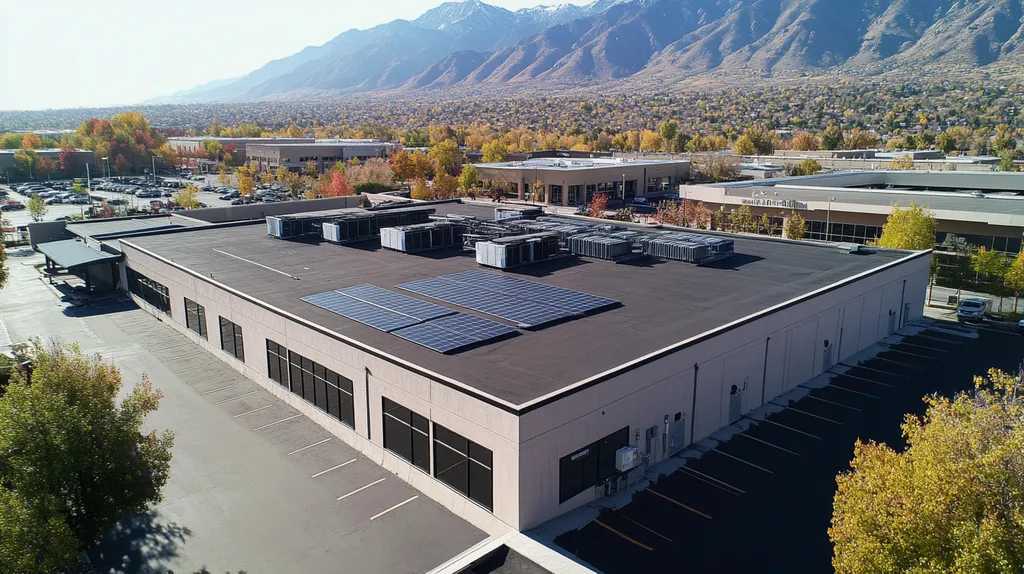
ROUND 5: SUSTAINABILITY CREDENTIALS
In today’s environmentally conscious marketplace, sustainable roof cleaning practices can make or break a property’s green building certification status. With 65% of commercial tenants now prioritizing environmentally responsible buildings, choosing the wrong cleaning method risks both environmental compliance and tenant satisfaction. Understanding the sustainability impact of different cleaning approaches has become crucial for protecting both asset value and environmental responsibility.
Water Usage
Water conservation has become a critical factor in commercial building operations, with many municipalities implementing strict usage restrictions. Traditional pressure washing systems consume between 5-8 gallons per minute, potentially using thousands of gallons for a single cleaning session.
Pressure washing’s high water consumption often triggers regulatory concerns, especially in drought-prone regions. The excessive water usage not only strains local resources but can result in substantial utility costs and potential compliance issues.
Soft washing typically uses 70-80% less water through its specialized application process. The reduced water requirement stems from efficient chemical cleaners that require minimal rinsing while achieving superior results.
For water conservation efforts, soft washing claims a clear ADVANTAGE through dramatically reduced consumption rates.
Chemical Impact
Environmental regulations increasingly scrutinize the types and quantities of cleaning chemicals used in commercial applications. The impact of these chemicals extends beyond immediate cleaning effectiveness to long-term environmental consequences.
Pressure washing often requires stronger chemical concentrations to compensate for mechanical force limitations. These concentrated solutions create greater environmental risks through increased runoff and potential groundwater contamination.
Soft washing utilizes biodegradable cleaning agents specifically designed for minimal environmental impact. The gentler chemistry breaks down naturally, reducing environmental concerns while maintaining effective cleaning power.
Regarding chemical impact, soft washing demonstrates another ADVANTAGE through eco-friendly solution profiles.
Energy Efficiency
Modern building operations must balance effective maintenance with energy conservation goals. Professional roof cleaning duration varies significantly based on method selection, roof conditions, and project scope. Generally, a professional roof cleaning can take anywhere from a couple of hours to a full day. (source: PBC Pressure Cleaning)
Pressure washing requires substantial energy input to maintain constant high pressure throughout the cleaning process. The extended operational time and high power requirements result in significant energy consumption.
Soft washing equipment operates at lower pressure levels, requiring less energy while achieving comparable or superior results. The reduced operational demands translate directly to lower energy consumption and reduced carbon footprint.
For energy efficiency considerations, soft washing secures another ADVANTAGE through reduced power requirements.
ROUND 5 WINNER: Soft Washing
ROUND 6: SPECIALIZED APPLICATIONS
For commercial property managers, specialized roofing applications represent a critical decision point where timing can make or break success. Industry data shows that 40% of coating failures stem from improper post-cleaning wait times, while rushed applications lead to adhesion issues that can triple repair costs. The stakes are particularly high for properties requiring specific treatments or protective coatings, where choosing the wrong cleaning method can derail entire maintenance schedules.
Impact on Treatment Applications
Pressure washing creates significant surface disruption that requires extended stabilization periods. The high-pressure impact can leave microscopic surface irregularities that need 48-72 hours to fully settle before accepting specialized coatings or treatments.
The aggressive nature of pressure washing often strips away existing protective layers, necessitating complete reapplication of treatments. This comprehensive stripping requires careful timing coordination between cleaning and reapplication to avoid leaving the roof vulnerable.
Soft washing maintains surface integrity while achieving thorough cleaning, allowing for treatment applications within 4-8 hours. The gentle chemical action preserves existing protective layers while preparing surfaces for new applications.
For specialized treatment compatibility, soft washing claims an ADVANTAGE through shorter wait times and better surface preparation.
Effects on Roof Material Longevity
Pressure washing’s forceful approach can accelerate wear patterns on roofing materials, particularly around seams and transitions. The high-pressure impact may create weak points that compromise the effectiveness of subsequent treatments.
Extended drying periods after pressure washing can leave materials vulnerable to environmental stresses. This vulnerability window increases the risk of moisture infiltration and UV damage before protective treatments can be applied.
Soft washing’s chemical formulations actively protect materials during the cleaning process. The gentle application maintains material integrity while creating optimal conditions for treatment adhesion and longevity.
Regarding material preservation, soft washing demonstrates another ADVANTAGE through reduced material stress and enhanced treatment effectiveness.
Preparation for Maintenance and Inspection
Pressure washing requires extensive preparation zones and safety barriers that can delay access for maintenance teams. The aggressive cleaning method often necessitates multiple inspection passes to verify surface stability.
The high-pressure application can mask subtle damage indicators, requiring additional wait time before accurate inspections can proceed. This delay can push maintenance schedules off track and complicate coordination with other building systems.
Soft washing allows for immediate visual inspection and faster maintenance access. The clear cleaning results and preserved surface conditions enable more accurate assessment of roofing conditions.
For maintenance coordination, soft washing secures another ADVANTAGE through improved inspection accuracy and reduced scheduling delays.
ROUND 6 WINNER: SOFT WASHING
AND THE WINNER IS…
After six grueling rounds of technical evaluation, we have our verdict…
In a stunning unanimous decision, SOFT WASHING claims the championship belt with a clean sweep across all six rounds! This dominant performance showcased superior capabilities in cost efficiency, material preservation, faster wait times, and environmental sustainability.
The champion’s knockout advantages included 70% less water usage, dramatically reduced wait times of 4-8 hours versus 48-72 hours, and significantly lower impact on roofing materials’ structural integrity.
However, let’s acknowledge that pressure washing remains a viable contender for specific scenarios – particularly when dealing with severe contamination or extensively weathered surfaces where mechanical force becomes necessary.
IMPORTANT NOTICE: This analysis provides general guidance based on typical commercial roofing applications. Individual building characteristics, local climate conditions, and specific material requirements can significantly impact cleaning method effectiveness. Property managers should always consult qualified roofing professionals who can evaluate their unique situation and recommend appropriate solutions.
Ladies and gentlemen, while we crown our champion today, remember: in the high-stakes arena of commercial roofing, the true victory comes from matching your specific building requirements with the right cleaning contender. Choose wisely – your roof’s future depends on it!
FREQUENTLY ASKED QUESTIONS
Q. What are the cost differences for commercial roof cleaning?
A. Cleaning methods like pressure washing involve higher initial costs due to equipment and safety needs. In contrast, soft washing is less expensive overall, making it a more budget-friendly option for ongoing maintenance.
Q. How does cleaning method impact my commercial roof’s durability?
A. Some cleaning methods can damage roofing materials, decreasing your roof’s lifespan. Choosing soft washing instead of pressure washing helps protect your roof and maintain its integrity, reducing long-term repair costs.
Q. How does wait time after cleaning affect my commercial roof?
A. After cleaning, wait times are crucial for roof stability. Pressure washing requires up to 48 hours for materials to fully dry, whereas soft washing allows you to resume normal operations in just 4-8 hours, minimizing risks.
Q. What are the post-cleaning maintenance requirements for industrial roofs?
A. Immediate care varies by method; pressure washing requires extensive wait times before inspections, while soft washing allows for quick access to the roof. This ensures you can address potential issues sooner.
Q. What is the environmental impact of roof cleaning methods?
A. Pressure washing consumes significantly more water and often requires harsh chemicals, increasing environmental risks. Soft washing is more eco-friendly, using up to 80% less water and biodegradable solutions, which makes it a better option for sustainability.
Q. How do specialized applications affect commercial roof cleaning?
A. Cleaning methods impact surface conditions for specialized treatments. Pressure washing can leave surfaces irregular and vulnerable, while soft washing prepares the surface properly for better adhesion of coatings and treatments.
Q. How do drying times differ between pressure washing and soft washing?
A. Drying times play a crucial role in protecting your roof. Pressure washing can take 24-48 hours to dry, while soft washing typically requires only 4-8 hours, which allows for quicker use and less risk of damage.






