
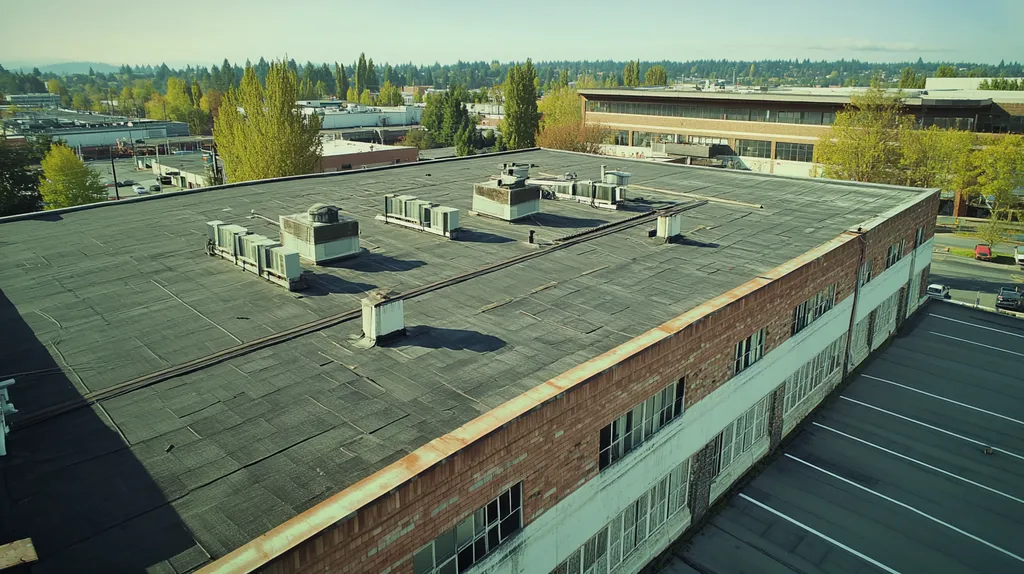
Commercial roof coatings can extend a roof’s lifespan by up to 20 years, yet studies show that 85% of coating failures stem from inadequate preparation and repairs. These preventable failures cost property owners millions annually in damage and replacement expenses.
Before applying protective coatings, addressing underlying issues like membrane damage, failing seams, and compromised flashings is critical for long-term performance. Understanding proper repair techniques and following systematic preparation protocols can mean the difference between a coating that lasts decades and one that fails prematurely.
This comprehensive guide examines the essential steps for preparing commercial roofs before coating application, from initial inspections through final surface preparation.
SECTION 1: FUNDAMENTAL CONCEPTS
Maintaining a commercial roof is crucial for protecting property investments. Alarmingly, studies indicate that nearly 30% of commercial roof failures result from insufficient maintenance and unaddressed repairs. This oversight can lead to significant water damage, rising energy costs, and dangerous safety hazards. Grasping different roof types, recognizing common issues, and understanding the significance of thorough pre-coating inspections are essential steps for property owners looking to safeguard their assets.
Understanding Roof Types and Materials
Commercial roofs are not one-size-fits-all; they vary widely in type and materials, each with its own features. Flat, pitched, and green roofs are the most prevalent, built using materials like TPO, EPDM, PVC, and built-up systems.
Each material offers unique advantages and vulnerabilities. For example, TPO is celebrated for its energy efficiency, while EPDM is often favored for its outstanding durability. However, issues can arise from poor installation or natural wear and tear.
Property owners need to be aware of their roof type and material makeup to make informed maintenance and repair decisions. This understanding forms the bedrock of effective roof management.
It’s also essential to note that materials age differently under stress from the environment, including extreme temperatures or UV rays. Regular assessments can help detect potential problems before they escalate, ensuring longevity and performance.
Common Roofing Issues and Damage
Commercial roofs can encounter numerous challenges, including leaks, punctures, and drainage issues. Flat roofs, in particular, are prone to pooling water, which can quickly lead to leaks and structural integrity risks.
Another prevalent issue is membrane degradation, often caused by prolonged UV exposure or physical damage. Failure to address these concerns can result in severe consequences, such as mold growth or ineffective insulation.
To mitigate these risks, property owners should routinely inspect roofs for signs of distress, such as cracks, blisters, or loose seams. Recognizing minor issues early can help avoid costly replacements and extend the roof’s lifespan.
Ignoring these common roofing problems can lead to financial fallout, including heightened energy bills and potential business disruptions. Understanding these risks empowers property owners to take proactive measures.
Importance of Pre-Coating Inspections
Before applying a new coating to a commercial roof, conducting a thorough pre-coating inspection is vital. This step can reveal underlying problems that could jeopardize the coating’s effectiveness, such as leaks or surface degradation.
While coatings can significantly enhance a roof’s longevity and energy efficiency, they will only perform well if the underlying surface is in good shape. Any necessary repairs must take place before application to ensure optimal adhesion and effectiveness.
Furthermore, a pre-coating inspection can uncover hidden issues that might be missed during regular maintenance checks. Taking this proactive approach can save considerable costs associated with premature coating failures.
Finally, a thorough inspection reflects a commitment to property upkeep, potentially boosting market value. In a competitive environment, this meticulous attention to detail can set a well-managed facility apart from others.
SECTION 2: SYSTEM COMPONENTS
The integrity of a commercial roof relies heavily on its various system components. Neglecting necessary repairs before applying a new coating can lead to serious complications, like leaks and premature roof failures. A survey by the National Roofing Contractors Association revealed that a staggering 85% of roof leaks result from failures in these essential components. By understanding roofing membranes, fasteners, and drainage systems, property owners can ensure a repair process that maximizes roof longevity and overall effectiveness.
Roofing Membranes and Substrates
Roofing membranes serve as the first line of defense against adverse weather, making their condition vital to the roof’s overall performance. If even a small part of the membrane, such as an EPDM layer, shows signs of deterioration—like cracks or blisters—it can lead to significant moisture infiltration and water damage.
The substrate, or the base layer of the roof, is equally important. Common substrates include wood, concrete, and metal, each presenting its own set of challenges. A deteriorated substrate can weaken the adhesion of coatings, jeopardizing the entire roof system.
To prepare for coating, it’s crucial to identify and repair issues in these components. A detailed inspection should look for punctures, tears, or loose seams. By taking action on these minor issues, property owners can lay down a strong foundation for any new coating.
If membranes and substrates are not properly maintained, property owners may face unexpected expenses in the future. Establishing a solid groundwork helps ensure that the roof system can perform effectively for years to come.
Fasteners, Sealants, and Adhesives
Fasteners, sealants, and adhesives are essential in securing the various roofing components and preventing water intrusion. Over time, fasteners can become loose or corroded, creating vulnerabilities in the roof system. It’s critical to inspect and replace any damaged fasteners before proceeding with a coating application.
Sealants and adhesives also play a significant role in waterproofing the roof. As these materials age, their effectiveness diminishes, leading to a higher risk of leaks. A thorough maintenance check should focus on areas with cracked or poorly adhering sealants to ensure new coatings are applied evenly and effectively.
Often, property owners underestimate the importance of these components, mistakenly believing a coat of paint or sealant will suffice. Unfortunately, without a robust fastening and sealing system in place, a new coating may fail prematurely. Directly addressing these elements enhances the overall integrity of the roof system.
Investing in quality fasteners, sealants, and adhesives not only extends the roof’s life but also ensures the safety and comfort of everyone within the building.
Drainage and Flashing Systems
Effective drainage systems are crucial for maintaining a watertight roof. Standing water can create significant damage over time, leading to both roof and structural failures. Property owners should regularly inspect drains and gutters to ensure they are clear of debris and functioning optimally.
Flashing is instrumental in directing water away from vulnerable joints and seams. Damage to flashing can lead to leaks, making timely repairs essential. A simple visual inspection can reveal issues like rusting, warping, or detached sections that require immediate attention.
Addressing drainage and flashing problems before applying a roof coating is pivotal. Otherwise, water intrusion may worsen any existing issues, undermining the performance of the new coating and the roof system overall.
By investing in proper drainage and maintaining flashing systems, property owners are making long-term investments in the roof’s functionality. A well-maintained drainage strategy can significantly extend the roof’s lifespan and diminish the likelihood of water-related issues.
SECTION 3: IMPLEMENTATION METHODS
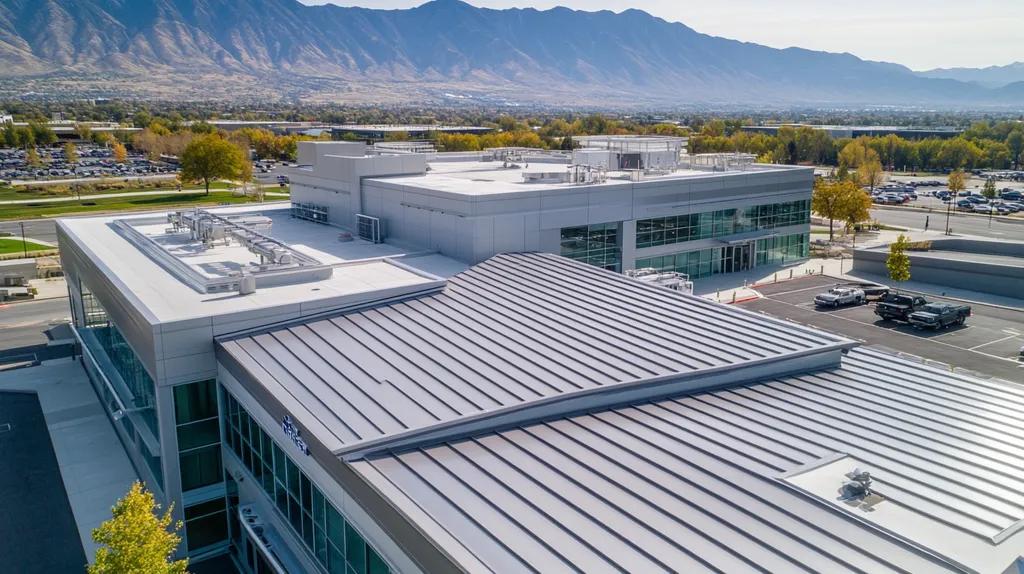
Repairing a commercial roof before applying a coating is not just a good practice; it’s essential for achieving lasting results. Neglecting this step can lead to leaks, costly structural damage, and expensive repair bills that could have been avoided. Alarmingly, statistics indicate that 80% of roof failures stem from inadequate maintenance and repairs. This section delves into effective implementation methods, focusing on the crucial steps of surface preparation, coating application techniques, and addressing vulnerabilities at penetrations and seams.
Preparing the Roof Surface for Coating
Surface preparation lays the groundwork for a successful roof coating application. This critical step involves thorough cleaning, repairing, and priming the existing roof materials. It’s vital to remove any debris, dirt, or old coatings to ensure the new coating adheres properly.
Power washing is a common method used to eliminate contaminants, but it must be executed carefully to protect the roof surface. Once cleaned, any cracks or blisters should be repaired to keep moisture from penetrating the roof. This often involves patching with materials that match the existing roofing type.
Following repairs, applying a primer may be necessary to enhance the bond with the coating. Choosing the right primer is key since it directly impacts adhesion. Not all roofs need a primer, so consulting with a roofing professional for guidance is advisable.
Finally, ensure that the surface is completely dry before applying the new coating. Any residual moisture can undermine the coating’s performance and longevity, leading to premature failure and additional costs.
Applying Roof Coatings: Steps and Techniques
The application of roof coatings demands precision and adherence to best practices to achieve optimal results. Selecting the right coating based on roof type and its specific conditions is the first critical step. Options range from acrylic to silicone and polyurethane coatings, each offering unique advantages.
Coatings can be applied using various methods, including spraying, rolling, or brushing. Spraying typically offers a more uniform layer, but it requires skilled operators to avoid overspray and ensure an even distribution.
It is essential to adhere to manufacturer guidelines concerning temperature and weather conditions during application. Ideally, coatings should be applied during moderate temperatures, avoiding extremes that could adversely affect performance.
Rather than applying one thick coat, using multiple thin layers is more effective. This method improves adhesion and results in a more durable finish. Each coat should cure completely before applying the next to ensure a strong bond and optimal results.
Addressing Penetrations and Seam Prep
Penetrations and seams are critical components of any roofing system and require careful attention when preparing for a new coating. Seams that are unsealed or poorly sealed are prime candidates for leaks, which can compromise the overall integrity of the roof. It is essential to inspect all penetrations, such as vents, ducts, and pipes, before proceeding with the coating application.
Remove any old sealants or caulking that may be damaged and replace them with compatible, high-quality options that correspond with the new coating type. Proper seam preparation includes checking for existing cracks and reinforcing seams with fabric if necessary.
Furthermore, applying a liquid flashing at all penetrations creates an effective waterproof barrier that significantly reduces the risk of leaks. Feathering the edges will help enhance adhesion for the applied coatings.
Lastly, once penetrations are sealed, allow adequate curing time before applying the roof coating to ensure a solid bond, offering additional protection and extending the roof’s lifespan.
SECTION 4: MAINTENANCE REQUIREMENTS
Maintaining a commercial roof is not just a matter of routine; it is critical for preventing expensive damages and ensuring longevity. In fact, industry studies reveal that up to 80% of roof failures stem from inadequate maintenance. Regular inspections and proactive maintenance not only safeguard investments but also extend the lifespan of roofing systems. By understanding the necessary maintenance requirements, property owners can significantly reduce repair costs and avoid operational disruptions.
Bi-Annual Inspections and Checks
Scheduling bi-annual inspections is essential for spotting potential roofing issues before they escalate. The best time to conduct these assessments is during the spring and fall, allowing for a thorough check of any weather-related damage. Inspectors should be on the lookout for cracks, punctures, and signs of wear that could lead to leaks.
Special attention should be given to flashing, seams, and penetrations, as these areas are particularly vulnerable. Keeping a detailed record of inspection findings can provide valuable insights into the roof’s condition over time. Engaging professional roofing contractors ensures a comprehensive evaluation and expert recommendations tailored to the specific needs of the roof.
Consistent inspections not only prevent minor issues from becoming major headaches but also help property owners meet warranty requirements. A well-maintained roof contributes to enhanced energy efficiency, ultimately lowering operational costs.
Investing in regular assessments protects property assets and boosts tenant satisfaction, fostering a secure and comfortable environment for all.
Cleaning and Debris Removal Best Practices
Cleaning a commercial roof is essential to maintain its functionality and durability. Accumulated debris like leaves and branches can clog drainage systems, leading to water pooling and an increased risk of leaks. Roofs should ideally be cleared of debris at least twice a year, or more frequently in areas with heavy tree cover.
Using lightweight tools for debris removal can prevent accidental harm to roofing materials. It’s crucial to ensure that all drainage outlets are unobstructed to promote proper water flow. Building maintenance teams should receive training on safe cleaning methods to protect both personnel and the roof’s structural integrity.
Beyond debris removal, regular cleaning helps prevent vegetation growth, which can degrade the roof surface. Establishing a routine cleaning schedule not only extends the life of the roof but also reduces the likelihood of more significant maintenance costs in the future.
Ultimately, a proactive approach to cleaning and debris removal contributes to the overall resilience of the roof, safeguarding the property beneath.
Repairing Coating Damages and Leaks
Addressing coating damages and leaks promptly can significantly extend the life of a commercial roof. Any signs of wear or damage must be assessed and repaired immediately to prevent more substantial issues down the line. Even minor cracks can lead to water intrusion if left unaddressed.
Facilities managers should implement a protocol for regular evaluations of the roof coating. This includes monitoring for signs of blistering, peeling, or discoloration, which can indicate underlying moisture problems. Temporary repairs using sealants can mitigate issues while preparations for more extensive fixes are made.
Engaging professional services for repairs ensures that the appropriate techniques and materials are utilized, crucial for long-term success. Delaying necessary repairs can worsen conditions, causing further damage that ultimately leads to higher costs.
By prioritizing repairs and maintaining a proactive strategy, property owners can ensure their roofs remain functional, minimizing the risks associated with leaks and coating failures.
SECTION 5: PERFORMANCE METRICS
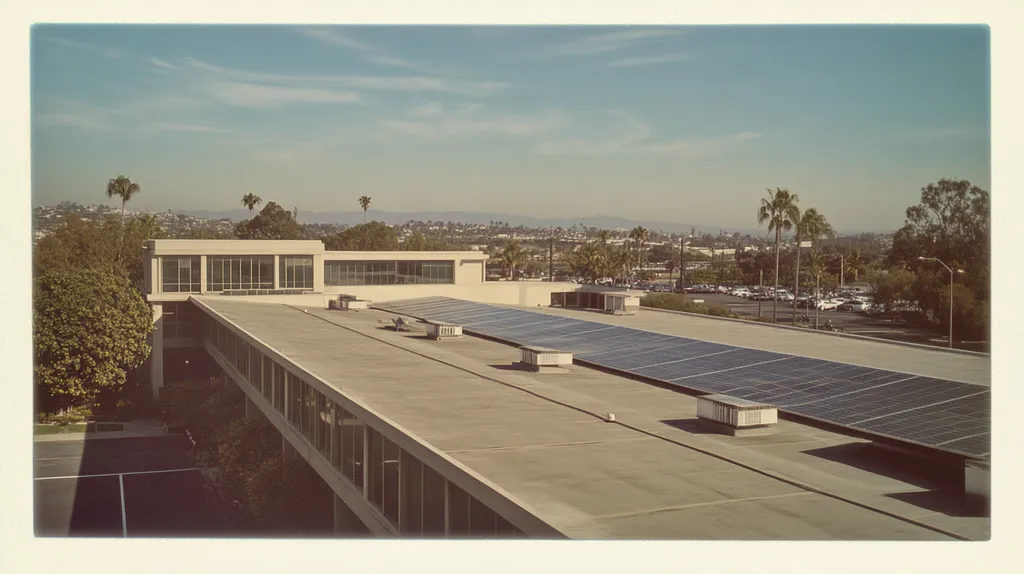
Evaluating the effectiveness of a roof coating is a critical step, not merely a suggestion. Property owners who neglect to assess vital performance metrics increase the risk of premature coating failures and wasted resources. Research shows that roofs with the right coating can outlast uncoated roofs by up to 20 years. This section examines essential performance metrics that should be evaluated to ensure a successful roof coating application.
Evaluating Coating Adhesion and Durability
Coating adhesion is one of the most vital performance metrics for roof longevity. If the coating fails to adhere correctly, property owners might face issues like peeling and blistering, ultimately leading to severe damage. Conducting adhesion tests, such as the pull-off test, can help ensure a solid bond between the coating and the existing roof surface.
Additionally, assessing durability is crucial. A quality coating should be resilient to physical impacts and environmental stressors. For instance, coatings that withstand thermal cycling can prevent cracks, extending the roof’s life significantly. It’s essential to select coatings that meet recognized industry durability standards, including certifications like ASTM or ISO.
Regular monitoring of adhesion and durability metrics is a proactive strategy that can catch early signs of failure. Through consistent inspections, property owners can implement timely interventions, enhancing overall roof performance and extending the lifespan of their investment.
In summary, evaluating coating adhesion and durability before application is vital for the success of the entire roofing system and can prevent costly future repairs.
Assessing Energy Efficiency and Cost Savings
Energy efficiency is now a key factor for both operational costs and environmental stewardship. Commercial roofs equipped with reflective coatings can lead to significant energy savings by reducing cooling costs. For example, studies reveal that reflective roof coatings can lower surface temperatures by as much as 60 degrees Fahrenheit.
The financial benefits of energy efficiency extend beyond reduced utility bills; they can also lower HVAC maintenance and repair costs in the long run. By tracking energy consumption before and after the coating application, property owners can quantify their energy savings and make informed decisions for future roofing investments.
Moreover, numerous local governments and utilities often provide incentives for energy-efficient roofing solutions. This means investing in reflective coatings can yield both economic and environmental benefits. Such evaluations should be integrated into a broader roofing strategy focused on maximizing long-term value.
In conclusion, assessing energy efficiency and cost savings not only enhances the roof’s immediate performance but also significantly contributes to the property’s financial health.
Monitoring for UV Degradation and Rust
UV degradation poses a constant threat to commercial roofs, particularly in sunny regions. Neglecting to monitor for UV-related damage can undermine the integrity of both the roofing material and the applied coating. Regular inspections for signs of UV wear, including color fading or surface cracking, should be standard practice for all property managers.
Rust is another major concern, especially for metal roofing systems, as it can dramatically reduce a roof’s lifespan if not managed effectively. Property owners should incorporate regular checks for rust formation in their maintenance routines. Evaluating existing coatings for their rust prevention effectiveness can offer valuable insights.
Advancements in monitoring technology, such as infrared thermography, can provide a deeper understanding of potential UV and rust damage. This proactive approach equips property owners with the necessary knowledge to address problems early, ultimately avoiding costly replacements down the line.
In essence, continuous monitoring of UV degradation and rust is crucial for maintaining a roof’s performance and prolonging its lifespan, while protecting the investment made by property owners.
SECTION 5: PERFORMANCE METRICS
Evaluating the effectiveness of a roof coating is not merely optional—it’s crucial for maximizing the return on investment. Property owners who overlook essential performance metrics risk facing premature failures and wasting valuable resources. Studies show that properly coated roofs can last up to 20 years longer than their uncoated counterparts. This section highlights the key performance metrics that must be assessed prior to applying a roof coating.
Evaluating Coating Adhesion and Durability
Coating adhesion is a fundamental performance indicator that directly influences the longevity of a roof. If a roof coating fails to bond correctly, property owners may experience peeling, blistering, and ultimately more severe damage. To ensure that the coating adheres well to the existing roof surface, contractors should perform adhesion tests, such as the pull-off test.
Durability is equally critical; a quality coating should withstand physical impacts and environmental stressors. For example, coatings that endure thermal cycling significantly reduce the risk of cracks, thus prolonging the roof’s lifespan. It’s crucial to select coatings that meet established industry standards for durability, including certifications like ASTM or ISO.
Regular inspections to monitor adhesion and durability metrics should be standard practice. Early detection of potential issues allows for timely repairs, safeguarding overall roof performance. Prioritizing these metrics can enhance the effectiveness of the roofing system and extend the life cycle of the investment.
In conclusion, assessing adhesion and durability prior to the application of a roof coating is essential for ensuring the success of the entire roofing system.
Assessing Energy Efficiency and Cost Savings
Energy efficiency is a pressing consideration with far-reaching implications for both operational costs and environmental sustainability. Roofs equipped with reflective coatings can significantly lower cooling costs, as studies indicate that these coatings can reduce surface temperatures by up to 60 degrees Fahrenheit.
The financial advantages of increased energy efficiency extend beyond lower utility bills, potentially reducing long-term HVAC maintenance costs as well. By tracking energy consumption before and after applying a coating, property owners can assess the financial implications and make informed decisions regarding future roofing investments.
Additionally, various local governments and utilities offer incentives or rebates for energy-efficient roofing solutions. Therefore, investing in reflective coatings can yield both financial benefits and contribute positively to the environment. This evaluation should be part of a broader roofing strategy focused on maximizing long-term value.
Ultimately, assessing energy efficiency and documenting cost savings not only enhances the roof’s immediate performance but also contributes to the overall financial health of the property.
Monitoring for UV Degradation and Rust
UV degradation continuously threatens the integrity of commercial roofs, especially in regions with high sun exposure. Failing to monitor UV damage can compromise both the roofing material and the applied coating’s effectiveness. Regular inspections for signs of UV wear, such as color fading or surface cracking, should be integral to property management practices.
Rust is another critical concern, particularly for metal roofing systems, where it can severely shorten the roof’s lifespan if not properly managed. Performance metrics should include routine checks for rust formation and assessments of how effective existing coatings are in preventing corrosion. Employing rust-inhibitive primers can further extend the life of metal roofs.
Using advanced monitoring technologies like infrared thermography can enhance understanding of UV and rust damage potential. This proactive strategy equips property owners to address issues promptly before they escalate into costly repairs or replacements.
In summary, ongoing monitoring for UV degradation and rust is essential for maintaining a roof’s performance, ultimately prolonging its lifespan while protecting the investment property owners have made.
The Bottom Line
With 85% of commercial roof coating failures stemming from inadequate preparation and repairs, the stakes couldn’t be higher for property owners and facility managers.
A properly repaired and prepared roof can extend coating life by up to two decades, while cutting energy costs by 30% or more through improved efficiency.
The key to success lies in thorough inspections, professional repairs, and systematic preparation before any coating application begins.
By following established industry protocols for addressing underlying issues, testing adhesion, and monitoring performance metrics, building owners can maximize their roofing investment while creating more sustainable, energy-efficient properties.
The future of commercial roofing depends on this holistic approach that prioritizes preparation and prevention over costly reactive maintenance.
FREQUENTLY ASKED QUESTIONS
Q. Why is maintaining a commercial roof important?
A. Proper maintenance of a commercial roof protects investments from costly damage and ensures safety. Research shows that many failures stem from inadequate upkeep, leading to serious issues. Regular inspections help identify problems early, allowing for proactive repairs that maintain the roof’s integrity.
Q. What common issues affect industrial roofs?
A. Industrial roofs often face challenges like leaks, punctures, and poor drainage. Flat roofs are particularly susceptible to pooling water, which can lead to severe leaks and structural harm. Recognizing these problems early through routine inspections is critical to avoiding costly repairs.
Q. What should be checked during pre-coating inspections?
A. Pre-coating inspections should focus on identifying underlying issues like existing leaks and surface deterioration. It’s essential to ensure the roof is in good condition before applying a coating, as any flaws can compromise the new layer’s effectiveness and lead to further damage.
Q. How do roofing membranes affect commercial roof performance?
A. Roofing membranes are essential as they defend against weather damage. Their condition is vital for the roof’s overall performance, and deterioration can lead to significant moisture infiltration. Regular checks and timely repairs of membrane issues ensure lasting effectiveness and prevent expensive repairs.
Q. Why is surface preparation critical before applying roof coatings?
A. Proper surface preparation is crucial as it directly impacts the adhesion of the coating. Inadequate cleaning or repairs can cause the new coating to fail prematurely. Ensuring the surface is clean, dry, and free of defects enhances the roof’s longevity and overall effectiveness.
Q. How often should industrial roofs be inspected?
A. Industrial roofs should ideally be inspected bi-annually to catch potential issues early. Inspections during spring and fall are particularly beneficial for identifying weather-related damage. Regular evaluations help maintain the roof’s performance and prevent small problems from developing into larger, costly issues.
Q. How can property owners monitor roof performance effectively?
A. Property owners can monitor performance through regular inspections that assess adhesion, durability, and energy efficiency. Tracking these metrics over time helps identify potential issues and inform maintenance decisions. This proactive approach ensures informed investments and enhances the roof’s longevity.






