

Commercial roofing failures cost U.S. businesses over $2.5 billion annually, with 40% of these incidents directly tied to inadequate contractor verification practices.
The traditional approach of relying solely on references and past project photos leaves dangerous gaps in quality assurance that put properties at risk.
This critical analysis examines why established contractor verification methods fall short, revealing systemic issues from incomplete inspections to missed opportunities in advanced testing.
Most importantly, it offers data-driven solutions that empower property owners to protect their substantial roofing investments through enhanced verification protocols.
SECTION 1: CURRENT PRACTICES
A reliable commercial roof is not just a nice-to-have; it’s a necessity. A staggering 30% of roofing failures result from poor inspection and maintenance practices, leading to potential financial ruin and significant safety hazards. Property owners need to navigate the complex landscape of roof inspections wisely. This section delves into the various types of roofing inspections, clarifies the roles of inspectors and contractors, and highlights standard checklists that ensure thorough evaluations.
Types of Commercial Roof Inspections
Commercial roof inspections can be broken down into several essential types, each fulfilling unique needs. Routine inspections, typically conducted once a year, are designed to uphold the roof’s structural integrity and catch issues before they escalate. In contrast, pre-purchase inspections examine a roof’s current condition prior to a property transaction, offering critical insights for prospective buyers.
Post-installation inspections also play a vital role. These assessments confirm that new roofs meet design specifications and adhere to local building codes. For property owners, understanding these different types of inspections is paramount for making informed decisions about their roofing systems.
Additionally, condition assessments focus on identifying existing problems and evaluating the overall effectiveness of the roofing system. By grasping these various inspection types, property owners can prioritize maintenance tasks and avoid potentially exorbitant repairs down the line.
Roles of Inspectors and Contractors
The responsibilities of inspectors and contractors in the roofing process are crucial but often misunderstood. Inspectors primarily evaluate the roof’s current condition, providing findings that help property owners navigate necessary repairs or replacements.
On the flip side, contractors implement the repairs recommended by inspectors, making clear communication between the two parties essential. Misunderstandings can lead to inadequately addressed issues and a compromised roofing system.
Furthermore, property owners must ensure that both inspectors and contractors possess the necessary experience and certifications. Skipping this verification opens the door to subpar work, ultimately jeopardizing the building’s safety and longevity. A solid understanding of these roles empowers property owners to make more effective decisions in managing their roofing needs.
Standard Inspection Checklists
Standard inspection checklists are invaluable tools in the roofing evaluation process. These lists outline the critical components and conditions that require assessment during inspections. By becoming familiar with these checklist items, property owners can gain better insights into the inspection process.
Typical items on inspection checklists include surface conditions, drainage systems, and flashing integrity. Inspectors rely on these structured guidelines to ensure a comprehensive assessment, helping to highlight potential issues before they develop into costly repairs.
Moreover, it’s important to customize these checklists based on the specific type of roofing material in place. Different materials come with unique characteristics, necessitating tailored evaluation criteria. Property owners should advocate for personalized inspections that align seamlessly with their specific roofing systems.
SECTION 2: SYSTEMIC ISSUES
In the world of commercial roofing, the stakes couldn’t be higher—neglecting systemic issues can lead to significant financial losses and unsafe environments. When roof inspections lack proper preparation, it jeopardizes the structure’s integrity and places property owners at risk. Alarmingly, a substantial number of roof failures stem from inadequate evaluations and failure to comply with industry standards. Recognizing and addressing these systemic issues is essential for property owners and facility managers dedicated to safeguarding their investments.
Inadequate Pre-Inspection Preparation
A concerning trend among commercial property owners is the insufficient vetting of roofing contractors before inspection begins. Many rely on casual referrals or the lowest bids rather than confirmed qualifications and expertise. This lack of pre-inspection preparation can result in selecting contractors who may not have the necessary experience.
As a result, critical aspects that deserve attention during inspections could be overlooked, leading to compromised repair quality. Issues that slip through the cracks now may burgeon into expensive problems down the line, forcing owners to pay hefty repair bills that could have been avoided.
To mitigate these risks, proper pre-inspection preparation includes performing thorough research on a contractor’s previous work and checking references. This diligence can instill confidence that the contractor is capable of adhering to required industry standards and expectations.
Overreliance on Visual Examinations
Relying solely on visual inspections can create significant blind spots in roofing evaluations. An inspector’s eye may miss underlying problems that aren’t immediately apparent. For instance, while a roof may look sound from the outside, hidden moisture or structural damage may be silently causing deterioration beneath the surface.
This overreliance on visual assessments leaves property owners unaware of critical vulnerabilities that could endanger their roofs’ safety and efficiency. Common issues, such as inadequate flashing or insufficient insulation, often remain undetected.
Such missed damage might take time to manifest, leading to expensive repairs later. By insisting on more comprehensive evaluations that incorporate advanced testing methods—like infrared scans or core samples—property owners can protect against unforeseen issues that lurk beneath the surface.
Lack of Compliance with Industry Standards
The commercial roofing industry has established essential guidelines aimed at ensuring quality and safety. Unfortunately, many contractors fall short of adhering to these vital standards, creating risks for roofing performance and durability.
If proper installation procedures are ignored, roofing materials may not comply with regulatory specifications. This negligence can lead to problems such as poor sealing or inadequate ventilation, ultimately shortening a roof’s lifespan.
The repercussions extend beyond structural integrity; non-compliance can expose property owners to significant liabilities. For example, insurance claims may be denied if roofing work fails to meet obligatory standards.
To avoid falling into such traps, property owners must insist on proof of compliance with established industry benchmarks. Ensuring contractors are knowledgeable about these regulations can save property owners from future headaches and expenses.
SECTION 3: MISSED OPPORTUNITIES
In the vital field of commercial roofing, missing opportunities can lead to drastic financial losses and severe structural damage. Alarmingly, the National Roofing Contractors Association reveals that over 50% of roofing problems originate from insufficient maintenance and inspections. Property owners who overlook proper oversight risk facing unexpected, costly repairs and a diminished value of their assets. This section identifies key areas where proactive measures can make a significant difference.
Neglect of Routine Inspections
Routine inspections are often overlooked, resulting in important signs of wear and tear going unnoticed. Conducting regular check-ups, ideally every six months, enables the identification of minor issues before they escalate into major repair bills. Recognizing that a small leak can lead to substantial water damage is crucial for commercial property owners.
Ignoring these inspections could cost thousands in unexpected repairs. Furthermore, without proper documentation of inspections, it becomes difficult to verify the roof’s condition for future buyers. Keeping a transparent inspection history empowers owners with the insights necessary for informed decision-making.
Experts advocate that routine inspections not only prolong the lifespan of a roof but also enhance safety. A well-maintained roof is essential in preventing serious safety concerns associated with structural deficiencies.
The overarching challenge lies in the roofing industry’s tendency to adopt a reactive stance toward maintenance, which ultimately detracts from the overall effectiveness of property management.
Underutilization of Advanced Inspection Tools
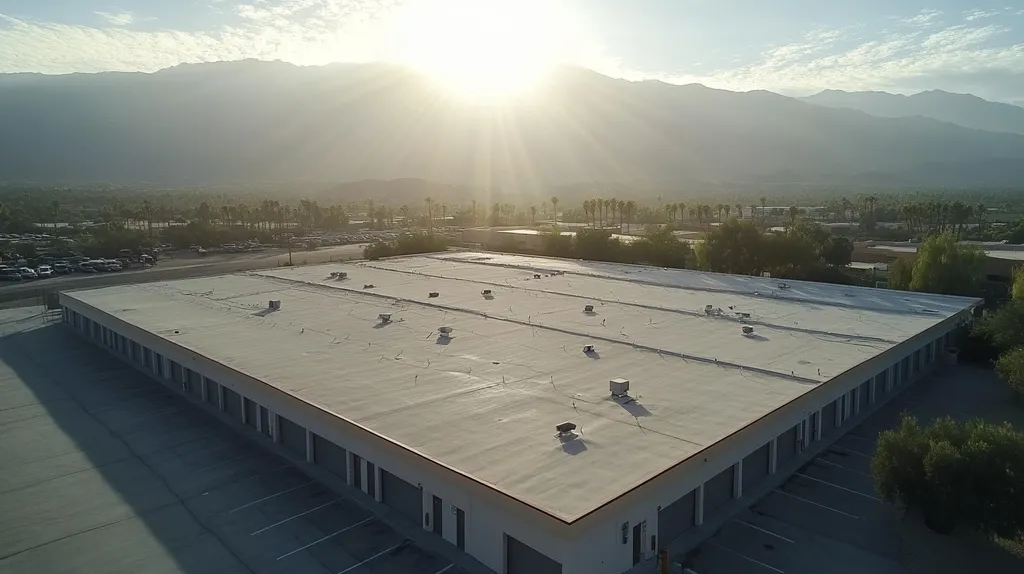
Although the commercial roofing industry has access to revolutionary inspection technology, many contractors continue to rely on outdated, traditional methods. Innovations such as drones and infrared imaging offer invaluable insight into a roof’s condition while ensuring safety and integrity.
For example, drones can quickly scan large and intricate roof structures in mere moments, significantly reducing labor hours and expediting assessments. This efficiency translates to lower overall costs and faster decision-making.
Regrettably, the initial investment in advanced tools dissuades some companies from adopting modern technology. However, the potential for substantial long-term savings from avoiding costly repairs far outweighs the upfront costs.
By embracing these innovative inspection techniques, contractors can provide more accurate evaluations, equipping property owners with the information needed to maintain their roofs effectively.
Failure to Address Drainage Issues
Drainage problems represent one of the most frequently neglected issues within commercial roofing. Proper drainage is essential; without it, ponding water can encourage deteriorative processes, ultimately compromising the building’s structural integrity. Hence, property managers must prioritize drainage considerations during any inspection.
Many roofs are designed with specific drainage systems, but neglecting maintenance of these systems can lead to significant consequences. Clogged gutters and downspouts, for instance, can cause backflow, leading to water infiltrating the building.
An ongoing commitment to maintaining and assessing drainage systems is crucial. Regular cleaning and evaluations can avert extensive water damage, serving as a proactive strategy that offers long-term financial benefits.
Failing to address drainage effectively not only jeopardizes the roof’s durability but also creates safety hazards for building occupants. Proper attention to drainage systems is an indispensable aspect of a robust roofing strategy.
SECTION 4: ROOT CAUSES
Ensuring the longevity of commercial roofs is paramount, especially since a shocking 30% of these roofs fail prematurely due to neglected issues that could have easily been spotted with the right verification practices. Grasping the root causes behind these failures is essential for property owners and facility managers. This section investigates the detrimental impact of inexperienced inspectors, poor communication among stakeholders, and the lack of a robust maintenance schedule.
Inexperienced or Unqualified Inspectors
Engaging inexperienced inspectors can pose a serious threat to the structural integrity of commercial roofs. These inspectors often lack the necessary training and expertise to pinpoint hidden damage or installation errors. For instance, improper membrane placement may go unnoticed during a routine inspection.
This oversight can spiral into severe consequences, such as leaks and extensive structural damage. The financial burden of making these repairs often far exceeds the cost of hiring a qualified inspector initially.
Additionally, unqualified inspectors may not be updated on the latest industry standards or technologies. This deficiency can lead to outdated or inappropriate recommendations that do not align with modern materials.
Ultimately, investing in seasoned inspectors not only protects property owners from costly oversights but also guarantees that roofs will perform optimally throughout their intended lifespan.
Poor Communication Between Stakeholders
Effective communication among all parties involved in roofing projects is vital for success. When property owners, contractors, and inspectors fail to share vital details, critical information can be lost. For example, a contractor might neglect to inform the inspector about the unique requirements of a specific roofing material, leading to installation errors.
This communication breakdown can further complicate the verification process. If an inspector is unaware of previous repairs or modifications, they cannot accurately assess the current roof condition.
The absence of regular updates and constructive feedback can exacerbate issues, causing stakeholders to miss deadlines or overlook necessary maintenance tasks that are easily avoidable with proper dialogue.
By cultivating better communication practices, property owners can significantly improve project outcomes and ensure roofs are consistently inspected and maintained.
Inadequate Maintenance Scheduling
Routine maintenance is crucial for prolonging the lifespan of commercial roofs, yet many property owners overlook this critical aspect. The absence of a structured maintenance schedule is a leading contributor to roof failures and unexpected repair costs. Research suggests that consistent, proactive maintenance can extend a roof’s life by as much as 50%.
Without a clearly defined maintenance plan, problems like debris accumulation or minor leaks can escalate into major issues. Many property owners underestimate the importance of regular inspections, mistakenly assuming that their roofs will function properly without oversight.
This negligence results in compounded difficulties as problems go unnoticed over time. By adopting a well-organized maintenance schedule, property managers can tackle issues proactively before they evolve into expensive repairs.
In conclusion, prioritizing effective maintenance is essential for successful property management. It mitigates risks and ensures that commercial roofs remain reliable for years to come.
DATA DRIVEN EVIDENCE
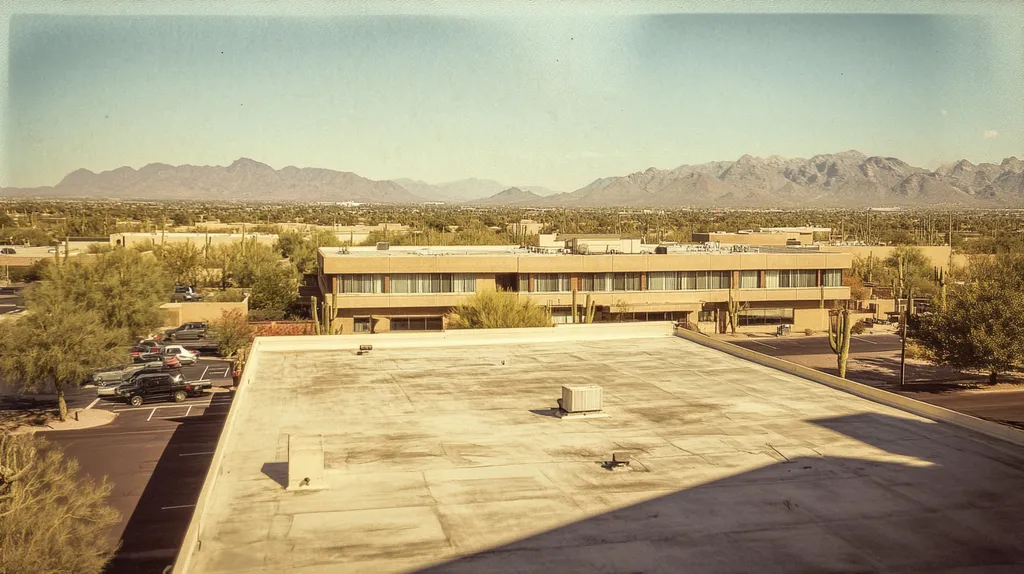
Maintaining a commercial roof is more critical than many property owners think. The cost of ignoring necessary repairs can skyrocket, with studies showing that delaying them can lead to maintenance costs soaring by as much as 75%. Proactive monitoring and timely interventions can significantly enhance a roof’s lifespan, ultimately reducing the financial burden on facilities management. Understanding these factors is essential for informed decision-making regarding roofing systems.
Cost Implications of Delayed Repairs
Postponing repairs can have dramatic financial consequences. Take, for instance, a minor leak that can quickly escalate into widespread water damage, potentially necessitating a total roof replacement. Such a transition can escalate costs from just a few hundred dollars to tens of thousands in repairs.
Research indicates that every dollar saved by delaying a repair can result in three to five dollars in necessary future replacement costs. Facilities managers must grasp the financial advantages of timely repair work.
Additionally, delays disrupt business operations, often leading to lost revenue from downtime and safety hazards. Therefore, prompt repairs are essential not only to mitigate financial risks but also to maintain smooth operations.
Ultimately, recognizing the cost implications tied to deferred repairs empowers property owners to emphasize maintenance, protecting their long-term investments.
Impact of Regular Inspections on Roof Lifespan
Routine inspections are vital for extending a roof’s lifespan. Regular evaluations can uncover minor issues before they explode into significant problems, thus preventing premature roof failure. In fact, biannual inspections can extend a roof’s life by over 30% compared to those that aren’t regularly evaluated.
Moreover, having a comprehensive inspection schedule positively influences warranty claims. Many manufacturers require documentation of regular inspections as a condition for validating warranties, and neglecting this can result in claim denials if damage occurs.
Early detection of issues through routine inspections also correlates with lower overall repair costs. This proactive strategy allows facilities to budget maintenance expenses in line with operational costs, fostering financial stability.
In essence, regular inspections serve as an insurance policy for roofing investments, significantly improving durability and preserving financial resources.
Statistical Analysis of Inspection Outcomes
Numerous studies reinforce the importance of regular inspections, revealing compelling statistics. Facilities maintaining structured inspection schedules report 20% fewer emergency repair calls compared to those that do not. This emphasizes the power of preventive maintenance in managing roofing systems effectively.
An analysis involving over 1,000 commercial roofs discovered that proactive inspections are linked to a staggering 40% reduction in overall maintenance costs. Such data advocates for establishing a routine inspection culture within facilities management.
Additionally, the frequency of inspections improves the likelihood of identifying severe issues. Increased inspection rates lead to faster responses to emerging problems, ultimately preventing extensive damage. Evidence suggests that proactive identification can yield savings of up to 50% on repair costs.
In conclusion, statistical evidence underscores the critical role regular inspections play in roof maintenance. A data-driven approach strengthens the argument for routine evaluations, highlighting their importance for both financial and operational effectiveness.
SECTION 6: ALTERNATIVE SOLUTIONS
Property owners face daunting risks when they place blind trust in contractors’ past performances without seeking additional verification. Serious issues such as leaks or structural damage can stem from insufficient roofing practices. Alarmingly, studies indicate that around 30% of roofing failures result from poor installation. Consequently, embracing alternative solutions is essential to maintain roofing integrity and safeguard investments.
Implementing Comprehensive Inspection Protocols
Establishing robust inspection protocols is crucial for validating the quality of past roofing projects. Regular inspections before and after installation play a vital role in identifying potential weaknesses that prior evaluations might miss. By utilizing a detailed checklist addressing every essential component, property owners can ensure comprehensive coverage of their roofing assessments.
These protocols should encompass evaluations of material quality, adherence to manufacturer specifications, and compliance with local building codes. When executed effectively, these thorough measures can drastically reduce future risks and save money over time. A structured approach to roofing inspections not only nurtures reliability but also enhances safety for all involved.
Furthermore, conducting inspections at various stages of installation allows for timely corrections, preventing costly corrective actions later. This proactive stance fosters accountability among contractors, ensuring that they maintain high standards throughout their work. By implementing stringent inspection protocols, property owners can significantly lower the likelihood of roofing failures.
In summary, comprehensive inspection policies serve not only to verify contractor work but also to enhance overall roofing performance, guaranteeing longevity and effectiveness for commercial properties.
Utilizing Advanced Technologies in Inspections
Incorporating cutting-edge technologies into roofing inspections can substantially elevate their effectiveness. Tools such as drones, thermal imaging, and moisture detection devices capture nuanced insights that traditional methods may overlook. For instance, drones can swiftly survey extensive roof areas, producing high-resolution imagery that highlights potential issues with remarkable clarity.
Thermal imaging can identify heat anomalies indicative of insulation issues or unseen moisture infiltration. By employing these advanced technologies, property owners can make informed decisions grounded in real-time data. Leveraging innovation in inspections allows for the effective mitigation of risks linked to prior contractor work.
Moreover, the use of such technology streamlines the inspection process, saving precious time without sacrificing accuracy. Property owners can utilize these tools to maintain vigilant oversight of their roofs, resulting in more resilient systems capable of weathering various environmental challenges.
Overall, integrating advanced inspection technologies not only bolsters accuracy but also equips property managers with actionable insights, ultimately improving the health of commercial roofs.
Engaging Third-Party Specialists for Validation
Engaging third-party specialists for roofing evaluations can provide an impartial view of a contractor’s previous projects. These experts possess extensive knowledge and focus exclusively on assessing the quality of roofing installations, free from potential conflicts of interest. Collaborating with independent evaluators assures property owners that their roofs comply with industry standards.
Often, third-party evaluations reveal issues that internal assessments may miss. By conducting thorough investigations, these professionals can recommend necessary repairs up front, potentially saving significant expenses later. Their reports foster accountability among contractors, ensuring adherence to high-quality practices.
Additionally, engaging independent specialists nurtures a collaborative relationship that builds trust among all stakeholders. Property owners can express their concerns, allowing experts to customize their evaluation processes accordingly. This tailored approach addresses specific issues critical to maintaining a safe and functional roofing system.
In conclusion, enlisting third-party specialists introduces an added layer of assurance for property owners, validating contractor work and safeguarding investments from future roofing failures.
Moving Forward
The $2.5 billion annual cost of commercial roofing failures demands immediate action to reform contractor verification practices.
This analysis has exposed critical gaps in current inspection protocols, from overdependence on visual assessments to the alarming underutilization of advanced diagnostic technologies that could prevent 40% of roof failures.
The data clearly shows that implementing comprehensive verification systems, including third-party validation and regular technical inspections, can extend roof lifespans by up to 50% while dramatically reducing emergency repairs.
For property owners and facility managers, the path forward requires abandoning outdated verification methods in favor of data-driven protocols that protect their substantial roofing investments.
The roofing industry must embrace this evolution or continue facing billions in preventable losses.
FREQUENTLY ASKED QUESTIONS
Q. What types of commercial roof inspections should I consider?
A. It’s essential to consider routine, pre-purchase, post-installation, and condition assessments. Each type serves its own critical role in maintaining the roof’s integrity and ensuring any potential issues are addressed promptly. Understanding their distinct purposes will help in making informed decisions about necessary inspections based on your situation.
Q. How can systemic issues in my commercial roof be addressed?
A. To address systemic issues, prioritize proper pre-inspection preparation and ensure effective communication with your contractor. Make sure they adhere to industry standards to mitigate risks. This proactive approach helps in identifying potential problems before they escalate into costly repairs, thereby protecting your investment in the long run.
Q. What risks arise from neglecting routine inspections on commercial roofs?
A. Neglecting routine inspections can result in unaddressed wear and tear, leading to severe problems over time. Small leaks may escalate into significant water damage, causing costly repairs. Regular inspections empower you to catch minor issues early and maintain a safe environment for occupants.
Q. Why should I verify the qualifications of my roofing inspectors?
A. Verifying qualifications ensures the inspector has the necessary training and experience to identify hidden damages. Inexperienced inspectors may overlook crucial issues that could compromise the roof’s safety and longevity. Investing in qualified inspectors mitigates risks and protects your property from costly oversights.
Q. What are the financial implications of delaying roof repairs?
A. Delaying repairs can lead to costs escalating significantly, as minor issues can quickly become major problems requiring extensive repairs or replacements. Research indicates that every dollar saved by postponing a repair can lead to up to five dollars in future expenses. Timely interventions safeguard your financial interests and operational efficiency.
Q. How can advanced inspection technologies improve roof assessments?
A. Advanced technologies like drones and thermal imaging provide detailed insights that traditional methods may miss. Drones offer high-resolution imagery for quick assessments, while thermal imaging detects hidden moisture problems. Using these tools enhances the accuracy of evaluations and empowers property owners with actionable data, contributing to effective maintenance strategies.
Q. Why is engaging third-party specialists for roof inspections beneficial?
A. Engaging third-party specialists provides an unbiased evaluation of previous contractor work. These experts focus solely on quality assessments without conflicts of interest. Their thorough investigations help uncover potential issues, ensuring adherence to industry standards, which ultimately protects your investment from costly failures and enhances roofing integrity.






