

Welcome to today’s Battle Royale featuring two roofing heavyweights: “General Liability Insurance” in the east corner versus “Builders Risk Insurance” in the west!
Tonight’s showdown pits these contenders against each other across six punishing rounds designed to test every aspect of their performance for Commercial Roof Projects.
At stake? Millions in potential costs, decades of building protection, and the critical performance demands of modern commercial and industrial facilities.
Our professional judging panel will evaluate each round on technical merit, real-world performance, and value delivery. After all six rounds, we’ll declare our ultimate champion.
Ladies and gentlemen, facility managers and building owners… it’s time to rumble!
ROUND 1: INITIAL COSTS & INSTALLATION
Every commercial roofing project carries significant financial risks. Without proper insurance coverage, property owners face potential losses from material damage, installation errors, and project delays that can quickly escalate into six-figure expenses. Roofing contractor insurance is customizable coverage that protects against these work-related risks, helping reduce costs after unexpected events. (source: Progressive Commercial)
Material Expenses
Commercial roofing materials represent a substantial upfront investment, often accounting for 40-60% of project costs. These materials are vulnerable to damage, theft, and weather exposure throughout the installation process.
General Liability Insurance provides limited protection for materials, typically covering only damage caused directly by contractor negligence. This leaves significant gaps in coverage for other types of material losses.
Builders Risk Insurance offers comprehensive coverage for materials from delivery through installation. This includes protection against theft, vandalism, weather damage, and other perils that could impact material costs.
ADVANTAGE: Builders Risk Insurance
Installation Complexity
Modern commercial roofing systems demand precise installation techniques and specialized equipment. Each layer must be properly installed to ensure warranty compliance and long-term performance.
General Liability Insurance covers damages resulting from faulty workmanship, but only after project completion. During installation, coverage gaps could leave property owners responsible for costly mistakes.
Builders Risk Insurance provides broader protection during the installation phase, including coverage for errors in workmanship, equipment failures, and weather-related complications.
ADVANTAGE: Builders Risk Insurance
Project Timeline
Commercial roof installations typically span several weeks to months, with numerous opportunities for delays. Each day of extended installation increases both direct costs and business disruption.
General Liability Insurance does not address timeline-related losses. Delays due to weather, material shortages, or other factors fall outside this coverage scope.
Builders Risk Insurance includes protection for extended project timelines caused by covered events. This can include additional labor costs, temporary protection expenses, and business interruption coverage.
ADVANTAGE: Builders Risk Insurance
ROUND 1 WINNER: Builders Risk Insurance
ROUND 2: DURABILITY & LIFESPAN
Commercial roofing durability directly impacts both building protection and long-term operational costs. When roofing systems fail prematurely, property owners face extensive repair expenses, business disruptions, and potential damage to valuable interior assets. Selecting the right insurance coverage becomes crucial as modern roofing materials and installation methods grow increasingly complex.
Material Performance
Commercial roofing materials must withstand extreme temperature fluctuations, UV exposure, and mechanical stress over decades of service. Quality materials properly protected during installation have significantly longer lifespans and better performance records.
General Liability Insurance offers limited protection for materials during installation, covering only damage caused by contractor negligence. This narrow scope leaves materials vulnerable to many common installation-phase risks that can impact long-term performance.
Builders Risk Insurance provides comprehensive protection for materials throughout the installation process. This broader coverage helps ensure materials maintain their designed performance capabilities, supporting maximum system longevity.
ADVANTAGE: Builders Risk Insurance
Installation Quality
Proper installation techniques directly influence how well a commercial roof performs over time. Even minor errors during installation can lead to premature aging and system failures that compromise the entire roofing investment. A roofing contractor’s policy helps protect against financial harm if installation problems occur. (source: Procore)
General Liability Insurance covers damage from faulty workmanship, but only after problems become apparent. This reactive approach often means damage has already occurred before coverage takes effect.
Builders Risk Insurance actively protects against installation errors as they occur, allowing for immediate correction of issues. This proactive coverage helps ensure installation quality meets specifications for optimal system performance.
ADVANTAGE: Builders Risk Insurance
Long-Term Protection
Commercial roofs represent significant long-term investments that must deliver reliable performance throughout their expected service life. When insurance coverage gaps allow installation problems to go unaddressed, roof lifespans can be dramatically reduced.
General Liability Insurance focuses primarily on immediate accident and injury protection. While important, this limited scope does not address many factors that influence long-term roofing performance.
Builders Risk Insurance provides more comprehensive protection during the critical installation phase. By ensuring proper material handling and installation quality, this coverage helps maximize the roof system’s service life.
ADVANTAGE: Builders Risk Insurance
ROUND 2 WINNER: Builders Risk Insurance
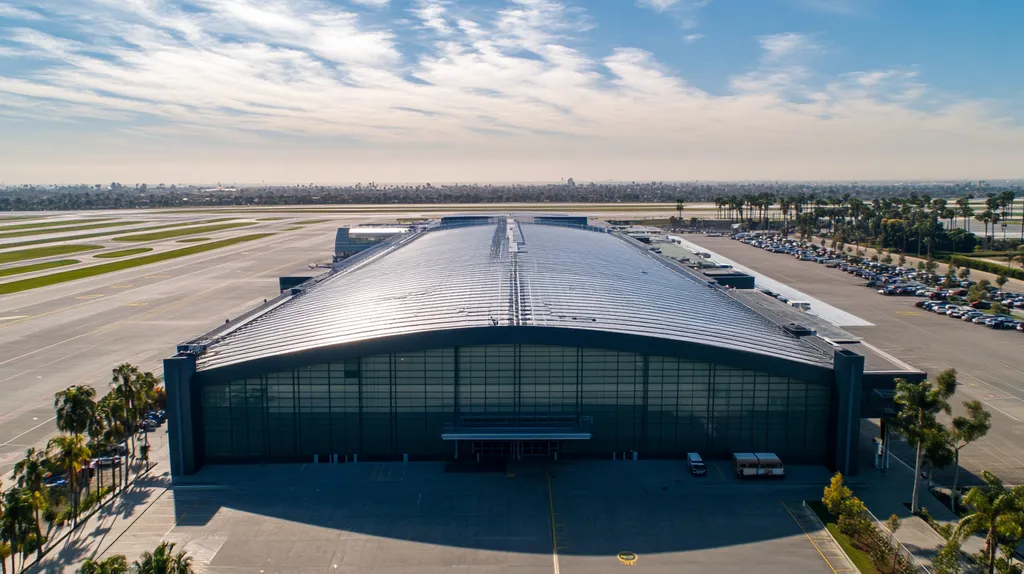
ROUND 3: PERFORMANCE FACTORS
The success of commercial roofing projects hinges on how well insurance coverage protects against real-world performance challenges. Every day, roofing contractors face hazards ranging from weather delays to workplace accidents that can derail even the most carefully planned installations. Understanding how different insurance options address these challenges is crucial for protecting your investment.
Coverage Scope
Comprehensive coverage scope directly impacts how well a roofing project can navigate unexpected challenges. From material damage to workplace accidents, the right insurance must address multiple risk categories simultaneously.
General Liability Insurance provides basic protection against third-party injuries and property damage. However, it typically excludes coverage for the actual roofing work being performed, creating significant exposure during installation.
Builders Risk Insurance offers broader protection that specifically includes the roofing work itself. This comprehensive scope covers materials, equipment, and completed portions of the project against a wide range of perils.
ADVANTAGE: Builders Risk Insurance
Claims Processing Speed
When roofing problems arise, swift insurance claim resolution can mean the difference between minor delays and major project disruptions. Roofing businesses face unique risks that demand rapid response to prevent cascading complications. (source: Procore)
General Liability Insurance claims often involve lengthy investigations and complex documentation requirements. This systematic but slow approach can leave projects stalled for weeks or months while claims are processed.
Builders Risk Insurance typically features streamlined claims processes designed specifically for active construction projects. This efficiency helps minimize work stoppages and keeps projects moving forward on schedule.
ADVANTAGE: Builders Risk Insurance
Exclusions and Limitations
Understanding policy exclusions is critical for avoiding unexpected coverage gaps during roofing installations. What appears to be comprehensive protection may contain hidden limitations that leave property owners exposed.
General Liability Insurance carries numerous exclusions related to construction activities. Common gaps include damage to the work itself, faulty workmanship, and weather-related delays.
Builders Risk Insurance features fewer construction-specific exclusions, though certain limitations still apply. Its focused coverage model better aligns with the unique demands of roofing projects.
ADVANTAGE: Builders Risk Insurance
ROUND 3 WINNER: Builders Risk Insurance
ROUND 4: MAINTENANCE REQUIREMENTS
Commercial roof maintenance represents a critical yet often overlooked aspect of protecting a building investment. Without proper insurance coverage during installation, seemingly minor oversights can spiral into major maintenance headaches that plague property owners for years. Understanding how different insurance options impact future maintenance needs helps prevent costly surprises down the road.
Preventive Maintenance Planning
A well-maintained commercial roof can last decades, while neglected systems often fail in less than half their expected lifespan. The insurance coverage in place during installation directly impacts how effectively maintenance can be performed later.
General liability insurance offers basic coverage for contractor negligence during maintenance visits, but provides no protection for underlying installation issues that complicate routine upkeep. General liability is the most common type of insurance for roofing contractors, covering property damage, injuries from tools or materials, and problems with completed projects. (source: Progressive Commercial)
Builders risk insurance ensures proper installation practices that simplify future maintenance requirements. Its comprehensive coverage encourages contractors to implement maintenance-friendly details during construction.
ADVANTAGE: Builders Risk Insurance
Access and Safety Systems
Safe roof access and proper fall protection are essential for performing regular maintenance. Without adequate safety systems installed during construction, maintenance costs increase dramatically while worker safety is compromised.
General liability insurance covers injuries but doesn’t specifically address the installation of permanent safety equipment. This limited scope often results in minimal safety provisions that complicate maintenance access.
Builders risk insurance includes coverage for safety system installation, encouraging contractors to incorporate robust maintenance access solutions. This forward-thinking approach reduces long-term maintenance hazards and costs.
ADVANTAGE: Builders Risk Insurance
Documentation Requirements
Proper documentation of installation details and maintenance procedures is crucial for preserving warranty coverage and optimizing repair strategies. Missing or inadequate documentation can void warranties and lead to unnecessary maintenance expenses.
General liability insurance has minimal documentation requirements focused mainly on accident prevention. This narrow scope often results in incomplete records of critical roof system details.
Builders risk insurance mandates comprehensive documentation of installation methods, materials, and maintenance requirements. This detailed record-keeping supports more efficient and effective long-term maintenance programs.
ADVANTAGE: Builders Risk Insurance
ROUND 4 WINNER: Builders Risk Insurance

ROUND 5: SUSTAINABILITY CREDENTIALS
Commercial roofing projects face mounting pressure to meet stringent environmental standards while maintaining cost-effectiveness. Recent industry data shows that sustainable roofing practices can reduce building energy costs by up to 30% and dramatically extend roof lifespans. However, achieving these benefits requires insurance coverage that actively supports green building initiatives rather than simply managing risk.
Environmental Impact Assessment
Modern commercial roofing projects must carefully balance environmental impact with performance requirements. This includes evaluating material composition, manufacturing processes, and installation methods for their carbon footprint.
General Liability Insurance provides no specific support for environmental impact assessments. The coverage focuses solely on immediate damage and injury risks, offering no incentives for choosing eco-friendly materials or methods.
Builders Risk Insurance often includes provisions that reward sustainable practices through reduced premiums or expanded coverage options. This encourages contractors to document and minimize environmental impacts throughout the project lifecycle.
ADVANTAGE: Builders Risk Insurance
Material Sourcing and Certification
Sustainable roofing materials must meet rigorous certification standards while delivering reliable performance. A business insurance policy may contain provisions that influence material selection and verification processes, impacting both environmental compliance and risk management. (source: Procore)
General Liability Insurance treats all materials equally from a coverage perspective. This approach provides no incentive for choosing certified sustainable products, potentially limiting access to green building credits.
Builders Risk Insurance typically offers enhanced coverage for certified sustainable materials. This includes protection during the critical acclimation and installation phases when these specialized materials are most vulnerable.
ADVANTAGE: Builders Risk Insurance
Long-term Impact on Business Sustainability
The sustainability impact of roofing choices extends far beyond initial installation. Energy efficiency, material longevity, and maintenance requirements all contribute to a project’s environmental footprint.
General Liability Insurance addresses only immediate risks without considering long-term sustainability implications. This shortsighted approach can lead to increased environmental impact over the roof’s lifespan.
Builders Risk Insurance often includes provisions that support sustainable long-term operations. Coverage can extend to protecting energy-efficient features and supporting green maintenance practices that reduce environmental impact.
ADVANTAGE: Builders Risk Insurance
ROUND 5 WINNER: Builders Risk Insurance
ROUND 6: SPECIALIZED APPLICATIONS
Commercial roofing has evolved far beyond simple weatherproofing. Today’s systems often incorporate complex elements like integrated solar arrays, green roof gardens, and sophisticated drainage solutions. Each specialized application carries unique risks that standard insurance policies may not adequately address.
The cost implications of specialized roofing applications can be staggering, with inadequate coverage potentially leading to millions in unexpected expenses. Understanding how different insurance options handle these specialized needs is crucial for protecting your investment.
Complex System Integration
Modern commercial roofs often incorporate multiple integrated systems like HVAC units, solar panels, and communication equipment. These complex integrations require specialized installation expertise and careful coordination between different trades.
General Liability Insurance typically covers only basic installation errors and damage to third-party property. This limited scope leaves significant gaps when dealing with integrated system installations and their unique requirements.
Builders Risk Insurance provides comprehensive coverage for the entire integrated system during installation. This includes protection for specialized equipment, interconnected components, and potential cascading failures that could affect multiple systems.
ADVANTAGE: Builders Risk Insurance
Performance Testing Requirements
The cost of roofing insurance varies significantly based on factors like coverage type, business size, and specific services offered. Performance testing requirements play a crucial role in determining both coverage needs and associated costs. (source: Progressive Commercial)
General Liability Insurance generally doesn’t cover testing procedures or resulting damages unless directly tied to contractor negligence. This creates exposure during critical system validation phases.
Builders Risk Insurance typically includes coverage for testing procedures and any resulting damage. This comprehensive approach ensures protection throughout the commissioning process.
ADVANTAGE: Builders Risk Insurance
Custom Material Applications
Specialized roofing applications often require custom-manufactured or modified materials that fall outside standard specifications. These unique components can present challenges for both installation and insurance coverage.
General Liability Insurance treats custom materials the same as standard ones, providing no additional protection for their unique characteristics or installation requirements. This can leave significant gaps in coverage for specialized applications.
Builders Risk Insurance can be tailored to address specific risks associated with custom materials. This flexibility ensures appropriate coverage for unique components and their specialized installation needs.
ADVANTAGE: Builders Risk Insurance
ROUND 6 WINNER: Builders Risk Insurance
AND THE WINNER IS…
After six grueling rounds of technical evaluation, we have our verdict, and it’s a KNOCKOUT victory for Builders Risk Insurance!
Dominating every round with its comprehensive coverage scope, Builders Risk Insurance proved itself the undisputed champion of commercial roofing protection. From material performance to sustainability credentials, this powerhouse delivered superior protection at every turn.
The winner’s most impressive performances came in Rounds 1 and 3, where its broad coverage scope and rapid claims processing capabilities outclassed the competition. Its ability to protect against both immediate risks and long-term performance factors proved decisive.
But don’t count General Liability Insurance out completely! For smaller projects with straightforward installations and minimal complexity, this reliable contender still delivers solid protection at a lower price point.
*Important Notice: Every building presents unique challenges and requirements. Local conditions, property characteristics, and specific project demands can significantly impact insurance needs. This analysis provides general guidance but cannot account for all variables. Always consult qualified insurance professionals who can evaluate your specific situation.*
Ladies and gentlemen, in the high-stakes world of commercial roofing, remember: The true victory comes not just from choosing a champion, but from matching your specific project needs with the right coverage contender. Choose wisely, and protect that investment like a title belt!
FREQUENTLY ASKED QUESTIONS
Q. What are the initial costs of a commercial roof project?
A. Initial costs for a commercial roof include materials, labor, and installation expenses. Without proper insurance, property owners face potential losses from damages and project delays that can significantly escalate costs beyond initial estimates, resulting in substantial financial burdens.
Q. How does the durability of commercial roofs affect insurance needs?
A. The durability of commercial roofs can significantly impact repair costs and lifespan. Proper insurance coverage ensures materials are protected during installation, reducing the risk of premature failures that could lead to costly repairs and loss of property integrity over time.
Q. What performance factors should I consider for a commercial roof?
A. Performance factors include coverage for installation errors, rapid claims processing, and exclusions that may impact your project. Proper insurance should offer comprehensive coverage that addresses potential challenges during installation, helping protect your investment against unexpected events.
Q. How does insurance coverage impact commercial roof maintenance?
A. Insurance coverage has a direct impact on future maintenance needs. Builders risk insurance simplifies maintenance by ensuring proper installation practices, while general liability insurance offers limited coverage that can complicate routine upkeep, leading to increased long-term costs.
Q. What sustainability credentials are important for commercial roof projects?
A. Sustainable roofing practices should prioritize material sourcing, energy efficiency, and long-term operational costs. Insurance coverage that supports these initiatives can help encourage eco-friendly choices, ultimately leading to both financial savings and reduced environmental impact over the roof’s lifespan.
Q. How do specialized applications affect commercial roof insurance?
A. Specialized applications like green roofs or solar installations require tailored insurance coverage. Regular policies may not adequately protect these investments, making it essential to ensure that your insurance options cover unique applications to avoid unexpected costs from failures or damages.
Q. What is the difference between general liability and builders risk insurance?
A. General liability insurance focuses on protecting against third-party claims for injuries and property damage, typically after project completion. In contrast, builders risk insurance provides comprehensive coverage for materials and work-in-progress during the critical installation phase, addressing a wider range of risks.






