
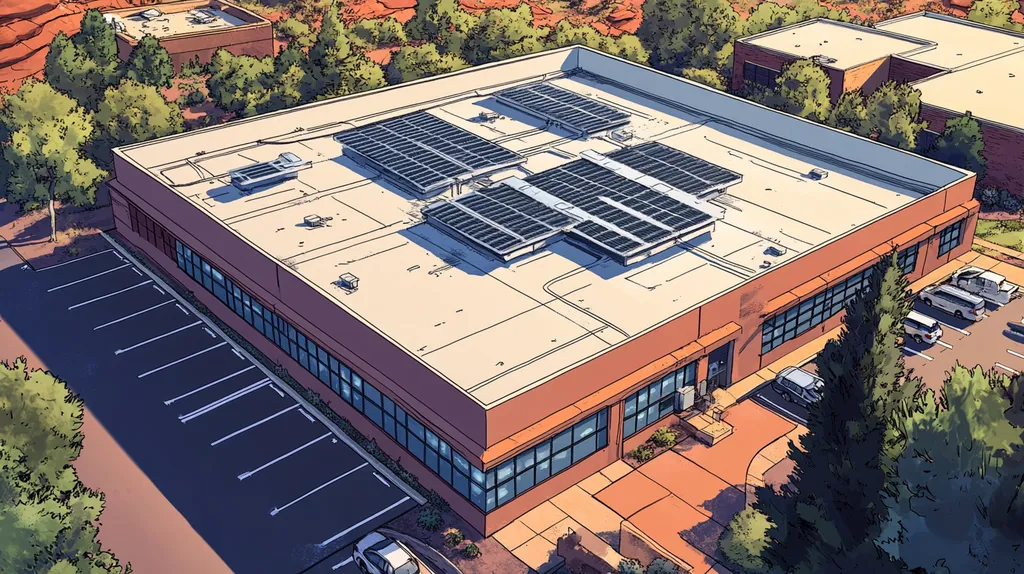
When a single roof leak forces a $2 million production line to shut down for three days, facility managers quickly learn that traditional roofing approaches spell operational disaster.
Industrial facilities can’t afford the luxury of extended downtime for roof repairs—not when every hour of shutdown costs thousands in lost revenue and disrupted supply chains.
The solution lies in mastering minimal disruption techniques that keep production humming while essential maintenance happens overhead, transforming roofing emergencies from business catastrophes into manageable maintenance events.
This guide decodes the strategies, terminology, and decision factors that separate smooth-sailing repairs from production-paralyzing nightmares.
SECTION 1: THE BASICS EXPLAINED
Picture this: your production line humming along at peak efficiency when suddenly—SPLASH! A roof leak forces an emergency shutdown, costing thousands per hour while workers scramble with buckets and tarps.
Welcome to every facility manager’s nightmare scenario. Industrial roofs don’t just protect buildings; they safeguard million-dollar equipment, maintain climate-controlled environments, and keep entire supply chains moving.
The secret weapon against these catastrophic interruptions? Understanding how minimal disruption roofing transforms routine maintenance from operational kryptonite into smooth-sailing success stories.
What Minimal Disruption Means in Roofing
Think of minimal disruption roofing as the ninja approach to facility maintenance—swift, precise, and nearly invisible to ongoing operations. Instead of bulldozing through your entire facility like a wrecking ball, these techniques work like surgical strikes.
The magic happens through strategic sectioning, where roofing crews tackle small areas while the rest of your facility operates normally. It’s like performing heart surgery while the patient continues their morning jog—impressive and absolutely essential for industrial settings.
Smart scheduling plays a starring role too, with work choreographed around your facility’s rhythm. Night shifts, weekend warriors, and coordination with maintenance teams ensure your production schedule stays sacred.
Communication becomes the secret sauce that makes everything work. When roofing teams and facility managers sync up like a championship dance duo, unexpected hiccups get resolved before they snowball into operational disasters.
Why Minimal Disruption Matters to Your Building
Your industrial roof isn’t just sitting pretty up there—it’s working overtime as mission control for your entire operation. When roofing problems force shutdowns, the domino effect can topple production schedules, supplier relationships, and profit margins faster than you can say “emergency repair.”
Water damage loves expensive equipment like moths love flame, turning minor roof issues into major capital expenditures. One leak in the wrong spot can transform precision machinery into very expensive paperweights.
Employee productivity takes a nosedive during facility disruptions, creating ripple effects that extend far beyond the immediate repair zone. Workers standing around during shutdowns aren’t just idle—they’re burning through labor budgets while revenue streams dry up.
Contract obligations don’t pause for roofing emergencies either. Clients expecting timely deliveries won’t accept “roof problems” as an excuse, making operational continuity a competitive necessity rather than a luxury.
How Minimal Disruption Roofing Works
The minimal disruption playbook starts with detective work—thorough roof inspections that map out problem areas before crews ever step foot on site. This reconnaissance mission identifies exactly where attention is needed, eliminating guesswork and wasted motion.
Modern materials work like speed demons compared to their old-school cousins. Fast-curing adhesives and modular roofing components slash installation times, while weather-resistant products keep Mother Nature from throwing curveballs into your timeline.
Strategic scheduling transforms potential chaos into choreographed precision. Have trained personnel inspect the roof at least twice a year and after major weather events, while using walkways and being cautious around rooftop equipment to prevent membrane damage (source: Facilities Management Advisor).
Real-time monitoring keeps projects flowing like a well-conducted orchestra. When roofing teams can pivot quickly and adjust plans on the fly, operational continuity becomes the rule rather than the exception.
Safety zones established in coordination with facility staff ensure protection without unnecessary shutdowns. It’s all about creating secure work areas that coexist peacefully with your ongoing operations.
SECTION 2: PRACTICAL APPLICATIONS
When theory meets reality, minimal disruption roofing transforms from clever concept into operational lifesaver. Picture a pharmaceutical plant where one unplanned shutdown costs $50,000 per hour, or a data center where temperature fluctuations from roofing work could crash servers worth millions.
These aren’t hypothetical nightmares—they’re daily realities for facility managers navigating the tightrope between necessary maintenance and operational demands. Smart roofing applications keep the show running while protecting your most valuable assets.
Common Uses & Examples
Manufacturing facilities showcase minimal disruption techniques at their finest, especially during those nail-biting moments when leaks threaten precision equipment. Quick-curing elastomeric coatings can seal problem areas in hours rather than days, while production lines keep humming below.
Distribution centers become roofing gymnastics performances during peak shipping seasons. Crews tackle sections methodically—repairing the north wing while trucks still load at southern docks. Modular membrane systems install like giant puzzle pieces, allowing normal operations to continue just feet away from active work zones.
Food processing plants demand surgical precision where contamination isn’t just costly—it’s catastrophic. Enclosed work areas and positive air pressure systems create invisible barriers between roofing crews and sensitive production zones. These facilities often schedule major repairs during brief maintenance windows, using pre-fabricated components that snap into place faster than a lunch break.
Warehouses storing temperature-sensitive goods rely on sectional approaches that maintain climate control throughout repairs. Smart scheduling coordinates with inventory rotations, so roofing work happens over empty sections while valuable goods stay protected under intact roof areas.
Hospital complexes can’t afford operational hiccups when lives depend on uninterrupted power and climate systems. Roofing teams work around critical infrastructure like ninjas, often during overnight shifts when patient activity reaches daily lows.
When You Need It Most
Peak production seasons turn routine roofing into high-stakes chess matches where every move counts. Retail distribution centers during holiday shipping, agricultural processing during harvest time, or chemical plants running at capacity—these scenarios demand roofing solutions that bend around operational reality rather than breaking it.
Emergency repairs after storm damage create the ultimate stress test for minimal disruption strategies. When Mother Nature punches holes in your roof during your busiest week, standard shutdown procedures become luxury options you can’t afford. Temporary weather protection systems buy precious time while permanent repairs proceed in carefully orchestrated phases.
Regulatory compliance deadlines add another layer of complexity where timing becomes everything. FDA inspections, environmental audits, or safety certifications won’t wait for convenient roofing schedules. Facilities must maintain operational readiness while addressing roof issues that could trigger compliance failures.
Equipment changeovers and facility expansions create narrow maintenance windows where multiple trades compete for access and attention. Coordinating roofing work with equipment installations or production line modifications requires choreography that would impress Broadway directors.
Contract manufacturing situations where client production schedules override everything else demand roofing approaches that respect external commitments. Missing delivery deadlines due to roofing delays can terminate lucrative contracts faster than emergency repairs can fix leak problems.
Interactions With Other Systems
HVAC systems perched on industrial roofs create complex puzzles where every move affects building climate control. Roofing crews must navigate around massive air handlers while maintaining proper ventilation for spaces below. Temporary ductwork and backup systems ensure comfortable working conditions continue even when primary units need temporary shutdown.
Electrical systems running across roof surfaces turn simple membrane repairs into intricate engineering challenges. Solar panel arrays, lighting circuits, and communication equipment require careful coordination to prevent power disruptions that could shut down entire facilities. Smart roofing teams work with electrical contractors to temporarily reroute critical systems during active work periods.
Fire suppression systems integrated into roofing assemblies demand extra attention where safety can’t be compromised even temporarily. Sprinkler feeds, alarm sensors, and emergency lighting must remain operational throughout roofing projects. Proper documentation and restricted access protocols help coordinate maintenance activities without triggering false alarms or creating safety gaps (source: Facilities Management Advisor).
Drainage systems connecting roofs to underground infrastructure create domino effects where roofing work impacts areas far from active repair zones. Temporary drainage solutions prevent water backup while permanent systems undergo maintenance or replacement.
Building automation systems monitoring everything from temperature to security require careful integration with roofing schedules. Sensor networks and control systems must account for temporary disruptions while maintaining accurate facility monitoring throughout repair periods.
SECTION 3: KEY TERMINOLOGY DECODED
Ever watched a roofing contractor throw around terms like “ponding water” and “R-values” while your facility manager nods knowingly—then later admits total confusion? Welcome to the expensive world of roofing miscommunication, where a misunderstood term can transform a simple repair into a production-halting nightmare.
When roofing terminology becomes a foreign language, critical decisions get delayed, wrong materials get ordered, and operational windows slam shut faster than you can say “thermoplastic polyolefin.” Smart facility managers master this vocabulary not for trivia nights, but for survival in the high-stakes world of industrial operations.
Essential Terms Explained
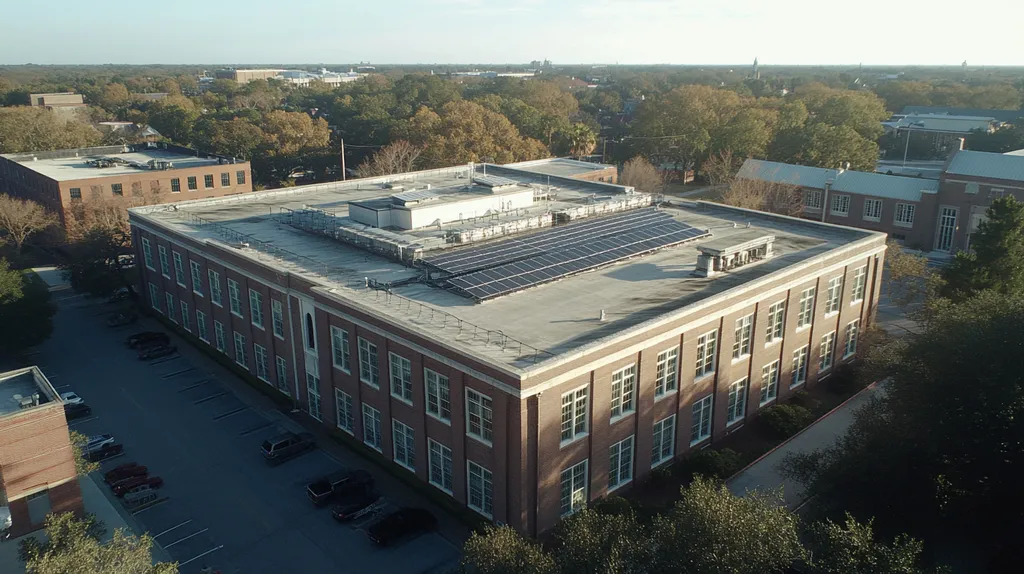
Think of your roof “membrane” as the superhero cape protecting everything underneath—it’s the waterproof layer doing all the heavy lifting. Single-ply membranes like TPO (Thermoplastic Polyolefin) and EPDM (Ethylene Propylene Diene Monomer) are the speed demons of roofing, installing faster than traditional built-up systems and getting your facility back to business.
“Substrate” sounds fancy, but it’s simply the surface your roof sits on—concrete deck, metal panels, or existing roofing that needs attention. Knowing your substrate type helps contractors select compatible materials and realistic installation schedules that won’t derail your operations.
“Flashing” isn’t photography equipment—it’s the unsung hero sealing roof edges, penetrations, and transitions where leaks love to launch their sneak attacks. Quality flashing installations prevent those middle-of-the-night emergency calls that turn facility managers into insomniacs.
“Ponding water” describes roof areas where water overstays its welcome after storms, creating breeding grounds for leaks and membrane deterioration. Identifying ponding issues early prevents emergency repairs during your busiest production periods.
Industry Jargon Translated
“R-value” measures insulation’s ability to resist heat flow—higher numbers mean better thermal performance and lower energy bills without extending project timelines. Understanding R-values helps balance energy efficiency with installation speed during busy operational periods.
When contractors mention “mechanical attachment,” they’re talking about screws and fasteners that secure roofing materials—a method that’s often faster than adhesive applications but creates more roof penetrations. This knowledge helps you weigh installation speed against long-term maintenance needs.
“Fully adhered” systems use adhesives or heat welding to bond membranes directly to substrates, creating seamless installations that resist wind uplift. These systems often require specific weather conditions, affecting scheduling flexibility during tight operational windows.
“Ballasted” roofs use gravel, pavers, or other heavy materials to hold membranes in place—a method that’s quick to install but adds significant structural load. Regular inspections should include checking membrane condition, flashing, drains, and penetrations for signs of wear or damage in ballasted systems (source: Jamar Roofing).
Measurement & Units Simplified
Roofing thickness gets measured in “mils”—and no, that’s not short for millimeters. One mil equals 0.001 inches, so a 60-mil membrane measures 0.06 inches thick. Thicker membranes generally last longer but take more time to install, affecting your project timeline.
Area calculations use “squares” as the standard unit, where one square equals 100 square feet of roof surface. A 50,000-square-foot facility equals 500 squares—terminology that prevents ordering confusion and project delays when material quantities matter most.
Roof “pitch” or slope gets expressed as ratios like 1:12, meaning one inch of rise for every 12 inches of horizontal run. Steeper pitches shed water faster but complicate installations, potentially extending project duration during critical operational periods.
“PSI” (pounds per square inch) measures wind uplift resistance and structural load capacity—critical numbers that determine material selection and installation methods. Understanding these specifications helps evaluate contractor recommendations without getting buried in technical jargon.
SECTION 4: DECISION FACTORS
Picture this nightmare scenario: your CFO green-lights the cheapest roofing bid to save $50,000, only to watch emergency repairs cost triple that amount when the bargain system fails during peak production season. Industrial roofing decisions pack more punch than heavyweight boxers—one wrong choice can knock out operations for weeks.
Smart facility managers know that roofing choices ripple through every corner of their operations, from energy bills to insurance premiums to those dreaded 3 AM emergency calls. The secret lies in understanding how upfront costs, performance trade-offs, and durability factors dance together to either protect or pummel your bottom line.
Cost Considerations
Budget meetings turn roofing decisions into financial chess matches where every move affects future cash flow. That tempting low-bid contractor might seem like a hero until their shortcuts transform minor leaks into major capital disasters that devour maintenance budgets faster than hungry teenagers raid refrigerators.
Smart money looks beyond sticker shock to calculate total cost of ownership—initial investment plus maintenance expenses plus disruption costs over the roof’s entire lifespan. A premium membrane costing $2 per square foot more upfront could save $20,000 annually in energy costs while eliminating those productivity-killing emergency repairs.
Installation method choices pack hidden cost surprises that ambush unprepared budgets. Fast-track installations might slash labor costs initially but create leak-prone weak spots that trigger expensive callback visits and operational shutdowns.
Emergency repair funds deserve their own budget line because roofing problems don’t follow convenient schedules. Facilities without contingency planning often face brutal choices between expensive overtime repairs or costly production shutdowns during peak demand periods.
Financing options can transform budget-busting roof replacements into manageable monthly payments that preserve working capital for core operations. Energy-efficient upgrades sometimes qualify for utility rebates that sweeten the financial pot even further.
Performance Trade-offs
Every roofing system plays favorites with different performance characteristics—excellent wind resistance might come with mediocre puncture protection, while superior insulation could demand longer installation windows that test operational patience. It’s like choosing superpowers where every strength creates a corresponding weakness.
Fast-installing systems often sacrifice durability for speed, while premium materials that last decades might require installation conditions that extend project timelines beyond comfort zones. Single-ply membranes zip into place quickly but can turn into pin cushions under heavy foot traffic from maintenance crews.
Climate compatibility becomes the ultimate performance decider where Northern facilities prioritize freeze-thaw resistance while Southern operations battle UV degradation and thermal cycling. Choosing materials optimized for local weather patterns prevents premature failures that force unwanted facility disruptions.
Energy performance trade-offs affect utility bills for decades, making insulation thickness and reflectivity calculations as important as waterproofing capabilities. Cool roof coatings might reduce air conditioning costs but could increase heating expenses in colder climates.
Maintenance accessibility features like walkway systems and equipment curbs add upfront costs but prevent membrane damage during routine service calls. Weather, structural movement, and stress constantly attack commercial roofs, making designated walkways essential for protecting membrane integrity during equipment maintenance (source: Facilities Management Advisor).
Lifespan & Durability Factors
Roofing longevity calculations separate maintenance heroes from operational villains—materials promising 25-year lifespans deliver predictable budgeting while short-lived systems create recurring expense cycles that drain resources and disrupt planning. It’s the difference between set-it-and-forget-it reliability and constant fire-fighting mode.
UV exposure, thermal cycling, and physical abuse from maintenance activities wage constant war against roofing materials, making durability selection critical for facilities wanting uninterrupted operations. TPO and EPDM membranes earn popularity badges by surviving 15-25 years of industrial punishment while maintaining watertight integrity.
Warranty coverage acts like insurance policies for roofing investments, but the fine print often contains gotchas that void protection when facilities need it most. Understanding warranty requirements prevents expensive surprises when manufacturers blame maintenance practices for premature failures.
Preventive maintenance programs can double roof lifespans by catching small problems before they morph into production-stopping emergencies. Regular inspections and proactive repairs cost pennies compared to emergency replacements during busy operational periods.
Environmental factors unique to each facility—chemical exposure, extreme temperatures, or heavy equipment vibrations—accelerate normal aging processes and demand material selection strategies that account for site-specific challenges rather than generic industry standards.
SECTION 5: COMMON CHALLENGES
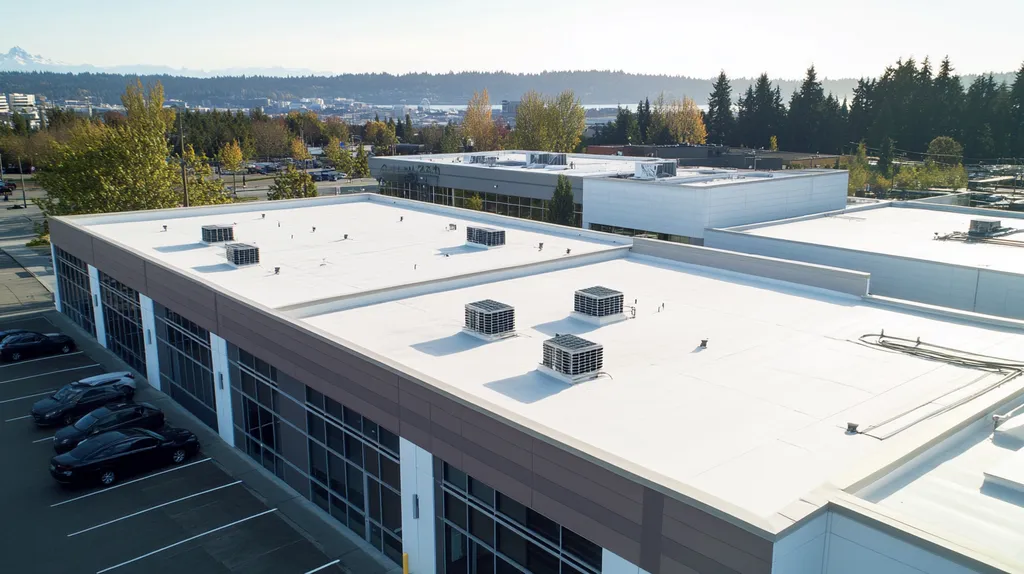
Picture your facility manager getting that dreaded 3 AM phone call—water cascading through the ceiling onto million-dollar equipment while production screeches to a halt. Industrial roofs face relentless assault from UV radiation, thermal cycling, chemical exposure, and equipment vibrations that would make lesser structures wave white flags in surrender.
These aren’t just maintenance headaches—they’re operational time bombs that explode without warning, transforming minor issues into production-paralyzing emergencies. Smart facility managers learn to spot trouble brewing before it crashes their perfectly orchestrated operations.
Frequent Problems & Solutions
Membrane punctures from foot traffic and equipment installations turn roofs into expensive colanders, allowing water to wreak havoc on sensitive operations below. HVAC technicians, maintenance crews, and delivery personnel create an endless parade of potential damage points that accumulate faster than facility managers can track.
Installing designated walkways and equipment pads transforms chaotic roof traffic into controlled pathways that protect vulnerable membranes. These protective systems pay for themselves by preventing emergency repairs that shutdown operations during critical production periods.
Thermal shock from rapid temperature swings creates expansion and contraction cycles that fatigue roofing materials like marathon runners hitting the wall. Metal roofs expand and contract like accordions, while membrane systems develop stress cracks that invite water infiltration during the next storm event.
Flexible sealants and expansion joints accommodate thermal movement without compromising waterproof integrity. Modern roofing systems designed for industrial temperature extremes resist thermal cycling damage that historically plagued older installations.
Ponding water transforms roof sections into swimming pools that accelerate membrane degradation while adding structural loads never intended by original designers. Poor drainage creates breeding grounds for leaks that seem to multiply faster than rabbits in springtime.
Strategic drainage improvements and roof slope modifications eliminate standing water without requiring complete roof replacements. Targeted repairs restore proper water flow while facilities continue normal operations in unaffected areas.
Warning Signs To Watch For
Interior water stains spreading across ceilings announce roof problems louder than fire alarms, but by the time stains appear, damage has already begun its expensive march through building systems. These visible symptoms represent just the tip of the iceberg lurking beneath seemingly innocent roof surfaces.
Unusual energy bills climbing skyward often signal insulation problems or air leaks that force HVAC systems to work overtime. When heating and cooling costs spike mysteriously, compromised roof systems frequently shoulder the blame for thermal inefficiency.
Membrane blisters and bubbles reveal trapped moisture creating pressure cookers under roofing materials, threatening sudden failures that could flood facilities without warning. These telltale bumps indicate deteriorating adhesion that weakens waterproof barriers protecting operations below.
Addressing any roofing issue depends heavily on the type of problem discovered and timing of detection, making early identification crucial for minimizing operational disruption (source: Procore). Soft spots underfoot during roof inspections signal structural weakness that could progress from minor concern to catastrophic collapse.
Granule accumulation in gutters and downspouts indicates accelerated surface wear on built-up roofing systems, suggesting UV protection is failing faster than expected. These small particles represent years of remaining roof life washing away with every rainstorm.
Unusual odors wafting through HVAC systems might indicate mold growth from hidden moisture intrusion, creating indoor air quality problems that threaten both operations and occupant health. Musty smells often provide the first clue that roof leaks have invaded building cavities.
Preventative Approaches
Scheduled roof inspections twice yearly—spring and fall—catch problems while they’re still manageable maintenance tasks rather than operation-crushing emergencies. These routine checkups cost pennies compared to emergency repairs that force production shutdowns during peak demand periods.
Professional inspections focus on vulnerable areas like penetrations, flashing, and drainage systems where problems love to launch sneak attacks. Trained eyes spot deterioration patterns that facility staff might miss during casual observations.
Infrared moisture surveys reveal hidden leaks lurking beneath seemingly intact roof surfaces, allowing targeted repairs without exploratory demolition that disrupts operations. Thermal imaging technology pinpoints problem areas with surgical precision that minimizes investigation time and facility impact.
Documentation systems tracking roof condition over time identify deterioration trends before they accelerate into crisis mode. Maintenance records help predict replacement timing that aligns with operational schedules rather than emergency demands.
Proactive material upgrades during routine maintenance windows extend roof lifespan while operations continue uninterrupted. Installing superior membranes, improved flashing, and enhanced drainage during planned shutdowns prevents future emergency scenarios.
Weather monitoring systems provide early warnings for severe conditions that threaten roof integrity, allowing facilities to prepare protection measures before storms arrive. Advance preparation prevents weather damage that transforms minor vulnerabilities into major operational disruptions.
SECTION 6: NEXT STEPS & RESOURCES
Picture this: your facility manager just handed you three roofing proposals that look like hieroglyphics written by caffeinated contractors. One promises miracles for pocket change, another drowns you in technical jargon, and the third seems reasonable but lacks crucial details about operational continuity.
Smart facility decisions separate operational champions from downtime disasters faster than storm clouds roll across industrial districts. The difference lies in asking razor-sharp questions, understanding industry benchmarks, and building knowledge that transforms roofing emergencies into manageable maintenance events.
Questions To Ask Providers
Start every contractor conversation with the million-dollar question: “How do you keep our production running while fixing our roof?” Their answer reveals whether they understand industrial operations or just see another square footage number to tackle.
Demand specifics about sectional work strategies, temporary weather protection systems, and coordination protocols with your maintenance teams. Contractors who mumble vague responses about “working around your schedule” haven’t thought through the operational chess match required for successful industrial projects.
Press for detailed timelines that account for weather delays, material delivery hiccups, and those inevitable surprises hiding under existing roofing layers. Real professionals build contingency plans into their schedules rather than crossing fingers and hoping Murphy’s Law takes vacation days.
Grill them about safety protocols around operational equipment, chemical storage areas, and employee work zones. Industrial facilities aren’t construction sites—they’re active businesses where roofing crews become temporary guests who must respect ongoing operations.
Verify their emergency response capabilities for sudden weather events or unexpected discoveries that could threaten facility operations. The best contractors maintain 24/7 communication channels and rapid deployment teams that prevent minor setbacks from becoming production disasters.
Finally, dissect warranty terms like legal contracts because that’s exactly what they become when problems surface two years later. Understanding coverage limitations, required maintenance obligations, and claim procedures prevents unpleasant surprises during your facility’s most vulnerable moments.
Industry Standards & Guidelines
The National Roofing Contractors Association (NRCA) publishes installation guidelines that separate professional work from expensive experiments performed on your facility’s roof. These standards ensure contractors follow proven methods rather than inventing creative shortcuts that fail during your busiest production periods.
OSHA regulations aren’t just safety theater—they’re operational protection systems that prevent accidents from shutting down your entire facility while investigators crawl through every procedure. Compliant contractors reduce liability risks while maintaining safer work environments around sensitive operations.
Energy efficiency standards from ENERGY STAR guide material selections that maintain building performance throughout roofing projects. These guidelines help identify systems that won’t sabotage your climate control during installation or create energy bill surprises after completion.
International Building Code requirements establish minimum performance standards that protect your investment from premature failures. Understanding these benchmarks helps evaluate contractor recommendations and material specifications that affect long-term operational costs.
Proactive roof maintenance plans catch minor breaches, hidden membrane damage, and drainage issues before they escalate—resulting in minimal downtime and business disruption (source: IR Analyzers). Documentation requirements from these standards create paper trails that support warranty claims and insurance coverage when problems develop.
Local building department guidelines add another layer of protection by ensuring roofing work meets regional climate challenges and structural requirements. Permits aren’t just bureaucratic hurdles—they’re quality checkpoints that prevent substandard work from compromising your facility’s integrity.
Further Learning Simplified
Trade association webinars transform complex roofing science into digestible knowledge that helps facility managers make smarter decisions without earning engineering degrees. These free resources distill decades of industry experience into actionable insights that prevent costly mistakes.
Industry magazines and online forums provide real-world case studies from facilities facing similar challenges to yours. Learning from other managers’ successes and failures builds decision-making confidence without expensive trial-and-error experiments on your roof.
Local NRCA chapters host workshops where facility managers network with peers who understand the unique pressures of maintaining operations while managing roofing projects. These connections create informal support networks that provide advice during critical decision moments.
Manufacturer training programs offer deep dives into specific roofing systems and their operational impacts. Understanding material capabilities and limitations helps evaluate contractor recommendations and identify solutions that align with your facility’s unique requirements.
Professional development courses in facility management include roofing modules that bridge the knowledge gap between maintenance staff and specialized contractors. These educational investments pay dividends by preventing communication breakdowns that derail project schedules.
Continuing education keeps pace with evolving roofing technologies, installation methods, and maintenance strategies that could benefit your facility’s operational efficiency. Smart managers treat learning as insurance against obsolete thinking that leads to expensive operational disruptions.
The Bottom Line
When that next storm rolls across your facility’s horizon, you’ll face the same choice countless facility managers confront: scramble with emergency repairs that cripple operations, or deploy minimal disruption strategies that keep production humming while protection happens overhead.
Every lesson in this guide—from sectional work techniques to contractor vetting questions—transforms potential operational disasters into manageable maintenance events that respect your facility’s rhythm.
The stakes couldn’t be higher in today’s competitive industrial landscape where single-day shutdowns can cost hundreds of thousands while supply chains demand unwavering reliability.
Smart facility managers master these minimal disruption principles before emergencies strike, building operational resilience that separates industry leaders from those still scrambling with buckets and tarps when roofing reality hits.
Your next roofing decision will either protect or pummel your production schedule—choose wisely.
FREQUENTLY ASKED QUESTIONS
Q. What is minimal disruption roofing for commercial roofs?
A. Minimal disruption roofing is like a ninja mission: repairs happen in small sections with strategic scheduling, so your facility keeps buzzing along without major downtime. This approach uses careful planning and fast-curing materials which help avoid emergency shutdowns and keep production humming smoothly throughout the project.
Q. How does minimal disruption apply in industrial roof emergencies?
A. In emergencies, minimal disruption techniques are lifesavers that protect valuable equipment while repairs happen swiftly in isolated zones. By coordinating with operations and using temporary protections, the facility continues running nearly uninterrupted, preventing costly production stoppages even during sudden roof failures.
Q. What key terms should I know about commercial roofs?
A. Knowing terms like “membrane” (waterproof layer), “flashing” (sealant at joints), and “ponding water” (standing water that damages roofs) helps you understand roofing experts and avoid costly miscommunications. These simple concepts protect your investment and keep your operations interruption-free.
Q. What factors impact choosing the right industrial roof?
A. The best choice balances upfront costs, durability, and performance—like weather resistance and energy efficiency—while fitting your schedule. Cheaper roofs might cause expensive shutdowns later, so investing in quality materials and proper installation saves headaches and money over the long haul.
Q. What common challenges cause disruptions in commercial roof operations?
A. Frequent troubles include membrane punctures, ponding water, and thermal expansion causing cracks. Spotting small warning signs early, like roof blisters or leaks, and scheduling regular inspections help nip these sneaky issues in the bud before they trigger costly shutdowns.
Q. What questions should I ask contractors about commercial roofing?
A. Ask how they will keep production running during repairs, their sectional work tactics, safety protocols, and emergency response plans. Also request detailed timelines and clear warranty info to avoid surprises and ensure your facility never skips a beat during roofing projects.
Q. How can technology improve minimal disruption on industrial roofs?
A. Cutting-edge tools like infrared moisture sensors detect hidden leaks before they cause shutdowns, while real-time project monitoring keeps repairs on schedule and flexible. Smart tech means fewer surprises and quicker fixes—making roof work feel less like a headache and more like a well-choreographed dance.






