
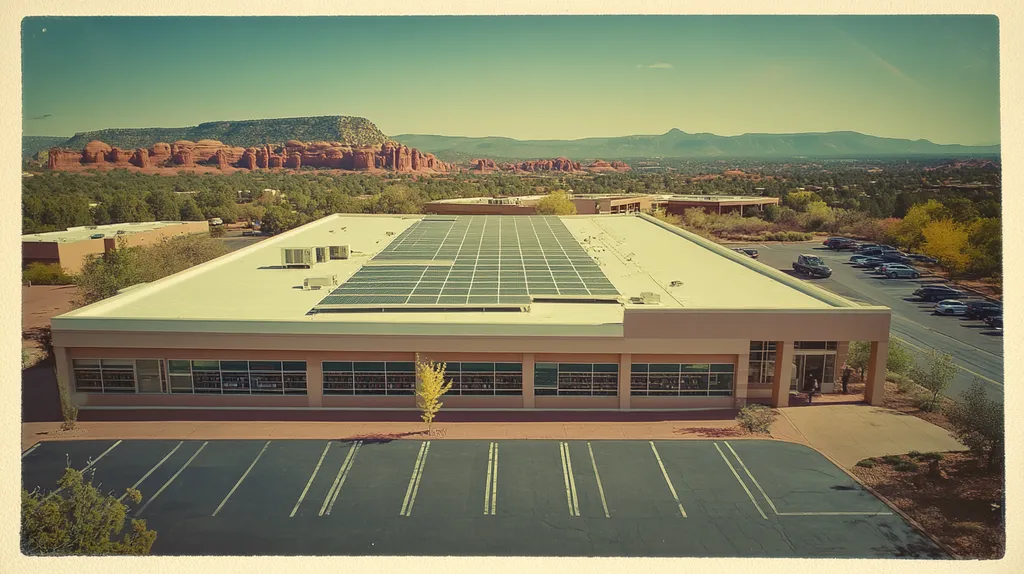
Welcome to today’s Battle Royale featuring two roofing heavyweights: “TPO” in the east corner versus “EPDM” in the west!
Tonight’s showdown pits these contenders against each other across six punishing rounds designed to test every aspect of their performance for Weather Impact on Commercial Roof Project Timeline.
At stake? Millions in potential costs, decades of building protection, and the critical performance demands of modern commercial and industrial facilities.
Our professional judging panel will evaluate each round on technical merit, real-world performance, and value delivery. After all six rounds, we’ll declare our ultimate champion.
Ladies and gentlemen, facility managers and building owners… it’s time to rumble!
ROUND 1: INITIAL COSTS & INSTALLATION
Weather-related installation delays can transform a straightforward commercial roofing project into a costly ordeal. Every day of delay due to unfavorable conditions increases project expenses through extended equipment rentals, labor costs, and potential damage to exposed building interiors. Understanding how TPO and EPDM materials perform during installation across varying weather conditions becomes crucial for controlling these costs.
Material Expenses
Material selection directly impacts both immediate costs and weather-related risks during installation. TPO membranes typically cost $3.50 to $6.50 per square foot, offering an attractive initial price point for budget-conscious property owners.
EPDM materials generally command higher prices, ranging from $4.00 to $8.00 per square foot. However, this increased cost includes enhanced durability and weather resistance during the installation phase.
The cost difference becomes particularly relevant when considering potential weather delays, as TPO’s lower material cost provides more budget flexibility for extended installation timelines.
Given its lower initial investment and budget flexibility, TPO earns the “ADVANTAGE” in material expenses.
Installation Complexity
Severe weather, including heavy snow, intense rain, or extreme temperatures, can significantly impact installation procedures and timelines. TPO installation requires precise heat-welding of seams, making it particularly vulnerable to moisture and temperature fluctuations. (source: Roper Roofing and Solar)
EPDM offers more flexible installation options, including adhesive-based methods that can proceed under a wider range of weather conditions. This adaptability reduces the risk of weather-related installation delays.
While both materials require skilled installation, EPDM’s greater tolerance for varying weather conditions makes it less likely to face installation complications.
Due to its superior weather adaptability during installation, EPDM claims the “ADVANTAGE” in installation complexity.
Project Timeline
Project timelines directly affect overall costs and building operations. TPO installations typically require specific temperature ranges and dry conditions, limiting work to optimal weather windows.
EPDM’s more forgiving installation requirements allow work to proceed under diverse weather conditions. This flexibility helps maintain projected timelines even when weather conditions aren’t ideal.
The ability to work through varying weather conditions significantly impacts project completion dates and overall cost control. EPDM’s versatility helps avoid the costly stops and starts that often plague TPO installations.
With its ability to maintain consistent progress regardless of weather variations, EPDM earns the “ADVANTAGE” in project timeline.
ROUND 1 WINNER: EPDM
ROUND 2: DURABILITY & LIFESPAN
Weather conditions pose relentless challenges to commercial roofing systems, affecting both immediate performance and long-term durability. Extreme temperature swings, UV exposure, and precipitation patterns can dramatically accelerate material degradation, turning a 20-year roof into a 10-year liability. Understanding how TPO and EPDM respond to these environmental stressors is crucial for making informed decisions that protect both the building and bottom line.
Material Resilience
Extreme weather conditions create a complex web of stressors that test roofing material integrity daily. UV radiation degrades chemical bonds while thermal cycling causes expansion and contraction that can compromise seams and flashings.
TPO membranes excel at UV reflection and heat resistance, maintaining their structural integrity even under intense sun exposure. Their heat-welded seams create strong bonds that resist separation during thermal cycling, though extreme temperature fluctuations can stress these connections over time.
EPDM’s synthetic rubber composition provides superior flexibility, allowing it to expand and contract without developing stress points. This elasticity, combined with its resistance to UV degradation, enables EPDM to maintain its protective properties through decades of weather exposure.
Given its superior flexibility and proven long-term performance, EPDM earns the “ADVANTAGE” in material resilience.
Weather Impact Resistance
Extreme heat causes thermal expansion and contraction, stressing roofing materials, while UV exposure degrades them leading to cracks and blistering. Heavy rainfall promotes leaks and water damage while wind can lift and displace materials, requiring extensive repairs. (source: Castagra)
TPO’s rigid composition provides excellent resistance to impact damage from hail and debris. Its reflective surface helps minimize heat absorption, reducing thermal stress and maintaining material stability during temperature extremes.
EPDM’s rubber-like flexibility allows it to absorb impacts without puncturing or tearing. However, this same flexibility can make it more susceptible to puncture damage from sharp debris or maintenance foot traffic.
With superior impact resistance and thermal management, TPO claims the “ADVANTAGE” in weather impact resistance.
Long-Term Performance
The true test of a commercial roofing system lies in its ability to maintain performance over decades of weather exposure. This long-term durability directly affects maintenance costs and replacement intervals.
TPO roofing systems typically deliver 15-20 years of service life when properly maintained. However, early generations of TPO had issues with premature aging, and some newer formulations still lack extensive field performance data.
EPDM systems regularly achieve 30+ year lifespans, with numerous installations still performing after four decades. This proven track record of longevity, combined with minimal degradation of physical properties, makes EPDM a reliable choice for long-term performance.
Based on its documented longevity and consistent performance, EPDM secures the “ADVANTAGE” in long-term performance.
ROUND 2 WINNER: EPDM
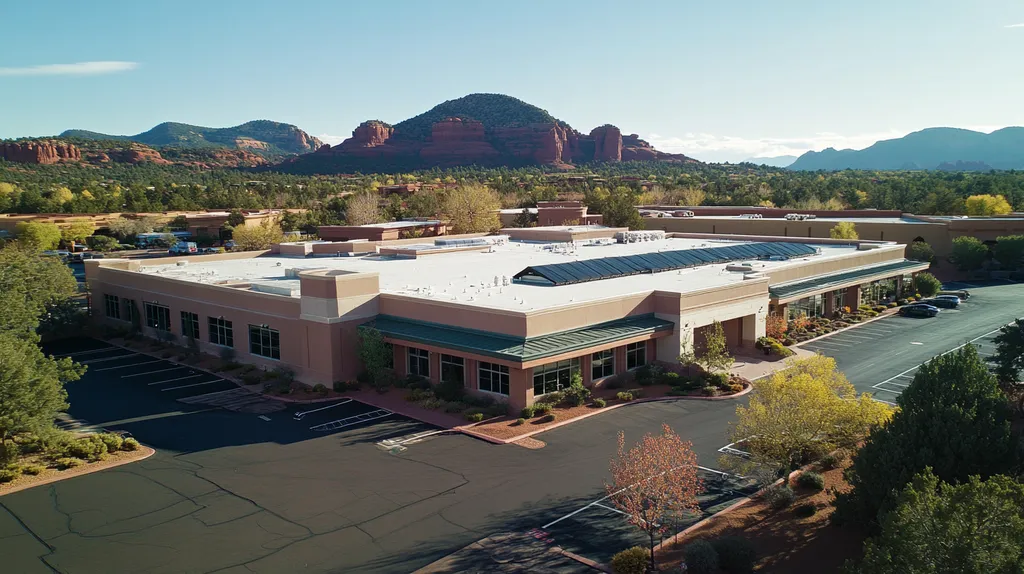
ROUND 3: PERFORMANCE FACTORS
Weather conditions can transform a routine commercial roofing project into a complex challenge that threatens both timelines and budgets. Every weather-related performance factor – from UV exposure to moisture intrusion to temperature fluctuations – creates potential failure points that can delay installation or compromise long-term durability. Understanding how TPO and EPDM handle these challenges is crucial for maintaining project schedules and protecting substantial roofing investments.
Weather Resistance
Weather resistance directly impacts both installation speed and long-term durability. UV rays degrade roofing membrane flexibility and surface integrity, while moisture intrusion risks structural damage and wind events can tear or displace materials, severely disrupting project schedules. (source: Castagra)
TPO membranes offer exceptional UV reflection and heat resistance, maintaining their structural integrity even under intense sun exposure. Their heat-welded seams create strong bonds that resist separation during thermal cycling, though proper installation timing is critical.
EPDM’s synthetic rubber composition allows it to flex naturally with weather changes, reducing stress on seams and attachment points. However, this flexibility can make it more susceptible to wind damage during installation phases.
Given its superior UV protection and thermal stability, TPO claims the “ADVANTAGE” in weather resistance.
Moisture Management
Effective moisture management determines both installation timing and system longevity. Rain events during installation can create significant delays and increase the risk of trapped moisture within the roofing system.
TPO’s thermoplastic properties enable heat-welded seams that create virtually impenetrable moisture barriers. This seaming technology allows work to resume quickly after rain events, helping maintain project timelines.
EPDM relies on adhesive-based seaming that requires specific temperature and humidity conditions. While effective when properly installed, these seams demand more extensive weather monitoring during installation.
With its superior seaming technology and moisture resistance, TPO earns the “ADVANTAGE” in moisture management.
Temperature Tolerance
Temperature fluctuations pose significant challenges during installation and affect long-term performance. Extreme temperatures can impact material workability and adhesion, potentially forcing work stoppages.
TPO installations require specific temperature ranges for proper heat welding, which can limit working hours during extreme weather. However, once installed, TPO handles temperature changes exceptionally well with minimal material stress.
EPDM offers greater installation flexibility across temperature ranges, but its adhesive-based systems may require additional curing time in non-optimal conditions. This can create unexpected delays in project completion.
Due to its consistent post-installation performance and heat-welded reliability, TPO secures the “ADVANTAGE” in temperature tolerance.
ROUND 3 WINNER: TPO
ROUND 4: MAINTENANCE REQUIREMENTS
Weather-driven maintenance challenges can rapidly escalate from minor issues to major financial burdens for commercial property owners. Every maintenance decision impacts not just immediate repair costs, but also long-term roof performance and building protection. Understanding how TPO and EPDM systems respond to weather-related maintenance demands becomes critical for protecting substantial roofing investments.
Understanding Routine Maintenance
Extreme weather can accelerate the deterioration of roofing materials through UV exposure, thermal stress, and moisture infiltration, making regular maintenance crucial for system longevity. Sun exposure causes material degradation while rain and wind create potential entry points for moisture, severely impacting roof performance. (source: Castagra)
TPO membranes require minimal routine maintenance due to their heat-welded seams and superior UV resistance. Their smooth surface prevents debris accumulation and simplifies inspection processes, reducing maintenance frequency and costs.
EPDM systems demand more frequent inspections due to their reliance on adhesive-based seams and greater susceptibility to UV degradation. Regular examination of seam integrity and surface condition becomes essential, particularly after severe weather events.
Given its reduced maintenance requirements and superior material stability, TPO claims the “ADVANTAGE” in routine maintenance.
Weather Impact Response
Severe weather events create immediate maintenance challenges that demand swift response to prevent cascading damage. Understanding how different roofing systems handle these challenges directly affects maintenance planning and emergency response protocols.
TPO’s rigid composition and reflective surface provide excellent resistance to weather-related damage. Its heat-welded seams maintain integrity during thermal cycling, reducing the need for weather-related repairs.
EPDM’s flexibility can make it more susceptible to wind damage and UV degradation over time. While its elasticity helps absorb some weather impacts, this same quality often requires more frequent maintenance interventions.
With superior weather resistance and reduced repair requirements, TPO secures the “ADVANTAGE” in weather impact response.
Long-Term Maintenance Costs
The cumulative impact of weather-related maintenance directly affects a building’s operational costs and asset value. Understanding these long-term implications becomes crucial for accurate budget planning and risk management.
TPO systems typically incur lower long-term maintenance costs due to their durability and simplified repair procedures. Their resistance to common weather-related issues reduces the frequency and complexity of maintenance interventions.
EPDM installations often face higher cumulative maintenance expenses due to more frequent inspections and repairs. Their vulnerability to certain weather conditions can lead to increased maintenance requirements over time.
Based on reduced maintenance frequency and lower long-term costs, TPO earns the “ADVANTAGE” in long-term maintenance costs.
ROUND 4 WINNER: TPO
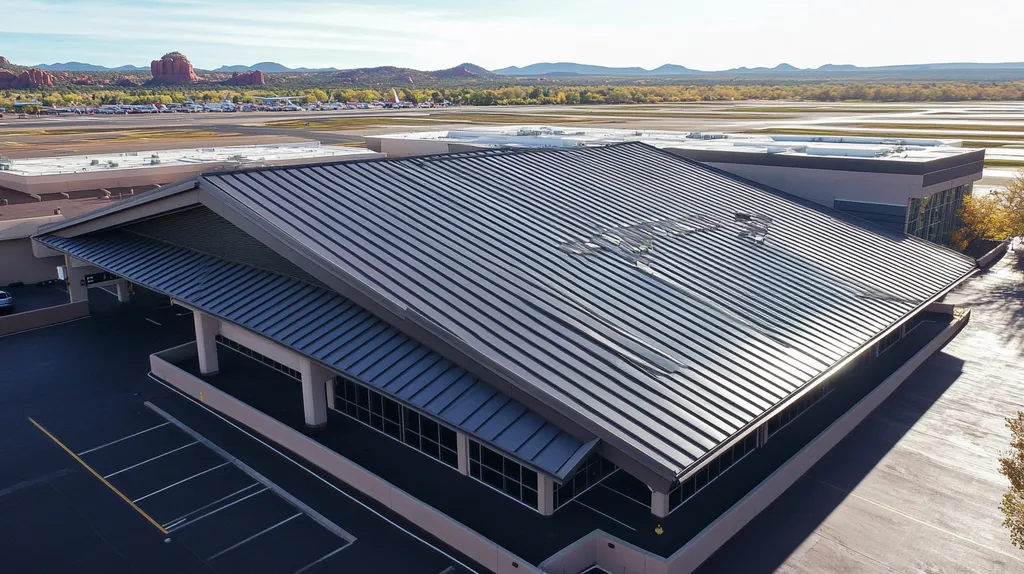
ROUND 5: SUSTAINABILITY CREDENTIALS
Weather-driven sustainability concerns are reshaping commercial roofing decisions as extreme conditions intensify. Every roofing choice now carries environmental implications that extend far beyond the building itself. From urban heat island effects to landfill impacts, property owners must carefully weigh how their roofing decisions affect both immediate performance and long-term environmental responsibility.
Energy Efficiency
Severe weather patterns and rising temperatures make energy efficiency a critical sustainability metric. Heat absorption and reflection capabilities directly impact building cooling costs and environmental footprint.
TPO membranes deliver superior solar reflectance, reducing cooling demands by up to 30% in warm climates. Their white surface maintains reflective properties throughout their lifespan, consistently decreasing building energy consumption.
Traditional black EPDM absorbs significant solar heat, increasing cooling loads and energy consumption. While white EPDM options exist, they typically don’t match TPO’s reflective performance and can lose effectiveness over time.
With superior reflective properties and sustained energy savings, TPO claims the “ADVANTAGE” in energy efficiency.
Material Lifecycle
Roofing material lifecycle impacts extend from manufacturing through disposal. Rain, snow, and extreme heat affect not only installation timelines but also the total environmental cost of weather-related repairs and replacements. (source: Litespeed Construction)
TPO’s thermoplastic composition allows for complete recycling at end-of-life, reducing landfill impact. Manufacturing processes have also evolved to minimize environmental impact and energy consumption.
EPDM presents greater recycling challenges due to its thermoset rubber composition. While some recycling programs exist, most EPDM material eventually reaches landfills.
Given its superior recyclability and reduced manufacturing impact, TPO earns the “ADVANTAGE” in material lifecycle.
Environmental Resilience
A roofing system’s ability to maintain performance under extreme weather conditions directly affects its environmental impact. Premature degradation forces replacement, multiplying material consumption and environmental costs.
TPO demonstrates excellent resistance to UV exposure and thermal stress, maintaining its protective and reflective properties. This durability reduces the frequency of weather-related replacements and associated environmental impacts.
EPDM offers comparable durability but may require more frequent maintenance due to weather-related wear. Its greater susceptibility to UV degradation can lead to earlier replacement in some climates.
Based on superior weather resistance and maintained performance, TPO secures the “ADVANTAGE” in environmental resilience.
ROUND 5 WINNER: TPO
ROUND 6: SPECIALIZED APPLICATIONS
When extreme weather conditions collide with specialized roofing requirements, the margin for error disappears. Each application – from cold storage facilities to manufacturing plants with high chemical exposure – demands specific performance characteristics that directly impact installation timelines and long-term durability. Making the wrong material choice can lead to premature failure, extensive repairs, and operational disruptions that cascade through the entire facility.
Environmental Adaptability
Different commercial environments create unique challenges that test roofing system capabilities. Manufacturing facilities generate chemical emissions, while cold storage units create extreme temperature differentials that can stress roofing materials to their limits.
TPO demonstrates excellent chemical resistance and maintains its physical properties when exposed to industrial pollutants. Its heat-welded seams remain stable even under significant temperature fluctuations, making it ideal for facilities with varying environmental conditions.
EPDM shows superior flexibility in extreme cold but can become brittle when exposed to certain chemicals. While it handles temperature changes well, its adhesive-based seams may require more frequent inspection in facilities with extreme temperature variations.
Given its superior chemical resistance and seam stability, TPO claims the “ADVANTAGE” in environmental adaptability.
Installation Requirements
Rain, snow, and extreme heat can extend specialized roofing installations well beyond standard timelines. Projects requiring extensive mechanical attachments or complex penetration details become particularly vulnerable to weather-related delays. (source: Litespeed Construction)
TPO installations demand precise conditions for heat welding, limiting work windows in facilities that can’t interrupt operations. While the installation process is relatively straightforward, weather sensitivity can extend project timelines significantly.
EPDM offers greater flexibility during installation, allowing work to proceed under a broader range of conditions. This adaptability proves particularly valuable in facilities requiring strict operational continuity.
With its superior installation flexibility, EPDM earns the “ADVANTAGE” in installation requirements.
Performance Reliability
Specialized applications demand consistent performance despite challenging conditions. Equipment vibration, chemical exposure, and extreme temperature variations create ongoing stress that can accelerate material degradation.
TPO maintains its reflective properties and structural integrity well in high-heat environments. However, its rigid composition can make it more susceptible to fatigue in applications with constant mechanical stress.
EPDM’s superior flexibility and proven track record in extreme conditions make it exceptionally reliable for specialized applications. Its ability to absorb movement and maintain performance under stress provides long-term stability.
Based on its proven reliability in demanding conditions, EPDM secures the “ADVANTAGE” in performance reliability.
ROUND 6 WINNER: EPDM
AND THE WINNER IS…
After six grueling rounds of technical analysis, measuring everything from installation timelines to environmental impact, we have our verdict!
In a split decision, with each contender claiming three rounds apiece, this heavyweight bout ends in a DRAW!
TPO dominated the performance factors, maintenance requirements, and sustainability credentials rounds with its superior UV resistance, lower maintenance demands, and impressive environmental profile.
EPDM proved unstoppable in installation flexibility, long-term durability, and specialized applications, showcasing its legendary adaptability and proven track record spanning decades.
Let’s be clear about what this split decision means: TPO emerges as the champion for projects prioritizing energy efficiency, minimal maintenance, and environmental impact. EPDM claims the crown where installation flexibility and proven long-term performance reign supreme.
But wait! Before you rush to your corner, remember that every building brings its own unique conditions to the ring. Local weather patterns, building use, and specific project requirements can dramatically impact material performance.
Professional consultation remains your essential cornerman in this fight. Qualified roofing contractors and building envelope specialists must evaluate your specific situation before declaring a winner for your facility.
Ladies and gentlemen, in the commercial roofing arena, there’s no substitute for matching your building’s specific requirements with the right contender’s strengths. That’s how champions are made!
FREQUENTLY ASKED QUESTIONS
Q. How do weather-related delays impact commercial roof project costs?
A. Weather-related delays can significantly raise the overall costs of a commercial roofing project. Each day of delay can lead to increased labor expenses and extended equipment rentals, sometimes adding 30% or more to your budget. Understanding how different roofing materials perform in various weather conditions can help manage these costs effectively.
Q. Which material has better long-term durability for an industrial roof?
A. For long-term durability in extreme weather, EPDM is generally superior to TPO. EPDM typically lasts over 30 years with consistent performance, while TPO shows variability, often ranging from 15 to 20 years. This longevity makes EPDM a reliable choice for industrial roofs in challenging climates.
Q. How do different roofing materials handle moisture for a commercial roof?
A. Moisture management varies significantly between roofing materials. TPO utilizes heat-welded seams that create strong moisture barriers, making it highly effective against leaks. In contrast, EPDM relies on adhesive seams that may require more scrutiny and monitoring to ensure moisture doesn’t penetrate, especially during installation.
Q. What are the maintenance requirements for a commercial roof?
A. Maintenance needs can differ considerably based on roofing material. TPO roofs often require minimal maintenance due to their strong, heat-welded seams and smooth surfaces, reducing debris accumulation. In contrast, EPDM systems typically need more frequent inspections for seam integrity and UV degradation, particularly after severe weather events.
Q. How does energy efficiency differ between TPO and EPDM roofing?
A. TPO roofing provides better energy efficiency compared to EPDM. Due to its high solar reflectance, TPO can reduce cooling costs by up to 30% in warmer climates. EPDM, traditionally black, absorbs more heat, increasing energy consumption, though lighter variants are available but do not match TPO’s efficiency.
Q. Can extreme weather affect TPO and EPDM commercial roof installations?
A. Yes, extreme weather significantly impacts both TPO and EPDM installations. TPO is sensitive to temperature and moisture, leading to installation delays during adverse conditions. EPDM offers more flexibility and can be installed under a broader range of conditions, which can help maintain project timelines.
Q. What are the sustainability impacts of TPO and EPDM roofing systems?
A. Sustainability considerations are critical in roofing. TPO is more environmentally friendly due to its recyclability and lower energy costs over its lifecycle. EPDM, while durable, poses recycling challenges and has a greater overall environmental footprint, making TPO the preferred choice for sustainability-focused projects.






