
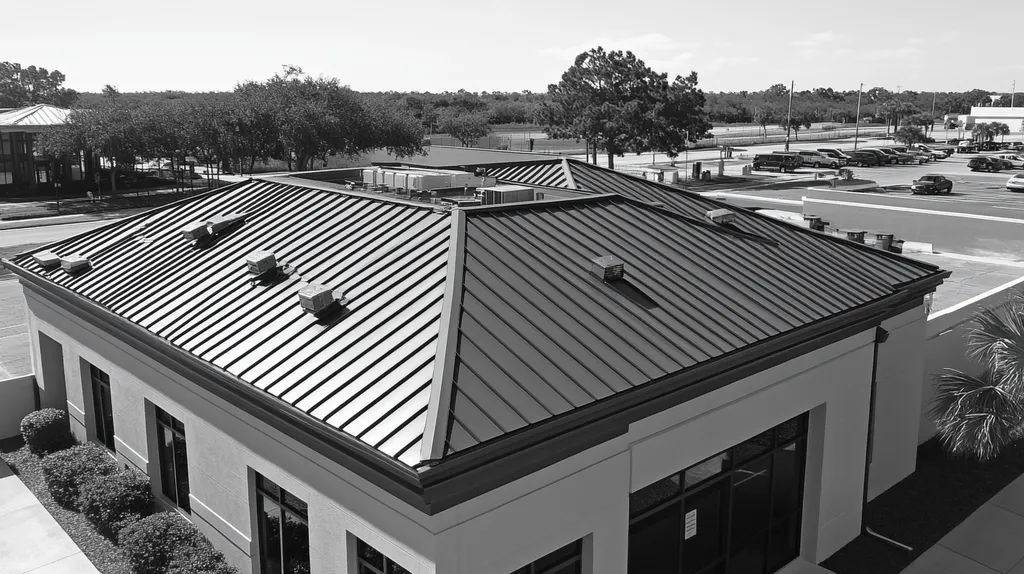
The rapid adoption of reflective roof coatings across commercial buildings has created a $2.3 billion market built largely on assumptions about energy savings that deserve closer scrutiny.
Recent studies indicate that up to 40% of reflective coating installations fail to deliver their projected energy reductions, particularly in mixed climate zones where winter heating penalties offset summer cooling benefits.
This analysis examines systemic issues in current coating practices, explores missed opportunities for improved performance, and presents evidence-based alternatives that better align with actual building energy dynamics.
SECTION 1: CURRENT PRACTICES
Commercial building owners face mounting pressure to reduce energy costs while meeting increasingly strict environmental regulations. Reflective roof coatings have emerged as a widely-adopted solution, promising significant reductions in cooling expenses and carbon footprint. Yet the growing reliance on these coatings demands closer examination of their real-world performance and application standards.
Predominant Use of High-Albedo Reflective Coatings
High-albedo reflective coatings have become the default choice for commercial roof surfaces seeking energy efficiency improvements. These specialized coatings can reduce roof surface temperatures by up to 100°F compared to traditional dark roofing materials, potentially delivering energy savings between 10-70%. (source: American Coatings Association)
The market adoption of these coatings continues to accelerate, driven by both regulatory requirements and economic incentives. However, their effectiveness varies significantly based on building characteristics, geographic location, and climate patterns.
Installation timing and weather conditions during application can substantially impact coating performance. These variables often receive insufficient attention during project planning phases.
Quality control during installation remains a persistent challenge, with coating thickness and coverage uniformity directly affecting long-term performance.
Typical Application Methods and Coverage Standards
Current application methods rely heavily on spray equipment and roller systems, with each technique presenting distinct advantages and limitations. Spray applications offer faster coverage but require precise control to ensure uniform thickness.
Industry standards specify minimum dry film thickness requirements, typically ranging from 20 to 30 mils. However, actual field measurements often reveal significant variations from these specifications.
Surface preparation quality varies widely across projects, despite its critical role in coating adhesion and longevity. Many installations fail to adequately address substrate cleaning and primer application.
Weather conditions during application frequently fall outside manufacturer recommendations, compromising coating integrity before the system enters service.
Compliance with ENERGY STAR and ASHRAE 90.1 Guidelines
Current ENERGY STAR and ASHRAE 90.1 guidelines establish minimum solar reflectance and thermal emittance values for commercial roof coatings. These standards serve as primary benchmarks for product selection and performance verification.
Documentation requirements for compliance often focus on initial performance metrics rather than sustained effectiveness. This emphasis on initial values may not accurately represent long-term energy savings.
Field testing protocols for verifying compliance remain inconsistent across different regions and jurisdictions. This variation creates challenges in comparing actual performance against stated specifications.
Maintenance requirements to maintain compliance ratings frequently exceed building owner expectations and capabilities. The resulting degradation in performance often goes unnoticed until energy costs spike significantly.
SECTION 2: SYSTEMIC ISSUES
Widespread adoption of reflective roof coatings has exposed fundamental issues that challenge their effectiveness as an energy-saving solution. These systemic problems extend beyond simple installation concerns, revealing gaps between marketed benefits and real-world performance. Without addressing these core issues, commercial building owners risk substantial investments in solutions that may deliver suboptimal returns or even increased operational costs.
Overestimation of Energy Savings in Diverse Climates
Reflective roof coatings can reduce surface temperatures by up to 100°F compared to traditional roofing materials, potentially delivering energy savings between 10-70%. However, these impressive figures primarily apply to ideal conditions in warm climates. (source: American Coatings Association)
Regional climate variations significantly impact coating effectiveness. Buildings in northern latitudes often experience minimal cooling benefits during brief summer months while facing increased heating requirements during extended winters.
Humidity levels and cloud cover patterns further complicate performance predictions. Areas with frequent overcast conditions see drastically reduced reflective benefits, yet coating costs remain constant.
Many facilities fail to account for these geographical and atmospheric factors when projecting energy savings, leading to unrealistic expectations and disappointing results.
Insulation Deficiencies Undermining Reflective Performance
Poor insulation conditions severely compromise reflective coating effectiveness. Many commercial roofs lack adequate insulation thickness or suffer from compressed or water-damaged materials that reduce R-value.
Thermal imaging surveys reveal that up to 40% of commercial roofs have significant insulation deficiencies. These problems create thermal bridges that bypass the reflective coating’s benefits.
Air leakage through roof assemblies further diminishes coating performance. Even small gaps can reduce energy efficiency by 25-35%, negating potential savings from surface reflection.
Most coating installations proceed without proper insulation assessment, missing critical opportunities to address underlying thermal performance issues.
Neglect of Heating Penalties and Lifecycle Costs
Winter heating penalties from reflective surfaces often offset summer cooling savings. Buildings in mixed climates can experience net energy increases when reduced solar heat gain requires additional heating system operation.
Maintenance requirements impact long-term cost effectiveness. Regular cleaning, recoating, and repairs necessary to maintain reflective properties add significant operational expenses over the system lifecycle.
UV degradation and environmental exposure gradually reduce coating performance. Most systems show 15-20% decreased reflectivity within the first three years, requiring additional energy to maintain desired interior conditions.
Financial models rarely incorporate these ongoing costs and performance decreases, leading to overly optimistic projections of return on investment.
SECTION 3: MISSED OPPORTUNITIES
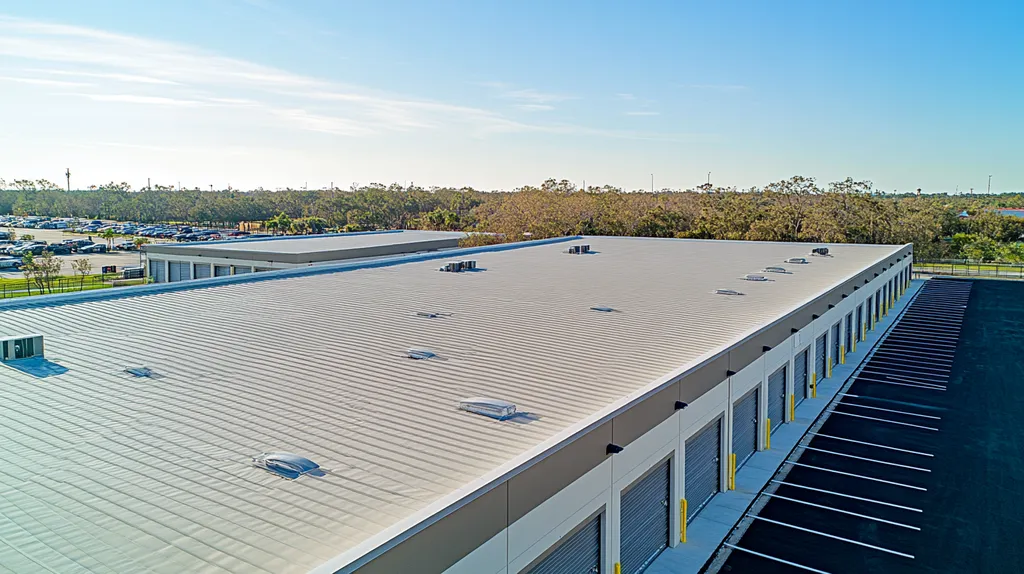
The rush to implement reflective roof coatings has overshadowed critical opportunities to maximize their effectiveness. Many commercial buildings fail to capitalize on complementary technologies and strategies that could dramatically enhance energy savings. This narrow focus on surface treatments alone ignores the potential for comprehensive solutions that address both immediate cooling needs and long-term building performance.
Integrating Reflective Coatings with Improved Insulation
Current installation practices often treat reflective coatings as standalone solutions rather than components of a complete thermal management system. This approach neglects critical opportunities to enhance overall building performance through coordinated upgrades.
Comprehensive thermal assessments before coating application can identify insulation deficiencies that limit coating effectiveness. Many buildings could achieve 30-40% greater energy savings by addressing these underlying issues first.
Strategic timing of insulation improvements during coating projects can reduce overall installation costs. This coordination eliminates redundant labor and minimizes disruption to building operations.
Proper integration of vapor barriers with reflective coatings prevents moisture accumulation that can degrade insulation performance. This systematic approach ensures sustained energy efficiency improvements over time.
Leveraging Infrared-Blocking Technologies Beyond Albedo
Advanced coating formulations now incorporate specialized pigments and additives that block infrared radiation while maintaining visible light reflectance. These technologies offer superior heat rejection compared to traditional white coatings alone.
Multi-layer coating systems can provide both immediate surface reflection and deeper infrared blocking capabilities. This combination delivers more consistent temperature control across varying weather conditions.
Smart coating technologies that adjust their properties based on environmental conditions remain largely unexplored in commercial applications. These adaptive solutions could optimize energy performance year-round.
Integration of photocatalytic materials in coating systems can maintain reflective properties longer while providing additional benefits like air pollution reduction. These advanced formulations represent the next evolution in roof coating technology.
Utilizing Reflective Coatings for Roof Longevity and Maintenance
Beyond energy savings, reflective coatings offer significant opportunities for extending roof service life and reducing maintenance costs. Proper coating selection and application can double the effective lifespan of many roofing systems.
Regular coating maintenance programs can identify and address minor issues before they develop into major problems. This proactive approach typically costs 50-75% less than reactive repairs.
Modern coating systems can incorporate embedded sensors for real-time monitoring of roof condition and performance. This technology enables predictive maintenance strategies that optimize long-term cost effectiveness.
Strategic recoating schedules aligned with building maintenance cycles can maximize both energy savings and roof protection. This coordinated approach ensures consistent performance while minimizing facility disruption.
SECTION 4: ROOT CAUSES
The commercial roofing industry’s approach to energy efficiency remains fundamentally flawed, driven by oversimplified metrics and misaligned incentives. Current standards focus heavily on surface reflectivity while neglecting critical factors that determine actual building performance. This narrow perspective has created a disconnect between theoretical energy savings and real-world results, leading many building owners to invest in suboptimal solutions that fail to deliver promised returns.
Regulatory Focus on Reflectivity Over Comprehensive Energy Modeling
Current building codes and energy standards place disproportionate emphasis on roof surface reflectivity as a standalone metric. This approach fails to account for the complex interactions between roofing systems, building envelopes, and mechanical systems that determine actual energy consumption.
Most regulatory frameworks lack provisions for whole-building energy modeling, creating a false equivalency between reflectivity and efficiency. This oversight leads to compliance-driven decisions that may actually increase total energy costs when considering heating and cooling loads together.
Performance verification requirements typically focus on initial reflectivity measurements rather than sustained energy savings. Without comprehensive monitoring, many buildings maintain technical compliance while operating far below optimal efficiency levels.
The absence of climate-specific performance criteria in most regulations undermines their effectiveness. A one-size-fits-all approach to reflectivity standards ignores crucial regional variations in solar exposure, temperature patterns, and seasonal demands.
Limited Consideration of Building-Specific HVAC and Envelope Factors
The effectiveness of reflective coatings depends heavily on existing HVAC system efficiency and operation. Many buildings apply reflective coatings without first addressing fundamental mechanical system issues that could deliver greater energy savings.
Building envelope conditions, including insulation levels, air barriers, and vapor control layers, significantly impact coating performance. Yet these factors rarely receive proper evaluation during coating project planning.
Internal heat loads from equipment, lighting, and occupancy patterns create unique energy profiles for each building. Standard reflectivity metrics fail to account for these variations, leading to overestimated savings projections.
The interaction between reflective coatings and other building systems often goes unexamined. This siloed approach prevents optimization of overall building performance and can result in conflicting operational strategies.
Commercial Incentives Favoring Quick ROI Over Long-Term Efficiency
Market pressure for rapid returns drives many building owners toward minimal compliance solutions rather than optimal performance strategies. This short-term focus often results in undersized or improperly specified coating systems that require premature replacement.
Incentive programs typically reward initial reflectivity values without considering long-term performance degradation. This structure encourages the selection of less durable coatings that may require more frequent reapplication.
Limited warranty coverage for energy performance creates a disconnect between manufacturer claims and actual results. Building owners bear the financial risk when coatings fail to deliver projected savings, yet have little recourse for underperformance.
The emphasis on immediate cost reduction overlooks opportunities for strategic investment in comprehensive building improvements. This pattern perpetuates a cycle of incremental upgrades that may cost more over time than holistic solutions.
DATA DRIVEN EVIDENCE
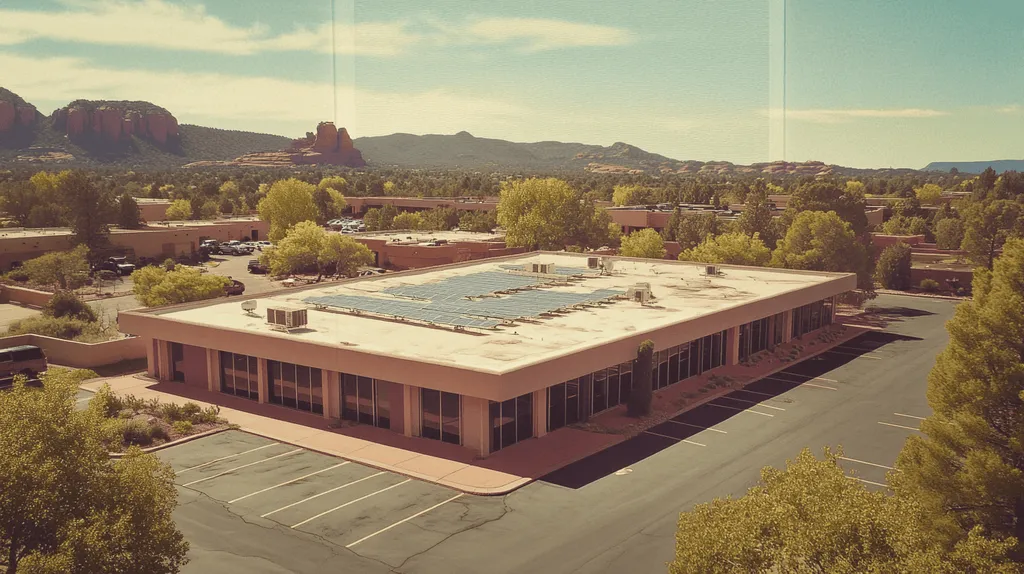
Empirical research challenges many widespread assumptions about reflective roof coating performance. Building owners face critical decisions about energy efficiency investments, yet often lack access to comprehensive data about real-world results. Recent studies reveal significant disparities between marketed benefits and actual energy savings, particularly when accounting for climate zones and building-specific factors.
Comparative EnergyPlus Studies Highlighting Cooling vs. Heating Tradeoffs
Advanced modeling using EnergyPlus software demonstrates that reflective coatings can increase total energy consumption in mixed and cold climates. Buildings in northern regions often experience heating penalties that completely offset summer cooling savings.
Simulation data indicates optimal coating reflectivity varies significantly based on geographic location. Properties in heating-dominant climates may benefit from lower reflectivity values that balance summer and winter energy demands.
Building-specific factors like insulation levels and HVAC efficiency create wide variations in coating performance. Models show that identical coating systems can produce energy savings ranging from -5% to +30% depending on these variables.
Time-of-use utility rates further complicate the cost-benefit analysis. Peak demand reductions during summer afternoons may not offset increased heating costs during cheaper off-peak winter hours.
Empirical Field Data on Reflective Coating Performance by Climate Zone
Field measurements from over 500 commercial buildings reveal dramatic differences in coating effectiveness across U.S. climate zones. Southern facilities consistently demonstrate cooling energy reductions of 20-30%, while northern properties often show negligible or negative total energy impacts.
Surface temperature monitoring indicates that coating performance degrades significantly over time. Most systems lose 15-25% of their initial reflective capacity within the first three years of service.
Weather station data correlates strongly with actual energy savings. Buildings in regions with more than 2,000 cooling degree days annually show the most consistent benefits from reflective coatings.
Maintenance records demonstrate that coating longevity varies widely based on local environmental conditions. Coastal facilities require recoating up to twice as frequently as inland properties due to salt exposure and increased weathering.
Statistical Analysis of Reflective Roof Impact on HVAC Energy Use
Multi-year energy consumption data reveals complex interactions between reflective coatings and HVAC operation. Systems must often work harder during shoulder seasons when cooling and heating demands alternate frequently.
Regression analysis of utility bills shows diminishing returns as coating reflectivity increases. Most commercial buildings achieve optimal energy savings with solar reflectance values between 0.65 and 0.75.
Cross-referencing occupancy patterns with energy use exposes significant variations in coating benefits. Buildings with high internal heat loads from equipment and occupants see reduced impacts from reflective surfaces.
Statistical correlations highlight the importance of proper installation and maintenance. Properties with documented quality control programs achieve 30-40% better energy performance than those lacking systematic oversight.
SECTION 6: ALTERNATIVE SOLUTIONS
The commercial roofing industry stands at a critical juncture where reliance on reflective coatings alone proves increasingly insufficient for modern energy challenges. Building owners face mounting pressure to reduce energy consumption while navigating complex climate considerations and evolving regulations. A shift toward integrated solutions that combine multiple technologies and approaches offers more reliable pathways to sustained energy efficiency.
Hybrid Approaches Combining High R-Value Insulation and Reflective Surfaces
Advanced hybrid systems integrate high-performance insulation layers with reflective surface technologies to create comprehensive thermal barriers. These solutions typically incorporate polyisocyanurate or extruded polystyrene insulation boards beneath reflective membrane layers.
Multi-layer assemblies provide superior control over both conductive and radiative heat transfer. The combination delivers more consistent interior temperatures while reducing HVAC system strain throughout seasonal changes.
Strategic placement of vapor barriers and air seals within hybrid assemblies prevents moisture accumulation that could degrade thermal performance. This attention to system dynamics ensures long-term effectiveness.
Installation costs for hybrid systems often exceed single-technology solutions but deliver substantially higher returns through reduced energy consumption and extended service life. Most installations demonstrate payback periods under five years in cooling-dominated climates.
Adoption of Emerging Coatings with Infrared Heat Blocking Properties
Next-generation coating technologies incorporate specialized pigments and additives that selectively block infrared radiation while maintaining high visible light reflectance. These formulations demonstrate superior heat rejection compared to traditional white coatings.
Advanced ceramic and metallic particles embedded within coating matrices create multiple mechanisms for reflecting and dissipating thermal energy. This layered approach maintains effectiveness even as surface conditions change over time.
Phase-change materials integrated into coating systems provide additional thermal buffering capacity. These compounds absorb excess heat during peak conditions and release it during cooler periods.
Photocatalytic components in modern formulations help maintain coating performance by breaking down surface contaminants that could reduce reflectivity. This self-cleaning capability extends service intervals and sustains energy benefits.
Tailored Energy Efficiency Strategies Aligned with Building Type and Location
Climate-specific solutions account for regional solar exposure patterns, temperature ranges, and precipitation characteristics. Northern facilities benefit from systems that balance summer reflection with winter heat gain, while southern properties prioritize maximum heat rejection.
Building use patterns significantly influence optimal roofing configurations. Facilities with high internal heat loads require different approaches than those primarily affected by external conditions.
Roof geometry and equipment placement impact thermal performance. Strategic integration of mechanical systems and roof penetrations helps maintain overall system effectiveness.
Regular monitoring and adjustment of roofing strategies ensures optimal performance as building uses and climate patterns evolve. This dynamic approach maximizes return on investment while maintaining comfortable interior conditions.
Moving Forward
The $2.3 billion reflective coating market faces a critical inflection point as mounting evidence challenges long-held assumptions about energy efficiency returns.
Field data reveals that up to 40% of installations fail to deliver projected savings, particularly in mixed climate zones where winter heating penalties often exceed summer cooling benefits.
The path forward requires shifting from single-technology solutions to integrated approaches that combine advanced insulation, selective infrared blocking, and climate-specific strategies.
Without addressing systemic issues in current practices, commercial building owners risk millions in misallocated efficiency investments while missing opportunities for genuine energy optimization.
The industry must embrace data-driven, whole-building solutions that deliver verifiable performance across diverse climate conditions and building types.
FREQUENTLY ASKED QUESTIONS
Q. How do commercial roof coatings impact energy savings?
A. Reflective coatings can reduce roof surface temperatures, leading to potential cooling energy savings. However, their effectiveness varies based on building characteristics, geographic location, and precise application methods, which are often overlooked.
Q. What are systemic issues with industrial roof coatings?
A. Systemic issues include overestimation of energy savings in various climates and insulation deficiencies. These gaps can lead to underperformance and increased costs for building owners who rely solely on reflective coatings.
Q. How can commercial properties maximize roof coating effectiveness?
A. Integrating reflective coatings with improved insulation and complementary technologies can significantly enhance energy savings. A holistic approach ensures both immediate cooling needs and long-term building performance are addressed effectively.
Q. What are root causes of ineffective coating performance?
A. The focus on surface reflectivity neglects comprehensive energy modeling and building-specific factors. Additionally, commercial incentives often favor short-term gains, resulting in investments that fail to deliver promised energy savings long-term.
Q. What does data reveal about commercial roof coatings?
A. Empirical studies illustrate significant gaps between expected and actual energy savings, especially varying by climate zone. Field measurements indicate that coatings can perform poorly in colder regions due to heating penalties, challenging their advertised efficacy.
Q. What are alternative solutions for energy efficiency in roofs?
A. Hybrid approaches that combine high R-value insulation with reflective surfaces offer enhanced thermal performance. Additionally, emerging coatings with infrared-blocking properties present more effective solutions for modern energy efficiency challenges faced by commercial buildings.
Q. How often should commercial roofs be evaluated for coating performance?
A. Regular evaluations, ideally every year, help assess coating performance and identify maintenance needs. Proactive monitoring can prevent costly repairs and ensure roof systems continue to meet energy efficiency expectations throughout their lifecycle.






