

Industrial facilities waste over $30 billion annually on excessive cooling costs due to heat-absorbing roofs, according to Department of Energy data. This represents a massive opportunity for improvement through reflective coating solutions.
By implementing advanced reflective coatings, facilities can reduce roof surface temperatures by up to 50°F and cut cooling expenses by 20-30% annually. However, maximizing these benefits requires careful attention to performance factors, financial considerations, compliance requirements, and risk management.
This comprehensive guide provides facility managers with actionable steps to evaluate, select, and maintain reflective coating systems that deliver lasting energy efficiency gains while protecting their roofing investment.
SECTION 1: PERFORMANCE FACTORS
Energy efficiency is now a top priority for industrial facilities, as they account for approximately one-third of the total energy consumed across the nation, according to the U.S. Department of Energy. Implementing reflective coatings on roofs is a game-changing strategy that can significantly cut heat absorption, reduce energy expenses, and enhance overall building performance. This section discusses key factors: reducing heat absorption, the impact on energy consumption, and regulating the interior climate.
Heat Absorption Reduction
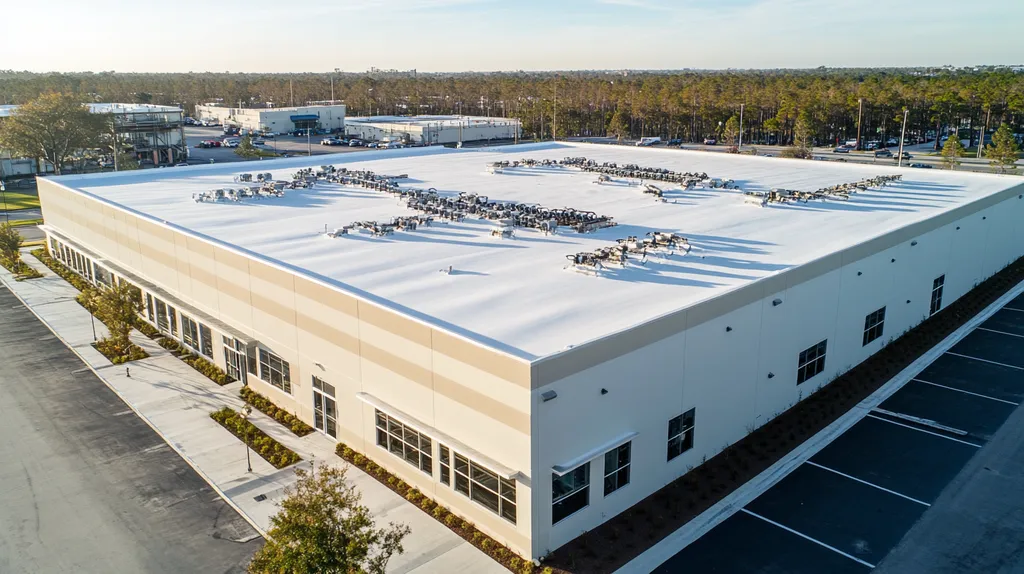
Reflective coatings are designed to significantly lower heat absorption in industrial roofs. Rather than soaking up solar energy, these innovative coatings reflect it, allowing roof surfaces to remain cooler. For example, a white reflective roof might stay up to 50 degrees cooler than a conventional dark roof on sunny days.
This reduction in temperature is crucial during the hot summer months, minimizing the heat that seeps inside the building. By targeting heat absorption, facilities can avoid issues like structural stress or the need for increased HVAC capacities.
Additionally, maintaining a cooler roof surface can extend the life of roofing materials. When temperatures are lower, there’s less thermal expansion and contraction, which reduces wear and tear. Thus, applying reflective coatings not only saves energy but also serves as a proactive maintenance strategy.
Key Action Items
Energy Consumption Impact
Reflective coatings can dramatically influence energy consumption levels in industrial facilities. By reflecting solar radiation rather than absorbing it, these coatings lower the demand for excessive air conditioning, leading to reduced electricity use. Studies indicate that energy consumption for cooling can decrease by as much as 30% with reflective roofing.
For large industrial buildings, those savings can accumulate into significant financial relief. For instance, a facility covering 100,000 square feet could potentially save thousands of dollars each year simply by opting for a reflective coating.
Moreover, reducing reliance on HVAC systems minimizes wear and tear, lowering maintenance costs and extending equipment lifespan. In an era of rising energy prices, adopting proactive measures like reflective coatings is essential for maintaining financial health.
Key Action Items
Interior Climate Regulation
Maintaining an effective interior climate is another significant advantage of using reflective coatings. By keeping roof temperatures down, these coatings help create a more stable and comfortable indoor environment. This stability is especially crucial in industrial operations, where temperature swings can negatively impact product quality and employee efficiency.
A consistently regulated indoor climate can foster improved worker comfort and morale. Studies suggest that a pleasant working environment can boost productivity by up to 10%. Reflective coatings play a vital role in minimizing indoor temperature fluctuations, contributing to these benefits.
Moreover, steady temperatures can help prevent overheating of equipment and reduce the risk of product spoilage. For industries like food processing or pharmaceuticals, precise temperature control is essential for meeting safety standards and regulations.
Key Action Items
SECTION 2: FINANCIAL CONSIDERATIONS
As energy costs continue to rise, industrial facility owners must assess every possible avenue for savings. Implementing reflective coatings on roofs not only presents a chance to significantly cut cooling costs but also serves as a wise investment for the future. Businesses that overlook these advancements risk facing escalating utility bills, which can negatively impact their profitability.
Initial Investment Costs
While the initial cost of applying reflective coatings can vary depending on factors such as roof size and the type of coating selected, it’s important to view this expense as a long-term investment in efficiency. Many facilities have found that, despite possible upfront costs, the long-term savings through reduced energy expenditures become quickly apparent.
On average, reflective coating applications may cost between $1 and $2 per square foot. Considering the potential for savings in air conditioning costs, this can be a minor expense compared to the long-term benefits. Additionally, warranties offered by some manufacturers can further mitigate financial concerns.
Property owners should also explore available tax incentives and utility rebates to help cover initial expenses. Many states have programs promoting energy-efficient upgrades, which enhance the affordability of reflective coatings. By understanding these options, facility managers can plan their budgets while committing to sustainable practices.
Key Action Items
Long-Term Energy Savings
Using reflective coatings can yield substantial energy savings, especially in areas prone to extreme temperatures. Research shows that these coatings can lower roof surface temperatures by as much as 60 degrees Fahrenheit, significantly reducing the demand for air conditioning.
For instance, a facility with 20,000 square feet of roofing space could see annual cooling bill reductions of 20 to 30 percent, resulting in thousands of dollars in savings each year. Over a decade, these savings can easily surpass the initial investment of applying reflective coatings.
Furthermore, the cumulative energy savings positively affect a facility’s financial health. Lower energy usage not only decreases operating costs but also reduces the facility’s environmental footprint, boosting its reputation within sustainability initiatives. Recognizing these long-term benefits encourages smarter investment decisions.
Key Action Items
Extended Roof Lifespan Benefits
Beyond saving energy, reflective coatings also play a crucial role in extending roof lifespan. By reflecting sunlight and reducing thermal stress, these coatings protect roofing materials from premature wear and tear.
For example, roofs that endure extreme heat without reflective coatings tend to deteriorate quickly, leading to costly leaks and structural complications. The application of reflective coatings can help alleviate these issues, delaying the need for a full roof replacement and conserving valuable time and resources for facility managers.
Some studies suggest that reflective coatings can extend a roof’s life by an impressive 10 to 20 years. Given the high costs associated with complete roof replacements, this longevity translates to significant financial savings over the life of the building.
In conclusion, the advantages of reflective coatings stretch well beyond energy efficiency, encompassing durability and overall performance of roofing systems. Investing in reflective coatings is an intelligent strategy for property owners who wish to enhance both the operational efficiency and longevity of their facilities.
Key Action Items
SECTION 3: COMPLIANCE REQUIREMENTS
Compliance with regulatory standards is essential for industrial facilities that are considering the installation of reflective coatings. These coatings not only boost energy efficiency but also help meet crucial legal requirements. The incentive for compliance is clear: aside from saving costs, failing to adhere to regulations can lead to severe penalties, making understanding and implementing these standards critical for successful facility management.
Regulatory Standards for Cool Roofs
Various regions have put in place regulatory standards that guide the use of cool roofing materials. These standards commonly specify the minimum solar reflectance and thermal emittance levels required for compliance. Ignoring these regulations can result in significant fines and added operational costs.
For instance, the Cool Roof Rating Council (CRRC) has developed a competent rating system to assist facility managers in selecting compliant materials. By opting for certified reflective coatings, property owners can also enhance accountability and improve performance metrics.
Moreover, meeting these regulatory standards can bring financial incentives. Several government programs offer rebates or tax benefits for facilities that satisfy energy efficiency regulations, transforming compliance into a valuable financial advantage.
Key Action Items
Environmental Impact Compliance
Environmental regulations are becoming more significant in facility management decisions. By using reflective coatings, businesses can help mitigate urban heat islands, thereby lowering overall energy demand in cities. This is increasingly important as climate change results in stricter environmental policies.
The U.S. Environmental Protection Agency (EPA) actively promotes reflective roofing through its ENERGY STAR program. By adopting these coatings, facilities not only comply with environmental standards but also enhance their sustainability credentials.
Incorporating compliant roofing materials can improve a facility’s image and appeal to eco-conscious customers, creating public goodwill while also reducing operational costs.
Key Action Items
Local Building Codes and Ordinances
Understanding local building codes is crucial as they often dictate the materials and methods approved for roofing projects. These codes can vary significantly, with some areas enforcing stricter rules regarding reflective surfaces. Compliance with these local requirements is vital for the smooth execution of roofing projects.
For example, local municipalities may regulate specific guidelines related to the types of reflective roofing materials approved based on the climate and construction styles of the area. Facilities must perform their due diligence to ensure compliance, which prevents costly delays or rework.
Engaging local building authorities early in the project planning process can also simplify approvals. This proactive approach reduces the risk of setbacks, ultimately supporting the facility’s energy efficiency objectives more effectively.
Key Action Items
SECTION 4: RISK MANAGEMENT
While reflective coatings can dramatically boost energy efficiency for industrial roofs, they also present specific risks that facility managers need to tackle. The consistent exposure to harsh UV radiation can degrade both the coatings and the materials beneath. Additionally, roof leaks can lead to substantial equipment and inventory damage. Lastly, temperature fluctuations can cause structural stress. Implementing effective risk management strategies is crucial for protecting investments while maximizing energy savings.
UV Radiation Protection
UV radiation is notorious for causing roofing materials to break down over time. As UV rays penetrate coatings, they reduce reflectivity and inadvertently increase heat absorption. This can lead to higher energy costs as the building relies more on cooling systems, thus undermining the benefits of reflective coatings.
Selecting UV-resistant coatings is vital. These specially formulated products are designed to endure UV exposure longer while retaining their reflective capabilities. Property owners should carefully review product specifications to ensure compliance with industry standards for UV protection.
Routine inspections are also essential for spotting early signs of UV damage. Establishing a predictable maintenance schedule helps address issues before they escalate, ensuring the longevity of the roofing system while documenting inspection findings for future decision-making.
Key Action Items
Leak Prevention and Repair
Leaks can severely disrupt operations and result in costly damages to equipment and inventory. Even a small leak can escalate into a major issue, underscoring the importance of proactive leak management strategies.
Installing reflective coatings does not eliminate the need for proper sealing techniques. It’s essential to ensure all seams and penetrations are thoroughly sealed prior to coating application to prevent leaks from occurring.
If a leak does happen, swift action is imperative. Maintaining a dedicated repair team that can quickly evaluate and fix leaks helps mitigate damage and control repair costs. Keeping a record of leak incidents and repairs will also assist in guiding future maintenance and coating decisions.
Key Action Items
Thermal Cycling Mitigation
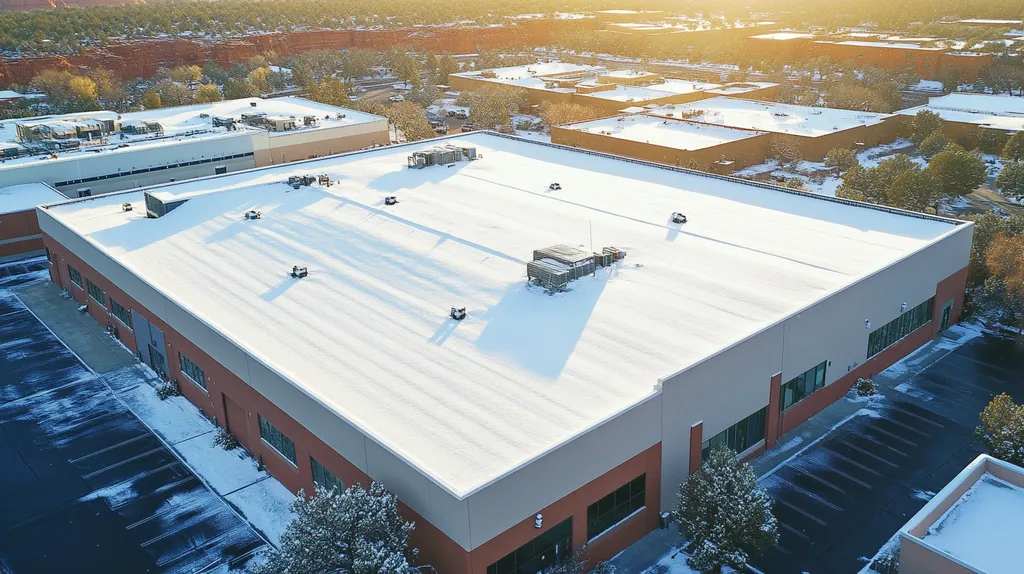
Thermal cycling, which occurs due to temperature fluctuations, can significantly harm roofing systems. The continual expansion and contraction of materials can lead to cracks and eventual failure, especially in facilities experiencing extreme temperature changes.
While reflective coatings help reduce heat absorption during hot months, it’s also important to select products specifically designed to withstand thermal stresses. This consideration will enhance the durability of the roof.
Regular maintenance checks should include assessments for signs of thermal cycling damage. Owners should especially evaluate roofs after severe weather, as this can exacerbate thermal stress. Additionally, incorporating expansion joints into roofing systems can help absorb some of the stress caused by thermal cycling, ultimately extending the lifespan of roofing materials.
Key Action Items
SECTION 5: OPERATIONAL PROCEDURES
In the world of industrial facilities, applying reflective coatings is not just a smart move; it’s crucial for staying ahead of escalating energy costs. Proper application, ongoing maintenance, and smart integration with ventilation systems are key to maximizing the benefits of these coatings. Skipping these operational procedures can negatively impact performance and lead to higher energy bills in the long run.
Application and Installation Guidelines
Applying reflective coatings is a process that demands careful attention to detail. First and foremost, timing is essential; coatings need to be applied in moderate temperatures on clean, dry surfaces for effective adhesion. A poorly prepared substrate can compromise the reflective properties, reducing the energy efficiency of the roof.
Before applying the coating, it’s crucial to thoroughly clean the surface to eliminate dirt, grease, and any residues. A clean surface not only prolongs the life of the coating but also boosts its energy-saving potential. Choosing a coating that is compatible with the existing roofing material enhances durability and ensures peak performance.
Engaging experienced contractors who specialize in reflective coating application can significantly impact results. These professionals should strictly adhere to the manufacturer’s guidelines, particularly regarding application thickness and curing times, to maintain the desired reflective qualities. Regular monitoring of the coating post-application is essential for preserving its integrity and maximizing energy efficiency.
Key Action Items
Maintenance and Inspection Schedules
A well-planned maintenance and inspection schedule is fundamental for extending the life of reflective coatings. Regular inspections should occur at least twice a year, ideally after severe weather events, to catch any damage early on. This proactive approach enhances energy efficiency and protects against costly repairs down the road.
During inspections, facility managers should actively look for any signs of damage such as cracking or peeling, which can compromise the coating’s effectiveness. Keeping up with these checks ensures optimal roof performance and longevity.
Additionally, routine cleaning is necessary for maintaining reflectivity; simple practices like washing the roof surface can yield significant performance benefits. Keeping thorough records of inspections and maintenance actions helps facilitate informed decision-making about future repairs or replacements.
Key Action Items
Ventilation System Integration
Integrating reflective roofs with an efficient ventilation system can magnify energy-saving benefits. Proper ventilation mitigates heat buildup, which further lowers cooling costs during hot months. This combo of reflective surfaces and good airflow can lead to significant energy savings.
When planning a ventilation system, it’s important to consider roof slope and insulation properties. Adequate airflow helps maintain optimal temperatures, enhancing the performance of reflective coatings. However, a poorly designed ventilation system can negate the advantages of reflective roofing.
Routine assessments of the ventilation system are crucial for ensuring everything performs optimally. Upgrading outdated components may further boost energy efficiency. Coordinating ventilation strategies with the application of reflective coatings can culminate in heightened overall energy performance, driving down operational costs.
Key Action Items
SECTION 5: OPERATIONAL PROCEDURES
For industrial facilities, applying reflective coatings is essential to enhance energy efficiency and combat rising energy costs. To achieve the best results, facility managers must prioritize proper application techniques, routine maintenance, and the integration of effective ventilation systems. Overlooking these operational procedures can lead to diminished performance and soaring energy expenses.
Application and Installation Guidelines
Applying reflective coatings involves careful attention to detail. Timing matters greatly; coatings should be applied in moderate temperatures on dry surfaces to ensure optimal adhesion. If the surface is poorly prepared, the reflective properties may suffer, undermining energy efficiency.
Before application, it’s crucial to thoroughly clean the surface to eliminate any dirt, grease, or residues. A clean surface not only enhances the longevity of the coating but also maximizes its energy-saving potential. Additionally, selecting a coating that is compatible with the existing roofing material is vital for achieving the best results.
Employing experienced contractors who specialize in reflective coatings can significantly enhance application effectiveness. These professionals should closely follow manufacturer guidelines regarding application thickness and curing times to ensure the desired reflective qualities are achieved. Post-installation, regular monitoring of the coating will help ensure its integrity and energy efficiency are maintained.
Key Action Items
Maintenance and Inspection Schedules
A comprehensive maintenance and inspection schedule is crucial for prolonging the life of reflective coatings. Regular inspections should be conducted at least twice a year, particularly after severe weather events, to swiftly identify and address any damage or wear.
During inspections, facility managers should actively look for signs of deterioration, such as cracking or peeling, which can compromise the coating’s reflective capabilities. This proactive stance helps maintain peak energy efficiency and extends the lifespan of the roof.
Additionally, routine cleaning is key to preserving reflectivity; simple practices like washing the roof surface with water can help enhance performance. Keeping detailed records of inspections and maintenance activities allows for informed decisions regarding future repairs or replacements, contributing to sustainable facility management.
Key Action Items
Ventilation System Integration
Integrating a reflective roofing system with an efficient ventilation strategy can maximize energy-saving benefits. Proper ventilation mitigates heat buildup, further lowering cooling costs during hot months. This combination of reflective surfaces and optimized airflow provides substantial energy savings.
When designing a ventilation system, it’s essential to consider roof slope and insulation properties. Adequate airflow helps maintain appropriate temperatures within the facility, enhancing the performance of reflective coatings. Conversely, a poorly designed ventilation system can negate the advantages of having reflective roofing.
Routine assessments of the ventilation system are critical for maintaining optimal performance. Upgrading outdated components can further enhance energy efficiency, ensuring the overall systems work harmoniously to maximize benefits and reduce operational costs.
Key Action Items
Looking Ahead
With industrial facilities wasting over $30 billion annually on excessive cooling costs, implementing reflective roof coatings represents one of the most impactful energy efficiency investments available today.
These coatings deliver documented temperature reductions of up to 50°F and cooling cost savings of 20-30% when properly specified and maintained.
Success requires careful attention to performance factors, financial considerations, compliance requirements, and risk management protocols outlined in this guide.
As energy costs continue rising and environmental regulations tighten, facilities that fail to implement reflective coating solutions risk falling behind both operationally and financially.
The time to act is now – before another cooling season passes with preventable energy waste impacting the bottom line.
FREQUENTLY ASKED QUESTIONS
Q. How do reflective coatings reduce heat absorption in commercial roofs?
A. Reflective coatings work by bouncing back sunlight instead of absorbing it, helping to keep the roof cooler. This prevents excessive heat from seeping inside the building, leading to increased energy savings on cooling costs and improving overall indoor comfort. A cooler roof also helps extend the lifespan of roofing materials.
Q. What are the long-term savings potential of reflective coatings on an industrial roof?
A. The long-term savings can be substantial, especially in areas with high temperatures. Reflective coatings can lower cooling costs by 20-30%, leading to thousands saved annually. Over ten years, the savings from reduced energy bills often surpass the initial investment, making them a financially smart choice for facilities.
Q. Are there specific regulations for reflective coatings on commercial roofs?
A. Yes, various regulations exist that dictate the use of reflective materials in roofing. These standards often set minimum solar reflectance and thermal emittance levels that coatings must meet. Compliance can help avoid fines and may even offer financial incentives like rebates and tax benefits for adhering to energy-efficient practices.
Q. What risks do UV rays pose to reflective coatings on industrial roofs?
A. UV rays can degrade reflective coatings, diminishing their effectiveness over time. This not only increases heat absorption but may also necessitate more frequent maintenance or replacement. Choosing UV-resistant coatings and scheduling regular inspections can help mitigate these risks and preserve energy efficiency.
Q. How often should I inspect reflective coatings on my commercial roof?
A. It is recommended to inspect reflective coatings at least twice a year and after severe weather events. Regular checks help catch any signs of damage early, such as cracking or peeling, ensuring the roof maintains its reflective properties and performs effectively.
Q. What role does ventilation play with reflective commercial roofs?
A. Proper ventilation is essential in conjunction with reflective roofs as it helps to mitigate heat buildup. Adequate airflow lowers the overall temperature inside the building, enhancing the benefits of the reflective coating and leading to increased energy savings during the warmer months.
Q. What additional benefits do reflective coatings provide besides energy savings?
A. In addition to saving energy, reflective coatings extend the life of roofing materials by reducing thermal stress and preventing damage from UV exposure. They also contribute to improved indoor climate control, enhance employee comfort, and may positively impact a facility’s environmental footprint.






