
Rising energy costs are forcing commercial property owners to confront an uncomfortable truth: up to 40% of building energy loss occurs through poorly designed roofing systems. With utility expenses increasing by an average of 8% annually, choosing the right energy-efficient roof has never been more critical.
Modern roofing technologies offer solutions that can reduce cooling costs by up to 30% and heating expenses by 25%, while supporting sustainability goals and regulatory compliance.
This comprehensive guide examines the fundamental concepts, system components, and implementation strategies that drive energy efficiency in commercial roofing selections, providing property owners with actionable insights for informed decision-making.
SECTION 1: FUNDAMENTAL CONCEPTS
As energy prices soar and environmental challenges escalate, making the right choice in commercial roofing systems becomes critical. A roof built for energy efficiency not only cuts utility costs but also boosts the sustainability of the entire building. Understanding key concepts around energy efficiency empowers property owners and facility managers to make smarter roofing decisions. This section delves into essential definitions, the interplay between climate and roofing materials, and the regulatory standards that influence energy-efficient choices.
Energy Efficiency Definitions
Energy efficiency means achieving more with less energy. For roofing, this involves minimizing heat absorption, cutting energy waste, and enhancing insulation. Important terms include ‘reflectivity,’ which indicates how well a roof reflects sunlight, and ‘insulation R-value,’ a measure of a material’s resistance to heat flow.
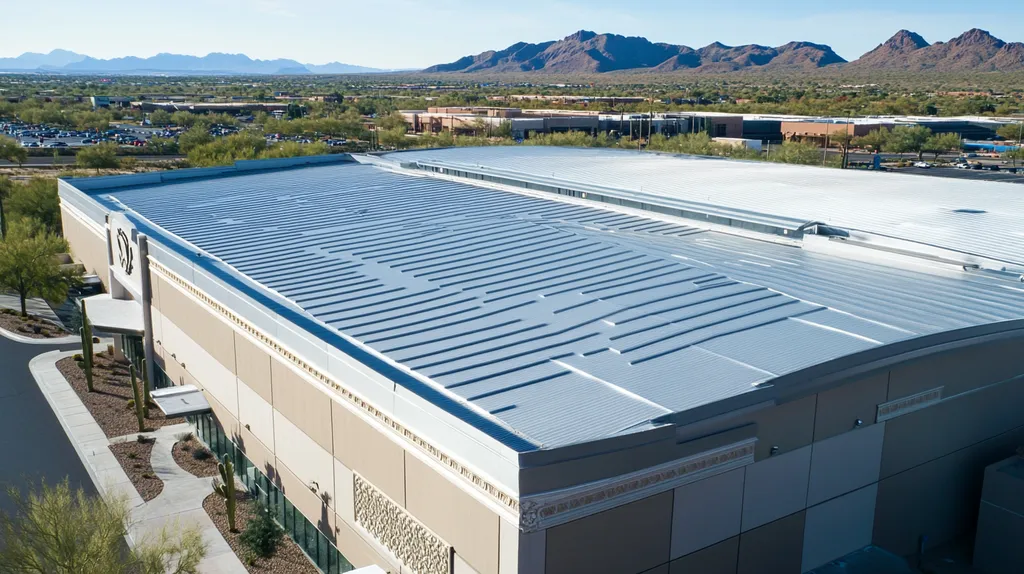
A roof with high reflectivity can lead to substantial savings on cooling costs. For example, a light-colored, reflective membrane roof can bounce back nearly 90% of sunlight, helping keep indoor spaces cooler. This feature is especially valuable in hot climates, where air conditioning expenses can quickly add up.
Furthermore, top-notch insulation contributes significantly to energy savings throughout the year. Effective insulation prevents heat loss during winter months and blocks heat gain in summer, resulting in a more comfortable living or working environment.
By grasping these definitions, property owners gain the knowledge necessary to select roofing systems that enhance energy efficiency and lower operational costs.
Climate and Roofing Interactions
The local climate significantly influences the energy efficiency of roofing systems. For instance, structures in hot, sunny areas benefit from reflective roofing materials, while buildings in colder climates require roofs with robust insulation.
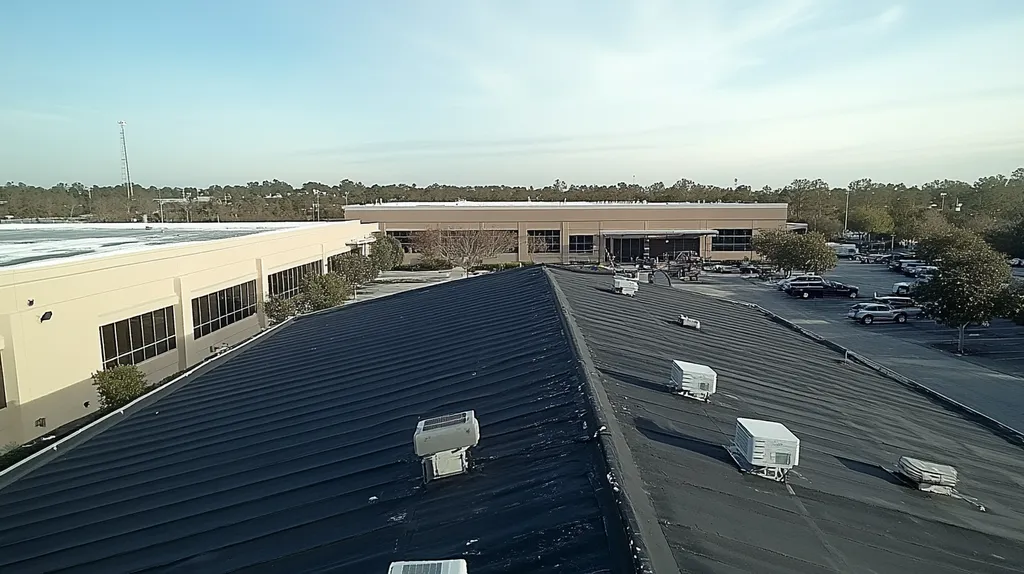
In warmer regions, darker roofs absorb more sunlight, increasing indoor temperatures and driving up cooling costs. Transitioning to lighter colors or utilizing reflective materials can help maintain a comfortable indoor climate while reducing reliance on air conditioning.
On the flip side, in colder areas, excellent insulation is crucial for preventing heat loss and controlling energy bills. A well-insulated roof can translate to considerable savings on heating expenses, an essential factor during severe winter conditions.
By understanding climate patterns, property owners and managers can align their roofing choices with regional requirements, effectively optimizing energy efficiency.
Regulatory Requirements
Energy efficiency standards imposed by local, state, and federal regulations are increasingly shaping the requirements for commercial buildings. These guidelines often detail energy codes that establish minimum reflectivity and insulation values for roofing materials.
For instance, the Energy Efficiency Building Code (EEBC) outlines explicit performance benchmarks aimed at enhancing energy efficiency. Meeting these regulations is not just a legal necessity; it’s also a critical step toward making a property future-ready.
Neglecting to comply with energy efficiency standards can lead to substantial fines and pose challenges when selling or leasing a property. Therefore, building owners must stay updates regarding changing regulations to ensure they remain compliant.
Incorporating regulatory requirements into the decision-making process encourages a proactive stance, ultimately promoting energy sustainability and generating financial savings in the long term.
SECTION 2: SYSTEM COMPONENTS
As energy costs continue to climb and regulations around sustainability become stricter, property owners face pressing decisions in their roofing selections. Choosing the right roofing system is no longer merely about aesthetics or initial costs; it’s about long-term savings and environmental responsibility. The materials selected play a pivotal role in driving down energy consumption, enhancing indoor comfort, and extending the lifespan of roofs. This section explores essential roofing components that foster energy efficiency.
Cool Roofing Materials
Cool roofing materials stand out by reflecting more sunlight and absorbing less heat compared to traditional roofing options. This unique capability helps lower roof temperatures, which can lead to substantial reductions in energy consumption, particularly for cooling systems. For instance, adopting a cool roof can reduce a building’s temperature by as much as 30°F, dramatically lowering air conditioning expenses.
Common choices for cool roofing include white or light-colored membranes, reflective shingles, and specialized tiles. These products are designed to meet specific reflectance and emissivity standards outlined by the Cool Roof Rating Council. Implementing these materials not only helps improve energy efficiency but also enhances tenant comfort within commercial spaces.
Additionally, cool roofs contribute to mitigating urban heat islands, creating a more livable environment. Improvements in air quality and reduced energy demands benefit not only individual buildings but also entire communities, making cool roofing materials an integral aspect of sustainable urban development.
In summary, choosing cool roofing materials is a forward-thinking strategy that significantly impacts energy efficiency, underscoring their importance in modern commercial roofing solutions.
Insulated Roof Panels
Insulated roof panels offer enhanced thermal resistance, working to maintain stable indoor temperatures regardless of external weather conditions. These panels consist of rigid foam insulation situated between two robust layers of metal or other durable materials. This structure not only boosts energy efficiency but also reinforces overall roof strength.
Investing in insulated roof panels can lead to remarkable energy savings, with some properties experiencing reductions of up to 50% in their heating and cooling costs. The superior insulation properties help minimize thermal bridging, ensuring consistency in a building’s energy performance through changing climate conditions.
Furthermore, these panels often come in various design options, allowing property owners to achieve aesthetic appeal without compromising performance. The lightweight design of insulated panels also simplifies installation, which can further lower labor costs.
In conclusion, insulated roof panels deliver significant energy efficiency and structural advantages, making them a smart choice for commercial properties committed to sustainability.
Reflective Coatings and Barriers
Reflective coatings and barriers are vital in boosting the energy efficiency of roofing systems. These coatings can be applied directly over existing roofs, resulting in a reflective surface that minimizes heat absorption. By effectively reflecting sunlight, they can significantly lower roof temperatures and reduce reliance on air conditioning systems.
Research indicates that reflective roof coatings can cut energy costs by as much as 20% in warmer climates. Their effectiveness is particularly pronounced on flat or low-slope roofs, commonly seen in commercial buildings. Property owners have a range of coating materials to choose from, including elastomeric, acrylic, and silicone formulations.
Moreover, applying reflective coatings is a cost-effective way to prolong the lifespan of the existing roofing system, protecting it from harmful UV rays and degrading elements. This can lead to fewer roof replacements and lower maintenance costs over time, resulting in substantial long-term savings.
In summary, reflective coatings and barriers are essential tools for enhancing energy performance in commercial roofing systems, positioning them as indispensable solutions for those aiming for efficiency and sustainability.
SECTION 3: IMPLEMENTATION METHODS
In an era where energy expenses continue to climb and environmental stewardship is increasingly important, selecting the right roofing system can drastically affect both financial and ecological results for commercial and industrial properties. Studies show that energy-efficient roofs can slice energy bills by as much as 30%. This section will walk through the essential steps to implement effective roofing strategies, focusing on conducting energy audits, selecting the right materials, and incorporating solar panel roofing.
Conducting Energy Audits
Energy audits are vital for unveiling inefficiencies in a building’s roof and its overall energy usage. These assessments examine insulation quality, air leaks, and the performance of existing roofing materials. By understanding these elements, facility managers can identify where energy is slipping away and target specific improvements.
Often, energy audits highlight opportunities for better insulation or enhanced reflectivity, which can lead to significant drops in heating and cooling demands. For instance, an audit may reveal inadequate insulation, prompting renovations that reduce heat loss during winter months.
Additionally, the data gathered from energy audits can be instrumental in securing funding for energy efficiency upgrades. Property owners equipped with this information can present strong cases for grants or incentives, ultimately lowering their out-of-pocket expenses.
In summary, regular energy audits not only promote immediate cost savings but also lay a strong foundation for future enhancements. Neglecting this crucial step can result in escalated losses that accumulate quickly over time.
Choosing the Right Roofing Material
Selecting energy-efficient roofing materials is essential for achieving long-term performance and cost savings. Reflective materials, like thermoplastic single-ply membranes, can significantly reduce heat absorption, leading to lower cooling costs, especially in hot climates.
Metal roofs are another excellent option, valued for their durability and energy efficiency. Many of these roofs come coated with reflective paints or finishes, enhancing their energy-saving capabilities by effectively bouncing sunlight away and reducing energy loads.
Furthermore, green roofs are gaining traction for their insulation benefits and stormwater management capabilities. These living roofs, rich with vegetation, provide natural cooling, that can lead to substantial energy savings in the summer months.
Ultimately, the choice of roofing material should align with the specific climate, intended use, and local regulations of the building. Careful evaluation of these factors can guide property owners toward materials that maximize energy efficiency while minimizing maintenance efforts.
Installing Solar Panel Roofing
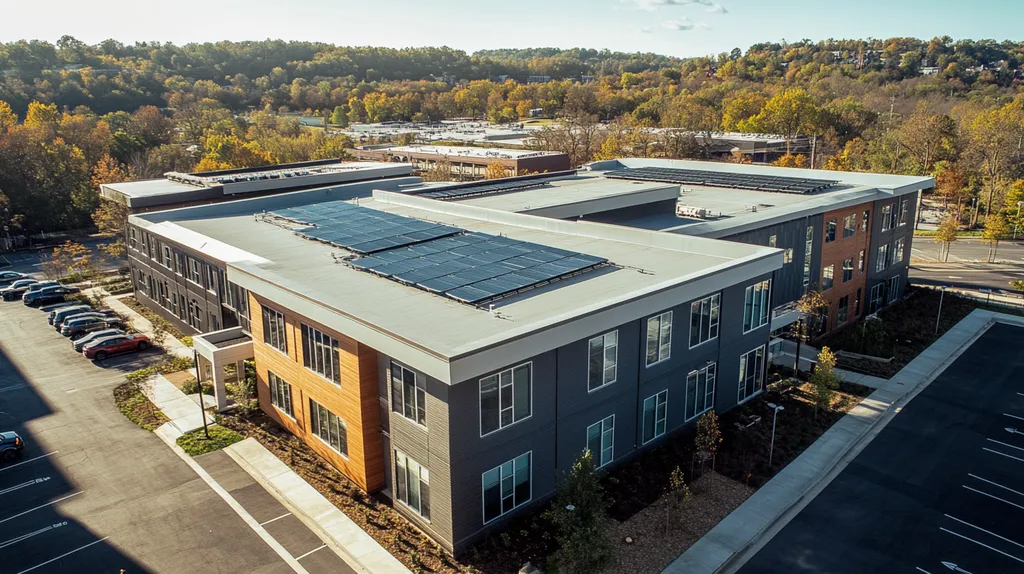
Integrating solar panel roofing represents one of the most transformative steps a property owner can undertake for energy independence. By installing solar arrays directly onto the roof, buildings can convert sunlight into electricity, drastically reducing reliance on conventional energy sources.
This approach not only slashes energy costs but also fulfills sustainability goals, making properties more appealing to environmentally conscious tenants or clients. Increasingly, businesses are eager to showcase their commitment to green initiatives, enhancing their reputations in the process.
Moreover, many regions provide financial incentives for adopting solar panels, such as tax credits or rebates, making the transition more attainable. These offerings can help property owners achieve a quicker return on their investments.
By embracing solar panel roofing, property owners contribute positively to grid reliability, especially during peak energy demand periods. This dual benefit elevates a building’s value while actively supporting broader community efforts toward sustainable energy solutions.
SECTION 4: MAINTENANCE REQUIREMENTS
Maintaining commercial roofing systems is not just a routine task; it is essential for safeguarding your investment and ensuring energy efficiency. Neglecting regular upkeep can lead to significant energy loss, costly repairs, and a shortened roof lifespan. For instance, poorly maintained roofs can contribute to energy inefficiencies of up to 30%. This section explores the critical importance of regular inspections, effective repair strategies, and preventive maintenance techniques to enhance energy efficiency.
Regular Inspection Protocols
Routine inspections are vital for preserving a roof’s energy efficiency. Property owners should implement a bi-annual inspection schedule to catch potential issues before they develop into costly repairs. Inspections should particularly target problem areas such as seams, flashings, and drainage systems that are prone to water accumulation.
Incorporating infrared technology in inspections can help identify heat loss and moisture accumulation that goes unnoticed. This proactive approach enables timely interventions and can notably prolong a roof’s lifespan. Regular inspections often reveal hidden issues that could otherwise lead to significant energy waste if neglected.
Establishing a comprehensive inspection report promotes accountability. Documenting findings allows facility managers to monitor recurring problems and refine maintenance strategies over time. By embedding inspection protocols into facility management processes, an environment of efficiency and care is fostered.
Ultimately, a structured inspection process forms the backbone of energy-efficient roofing systems, paving the way for cost savings and environmental sustainability. With these measures in place, property managers can respond effectively to maintenance needs, ensuring both the building’s integrity and occupant comfort.
Repair and Replacement Strategies
Timely repairs are crucial for maintaining energy efficiency in commercial roofs. Facility managers should prioritize repairs based on their severity and potential impact on energy loss. For example, small leaks, if left unaddressed, can expand into major issues, leading to higher repair costs and increased energy waste.
Incorporating sustainable materials in repair work is also important. For example, using reflective coatings can improve a roof’s ability to repel sunlight, thus reducing heat absorption and lowering cooling costs. This not only addresses the roof’s immediate needs but enhances its long-term energy performance.
When extensive repairs are required, it’s vital to consider whether a complete roof replacement is necessary. Factors like age, condition, and energy efficiency standards should guide this decision. Though investing in a modern, energy-efficient roofing system may appear costly upfront, the long-term savings on energy and maintenance costs are often well worth it.
Additionally, adopting smart technologies for real-time monitoring can facilitate timely repairs. This data-driven approach enables rapid responses to emerging issues, ensuring that energy efficiency is consistently safeguarded throughout the roof’s lifespan.
Preventive Maintenance Techniques
Preventive maintenance is essential for optimizing the performance of commercial roofs. This strategy includes regular cleaning, debris removal, and ensuring that drainage systems operate effectively to prevent water pooling, which can lead to energy loss. Keeping HVAC systems well-maintained in relation to the roof further minimizes unnecessary strain and energy consumption.
Applying reflective roof coatings serves as another effective preventive technique. These coatings enhance energy efficiency by reflecting sunlight while simultaneously protecting the roof from UV degradation. This dual advantage not only reduces cooling costs but can also extend the roofing system’s overall lifespan.
Training maintenance staff on the significance of energy efficiency and roof care can improve upkeep. Knowledge empowers employees to spot potential issues early, enabling proactive management of energy resources. Cultivating a culture of awareness can significantly enhance the maintenance process.
Investing in preventive strategies optimizes overall building performance. It limits energy waste and protects the financial investment in the roofing system, ensuring that roofs remain effective, energy-efficient, and economically sound for years to come.
SECTION 5: PERFORMANCE METRICS
Choosing the right roofing system can have a significant effect on energy costs, indoor comfort, and the overall sustainability of commercial and industrial properties. As energy-efficient roofing becomes more critical, it’s essential for property owners to assess key performance metrics. For example, reflective roofing can yield savings of up to 20% on cooling expenses. This section will delve into the vital aspects that impact the performance of roofing systems, providing a foundation for informed decision-making.
Energy Savings and Cost Analysis
Energy savings represent a crucial performance metric when evaluating commercial roofing options. An efficiently designed roof can significantly reduce energy expenses by enhancing insulation and lowering heat absorption. For instance, a quality TPO (thermoplastic olefin) roof can decrease cooling costs by as much as 25% in hotter climates.
While the initial investment in energy-efficient roofing might be higher, the long-term savings can be substantial. Conducting a comprehensive cost analysis that factors in anticipated energy savings, maintenance expenses, and any available rebates is vital. Property owners should also take into account the longevity of roofing materials, as those with extended lifespans may offer enhanced value over time.
Furthermore, the energy efficiency of a roof directly influences the overall operating budget of a facility. By minimizing energy consumption, property owners can reallocate resources to essential areas, further enhancing operational efficiency. A roofing system with a low solar reflectance index can minimize both energy costs and replacement frequency, yielding significant long-term benefits.
Evaluating energy savings during the roofing selection process not only leads to reduced utility bills but also enhances the overall return on investment. Understanding the financial implications of roofing choices is vital for property owners and facility managers focused on efficiency and sustainability.
Indoor Comfort and Temperature Control
Indoor comfort is a fundamental performance metric that affects employee productivity and satisfaction. An energy-efficient roof stabilizes indoor temperatures, reducing dependence on HVAC systems. The effectiveness of insulation and reflective materials is key to achieving this temperature regulation.
For example, an insulated roof can minimize heat loss during winter and maintain cooler indoor conditions in summer. This results in a more pleasant working environment and can enhance employee productivity. Moreover, consistent indoor temperatures can extend the lifespan of HVAC equipment, supporting overall operational efficiency.
Facilities managers need to account for how roofing impacts heating and cooling loads. A well-designed roofing system can generate significant long-term savings related to temperature control. High thermal performance in roofs can reduce the frequency and costs associated with managing temperature fluctuations.
Ultimately, prioritizing indoor climate through efficient roofing solutions not only elevates comfort levels but also contributes positively to workplace morale and overall efficiency.
Environmental Impact Assessment
In today’s eco-conscious market, the environmental implications of roofing decisions carry considerable weight. Sustainable roofing options can have significant benefits, including lower carbon footprints and increased biodiversity. Roofing materials like recycled metals and green roofs help achieve sustainability objectives while enhancing a building’s environmental performance.
Beyond material selection, proper roof installation and maintenance can minimize leaks and waste, reducing environmental degradation. For example, reflective roofs help lessen the urban heat island effect, lowering ambient temperatures in cities and benefitting local ecosystems.
Conducting an environmental impact assessment is a wise strategy for organizations committed to sustainability. This involves analyzing how different roofing options affect energy usage, emissions, and resource consumption. Properties that prioritize eco-friendly choices often enjoy improved public perception and can take advantage of possible tax incentives.
In summary, evaluating the environmental footprint of roofing selections not only advances corporate social responsibility initiatives but can also yield financial benefits through tax breaks and rebates.
SECTION 5: PERFORMANCE METRICS
Understanding performance metrics in roofing selections is essential for commercial and industrial property owners. The right roofing system can dramatically influence energy costs, indoor comfort, and environmental sustainability. For example, reflective roofing can save buildings up to 20% on cooling expenses. Evaluating these metrics is not just important; it’s vital for making informed decisions that can greatly affect the bottom line. This section will explore key areas that influence the overall performance of roofing systems.
Energy Savings and Cost Analysis
Energy savings serve as a critical performance metric when selecting a commercial roof. A thoughtfully designed roofing system can significantly lower energy expenses by improving insulation and reducing heat absorption. For example, a high-quality TPO (thermoplastic olefin) roof can cut cooling costs by up to 25% in warmer climates.
While the initial investment in energy-efficient roofing may appear substantial, the long-term financial benefits cannot be overlooked. Conducting a thorough cost analysis that considers expected energy savings, maintenance costs, and available rebates is crucial. Additionally, property owners should evaluate the lifespan of the roofing materials, as options with longer durability may yield greater value over time.
Furthermore, a roof’s energy efficiency directly impacts the entire operating budget of a facility. By lowering energy consumption, property owners can redirect resources toward other essential areas, improving the operational efficiency of their buildings. Opting for a roofing system with a low solar reflectance index can extend lifespan and provide significant savings.
Ultimately, assessing energy savings during the roofing selection process not only leads to reduced utility bills but also enhances the overall return on investment. Understanding these financial implications is vital for property owners and facilities managers striving for efficiency.
Indoor Comfort and Temperature Control
Indoor comfort stands as a vital performance metric that directly affects employee productivity and satisfaction. An energy-efficient roof stabilizes indoor temperatures, leading to reduced reliance on HVAC systems. The effectiveness of insulation and reflective materials is key to achieving this temperature regulation.
For instance, a well-insulated roof minimizes heat loss during winter and helps keep interiors cooler in summer. This enhances the work environment, potentially boosting employee productivity while also extending the lifespan of HVAC equipment.
Facilities managers must factor in how roofing influences heating and cooling loads. A carefully evaluated roofing system can yield considerable long-term savings associated with temperature control. High thermal performance in roofs can lessen the frequency and costs related to managing temperature fluctuations.
By prioritizing indoor climate through effective roofing solutions, property owners promote not only workplace comfort but also overall efficiency and morale among employees.
Environmental Impact Assessment
The environmental impact of roofing choices is increasingly significant in today’s eco-conscious market. Sustainable roofing solutions can offer substantial benefits, including reduced carbon footprints and enhanced biodiversity. Materials such as recycled metals and green roofs contribute to sustainability goals while improving a building’s environmental performance.
In addition to material selection, ensuring proper installation and maintenance can mitigate leaks and waste, leading to decreased environmental degradation. For example, reflective roofs can help lessen the urban heat island effect, significantly lowering ambient temperatures in urban areas and benefiting local ecosystems.
Conducting an environmental impact assessment is a wise tactic for organizations committed to sustainability. This process involves analyzing how various roofing options will affect energy consumption, emissions, and resource use. Properties prioritizing sustainable decisions can benefit from improved public perception and potential tax incentives.
In summary, evaluating the environmental footprint of roofing selections not only reinforces corporate social responsibility but can also yield financial benefits through tax breaks and rebates.
Looking Ahead
With commercial buildings accounting for nearly 35% of U.S. energy consumption and energy costs rising 8% annually, the stakes for efficient roofing have never been higher.
Energy-efficient roofing systems represent a critical investment that can reduce cooling costs by up to 30% while supporting crucial environmental initiatives and regulatory compliance.
The integration of advanced materials, smart technologies, and sustainable practices has transformed commercial roofing from a basic building component into a strategic asset for property performance.
As regulations tighten and energy costs continue to climb, property owners who fail to prioritize roofing efficiency risk falling behind competitors while paying increasingly unsustainable operating costs.
The future of commercial roofing lies in systems that balance immediate cost considerations with long-term energy performance, environmental impact, and building sustainability.
FREQUENTLY ASKED QUESTIONS
Q. What are the key concepts of energy efficiency in commercial roofs?
A. Energy efficiency in roofing involves minimizing heat absorption and maximizing insulation. Key concepts include reflectivity, which measures sunlight reflection, and insulation R-value, indicating heat resistance. Understanding these terms helps property owners select roofs that lower energy costs and enhance sustainability.
Q. How do system components affect energy efficiency in industrial roofs?
A. System components like cool roofing materials and insulated panels play crucial roles in energy efficiency. Cool materials reflect sunlight, reducing energy consumption for cooling. Insulated panels enhance thermal resistance, maintaining stable indoor temperatures. Together, these components contribute to significant long-term energy savings.
Q. What steps are necessary for implementing effective energy-efficient roofs?
A. Implementing energy-efficient roofs involves conducting energy audits, selecting suitable materials, and potentially installing solar panels. Audits identify inefficiencies that need attention, while the right materials enhance performance. Combining these steps promotes overall sustainability and significant operational cost reductions.
Q. Why is maintenance critical for commercial roofs’ energy efficiency?
A. Regular maintenance is vital for safeguarding energy efficiency in commercial roofs. It prevents issues like leaks and insulation failure that can cause significant energy loss. Routine inspections and preventative measures can help extend the roof’s lifespan while enhancing performance and comfort inside the building.
Q. How can I assess performance metrics for my commercial roof?
A. Assessing performance metrics involves evaluating energy savings, indoor comfort, and environmental impact. Analyzing cooling costs and indoor climate stability provides insights into effectiveness. Regular monitoring ensures the roofing system meets energy efficiency goals while informing necessary adjustments for continued performance improvement.
Q. What should I know about warranty options for commercial roofing systems?
A. Warranty options for commercial roofing systems vary, addressing materials, workmanship, and energy performance. Understanding the terms and conditions of each warranty is crucial for protecting your investment. Opt for roofs with long-term warranties that cover both materials and labor, ensuring peace of mind and future cost savings.
Q. How do local regulations impact energy-efficient commercial roofs?
A. Local regulations often set minimum standards for energy efficiency in commercial roofs. These can include insulation values and reflectivity requirements. Staying compliant with these regulations not only avoids fines but also promotes sustainability while fostering a more energy-efficient built environment.






