
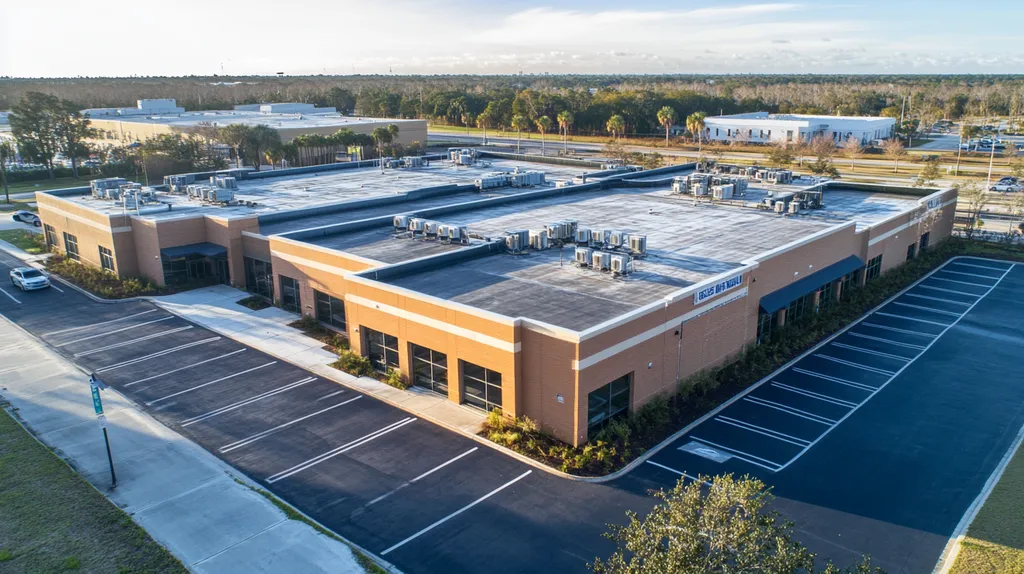
Industrial facilities waste over $30 billion annually on excess cooling costs due to inefficient roofing systems. With energy prices continuing to rise, proper roof coating selection has become a mission-critical decision for facility managers.
Modern coating technologies can reduce roof surface temperatures by up to 100°F while cutting cooling costs by 10-70%. However, choosing and implementing the wrong system can lead to costly failures.
This comprehensive guide examines the science behind energy-efficient roof coatings, exploring everything from fundamental concepts to advanced optimization strategies that maximize both performance and return on investment.
SECTION 1: FUNDAMENTAL CONCEPTS
Rising energy costs and increased focus on environmental impact have made roof coating selection a critical business decision. With commercial buildings consuming nearly 40% of total U.S. energy output, the role of roofing systems in energy efficiency cannot be overlooked. Understanding the science behind roof coatings – particularly their ability to reflect heat and manage thermal transfer – provides facility managers with powerful tools for reducing operating costs while supporting sustainability initiatives.
Principles of Thermal Reflectivity and Emissivity
Thermal reflectivity represents a coating’s ability to bounce solar radiation away from the building surface rather than absorbing it. Modern reflective coatings can reduce roof surface temperatures by up to 100°F compared to traditional dark roofing materials, significantly decreasing heat absorption into the building structure.
Emissivity works in conjunction with reflectivity by determining how effectively a surface releases absorbed heat back into the atmosphere. High-emissivity coatings help roofs quickly shed accumulated heat, preventing it from transferring into the building below.
Together, these properties create a powerful thermal management system. Cool roof coatings can reduce indoor temperatures by up to 30% on hot days while absorbing 80% less heat than traditional dark-colored roofs. (source: American Coatings Association)
The combination of high reflectivity and emissivity helps maintain more stable interior temperatures, reducing the strain on HVAC systems and extending their operational life.
Impact of Roof Coatings on Building Energy Dynamics
Roof coatings fundamentally alter how buildings interact with solar radiation. By reflecting more sunlight and releasing absorbed heat more efficiently, these systems reduce the total thermal load that building cooling systems must manage.
This reduction in heat transfer can generate energy savings between 10-70% depending on building design, climate zone, and coating specifications. For large industrial facilities, this often translates to tens of thousands of dollars in annual utility savings.
The impact extends beyond direct energy costs. Reduced thermal stress on roofing materials extends their lifespan, while lower HVAC usage decreases maintenance requirements and replacement frequency.
Additionally, coated roofs help stabilize interior temperatures, creating more comfortable working environments and reducing thermal-related productivity losses.
Environmental Benefits of Energy-Efficient Roof Coatings
Energy-efficient roof coatings play a crucial role in reducing urban heat island effects. By reflecting rather than absorbing solar radiation, these coatings help lower ambient temperatures in densely developed areas.
The environmental impact multiplies across building clusters. When multiple facilities in an area utilize reflective coatings, the collective reduction in heat absorption can noticeably decrease local temperatures.
Lower energy consumption directly translates to reduced carbon emissions. Buildings with coated roofs typically require less air conditioning, resulting in decreased greenhouse gas emissions from power generation.
These benefits align with increasingly stringent environmental regulations and sustainability goals, helping facilities meet compliance requirements while demonstrating environmental stewardship.
SECTION 2: SYSTEM COMPONENTS
The evolution of roofing technology has made coating selection more critical than ever for industrial facilities. Modern coating systems can dramatically reduce energy consumption while extending roof life, but choosing the wrong system can lead to premature failure and increased operating costs. Understanding the interplay between coatings, substrates, and performance-enhancing additives enables facility managers to make informed decisions that impact both immediate energy costs and long-term maintenance budgets.
Types and Characteristics of Energy-Efficient Coatings
Energy-efficient roof coatings fall into two primary categories: reflective coatings that redirect solar radiation and temperature-adaptive coatings that respond to environmental conditions. The latest temperature-adaptive radiative coatings automatically switch between cooling and warming functions based on outdoor temperatures, enabling energy-free climate control. (source: Lawrence Berkeley National Laboratory)
Traditional reflective coatings include acrylics, which offer excellent UV resistance and easy application, and polyurethanes, known for superior durability and chemical resistance. These coatings can reduce surface temperatures by up to 80°F during peak summer conditions.
Silicone coatings provide exceptional weathering resistance and maintain reflectivity longer than other options. Their moisture-cured technology creates a rubber-like membrane that resists ponding water and extreme temperature fluctuations.
Each coating type offers distinct advantages in terms of application method, cure time, and performance characteristics. The choice depends heavily on climate conditions, roof substrate, and specific energy-efficiency goals.
Compatibility of Coating Systems with Roof Substrates
Substrate compatibility determines both immediate adhesion and long-term performance of energy-efficient coatings. Metal roofs typically require rust-inhibitive primers before coating application, while single-ply membranes need specific adhesion promoters to ensure proper bonding.
Built-up roofing (BUR) and modified bitumen systems demand careful evaluation of surface contamination and existing repairs. These substrates often require extensive cleaning and primer application to achieve optimal coating adhesion.
Concrete deck systems present unique challenges due to their porosity and alkalinity. Proper surface preparation, including moisture testing and pH balancing, proves essential for successful coating application.
The age and condition of the existing roof system significantly impact coating selection. Older roofs may require additional reinforcement or repairs before coating application can proceed effectively.
Additives and Reinforcements for Durability and Reflectivity
Modern coating systems incorporate specialized additives to enhance both energy efficiency and durability. Ceramic microspheres create additional insulating properties while improving coating flexibility and reducing weight.
Infrared-blocking pigments selectively filter solar radiation, allowing visible light reflection while blocking heat-generating infrared rays. These advanced pigments maintain their effectiveness even in darker colors, expanding design options.
Polyester reinforcement fabrics strengthen coating systems at seams, penetrations, and other stress points. This reinforcement proves particularly valuable in areas subject to thermal cycling or mechanical stress.
Biocides and fungicides protect the coating surface from biological growth that could degrade reflective properties. These additives extend coating service life while maintaining energy-efficiency benefits.
SECTION 3: IMPLEMENTATION METHODS
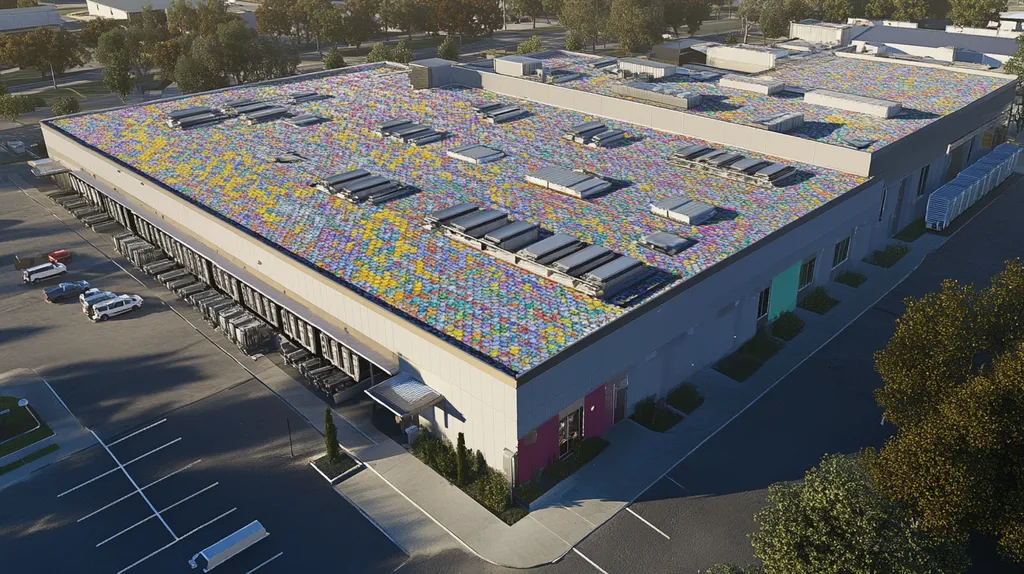
Proper implementation of energy-efficient roof coatings can mean the difference between achieving dramatic cost savings and wasting thousands on ineffective solutions. Even minor application errors can reduce a coating’s effectiveness by up to 50%, virtually eliminating its energy-saving potential. Understanding precise implementation methods isn’t just about following procedures – it’s about protecting your investment and maximizing returns through proper surface preparation, accurate application techniques, and rigorous safety protocols.
Surface Preparation and Application Techniques
Successful coating performance begins with methodical surface preparation. All loose materials, oxidation, and contaminants must be removed through pressure washing, scraping, or chemical cleaning to create an optimal bonding surface.
Moisture testing is essential before application begins. Even trace amounts of trapped moisture can create blisters and delamination, compromising the coating’s reflective properties and insulating capability.
Application timing must align with ideal weather conditions. Coating materials should only be applied when surface and ambient temperatures fall within manufacturer specifications, typically between 50-90°F with relative humidity below 85%.
Proper application equipment selection dramatically impacts coating uniformity. Airless sprayers typically provide the most consistent coverage for large areas, while brushes and rollers ensure complete coverage around details and penetrations.
Layering and Thickness Requirements for Optimal Performance
Each coating layer serves a specific purpose in the system’s overall performance. Base coats provide adhesion and corrosion resistance, while finish coats deliver reflectivity and weather resistance.
Wet film thickness must be carefully monitored during application. Too thin, and the coating won’t provide adequate protection; too thick, and it may crack or separate from the substrate.
Multiple thin coats generally perform better than a single thick application. This approach allows proper curing between layers and helps eliminate pinholes or voids that could compromise energy efficiency.
Regular thickness measurements using wet film gauges during application ensure consistent coverage. Final dry film thickness should be verified using non-destructive testing methods to confirm specification compliance.
Safety and Environmental Considerations During Installation
Worker safety requires comprehensive fall protection systems including guardrails, warning lines, and personal fall arrest equipment. All access points must be clearly marked and protected during coating operations.
Ventilation requirements vary by coating type. Solvent-based systems demand mechanical ventilation and respiratory protection, while water-based coatings may require only basic PPE.
Environmental protection measures must address overspray and runoff concerns. Containment systems should collect all cleaning residues and coating waste for proper disposal.
Weather monitoring becomes crucial during application. Wind speeds above 15 mph can create overspray issues, while approaching storms can compromise coating adhesion and performance.
SECTION 4: MAINTENANCE REQUIREMENTS
Maintaining energy-efficient roof coatings represents a critical investment protection strategy. Without proper maintenance, even the most advanced coating systems can degrade rapidly, leading to compromised performance and skyrocketing energy costs. Studies show that degraded coatings can lose up to 50% of their reflective properties within two years if not properly maintained, dramatically reducing their energy-saving potential.
Inspection Protocols for Energy-Efficient Coatings
Effective inspection programs follow a systematic approach, combining visual assessment with advanced diagnostic tools. Regular evaluations should occur at minimum twice annually, with additional inspections following severe weather events.
Key inspection points include coating adhesion, surface degradation, and damage to transition areas like flashings and penetrations. These vulnerable zones often show the first signs of performance deterioration.
Modern inspection techniques incorporate infrared scanning to identify areas of compromised thermal performance. This technology can detect hidden moisture infiltration and insulation gaps that reduce energy efficiency.
Documentation through detailed photos and thermal imaging creates a performance baseline for tracking coating degradation over time. This data helps optimize maintenance scheduling and validates energy-saving performance.
Common Degradation Mechanisms and Repair Methods
Roofs with cool coatings typically perform 50-70% better than uncoated surfaces in terms of heat reduction and energy savings. However, these benefits diminish significantly when coating integrity becomes compromised. (source: American Coatings Association)
Physical damage from foot traffic, equipment service, or debris impact requires immediate attention. Small breaches can quickly expand due to thermal cycling and moisture infiltration.
UV exposure and chemical contamination gradually reduce coating reflectivity. Regular cleaning and selective recoating of degraded areas help maintain optimal performance.
Moisture-related issues demand particular attention, as water infiltration can separate coating layers and create widespread failure. Proper drainage maintenance prevents ponding water that accelerates deterioration.
Scheduling Preventive Maintenance to Sustain Efficiency
Preventive maintenance schedules should align with seasonal challenges. Spring inspections identify winter damage, while fall maintenance prepares the roof system for cold weather stress.
Regular surface cleaning removes accumulated dirt and biological growth that can reduce reflective properties by up to 30%. High-pressure washing requires careful technique to avoid coating damage.
Recoating schedules depend on exposure conditions and coating type. Most systems benefit from selective recoating every 5-7 years, with full recoating typically needed after 10-12 years.
Maintenance planning should factor in equipment access requirements and facility operations. Coordinating roof work with other building maintenance minimizes disruption while maximizing efficiency.
SECTION 5: PERFORMANCE METRICS
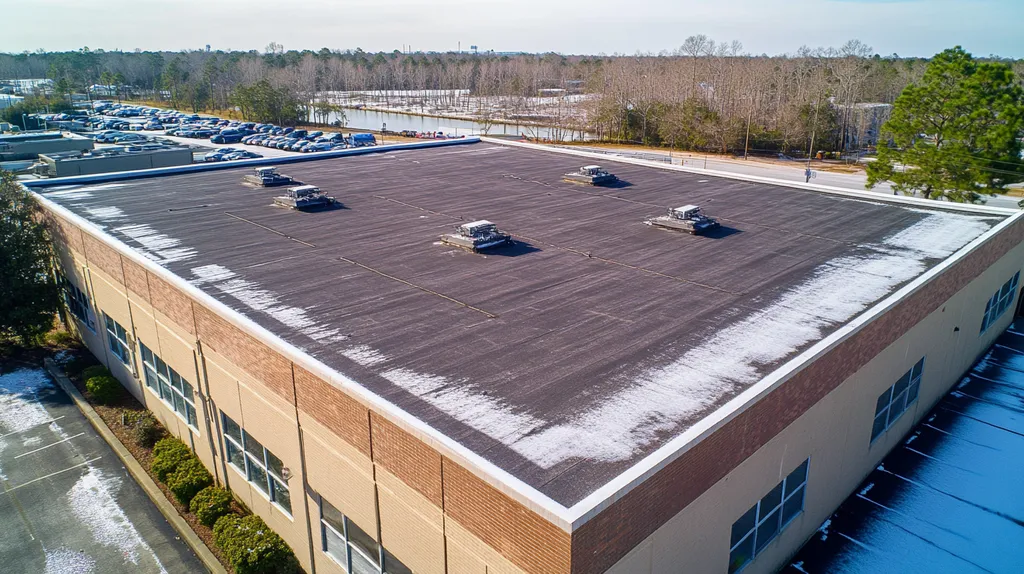
Understanding roofing performance metrics isn’t just about numbers – it directly impacts a facility’s bottom line through energy costs, maintenance expenses, and system longevity. Without proper metrics-based evaluation, facilities risk installing ineffective coating systems that fail to deliver promised energy savings. Modern coating technologies can reduce roof surface temperatures by up to 100°F compared to traditional materials, leading to energy savings between 10-70%. Making informed decisions requires grasping key performance indicators: reflectivity, thermal emittance, and weather resistance.
Reflectivity and Solar Reflectance Index (SRI) Standards
Solar reflectivity measures a coating’s ability to redirect solar radiation away from the building envelope. Higher reflectivity values translate directly to reduced cooling loads and lower HVAC operating costs.
The Solar Reflectance Index (SRI) combines reflectivity measurements with thermal emittance data to provide a comprehensive performance score. This standardized rating system enables direct comparison between different coating options.
Current building codes increasingly specify minimum SRI values for commercial roofing systems. Meeting or exceeding these requirements ensures compliance while maximizing energy efficiency benefits.
Regular testing of coating reflectivity helps track performance degradation over time. This data drives maintenance scheduling and helps determine optimal recoating intervals.
Thermal Emittance and Energy Savings Calculations
Thermal emittance quantifies how effectively a coating releases absorbed heat back into the atmosphere. Higher emittance values prevent heat buildup within the roofing system and underlying structure.
Roofs with cool roof coatings demonstrate energy savings of up to 70% compared to traditional dark surfaces, with commercial buildings achieving up to 25% reduction in annual air conditioning energy use. (source: American Coatings Association)
Energy savings calculations must account for local climate conditions, building usage patterns, and existing insulation values. These factors significantly impact the potential return on investment for coating installations.
Monitoring energy consumption before and after coating application provides concrete validation of system performance. This data helps justify future coating investments and optimize maintenance budgets.
Longevity and Weather Resistance Testing Criteria
Weather resistance testing evaluates coating performance under accelerated aging conditions. Standard test protocols measure resistance to UV exposure, thermal cycling, and moisture penetration.
Impact resistance testing ensures coatings can withstand typical maintenance traffic and environmental stresses. This data helps predict long-term durability in real-world conditions.
Adhesion testing verifies proper bonding between coating layers and substrates. Strong adhesion prevents delamination and maintains system integrity throughout the service life.
Chemical resistance becomes particularly important in industrial environments. Testing against specific contaminants ensures coating stability under facility-specific conditions.
SECTION 6: OPTIMIZATION STRATEGIES
Optimizing energy-efficient roof coatings represents a critical opportunity for facility managers to dramatically reduce operational costs while extending system lifespan. Studies show that improperly optimized coating systems waste up to 40% of their potential energy savings through misaligned building systems and missed incentive opportunities. By implementing comprehensive optimization strategies, facilities can maximize both performance benefits and financial returns while contributing to broader sustainability goals.
Integration with Building HVAC and Energy Management Systems
Successful coating optimization requires careful coordination between roofing systems and building mechanical equipment. When properly integrated, reflective coatings can reduce peak cooling loads by up to 25%, allowing HVAC systems to operate more efficiently.
Building automation systems should be recalibrated to account for reduced thermal loads after coating installation. This includes adjusting temperature setpoints, modifying operating schedules, and optimizing economizer cycles.
Energy management platforms can track and verify coating performance through real-time monitoring of interior temperatures and HVAC energy consumption. This data helps validate energy savings while identifying opportunities for further optimization.
Regular coordination between roofing and mechanical contractors ensures coating systems continue working in harmony with building systems throughout their service life.
Use of Cool Roof Technologies in Urban Heat Island Mitigation
Cool roofs can lower surface temperatures by up to 50°F compared to traditional dark roofs, significantly reducing heat transfer into buildings. This temperature reduction helps decrease cooling energy demand while improving indoor comfort. (source: ENERGY STAR)
Large-scale adoption of reflective coatings across multiple facilities compounds these benefits through cumulative cooling effects. Industrial parks and commercial districts can achieve meaningful reductions in ambient temperatures through coordinated implementation.
Strategic placement of reflective coatings on buildings near outdoor HVAC equipment provides additional efficiency gains. Lower ambient temperatures around cooling towers and condensing units improve system performance.
Cool roof technologies also help protect sensitive equipment and inventory by maintaining more stable interior temperatures during extreme heat events.
Leveraging Tax Incentives and Rebates for Energy-Efficient Coatings
Federal, state and local incentive programs can offset 20-50% of coating installation costs through tax deductions, rebates and grants. Understanding available programs helps maximize financial returns while accelerating project payback periods.
Utility companies frequently offer custom incentives for large-scale coating projects that demonstrate substantial energy savings. Working directly with utility representatives during project planning helps identify and secure these opportunities.
Documentation requirements vary between programs but typically include pre- and post-installation energy monitoring. Maintaining detailed records of coating specifications, application procedures and performance metrics supports incentive qualification.
Many jurisdictions offer expedited permitting and reduced fees for projects incorporating energy-efficient coating systems. These administrative benefits can accelerate project timelines while reducing soft costs.
The Bottom Line
With commercial buildings wasting over $30 billion annually on excess cooling costs, the adoption of energy-efficient roof coatings has become a critical business imperative.
Modern coating technologies deliver documented energy savings of 10-70% while extending roof life by up to 15 years.
Success requires careful attention to coating selection, proper installation methods, regular maintenance, and system optimization through integration with building management systems.
Facilities that leverage available incentive programs while following industry best practices for implementation and maintenance position themselves to maximize both performance benefits and financial returns.
The future of industrial roofing clearly points toward these high-performance coating solutions as energy costs continue rising and environmental regulations become increasingly stringent.
FREQUENTLY ASKED QUESTIONS
Q. How do coatings improve energy efficiency for commercial roofs?
A. Coatings enhance energy efficiency by reflecting solar radiation and managing heat. This reduces indoor temperatures and lowers cooling costs, ultimately leading to savings in energy consumption and maintenance costs.
Q. What types of coatings are best for industrial roofs?
A. The best types of coatings for industrial roofs include reflective and temperature-adaptive coatings. Reflective coatings redirect sunlight, while temperature-adaptive coatings adjust to environmental conditions for optimal energy efficiency.
Q. Why is surface preparation crucial for coating industrial roofs?
A. Surface preparation ensures proper adhesion of the coating, enhancing its effectiveness. Removing contaminants and conducting moisture tests prevent future issues, maximizing the coating’s energy-saving potential and longevity.
Q. How can I maintain energy-efficient coatings on my roof?
A. Regular inspections and maintenance, including cleaning and recoating, are essential. Addressing any physical damage promptly helps preserve the coating’s reflective properties and overall energy efficiency, reducing operational costs over time.
Q. What performance metrics should I track for my roof coatings?
A. Key metrics include reflectivity, thermal emittance, and weather resistance. Monitoring these indicators helps assess the coating’s effectiveness, ensure compliance, and inform future maintenance and intervention strategies.
Q. How can I optimize energy-efficient coatings with my HVAC systems?
A. Integration with HVAC and energy management systems allows for better energy control. Coordinating coating installation with these systems can significantly enhance cooling efficiency, optimizing energy savings across the facility.
Q. What incentives are available for energy-efficient coatings?
A. Various federal, state, and local programs offer tax deductions, rebates, and grants for energy-efficient coating installations. Understanding your options can significantly offset costs and improve project viability while contributing to sustainability goals.






