

Welcome to today’s Battle Royale featuring two roofing heavyweights: “TPO” in the east corner versus “PVC” in the west!
Tonight’s showdown pits these contenders against each other across six punishing rounds designed to test every aspect of their performance for commercial roof energy efficiency.
At stake? Millions in potential costs, decades of building protection, and the critical performance demands of modern commercial and industrial facilities.
Our professional judging panel will evaluate each round on technical merit, real-world performance, and value delivery. After all six rounds, we’ll declare our ultimate champion.
Ladies and gentlemen, facility managers and building owners… it’s time to rumble!
ROUND 1: INITIAL COSTS & INSTALLATION
In today’s volatile economic climate, selecting the right commercial roofing system can mean the difference between optimal energy efficiency and years of excessive operating costs. The initial investment in TPO or PVC roofing systems represents a critical decision point that impacts both immediate budgets and long-term facility performance.
Material Expenses
The cost disparity between TPO and PVC roofing materials directly affects project feasibility and return on investment calculations. TPO typically costs between $3.00-5.00 per square foot for materials, making it an attractive option for budget-conscious property owners.
PVC roofing materials command a premium price point of $4.50-6.50 per square foot, reflecting enhanced chemical and fire resistance capabilities that prove valuable in specialized commercial environments. (source: BuildingGreen)
For standard commercial applications where chemical resistance isn’t a primary concern, TPO’s lower material costs present a clear ADVANTAGE.
Installation Complexity
Installation procedures significantly impact both project timelines and total costs. TPO membranes feature user-friendly installation characteristics, requiring standard roofing expertise and commonly available tools.
PVC installation demands specialized training and equipment, particularly for proper seam welding and detail work. This higher skill requirement often translates to increased labor costs and potential contractor availability limitations.
The straightforward nature of TPO installation gives it the ADVANTAGE in this category.
Project Timeline
Project duration affects both facility operations and the timeline for realizing energy efficiency benefits. TPO installations typically progress efficiently due to simpler handling characteristics and fewer specialized procedures.
PVC installations generally require more time due to precise seam welding requirements and detailed quality control measures. This extended timeline can impact facility operations and delay the onset of energy-saving benefits.
TPO’s faster completion schedule earns it the ADVANTAGE for project timeline considerations.
ROUND 1 WINNER: TPO
ROUND 2: DURABILITY & LIFESPAN
When evaluating commercial roofing systems, durability and lifespan directly impact a facility’s bottom line through maintenance costs, replacement intervals, and energy efficiency performance over time. As roofing materials age, their protective and reflective properties can degrade, leading to increased cooling costs and potential structural issues that demand immediate attention.
Material Composition and Performance
TPO roofing membranes combine polypropylene and ethylene-propylene rubber to create a durable, weather-resistant surface. These materials typically maintain their structural integrity for 15-20 years under normal conditions, though performance can vary between manufacturers.
PVC roofing systems utilize polyvinyl chloride reinforced with internal fabric layers, creating exceptional resistance to tears, punctures, and chemical exposure. This composition allows PVC roofs to maintain their protective properties for 20-30 years or longer.
The Cool Roof Rating Council tests show that while both materials start with similar reflectivity ratings, PVC maintains its reflective properties longer under weathering conditions. (source: Cool California ARB)
PVC’s superior long-term performance gives it the ADVANTAGE in material composition.
Environmental Resistance
TPO roofing demonstrates good resistance to UV radiation and common environmental pollutants initially. However, prolonged exposure to extreme temperatures can accelerate membrane degradation, potentially leading to premature aging and reduced performance.
PVC roofing excels in harsh environments, maintaining its protective properties despite exposure to industrial chemicals, high temperatures, and severe weather conditions. Its molecular structure provides superior resistance to degradation from UV exposure and environmental contaminants.
For environmental resistance, PVC claims the ADVANTAGE due to its exceptional chemical stability and weather resistance.
Maintenance Requirements
TPO roofing systems require regular inspection and maintenance to ensure seam integrity and address potential degradation issues. Early intervention is crucial to prevent minor issues from developing into significant problems that could compromise the roof’s performance.
PVC roofing demands less frequent maintenance due to its inherent durability and superior seam strength. When repairs are needed, PVC membranes can be effectively repaired throughout their service life, even after years of environmental exposure.
The lower maintenance burden and easier repair characteristics give PVC the ADVANTAGE in this category.
ROUND 2 WINNER: PVC
ROUND 3: PERFORMANCE FACTORS
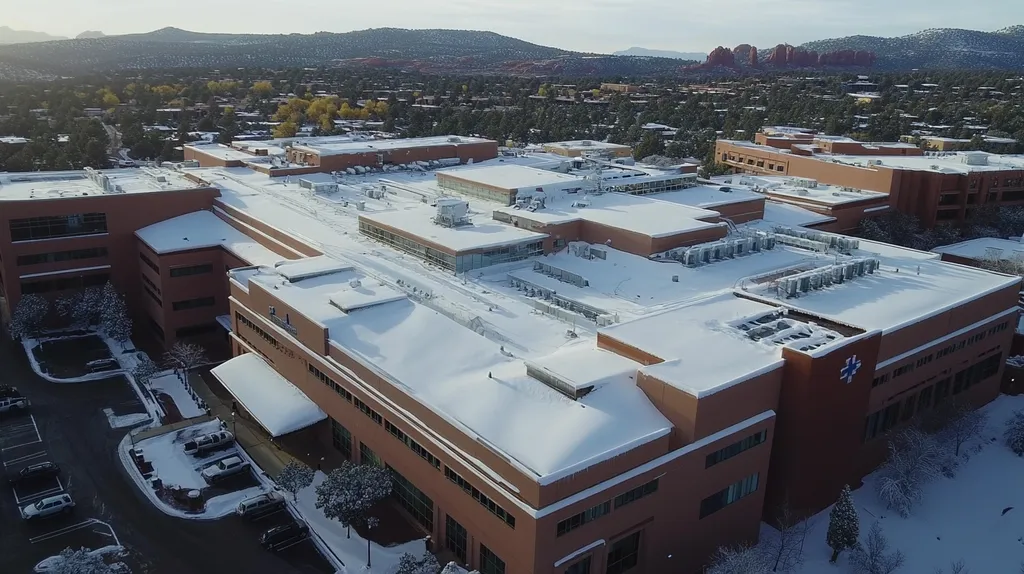
Energy efficiency in commercial roofing directly impacts a facility’s operational costs, with poor performing systems potentially adding thousands to monthly utility bills. As buildings account for nearly 40% of energy consumption in developed nations, the choice between TPO and PVC roofing materials can significantly affect both environmental impact and financial performance.
Reflectivity Levels
Solar reflectance capabilities determine how effectively a roofing system can reduce cooling loads and energy consumption. Higher reflectivity translates directly to lower HVAC costs and improved indoor comfort.
TPO roofing systems typically achieve initial solar reflectance ratings above 0.85, maintaining strong performance even after years of weathering. This exceptional reflectivity helps facilities maintain consistent indoor temperatures while minimizing air conditioning demands.
PVC roofing materials demonstrate good initial reflectivity, usually ranging between 0.80-0.85. However, their reflective properties may degrade more quickly over time compared to TPO, particularly in areas with high UV exposure.
Low-sloped commercial roofs must maintain minimum three-year aged solar reflectance of 0.55 and thermal emittance of 0.75 to comply with energy efficiency standards. Both materials can meet these requirements, though TPO typically maintains higher values over time. (source: Cool Roof Rating Council)
For overall reflectivity performance, TPO claims the ADVANTAGE.
Thermal Performance
A roof’s ability to manage heat transfer affects both summer cooling and winter heating costs. Superior thermal performance reduces temperature fluctuations and ensures consistent climate control throughout the building.
TPO roofing systems feature excellent thermal resistance properties, particularly when paired with proper insulation. The material’s molecular structure helps maintain stable temperatures across the roof surface.
PVC roofing demonstrates comparable thermal performance but often requires additional insulation layers to match TPO’s effectiveness. This can increase installation complexity and material costs.
With better inherent thermal properties, TPO earns the ADVANTAGE in this category.
Energy Impact
The total energy impact of a roofing system encompasses both direct temperature management and indirect effects on HVAC efficiency. These factors combine to determine the roof’s contribution to overall building energy consumption.
TPO roofing’s combination of high reflectivity and thermal performance typically reduces cooling costs by 25-35% compared to traditional roofing materials. The system maintains its energy-saving properties with minimal maintenance requirements.
PVC roofing delivers strong energy savings as well, though slightly lower than TPO in most applications. Its performance can be enhanced through additional insulation, but this increases both cost and complexity.
TPO’s superior overall energy performance earns it the ADVANTAGE.
ROUND 3 WINNER: TPO
ROUND 4: MAINTENANCE REQUIREMENTS
Maintenance requirements for commercial roofing systems directly impact both short-term energy efficiency and long-term facility costs. Poor maintenance practices can reduce a roof’s reflective properties by up to 35% within the first three years, leading to dramatically increased cooling costs and shortened system lifespan.
Understanding the specific maintenance demands of TPO and PVC systems allows facility managers to properly allocate resources and maintain optimal energy performance throughout the roof’s service life.
Regular Inspection Requirements
TPO roofing systems demand quarterly inspections to maintain optimal energy performance. These inspections focus on seam integrity, surface cleanliness, and membrane condition to prevent efficiency-reducing degradation.
Maintaining TPO roofs typically requires basic cleaning equipment and standard maintenance protocols. Most issues can be addressed through simple washing procedures and minor repairs, keeping maintenance costs manageable.
PVC roofing requires semi-annual professional inspections to ensure maximum performance. These evaluations must be more thorough due to PVC’s complex chemical composition and specialized repair requirements.
The simpler maintenance protocol gives TPO the ADVANTAGE in this category.
Repair Complexity
TPO repairs can usually be completed by in-house maintenance teams with basic training. The material’s weldability remains consistent throughout its lifespan, allowing for effective repairs even years after installation.
Common TPO repairs include seam reinforcement, puncture patching, and membrane cleaning. These procedures require minimal specialized equipment and can typically be completed within standard maintenance windows.
PVC repairs demand specialized knowledge and equipment due to the material’s unique chemical properties. Even minor repairs often require professional contractors, increasing both cost and facility disruption.
TPO’s easier repair process earns it the ADVANTAGE.
Long-term Performance Impact
Both TPO and PVC roofing materials require proper maintenance to maintain their energy-efficient properties. Regular cleaning and prompt repairs help preserve reflectivity levels that comply with energy codes and maximize utility savings. (source: Cool Roof Rating Council)
TPO roofing tends to maintain its energy efficiency characteristics with basic maintenance protocols. The material’s simpler composition means fewer potential failure points that could impact performance.
PVC systems demonstrate excellent durability but require more intensive maintenance to preserve their energy-saving properties. While the material is highly resistant to environmental factors, its maintenance needs are more complex.
The lower maintenance burden gives TPO the ADVANTAGE in maintaining long-term performance.
ROUND 4 WINNER: TPO
ROUND 5: SUSTAINABILITY CREDENTIALS
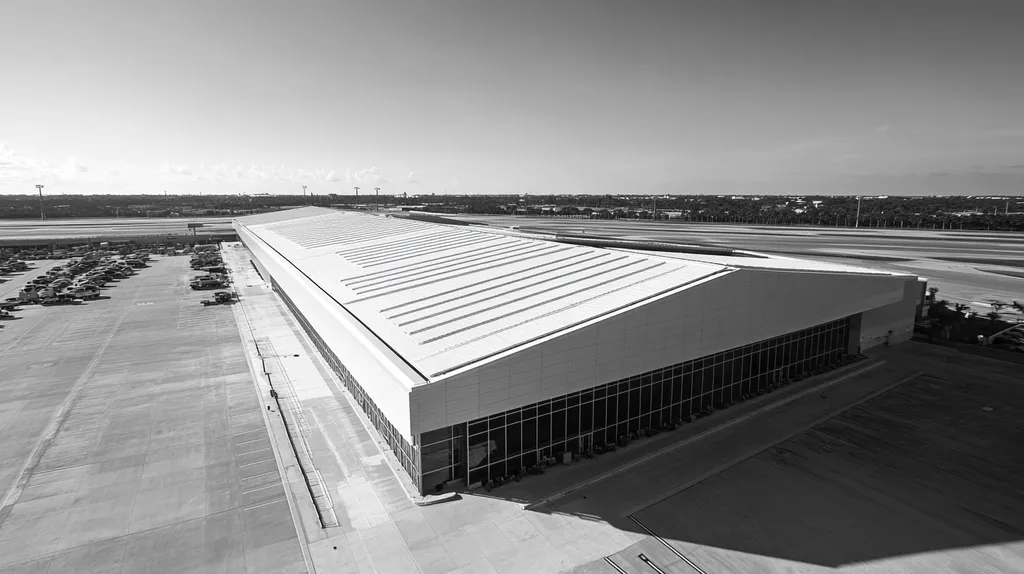
As energy costs continue to rise and environmental regulations tighten, commercial property owners face mounting pressure to maximize roofing system sustainability. Poor material choices can result in excessive energy consumption, increased carbon footprints, and potential non-compliance with evolving environmental standards.
Understanding how TPO and PVC roofing materials contribute to building sustainability has become crucial for facility managers seeking to balance environmental responsibility with operational efficiency.
Reflectivity Standards Compliance
TPO roofing systems consistently achieve initial solar reflectance ratings above 0.85, surpassing ENERGY STAR requirements by a significant margin. This exceptional reflectivity helps reduce cooling loads and minimize urban heat island effects.
PVC roofing demonstrates strong initial reflectivity between 0.80-0.85 but may experience more rapid degradation in intense UV exposure. Modern PVC formulations have improved this performance, though they still generally lag behind TPO.
TPO roofs must maintain minimum initial solar reflectance of 0.25 and aged reflectance of 0.15 after three years to qualify for ENERGY STAR certification. Both materials exceed these requirements, though TPO maintains higher values over time. (source: ENERGY STAR Roof Products Program)
TPO’s superior reflectivity performance gives it the ADVANTAGE in this category.
Environmental Impact
TPO manufacturing processes generally require less energy and produce fewer emissions compared to PVC production. The material contains no chlorine-based chemicals and generates minimal toxic byproducts during fabrication.
PVC production involves more complex chemical processes and higher energy consumption. However, modern manufacturing methods have significantly reduced environmental impacts through closed-loop systems and improved efficiency.
While both materials have made sustainability strides, TPO’s cleaner production process earns it the ADVANTAGE.
End-of-Life Management
TPO roofing materials can be recycled, though current infrastructure limitations make this process challenging. Most TPO membranes end up in landfills despite their theoretical recyclability.
PVC roofing benefits from well-established recycling programs and can be processed into new roofing materials or other products. Many manufacturers offer take-back programs that ensure proper recycling of old PVC membranes.
PVC’s superior recycling capabilities and established recovery programs give it the clear ADVANTAGE.
ROUND 5 RESULTS: TIE
ROUND 6: SPECIALIZED APPLICATIONS
In specialized commercial and industrial environments, roofing material selection can dramatically impact both energy efficiency and operational costs. The wrong choice can lead to premature system failure, compromised building performance, and significant energy waste. Understanding how TPO and PVC perform in demanding applications has become crucial as facilities face increasing pressure to optimize energy consumption while maintaining operational integrity.
Severe Weather Resilience
In extreme climate zones, roofing materials must maintain their energy-efficient properties while withstanding intense environmental stresses. This dual requirement makes material selection particularly critical for long-term performance.
TPO roofing demonstrates excellent flexibility across temperature extremes, helping maintain its reflective properties even during severe thermal cycling. The material’s molecular structure allows it to expand and contract without compromising its energy-efficient characteristics.
PVC roofing excels in high-wind environments and shows superior resistance to water penetration during severe storms. However, its reflective properties can degrade more quickly under extreme UV exposure and temperature fluctuations.
TPO’s superior thermal stability and maintained reflectivity gives it the ADVANTAGE in this category.
Industrial Environments
Industrial facilities present unique challenges where energy efficiency must coexist with exposure to chemicals, emissions, and other harsh operating conditions. Initial material costs and ease of installation often make TPO an attractive choice for commercial roofing projects focusing on tight budgets and shorter timelines.
PVC roofing demonstrates exceptional resistance to industrial chemicals and pollutants while maintaining its energy-efficient properties. Its higher initial costs are offset by superior durability and chemical resistance benefits in these demanding environments. (source: Commercial Roofing Report)
PVC’s superior chemical resistance while maintaining energy performance gives it the ADVANTAGE in industrial settings.
High-Traffic Applications
Commercial roofs often serve as platforms for HVAC equipment and require regular maintenance access. This foot traffic can impact the roof’s energy-efficient properties if the material degrades under repeated stress.
TPO roofing provides good puncture resistance but may show accelerated wear patterns in high-traffic areas. These worn sections can compromise the roof’s overall energy performance by reducing reflectivity and thermal resistance.
PVC roofing maintains its protective and energy-efficient properties even under heavy foot traffic. Its superior mechanical strength helps preserve reflective surfaces and insulation integrity in frequently accessed areas.
PVC’s durability under repeated stress gives it the ADVANTAGE for high-traffic applications.
ROUND 6 WINNER: PVC
AND THE WINNER IS…
After six grueling rounds of technical evaluation, we have our verdict…
Ladies and gentlemen, in a split decision victory with commanding performances in Rounds 1, 3, and 4, the winner of this energy efficiency showdown is… TPO ROOFING!
TPO dominated with its combination of cost-effectiveness, stellar initial reflectivity ratings, and easier maintenance requirements. Its performance in standard commercial applications proved tough to beat, especially when budget considerations enter the ring.
But don’t count PVC out! This seasoned veteran showed its worth in Rounds 2 and 6, demonstrating superior durability and specialized application performance. For industrial facilities facing chemical exposure or buildings requiring maximum lifespan, PVC remains the heavyweight champion.
*Important Ringside Notice*
Every building brings unique requirements to the match. Local climate conditions, specific facility demands, and regional regulations can all impact performance outcomes. This analysis provides general guidance but cannot account for all variables. Always consult qualified roofing professionals who can evaluate your specific situation before making your final selection.
Remember, champions: In the high-stakes arena of commercial roofing, victory doesn’t come from choosing the crowd favorite – it comes from matching your facility’s specific needs with the right contender’s strengths. Choose wisely, and may the best roof win!
FREQUENTLY ASKED QUESTIONS
Q. What are the initial costs for a commercial roof installation?
A. The material costs for TPO roofing typically range from $3.00 to $5.00 per square foot. In contrast, PVC roofing costs between $4.50 and $6.50 per square foot, reflecting its enhanced chemical resistance. The choice between materials impacts not only immediate budgets but also long-term operational costs, as TPO offers a more budget-friendly option.
Q. How does durability affect industrial roof choices?
A. Durability is crucial for industrial roofing systems, as materials must withstand harsh environments. TPO membranes typically last 15-20 years, while PVC roofs have a lifespan of 20-30 years. PVC’s superior resistance to punctures and chemicals makes it ideal for specialized industrial applications where longevity and reliability are paramount.
Q. What are the energy efficiency performance factors for commercial roofs?
A. Energy efficiency largely hinges on a roof’s reflectivity and thermal performance. TPO typically achieves higher reflectivity ratings than PVC, leading to lower cooling costs. Additionally, the thermal properties of TPO can help stabilize indoor temperatures, providing significant long-term energy savings compared to both traditional and PVC roofing options.
Q. How often should I inspect a commercial roof?
A. TPO roofing systems should be inspected quarterly, focusing on seam integrity and surface conditions. PVC membranes require semi-annual inspections due to their complex makeup. Regular inspections are essential for maintaining energy efficiency and prolonging the roof’s lifespan, ensuring that any issues are addressed promptly.
Q. How do sustainability credentials differ between TPO and PVC roofs?
A. TPO roofing consistently achieves higher initial solar reflectance ratings, surpassing ENERGY STAR requirements. PVC roofing has made advancements but generally lags in long-term reflectivity. Additionally, TPO’s manufacturing process typically generates fewer emissions, making it a more environmentally friendly choice. However, PVC’s recycling capabilities provide a sustainable option at the end of its life cycle.
Q. What factors should I consider for specialized commercial roof applications?
A. For specialized applications, consider environmental resilience, chemical exposure, and traffic conditions. TPO offers flexibility and stability in extreme climates, while PVC excels in chemical resistance. Understanding the specific requirements of your environment will guide you in choosing the right system that maximizes energy efficiency and durability.
Q. What maintenance strategies work best for commercial roofs?
A. Implement a proactive maintenance strategy that includes regular inspections and timely repairs. For TPO roofs, inspections every quarter suffice, while PVC requires semi-annual evaluations. Keeping the roofing systems clean and addressing minor repairs immediately can significantly enhance their energy efficiency and extend their lifespan, reducing long-term costs.






