
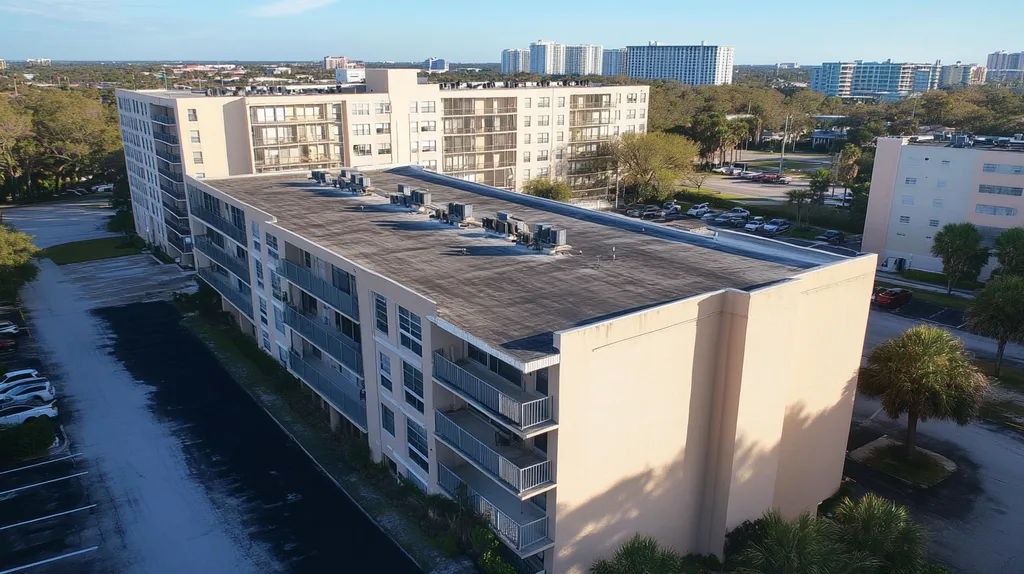
Welcome to today’s Battle Royale featuring two roofing heavyweights: “TPO” in the east corner versus “PVC” in the west!
Tonight’s showdown pits these contenders against each other across six punishing rounds designed to test every aspect of their performance for reflectivity ratings influencing energy costs.
At stake? Millions in potential costs, decades of building protection, and the critical performance demands of modern commercial and industrial facilities.
Our professional judging panel will evaluate each round on technical merit, real-world performance, and value delivery. After all six rounds, we’ll declare our ultimate champion.
Ladies and gentlemen, facility managers and building owners… it’s time to rumble!
ROUND 1: INITIAL COSTS & INSTALLATION
When selecting a commercial roofing system, the initial investment and installation process can significantly impact both immediate costs and long-term energy savings. The U.S. Department of Energy reports that choosing the right roofing system can reduce cooling costs by 5-20%, making this decision crucial for property owners focused on both immediate and future expenses.
Material Expenses
Material selection represents a critical starting point that influences both installation costs and long-term energy performance. Installing a cool roof should align with planned construction, energy retrofits, or necessary roof replacements to maximize cost-effectiveness. (source: U.S. Department of Energy)
TPO materials typically cost between $3.50 to $5.50 per square foot, offering an economical entry point for commercial properties. This pricing includes both membrane and essential accessories, making it an attractive option for budget-conscious projects.
PVC materials generally command higher prices, ranging from $6.00 to $8.50 per square foot for commercial-grade materials. While this represents a premium initial investment, the material’s durability often justifies the cost for certain applications.
Based on pure material costs, TPO holds the “ADVANTAGE” in this category.
Installation Complexity
Installation complexity directly affects labor costs and project duration, making it a crucial consideration for facility operations. The installation process must balance efficiency with proper technique to ensure optimal performance.
TPO installation typically requires fewer specialized tools and techniques, allowing for faster completion. The material’s lighter weight and flexible nature make it easier to handle and position, reducing labor requirements.
PVC installation demands more technical expertise and specialized welding equipment. The more complex installation process often requires additional time and skilled labor, increasing overall costs.
For installation complexity, TPO claims another clear “ADVANTAGE”.
Project Timeline
Project duration significantly impacts facility operations and overall costs. Efficient installation timelines minimize business disruption and help maintain regular operations.
TPO installations typically complete 20-30% faster than alternative systems. The streamlined installation process and simpler welding requirements allow crews to cover more area per day.
PVC installations generally require additional time for proper setup and specialized welding procedures. The more involved process can extend project timelines by several days or weeks depending on project scope.
TPO takes the “ADVANTAGE” in timeline efficiency.
ROUND 1 WINNER: TPO
ROUND 2: DURABILITY & LIFESPAN
In commercial roofing, durability and lifespan directly impact a building’s energy performance and operational costs. A roof’s ability to maintain its reflective properties over time can mean the difference between consistent energy savings and escalating cooling expenses. The U.S. Department of Energy reports that properly selected cool roofs can reduce roof temperatures by over 50°F, creating substantial energy savings through decreased cooling demands. (source: U.S. Department of Energy)
Material Longevity
TPO roofing typically maintains its reflective properties for 15-20 years when properly maintained. The material’s surface can become compromised over time through exposure to environmental factors and foot traffic.
PVC roofing demonstrates superior longevity, often lasting 25-30 years while maintaining its reflective properties. Its chemical composition provides better resistance to environmental degradation and surface wear.
For material longevity, PVC claims the “ADVANTAGE”.
Weather Resistance
TPO membranes offer good initial weather resistance but can show signs of degradation in extreme conditions. Heat cycling and UV exposure may accelerate wear on seams and surface coating.
PVC exhibits exceptional resistance to weathering and maintains structural integrity even under harsh conditions. Its heat-welded seams provide superior protection against water infiltration and thermal stress.
PVC takes the clear “ADVANTAGE” in weather resistance.
Maintenance Requirements
TPO systems require regular maintenance to preserve their reflective properties. Surface cleaning and seam inspection are needed more frequently to maintain energy efficiency.
PVC roofing demands less frequent maintenance while maintaining its reflective qualities. Its superior chemical resistance helps prevent degradation and simplifies cleaning procedures.
In maintenance requirements, PVC earns another “ADVANTAGE”.
ROUND 2 WINNER: PVC
ROUND 3: PERFORMANCE FACTORS
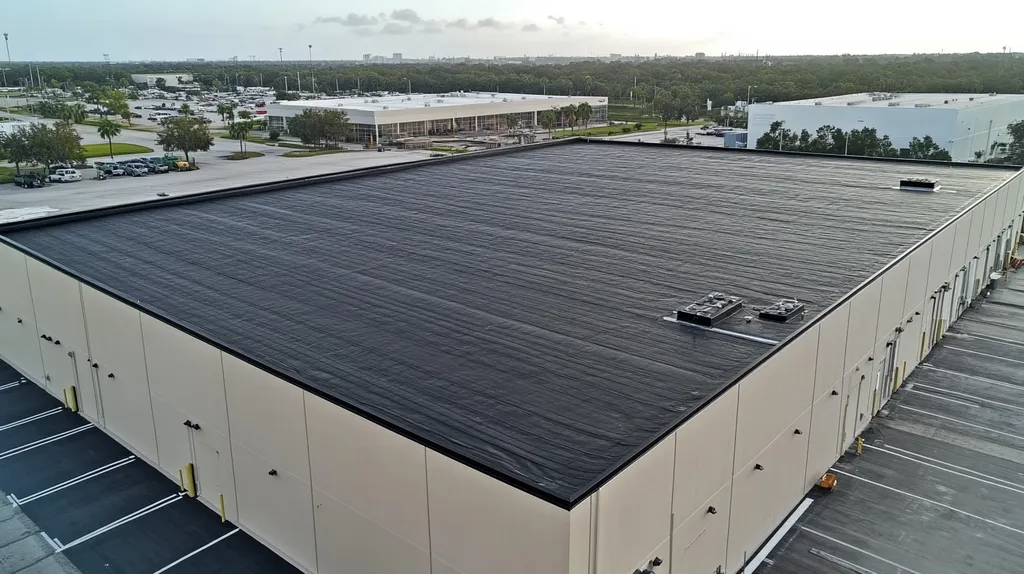
When it comes to commercial roofing, performance factors can make or break your building’s energy efficiency. The right roofing material’s ability to reflect sunlight and manage heat transfer directly impacts cooling costs and occupant comfort. Understanding how TPO and PVC materials perform in these critical areas helps facility managers make decisions that will affect their buildings for decades.
Reflectivity and Energy Efficiency
A commercial roof’s reflectivity directly influences how much solar heat enters the building. Conventional roofs can reach temperatures of 150°F or more on sunny summer afternoons, while reflective roofing can stay more than 50°F cooler, dramatically reducing cooling demands. (source: U.S. Department of Energy)
TPO membranes consistently achieve some of the highest reflectivity ratings in the industry, with most products exceeding 0.85 solar reflectance. This exceptional performance helps maintain cooler roof surface temperatures and reduces heat transfer into the building.
PVC roofing offers good reflectivity but typically shows more variation between products and manufacturers. While premium PVC membranes can match TPO’s performance, many standard options fall short of TPO’s consistent reflectivity ratings.
For reflectivity and energy efficiency, TPO claims the “ADVANTAGE”.
Long-Term Energy Cost Savings
The relationship between roofing material and energy costs becomes more pronounced over time. Building owners must consider how reflectivity performance affects monthly operating expenses throughout the roof’s lifespan.
TPO maintains its reflective properties with minimal degradation when properly maintained. This sustained performance translates to consistent energy savings and more predictable cooling costs over time.
PVC systems can experience more significant reflectivity loss as they age, particularly in harsh environments. While high-end PVC products resist degradation better, they often require more frequent maintenance to maintain optimal performance.
TPO earns another “ADVANTAGE” for long-term energy savings.
Impact on Indoor Comfort
A roof’s performance directly affects occupant comfort through its influence on indoor temperature stability. Poor thermal management can create hot spots, temperature fluctuations, and increased HVAC strain.
TPO’s consistent reflectivity helps maintain more stable indoor temperatures throughout the day. This reliability reduces the frequency of HVAC cycling and helps eliminate uncomfortable temperature variations across different building zones.
PVC roofing can provide similar comfort benefits but may require more careful product selection and installation. Lower-performing PVC membranes might not deliver the same level of temperature control as premium options.
For indoor comfort impact, TPO takes the “ADVANTAGE”.
ROUND 3 WINNER: TPO
ROUND 4: MAINTENANCE REQUIREMENTS
Maintaining a commercial roof’s reflective properties directly impacts long-term energy costs and building performance. Poor maintenance can lead to degraded reflectivity, causing cooling costs to spike by up to 20% as surfaces lose their heat-reflecting capabilities. Understanding the maintenance demands of TPO and PVC roofing systems helps facility managers protect their energy-efficiency investments.
Regular Inspection Requirements
Commercial roofs require systematic inspection programs to maintain their energy-saving potential. Regular assessments help identify issues before they compromise the roof’s reflective properties or structural integrity.
TPO roofing typically needs quarterly inspections to check for membrane damage, seam integrity, and surface contamination. These frequent checks help maintain the material’s high reflectivity but increase the maintenance burden on facility teams.
PVC systems generally require only bi-annual inspections due to their superior chemical resistance and durability. The material’s inherent strength reduces vulnerability to environmental damage and mechanical stress.
For inspection requirements, PVC claims the “ADVANTAGE”.
Cleaning and Surface Maintenance
Cool roofs can reduce roof surface temperatures by more than 50°F compared to conventional roofs, but only when their surfaces remain clean and reflective. Regular cleaning ensures these energy-saving benefits continue throughout the roof’s lifespan. (source: U.S. Department of Energy Energy Saver)
TPO membranes need frequent cleaning to maintain their reflective properties. Dirt, debris, and biological growth can significantly reduce surface reflectivity, requiring quarterly cleaning in most environments.
PVC roofing demonstrates superior resistance to dirt accumulation and requires less frequent cleaning. Its smooth surface and chemical composition help maintain reflectivity with minimal intervention.
PVC takes another clear “ADVANTAGE” in surface maintenance requirements.
Repair Frequency and Complexity
The frequency and complexity of repairs directly affect both maintenance costs and energy performance. Simple repairs help maintain reflectivity ratings, while complex issues can compromise the entire system.
TPO systems often require more frequent repairs, particularly around seams and penetrations. While individual repairs may be straightforward, their higher frequency increases overall maintenance demands.
PVC roofing typically needs fewer repairs due to its superior durability and weld strength. When repairs are necessary, they tend to be more permanent and less likely to require follow-up work.
PVC earns the “ADVANTAGE” in repair requirements.
ROUND 4 WINNER: PVC

ROUND 5: SUSTAINABILITY CREDENTIALS
Environmental impact and energy efficiency have become critical factors in commercial roofing decisions. With rising energy costs and stricter environmental regulations, building owners must carefully evaluate how roofing choices affect their carbon footprint and operating expenses. Understanding the sustainability credentials of TPO and PVC roofing systems helps decision-makers balance immediate needs with long-term environmental responsibility.
Reflectivity and Energy Efficiency
The U.S. Environmental Protection Agency (EPA) has established strict requirements for cool roof certification, making reflectivity ratings a crucial factor in sustainable building design. Products meeting these standards can display the ENERGY STAR label, providing assurance of their energy-saving potential. (source: U.S. Department of Energy, Federal Energy Management Program)
TPO roofing consistently achieves solar reflectance ratings above 0.85, placing it at the top tier of cool roofing materials. This exceptional reflectivity translates directly into reduced cooling loads and lower energy consumption throughout the building.
PVC roofing typically achieves reflectivity ratings between 0.75 and 0.82, depending on the specific product formulation. While these numbers represent good performance, they generally fall short of TPO’s superior reflective properties.
For reflectivity efficiency, TPO claims the “ADVANTAGE”.
Material Environmental Impact
The environmental impact of roofing materials extends from manufacturing through end-of-life disposal. Understanding these lifecycle impacts helps facility managers make environmentally responsible choices that align with corporate sustainability goals.
TPO manufacturing requires less energy and produces fewer harmful byproducts than many alternative materials. The membrane can be fully recycled at end-of-life, reducing landfill impact and supporting circular economy initiatives.
PVC production involves more complex chemical processes and higher energy consumption. While the material is technically recyclable, the presence of chemical stabilizers and plasticizers can complicate the recycling process.
TPO earns another clear “ADVANTAGE” in environmental impact.
Sustainability Certifications
Third-party certifications provide objective validation of environmental claims and help building owners qualify for green building incentives. These credentials often translate into tangible financial benefits through tax incentives and reduced operating costs.
TPO roofing systems routinely qualify for major environmental certifications including LEED points and Green Globes ratings. Their consistent performance makes documentation straightforward for sustainability reporting.
PVC systems can achieve similar certifications but often require more extensive documentation due to chemical content concerns. The certification process may be more complex and costly compared to TPO alternatives.
For certification accessibility, TPO takes the “ADVANTAGE”.
ROUND 5 WINNER: TPO
ROUND 6: SPECIALIZED APPLICATIONS
Specialized commercial roofing applications demand careful consideration of both immediate and long-term energy performance. ASHRAE Technical Paper analysis reveals that reflective roof membranes now cover more than 50% of industrial and low-slope commercial buildings, delivering net cost savings across diverse climate zones despite variations in performance over time. Understanding how TPO and PVC membranes perform in specialized settings helps facility managers optimize both installation efficiency and ongoing energy costs. (source: ASHRAE Technical Paper)
High-Temperature Performance
In environments with extreme heat exposure, roofing material performance directly impacts both energy efficiency and system longevity. The membrane’s ability to maintain reflectivity under high temperatures determines cooling costs and comfort levels.
TPO membranes excel in high-temperature applications, maintaining their reflective properties even under sustained heat exposure. Their molecular structure resists heat-related degradation, helping preserve energy-saving performance.
PVC systems can experience plasticizer migration under extreme heat, potentially compromising both reflectivity and membrane integrity. While premium formulations perform better, they typically cannot match TPO’s heat resistance.
For high-temperature performance, TPO claims the “ADVANTAGE”.
Chemical Exposure Resistance
Industrial environments often expose roofing materials to harsh chemicals, making resistance critical for maintaining both reflectivity and structural integrity. The membrane’s chemical composition determines its vulnerability to degradation.
TPO offers good general chemical resistance but can show vulnerability to certain industrial pollutants. Extended exposure may lead to surface degradation and reduced reflective performance.
PVC demonstrates superior resistance across a broader range of chemical exposures. Its inherent chemical stability helps maintain reflective properties even in challenging industrial environments.
PVC takes the clear “ADVANTAGE” in chemical resistance.
Complex Installation Requirements
Specialized applications often involve unusual shapes, multiple penetrations, or limited access areas. The membrane’s flexibility and installation requirements significantly impact both initial costs and long-term performance.
TPO’s greater flexibility and simpler welding requirements make it ideal for complex installations. The material adapts well to irregular shapes while maintaining consistent reflective properties.
PVC installations demand more precise techniques and specialized equipment, particularly around complex details. While the results can be excellent, the installation process requires more time and expertise.
TPO earns the “ADVANTAGE” in complex installations.
ROUND 6 WINNER: TPO
AND THE WINNER IS…
After six grueling rounds of technical evaluation, we have our verdict…
Ladies and gentlemen, with a commanding 4-2 victory across our championship rounds, TPO claims the title belt in this energy-efficiency showdown!
TPO dominated with superior initial reflectivity ratings, faster installation times, and outstanding sustainability credentials. Its consistent performance in Rounds 1, 3, 5, and 6 demonstrated why it’s becoming the heavyweight champion of energy-efficient commercial roofing.
But don’t count PVC out of the fight! This veteran contender proved its worth with a knockout performance in durability and maintenance requirements. For facilities facing harsh chemical exposure or demanding maximum lifespan, PVC remains a formidable challenger worth serious consideration.
IMPORTANT NOTICE: While this analysis reflects general performance characteristics, every building presents unique challenges. Local climate conditions, specific facility requirements, and regional regulations can significantly impact roofing system performance. Professional consultation is essential for evaluating your property’s specific needs and determining the optimal solution.
Remember, champions: In the high-stakes arena of commercial roofing, victory doesn’t just come from picking the top-ranked contender – it comes from matching your facility’s specific requirements with the right fighter’s strengths. Choose wisely, and may your energy bills always stay down for the count!
FREQUENTLY ASKED QUESTIONS
Q. What are the initial costs of a commercial roof system?
A. Initial costs vary by material. TPO is generally more economical, while PVC costs more due to its durability.
Q. How long do commercial roofs last?
A. TPO roofs last around 15-20 years, whereas PVC roofs can last 25-30 years with proper maintenance.
Q. Which commercial roof has better reflectivity?
A. TPO membranes generally have higher reflectivity ratings, often exceeding 0.85 to maintain cooler temperatures.
Q. How often should a commercial roof be inspected?
A. TPO roofs typically require quarterly inspections, while PVC roofs only need bi-annual inspections due to their durability.
Q. Which roofing option is more environmentally friendly?
A. TPO has a lower environmental impact during manufacturing and can be fully recycled at end-of-life.
Q. How do TPO and PVC perform in extreme heat?
A. TPO performs better in high temperatures, maintaining its reflective properties longer than PVC.
Q. What specialized applications benefit from TPO roofing?
A. TPO is ideal for complex installations due to its flexibility and simpler welding requirements.






