
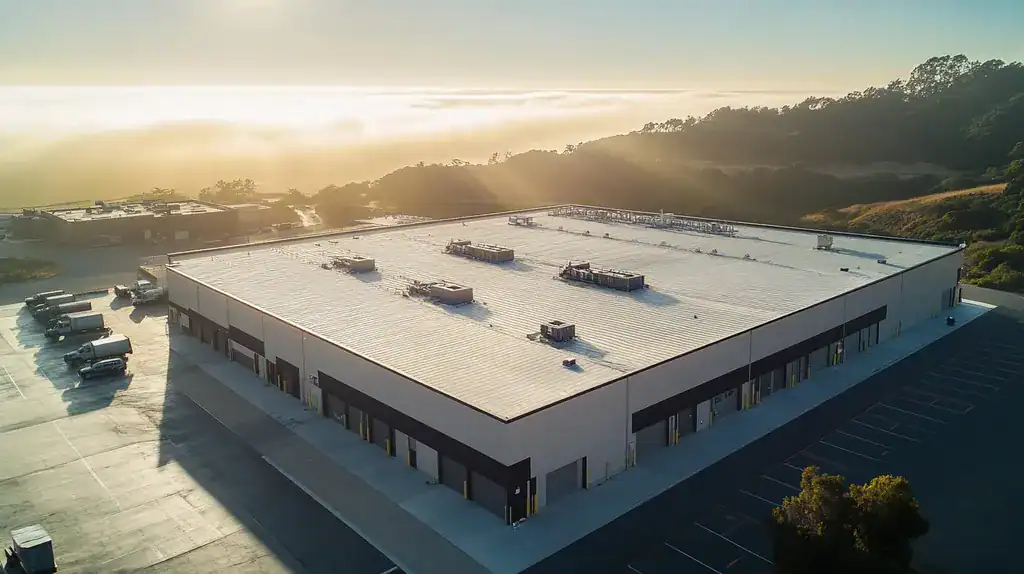
Commercial building owners lose millions annually through inefficient roofing systems, with studies showing that proper roof coatings can slash cooling costs by up to 30% while extending roof life by 10-15 years.
For facility managers facing rising energy costs and tighter budgets, understanding how to calculate potential savings from roof coatings has become mission-critical.
This comprehensive guide breaks down the essential factors in coating ROI analysis – from performance metrics and financial considerations to compliance requirements and risk management protocols.
SECTION 1: PERFORMANCE FACTORS
As energy costs continue to rise, facility managers must find innovative methods to enhance energy efficiency while lowering operational expenses. One powerful and often unnoticed solution is the application of roof coatings. Research indicates that reflective coatings can cut energy costs by as much as 30% by significantly boosting a building’s thermal performance. By grasping the essential performance factors, facility managers can unlock the maximum benefits of these coatings and ensure the long-term health of their roofs.
Assessing Roof Surface Reflectivity and Emissivity
Understanding roof surface reflectivity and emissivity is crucial for realizing potential energy savings from coatings. Reflectivity gauges how effectively a surface reflects sunlight, while emissivity measures how well it releases absorbed heat. Coatings with high reflectivity can dramatically cut cooling costs by limiting heat gain—imagine a roof boasting a high Reflectance Index that reflects up to 90% of sunlight, leading to significant reductions in air conditioning energy use.
To assess the impact of reflectivity, facility managers can utilize tools like pyranometers, which measure solar irradiance. It’s advisable to choose coatings with a reflectivity rating exceeding 0.70, as these provide substantial energy savings. Moreover, selecting coatings with high emissivity helps keep roofs cooler, supporting a more consistent indoor climate.
Many building codes and energy standards now require enhanced reflectivity in commercial structures. By opting for coatings with exemplary reflectivity, managers not only align with regulations but also tap into utility incentives and rebates designed to boost energy efficiency.
Key Action Items
Evaluating Thermal Barrier Effectiveness of Coatings
The effectiveness of a coating’s thermal barrier plays a critical role in managing temperatures within a building. This metric indicates how well the coating insulates the building, effectively minimizing heat transfer during warmer months. A robust thermal barrier can lead to significantly reduced HVAC usage and, by extension, lower energy bills.
To determine thermal barrier effectiveness, facility managers should focus on the R-value, which quantifies thermal resistance. Coatings boasting higher R-values can deliver excellent insulation benefits, especially in regions where temperatures fluctuate dramatically. This consistency fosters a comfortable indoor environment without placing undue strain on heating and cooling systems.
Additionally, advanced coating technologies now incorporate cutting-edge insulation materials that enhance thermal barriers even further, improving overall energy performance. Facility managers should seek coatings specifically tested for thermal performance under real-world conditions to ensure reliability and effectiveness.
Key Action Items
Monitoring Coating Durability and Weather Resistance
Durability and weather resistance of coatings are pivotal for preserving long-term savings. Roofing systems endure relentless exposure to UV rays, moisture, and temperature variations, making it essential for coatings to endure these extremes. High-quality, durable coatings not only minimize the need for frequent reapplications but also maintain ongoing energy efficiency.
Facility managers should keep an eye on key performance metrics, such as adhesion, flexibility, and weathering resistance, as these indicators significantly influence how a coating performs over time. Coatings that develop cracks or peeling can invite moisture infiltration, leading to costly repairs and diminished energy efficiency.
Opting for coatings with warranties that cover durability offers peace of mind. Many manufacturers provide warranties extending up to 15 years, ensuring that the investment in roof coatings will yield savings for years to come. Regular inspections and maintenance are equally vital to catch potential issues early, preventing small problems from escalating into significant expenditures.
Key Action Items
SECTION 2: FINANCIAL CONSIDERATIONS
Investing in roof coatings is not just a routine maintenance task—it’s a powerful financial strategy that can lead to substantial savings. Given that commercial roofs can account for up to 30% of a facility’s energy consumption, the financial implications of roofing decisions are significant. By understanding initial coating costs, estimating potential energy savings, and analyzing return on investment (ROI), facility managers can make compelling cases for coating applications on commercial roofs.
Calculating Initial Coating Application and Material Costs
The initial costs associated with roof coatings can vary significantly based on factors like the roof size, current condition, and type of coating selected. To ensure cost-effectiveness, facility managers should obtain multiple quotes from contractors to compare prices. Typically, exterior coatings will range from $1 to $4 per square foot, plus labor expenses that can also fluctuate.
Surface preparation is another factor that can influence initial costs. Evaluating the roof’s condition before starting the project is vital to avoid hidden expenses. A well-prepared surface enhances coating adhesion and performance, directly affecting both the coating’s longevity and effectiveness.
Opting for high-quality materials can lead to better long-term results, reducing the frequency of reapplication and repairs. While energy-efficient coatings may have a higher upfront cost, they often provide lower lifecycle expenses. Creating a detailed budget—including labor, materials, and unforeseen costs—ensures sound financial planning for coating projects.
Key Action Items
Estimating Energy Cost Savings from Reduced Cooling Loads
The application of a roof coating can lead to significant reductions in a building’s cooling loads, ultimately resulting in lower energy expenses. Cool roof coatings are designed to reflect solar heat, decreasing the need for air conditioning and enabling energy savings from 10% to 30%.
To accurately estimate these savings, facility managers should analyze historical energy bills to create a baseline. For example, if a facility currently spends $20,000 per year on energy, a 20% reduction in costs could yield savings of $4,000 annually.
These potential energy savings not only lower operational costs but also contribute to achieving sustainability objectives. Many utility companies provide incentives for energy-efficient improvements, further enhancing financial benefits associated with roof coatings.
Key Action Items
Analyzing Return on Investment and Payback Period
Evaluating return on investment (ROI) and payback period are essential for assessing the financial feasibility of roof coating projects. To calculate ROI, facility managers need to measure total cost savings against the costs incurred during installation. A higher ROI indicates a more favorable investment.
The payback period, which reflects how long it takes to recover the initial investment from energy savings, typically ranges from 3 to 7 years for roof coatings. Within this timeframe, energy savings begin to significantly enhance overall operational efficiency.
A shorter payback period makes the investment even more appealing, particularly when factoring in maintenance savings and increased property value. Facility managers should clearly communicate these metrics to stakeholders for informed decision-making.
Ultimately, a thorough assessment of ROI and payback period can facilitate budget approvals and guide strategic planning for future roofing enhancements.
Key Action Items
SECTION 3: COMPLIANCE REQUIREMENTS
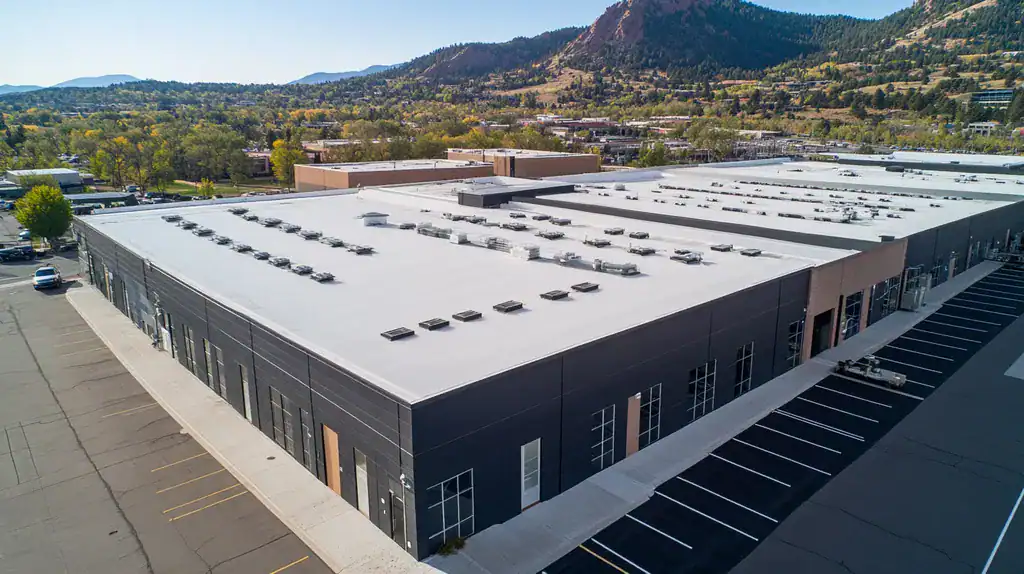
Facility managers must grasp compliance requirements for roof coatings to navigate the challenges of regulations effectively. Ignoring these mandates risks hefty fines, unexpected delays, and potential warranty issues. With local building codes and energy standards frequently updated, continuous education is crucial. This section highlights the importance of adhering to regulations and maintaining thorough documentation to secure the long-term benefits of coating investments.
Understanding Local Building Codes and Energy Standards
Local building codes dictate what’s permissible in roofing installations, varying significantly by municipality. These regulations often specify approved materials and necessary installation techniques, non-compliance can lead not only to penalties but also costly rework.
Energy standards, such as those from the International Energy Conservation Code (IECC), set forth minimum requirements for reflective values in roof coatings. Meeting them is not only a compliance obligation but also presents an opportunity for substantial energy savings and support for sustainability initiatives.
Facility managers should routinely consult with local code officials and industry resources to stay updated on changes. Engaging local authorities during the planning phase is prudent, paving the way for a smooth installation process.
Key Action Items
Navigating Environmental Regulations for Roof Coatings
Understanding environmental regulations is essential when selecting roof coatings. Manufacturers must comply with the Environmental Protection Agency (EPA) guidelines, particularly concerning volatile organic compounds (VOCs) in coatings. Failing to meet these standards can lead to penalties and adversely affect a facility’s reputation.
Some states have their own stricter regulations that align with federal standards. For instance, California imposes stringent VOC emission limits on roofing products. Facility managers should research these regulations thoroughly before purchasing coatings.
Additionally, low-emission roof coatings can help achieve sustainability goals. Companies actively seeking certifications like ENERGY STAR® can boost their marketability while demonstrating compliance with environmental standards.
Key Action Items
Documenting Compliance for Warranty and Incentive Programs
Accurate documentation is essential for maximizing the benefits of roof coatings. Facility managers should maintain detailed records of compliance to validate warranties, as many manufacturers require proof that coatings comply with specifications.
Incentive programs for energy-efficient roofing often demand evidence of adherence to local codes and environmental standards. By keeping organized documentation, facility managers can unlock potential rebates or tax credits, significantly boosting the cost-effectiveness of the project.
Furthermore, thorough documentation enhances a facility’s attractiveness, as tenants increasingly seek energy-efficient buildings compliant with current standards.
Key Action Items
SECTION 4: RISK MANAGEMENT
Managing a commercial roof effectively is critical—one small leak can trigger extensive damage, resulting in high repair costs and lost productivity. Studies indicate that a staggering 80% of roof issues arise from neglect and application faults. It’s essential for facility managers to focus on risk management strategies to protect their coating investments. This section digs into the key risks of identifying leaks, assessing application errors, and preparing for maintenance.
Identifying Potential Roof Leakage and Structural Issues
Routine inspections are vital for spotting potential leaks and wear on roofs. Common warning signs include water stains on ceilings, damp insulation, and cracked membranes. Timely detection is essential; minor issues can escalate quickly into major structural failures.
Using advanced techniques like infrared thermography allows facility managers to detect moisture intrusion before it becomes visible. These scans can highlight specific areas needing attention, potentially saving thousands in repairs down the road. Regular monitoring maximizes the performance of the roof coating.
Additionally, keeping a detailed log of inspection results aids in planning future repairs and supports warranty claims. Understanding the roof’s condition history is a cornerstone of effective risk management.
Key Action Items
Assessing Risks of Coating Application Errors
The success of a roof coating heavily relies on precise application; errors like peeling or blistering can lead to significant problems. Hiring unqualified contractors often increases the risk of such errors. For example, improper surface preparation may compromise adhesion, undermining the effectiveness of the coating system.
Facility managers should rigorously vet contractors, verifying references and examining their past work. It’s crucial that only licensed professionals handle the application process to ensure adherence to industry standards, significantly lowering the chance of errors.
Weather conditions also influence the coating’s performance. Applying coatings under unsuitable temperature or humidity can result in failures. Therefore, scheduling applications during optimal weather conditions minimizes risks from the outset.
Key Action Items
Planning for Maintenance and Emergency Repairs
No roof coating system is completely maintenance-free; regular upkeep is crucial for prolonging roof life and preventing failures. This maintenance should involve removing debris, checking seams, and adequately caulking joints. Establishing a schedule for preventative maintenance can help avoid costly emergency repairs in the future.
Facility managers should also develop a clear emergency repair plan, specifying contacts and necessary supplies. Rapid response to water intrusion or any damage can significantly reduce the risk of structural degradation.
Furthermore, setting aside a budget for unexpected repairs is essential. This proactive financial approach allows for prompt action, helping to ensure ongoing operations and minimal disruption.
Key Action Items
SECTION 5: OPERATIONAL PROCEDURES
Implementing effective operational procedures is essential for maximizing savings from coatings on commercial roofs. Strict adherence to protocols can significantly enhance the durability and performance of roofing systems. Studies show that improperly applied coatings can reduce expected longevity by 25%. This section outlines crucial steps for verifying roof conditions, executing application procedures, and establishing inspection protocols to ensure successful outcomes that translate into long-term savings.
Conducting Roof Condition Verification and Surface Preparation
Thoroughly verifying the roof’s current condition is the first step before applying any coating. Weather damage, wear and tear, or previous repairs can hinder coating adhesion. Early identification of these issues can save facilities an average of 15% on project costs.
Proper surface preparation is equally critical. This process may involve cleaning, patching, and priming the roof to ensure optimal coating conditions. Skipping this step can create future leaks and necessitate costly repairs.
Employing effective equipment, such as pressure washers and scrapers, guarantees that the surface is free from contaminants. Routine condition assessments should be standard practice for facility managers, as roof degradation directly influences both energy efficiency and overall building integrity.
Key Action Items
Sequencing Coating Application Steps for Optimal Results
Establishing a clear sequence for applying coatings is vital for achieving the best performance. Each phase of the application must be timed accurately to ensure proper curing and adhesion. For example, timing between applying a primer and base coat is crucial for success.
Weather conditions can significantly affect performance during this process. Coatings should only be applied under suitable temperature and humidity levels to prevent adhesion issues and void warranties.
Moreover, using experienced professionals for the application is strongly recommended. Continued training on proper techniques ensures that mistakes are minimized, promoting efficient utilization of resources and maximizing savings.
Key Action Items
Establishing Inspection and Quality Control Protocols
Implementing robust inspection and quality control protocols is essential for the longevity of roofing coatings. Regular inspections can detect early signs of wear or failure, allowing for prompt remediation. Such proactive measures can extend the life of roof coatings by up to 30%.
Quality control checks during the application process guarantee the integrity of each layer, ensuring adherence and consistent application. Checklists can track compliance with established standards, identifying areas for improvement.
Post-application inspections are equally important and should not be overlooked. They verify the coating’s integrity and allow for immediate repairs if necessary, reducing unexpected maintenance costs due to early detection of issues.
Key Action Items
SECTION 5: OPERATIONAL PROCEDURES
Implementing effective operational procedures is vital for optimizing savings from coatings on commercial roofs. Failing to adhere to stringent protocols can lead to expensive failures and shortened lifespans for roofing systems. Data shows that improperly applied coatings can reduce expected longevity by 25%. This section details essential steps for verifying roof conditions, executing application procedures, and establishing thorough inspection protocols, all aimed at ensuring successful results that translate into significant long-term savings.
Conducting Roof Condition Verification and Surface Preparation
Before applying any coating, verifying the roof’s condition is critical. Damage from weather or prior repairs can impede the adhesion of coatings. Identifying these issues early can save facilities approximately 15% on project costs.
Surface preparation is equally crucial and may involve essential tasks such as cleaning, patching, and priming the roof surface. Skipping these vital steps can lead to application problems and future leaks, resulting in expensive repairs.
Using the right tools, like pressure washers and scrapers, ensures that the surface is free from contaminants. Regular condition assessments should be routine for facility managers, as maintaining roof integrity directly enhances energy efficiency and building longevity. Investing in proper verification is an investment in long-term savings.
Key Action Items
Sequencing Coating Application Steps for Optimal Results
Establishing a clear sequence for applying coatings is essential for achieving peak performance. Proper timing between the phases of application ensures that curing and adhesion occur as intended. For instance, the intervals between applying a primer and base coat are crucial for overall success.
Weather conditions play a pivotal role in this process. Applying coatings in inappropriate temperatures or during high humidity can adversely affect adhesion, potentially voiding warranties. Facility managers must confirm that weather conditions are conducive before proceeding with application.
Additionally, employing skilled professionals can dramatically boost coating effectiveness. Training personnel on correct techniques and sequencing helps prevent costly mistakes, ensuring resources are utilized efficiently. Regular training sessions on current best practices can further enhance application efficiencies.
Key Action Items
Establishing Inspection and Quality Control Protocols
Implementing strong inspection and quality control protocols is essential for the durability of roofing coatings. Regular inspections can identify early signs of wear or failure, allowing for timely response. Proactive measures have been shown to extend the life of coatings by as much as 30%.
Quality control checks during the application process are crucial for ensuring each layer adheres properly and is applied consistently. Using checklists helps track compliance with established protocols, identifying areas that may need adjustment.
Post-application inspections are critical because they validate the integrity of the coating and identify any immediate repair needs. Facility managers should prioritize this step to minimize unexpected maintenance costs through early detection of potential issues.
Key Action Items
The Bottom Line
With commercial roofing expenses reaching $12 billion annually in the United States, calculating coating savings has become mission-critical for facility managers seeking to control costs.
Studies consistently demonstrate that properly selected and applied roof coatings can reduce cooling costs by 10-30% while extending roof life by up to 15 years.
Success requires careful attention to performance metrics, financial analysis, compliance requirements, and risk management protocols outlined in this guide.
Moving forward, facility managers who implement comprehensive coating strategies – from initial assessment through long-term maintenance – position themselves to capture significant operational savings while protecting critical building assets.
The time to act is now, as rising energy costs and tightening environmental regulations make coating optimization an urgent priority for commercial properties.
FREQUENTLY ASKED QUESTIONS
Q. What performance factors should I consider for my commercial roof?
A. Key performance factors include reflectivity, emissivity, and thermal barrier effectiveness. Reflective coatings can significantly lower energy costs by enhancing thermal performance, while coatings with high emissivity can help maintain a comfortable indoor climate. Understanding these factors allows facility managers to maximize savings and extend the life of their roofs.
Q. How can I calculate savings from coatings on my industrial roof?
A. To calculate savings, first review past energy bills to establish a baseline. Apply the estimated percentage savings from installing reflective coatings to this baseline. For example, if your cooling costs amount to $20,000, a 20% reduction could save you $4,000 annually.
Q. What compliance requirements must commercial roof coatings meet?
A. Compliance varies by location, often involving local building codes and environmental standards. These regulations specify the required reflectivity values and material specifications. It’s essential for facility managers to stay updated and consult local authorities to avoid penalties and ensure proper installations.
Q. How can I manage risks associated with coating application on my commercial roof?
A. To manage risks, conduct regular inspections for leaks and deterioration. Hire qualified contractors to minimize application errors and ensure adherence to best practices. Documenting inspections and keeping a maintenance log can help anticipate issues before they escalate into financial burdens.
Q. What operational procedures should I implement for my commercial roof coatings?
A. Implement procedures including thorough condition verification, surface preparation, and precise application sequencing. Ensure inspections are conducted routinely and quality control measures are in place. These protocols enhance the longevity and performance of coatings, leading to significant long-term savings.
Q. How often should I assess the condition of my commercial roof?
A. A comprehensive assessment should occur at least once every three to six months. Regular inspections facilitate early detection of wear or degradation. Seasonal changes may require additional checks to address issues exacerbated by conditions like rain or snow, ensuring proactive maintenance.
Q. What should I include in my facility’s maintenance budget for roof coatings?
A. Your maintenance budget should encompass routine inspections, necessary repairs, and unexpected costs. Allocate funds for periodic maintenance tasks and emergency repairs, ensuring a quick response to urgent issues. This proactive budgeting approach minimizes disruptions and promotes ongoing roof performance.






