
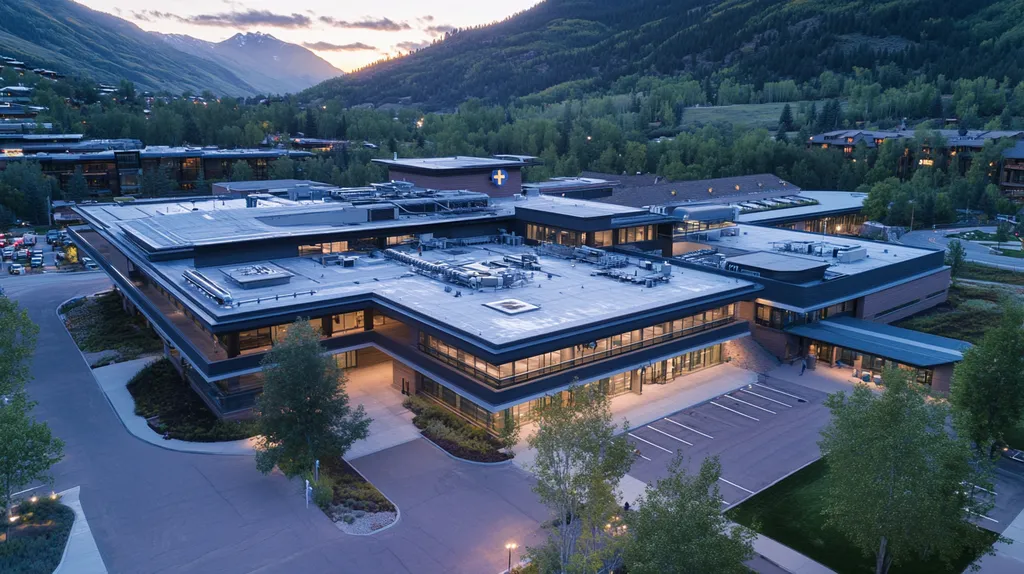
With commercial roofing costs rising 15% annually and energy expenses reaching record highs, property professionals face mounting pressure to maximize their roofing investments. Studies show that properly selected and installed roof coatings can reduce cooling costs by up to 30% while extending roof life by 10-15 years.
Yet research indicates that over 40% of coating projects fail to deliver optimal returns due to inadequate planning and improper application methods.
This comprehensive guide provides property managers and building owners with a systematic approach to evaluating, implementing, and monitoring roof coating investments through actionable checklists and evidence-based recommendations.
SECTION 1: PERFORMANCE FACTORS
In today’s commercial roofing landscape, maximizing return on investment (ROI) for roof coatings is imperative. With increasing energy costs and rising maintenance expenses, property professionals must grasp how various factors enhance the long-term value of their roofing choices. Carefully examining performance elements like material characteristics, thermal efficiency, and durability is crucial for informed decision-making. This section explores these components to demonstrate their significance in ROI calculations.
Assessing Roof Coating Material Properties and Effectiveness
The selection of roof coating material plays a vital role in a building’s financial performance. Various materials—such as silicone, acrylic, and polyurethane—each have unique characteristics that influence not only upfront costs but also their effectiveness in safeguarding the roof structure. For example, silicone coatings excel in waterproofing and UV resistance, yet their adhesion may vary depending on the substrate.
Recognizing these material traits is essential for selecting the right coating to address specific roofing requirements. Key properties such as tensile strength, reflectivity, and elasticity significantly affect how well a coating withstands environmental challenges. Research indicates that high-reflective coatings can lower roof temperatures by as much as 30%, underscoring the importance of strategic material selection.
Additionally, high-quality coatings can enhance the durability of the underlying roof system, leading to reduced maintenance costs over time. It is critical for property professionals to conduct comprehensive assessments of material properties before making procurement decisions, as optimal choices can profoundly enhance ROI.
Key Action Items
Impact of Roof Coatings on Thermal Performance and Energy Efficiency
Roof coatings are essential for optimizing thermal performance, thus significantly improving energy efficiency. Buildings treated with reflective roof coatings can reduce cooling costs in warmer climates, resulting in substantial energy savings. Studies illustrate that energy-efficient reflective coatings can decrease rooftop temperatures by up to 50°F, leading to less strain on HVAC systems and lower energy bills.
Beyond mere cost savings, enhanced thermal performance fosters a more pleasant indoor environment, crucial for productivity in commercial settings. Such conditions can be particularly beneficial in justifying the initial costs associated with high-quality coatings.
Additonally, improved energy efficiency may enable buildings to qualify for green building certifications, increasing property value and attracting environmentally-conscious tenants. The integration of roof coatings not only addresses immediate performance needs but also positions the building favorably within evolving energy standards.
Key Action Items
Durability and Lifespan Extension Verification Methods
Durability is a key consideration when evaluating the ROI of roof coatings. Property managers need reliable verification methods to assess the expected lifespan of coatings before making investments. Techniques such as ASTM testing and real-world performance assessments provide valuable insights into the longevity of coatings and the timelines for required replacements.
Conducting field tests for adhesion and weathering resistance yields vital information about a coating’s durability over time. For instance, coatings that can withstand extreme weather without substantial wear can considerably extend the roof’s life, preventing costly premature replacements.
Implementing a regular inspection schedule can facilitate timely detection of wear and damage, allowing property managers to address issues proactively. This not only prolongs the life of the coating but also mitigates the risk of unexpected expenses linked to roof failures.
Key Action Items
SECTION 2: FINANCIAL CONSIDERATIONS
The financial impact of roof coatings is significant. Selecting the right roofing solution can distinguish between escalating costs and sustainable savings. As highlighted by the U.S. Department of Energy, reflective roof coatings can slash energy expenditures by up to 30%. Grasping essential financial considerations—like initial investment, energy savings, maintenance costs, property value improvements, and available incentives—empowers property professionals to make well-informed decisions.
Calculating Initial Investment and Installation Costs
The initial costs for roof coatings can fluctuate widely, influenced by factors such as material choice, roof size, and installation complexity. Conditions like roof preparation and existing damage assessments are also critical. Property owners should typically anticipate costs ranging from $1 to $4 per square foot.
Gathering multiple quotes from certified contractors is essential. This not only fosters competitive pricing but also clarifies what’s included in the service. Hidden expenses can arise from necessary repairs or preparations that should be incorporated into the overall budget.
It’s advisable to allocate contingency funds—approximately 10% of the initial investment—to cover unforeseen costs during installation. This strategy serves as a financial buffer against unexpected complications.
Key Action Items
Evaluating Energy Savings and Reduced Maintenance Expenses
Energy savings are a primary benefit of roof coatings. Reflective coatings can significantly lower cooling costs by deflecting sunlight and diminishing heat absorption, which results in swift savings, especially in climates where air conditioning is essential.
Moreover, these roof coatings contribute to reduced maintenance costs. A properly applied coating can shield the roof against UV damage, moisture, and contaminants, minimizing wear and extending the roof’s life. This proactive approach can lead to fewer repairs and potential delays in complete roof replacements.
To capture these savings, property managers should record energy bills and maintenance costs over time—before and after coating installation. This documentation provides compelling proof of the financial advantages of roof coatings.
Key Action Items
Quantifying Property Value Enhancement and Incentives
Utilizing roof coatings not only augments a building’s functionality but also potentially increases its overall property value. A roof characterized by energy efficiency and maintenance is a critical selling point in the commercial real estate market.
Additionally, various incentives at local, state, and federal levels may be available for energy-efficient installations, including roof coatings. These financial incentives can significantly offset initial costs and enhance the ROI.
Property owners should actively seek available tax credits or rebates for roof coating projects. Collaboration with energy efficiency experts can unveil further financial assistance opportunities.
Key Action Items
SECTION 3: COMPLIANCE REQUIREMENTS
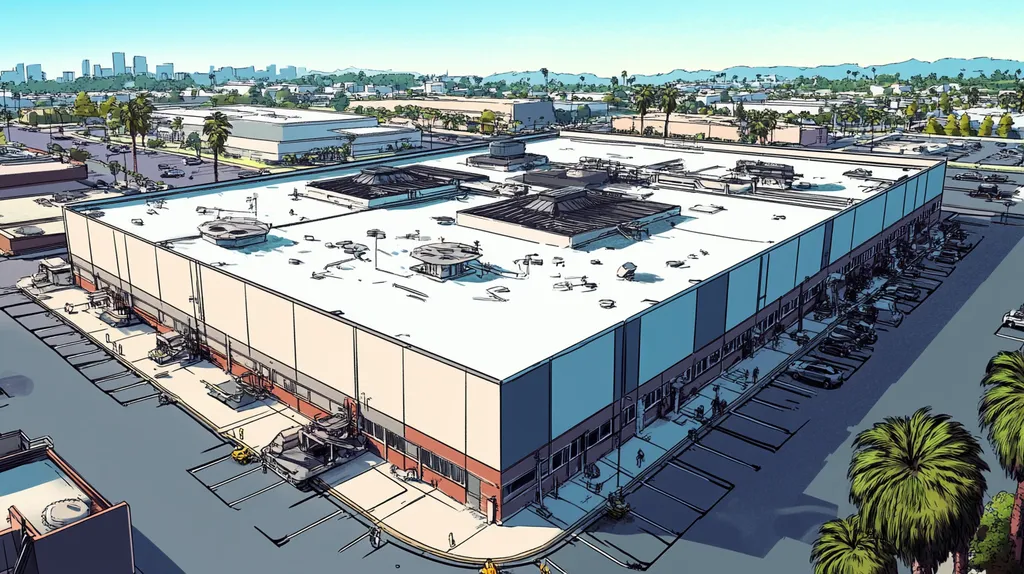
Compliance with building codes and roofing standards is essential for successfully applying commercial roof coatings. Neglecting these regulations can result in hefty fines, delayed projects, and even the costly need for complete re-roofing. In fact, properties facing compliance challenges may experience a drop in value by as much as 10%. This section delves into critical compliance aspects, including local building codes, environmental regulations, and warranty obligations.
Understanding Building Codes and Roofing Standards
Building codes outline the minimum safety and performance benchmarks for roofs, which can differ by region. It is vital for property owners to understand and adhere to local regulations, as compliance helps ensure safety and can enhance the longevity of the roofing system.
Often, licensed contractors who are knowledgeable about local codes must perform roofing installations. This reduces risks associated with improper installations, which can lead to severe leaks and structural damage. For instance, commercial properties in seismically active areas, such as California, must comply with rigorous seismic codes to ensure roofs can endure potential earthquakes.
Organizations like the American Society for Testing and Materials (ASTM) set detailed performance guidelines that assist property owners in selecting durable coating products. Following these standards not only aids in compliance but also protects the value of the roofing investment over time.
Key Action Items
Verifying Environmental and Energy Efficiency Regulations
Environmental regulations significantly influence roofing projects, especially those focused on sustainability. Many urban areas implement strict energy efficiency standards that coatings must fulfill, promoting roofing systems that reflect sunlight to aid in temperature control.
The Energy Independence and Security Act (EISA) emphasizes energy conservation in federal buildings, with compliance potentially reducing annual cooling costs by 20%. This showcases the financial advantages for property owners while also allowing compliant materials to qualify for rebates and tax incentives.
Ignoring these environmental regulations can lead not only to fines but higher operational costs due to increased energy consumption. Properties that adopt such sustainable practices also tend to attract more tenants, aligning with the growing demand for environmentally responsible buildings.
To ensure compliance, property owners should collaborate with energy efficiency specialists and roofing experts, thus maximizing both the environmental benefits and ROI of their roofing investments.
Key Action Items
Ensuring Warranty and Manufacturer Compliance
Warranties for roofing materials serve as crucial protection for property investments, but they often include stipulations that require adherence to specific application techniques or selected products. Violating these terms can void warranties, resulting in significant repair costs.
Engaging with reputable manufacturers is essential as they provide clear guidelines for proper product use. For example, utilizing an unauthorized coating can lead to issues not covered by warranty, emphasizing the importance of professional guidance prior to installation.
Moreover, some manufacturers specify that a certified contractor must be used to maintain warranty validity. Therefore, property owners should take the time to verify contractor credentials, ensuring compliance with manufacturer protocols to achieve durable performance and peace of mind.
Ultimately, adhering to warranty conditions helps safeguard the financial interests of property owners while enhancing the longevity of roofing systems, leading to improved ROI on roof coating investments.
Key Action Items
SECTION 4: RISK MANAGEMENT
Effective risk management in commercial roofing is paramount for safeguarding investments. Almost 25% of roof failures are attributed to undetected moisture issues that develop over time. By addressing vulnerabilities—such as structural weaknesses and environmental conditions—property professionals can prevent costly repairs and ensure the longevity of roof coatings. This section presents strategies for identifying these risks and preparing contingency plans for any potential failures.
Identifying Potential Structural and Moisture Issues
Commercial roofs can conceal critical challenges, including structural weaknesses and trapped moisture. These factors can significantly shorten the lifespan of roof coatings. Routine inspections are essential for identifying areas susceptible to water intrusion, especially at seams, joints, and penetrations.
Utilizing infrared technology can efficiently detect temperature variations linked to moisture presence. Facilities managers should implement a semi-annual inspection schedule to uncover vulnerabilities early and prevent more severe problems over time.
Record-keeping from these inspections is crucial for informed decision-making regarding coating applications. If structural issues are found, addressing them before applying a coating will enhance the overall return on investment.
Key Action Items
Evaluating Weather and Environmental Risk Mitigation
The environment presents a multitude of risks impacting roof performance, including extreme weather and UV degradation. Buildings in regions susceptible to heavy rainfall or snow must account for how such conditions affect their roof coating investments.
Choosing weather-resistant coatings can significantly enhance resilience against harsh climates. These coatings not only reflect UV rays but also reduce thermal stress on the roofing system. Furthermore, incorporating efficient drainage solutions can prevent pooling, a common contributor to roof failures.
Facilities management teams should be proactive in understanding local climate patterns and seasonal forecasts. This information is vital for timely maintenance and enhances the roof’s performance during adverse conditions.
Key Action Items
Contingency Planning for Roof Coating Failure or Damage
Despite thorough planning, roof coating failures are always a possibility. Therefore, contingency planning is vital for property managers and owners. It’s essential to prepare for unforeseen events, including extreme weather or product defects.
Establishing a well-defined damage assessment protocol can streamline response efforts. This plan should detail immediate actions, such as inspections and notifying qualified roofing contractors for repairs.
Furthermore, setting aside a budget for emergency repairs can ensure that funds are readily accessible for both minor fixes and significant damage. Building relationships with trusted roofing contractors will expedite repairs and provide expertise in mitigating further issues, thus protecting investments.
Key Action Items
SECTION 5: OPERATIONAL PROCEDURES
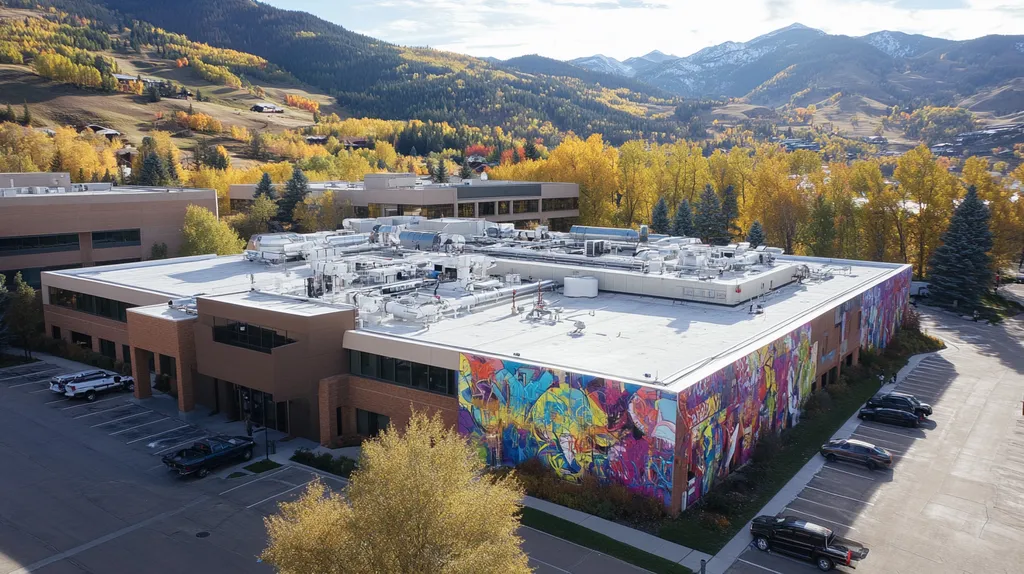
The effective application of roof coatings relies on meticulous operational procedures. Overlooking these critical steps can result in significant failures, leading to premature coating deterioration or poor adhesion. Research indicates that insufficient surface preparation may reduce the lifespan of roof coatings by as much as 50%. This section details vital inspection processes, preparation methodologies, and ongoing maintenance practices to guarantee optimal performance and longevity.
Inspection and Verification Protocols Prior to Coating Application
Prior to any coating application, conducting a comprehensive roof inspection is essential. This evaluation helps identify pre-existing challenges such as cracks, blisters, or moisture accumulation. For example, certified inspectors often use infrared scanning to detect hidden water damage, preventing future complications.
Additionally, verifying the compatibility of materials with the existing roof system is paramount. Property managers must ensure that coatings meet strict industry standards to avert costly delays and guarantee durability.
Weather conditions also play a critical role in the coating process. Rain, elevated humidity, or extreme temperatures can negatively influence adhesion and performance. Choosing to schedule applications under optimal conditions mitigates risks and maximizes long-term ROI.
Documenting inspection results creates a valuable maintenance history. Sharing this record with contractors enhances collaboration and sets clear expectations for future work.
Key Action Items
Sequenced Steps for Roof Surface Preparation and Coating Application
Successful roof coating application starts with thorough surface preparation. The initial step involves removing debris to ensure optimal adhesion. A clean surface avoids potential peeling and significantly increases the coating’s lifespan.
Following debris removal, necessary repairs to existing damage should be completed. Addressing cracks or blisters with suitable materials creates a smooth substrate, enabling better coating application. Early interventions can ultimately save property owners substantial costs.
If recommended, applying a primer enhances bonding and facilitates a uniform surface that boosts coating performance. This crucial step, though often overlooked, can yield significant long-term benefits.
Finally, meticulously applying the coating according to manufacturer specifications is paramount. Adhering to guidelines on layer consistency and curing times maximizes the coating’s effectiveness, ensuring durability.
Key Action Items
Scheduled Maintenance and Performance Monitoring Practices
After coating application, ongoing maintenance and performance monitoring are essential for extending the lifespan of roof coatings. Conducting inspections every six months helps detect early signs of wear or damage. This proactive approach enables property managers to address issues promptly, preventing more extensive damage.
Establishing a cleaning schedule is equally important. The accumulation of debris, algae, or dirt can severely compromise coating performance. A bi-annual cleaning routine helps preserve both the integrity and aesthetics of the roof.
Implementing performance monitoring technologies, such as humidity sensors and solar reflectance tests, provides critical data that informs maintenance strategies. Tracking these metrics allows property managers to schedule timely repairs or replacements effectively.
Maintaining a record of all maintenance activities is crucial. Detailed documentation not only informs future decision-making but also supports warranty claims if problems arise, fostering a culture of care that can extend service life.
Key Action Items
SECTION 5: OPERATIONAL PROCEDURES
The successful application of roof coatings relies on rigorous operational procedures. Neglecting these steps can lead to costly failures, such as premature coating degradation or inadequate adhesion. Research indicates that improper surface preparation can reduce the lifespan of roof coatings by up to 50%. This section outlines essential inspection protocols, preparation steps, and ongoing maintenance practices that ensure optimal results.
Inspection and Verification Protocols Prior to Coating Application
Before applying any roof coating, conducting a comprehensive inspection is crucial. This evaluation identifies existing issues such as cracks, blisters, and moisture accumulation. Certified inspectors often utilize infrared scanning to uncover hidden water damage, avoiding future complications.
Another critical factor is the verification of materials. Property managers should confirm that all coatings meet industry standards and are compatible with the existing roof system. Carrying out material tests can prevent costly delays and ensure the durability of the application.
Weather conditions must also be assessed prior to application. Rain, high humidity, or extreme temperatures can compromise adhesion and performance. Scheduling applications during favorable conditions mitigates risks and enhances long-term ROI.
It is vital to document inspection findings for a comprehensive maintenance history. This record can guide future repairs and should be shared with contractors to align expectations and requirements.
Key Action Items
Sequenced Steps for Roof Surface Preparation and Coating Application
Surface preparation is critical for a successful roof coating application. The first step is to remove debris, which ensures that the coating bonds effectively to the substrate. A clean surface significantly reduces the chance of peeling and increases longevity.
Next, repair any existing surface damage to create a smooth substrate for application. Addressing cracks or blisters with appropriate materials not only improves adhesion but can also save property owners substantial costs over time.
If recommended by the manufacturer, applying a primer enhances bonding and provides a uniform surface that boosts overall coating performance. This step is often overlooked but can yield substantial long-term benefits.
Finally, the coating should be applied according to strict manufacturer specifications. Consistent layer application and adherence to curing times maximize the coating’s effectiveness and lifespan, making accurate application crucial for overall durability.
Key Action Items
Scheduled Maintenance and Performance Monitoring Practices
Post-application maintenance and monitoring are key to ensuring the longevity of roof coatings. Regular inspections every six months can identify early signs of wear or damage, allowing property managers to address issues before they escalate into larger problems.
Implementing a cleaning schedule is also essential. The accumulation of debris, algae, or dirt can deteriorate the coating’s performance. A bi-annual cleaning regimen helps maintain both the integrity and appearance of the roof.
Utilizing performance monitoring technologies, such as humidity sensors or solar reflectance tests, provides critical data to inform maintenance strategies. Tracking performance metrics enables property managers to schedule timely repairs or replacements effectively.
Maintaining comprehensive documentation of all maintenance activities is crucial for future reference. These records not only assist with future decision-making but also support warranty claims if issues arise, fostering a culture of care that can extend service life.
Key Action Items
The Bottom Line
With commercial roofing costs projected to rise 25% by 2025 and energy expenses reaching unprecedented levels, property professionals cannot afford to delay implementing strategic roof coating solutions.
Research demonstrates that properly selected and installed coatings can reduce cooling costs by up to 30% while extending roof life by 10-15 years, yet over 40% of coating projects fail to deliver optimal returns due to inadequate planning.
Success requires a systematic approach incorporating performance analysis, financial modeling, compliance verification, risk management protocols, and rigorous operational procedures.
Property professionals who implement the evidence-based recommendations and checklists outlined in this guide position themselves to maximize ROI while avoiding costly pitfalls that plague unprepared organizations.
FREQUENTLY ASKED QUESTIONS
Q. What factors enhance ROI for a commercial roof coating?
A. Key factors include material properties, thermal efficiency, and durability. Higher reflectivity materials can lead to significant cooling cost savings, making them a strategic choice for enhancing long-term value.
Q. How do I calculate costs for a commercial roof coating?
A. Initial costs vary based on material, roof size, and installation complexity. It’s crucial to gather quotes from certified contractors, factoring in hidden expenses related to repair and preparation work.
Q. What compliance requirements affect my industrial roof coating?
A. Compliance includes adhering to local building codes, environmental regulations, and warranty obligations. Ensuring all roofing projects meet these standards prevents costly fines and project delays.
Q. How can I identify risks affecting my commercial roof?
A. Regular inspections, focusing on structural weaknesses and moisture accumulation, help identify risks. Utilizing infrared technology can reveal hidden problems, allowing timely preventive measures to be taken.
Q. What operational procedures ensure successful roof coating?
A. Successful application involves meticulous inspections, thorough surface preparation, and following manufacturer guidelines. Documenting each step creates a robust maintenance history that aids future decisions and warranty claims.
Q. What benefits do energy-efficient coatings offer for commercial roofs?
A. Energy-efficient coatings can significantly reduce cooling costs, extend roof lifespan, and enhance indoor comfort levels. Additionally, they may qualify for tax incentives, providing further financial benefits.
Q. How do I maintain a commercial roof after coating application?
A. Ongoing maintenance includes scheduled inspections, routine cleanings, and performance monitoring. Keeping detailed documentation of maintenance activities supports effective decision-making and warranty compliance over time.






