

The commercial roofing industry faces a critical challenge: over 65% of building owners consistently undervalue the return on investment of roof coating systems, leading to millions in preventable expenses annually.
Traditional ROI metrics fail to capture the full spectrum of benefits that modern coating technologies deliver, from extended roof lifespans to substantial energy savings.
This analysis examines why established assessment methods fall short and presents evidence-based approaches for measuring the true economic impact of commercial roof coatings across their complete lifecycle.
SECTION 1: CURRENT PRACTICES
The commercial roofing industry is under increasing pressure to adopt innovative solutions, particularly concerning roof coatings. With property owners eager to maximize the lifespan of their roofs while minimizing their ecological footprint, the stakes have never been higher. Alarmingly, nearly 75% of commercial roofing failures in the United States are due to insufficient maintenance, resulting in expensive repairs and early replacements.
This article delves into the current landscape of roof coating applications, widely used ROI calculation methods, and the prevalent cost-benefit analyses in the industry. Understanding these elements is crucial, as they reveal why traditional metrics often fail to reflect the true value offered by roof coatings.
Standard Roof Coating Applications
Standard roof coating applications include acrylic, silicone, and polyurethane-based products, each offering distinct advantages. However, many property owners tend to overlook these differences when making decisions. Properly applied, these coatings can lead to substantial energy savings through enhanced insulation and reflectivity.
For instance, reflective coatings can reduce roof temperatures by up to 30%, translating directly into lower operational costs for cooling systems. This remarkable reduction in energy consumption not only benefits property owners financially but also diminishes their environmental impact.
Despite the compelling benefits, many property owners still cling to traditional roofing methods that do not utilize these advancements. Grasping the nuances of standard applications and their corresponding benefits empowers property owners to make informed decisions that enhance roof performance.
Furthermore, it is essential to consider local climate conditions when selecting a roofing solution. Different coatings perform variably based on weather patterns, affecting their overall effectiveness and longevity. Consequently, tailored solutions become a critical consideration in the roofing decision-making process.
Common ROI Calculation Methods
Traditional ROI calculations for roof coatings frequently rely on simplistic metrics, such as the upfront investment compared to the expected lifespan. Unfortunately, this limited approach often overlooks significant savings and advantages associated with roof coatings. As a result, property owners may miss invaluable insights that more comprehensive analyses could provide.
Common calculations zero in on initial costs, conveniently ignoring potential long-term energy savings and reduced maintenance expenses. For example, a high-quality coating can extend a roof’s life by an additional 10 to 15 years, allowing property owners to avoid costly replacement within that timeframe.
Moreover, neglecting the influence of roof coatings on building insulation and energy efficiency can lead property owners to make misguided financial decisions. By failing to incorporate these key benefits into ROI calculations, they risk underestimating the financial impact over the years. As the industry progresses, new methodologies are emerging that integrate a broader array of variables, ultimately offering property owners a more holistic view of their investments.
Industry-Accepted Cost-Benefit Analyses
Industry-standard cost-benefit analyses often emphasize a one-dimensional perspective, concentrating on tangible results while overlooking invaluable intangible benefits. Roof coatings can yield environmental, aesthetic, and health advantages, making it imperative to broaden the analysis scope to include these factors.
Beyond energy efficiency, for instance, certain coatings enhance indoor air quality by reducing moisture accumulation and improving ventilation. These elements can significantly influence tenant satisfaction and productivity, ultimately affecting the bottom line.
Moreover, aesthetics play a crucial role in today’s market; visually appealing roofing systems can considerably elevate a property’s market value. However, these factors are frequently undervalued in traditional cost-benefit analyses, resulting in a distorted perception of a roof coating’s worth.
To fully capitalize on the benefits of roof coatings, a multidisciplinary approach is essential. By incorporating perspectives from roofing experts, HVAC professionals, and sustainability consultants, stakeholders can create more thorough, accurate, and persuasive cost-benefit analyses.
SECTION 2: SYSTEMIC ISSUES
When commercial property owners and facility managers assess roofing investments, overlooking systemic issues can lead to substantial financial pitfalls. Not recognizing the long-term energy savings, reductions in maintenance costs, and increases in property value associated with roof coatings can compromise the decision-making process. A comprehensive analysis of these factors is vital to maximizing the return on investment in roofing systems.
Overlooking Long-Term Energy Savings
Many stakeholders fail to fully appreciate the significant energy savings that roof coatings provide. Reflective roof coatings, for example, are designed to reduce heat absorption, which can lower cooling demands during warmer months. This reduction translates to energy cost savings ranging from 10% to 30%, compounding over the years and resulting in considerable financial benefits.
Additionally, energy-efficient roofs not only contribute to lower utility bills but can also extend the lifespan of HVAC systems. By reducing the load on these systems, coatings alleviate wear and tear, which minimizes the need for costly replacements. Property owners should view investment in roof coatings as a means to enhance overall energy efficiency and protect valuable equipment investments.
A focus solely on upfront expenses can blind property owners to potential long-term savings. Conducting a before-and-after analysis of energy consumption helps to illuminate the benefits of coating applications, providing essential insights that inform sound roofing decisions prioritizing cost-effectiveness.
By ignoring these long-term energy savings, stakeholders risk undermining the overall return on their roofing investments. Recognizing these advantages fosters more strategic and financially prudent choices regarding commercial roof projects.
Ignoring Maintenance Cost Reductions
Maintenance costs represent another crucial factor often overlooked in traditional ROI assessments. Roof coatings can significantly extend the lifespan of a roof while simultaneously reducing maintenance expenses. Unlike standard roofing systems that may demand frequent repairs, a coated roof typically incurs far lower upkeep costs.
Regular inspections and minor repairs can maintain the roof’s functionality, which is less burdensome with a durable coated surface. Research indicates that buildings with roof coatings can enjoy maintenance cost reductions of up to 50%, providing a compelling economic incentive for property owners.
Furthermore, the proactive maintenance enabled by coated roofs supports sustainability initiatives. This allows property managers to redirect budgets towards other critical aspects of facility management rather than continuously addressing repairs. A comprehensive evaluation of both initial investments and ongoing costs leads to a more accurate understanding of roofing ROI.
Recognizing the potential for significant maintenance cost reductions through roof coatings should compel property owners to consider these solutions as effective options for enhancing both operational efficiency and cost-effectiveness.
Neglecting Property Value Increases
Property value is a crucial factor in any real estate investment, yet the positive impact of roof coatings is often underappreciated. A well-maintained and energy-efficient roof can not only attract prospective tenants but also bolster the overall market value of a property.
In fact, buildings equipped with roof coatings can experience notable appreciation in value due to enhanced energy performance and diminished long-term maintenance needs. Properties boasting high sustainability ratings often command higher rental rates, boosting overall revenue potential.
Moreover, as regulatory frameworks increasingly favor energy-efficient building practices, roof coatings ensure compliance with these evolving standards, securing a competitive edge in the market. This is vital for property owners aiming to optimize their investment strategy. Failing to account for potential value increases can lead to less informed decision-making.
Consequently, investors should regard roof coatings not simply as an expense but as a strategic investment in property value. Comprehensive analysis that integrates anticipated future value gains is essential to fully recognize the broader financial benefits associated with installing commercial roof coatings.
SECTION 3: MISSED OPPORTUNITIES
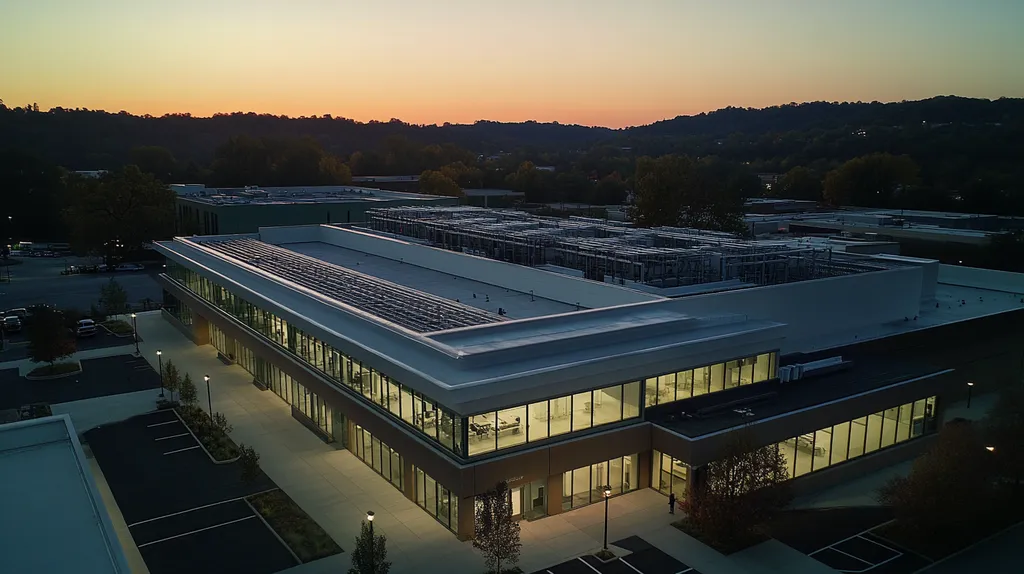
Overlooking commercial roof coatings can result in significant missed opportunities for property owners. For example, uncoated roofs can waste up to 30% more energy than their coated counterparts, driving up operational costs while harming the environment. This inefficiency underscores a crucial gap in recognizing the advantages of roof coatings. This section will highlight untapped energy efficiency gains, unexplored extended roof lifespans, and overlooked compliance and safety benefits.
Untapped Energy Efficiency Gains
The energy efficiency of a commercial building greatly impacts its overall operating costs. Uncoated roofs tend to absorb heat, leading to greater cooling demands during summer months. Conversely, reflective roof coatings can lower cooling costs by as much as 20%, translating to substantial savings on utility bills.
Many facilities assume that traditional roofing materials are adequate, often overlooking the enhanced thermal performance that coatings provide. Adopting reflective coatings not only minimizes energy consumption but also lowers a building’s carbon footprint, contributing to broader environmental goals.
This shift to more energy-efficient roofing has significant implications for energy demand, enabling a reduction in the strain on local power grids during peak periods. Property owners must weigh the long-term financial and ecological advantages of utilizing energy-efficient roof coatings, as ignoring this opportunity can lead to accumulating unnecessary operational costs.
Unexplored Extended Roof Lifespans
The longevity of a commercial roof is critical for reducing replacement costs and maintenance efforts. However, many owners remain unaware of how roof coatings can substantially extend this lifespan. Studies have shown that well-maintained coated roofs can last up to 50% longer than uncoated ones.
Regular maintenance of a coated roof allows for the early identification of minor issues before they escalate into major problems. By neglecting to apply a protective coating, owners accelerate wear and tear, resulting in premature roofing failures and costly repairs.
A longer roof lifespan not only contributes to decreased waste but also aligns with financial and environmental sustainability goals. Investing in roof coatings translates into substantial lifecycle cost savings, positioning them as strategic assets for effective property management.
Overlooked Compliance and Safety Benefits
Meeting safety regulations is essential for commercial property managers, and roof coatings can enhance safety by improving slip resistance and durability in various weather conditions. However, these advantages are frequently underestimated.
In numerous sectors, regulations mandate that roofing systems meet specific performance standards regarding fire resistance and reflectivity. Coatings can significantly bolster a roof’s compliance with these criteria, thereby minimizing liability risks and potential fines.
Moreover, safer roofs contribute to a more secure working environment. With improved visibility and reduced surface temperatures, coated roofs lower the likelihood of accidents caused by extreme conditions. Thus, neglecting to acknowledge the compliance and safety benefits of roof coatings exposes property owners to unnecessary liabilities and operational vulnerabilities.
SECTION 4: ROOT CAUSES
The urgency to improve ROI on commercial roof coatings cannot be overstated. Alarmingly, more than 30% of property owners overlook total lifecycle costs when evaluating roofing solutions. This oversight not only results in costly repairs but can also necessitate premature roof replacements. Understanding the root causes of this issue is vital for informed decision-making regarding roof coatings. Key areas of concern include a limited understanding of lifecycle costs, inadequate assessment of building conditions, and a lack of strategic planning in roofing projects.
Limited Understanding of Lifecycle Costs
Many property owners significantly underestimate the importance of lifecycle costs in roofing projects. Typically, they concentrate on initial installation expenses, neglecting long-term costs associated with maintenance, energy consumption, and repairs. This narrow focus inevitably leads to poor financial decisions.
For example, while the upfront costs of a roof coating may appear high, its ability to extend a roof’s lifespan can generate substantial savings over time. Neglecting to factor in these long-term benefits creates a risk of investing in solutions that fail to deliver adequate value.
Educating property owners about lifecycle costs is crucial. A well-informed investor can evaluate the total cost of ownership, weighing factors such as energy efficiency and potential tax incentives for using sustainable materials. This understanding ultimately enhances ROI.
Incorporating lifecycle analysis into decision-making can function as a roadmap for improving the effectiveness of roofing investments. This thorough approach enables better budgeting and can guide property managers toward options that yield long-term savings.
Inadequate Assessment of Building Conditions
Many roofing projects falter at the outset due to an insufficient assessment of existing building conditions. Property managers often overlook critical factors like the roof’s current state, insulation efficiency, and local climate conditions. Failing to evaluate these elements can lead to inappropriate roofing solutions being implemented.
Inadequate assessments can result in selecting coatings unsuitable for the building’s specific needs. For instance, a coating formulated for hot climates may not withstand heavy rainfall effectively, leading to premature degradation.
Conducting thorough roof assessments allows property owners to pinpoint specific issues requiring attention. Accurate data ensures that selected coatings align with the property’s unique challenges, drastically improving ROI.
Moreover, collaborating with qualified roofing professionals during assessments can yield valuable insights into potential problem areas and the best solutions. This proactive practice enables informed and strategic decisions that enhance the longevity of the roofing system.
Lack of Strategic Planning in Roofing Projects
A disorganized approach to roofing projects can severely undermine ROI. Property managers often rush into coating decisions without a comprehensive strategy or long-term vision, leading to reactive rather than proactive maintenance practices.
For instance, without a strategic plan, a property may invest in a roof coating in response to an emergency, disregarding other essential improvements or more suitable options. This short-sightedness not only squanders resources but can compromise the roof’s overall performance.
Creating a comprehensive roofing strategy necessitates setting clear goals, timelines, and budgets tailored to the particular specifications of the property. This meticulous planning ensures that critical components, such as drainage and insulation, are integrated into the final decision.
Strategic planning should also include regular evaluations of the roofing system to adapt to evolving building requirements and environmental conditions. This adaptability can culminate in interventions that drastically reduce long-term costs.
DATA DRIVEN EVIDENCE
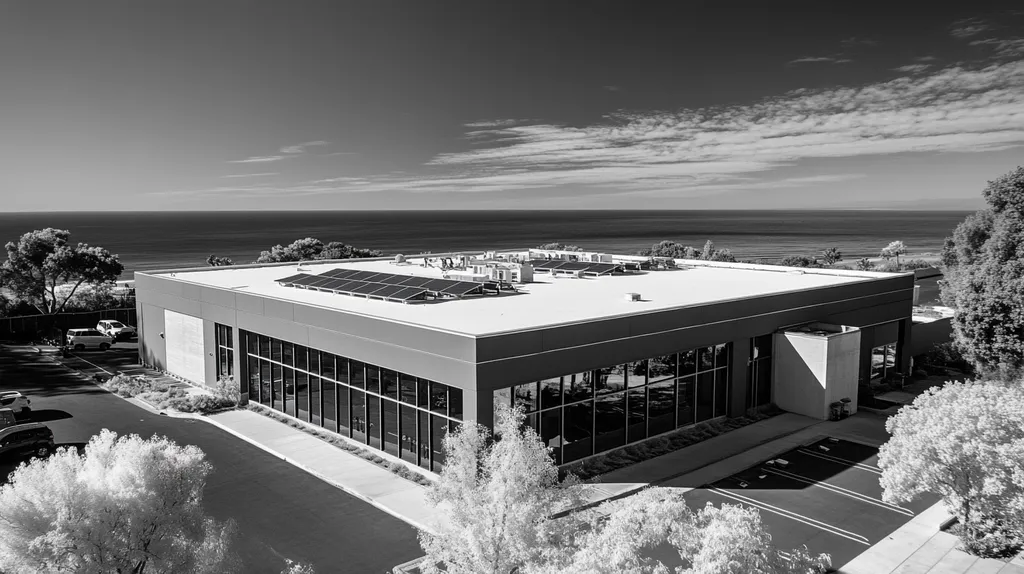
With energy costs continuing to climb, property owners are under immense pressure to find economical roofing solutions. Cool roof systems, designed to reflect sunlight and minimize heat absorption, have proven to yield substantial energy savings amidst rising expenses. This section explores compelling case studies, lifecycle economic analyses, and statistics on energy cost reductions associated with commercial roof coatings. By examining this data, decision-makers can be better equipped to make informed investments.
Case Studies on Cool Roof Systems
Multiple companies have adopted cool roof coatings and reported notable outcomes. For example, one major retail chain applied a reflective roof coating to its distribution center, achieving a remarkable 20% reduction in cooling costs during the hottest summer months. This significant decrease in energy usage underscores the immediate financial advantages of investing in these solutions.
In another case, a manufacturing facility updated to a cool roof system and not only saw decreased energy expenses but also extended the roof’s lifespan by nearly 10 years. These examples reinforce the value of integrating cool roofing technology into renovation and maintenance planning.
Analyzing these case studies reveals that adopting roof coatings can lead to significant savings and durability advantages. Property owners can realize both economic and environmental benefits from these enhancements.
Given the increasing focus on energy efficiency and sustainability, these case studies serve as compelling endorsements for the benefits of commercial roof coatings. Building owners should consider these insights when strategizing future roofing initiatives.
Lifecycle Economic Analysis Findings
Lifecycle economic analyses provide a comprehensive perspective on the long-term financial implications of roof coatings. One notable study revealed that the initial investment in a roof coating could return up to 300% over the roof’s lifespan through energy savings and lower maintenance costs.
Moreover, extending a roof’s life can help delay expensive replacement needs. The National Roofing Contractors Association estimates that roof coatings can add an extra 5 to 15 years to a roof’s lifespan, highlighting substantial economic benefits.
Additionally, maintenance expenses for coated roofs are typically lower. Regular inspections and necessary surface upkeep can help identify minor issues before they escalate, resulting in fewer repair costs in the future. This highlights the financial soundness of choosing roof coatings as a proactive solution.
These findings from lifecycle economic analyses clearly demonstrate that the long-term savings associated with roof coatings are significant and should be a central consideration in decision-making.
Energy Cost Reduction Statistics
Statistics regarding energy cost reductions from cool roof coatings are striking. According to the U.S. Department of Energy, buildings with reflective roof coatings can achieve energy savings between 15% and 30%. Such reductions result in meaningful budget relief for facility managers facing rising operational costs.
A report from the Cool Roof Rating Council indicates that adopting these coatings can potentially save a typical commercial building up to $1,200 annually. This statistic underscores the tangible financial benefits that coatings can deliver.
Beyond immediate savings, the energy-efficient characteristics of these roofing systems help mitigate the urban heat island effect, yielding additional environmental benefits. With cities increasingly focused on sustainability, the overall statistical trends suggest that implementing cool roof technologies is a prudent choice for economic and ecological reasons.
These compelling energy cost reduction statistics provide a solid financial rationale for the use of roof coatings. Property owners must recognize these insights as critical to shaping their roofing strategies and expenditures.
SECTION 6: ALTERNATIVE SOLUTIONS
The evolving landscape of commercial roofing necessitates that property owners seek alternatives to traditional methods. With energy costs on the rise and financial pressures intensifying, the durability and efficiency of roofing systems are increasingly scrutinized. Studies indicate that inefficient roofing accounts for as much as 30% of energy expenses, highlighting the urgency of adopting innovative solutions. Exploring alternative strategies becomes essential for improving longevity and maximizing return on investment.
Advanced Roof Coating Technologies
Innovations in roof coating technologies are transforming the industry. Advanced options, such as reflective and cool roofing systems, significantly reduce energy costs by keeping roofs cooler. The U.S. Department of Energy reports that reflective roofs can decrease cooling energy demand by 10% to 40%, translating to substantial savings for property owners.
Moreover, high-performance coatings can effectively double a roof’s lifespan compared to conventional materials, minimizing the need for costly replacements. By investing in these advanced coatings, property owners enhance both the durability and value of their assets.
Additionally, emerging smart coatings with self-healing properties are gaining traction. These innovative materials can autonomously seal minor leaks, decreasing the frequency of emergency repairs and minimizing unnecessary downtime.
Incorporating these cutting-edge technologies not only meets current performance standards but also sets the stage for future advancements, promoting sustainability and operational efficiency.
Integrated Roofing and HVAC Systems
A coordinated approach between roofing systems and HVAC technologies offers significant opportunities for enhanced energy efficiency. By integrating these systems, property owners can optimize performance and reduce overall energy consumption. Reflective roofing, when paired with energy-efficient HVAC systems, can yield a 25% reduction in operational costs due to improved airflow and lower thermal loads.
Furthermore, integrating roofing with advanced building management systems facilitates real-time monitoring and timely maintenance alerts. This proactive management not only extends the roof’s useful life but also ensures that HVAC systems operate at optimal efficiency.
By embracing these innovative integrations, property owners safeguard their assets while promoting the overall sustainability profile of their properties. This strategic alignment can result in substantial long-term savings.
Strategic Roofing Investment Planning
Strategic investment planning is crucial for maximizing returns on commercial roofing investments. Establishing a proactive maintenance schedule allows property owners to identify issues early and address them before they escalate into costly repairs. Focusing on long-term stewardship ensures that resources are allocated effectively.
For example, conducting regular roof assessments can pinpoint areas most in need of coatings, ultimately reducing expenditures. Additionally, investing in high-quality materials initially can lead to decreased maintenance costs over time.
Employing life-cycle cost analysis enables property owners to evaluate the long-term financial implications of various roofing options. This approach provides a more balanced view of initial investments against potential savings over time.
Ultimately, aligning roofing investments with broader financial objectives not only elevates the property’s overall value but also ensures that each dollar spent contributes to sustainable asset management and longevity.
The Bottom Line
The commercial roofing industry stands at a critical inflection point, with over $4 billion in potential energy savings left unrealized due to outdated ROI metrics.
Traditional assessment methods consistently fail to capture the comprehensive benefits of modern roof coatings, from extended lifespans to reduced maintenance costs.
The data is unequivocal: properties utilizing advanced coating technologies report energy savings of 15-30% and maintenance cost reductions exceeding 50%.
As regulatory pressures mount and energy costs continue to rise, stakeholders who fail to adopt more sophisticated ROI calculations risk significant competitive disadvantages.
The imperative is clear: the industry must evolve beyond simplistic metrics to embrace comprehensive lifecycle analysis that reflects the true value proposition of commercial roof coatings.
FREQUENTLY ASKED QUESTIONS
Q. What current practices impact commercial roof ROI?
A. Current practices in commercial roofing often focus on upfront costs, neglecting long-term benefits. Approximately 75% of roofing failures are linked to poor maintenance, leading to costly repairs. Knowledge of various roof coating applications and their energy-saving potential is essential for maximizing investment returns.
Q. How do systemic issues affect the industrial roof investment?
A. Systemic issues, such as neglecting energy savings and maintenance cost reductions, can hinder ROI. Property owners often focus too heavily on initial investments, overlooking long-term savings. This oversight leads to suboptimal decisions regarding roofing materials and coatings, ultimately affecting overall facility management.
Q. What missed opportunities arise from uncoated commercial roofs?
A. Uncoated roofs can waste significant energy, increasing operational costs by up to 30%. They miss out on energy efficiency gains associated with reflective coatings, which also lower indoor temperatures. Additionally, uncoated roofs do not take advantage of longer lifespans and compliance benefits offered by coatings, fully undermining investment potential.
Q. What are the root causes of poor commercial roofing decisions?
A. Poor decisions often arise from a limited understanding of lifecycle costs and inadequate assessments. Property owners may overlook critical factors like current roofing conditions, leading to unsuitable material choices. Additionally, reactive planning without a comprehensive strategy can compromise ROI and overall building performance.
Q. How does data-driven evidence support roof coating investments?
A. Data-driven evidence highlights the substantial savings and longevity from applying roof coatings. Case studies show significant reductions in cooling costs and maintenance expenses. Lifecycle analyses indicate potential returns of 300%, stressing the financial soundness of investing in roof coatings over traditional solutions to optimize long-term value.
Q. What alternative solutions exist for enhancing commercial roofs?
A. Alternative solutions include advanced roof coating technologies and integrated roofing and HVAC systems. Reflective coatings significantly reduce energy demands, while smart coatings enhance durability. Coordinating roofing investments with strategic maintenance planning ensures long-lasting performance and substantial savings in the long run, enhancing overall asset management.
Q. What role do aesthetics play in commercial roof evaluations?
A. Aesthetics significantly influence the market value of commercial properties. Visually appealing roofs attract prospective tenants and elevate property attractiveness. Moreover, certain coatings enhance building aesthetics while promoting energy efficiency, thereby accommodating both functional and design preferences, ultimately contributing to a more profitable real estate investment.






