
Over 40% of commercial roof coating failures stem from inadequate pre-coating assessment, resulting in millions in preventable damage annually. Without proper evaluation, even premium coatings can fail within months rather than lasting their expected 10-15 year lifespan.
For facility managers, understanding how to thoroughly assess an existing roof’s condition before coating application is critical for protecting their investment. This comprehensive guide examines key performance factors, financial considerations, compliance requirements, risk management strategies, and operational procedures.
By following these evidence-based protocols, managers can maximize coating effectiveness while avoiding costly failures that plague unprepared facilities.
SECTION 1: PERFORMANCE FACTORS
Assessing the state of an existing commercial roof prior to applying a coating is not just important—it’s essential. Neglecting to evaluate performance factors can result in costly issues, such as leaks and early coating failure. In fact, improper assessments can reduce roof lifespans by over 30%. Focus areas include roof membrane condition, structural integrity, and drainage efficiency. Grasping these factors lays the groundwork for making informed decisions that protect your investment.
Roof Membrane Condition
The roof membrane acts as the initial barrier against environmental elements. Signs of wear—such as cracks, blisters, or fading—can undermine the coating’s effectiveness, resulting in leaks and internal water damage.
To fully evaluate the membrane, conduct a visual inspection and consider material testing for hidden issues. Addressing small problems early can save money compared to extensive repairs later on. Moreover, different membranes may need specific coatings for optimal performance.
Facility managers should also factor in the roofing system’s age. A membrane approaching its expected lifespan may necessitate more than a coating to sustain integrity. The condition of this layer directly influences the coating’s durability.
Key Action Items
Structural Integrity Assessment
Evaluating the roof’s structural integrity is crucial before applying any coating. Roofs experience various stresses from weather impacts, foot traffic, and equipment placement. Compromised structures can warp or sag, leading to water pooling and reduced effectiveness of the coating.
Facility managers should be vigilant for signs of structural damage, including sagging beams or visible cracks in the substrate. These warning signs may indicate the need for repairs before coating application.
Resolving structural issues not only enhances safety but also extends the life of the new coating. Applying a coating to a compromised structure is like putting a Band-Aid on a broken bone—it won’t hold up for long.
Key Action Items
Drainage System Efficiency
An effective drainage system is pivotal for the longevity of a commercial roof. Inadequate drainage can lead to water buildup, which jeopardizes the roof’s structure and the coating’s functionality. Blocked gutters or downspouts can worsen the situation by adding excess weight to the membrane.
Inspecting the drainage system includes checking for obstructions, assessing the proper slope, and verifying that all components work seamlessly. This scrutiny helps pinpoint areas where water could accumulate.
It’s vital for facility managers to understand that a new coating won’t resolve existing drainage issues. A thorough examination is necessary to ensure durability and performance.
Key Action Items
SECTION 2: FINANCIAL CONSIDERATIONS
Making smart financial choices about a commercial roof can significantly impact a property’s bottom line. Facility managers must carefully evaluate the costs of repairs versus replacements, as these decisions can lead to unexpected budget challenges. Research indicates that neglecting regular maintenance can elevate overall expenses by 25-30%. By understanding these financial aspects, facility managers can make strategic choices that enhance fiscal health and preserve asset value.
Cost of Repairs vs. Replacement
Deciding whether to repair or replace a roof is often a challenging task. While repairs may initially seem more affordable, they can quickly accumulate, especially if multiple areas are affected. For example, ongoing leak repairs can add up to more than the cost of a new roof if replacement is neglected.
Older roofs may struggle to support modern technologies or coatings, leading to inefficiencies. Frequent repairs not only drain resources but can also interrupt business operations, resulting in lost productivity. Therefore, property managers should look beyond immediate costs to consider the long-term benefits of their roofing decisions.
Investing in a new roof often leads to significant savings on energy costs and reduces the need for ongoing maintenance. Conducting a detailed roof assessment can clarify whether repairs or replacement provides the best financial outcome.
Key Action Items
Budgeting for Maintenance
A robust maintenance budget is crucial for ensuring a roof’s longevity and performance. Neglected maintenance can lead to emergency repair situations that quickly escalate costs. Studies show that dedicating just 1-2% of a property’s value annually to maintenance helps maintain financial stability.
Routine inspections are essential to catch small issues before they grow into major problems, ultimately saving money. For instance, fixing a simple seam can prevent a full roof replacement in the future.
Additionally, well-maintained roofs may qualify for lower insurance premiums. This reinforces the necessity for proactive budgeting and illustrates effective management to stakeholders.
By incorporating a maintenance budget into the overall financial planning, facility managers can extend the lifespan of the roof and minimize significant expenses down the line.
Key Action Items
ROI on Roof Coatings
Investing in roof coatings can provide an impressive return on investment (ROI) when approached strategically. If a roof is structurally sound, applying reflective coatings can significantly reduce thermal loads and energy costs. The Cool Roof Rating Council states that these coatings may lower roof temperatures by as much as 30%, leading to substantial cooling cost reductions.
Furthermore, a properly installed roof coating can extend the life of a roof by five to ten years, often outlasting replacement warranties. Thus, conducting a thorough condition evaluation before applying coatings maximizes financial advantages.
Facility managers should also consider the enhanced property value that comes with a coated and well-maintained roof, providing a competitive edge when leasing or selling. Evaluating the ROI on roof coatings is essential for making informed and financially sound roofing decisions.
Key Action Items
SECTION 3: COMPLIANCE REQUIREMENTS
Ensuring compliance with roofing regulations is vital for the success of any project. Failing to meet these standards can result in hefty fines, delayed timelines, and increased safety risks. For facility managers, understanding compliance is not just a legal obligation but also a commitment to protecting their investments and workforce. This section highlights crucial compliance areas that must be prioritized prior to applying roof coatings.
Local Building Code Adherence
Local building codes dictate essential roofing practices and often vary from one municipality to another. Adhering to these codes is crucial for ensuring that roofs are both structurally sound and safe. For example, facility managers need to confirm that any new coatings applied don’t surpass the weight limits prescribed by local regulations.
These codes also specify the types of materials permitted, the installation methods to employ, and sometimes even color options. Ignoring these requirements can lead to inspectors rejecting the work, resulting in costly rework. It’s a best practice for managers to familiarize themselves with local codes and zoning laws before beginning any roofing enhancements.
Since building codes can change frequently, staying updated is vital for facility managers. By remaining vigilant, they can avoid unexpected complications and protect their roofing investments. Many local building departments also offer resources to assist property owners in understanding these requirements, leading to a smoother compliance process.
Key Action Items
OSHA Safety Standards
Worker safety is paramount in roofing operations, especially for commercial projects. The Occupational Safety and Health Administration (OSHA) provides specific safety guidelines that facility managers must follow to protect on-site workers. Among these standards are fall protection measures and correct handling of materials, both crucial during roof coating applications.
For instance, OSHA requires that any work conducted at heights utilizes suitable safety gear, including harnesses and guardrails. Meeting these safety standards not only protects workers but also helps facility managers avoid severe financial penalties associated with violations. Neglecting safety protocols can result in tragic accidents, leading to injuries or fatalities.
Facility managers should implement thorough safety training and ensure all personnel are well-aware of the applicable OSHA standards for roofing. Regular audits and checks on safety equipment also contribute to maintaining compliance. Choosing certified contractors familiar with OSHA guidelines can greatly minimize risks and help ensure smooth project execution.
Key Action Items
Environmental Regulations
Environmental regulations hold significant importance in roofing projects, especially concerning material selection and waste management. Facility managers must ensure the coatings comply with local environmental laws, which frequently outline restrictions for volatile organic compounds (VOCs).
Using environmentally friendly coatings not only meets regulations but also enhances sustainability efforts. Choosing non-compliant products can lead to fines and damage an organization’s reputation. Being well-versed in local environmental guidelines helps managers steer clear of potential legal troubles.
Proper disposal of old roofing materials is another vital consideration dictated by environmental regulations. Facility managers should prioritize responsible and sustainable waste disposal, which could involve recycling or utilizing approved disposal facilities. Engaging environmental experts during projects can lead to long-term benefits and strengthen community goodwill through responsible practices.
Key Action Items
SECTION 4: RISK MANAGEMENT
Identifying risks in commercial roofing is not just a precaution—it’s essential for safeguarding both your assets and your financial health. Studies show that more than 75% of facility managers encounter unexpected expenses from undetected roof leaks. Effective risk evaluations not only highlight these issues early but also help prioritize necessary maintenance, ultimately conserving valuable resources. This section will discuss important risk factors related to potential leaks, weather damage, and liability management.
Identifying Potential Leaks
Detecting leaks early can avert significant damage to roofing and the interior facilities it protects. Facility managers should perform regular inspections, particularly after severe weather occurrences, as even a minor leak can escalate into major issues like mold growth, increased energy costs, and tenant dissatisfaction.
Effective leak detection involves thorough visual assessments combined with moisture surveys. Techniques like infrared thermography can uncover hidden moisture lurking beneath surface layers. Ensuring roofs are easily accessible enhances the likelihood of timely inspections and maintenance.
Ignoring even the slightest leak can jeopardize the entire roofing system’s integrity. Regular evaluations not only help pinpoint leaks but also prevent larger, far more costly complications in the future. Proactively managing leak detection can significantly boost roof performance and extend its usable life.
Key Action Items
Assessing Weather Damage
Weather events can severely impact commercial roofs, which makes timely assessments crucial for effective risk management. Severe storms, hail, and heavy snowfall can compromise roofing materials, leading to premature failures. Reports suggest that roofs not inspected after significant weather events have a 50% higher likelihood of developing critical issues.
Facility managers should conduct detailed inspections after major weather incidents to evaluate any damage, checking for loose or missing shingles, blisters, and membrane punctures. Keeping accurate documentation of these findings is vital for future reference and warranty claims.
Keep in mind that some weather-related damage might not be immediately visible. Moisture can become trapped within the roofing system, causing rot or mold over time. Utilizing advanced tools, such as moisture meters, can assist in detecting these hidden hazards before they develop into significant problems.
Key Action Items
Mitigating Liability Risks
The risks associated with roofing maintenance can have serious implications. Poorly managed roofs can lead to accidents, injuries, or property damage, which in turn may result in significant legal and financial repercussions. Surveys reveal that inadequate roof maintenance contributes to nearly 30% of commercial liability claims.
Establishing a clear and documented roof maintenance plan acts as a solid defense against potential liability. This plan should include comprehensive inspection logs, routine maintenance schedules, and prompt repairs. Hiring certified professionals also helps mitigate the risks tied to poor workmanship.
Training staff to recognize and address roofing issues promptly is a proactive and effective strategy. Regular training sessions can ensure that employees comprehend the importance of maintaining roofs and the potential ramifications of neglecting their upkeep.
Key Action Items
SECTION 5: OPERATIONAL PROCEDURES
Facility managers must prioritize the assessment of their existing commercial roofs before applying a coating. Neglecting this crucial step can result in unexpected failures and steep repair costs. By implementing a structured operational procedure, managers can enhance their roofing decisions and extend the roof’s lifespan. This section outlines the essential steps for effective data collection, on-site inspection, and comprehensive reporting.
Pre-Inspection Data Collection
Collecting data before an inspection is foundational for a successful roof assessment. Property managers should compile existing maintenance records, warranty details, and any previous inspection findings. This background data aids in identifying recurring issues and alerts the inspection team to specific concerns that require attention.
Moreover, documenting the roof’s age, materials, and any prior repairs can highlight patterns that may impact the coating process. Understanding the roof’s history is vital for anticipating potential problems and adds context for the visual inspection.
Additionally, facility managers should evaluate environmental factors like local weather patterns and nearby hazards, such as overhanging trees. This analysis ensures a comprehensive understanding of how external factors have influenced the roof’s condition. Organized communication of this collected data to the inspection team streamlines the assessment process, ensuring critical information is accessible.
Key Action Items
On-Site Inspection Protocols
Conducting thorough on-site inspections is critical to evaluating the existing roof’s health. Inspectors should start by reviewing visible areas for any signs of damage, leaks, or deterioration. A methodical approach involves checking seams, flashings, and the overall integrity of the membrane.
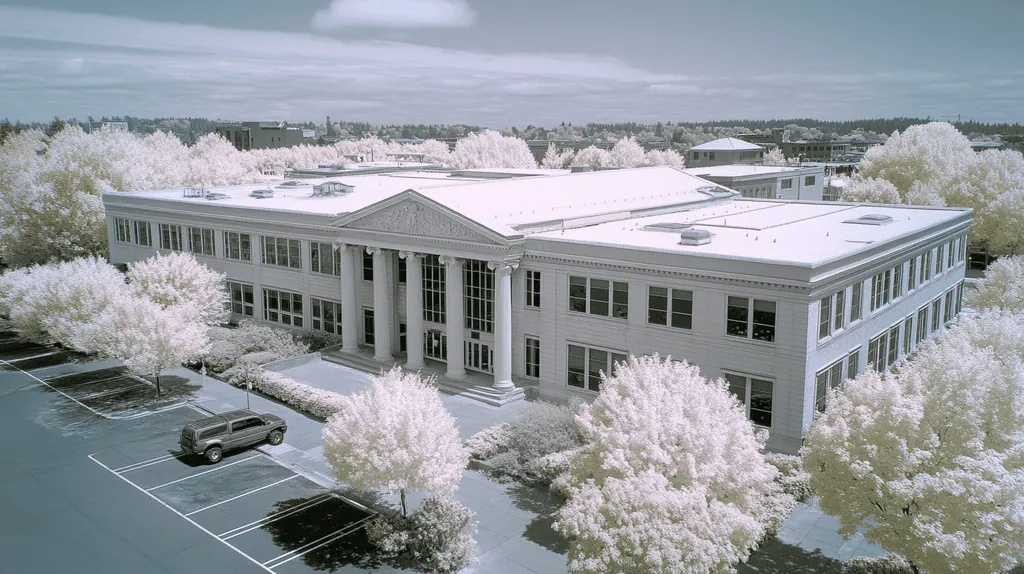
Specialized tools are indispensable during inspections; for instance, infrared thermography can reveal moisture trapped beneath the surface layers. This technology highlights areas where insulation has failed, which can affect the roof’s performance if not addressed.
It’s also imperative to assess drainage systems, ensuring they are clear and functioning correctly. Clogged drains can lead to water pooling, accelerating wear on the roof and potentially causing coating failure.
Engaging all team members during the inspection promotes collaboration. Regular discussions about findings ensure that no critical details are overlooked and facilitate the development of a comprehensive plan for repairs or enhancements.
Key Action Items
Post-Inspection Reporting
Post-inspection reporting plays a crucial role in guiding future actions. A detailed report should summarize all findings in a clear and concise manner. Adding visual evidence, such as photographs and diagrams, enhances clarity and aids in illustrating identified issues.
The report should prioritize issues based on their urgency and significance. This prioritization assists facility managers in distinguishing between immediate concerns and those that can be addressed over time.
It is essential to provide clear recommendations for repairs or steps required before the coating application. By offering actionable solutions, property managers can make informed choices regarding necessary interventions. Finally, distributing the report to all relevant stakeholders fosters transparency and ensures everyone understands the roof’s current condition and the planned next steps.
Key Action Items
SECTION 5: OPERATIONAL PROCEDURES
Facility managers must recognize the critical importance of assessing their existing commercial roofs before applying a coating. Neglecting this essential evaluation can lead to unforeseen failures and expensive repairs. By following a structured operational procedure, managers can strengthen roofing decisions and prolong the lifespan of their roofs. This section details the necessary steps for effective data collection, on-site inspection, and thorough reporting.
Pre-Inspection Data Collection
Data collection is a vital first step in conducting an effective roof assessment. Property managers should gather maintenance records, warranty details, and previous inspection reports. This foundational information helps identify recurring issues and highlights specific areas that require attention during the upcoming inspection.
Additionally, documenting the roof’s age, materials, and prior repairs can reveal patterns that may influence the coating process. Recognizing the roof’s history equips managers with insights into potential problems and enriches the context for visual examination.
Furthermore, analyzing environmental factors such as local weather conditions and any hazards like overhanging trees offers a comprehensive understanding of the roof’s experience over time. Clear communication of this information to the inspection team ensures that everyone is aligned and ready for a thorough assessment.
Key Action Items
On-Site Inspection Protocols
Conducting thorough on-site inspections is essential for accurately evaluating the existing roof’s condition. Inspectors should begin by examining visible areas for any signs of damage, leaks, or degradation. A systematic approach includes checking seams, flashings, and the overall integrity of the membrane.
Moreover, utilizing advanced tools such as infrared thermography can uncover hidden moisture issues trapped beneath the surface. Identifying areas where insulation may have failed is crucial for addressing temperature regulation and maintaining overall roof performance.
Inspectors must also evaluate drainage systems to ensure they are clear and functioning properly. Blocked drains can lead to pooling water, which accelerates wear and increases the risk of coating failure.
Finally, engaging all team members during the inspection promotes collaboration. Regular discussions about findings ensure that no critical details are overlooked and assist in developing a cohesive plan for necessary repairs or improvements.
Key Action Items
Post-Inspection Reporting
Post-inspection reporting is critical for guiding future roofing actions. A comprehensive report should clearly summarize all insights from the inspection, ideally including visual evidence such as photographs and diagrams to illustrate identified issues.
Additionally, the report should prioritize issues based on urgency and significance. This helps facility managers distinguish immediate concerns from those that can be monitored and addressed over time.
Providing clear recommendations for repairs or steps needed before coating application is essential. Actionable solutions empower property managers to make informed choices regarding interventions necessary for the roofing project.
Finally, distributing the report to relevant stakeholders promotes transparency and fosters collaboration. Ensuring that all parties understand the current roof condition and next steps is crucial for effective management of roofing operations.
Key Action Items
The Bottom Line
With over 40% of commercial roof coating failures stemming from inadequate pre-coating assessment, facility managers cannot afford to skip thorough evaluations of their existing roofs.
A comprehensive assessment addresses six critical areas: performance factors, financial considerations, compliance requirements, risk management, operational procedures, and long-term planning.
Modern coating technologies can extend roof life by 10-15 years while reducing energy costs by up to 30% – but only when applied to properly evaluated and prepared surfaces.
By following the evidence-based protocols outlined in this guide, facility managers can avoid costly failures, ensure regulatory compliance, and maximize their return on investment through successful coating applications.
The stakes are clear: proper assessment isn’t just about protecting an investment – it’s about safeguarding the entire facility and its operations.
FREQUENTLY ASKED QUESTIONS
Q. How do I assess the condition of my commercial roof?
A. Start with a visual inspection to identify visible wear, such as cracks or blisters. For deeper insights, conduct material testing to uncover hidden issues. Address small problems immediately to prevent costly repairs later.
Q. How can I decide between repair and replacement of my industrial roof?
A. Evaluate the overall condition and repair costs against replacement expenses. Remember, ongoing repairs can accumulate costs that exceed a total roof replacement. Consider long-term benefits, including energy savings from a new installation.
Q. What compliance factors should I consider for my commercial roof?
A. Review local building codes regarding materials, installation methods, and weight limits for new coatings. Staying compliant with OSHA safety standards is also essential to ensure worker safety during roofing operations.
Q. How do I identify potential leaks in my commercial roof?
A. Conduct regular inspections, especially after storms, and check for water stains inside. Utilize tools like moisture surveys or infrared thermography to detect hidden leaks, as timely identification can prevent extensive damage.
Q. What operational procedures should I follow for roof assessments?
A. Start with pre-inspection data collection, including previous maintenance records. Then, conduct thorough on-site inspections using advanced tools, and finally, create a detailed post-inspection report to document findings and recommendations.
Q. How can I manage weather-related risks for my industrial roof?
A. Perform inspections after severe weather events to assess any damage. Look for missing shingles, loose materials, or signs of water pooling, and take immediate action to ensure the roof’s structural resilience.
Q. What are the benefits of using reflective coatings on commercial roofs?
A. Reflective coatings can significantly reduce rooftop temperatures and lower energy costs. Additionally, they can extend the life of your roof by safeguarding against UV damage, making them a smart investment for long-term savings.






