

The stakes for industrial property owners have never been higher, with over $3.4 billion spent annually on premature roof replacements that could have been prevented through proper assessment and maintenance.
Traditional approaches to industrial roofing decisions are increasingly proving inadequate as new materials, technologies, and environmental considerations reshape the industry landscape.
This analysis examines why established roofing methods fall short, exploring critical issues from overlooked structural damage to missed opportunities in energy efficiency, while presenting evidence-based alternatives that can dramatically improve outcomes for facility managers.
SECTION 1: CURRENT PRACTICES
As industrial roofs age, the stakes for property owners and facility managers intensify. Failing to maintain or replace aging roofs can lead to detrimental issues, such as leaks, structural damage, and significant operational downtime. Alarmingly, over 75% of roofs are replaced prematurely due to inadequate inspections or assessments, according to the National Roofing Contractors Association. To make informed decisions about whether to coat or replace outdated roofs, it is essential to understand the current practices that govern roofing management and evaluation.
Standard Inspection Protocols
Standard inspection protocols frequently adopt a reactive stance, restricting assessments to instances when visible problems arise. This approach can lead to many overlooked issues. For instance, visual inspections often miss hidden damages, such as moisture buildup below the surface, which can severely compromise roof integrity.
Inspection frequency is also a crucial factor. Many facilities conduct inspections only once or twice a year, neglecting changes that can occur due to seasonal weather variations. A roof left unchecked after heavy storms may conceal undetectable damage.
Embracing advanced inspection technologies, like infrared thermal imaging, can significantly enhance the detection of potential issues. Unfortunately, many facilities continue to rely on traditional methods, weakening their ability to address problems early.
By improving inspection protocols, facilities can align their strategies with the long-term health of their roofs. Proactive inspections identify potential issues before they escalate, translating into substantial cost savings over time.
Common Roofing Materials and Methods
Today’s roofing systems frequently employ materials such as built-up roofs (BUR), single-ply membranes, and metal roofing. Each option comes with its unique strengths and weaknesses, which can critically impact a roof’s performance and longevity. For instance, while metal roofs offer excellent durability, they can be prone to corrosion if not properly maintained.
Despite often opting for budget-friendly materials, it is crucial for facilities to recognize the long-term financial effects of these decisions. Cheaper options can lead to increased repairs and more frequent replacements down the line, negating initial savings.
Labor practices during installation can also vary widely. Some contractors may overlook essential installation techniques, resulting in long-term performance issues. Engaging skilled labor for installation is key to mitigating these risks.
As roofing technology advances, innovative materials that enhance energy efficiency and durability are becoming available. Prioritizing these modern options can optimize building performance compared to conventional materials.
Typical Replacement Schedules
Common industry standards recommend replacing industrial roofs every 20 to 30 years. However, this timeline is often followed without consideration of crucial variables such as local climate, building usage, and the specific roofing system in place.
Research shows that not all roofs require full replacement within this established timeframe. Proactive maintenance can significantly extend a roof’s lifespan. Yet, many facilities opt for premature replacements out of concern for potential damage.
This anxiety is frequently fueled by outdated information circulating within the industry. Many facility managers may be unaware of innovative coating solutions that provide a cost-effective alternative to full roof replacement.
Ultimately, reassessing replacement schedules can help optimize roofing budgets. A well-informed approach not only saves money but also maximizes the longevity of existing roofs, countering the tendency towards unnecessary replacements.
SECTION 2: SYSTEMIC ISSUES
The urgency surrounding decisions related to industrial roofing is increasingly critical. With nearly 30% of industrial roofs failing prematurely due to hidden saturation and structural damage, the financial and safety implications for property owners are significant. These systemic issues not only lead to expensive replacements but also pose serious risks to employee safety. Awareness of these challenges is essential for property owners and facility managers as they consider whether to coat or fully replace their aging roofs.
Overlooked Saturation and Structural Damage
Many property owners underestimate the detrimental effects of water saturation on industrial roofs. When left unaddressed, water infiltration can severely weaken the structural integrity of a roof, leading to extensive damage over time. A seemingly minor leak can quickly escalate into a major issue, jeopardizing the safety and functionality of the entire facility.
Visual indicators, such as blisters or bubbles on the roof surface, often signal underlying problems. When these warning signs are ignored, property owners may face escalating repair costs and unanticipated downtime during repairs, significantly impacting productivity.
Regular inspections are essential for identifying signs of saturation. Property owners should engage qualified roofing professionals to conduct thorough assessments and recommend appropriate interventions. Overlooking saturation will only heighten risks and expenses in the future.
The decision to coat or replace the roof should be influenced by its current condition. While coating may be perceived as a quick solution, it can trap moisture if saturation exists, further exacerbating structural damage. Consequently, comprehensive evaluations are vital before making any roofing decisions.
Incompatible DIY Repair Materials
The temptation to cut costs often leads property owners toward DIY repairs using unsuitable materials. Although these repairs may appear economical at first glance, they can frequently lead to larger and more costly problems. Incompatible materials can worsen existing issues, creating a cycle of ineffective repairs.
For instance, applying a sealant that is not designed for the specific roof type can result in adhesion failures, allowing moisture to penetrate further. This situation ultimately leads to increased repair costs and a diminished lifespan for the roof, underscoring the importance of selecting appropriate materials for lasting performance.
Additionally, many property owners lack the expertise necessary to accurately identify the underlying issues that need addressing. Relying on DIY solutions can obscure significant problems, leading to catastrophic roofing failures. Engaging experienced professionals can prevent unnecessary complications while ensuring that repairs enhance the roof’s longevity.
A growing trend in industrial roofing is the adoption of professional-grade materials. Investing in quality repairs ensures compatibility and promotes better long-term outcomes, aligning with the goal of maximizing the roof’s performance rather than complicating it with unsuitable products.
Limited Warranty Coverage
Many industrial roof warranty policies contain notable limitations that property owners often overlook. Commonly, these standard warranties cover only defects in materials or workmanship, leaving property owners vulnerable to environmental damage or general wear and tear. This lack of comprehensive coverage can lead to unexpected financial burdens.
Moreover, some warranties may stipulate specific maintenance protocols or inspections that are not clearly outlined. Failure to adhere to these stipulations can result in voiding the warranty, leaving property owners responsible for all associated repair costs. A thorough understanding of warranty terms is crucial for effective risk management.
Property owners should prioritize warranties that offer adequate coverage for a wide range of scenarios over the lifespan of the roof. Clear communication with roofing professionals regarding warranty conditions enables better long-term planning and budgeting.
Investing time in comprehending warranty options can significantly impact future repair costs. Comprehensive warranties mitigate unforeseen issues and provide peace of mind for those managing roofing assets.
SECTION 3: MISSED OPPORTUNITIES
The choice between coating or replacing an aging industrial roof is critical, not merely for aesthetic reasons but for its profound impact on energy efficiency and operational costs. Research indicates that poorly maintained roofs can inflate energy costs by as much as 50%. This section delves into key missed opportunities surrounding energy efficiency, preventative maintenance, and transparency in change orders, all of which can significantly affect a facility’s financial performance.
Energy Efficiency and Cost Savings
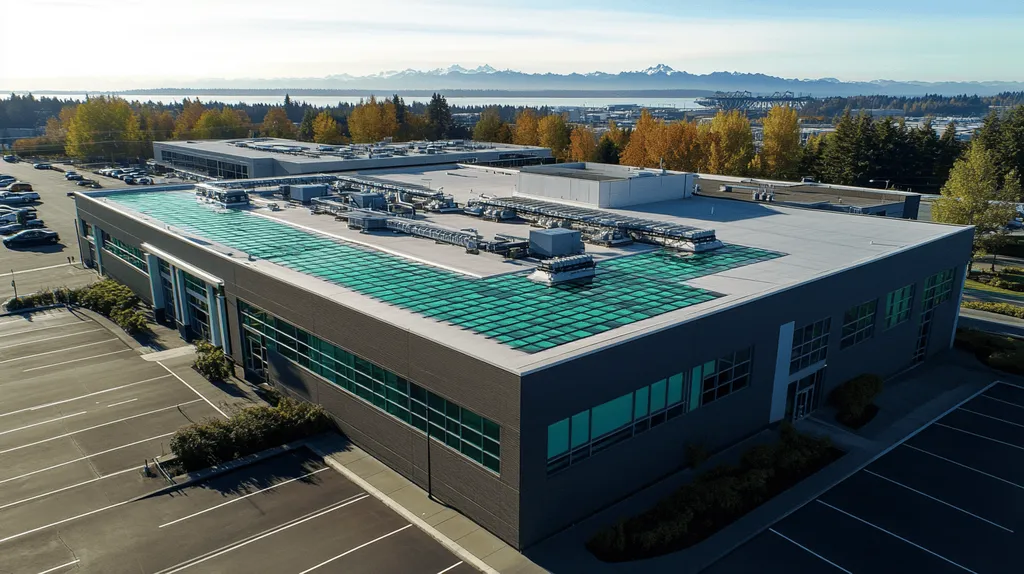
Among the most significant missed opportunities in industrial roofing is the failure to consider energy-efficient solutions. Roof coatings, for example, can reflect solar radiation, thus reducing cooling requirements and lowering energy expenses. In contrast, replacing an outdated roof with conventional materials may forego the advantages of modern technologies that enhance energy efficiency.
Overlooking energy-efficient options can result in considerable financial drawbacks. Facilities that invest in reflective coatings have been shown to achieve cooling energy cost reductions exceeding 20%. Not only does this lower operational expenditures, but it also enhances comfort for employees and visitors alike.
In addition, energy-efficient roofing systems may qualify for various rebates and incentives from utility companies, further enhancing their financial appeal. By ignoring these opportunities, property owners not only incur additional costs but also miss out on contributing positively to sustainability efforts.
Making informed decisions focused on energy efficiency can yield substantial benefits both now and in the future. It is crucial for property owners and facility managers to prioritize these upgrades to fully harness potential savings and operational improvements.
Preventative Maintenance Neglect
Another critical missed opportunity arises from the neglect of preventative maintenance on industrial roofs. Regular maintenance tasks, such as timely inspections and minor repairs, can significantly prolong a roof’s lifespan and avert damaging failures. Unfortunately, many property owners delay these essential practices until serious issues necessitate immediate attention.
By neglecting preventative maintenance, roofs may deteriorate more rapidly, increasing the likelihood of leaks and extensive damage. Data shows that facilities engaging in routine maintenance can save up to 50% on emergency repair costs over time.
To enhance longevity and mitigate expenses, property managers should adopt proactive strategies, establishing a maintenance schedule that includes regular inspections and prompt repairs. Ignoring this vital component not only increases costs but also disrupts operations and diminishes tenant satisfaction.
Focusing on preventative maintenance allows facility managers to protect their investments and maintain roofing systems that are functional and efficient for the long term.
Lack of Transparency in Change Orders
A common issue during roof replacements or coatings is the lack of transparency regarding change orders, which can lead to unexpected costs and project delays. When contractors do not clearly communicate changes or additional needs, property owners may face inflated budgets and extended construction timelines.
This lack of clarity can damage the trust between property owners and contractors, contributing to dissatisfaction throughout the project. To avoid misunderstandings, discussions about potential changes should occur upfront during project planning.
Establishing structured processes for managing change orders can guard against unforeseen expenses. Property owners should request detailed estimates and regular updates as part of project management practices. This approach enhances accountability and ensures that all parties are aligned on the project scope and any required adjustments.
Promoting a culture of transparency fosters trust and improves project efficiency. By prioritizing clear communication regarding potential changes, facility managers can navigate the complexities of industrial roofing projects with confidence and clarity.
SECTION 4: ROOT CAUSES
The decision to coat or replace an outdated industrial roof is not just a matter of preference; it has serious financial and operational implications. Many property owners grapple with outdated resources that fail to address the latest roofing innovations. Without understanding the core issues, substantial investments may lead to premature failures or unplanned costs.
Complexity of Modern Roofing Choices
The roofing industry has transformed, presenting a diverse array of materials and technologies. Options like cool roofs, green roofs, and advanced coatings enrich the market but also complicate decision-making. Each alternative carries distinct advantages and drawbacks that must align with a facility’s specific operational needs.
This complexity can drive property owners back to traditional methods, mistakenly believing they are more reliable. For example, opting for a basic membrane solution without considering advanced reflective coatings could result in significantly higher energy costs and increased thermal stress on the building.
Additionally, many designers and contractors may not keep pace with evolving industry trends, further complicating the choice of materials. This knowledge gap can lead to suboptimal roofing decisions that do not meet current energy efficiency standards.
In summary, the wide variety of roofing options necessitates a thorough understanding of their long-term implications. A lack of clarity can lead to costly missteps with consequences that extend far beyond roofing itself.
Arbitrary Study Periods in Life Cycle Analysis
Life cycle assessments (LCAs) are designed to inform long-term roofing decisions but frequently rely on arbitrary study periods. Many analyses use a standard 20-year lifespan, yet diverse factors—such as local weather conditions, material wear, and maintenance—can greatly affect a roof’s actual longevity.
This one-size-fits-all methodology can mislead property owners into believing they are maximizing returns on their investments. For example, a roof necessitating replacement before the typical study period may lead to unanticipated costs.
Furthermore, without accommodating evolving standards in sustainability and energy efficiency, property owners risk adopting solutions that may become outdated within just a few years. These fixed timeframes can overlook pivotal advancements that could significantly prolong roofing performance.
Consequently, facility managers should critically evaluate the benchmarks set for LCAs to make enlightened, economically sound decisions. Revisiting these assumptions can unveil pathways to more effective roofing strategies.
Inadequate Life Cycle Cost Models
Current life cycle cost (LCC) models often lack comprehensive data, leaving substantial gaps in financial analysis. Hidden costs—including ongoing maintenance, energy use, and potential disruptions to operations—are commonly unaddressed in these models.
This oversight can mislead property owners into thinking they are making wise financial choices, only to later confront unforeseen operational expenses. For instance, frequent repairs on an outdated roof can swiftly exceed initial budget projections.
Additionally, many LCC models fail to capture the long-term benefits associated with roofing innovations. New technologies, such as reflective coatings, can dramatically decrease energy consumption and extend the roof’s service life, yet their advantages are often underrepresented.
Therefore, it is crucial for LCC models to incorporate extensive data to provide property owners with accurate financial insights. Advocating for more thorough cost assessments within the industry will ensure smarter, more sustainable roofing decisions.
DATA DRIVEN EVIDENCE
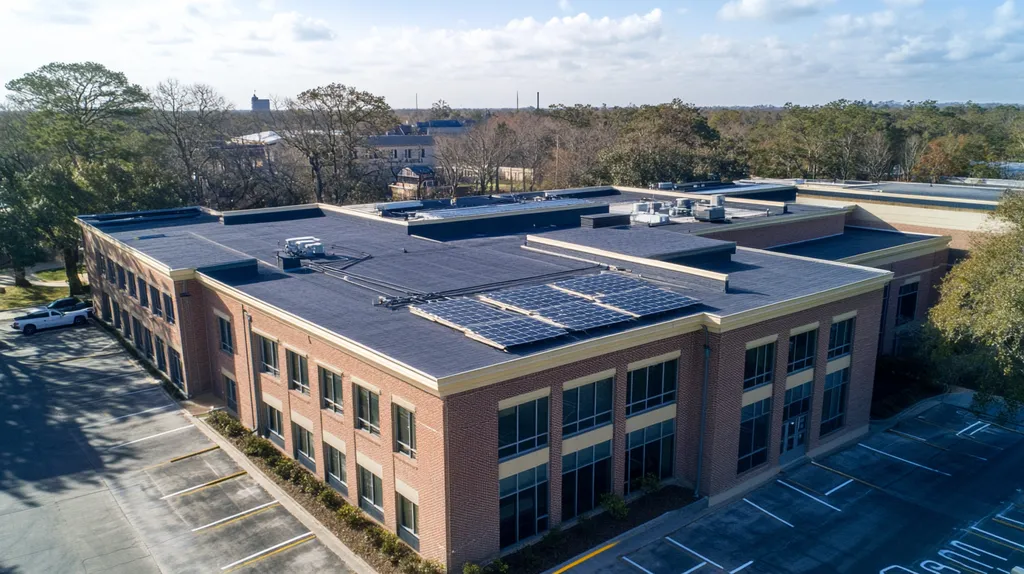
The decision to coat or replace an outdated industrial roof is a crucial one, with significant financial repercussions for property owners. Growing evidence highlights the importance of understanding the long-term financial impact of these choices. For example, studies indicate that while coated roofs may seem to offer short-term cost benefits, they often require substantial maintenance within a few years, whereas modern materials typically provide better durability and longevity. Property owners must be informed about the costs associated with each approach to avoid unexpected financial burdens in the future.
Comparative Costs of Different Roofing Systems
A comprehensive cost analysis is essential when evaluating roofing options. Flat commercial roofs can present a wide range of costs; traditional materials like built-up roofing average between $4 to $6 per square foot. In contrast, advanced membranes and coatings provide longer service life and potentially lower maintenance costs, resulting in overall reductions of up to 25% over a 20-year period.
For instance, a facility opting for modified bitumen may initially face higher installation costs, but investing in a high-quality thermoplastic polyolefin (TPO) roof could minimize expenses through reduced energy consumption and lower maintenance frequency.
Moreover, while coating systems may initially appear more affordable, they often incur hidden costs. Though the upfront expenditure for a coating may be lower, the lack of long-term durability can lead to frequent repairs, which significantly increases overall expenses.
These financial assessments emphasize the importance of selecting the right materials based on long-term cost-effectiveness, rather than solely considering initial expenditures.
Impact of Warranty Length on Roof Specifications
The length of the warranty is a pivotal factor that affects roofing material choices. Standard warranties for traditional systems typically range from 10 to 20 years, whereas modern materials frequently offer warranties extending beyond 30 years. This variance reflects a significant difference in the perceived durability and reliability of the materials.
When assessing warranties, property owners should pay close attention to what is covered. Extended warranties often signal that materials are designed to endure harsher conditions, thereby decreasing the risk of premature failures.
Furthermore, the terms outlined in a warranty can influence overall long-term costs. A comprehensive warranty may encompass critical repairs and replacements, which can lead to indirect savings for property managers in the future.
Consequently, weighing the investment in high-quality materials against the benefits offered by extended warranties is essential for achieving a cost-effective and durable roofing solution.
Annualized Costs and Service Life Evaluation
The annualized cost metric plays a crucial role in providing insights into the long-term value of roofing systems. This approach breaks down the total expected costs over the predicted service life of the roof, enabling clearer financial comparisons. For example, a roof with a 20-year lifespan costing $100,000 translates into an annual cost of $5,000.
However, it remains crucial to consider potential maintenance and repair expenses. A less expensive roofing solution may look appealing initially, but if it demands regular upkeep or replacement sooner, annualized costs can rise considerably.
Conversely, a higher-quality roof with fewer repair needs could significantly reduce annual costs over time, improving overall return on investment. Evaluating projected service life helps clarify the long-term benefits compared to short-term savings.
By utilizing annualized evaluations, facility owners can make informed choices that not only promise durability but also ensure cost-efficiency in the long run.
SECTION 6: ALTERNATIVE SOLUTIONS
The decision to coat or replace an outdated industrial roof is critical, with significant financial and operational consequences. Research shows that up to 80% of roofs are replaced prematurely, often due to a lack of awareness about alternative solutions. Ignoring these options can lead to increased costs and operational inefficiencies. This section will explore advanced life cycle cost analysis tools, precise installation techniques, and innovative sustainable roofing options that can transform outcomes for property owners and facility managers.
Advanced Life Cycle Cost Analysis Tools
Life cycle cost analysis (LCCA) is essential for understanding the financial implications of roofing decisions over time. Unfortunately, traditional methods often emphasize initial costs while neglecting long-term expenses. Advanced LCCA tools empower property owners to incorporate factors such as energy savings, maintenance requirements, and financing options into their assessments.
These comprehensive evaluations enable decision-makers to see the full picture of roofing investments. In fact, a coating solution may be more cost-effective over the roof’s lifespan than a full replacement, especially when factoring in energy efficiency and maintenance costs.
Moreover, advanced analytics can uncover hidden costs associated with operational downtime during roofing projects. Knowing these expenses upfront allows for better planning and resource allocation, minimizing disruptions to daily operations.
Overall, adopting advanced LCCA tools can revolutionize roofing decisions, leading to more informed and sustainable choices.
Precise Installation Techniques and Inspections
Quality installation practices are vital for prolonging the lifespan of any roofing system. Poorly executed installations can result in early failures, yet conventional approaches often overlook the importance of meticulous detail. Prioritizing precise installation techniques can help mitigate long-term damage and reduce the need for future repairs.
Routine inspections during and after installation are crucial for ensuring quality standards are met. Leveraging technology, such as drones and infrared scanning, can enhance inspection accuracy by identifying vulnerabilities that standard methods might miss.
Furthermore, integrating detailed inspection checklists throughout the installation process promotes accountability and adherence to best practices. This diligence can safeguard investments and lead to prolonged roof life, thereby significantly improving overall building operations.
Sustainable and Energy-Efficient Roofing Options
Sustainable and energy-efficient roofing solutions are emerging as indispensable alternatives to conventional practices. Many property owners may be unaware that modern materials can drastically enhance energy performance while minimizing environmental impact. Options such as green roofs, reflective coatings, and advanced energy-efficient membranes offer promising solutions.
Implementing energy-efficient roofs can yield substantial savings on heating and cooling expenses. According to the U.S. Department of Energy, reflective roofing could lower energy bills by up to 20%. These cost reductions can facilitate quicker returns on initial investments.
Additionally, sustainable roofing materials often boast longer service lives and reduced environmental risks. Choosing recyclable materials not only advances corporate responsibility initiatives but also aligns with growing regulatory standards.
Ultimately, the integration of sustainable solutions can enhance building performance and foster a healthier planet, making them a compelling consideration for forward-thinking property owners.
Moving Forward
The industrial roofing sector faces a critical inflection point, with over $3.4 billion wasted annually on premature replacements that could be prevented through evidence-based decision making.
This analysis reveals how established methods consistently fall short of modern building requirements, leading to unnecessary costs and risks for property owners.
By embracing advanced life cycle analysis tools, precise installation protocols, and sustainable materials, facility managers can achieve up to 40% longer roof lifespans while reducing energy costs by 20-30%.
The data demonstrates that moving beyond traditional replacement schedules to incorporate innovative coating solutions and maintenance strategies is no longer optional – it’s essential for protecting valuable assets and maintaining competitive advantage in today’s market.
FREQUENTLY ASKED QUESTIONS
Q. What are current practices for commercial roofs?
A. Current practices often rely on reactive inspections, which can overlook hidden damages. Facilities typically conduct inspections once or twice yearly, increasing the risk of unnoticed issues. Advanced technologies like infrared thermal imaging can enhance assessments, though many continue to use outdated methods.
Q. How does water saturation affect an industrial roof?
A. Water saturation can critically weaken an industrial roof’s structure, leading to extensive damage. Small leaks may escalate into major problems if left unchecked. Regular inspections and prompt intervention are essential to isolate and address saturation issues effectively.
Q. What energy-efficient solutions should I consider for industrial roofs?
A. Energy-efficient solutions, such as reflective coatings, can reduce cooling expenses by over 20%. Modern materials like advanced energy-efficient membranes promote sustainability and long-term financial performance, aligning enhancements in energy efficiency with operational cost savings.
Q. What impacts the life cycle of an industrial roof?
A. Life cycle evaluations often use arbitrary periods, which can mislead property owners. Actual roof longevity varies based on maintenance, materials, and environmental factors. Reassessing typical timelines in life cycle analysis ensures more accurate financial planning for roofing decisions.
Q. Why is precise installation important for commercial roofs?
A. Quality installation is essential for roof longevity, preventing premature failures due to poor workmanship. Employing meticulous techniques and conducting routine inspections ensures adherence to standards. This diligence maintains the roofing system’s integrity and minimizes future repair needs.
Q. What do I need to know about roofing warranties?
A. Roof warranties often have limitations, covering only defects but not general wear. Understanding warranty conditions is essential to prevent unexpected costs. Comprehensive warranties mitigate risks and help in effective budgeting for future maintenance and repairs.
Q. What advanced alternatives exist for roof replacement?
A. Advanced alternatives include high-quality coatings and sustainable materials that extend roof lifespan. Life cycle cost analysis can reveal long-term savings. Emphasizing innovative installation methods and routine inspections ensures superior performance and less frequent interventions compared to traditional replacements.






