

Industrial property owners face mounting challenges as insurance providers increasingly scrutinize roof coating selections, with over 40% of claims being denied due to improper materials or installation methods.
The stakes are particularly high given that inadequate coating choices can void coverage entirely, potentially leaving facilities exposed to millions in damages from weather events or structural failures.
This comprehensive guide examines critical insurance considerations for industrial roof coatings, from material selection and compliance requirements to maintenance protocols that protect both the property and its coverage.
SECTION 1: FUNDAMENTAL CONCEPTS
The landscape of industrial roofing is rapidly evolving, especially regarding how roof coatings are addressed in insurance policies. As property owners make strategic investments in coatings to enhance rooftop durability and reduce ongoing maintenance costs, understanding the insurance implications becomes vital. If not considered, these factors may lead to unexpected financial burdens when damage occurs. Clear knowledge of current insurance trends and regulations regarding these coatings ensures that properties are appropriately protected.
Insurance Industry Trends and Regulations
The insurance market for industrial roofing is shifting, with many providers updating their policies to accommodate new coating technologies. As the use of coatings becomes more prevalent in the industry, insurers are beginning to appreciate their role in extending the lifespan of roofs. Property owners must ensure that their policies explicitly cover these modern materials to avoid any financial surprises down the line.
Insurers are prioritizing proactive risk management over reactionary claims processes. Coatings that minimize leaks and enhance energy efficiency not only help lower claims but can also lead to reduced premiums. Engaging in open discussions with insurance agents about these advancements is crucial for property owners to guarantee that their coverage aligns with current policies.
Additionally, various states have begun implementing regulations that require specific insurance coverage for roofing materials. This trend can limit the availability of certain coatings in areas deemed high-risk. Staying informed about both local and national regulations is essential to prevent potential gaps in insurance coverage.
By aligning their insurance policies with modern roofing technologies, property owners can ensure greater safety and financial efficiency, ultimately enhancing the value of their investments.
Risk Assessment for Industrial Roofs
A thorough risk assessment is essential for the effective management of industrial roofs. By evaluating the roof’s condition and the materials used for coatings, property owners can pinpoint vulnerabilities. For example, some coatings may struggle under extreme temperature fluctuations or excessive moisture, affecting overall structural integrity.
Insurance companies often require comprehensive documentation as part of their underwriting processes. Conducting a detailed risk assessment can increase the likelihood of securing favorable policy terms. Therefore, collaborating with roofing professionals to collect accurate inspection data is vital for property owners when dealing with insurance matters. Accurate roof inspection data is essential for precise risk evaluation and builds trust between insurance professionals and their clients (source: On Archipelago).
Establishing a regular maintenance schedule can further minimize risks. Routine inspections help catch minor issues before they escalate, enabling property owners to avoid claims that could tarnish their insurance records. Proactive measures not only strengthen roofing systems but also help maintain favorable relationships with insurance providers.
Ultimately, prioritizing risk assessments and ongoing maintenance will shield property owners from unnecessary financial distress caused by unforeseen roofing problems.
Impact of Natural Disasters on Coverage
Natural disasters represent a significant risk for industrial roofs, making it crucial to understand how these events impact coverage for coatings. In regions prone to disasters, choosing the right roof coating can significantly enhance resistance against severe weather conditions. However, many insurance policies may not automatically cover damages resulting from such events, leaving property owners exposed.
Moreover, insurers might apply specific exclusions or higher premiums for properties in high-risk areas. It’s essential for property owners to verify that their coverage explicitly includes natural disasters. Being unaware of these factors can lead to devastating out-of-pocket expenses during recovery periods.
For instance, roofs treated with coatings designed to resist hail damage can significantly reduce the risk of catastrophic losses. Nevertheless, if insurance policies do not recognize the additional protection presented by these coatings, property owners may face challenges when filing claims after a disaster.
By assessing potential risks associated with their location, property owners can better navigate their insurance coverage options. Seeking guidance from insurance experts ensures that they are well-prepared for any unforeseen circumstances.
SECTION 2: SYSTEM COMPONENTS
The choice of materials in industrial roofing is not just a matter of aesthetics; it has significant implications for safety and insurance. Selecting the right coating can prevent serious failures that result in costly claims and liability disputes. Properties lacking adequate fire-resistant coatings may find themselves facing steeper premiums or even challenges in securing coverage. By understanding key components such as fire resistance, structural integrity, and effective drainage systems, property owners can make well-informed decisions that protect both their investments and their insurance alignments.
Fire-Resistant Materials and Coatings
Fire resistance is a pressing safety concern that directly influences insurance costs. Coatings that meet established fire ratings can significantly lower risk and liability—a factor appreciated by insurers. For example, roofs treated with Class A fire-rated materials typically enjoy reduced premiums compared to those with untested alternatives.
Moreover, utilizing fire-resistant materials ensures better compliance with local building codes, which often require adherence to specific safety standards. Failure to meet these standards can lead to fines or complications during claims processing in the event of an unfortunate incident.
It is crucial to evaluate materials based on performance in various fire scenarios. Selecting coatings that have undergone systematic testing and certification by recognized organizations can provide property owners the assurance that their roofs will withstand fire exposure effectively.
Investing in fire-resistant materials is not merely an upfront cost; it serves as a strategic asset that protects investments and may lead to lower expenses in the long run.
Structural Integrity and Support Systems
A roof’s structural integrity is critical, as it supports the entire coating system. Weak or compromised structures jeopardize both safety and insurance viability. Before applying new coatings, a thorough assessment of existing support systems is necessary to confirm that they are capable of bearing the added weight and stress.
For instance, while lightweight roofing materials can offer benefits, they must be installed on structurally sound frameworks. Underestimating this aspect can result in catastrophic failures, leading to expensive repairs and more frequent insurance claims.
Facility managers must also consider the load-bearing capacity when planning any upgrades or replacements. Keeping detailed records of regular inspections and maintenance can demonstrate the roof’s condition, which may reduce insurance liability.
Incorporating proven engineering practices and ensuring compliance with safety standards can help safeguard investments while preserving insurance coverage.
Water Drainage and Flashing Components
Effective water drainage is essential for extending the lifespan of a coated industrial roof. Proper drainage systems help prevent ponding and water accumulation, reducing leaks and water damage that could lead to significant insurance claims.
Flashing components are equally vital as they help direct water away from vulnerable areas. Poorly installed or deteriorating flashing can heighten risk, potentially void warranties and complicate insurance claims.
Routine maintenance and inspections of drainage systems and flashings are crucial for identifying issues before they escalate. A proactive approach not only preserves roof integrity but also meets insurance policy requirements, which often emphasize regular care.
In summary, prioritizing effective water drainage and maintaining well-functioning flashing components are key strategies for minimizing risk and enhancing insurance coverage for industrial roofs.
SECTION 3: IMPLEMENTATION METHODS
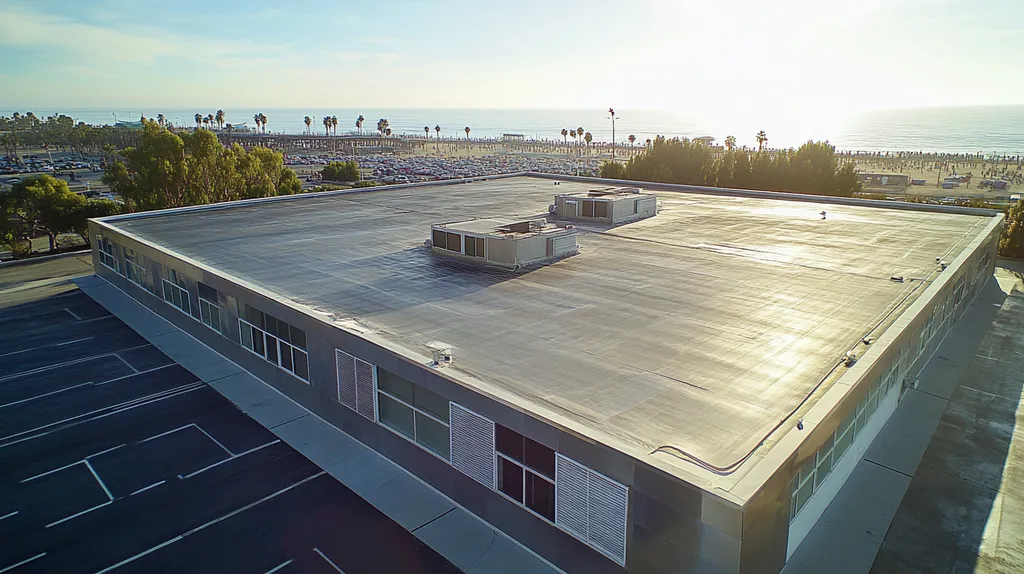
The choice of coating for industrial roofs is not just a matter of preference—it can have a profound impact on insurance premiums and claims. The National Roofing Contractors Association highlights that improper installation or incorrect material selection can lead to serious leaks and damage, ultimately influencing coverage. Understanding the best practices for implementation is essential to minimize risks and ensure compliance with insurance guidelines. This section will explore material selection, installation techniques, and the importance of adhering to insurance requirements.
Selection of Appropriate Coating Materials
Choosing the right coating material is crucial for the longevity and performance of industrial roofs. Different coatings provide varying degrees of durability, reflectivity, and insulation. For example, silicone coatings excel at waterproofing, while acrylic options are fantastic for UV protection and cost-effectiveness.
Property owners must factor in local climate conditions, the specific use of the building, and the stipulations of their insurance policies when selecting materials. Some insurance policies may even specify particular coatings that must be used, and failing to follow these guidelines can result in rejected claims.
Moreover, the selected coating must comply with local building codes and the manufacturer’s guidelines. Using lower-quality materials not only increases the risk of damage but can also complicate the insurance claims process in the event of an incident.
Ultimately, making informed choices about materials strengthens both the roof’s integrity and the property owner’s insurance position. Prioritizing high-quality, compliant coatings can lead to significant long-term savings and peace of mind.
Installation Techniques and Best Practices
Proper installation is key to maximizing the performance and longevity of roof coatings. Adhering to best practices can help prevent issues that might lead to damages or claims. Effective surface preparation is essential; this means cleaning the roof thoroughly, inspecting for any existing damage, and making necessary repairs before applying the coating.
Additionally, it is crucial to follow the manufacturer’s application guidelines for optimal adhesion and effectiveness. Environmental conditions at the time of application also matter; extreme temperatures or high humidity can negatively impact how well the coating cures.
Hiring qualified professionals to perform the installation is a wise decision. Contractors who are knowledgeable about roofing requirements can help meet insurance expectations while ensuring a quality job.
When done correctly, these installation methods not only enhance the roof’s lifespan but also align with insurance requirements, reducing the likelihood of disputes during claims processes.
Compliance with Insurance Guidelines
Compliance with insurance guidelines is indispensable when implementing roof coatings. Policies often stipulate specific materials and installation practices that must be adhered to. Ignoring these details can lead to decreased coverage or outright denied claims.
It is advisable for property owners to review their insurance policies before initiating any coating projects. Engaging with insurance agents early in the planning stage can clarify these requirements, ensuring that all necessary specifications are met.
Documenting the project from start to finish—including warranties, installation records, and inspection reports—is crucial. This documentation supports claims and demonstrates compliance with insurance standards should any issues arise.
In summary, understanding and adhering to insurance requirements not only protects investments but also leads to smoother interactions with insurance providers in the event of a claim.
SECTION 4: MAINTENANCE REQUIREMENTS
Poor maintenance on coated industrial roofs can lead to substantial financial challenges, including leaks and structural failures. In fact, statistics reveal that neglecting regular inspections can reduce a roof’s lifespan by as much as 50%. Establishing a meticulous maintenance protocol is essential not only for safeguarding investments but also for ensuring compliance with insurance requirements.
Regular Inspection and Assessment Protocols
Conducting routine inspections of coated roofs is vital for spotting early signs of wear and damage. These assessments should occur at least biannually, ideally in spring and fall, to address potential issues before they escalate. Engaging qualified roofing professionals for these evaluations ensures adherence to industry standards and best practices.
During inspections, property owners should pay special attention to critical areas such as seams, flashing, and drainage systems. Any visible signs of damage, including cracks or peeling coatings, should be documented promptly. Early detection leads to timely repairs, which are crucial for preserving the integrity of the roof.
Moreover, maintaining a regular inspection schedule can positively influence relations with insurance providers. Insurers appreciate proactive risk management, which can lead to improved coverage options or reduced rates.
Creating a checklist for inspections can standardize the assessment process. This checklist should include specific criteria to evaluate the roof coating and identify any potential threats that could undermine its performance. Consistency in inspections not only boosts reliability but also better informs future maintenance decisions.
Preventative Maintenance Strategies
Implementing effective preventative maintenance strategies can substantially prolong the life of coated roofs. A combination of routine cleaning and minor repairs can help prevent major issues from arising. This includes removing debris, clearing gutters, and addressing minor damages immediately before they exacerbate.
Also, regularly applying protective sealants can enhance the durability of the roof coating. These sealants help resist UV damage and moisture infiltration, which are crucial for maintaining the coating’s integrity over time. Scheduled applications every few years can significantly mitigate the risk of decreased roof performance.
Hiring a qualified roofing contractor to conduct these maintenance tasks ensures that all work is performed to the highest standards. Employing professionals not only keeps the roof in optimal condition but also enhances the property owner’s standing with insurers.
Property owners should budget for these proactive maintenance activities to avoid larger, unexpected repair costs. Investing in preventative measures results in significant long-term savings while ensuring a compliant and high-functioning roof.
Documentation for Insurance Purposes
Thorough documentation of maintenance activities is crucial for insurance considerations. Maintaining comprehensive records of inspections and repairs can expedite claims processes and establish compliance with maintenance protocols. Each inspection or maintenance task should be logged with details such as dates, findings, and any corrective measures taken.
Additionally, photographs taken during inspections serve as visual evidence of the roof’s condition and history. This documentation can play an essential role in resolving any disputes with insurance providers concerning claims.
Furthermore, it’s advisable to keep a register of all communications with roofing professionals and insurers regarding maintenance issues. Such a log enhances transparency and can be a significant resource when policy reviews or claims processing occurs.
Having a well-organized maintenance dossier not only protects investments but also has the potential to lead to reduced premiums. Insurers are more likely to offer favorable terms to property owners who can demonstrate a strong commitment to ongoing maintenance efforts.
SECTION 5: PERFORMANCE METRICS
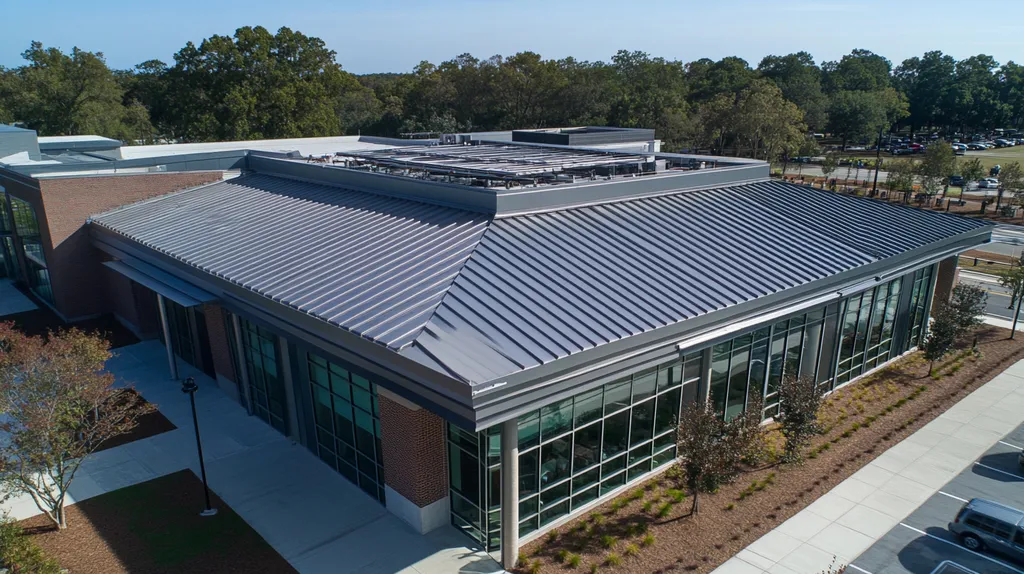
Understanding performance metrics is crucial for property owners in managing industrial roof coatings effectively. The reliability of a roof impacts not only safety but also productivity and profitability. Alarmingly, over 60% of industrial facilities face roofing failures that could have been prevented with proper evaluations. By focusing on roof condition, material quality, and monitoring for damage, property owners can secure effective coatings and ensure long-term protection.
Evaluating Roof Condition and Age
Before applying any varnish or coating, it is essential to assess the roof’s condition and age. A roof’s age profoundly influences its compatibility with new coatings. Typically, roofs older than 20 years may need additional inspections or basic repairs to verify their readiness for new applications.
A comprehensive visual inspection helps identify obvious issues like cracks, blisters, or standing water, all of which can jeopardize the effectiveness of coatings and lead to premature failure. Thermal imaging scans can also uncover hidden concerns that may not be visible to the naked eye.
Purchasing historical data regarding past maintenance and repairs provides invaluable context to understanding the roof’s overall integrity. This background is critical for making informed decisions on whether to proceed with coating or opt for repairs instead. Remember, proactive evaluations can prevent substantial costs down the line.
When considering coating an aging roof, property owners must assess both the potential benefits and risks involved. Consulting with roofing professionals is vital to determine the optimal course of action based on the specific circumstances.
Assessing Material Quality and Durability
The selection of high-quality materials directly influences the performance of any roof coating. Different coating materials possess unique properties regarding adhesion, flexibility, and UV resistance. Therefore, understanding the most suitable options for particular operational environments is essential.
For example, while polyurethane coatings offer exceptional durability and UV protection, they tend to be pricier. Conversely, acrylic coatings are often more affordable but may demand more frequent maintenance. Evaluating the long-term performance of these materials is essential for budget-conscious facility managers.
Moreover, manufacturers provide warranties that reflect expected lifespans and durability of their products. Such warranties should align with industry standards, fostering confidence in property owners’ material choices. Always consult technical documents for well-informed decision-making.
Ultimately, investing time and resources in selecting the right materials can significantly improve the roof’s functionality and lifespan. Thoughtfully chosen materials lead to lower overall costs and enhanced roof performance.
Monitoring for Signs of Wear and Damage
Consistently monitoring for signs of wear and damage is critical to maintaining the integrity of industrial roof coatings. Even the best coatings can deteriorate due to environmental exposure and stressors. Regular inspections help identify problems early, enabling timely interventions.
Establishing a routine schedule for performance assessments is essential. Inspectors should look for signs like surface cracking, bubbling, or discoloration, which often indicate potential failure. Detecting these issues early can help mitigate larger problems and prolong the roof’s life.
Moreover, incorporating technology such as drone inspections can provide a comprehensive view of the roof’s condition without interrupting daily operations. This modern approach allows facility managers to efficiently gather detailed data, making prioritization of maintenance needs simpler.
By creating a thorough monitoring plan that includes regular assessments and clear documentation, property owners can make effective roofing decisions. In the long run, consistent vigilance translates to improved performance metrics and lower repair costs. (source: On Archipelago)
SECTION 5: PERFORMANCE METRICS
Understanding performance metrics is critical for property owners when managing industrial roof coatings. The reliability of a roof directly affects a facility’s operation, influencing both productivity and profitability. Alarmingly, over 60% of industrial facilities experience roofing failures that could have been avoided with proper evaluations. By focusing on roof condition, material quality, and ongoing monitoring for damage, property owners can secure effective coatings and protect their investments for the long haul.
Evaluating Roof Condition and Age
Before any coatings are applied, it’s essential to assess the roof’s condition and age. A roof’s longevity significantly affects its compatibility with new coatings. Generally, roofs older than 20 years may require additional inspections or preliminary repairs to ensure they can adequately support new applications.
A thorough visual inspection can reveal critical issues such as cracks, blisters, or standing water. Each of these problems can jeopardize the effectiveness of the coatings, leading to premature failures. Utilizing tools like thermal imaging scans can help uncover hidden concerns that may escape a standard visual check.
Acquiring historical data on previous maintenance and repairs is valuable for understanding the roof’s overall integrity. This context is essential in making informed decisions about whether to proceed with coating or to prioritize repairs. Remember, proactive evaluations can lead to substantial savings in the long run.
When contemplating the coating of an aging roof, property owners must weigh potential benefits against possible risks. Consulting with roofing professionals can provide the guidance needed to determine the best course of action tailored to specific conditions.
Assessing Material Quality and Durability
The selection of high-quality materials plays a vital role in the performance of roof coatings. Each type of coating material has distinct properties related to adhesion, flexibility, and UV resistance. Thus, understanding which products suit particular operational environments is crucial for successful applications.
For example, polyurethane coatings offer outstanding durability and UV protection, although they generally come at a higher price. On the other hand, acrylic coatings may be more budget-friendly, yet they might need more frequent maintenance. Evaluating the long-term performance of these materials is essential, especially for cost-conscious facility managers.
Furthermore, manufacturers often provide warranties that reflect the expected lifespan and performance characteristics of their products. These warranties are essential and should align with industry standards, instilling confidence in property owners regarding their material choices. Always consult the technical documents to ensure well-informed decision-making.
Ultimately, investing time and resources into selecting the proper materials up front can greatly enhance the roof’s functionality and lifespan. Thoughtfully chosen materials can lead to lower overall costs and improved roof performance.
Monitoring for Signs of Wear and Damage
Regular monitoring for signs of wear and damage is vital to maintain the integrity of industrial roof coatings. Even high-quality coatings can deteriorate due to environmental exposure and various stress factors. Routine inspections are key to identifying potential issues early, allowing for timely interventions.
Establishing a schedule for performance assessments can make this monitoring process more effective. Inspectors should be on the lookout for signs such as surface cracking, bubbling, or discoloration, as these can all indicate an impending failure. Catching these warnings early can prevent more extensive damage and prolong the roof’s life.
Additionally, employing technology like drone inspections can provide a comprehensive view of the roof’s condition without interrupting daily operations. This modern method allows facility managers to quickly gather detailed data, facilitating better prioritization of maintenance needs.
By creating a thorough monitoring plan that includes regular assessments and accurate documentation, property owners can make informed decisions regarding their roofing systems. In the long run, proactive vigilance translates into improved performance metrics and reduced repair costs. (source: On Archipelago)
The Bottom Line
With insurance claims for industrial roof damage exceeding $2.1 billion annually, proper coating selection and maintenance have never been more critical for facility protection.
Property owners who fail to meet increasingly stringent insurance requirements for roof coatings face potentially devastating financial consequences, including denied claims and policy cancellations.
Success requires a systematic approach: selecting insurance-compliant materials, following precise installation protocols, maintaining detailed documentation, and implementing regular inspection schedules.
The investment in proper coating systems and maintenance protocols not only protects facilities but can lead to reduced premiums and enhanced property values.
As insurance requirements continue to evolve, staying informed and proactive about coating specifications will remain essential for protecting industrial roofing investments.
FREQUENTLY ASKED QUESTIONS
Q. What are the insurance implications of a coated industrial roof?
A. Understanding insurance implications for coated industrial roofs is essential to avoid financial surprises. Many insurers are updating policies to cover new coating technologies, which help lengthen roof lifespan. Property owners must ensure that their policies explicitly address these advancements to maintain robust coverage.
Q. How do fire-resistant coatings affect commercial roof insurance?
A. Fire-resistant coatings can significantly impact insurance premiums by reducing risk and liability. Properties with compliant fire-rated materials often enjoy lower rates compared to those lacking such protections. Ensuring adherence to local building codes also helps mitigate complications during the claims process.
Q. What installation methods help secure insurance coverage for industrial roofs?
A. Proper installation is crucial for securing insurance coverage. Following best practices, such as adhering to manufacturer guidelines, is essential to avoid insurance disputes. Engaging professional installers familiar with insurance requirements can also enhance the likelihood of sustained coverage.
Q. How does regular maintenance impact insurance for industrial roofing?
A. Consistent maintenance affects insurance positively by demonstrating proactive risk management. Insurers favor properties with routine inspections and upkeep, leading to potentially improved coverage options. Keeping detailed records of maintenance activities further supports favorable insurance terms and policy compliance.
Q. What performance metrics should owners monitor for industrial roofs?
A. Owners should monitor roof condition, material quality, and signs of wear. Regular inspections help identify issues early, while adequate documentation supports maintenance claims. Effective monitoring ultimately reduces long-term repair costs and enhances roof performance metrics.
Q. How do natural disasters affect insurance for coated commercial roofs?
A. Natural disasters considerably influence insurance coverage for coated roofs. Many policies may not automatically cover damages from such events, leaving owners unprotected. Verifying coverage details upfront ensures that roofs meet specific resilience requirements, minimizing out-of-pocket costs after disasters.
Q. How can property owners benefit from ongoing education about roofing technologies?
A. Ongoing education about roofing technologies empowers property owners to make informed decisions. Understanding advancements allows them to select appropriate coatings that meet both performance standards and insurance requirements. Staying informed ultimately enhances property value and sustainability, benefiting the broader community.






