

Nearly 40% of commercial roofs experience premature coating failures, costing property owners millions in repairs and replacements annually. This alarming trend stems from outdated application standards that fail to address modern building requirements and environmental challenges.
As regulations evolve and coating technologies advance, the gap between current practices and optimal performance continues to widen. The commercial roofing industry faces a critical need to reassess and update its approach to coating applications.
This analysis examines systemic issues in current practices, explores evidence-based solutions, and provides actionable guidance for property owners seeking to protect their roofing investments.
SECTION 1: CURRENT PRACTICES
In the realm of commercial roofing, misconceptions about application standards can lead to severe financial implications. Alarmingly, nearly 40% of roofs experience premature failure due to incorrect coatings and insufficient adherence to manufacturer specifications. By understanding current practices, property owners and facility managers can make informed decisions that prevent unexpected costs and extensive repairs.
Common Application Methods
Commercial roofing coatings are typically applied using three main methods: spray, roll, and brush. Each technique has distinct advantages and challenges, influenced by the roof’s surface and surrounding environment. Spray application is the fastest option, allowing for large areas to be covered quickly, but it demands skilled technicians to mitigate the risks of overspray and ensure even distribution.
On the other hand, rolling and brushing provide enhanced control but are labor-intensive and slow. These methods are commonly chosen for smaller areas or touch-ups, yet they can lead to uneven surfaces if not executed carefully. The selection of an appropriate application method is crucial, as it directly affects the durability and performance of the roof coating.
Regrettably, many contractors pursue quicker methods that diverge from established best practices, jeopardizing the coating’s longevity. Adhering to manufacturer guidelines is vital; it significantly influences the ultimate success of the installation.
This inconsistency in application practices is a significant concern for facility managers who depend on robust, long-lasting roofing solutions. A solid understanding of each application’s strengths and weaknesses is essential to ensure that the coating meets performance expectations.
Manufacturer Specifications and Compliance
Every roofing material manufacturer issues specific guidelines to guarantee proper installation and optimal performance. Adhering to these specifications is not just a recommendation; it is fundamental for achieving the desired protective qualities of roof coatings. Unfortunately, it has become commonplace for contractors to overlook or misinterpret these essential guidelines.
This neglect can result in serious repercussions, including diminished warranties and a heightened risk of coating failure. For property owners, this translates to unexpected repair expenses and the complicated process of managing insurance claims for roofing damage.
Moreover, many facility managers struggle to keep pace with the latest advancements in products and updates to manufacturer specifications. This knowledge gap can lead to outdated methods that fail to reflect current industry standards.
To combat these challenges, ongoing education and training regarding new materials and techniques are absolutely essential. Property owners must ensure that their chosen contractors are proficient in current manufacturer guidelines to safeguard their investments.
Field Application Challenges
Field conditions often introduce a myriad of challenges that can hinder the successful application of roofing coatings. Weather variations, temperature extremes, and site-specific environmental factors can complicate the installation process. For example, applying coatings in cold weather may result in poor adhesion and diminished performance longevity.
Additionally, contaminants like dirt and moisture can significantly impair bonding properties. Installing a roof coating over an inadequately prepared surface can lead to premature failure, undermining the entire roofing project.
Even well-meaning contractors might not effectively address these hurdles if they lack the necessary knowledge or tools. Misjudgments regarding field conditions can have serious consequences for property owners.
To effectively navigate these challenges, property owners and managers must prioritize thorough site assessments before initiating work. Collaborating with experienced contractors who can adeptly manage these variables is vital for achieving a successful coating application.
SECTION 2: SYSTEMIC ISSUES
The commercial roofing industry is grappling with critical issues that undermine the efficacy of coating applications. Alarmingly, nearly 30% of roofing failures are attributed to improper application techniques, revealing a pressing need for reform. These systemic issues, including inadequate training, poor surface preparation, and the use of non-compliant products, demand immediate attention. Addressing these areas can greatly enhance the durability and effectiveness of roofing systems, ultimately protecting significant property investments.
Inadequate Training and Certification
Many roofing applicators receive insufficient training, resulting in inconsistent installations. A staggering study reveals that nearly half of roofing professionals lack formal training in advanced application techniques. This significant gap often results in errors that diminish the longevity and effectiveness of coatings.
Some manufacturers have established comprehensive training programs, yet these are not universally embraced throughout the industry. Consequently, many applicators remain unaware of the latest advances and best practices, risking costly misapplication and financial consequences for property owners.
Additionally, the lack of stringent certification processes poses a serious challenge. Without regulatory oversight, unqualified individuals frequently undertake crucial work, compromising structural integrity. Prioritizing rigorous training for applicators is essential for elevating industry standards.
By enhancing educational requirements, the potential to improve coating performance and longevity can dramatically protect property investments, ensuring roofs perform at their best.
Improper Surface Preparation
Surface preparation is a pivotal phase in the roofing process that is too often neglected. Research illustrates that inadequate surface cleaning can account for up to 40% of coating failures, underscoring the necessity of meticulous preparation to promote adhesion and durability.
A successful bond begins with thorough cleaning; even minor residues like dust, dirt, or moisture can jeopardize the effectiveness of a coating. Skipping or hastily performing this essential step can lead to devastating peeling and premature failures, which can burden owners with hefty repair bills.
Moreover, different surfaces demand tailored preparation methods. For instance, metal and concrete substrates require distinct cleaning techniques. Failure to recognize and apply appropriate measures can severely compromise the installation’s integrity.
By promoting adherence to best practices in surface preparation, the industry can significantly reduce coating failures and extend the lifespan of roofing systems—all while ensuring a solid return on investment.
Non-Compliant Product Usage
Using non-compliant products presents a substantial risk to roofing system performance. Many contractors may inadvertently opt for lower-quality materials to save costs, neglecting the long-term ramifications. Industry standards set specific performance benchmarks, and using subpar products can invite severe consequences, including liability claims.
Furthermore, coatings that fail to meet updated regulations can negatively impact environmental performance and expose owners to legal liabilities. This issue becomes increasingly relevant as sustainability regulations tighten nationwide.
Often, contractors’ lack of awareness about compliant product lines leads to significant oversights. Property owners may trust that their contractors are employing approved materials; however, this is not always guaranteed. Regular audits on product compliance are necessary to mitigate risks and bolster accountability.
By adhering to established coating standards and utilizing compliant products, property owners can achieve longer-lasting roofs, maximizing their investments and anticipating fewer costly repairs.
SECTION 3: MISSED OPPORTUNITIES
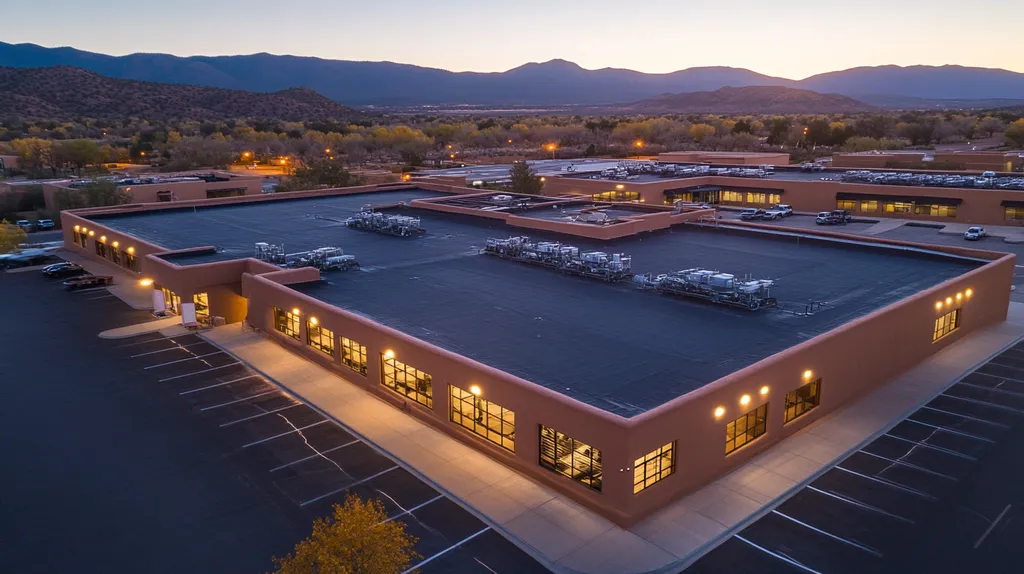
In the dynamic field of commercial roofing, neglecting updated codes poses alarming risks for property owners and facility managers. Recent research shows that nearly 40% of roofing failures stem from non-compliance with evolving fire classification and building code standards. These oversights not only compromise the safety of buildings but also lead to escalating costs and legal disputes. Understanding the ramifications of inadequate roof coating compliance is crucial, especially in an environment where regulations change frequently.
Overlooking Fire Classification Requirements
One of the most pressing missed opportunities in commercial roofing is the negligence of updated fire classification requirements. Fire-rated roofing materials serve as a vital defense against potential fire hazards, safeguarding structures and their occupants.
Failure to meet these standards can result in hefty fines, soaring insurance premiums, and, in the event of an incident, liability for property owners. A non-compliant roof can endanger the entire building, exposing everyone inside to risks.
Despite regulations highlighting the importance of fire-resistant coatings, many facilities still use outdated materials that fail to meet current safety expectations. This lack of compliance invites scrutiny from regulatory bodies and can necessitate costly renovations.
By embracing the latest fire classification standards, facility managers not only improve safety but also cultivate a culture of accountability and compliance. Adapting to these requirements is essential for protecting lives and financial investments.
Neglecting Building Code Standards
Another area where critical opportunities are lost is in the oversight of up-to-date building code standards. As regulations evolve, outdated roofing practices can jeopardize properties significantly.
Building codes are frequently revised to align with advancements in technology and safety. Ignoring these changes can lead to severe penalties, including costly legal actions that can haunt property owners.
Non-compliance not only increases the risk of structural failure but also negatively impacts a property’s market value. Prospective buyers or tenants often avoid buildings that don’t meet current standards, jeopardizing potential revenue.
Additionally, following updated building codes can enhance operational efficiency. Compliance may lead to lower energy costs and improved overall performance of roofing systems.
Therefore, staying informed about building codes is not merely a compliance issue; it is a strategic investment in the property’s future.
Ignoring Long-Term Maintenance Benefits
A lack of focus on long-term maintenance represents significant missed opportunities for property owners. Many facility managers perceive roofing coatings as one-time applications instead of ongoing investments.
Neglecting updated maintenance protocols can precipitate premature roof failures, resulting in expensive replacements. Regular inspections and maintenance can facilitate early detection of issues before they escalate into costly repairs.
Moreover, modern coatings often provide benefits like enhanced durability and energy efficiency. Well-maintained roofs can enjoy significantly longer lifespans, ultimately reducing capital expenditures.
By overlooking maintenance routines, facility managers risk diminishing the value of their investments while compromising the safety and comfort of occupants. Investing in diligent maintenance can yield substantial long-term benefits.
Understanding and implementing updated roofing maintenance protocols is vital for sustaining the building’s integrity and performance, ensuring peace of mind for property owners.
SECTION 4: ROOT CAUSES
The commercial roofing industry faces severe challenges stemming from outdated application standards for roof coatings. As buildings age and environmental regulations become stricter, property owners risk significant financial losses without a clear set of guidelines. Alarmingly, industry studies suggest that nearly 30% of roof repairs could have been avoided with proper coating applications. Addressing these root causes is essential for enhancing the longevity and performance of roofing systems.
Lack of Standardized Guidelines
The absence of universal guidelines has fragmented the commercial roofing landscape, creating chaos amid varying codes and practices across different regions. This lack of uniformity complicates compliance and quality assurance, leaving property owners to navigate unpredictable performance and durability of their roofs.
Such variability can cause confusion and miscommunication between contractors and clients. For instance, a property owner might assume they are receiving high-quality workmanship, while the contractor follows a lesser standard. This disconnect ultimately results in higher maintenance costs and financial strain.
Additionally, the overall distrust within the industry grows as the presence of inconsistent standards makes it difficult for property managers to choose reliable contractors. When every contractor claims to possess unique expertise, the market risks tolerating subpar practices that compromise the integrity of roofing systems.
To protect investments and foster a culture of quality, stakeholders must advocate for standardized guidelines throughout the industry. This initiative will establish transparent expectations, leading to improved roof performance and longevity.
Inconsistent Material Quality
Variability in the quality of roofing materials presents another challenge that can significantly impact application outcomes. Different manufacturers produce coatings with various formulations, which can directly influence adhesion, durability, and overall performance. Unfortunately, property owners often overlook the critical importance of sourcing high-quality materials.
This inconsistency can yield roofs that appear similar but perform quite differently. Standard coatings cannot guarantee identical effectiveness, often resulting in premature failures. The financial toll includes unexpected repair costs and impacts on the building’s operational efficiency and safety.
Furthermore, lower-quality products may deceptively meet specifications, leading property managers to make uninformed choices. Options that seem financially attractive may harbor long-term risks that are only recognized after problems emerge.
Therefore, raising awareness around material quality is essential. By enlightening property owners about the need for reputable suppliers, the industry can journey towards safer and more effective roofing solutions that support long-term success.
Rushed Application Practices
Rushed application practices are a significant risk in the commercial roofing landscape. Often driven by tight schedules and budget constraints, contractors may hastily apply coatings to meet deadlines, compromising quality in the process. Such rushed jobs can lead to improper application techniques that jeopardize the integrity of installations.
When applications are done in a hurry, critical steps—including proper surface preparation—can easily be overlooked. Neglecting these details may compromise adhesion, leading to issues like peeling, bubbling, or cracking of the coating over time. The quality of the installation is affected, ultimately shortening the roof’s lifespan.
Moreover, the pressure to complete projects quickly can lead to miscommunication on-site among team members, increasing the likelihood of errors. If workers aren’t fully attentive to each step of the process, quality control deteriorates, risking significant fallout from implementation mistakes.
To alleviate this issue, the industry must shift focus from speed to quality, reinforcing the importance of thorough and diligent practices. By encouraging contractors to allocate the necessary time for each job, property owners will ultimately benefit from improved results and enhanced roof durability.
DATA DRIVEN EVIDENCE
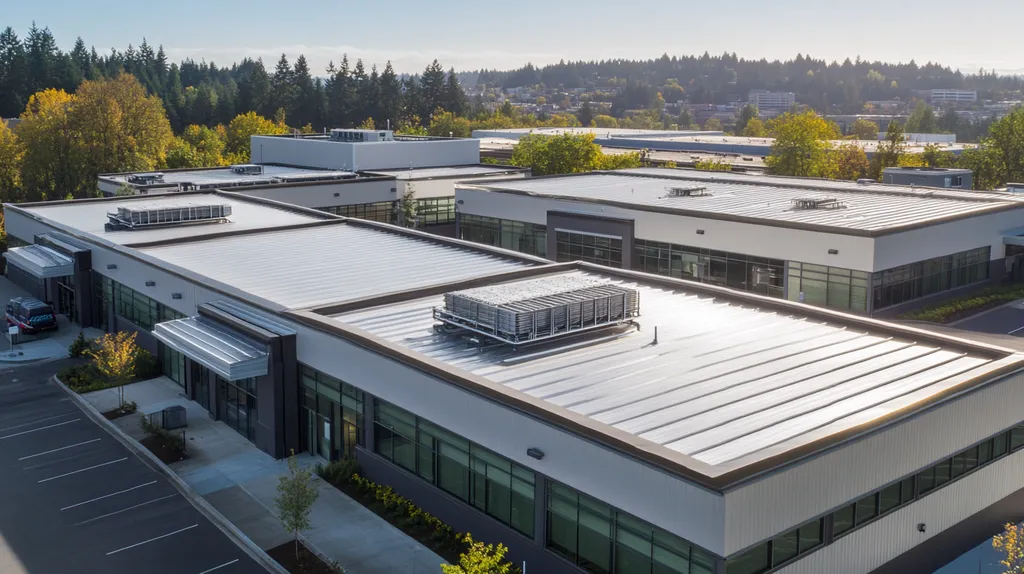
Inadequate roofing standards pose significant threats to commercial property owners, leading to alarming financial losses. According to the National Roofing Contractors Association, as much as 30% of newly applied roof coatings fail within the first five years. This stark statistic underscores the critical necessity for updated application standards and enhanced quality control. Various case studies further illustrate the severe consequences of failing to adhere to proper coating application protocols, resulting in costly repairs and jeopardized building safety. This section will delve into statistical failures, compelling case studies, and compliance audit results that highlight the urgent need for reform.
Statistical Failures and Reapplication Rates
The statistics surrounding reapplication rates for commercial roof coatings are troubling. Research indicates that a staggering 40% of roofs need reapplication within just three to five years, pointing towards a systemic failure in current coating application practices. Variability in performance among products further complicates the situation, making it increasingly challenging for facility managers to identify reliable options.
Furthermore, improperly applied coatings can slash a roof’s lifespan by as much as 60%. This not only inflates costs for property owners but also contributes to a larger environmental burden due to the need for premature replacements. The evidence clearly demonstrates that current practices are not only failing property owners but are also unsustainable.
Additionally, a survey of commercial property owners revealed that over 70% encountered issues with their roof coatings within a decade. The financial fallout from these issues often escalates, necessitating significant budget allocations for repairs and unanticipated downtime.
These alarming findings emphasize the vital need for revised standards that prioritize improved application techniques and quality materials, ensuring longer-lasting performance and greater reliability.
Case Studies of Coating Failures
Examining specific case studies reveals the harsh realities stemming from inadequate roofing standards. One notable case involved a manufacturing facility that invested significantly in high-quality roof coatings. Unfortunately, within four years, they experienced considerable peeling and blistering.
Investigations revealed that the coating application did not follow essential surface preparation guidelines, rendering the product ineffective. This failure incurred costs exceeding $100,000, impacting repairs, lost productivity, and even legal liabilities due to tenant disputes.
Another example featured a retail space that chose a reflective coating for energy efficiency. However, adverse weather conditions during installation led to poor adhesion, resulting in coating failure within three years. This necessitated a roof replacement that cost three times the original estimate.
These instances not only reflect the financial burdens of inadequately applied coatings but also illustrate the operational disturbances that follow. They highlight the pivotal role effective regulations play in promoting accountability within the roofing industry.
Compliance Audit Findings
Compliance audits paint a concerning picture of adherence to roofing standards. A recent audit revealed that nearly 50% of roofing projects failed to meet even basic compliance requirements, indicating a widespread neglect of current guidelines.
One audit case uncovered multiple instances where coatings used did not align with manufacturer specifications, leading to critical performance failures. Alarmingly, it was determined that roughly 60% of these failures could have been avoided through strict compliance adherence.
Moreover, the audits uncovered a glaring deficiency in training among applicators. Approximately 80% of contractors indicated that they received minimal training related to the specific nuances of applying commercial coatings.
These compliance findings reinforce the urgent need for improved training and updated application standards to mitigate failures and protect valuable property investments effectively.
SECTION 6: ALTERNATIVE SOLUTIONS
The pressure to meet evolving roofing coating requirements has never been greater. Insufficient application standards not only lead to roof failures but can also result in significant financial ramifications, including costly repairs and liability disputes. Research indicates that improper installation practices are a primary culprit behind roofing failures, emphasizing the need for more robust solutions. By enhancing training and certification programs, improving surface preparation techniques, and adopting advanced coating technologies, the industry can elevate overall roofing performance. These alternative solutions hold the key to increased durability and cost-effectiveness in commercial roofing.
Enhanced Training and Certification Programs
The effectiveness of roofing applications is heavily influenced by the training that professionals receive. Today’s training programs often fall short in addressing the full spectrum of modern coating technologies. Instituting a standardized certification that mandates continuing education can elevate the skill sets required to meet the industry’s evolving demands.
For instance, comprehensive training could cover emerging coating materials and innovative application methods. This would ensure that workers are equipped to handle various substrates and environmental conditions, thereby reducing installation errors. Enhanced training also bolsters safety by arming workers with the knowledge to avert potential accidents.
Certification elevates industry standards, creating a benchmark for performance. This allows property owners to make informed choices when selecting trained professionals, increasing the likelihood of securing long-lasting roofing solutions. Moreover, implementing recognized certifications may attract new talent to the industry, helping to address ongoing labor shortages.
Ultimately, a commitment to education and certification in roofing translates to better-informed decisions. This proactive approach can lead to fewer claims related to roofing failures, benefiting not just property owners but the entire roofing sector.
Improved Surface Preparation Techniques
Successful roof coating hinges on proper surface preparation, yet this critical step is often overlooked. Neglect in this area significantly increases the risk of coating failures. By adopting advanced surface preparation techniques, the industry can pave the way to improved adhesion and longevity.
Utilizing state-of-the-art cleaning methods—such as high-pressure washing paired with specialized primers—ensures that surfaces remain free of contaminants. Every substrate demands specific treatments to achieve optimal performance; adhering to these best practices enhances bonding and extends the coating’s lifespan.
Investing in new technologies for surface preparation can yield substantial benefits. Automated systems that quickly assess surface conditions can simplify the preparation process and minimize errors. Consistency in preparation is essential for achieving uniform results across various projects.
When surface preparation becomes integrated into the initial project planning, it elevates quality expectations across the industry. Prioritizing this aspect sends a powerful message about the value placed on excellence, ultimately fostering greater operational efficiency and lowering future maintenance costs.
Adoption of Advanced Coating Technologies
The commercial roofing sector is in a continual state of evolution, with new technologies becoming available to enhance durability and performance. Unfortunately, many property owners cling to outdated materials that may not provide the level of protection needed in today’s climate. Embracing advanced coatings can lead to roofs that last longer while minimizing lifecycle costs.
Modern coating technologies are engineered to endure extreme weather conditions while offering superior UV protection. For example, materials like silicone and polyurea provide excellent water resistance and elasticity, significantly improving long-term adhesion. By opting for these advanced solutions, property owners can experience a stark reduction in maintenance expenses.
Additionally, many new coatings are environmentally friendly, aligning with increasing sustainability initiatives. These options often minimize harmful emissions and can even reflect sunlight to reduce cooling costs. This dual benefit empowers property owners to embrace eco-conscious choices that also enhance their financial bottom line.
Incorporating these cutting-edge technologies into roofing practices could revolutionize the industry. As building codes adapt to modern standards, property owners must be proactive in pursuing the latest innovations. Technologies that may appear niche today are likely to become essential tomorrow, ensuring the resilience of commercial roofs for years to come.
Moving Forward
With over 40% of commercial roofs experiencing premature coating failures, the industry stands at a critical crossroads that demands immediate action.
The evidence clearly demonstrates that outdated application standards are costing property owners millions while putting buildings at risk.
By implementing enhanced training programs, adopting rigorous surface preparation protocols, and embracing advanced coating technologies, the commercial roofing sector can dramatically reduce failure rates.
The path forward requires a unified commitment to updated standards that reflect modern building requirements and environmental challenges.
The stakes are too high to maintain the status quo – every day of delay leads to more costly failures, compromised buildings, and unnecessary financial burden for property owners.
FREQUENTLY ASKED QUESTIONS
Q. How do current application practices affect a commercial roof’s lifespan?
A. Misconceptions about application standards can lead to premature roof failures. About 40% of roofs fail early due to incorrect coatings and poor adherence to specifications. Understanding these practices helps property owners avoid costly repairs and unanticipated issues.
Q. What systemic issues plague the commercial roofing industry?
A. The industry struggles with inadequate training and poor surface preparation. Nearly 30% of roofing failures stem from improper application techniques. Tackling these issues can enhance the effectiveness and durability of roofing systems, protecting property investments.
Q. How do missed opportunities in compliance affect industrial roofs?
A. Ignoring updated fire classification and building code standards leads to significant risks. Nearly 40% of roofing failures are due to non-compliance, resulting in penalties and increased insurance costs. Embracing compliance ensures safety and financial security.
Q. What root causes contribute to commercial roofing failures?
A. Key causes include a lack of standardized guidelines and inconsistent material quality. Approximately 30% of roof repairs could have been avoided with better application standards. These factors lead to unpredictable performance and financial strain for property owners.
Q. What does data say about failure rates of commercial roof coatings?
A. Research indicates that up to 30% of newly applied coatings fail within five years. This highlights the urgent need for updated standards and rigorous quality control to prevent costly repairs and enhance building safety.
Q. What alternative solutions can improve commercial roofing performance?
A. Solutions include enhanced training programs, improved surface preparation techniques, and the adoption of advanced coating technologies. Elevating these areas can lead to longer-lasting roofs and significant cost savings for property owners.
Q. How can I ensure quality in my commercial roofing projects?
A. Prioritize hiring trained professionals and verify that they follow current standards. Regularly assess surface conditions and keep up with industry advancements to ensure rigorous quality control throughout the roofing project.






