

Every year, billions of square feet of commercial roofing contribute to urban heat islands and excessive energy consumption, yet prevailing assumptions about roof coatings’ environmental benefits remain largely unexamined.
Recent studies reveal that many common coating practices may actually accelerate environmental damage while wasting millions in preventable energy costs.
This critical analysis challenges established industry beliefs, examining how current coating approaches fall short of their environmental promises and exploring evidence-based alternatives that deliver genuine sustainability improvements.
SECTION 1: CURRENT PRACTICES
The commercial roofing industry stands at a critical crossroads where outdated practices clash with emerging environmental imperatives. Every year, billions of square feet of commercial roofing space contribute substantially to urban heat islands and excessive energy consumption. Traditional approaches to roof coatings, while familiar, often overlook revolutionary advances in materials science and environmental protection. Understanding current practices reveals both the challenges and opportunities for meaningful change.
Common Types of Commercial Roof Coatings Used
The commercial roofing sector currently relies on three primary coating categories: reflective, elastomeric, and silicone-based solutions. Each serves distinct purposes in protecting and enhancing roof performance, though their environmental impacts vary significantly.
High albedo roof coatings have emerged as particularly effective solutions, reflecting substantially more solar radiation than conventional materials. These advanced coatings demonstrably reduce rooftop temperatures and decrease cooling energy consumption, especially in warm climates like Phoenix. (source: ASME Sustainable Buildings)
Elastomeric coatings provide exceptional durability and flexibility, adapting to temperature fluctuations while maintaining structural integrity. These coatings create seamless membranes that prevent water infiltration and resist deterioration from UV exposure.
Silicone-based solutions offer superior weathering resistance and maintain their properties longer than other options. Their molecular structure provides outstanding water resistance and remarkable longevity, though their higher initial cost often deters budget-conscious property owners.
Typical Application Procedures and Industry Standards
Successful coating application demands meticulous surface preparation, including thorough cleaning and repair of existing roof substrates. Even minor oversights during this critical phase can compromise the entire system’s performance and longevity.
Professional application typically involves multiple coating layers, with each requiring specific environmental conditions and cure times. Temperature, humidity, and weather conditions must fall within strict parameters to ensure proper adhesion and performance.
Quality control measures include thickness testing, adhesion verification, and visual inspections throughout the application process. These steps ensure uniform coverage and identify potential issues before they become costly problems.
Maintenance protocols require regular inspections and periodic recoating to maintain optimal performance. Establishing comprehensive maintenance schedules helps prevent premature coating failure and extends roof system lifespan.
Prevailing Environmental Assumptions in Roof Coating Selection
Many facility managers continue operating under the misconception that environmental benefits necessarily come at a premium cost. This assumption leads to choosing less efficient options that appear more economical in the short term.
The focus on initial installation costs often overshadows the substantial long-term savings available through reduced energy consumption and extended roof life. This narrow perspective fails to account for the true cost of ownership over the system’s lifetime.
Current decision-making often overlooks the cumulative impact of roofing choices on urban heat island effects and energy consumption. The resulting environmental burden extends far beyond individual buildings to affect entire communities.
Resistance to adopting new coating technologies frequently stems from familiarity with traditional systems rather than objective evaluation of performance data. This institutional inertia slows the adoption of proven environmental solutions despite compelling evidence of their benefits.
SECTION 2: SYSTEMIC ISSUES
The commercial roofing industry faces critical challenges that demand immediate attention. While roof coatings promise environmental benefits and energy savings, mounting evidence reveals concerning gaps between marketing claims and real-world performance. These systemic issues threaten not just individual building performance, but also broader sustainability goals and financial outcomes for property owners.
Limitations of Reflectivity and Energy Savings Claims
High albedo roof coatings reflect significantly more solar radiation than traditional materials, delivering measurable reductions in rooftop temperatures and cooling costs. These benefits prove especially valuable in warm climates like Phoenix, where the cooling savings substantially outweigh any winter heating penalties. (source: ASME Sustainable Buildings)
However, these impressive initial performance metrics often deteriorate rapidly in real-world conditions. Surface contamination from air pollution, biological growth, and accumulated debris can slash reflectivity by up to 35% within the first two years of installation.
Geographic location and building design significantly impact actual energy savings. Northern facilities may see minimal benefit during winter months, while buildings with poor insulation or oversized HVAC systems often fail to realize projected savings.
Without proper baseline energy audits and performance monitoring, property owners cannot accurately assess whether coating investments deliver promised returns.
Overlooked Longevity and Maintenance Challenges
The durability promises of roof coatings frequently collide with harsh reality. While manufacturers tout extended lifespans, coating systems often require substantial maintenance investment to achieve their rated service life.
Regular professional cleaning becomes essential to maintain reflective properties, yet this crucial requirement rarely factors into initial cost-benefit analyses. These maintenance demands create significant ongoing expenses that can erode projected savings.
Weather exposure, particularly in regions with extreme temperature swings, can cause premature coating deterioration. Even minor application errors during installation can accelerate this breakdown, leading to system failure years before warranty expiration.
The true cost of ownership must include these maintenance requirements and potential premature failure risks. Property owners who skip this analysis often face unexpected expenses that devastate operational budgets.
Hidden Environmental Costs of VOCs and Material Production
The environmental impact of roof coatings extends far beyond their energy-saving potential. Manufacturing processes consume substantial resources and energy, while raw material extraction often involves environmentally destructive mining operations.
VOC emissions during application pose serious health risks to installation crews and building occupants. These chemicals continue off-gassing long after installation, contributing to both indoor and outdoor air pollution.
Transportation of coating materials to job sites generates significant carbon emissions. The environmental cost multiplies when considering the frequent recoating cycles many buildings require.
Disposal of coating containers and overspray waste creates additional environmental burden. Many coating materials resist biodegradation, persisting in landfills for decades while leaching chemicals into groundwater.

SECTION 3: MISSED OPPORTUNITIES
The commercial roofing industry is failing to capitalize on transformative opportunities that could revolutionize building performance. While roof coatings offer proven environmental and financial benefits, fragmented approaches and outdated thinking prevent many facilities from achieving optimal results. By overlooking critical integration points and emerging technologies, property owners leave millions in potential savings on the table while missing chances to dramatically reduce their environmental impact.
Inadequate Integration with Building Envelope Upgrades
Too often, roof coatings are treated as isolated solutions rather than integral components of comprehensive building performance strategies. This siloed approach ignores the powerful synergies possible when coating systems work in concert with other envelope improvements.
Strategic coating selection can amplify the benefits of upgraded insulation, high-performance windows, and modern HVAC systems. When properly integrated, these components work together to optimize energy efficiency and extend the service life of all building systems.
Many facilities miss valuable incentives and rebates by failing to coordinate roof coating projects with other envelope improvements. Programs designed to reward comprehensive upgrades often require documented evidence of system integration.
The disconnect between roofing and other building trades creates missed opportunities for value engineering and installation efficiency. Coordinated project scheduling could reduce costs while maximizing performance benefits across all systems.
Neglecting Lifecycle Environmental Impact Assessments
Most coating decisions focus solely on initial costs and short-term benefits while ignoring long-term environmental consequences. This myopic view fails to account for the true ecological impact of different coating options over their complete lifecycle.
Critical factors like manufacturing emissions, installation impacts, maintenance requirements, and end-of-life disposal rarely factor into coating selection. Without comprehensive lifecycle analysis, facilities risk choosing options that create unintended environmental harm.
The industry needs standardized methods for evaluating the full environmental costs and benefits of coating systems. Current assessment tools vary widely in scope and methodology, making accurate comparisons difficult.
Forward-thinking facility managers can gain competitive advantages by demanding detailed lifecycle impact data from coating manufacturers. This information enables truly sustainable choices that benefit both the environment and the bottom line.
Potential Benefits of Emerging Coating Technologies
Revolutionary advances in coating technology remain largely unexploited in commercial applications. New formulations incorporating phase-change materials, photocatalytic compounds, and self-cleaning surfaces offer unprecedented performance potential.
Bio-based and recycled content coatings demonstrate that environmental responsibility need not compromise performance. These sustainable alternatives often match or exceed traditional products in durability while minimizing ecological impact.
Smart coating systems integrating sensors and monitoring capabilities enable predictive maintenance and optimization. Real-time performance data helps facility managers maximize coating longevity while minimizing energy consumption.
Early adopters of these emerging technologies position themselves to capture significant competitive advantages. The initial investment in advanced solutions typically yields superior returns through enhanced performance and reduced lifecycle costs.
SECTION 4: ROOT CAUSES
The commercial roofing industry faces a critical environmental crisis fueled by systemic failures in how we evaluate and implement coating solutions. Despite technological advances, billions of square feet of commercial roofing continue contributing to urban heat islands and excessive energy consumption. These problems persist not from a lack of solutions, but from deeply rooted issues that prevent widespread adoption of proven environmental technologies.
Industry Reliance on Outdated Environmental Data
Many facility managers base crucial roofing decisions on environmental impact data that’s decades old. This outdated information fails to account for revolutionary advances in coating technology that dramatically outperform traditional solutions.
High albedo roof coatings now reflect substantially more solar radiation than conventional materials, delivering significant reductions in rooftop temperatures and cooling costs. These benefits prove especially valuable in warm climates where the cooling savings far exceed any winter heating penalties. (source: ASME Sustainable Buildings)
The disconnect between historical assumptions and current coating capabilities leads many buildings to waste massive amounts of energy. Modern reflective coatings can reduce cooling loads by up to 30%, yet many facilities continue using outdated materials based on obsolete performance data.
This resistance to updated information prevents facilities from capturing dramatic improvements in both energy efficiency and environmental impact. The cost of this inertia grows exponentially as energy prices rise and climate challenges intensify.
Incentive Structures Favoring Short-Term Solutions
Current market incentives push property owners toward quick fixes rather than sustainable solutions. The focus on initial costs ignores the substantial long-term savings available through high-performance coating systems.
Budget cycles typically emphasize immediate expenditure over lifecycle costs. This short-term thinking leads facilities to choose basic coatings that require frequent replacement instead of investing in durable solutions with superior environmental performance.
The bidding process often rewards contractors who propose the lowest upfront cost rather than the best long-term value. This creates a race to the bottom where environmental benefits are sacrificed for initial savings.
Even when facility managers understand the benefits of advanced coatings, they struggle to justify the investment to decision-makers focused solely on current-year budgets. This misalignment of incentives perpetuates the use of inefficient solutions.
Regulatory Gaps and Misaligned Sustainability Metrics
Building codes and environmental regulations haven’t kept pace with coating technology advances. Many jurisdictions still use outdated metrics that fail to capture the full impact of modern coating solutions.
Current sustainability ratings often measure narrow criteria while missing crucial performance factors. A coating might receive high marks for low VOC content while its poor durability leads to premature replacement and increased waste.
The lack of standardized testing protocols makes it difficult to compare different coating solutions accurately. Without reliable metrics, facility managers struggle to evaluate competing environmental claims.
Performance verification remains challenging due to gaps in monitoring requirements. Few regulations mandate tracking of actual energy savings or environmental benefits, leaving many coating installations’ true impact unmeasured.
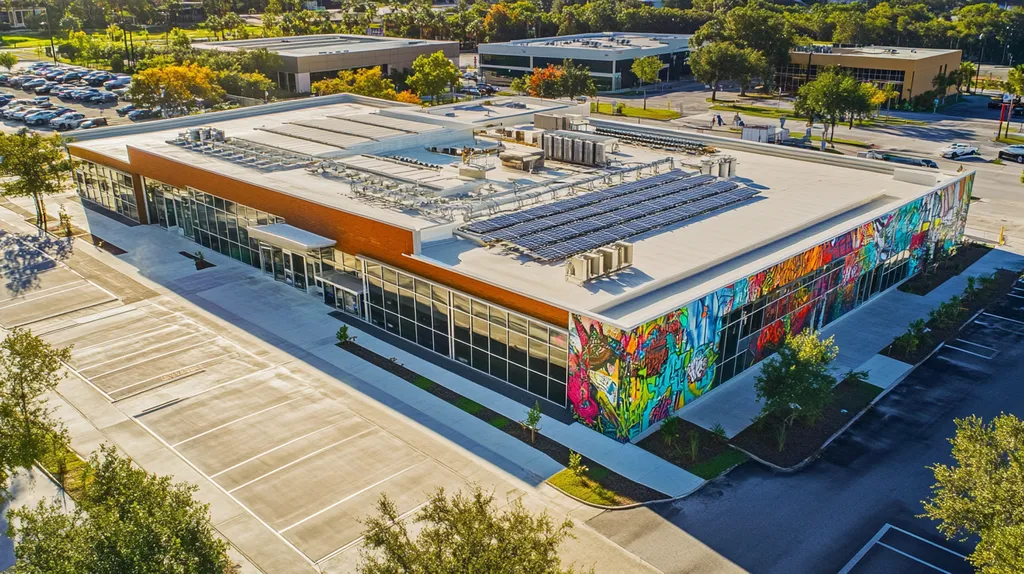
DATA DRIVEN EVIDENCE
The commercial roofing industry stands at a critical juncture where data-driven decisions can dramatically impact both environmental sustainability and financial performance. Every square foot of uncoated commercial roofing contributes to massive energy waste and environmental degradation. Research confirms that proper coating selection and application delivers transformative benefits, yet many facility managers lack the concrete evidence needed to justify these investments.
Analysis of Energy Performance Post-Coating Application
Modern roof coatings create remarkable opportunities for energy savings, with reflective solutions leading the charge. High albedo roof coatings reflect substantially more solar radiation than traditional materials, delivering significant reductions in rooftop temperatures and cooling costs. These benefits prove especially valuable in warm climates where the cooling savings far exceed any winter heating penalties. (source: ASME Sustainable Buildings)
Real-world performance data shows coating applications can slash cooling costs by 20-35% in commercial buildings. These savings compound over time, often delivering full return on investment within 3-5 years of installation.
Peak load reduction through coating applications helps facilities negotiate better utility rates. Many buildings see additional savings through reduced HVAC maintenance and extended equipment life.
Temperature monitoring confirms that properly coated roofs maintain significantly lower surface temperatures. This reduction directly impacts indoor comfort and can allow for downsizing of replacement HVAC equipment.
Quantifying Waste Reduction and Material Lifecycle Impacts
Coating applications dramatically extend roof service life, often doubling or tripling the time between complete replacements. This extension prevents thousands of tons of roofing waste from entering landfills annually.
Modern coating systems require 70-90% less raw material than total roof replacement. This reduction in material consumption delivers substantial environmental benefits through decreased manufacturing impacts.
Transportation emissions drop significantly when choosing coating over replacement. A typical coating project requires just 10-20% of the delivery trips needed for full roof replacement.
Coating systems enable phased maintenance approaches that optimize material usage. Strategic recoating of high-wear areas extends overall system life while minimizing waste.
Comparative Studies of VOC Emissions among Coating Types
Advanced water-based coatings now match or exceed the performance of traditional solvent-based systems while reducing VOC emissions by up to 95%. This breakthrough eliminates a major environmental concern without compromising durability.
Laboratory testing confirms that modern low-VOC coatings maintain their physical properties longer than conventional alternatives. This extended performance further reduces the environmental impact through decreased replacement frequency.
Air quality monitoring during application shows dramatically lower emission levels from current-generation coatings. These improvements protect worker health while minimizing environmental impact.
The latest coating formulations continue pushing VOC levels lower while enhancing performance. Some systems now achieve near-zero emissions while delivering superior weathering resistance.
SECTION 6: ALTERNATIVE SOLUTIONS
Every year, commercial buildings waste millions in energy costs while accelerating environmental damage through ineffective roofing choices. The environmental impact extends far beyond individual properties, contributing to urban heat islands and excessive carbon emissions. Revolutionary advances in coating technology now offer transformative solutions that can slash energy consumption while delivering superior protection. Property owners who embrace these innovations position themselves to capture both immediate savings and long-term competitive advantages.
Adoption of High-Performance, Low-Impact Coatings
High albedo roof coatings reflect substantially more solar radiation than traditional materials, delivering significant reductions in rooftop temperatures and cooling costs. These benefits prove especially valuable in warm climates where the cooling savings far exceed any winter heating penalties. (source: ASME Sustainable Buildings)
Advanced coating formulations now incorporate phase-change materials and self-cleaning surfaces that maintain peak performance longer while minimizing maintenance requirements. These innovations dramatically extend service life while reducing the frequency of recoating cycles.
Bio-based and recycled content alternatives match or exceed traditional coating performance while minimizing environmental impact. Their superior durability and reduced material requirements translate directly to lower lifecycle costs.
Smart coating systems with integrated monitoring capabilities enable real-time performance optimization. This technology helps facility managers maximize energy savings while extending coating longevity through predictive maintenance.
Emphasizing Preventative Maintenance and Roof System Design
Strategic maintenance programs focused on early intervention prevent minor issues from escalating into major failures. Regular inspections and targeted repairs dramatically extend coating system life while preserving peak environmental performance.
Proper drainage design and substrate preparation create optimal conditions for coating success. These fundamental elements reduce ponding water and prevent premature coating breakdown.
Integration with other building envelope components amplifies coating benefits. Coordinated improvements to insulation, air barriers, and ventilation systems create synergistic performance gains.
Documentation of maintenance activities builds valuable performance data while ensuring warranty compliance. This information helps optimize future coating selections and application strategies.
Leveraging Data Analytics for Tailored Environmental Strategies
Advanced monitoring systems track real-time coating performance through temperature sensors and infrared imaging. This data enables precise optimization of HVAC operations while identifying areas needing preventive maintenance.
Predictive analytics help facility managers anticipate coating degradation before visible signs appear. Early intervention preserves reflective properties and extends service life while minimizing repair costs.
Building automation systems integrate coating performance data with other operational metrics. This holistic approach ensures coating strategies align with overall sustainability goals.
Performance tracking validates energy savings and environmental benefits while identifying opportunities for improvement. The resulting metrics build compelling business cases for coating investments while documenting regulatory compliance.
The Bottom Line
Every day that outdated roofing practices continue, commercial buildings waste millions in preventable energy costs while accelerating environmental damage through ineffective coating choices.
The data clearly shows that modern coating technologies can slash cooling costs by up to 35% while reducing rooftop temperatures by as much as 50°F – yet resistance to change keeps these solutions from widespread adoption.
The environmental stakes couldn’t be higher, with billions of square feet of commercial roofing contributing to urban heat islands and excessive carbon emissions.
Only through immediate adoption of proven high-performance coating systems, backed by data-driven maintenance strategies and real-time monitoring, can the industry reverse this destructive trend and deliver on the true environmental promise of commercial roof coatings.
FREQUENTLY ASKED QUESTIONS
Q. What are common practices in commercial roof coatings?
A. The commercial roofing industry primarily uses reflective, elastomeric, and silicone-based coatings. These coatings vary in purpose and environmental impact, with reflective options notably reducing rooftop temperatures. Understanding these practices is key to implementing sustainable solutions for your commercial roof.
Q. What systemic issues affect commercial roof coating performance?
A. Systemic issues include gaps between marketing claims and actual performance of coatings. Many coatings claimed to improve energy efficiency may not perform as expected due to environmental conditions or maintenance neglect, leading to unexpected costs and challenges in achieving sustainability goals.
Q. How can roof coatings miss opportunities for improvement?
A. Many facilities treat roof coatings as isolated solutions rather than integral parts of energy upgrades. This siloed approach often overlooks synergies that can amplify benefits, leading to missed financial incentives and sustainability potential across the building envelope.
Q. What are the root causes of inefficiencies in commercial roofing?
A. Outdated environmental data and short-term incentive structures hinder the adoption of advanced coatings. Many property managers rely on old performance metrics, leading to inefficient roofing decisions that overlook modern solutions’ potential for energy efficiency and durability.
Q. How is data driven evidence shaping commercial roofing choices?
A. Data-driven decisions reveal significant energy savings associated with modern coatings. Analysis shows reductions in cooling costs and improved performance, yet many facility managers lack this vital evidence to justify investment into more efficient solutions, impacting their bottom line and environmental profile.
Q. What alternative solutions can optimize commercial roofing performance?
A. High-performance, low-impact coatings, along with preventative maintenance strategies, can dramatically increase efficiency. Innovative technologies like self-cleaning surfaces and smart systems enhance energy savings, while proper system design helps prevent premature coating breakdown, ensuring longevity and minimal environmental impact.
Q. What long-term benefits do advanced coatings offer commercial roofs?
A. Advanced coatings not only deliver immediate reductions in energy costs but also extend the lifespan of roofing systems. By integrating modern technologies and materials, these solutions provide long-term savings through reduced maintenance and replacement needs, leading to a more sustainable commercial roof.






