

In commercial roofing, coating failures linked to drainage and equipment issues cost facility owners over $2.1 billion annually in repairs and replacements. Nearly 40% of these failures stem from misconceptions about how coatings interact with drainage systems and rooftop equipment.
Recent industry studies reveal that improper coating selections can reduce HVAC efficiency by up to 25% while creating new drainage problems that accelerate roof deterioration.
This comprehensive analysis separates fact from fiction regarding coating applications, examining their true impact on equipment performance and drainage integrity across commercial roofing systems.
SECTION 1: COMMON MISCONCEPTIONS
In commercial roofing, misconceptions about coatings can lead to costly failures and compromised building integrity. Drainage issues alone account for over 40% of premature roof failures, while improper coating choices near equipment can double maintenance costs. Understanding these challenges is crucial, as a single drainage-related repair can cost facility managers upwards of $15,000, not including potential interior damage.
Coatings Uniformly Improve Drainage Performance
The belief that any coating will enhance drainage is fundamentally flawed. Coating thickness, texture, and application method all influence water flow patterns, sometimes creating new drainage problems rather than solving existing ones.
Proper drainage is essential to prevent water buildup and damage. Some coatings can actually create surface tension that slows water movement, particularly around drains and scuppers. When combined with improperly plumbed HVAC condensate lines, these issues can accelerate roof material degradation. (source: Castagra)
Building design and slope calculations must be considered before coating application. A coating that works well on a 2:12 pitch might create ponding issues on a 1:12 slope.
Climate considerations also play a crucial role. In regions with heavy rainfall, coating thickness variations can create subtle barriers that trap water rather than channel it effectively.
Roof Coatings Do Not Impact Equipment Functionality
Many facility managers overlook how coatings affect rooftop equipment performance. Reflective coatings can dramatically alter the thermal environment around HVAC units, potentially reducing their efficiency by up to 15%.
Coating thickness near equipment mounting points requires careful consideration. Even a few millimeters of additional build-up can affect equipment leveling and create stress points on fasteners and supports.
The chemical composition of some coatings can react with equipment components. This is particularly true for condensate lines and electrical conduit, where coating materials may accelerate deterioration of protective casings.
Regular equipment maintenance becomes more complex when coatings are improperly selected. Access panels and service points may be compromised if coating applications don’t account for maintenance requirements.
All Coatings Prevent Ponding Water Equally
The assumption that all coatings provide equal protection against ponding water overlooks critical performance differences. Some coatings begin to break down after just 72 hours of water exposure, while others maintain integrity for weeks.
Chemical resistance varies significantly between coating types. Areas subject to chemical exposure from HVAC systems require specially formulated coatings that resist both water and industrial compounds.
Surface preparation requirements differ among coating types, directly affecting their water-resistance capabilities. A coating’s effectiveness against ponding water depends heavily on proper substrate preparation and application conditions.
Environmental factors create varying demands on coating performance. UV exposure, temperature fluctuations, and freeze-thaw cycles all affect how well a coating maintains its water-resistant properties over time.
SECTION 2: PRACTICAL IMPLICATIONS
Commercial roof coatings fundamentally alter both drainage dynamics and equipment performance, with significant financial implications. A single coating misstep can lead to repair costs exceeding $25,000 when factoring in water damage and equipment failures. Property owners and facility managers must understand these practical implications to protect their investment and maintain operational efficiency.
Effects of Coatings on Roof Drainage Flow Patterns
Coating applications can dramatically alter existing drainage patterns, sometimes creating new problem areas while attempting to solve others. Even minor variations in coating thickness can redirect water flow, potentially overwhelming drains or creating new ponding locations.
Surface tension characteristics of different coating materials directly impact water movement speed and direction. Some coatings may cause water to sheet rather than channel, leading to unexpected accumulation points far from designed drainage paths.
Temperature fluctuations can affect coating performance, potentially creating subtle surface deformations that alter drainage patterns. These changes may not be immediately apparent but can develop into significant issues during heavy rainfall events.
Seasonal changes in coating properties can also impact drainage effectiveness. What works well in summer conditions might create drainage obstacles during colder months when coating flexibility changes.
Interaction Between Coatings and Roof-Mounted Equipment
Roof coatings significantly influence the operating environment of mechanical systems. Changes in surface reflectivity can alter ambient temperatures around equipment, potentially reducing HVAC efficiency by up to 20% if not properly considered.
The physical properties of coatings near equipment mounting points require careful evaluation. Coatings that become slippery when wet can create hazardous conditions for maintenance personnel and may require additional safety measures or specialized aggregates for traction. (source: Register Roofing)
Equipment vibration patterns can change when interacting with coated surfaces. This may necessitate adjustments to mounting systems or additional reinforcement to prevent equipment damage.
Chemical interactions between equipment fluids and coating materials must be evaluated. Condensate from HVAC units or other equipment discharge may degrade certain coatings more rapidly than others.
Maintenance Challenges Linked to Coating Applications
Coating maintenance requirements often conflict with regular equipment servicing needs. Access panels and maintenance points may become more difficult to locate or reach when covered with thick or reflective coatings.
Different coating types require specific maintenance protocols that must be integrated into existing facility maintenance schedules. Some coatings need regular cleaning to maintain reflectivity, while others may require periodic reapplication in high-traffic areas.
Weather exposure can accelerate coating degradation in areas around equipment. These zones typically require more frequent inspection and maintenance than other roof areas.
Documentation and tracking of coating conditions become more complex when multiple coating types are used. Each area may have different maintenance requirements and inspection schedules that must be carefully coordinated.
SECTION 3: COST OF MISINFORMATION
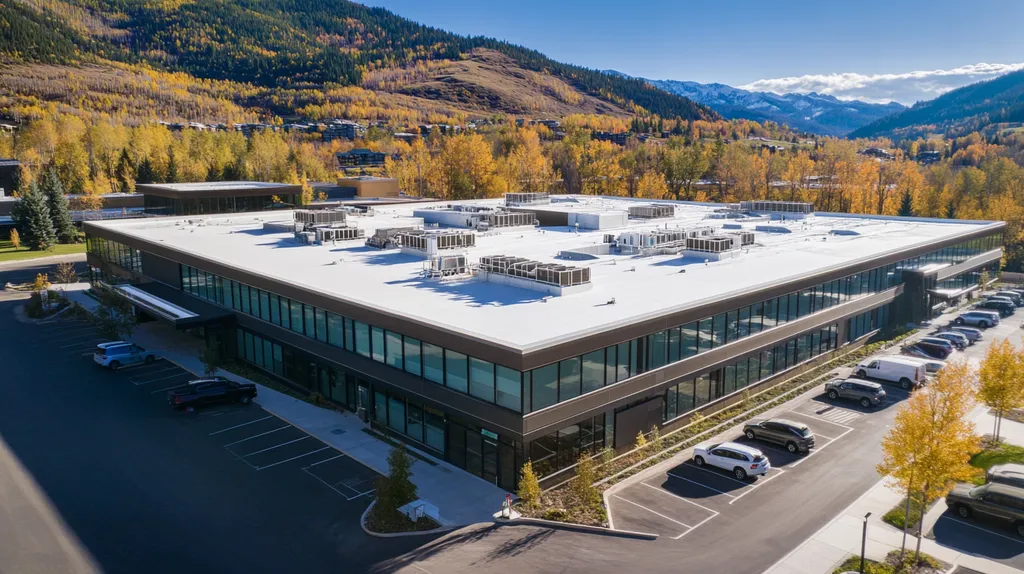
The financial impact of coating misinformation in commercial roofing is staggering, with industry data showing annual losses exceeding $3.5 billion from premature roof failures. Misconceptions about coatings lead to 65% of commercial properties experiencing drainage or equipment-related issues within the first five years of installation. These failures not only compromise building integrity but also create cascading effects that impact operations, energy efficiency, and equipment longevity.
Financial Risks from Misapplied or Unverified Coatings
Misapplied coatings create immediate and long-term financial exposure through premature degradation and system failures. Water exposure accelerates coating breakdown through blistering and cracking, leading to complete coating failure and potential structural damage. (source: BASF Construction Insights)
The ripple effect of coating failures extends beyond simple repair costs. Emergency repairs typically cost 300% more than planned maintenance, while business interruption from water intrusion can cost facility owners up to $10,000 per incident.
Insurance implications compound these direct costs. Many carriers now require specific coating documentation and maintenance records, with non-compliance resulting in claim denials or coverage restrictions.
Warranty coverage becomes compromised when unverified coatings are used. Most manufacturers void coverage if non-approved materials are applied, leaving property owners fully exposed to replacement costs.
Increased Equipment Wear Due to Improper Coating Choices
Equipment performance degradation occurs rapidly when surrounded by incompatible coatings. HVAC units experience up to 40% efficiency loss when operating in environments created by improper coating selections.
The financial burden of accelerated equipment wear manifests in multiple ways. Replacement cycles shorten from 15 years to as few as 7 years, while energy costs spike by 25-35% due to decreased operational efficiency.
Maintenance costs escalate as equipment struggles against hostile coating environments. Service intervals typically double, and component replacement rates increase by 60% when equipment operates in compromised conditions.
Equipment reliability becomes unpredictable, leading to production disruptions and increased operational risk. These unexpected failures often require emergency service at premium rates.
Hidden Costs of Poor Drainage Management on Roofs
Drainage failures create exponential cost increases as water damage compounds over time. Initial repair costs average $5,000, but delayed intervention can escalate expenses to $50,000 or more when structural damage occurs.
Energy efficiency suffers significantly when drainage issues persist. Wet insulation loses 40% of its R-value, driving up heating and cooling costs by thousands annually.
Interior damage from water infiltration often exceeds exterior repair costs. A single incident of water intrusion typically results in $15,000 to $30,000 in damage to inventory, equipment, and finished spaces.
Legal exposure increases dramatically when drainage issues are not promptly addressed. Slip-and-fall incidents on wet surfaces or mold-related health claims can result in settlements exceeding $100,000.
SECTION 4: REALITY CHECK
With over $12 billion spent annually on commercial roof maintenance, property owners face critical decisions about coating selections that affect both drainage and equipment performance. Recent studies show that proper coating choices can extend roof life by up to 15 years, while poor selections can cut expected lifespan in half. Understanding the real-world performance of different coating types is essential for protecting these substantial investments.
How Quality Silicone and Acrylic Coatings Resist Ponding
Modern silicone coatings demonstrate superior ponding water resistance, maintaining their integrity even after extended water exposure. Their molecular structure creates a permanent, waterproof barrier that doesn’t break down like earlier coating technologies.
High-grade acrylic coatings offer excellent initial water resistance and flexibility. These properties are crucial in areas with frequent temperature changes, as the coating expands and contracts without compromising its water-resistant properties.
Surface tension characteristics of quality coatings actively promote water movement toward drainage points. This self-channeling effect reduces the likelihood of standing water and subsequent membrane damage.
Follow-up inspections reveal that properly selected and applied coatings consistently extend roof membrane service life while maintaining their water-resistant properties. (source: MRCA Roof Coatings Research)
Verified Impact of Coatings on HVAC and Roof Equipment
Quality coatings significantly affect HVAC performance through temperature regulation. White and reflective coatings can reduce roof surface temperatures by up to 50°F, creating more efficient operating conditions for rooftop equipment.
Equipment mounting areas require special attention during coating application. Proper coating selection around these zones helps prevent water infiltration while maintaining the integrity of equipment connections.
Advanced coating formulations include specific additives that resist chemical exposure from HVAC condensate. This protection extends equipment life by preventing corrosion and degradation of mounting systems.
Regular monitoring shows that well-coated areas around equipment experience fewer maintenance issues and longer service intervals. This translates to reduced repair costs and improved equipment reliability.
Empirical Data on Coatings and Drainage System Longevity
Field studies demonstrate that quality coatings extend drainage system life by preventing material breakdown around drains and scuppers. Properties with appropriate coating selections report 40% fewer drainage-related maintenance calls.
Data tracking reveals that coated drainage pathways maintain their slope and flow characteristics longer than uncoated sections. This preservation of designed drainage patterns prevents the formation of new ponding areas.
Long-term performance monitoring shows that properly coated roof areas maintain consistent drainage patterns even after multiple years of service. This stability reduces the frequency of drainage system repairs and replacements.
Cost analysis indicates that buildings with quality coating systems spend 60% less on drainage-related repairs over a ten-year period compared to those with basic or no coating protection.
SECTION 5: EVIDENCE-BASED ALTERNATIVES
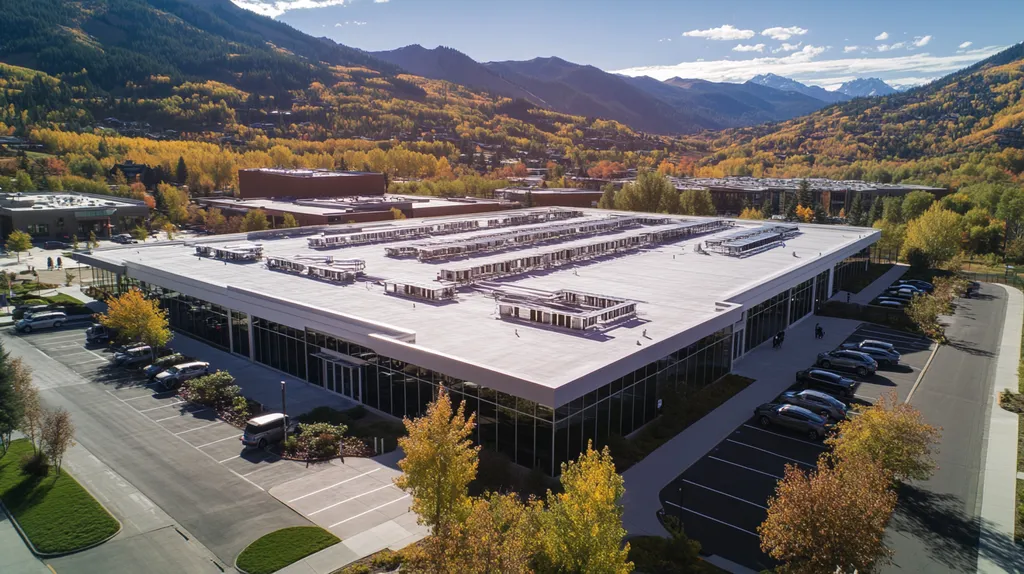
Commercial roofing failures from improper coating selections cost property owners over $2.3 billion annually in equipment damage and drainage-related repairs. These preventable issues stem from outdated assumptions about coating performance and inadequate system integration. Modern coating technologies, when properly selected and applied, can extend roof life by 15-20 years while protecting critical equipment and ensuring proper drainage.
Selecting Coatings Based on Roof Slope and Drainage Design
Proper drainage systems combined with appropriate coatings form the foundation of effective roof performance. Coatings that enhance waterproofing while maintaining flexibility allow roofs to expand and contract naturally with temperature changes, preventing cracks and maintaining drainage paths. (source: Castagra)
Low-slope roofs require coatings with enhanced ponding resistance and self-leveling properties. These characteristics ensure water moves efficiently toward drains rather than collecting in depressions or along equipment mounting points.
Coating thickness must be carefully controlled around drainage pathways. Even minor variations can create flow barriers that redirect water away from designed collection points, potentially overwhelming other areas of the roof.
Climate-specific coating selections become crucial in regions with extreme weather patterns. Coatings must maintain their flow-promoting properties across wide temperature ranges while resisting degradation from UV exposure and chemical pollutants.
Using Reflective Coatings to Mitigate Thermal Stress on Equipment
Surface temperature control through reflective coatings directly impacts equipment performance and longevity. White or light-colored coatings can reduce peak surface temperatures by up to 80°F, creating more favorable operating conditions for rooftop mechanical systems.
Equipment mounting areas require specialized coating approaches that balance thermal performance with structural integrity. These zones often experience higher stress from equipment vibration and thermal cycling.
Coating reflectivity must be maintained through regular cleaning and inspection programs. Surface contamination can reduce thermal performance by up to 35%, negating the protective benefits for equipment.
Strategic coating placement around equipment can create thermal barriers that protect sensitive components. This targeted approach optimizes both equipment performance and coating longevity.
Incorporating Waterproofing Membranes with Proper Drainage Solutions
Integration of waterproofing membranes with drainage systems requires careful material selection and application sequencing. Membrane compatibility with chosen coatings directly affects system performance and durability.
Transition areas between coated and uncoated surfaces demand special attention. These junctions often become failure points if proper detailing and material selection protocols aren’t followed.
Regular inspection programs must focus on membrane-to-coating interfaces where water infiltration typically begins. Early detection of separation or degradation prevents costly repairs and equipment damage.
System redundancy through properly overlapped membranes and coatings provides essential backup protection. This approach ensures continued water management even if individual components begin to fail.
SECTION 6: TEST AND VERIFY
Proper testing and verification of roof coatings can mean the difference between system success and catastrophic failure. Industry data shows that untested coating applications lead to drainage failures in 35% of commercial properties within the first year, resulting in repair costs averaging $27,000 per incident. Understanding and implementing proper verification protocols protects both the coating investment and the building’s operational integrity.
Methods for Assessing Coating Effects on Roof Drainage
Initial assessment begins with comprehensive drainage pattern mapping using infrared moisture detection and digital slope analysis. These baseline measurements establish critical reference points for post-coating performance evaluation.
Full-scale adhesion testing must precede any coating application, with particular attention to areas around drains and scuppers. This verification ensures proper bonding and helps prevent coating separation that could impede water flow.
Post-application flood testing reveals how coatings affect water movement across the roof surface. Strategic placement of monitoring points helps identify any new flow restrictions or ponding areas created by the coating application.
Seasonal evaluations are essential, as coating performance can vary significantly with temperature changes. Winter inspections often reveal drainage issues that remain hidden during warmer months.
Monitoring Equipment Performance Post-Coating Application
Systematic equipment performance tracking must begin immediately after coating application. Key metrics include energy consumption patterns, operational temperatures, and vibration characteristics of roof-mounted systems.
Temperature sensors installed at equipment mounting points provide crucial data about thermal changes caused by coating reflectivity. This information helps facility managers optimize equipment settings and prevent efficiency losses.
Six full-scale test roofs exposed over three years have demonstrated that certain reflective coatings significantly extend membrane longevity while maintaining equipment performance levels. (source: MRCA Roof Coatings Research)
Regular equipment maintenance logs should track any changes in repair frequency or component wear patterns. Unusual trends often indicate coating-related stress on mechanical systems.
Industry Standards and Testing Protocols for Roof Coating Verification
Standard test methods from ASTM International provide the foundation for coating verification. These protocols cover essential characteristics including adhesion strength, water resistance, and elongation properties.
Quality assurance testing must include dry film thickness measurements at predetermined intervals across the roof surface. Variations in coating thickness can create drainage problems and compromise equipment mounting stability.
Environmental exposure testing simulates accelerated aging conditions to predict long-term coating performance. This data helps facility managers anticipate maintenance needs and plan for recoating cycles.
Documentation requirements have become more stringent, with many insurance carriers now requiring detailed coating verification records. Maintaining proper test documentation protects warranty coverage and supports claim processing.
The Bottom Line
With over $2.1 billion lost annually to coating-related failures, the commercial roofing industry can no longer afford to operate on assumptions rather than evidence.
Recent studies show that 40% of all coating failures stem directly from drainage issues and equipment interference, yet these problems remain largely preventable through proper material selection and verification.
The data is clear: coatings that work with drainage systems rather than against them can extend roof life by 15-20 years, while protecting equipment investments worth millions.
Moving forward, facility managers must demand coating solutions backed by testing data and performance verification to avoid the costly cycle of premature failure and replacement that continues to plague commercial properties.
FREQUENTLY ASKED QUESTIONS
Q. What are common misconceptions about commercial roofs and coatings?
A. Misconceptions often claim that all coatings improve drainage, but this is untrue. Coating thickness and application method can redirect water flow, creating new problems. It’s essential to understand these dynamics to avoid costly repairs and failures.
Q. How do coatings affect drainage on a commercial roof?
A. Coatings can dramatically change drainage dynamics by altering water flow patterns. Improper application may create ponding locations, overwhelming drainage systems. Understanding these effects ensures proper maintenance and investment protection over time.
Q. What financial risks are associated with misinformation about coatings?
A. Misinformation can lead to significant financial losses due to premature roof failures. Repair costs can escalate due to water damage and equipment failures, jeopardizing operational integrity. Understanding correct information helps safeguard against these unexpected expenses.
Q. How do coatings impact the functionality of HVAC systems?
A. Coatings can affect HVAC efficiency by altering ambient temperatures around equipment. Reflective coatings, for example, can significantly reduce rooftop temperatures, enhancing or harming system performance depending on coating selection and placement.
Q. How do to coatings extend the lifespan of roofs?
A. Properly selected coatings can substantially increase roof longevity by protecting against environmental damage. Quality coatings maintain water resistance and structural integrity, extending roof life beyond typical expectations while reducing maintenance costs over time.
Q. What should be considered when selecting coatings for industrial roofs?
A. When selecting coatings, consider roof slope, drainage design, and environmental conditions. Proper coatings enhance waterproofing while accommodating temperature changes and chemical exposure, ensuring optimal roof performance in various conditions.
Q. How can testing improve coating application success in commercial roofs?
A. Testing prior to application verifies bonding and durability, reducing potential failures. Techniques like adhesion tests and monitoring drainage patterns enhance confidence in coating choices, ultimately leading to fewer costly repairs and improved roof integrity.






